Yaowarat
เยาวราช
Yaowarat Road is the spine of Bangkok’s Chinatown, a 1.5 km commercial strip built in 1892 under King Rama V through a Chinese trading quarter that had already been established for a century — the community had moved here from the site that later became the Grand Palace and Wat Phra Kaew. Today it’s still the densest concentration of gold shops in the city: more than a hundred dealers, their shopfronts painted red and gold, selling jewellery by the baht weight with prices chalked up and changed daily.
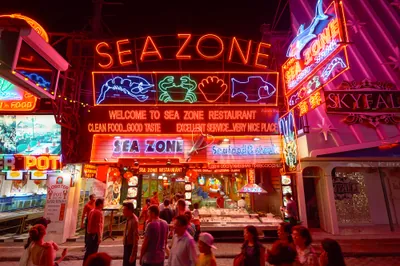
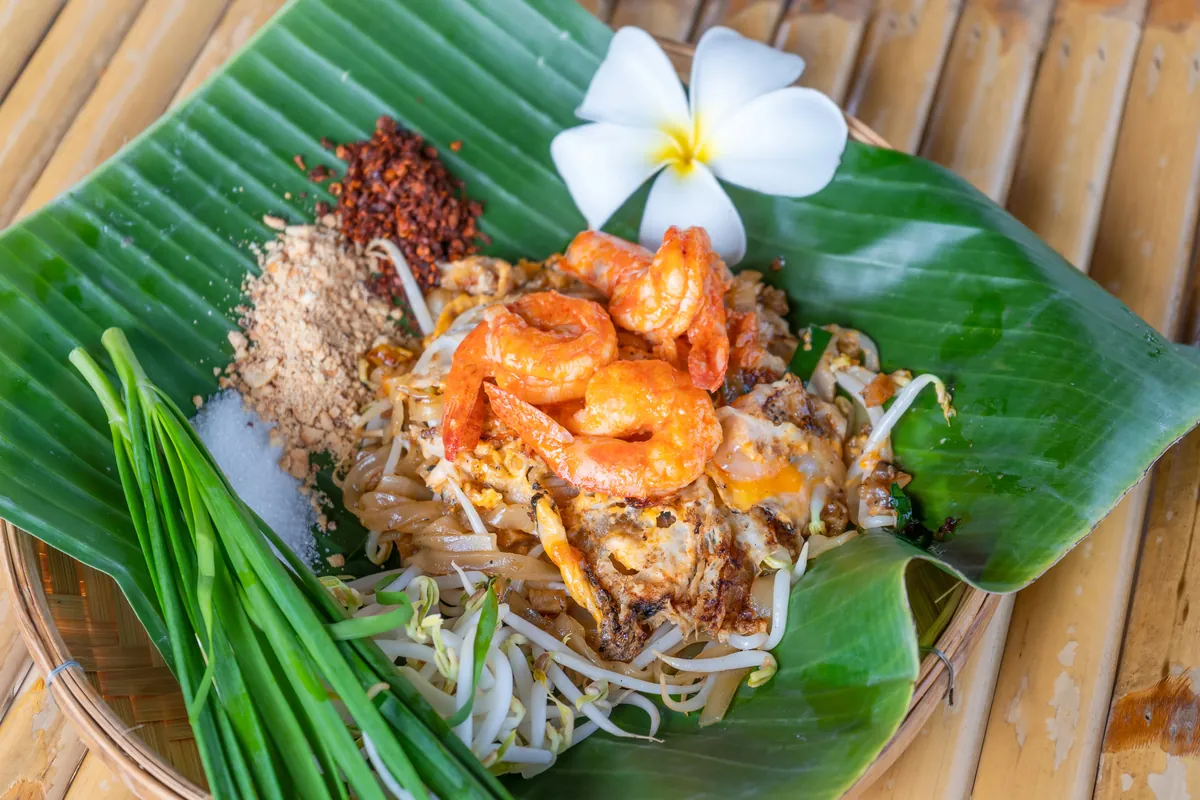
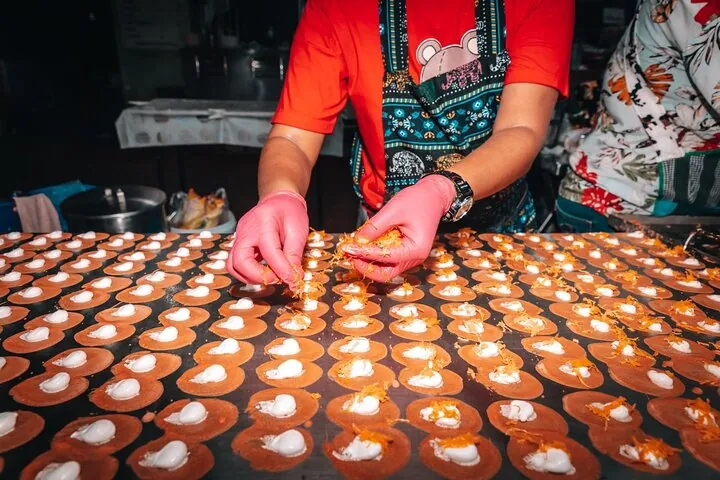
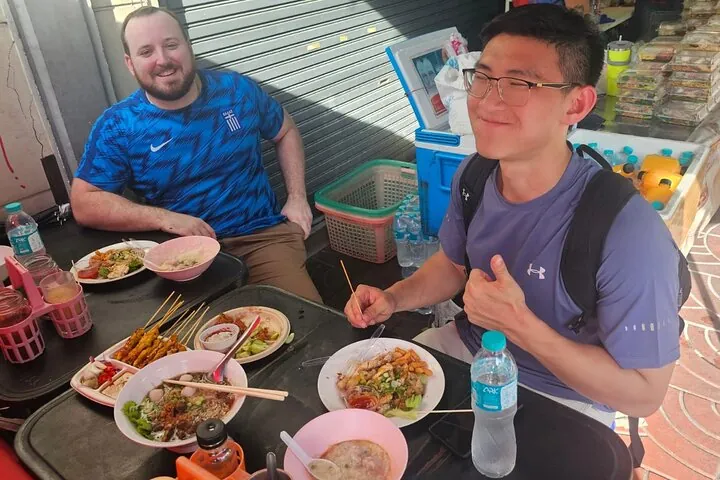
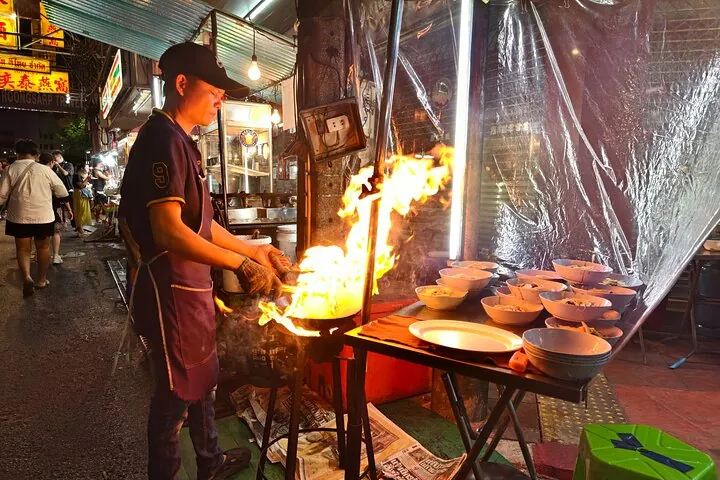
After dark is when Yaowarat earns its reputation. Street carts and folding tables take over the pavements from around 6pm, grilling, steaming, and frying Teochew-style Chinese food — the dialect group that dominated early Chinese migration to Thailand, and whose style shows in the clear broths, roast meats, congee, and dishes built around seafood and offal. Sit-down restaurants serve the pricier end (shark fin soup, bird’s nest soup) while the carts outside handle noodles, dim sum, and grilled skewers for under 100 THB.
Away from the food stalls, side streets off the main road hold traditional Chinese medicine shops and dried-herb dealers — sacks of dried mushrooms, ginseng, and preserved goods stacked floor to ceiling — plus fabric and clothing stores that have traded here for generations. It’s also the venue for two of the city’s biggest Chinese festivals: Chinese New Year in January or February, when the road is strung with lanterns and closed to traffic for a street party, and the Vegetarian Festival around October, when yellow flags mark stalls serving entirely meat-free versions of the usual street food.
- Entry fee: Free (pay only for food and goods)
- Hours: Open all day, but the street food scene runs from evening to around 23:00
- Getting there: MRT Wat Mangkon station (opened 2019), on the Blue Line
- Best time: After 6pm on any night; Chinese New Year (Jan/Feb) for the biggest festival crowds
- Founded: Road built 1892 under Rama V; Chinese trading quarter predates it by over a century
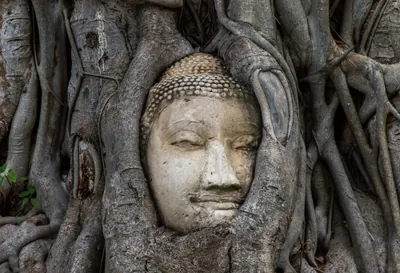
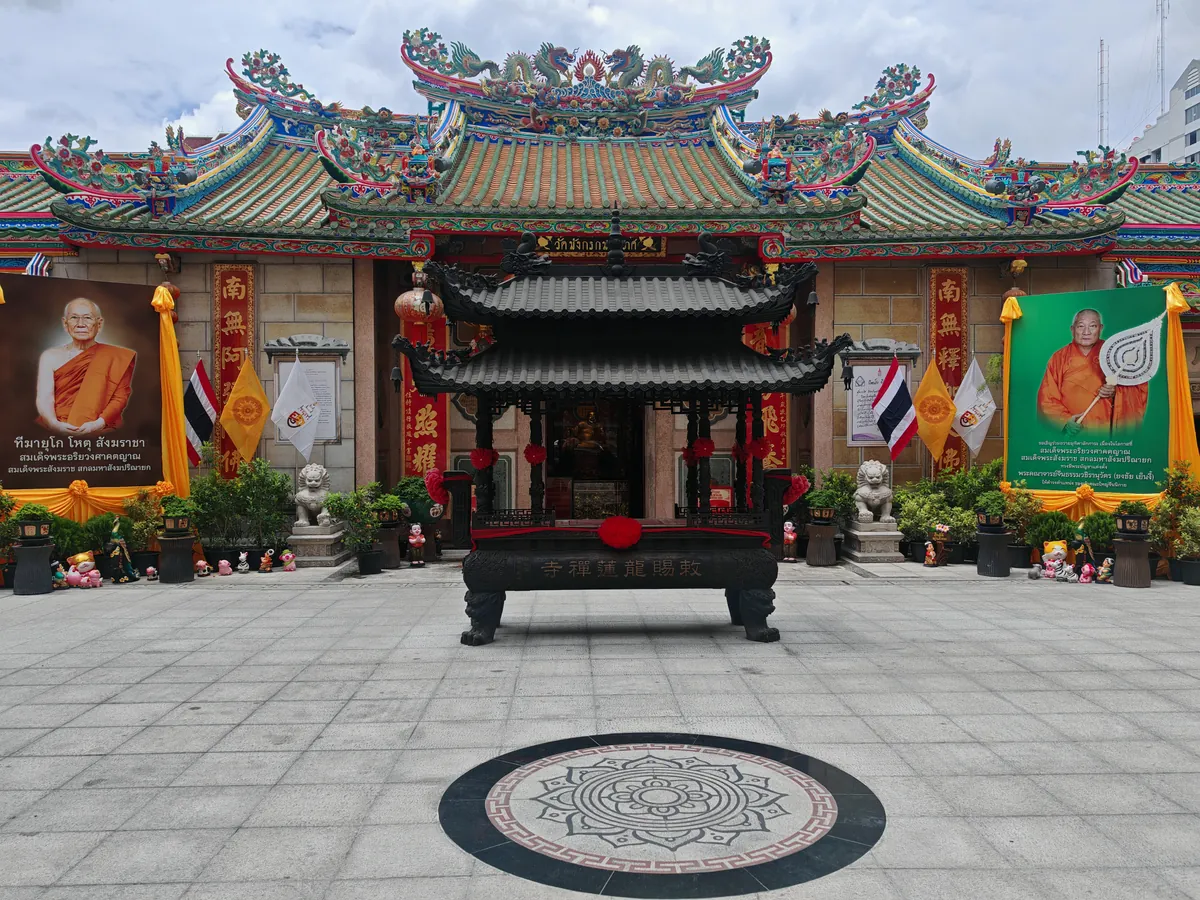
Yaowarat is also a religious crossroads. Shrines to Chinese deities sit alongside Theravada and Mahayana Buddhist temples, a mosque, and a church within a few streets of each other. Wat Traimit, right at the Yaowarat–Charoen Krung junction, holds the world’s largest solid gold Buddha statue — 5.5 tonnes, rediscovered in 1955 after two centuries hidden under plaster. Wat Mangkon Kamalawat, founded in 1871, is the city’s largest Chinese Buddhist temple and the centre of Chinese New Year rites.
Insider Tip: Skip dinner beforehand — this is a street-food crawl, not a sit-down meal. Come hungry and share small portions across several stalls rather than filling up at the first one you find.
Watch out: The main strip gets genuinely packed on weekend evenings and during festivals — pickpocket risk goes up in a slow-moving crowd, so keep bags zipped and phones in a front pocket.
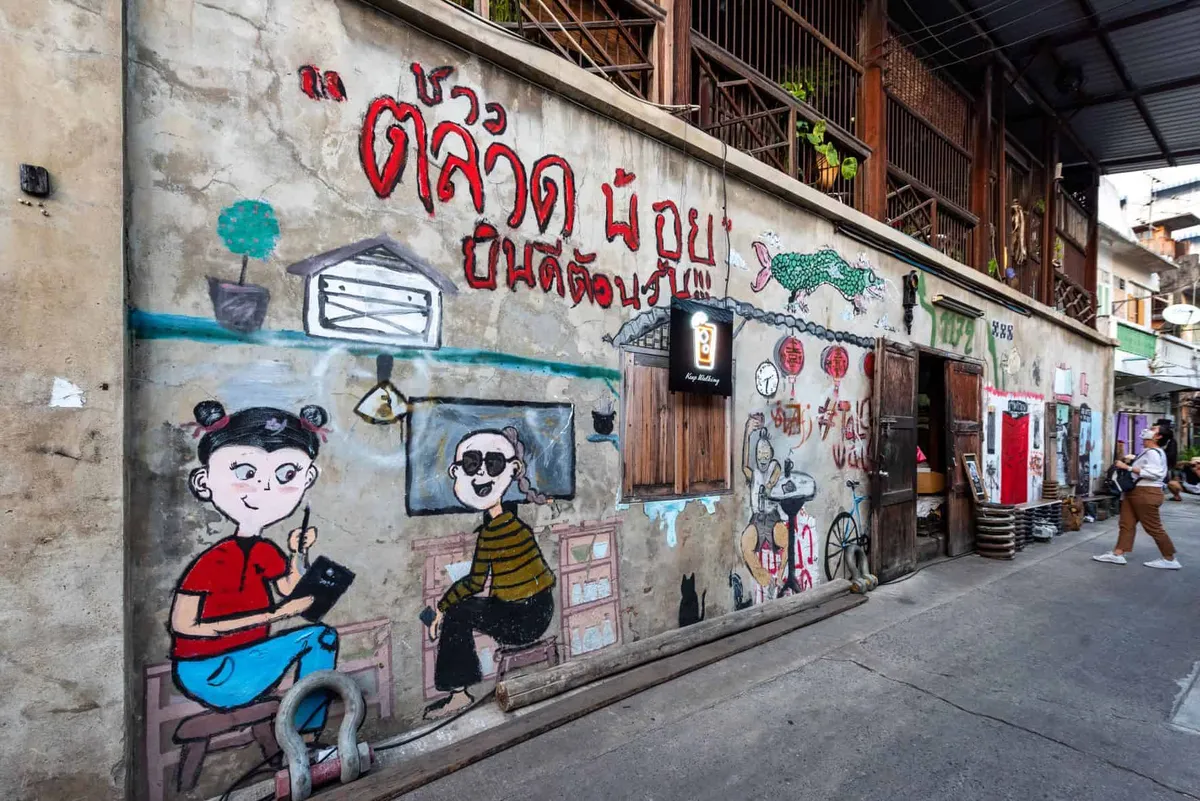
For the quieter side of the neighbourhood, Talat Noi — the riverside enclave just south of Yaowarat — trades the crowds for narrow lanes, old shophouses, and street art.
Location & Directions
Yaowarat Road
Bangkok, Thailand
Show your taxi or Grab driver
เยาวราช
Within Walking Distance




Frequently Asked Questions
Is Yaowarat the same as Bangkok Chinatown?
What's the best time to visit Yaowarat?
How do I get to Yaowarat?
Is Yaowarat free to visit?
When is Yaowarat at its busiest?
Spotted something out of date or incorrect? Let us know
Tours visiting Yaowarat




Stay Near Yaowarat
Compare places to stay in Bangkok, or open the map for options closest to the attraction.