






Dik Diem Tree at Wat Prang
ต้นดิกเดียม วัดปรางค์
Wat Prang, a working temple in Nan province’s Pua district, is home to a single tree that visibly reacts to touch: scratch or gently tap its trunk and the leaves on the branches above tremble, as if shaken by wind that isn’t there. Locals call it “dik diem” — Tai Lue for ticklish — and the temple has grown up around it as a minor pilgrimage stop rather than the other way round.
The tree is reckoned to be over a hundred years old and stands with its back to the sun, facing the temple buildings rather than reaching toward the light the way most trees do — the second oddity that gets it pointed out to visitors alongside the tremor itself. Neither trait has a widely agreed botanical explanation locally; it’s simply presented as what makes the tree unusual enough to be listed as an Unseen Thailand site. The tremor itself is real and repeatable — you touch the bark, wait a few seconds, and watch the canopy move, which is the entire point of stopping here.
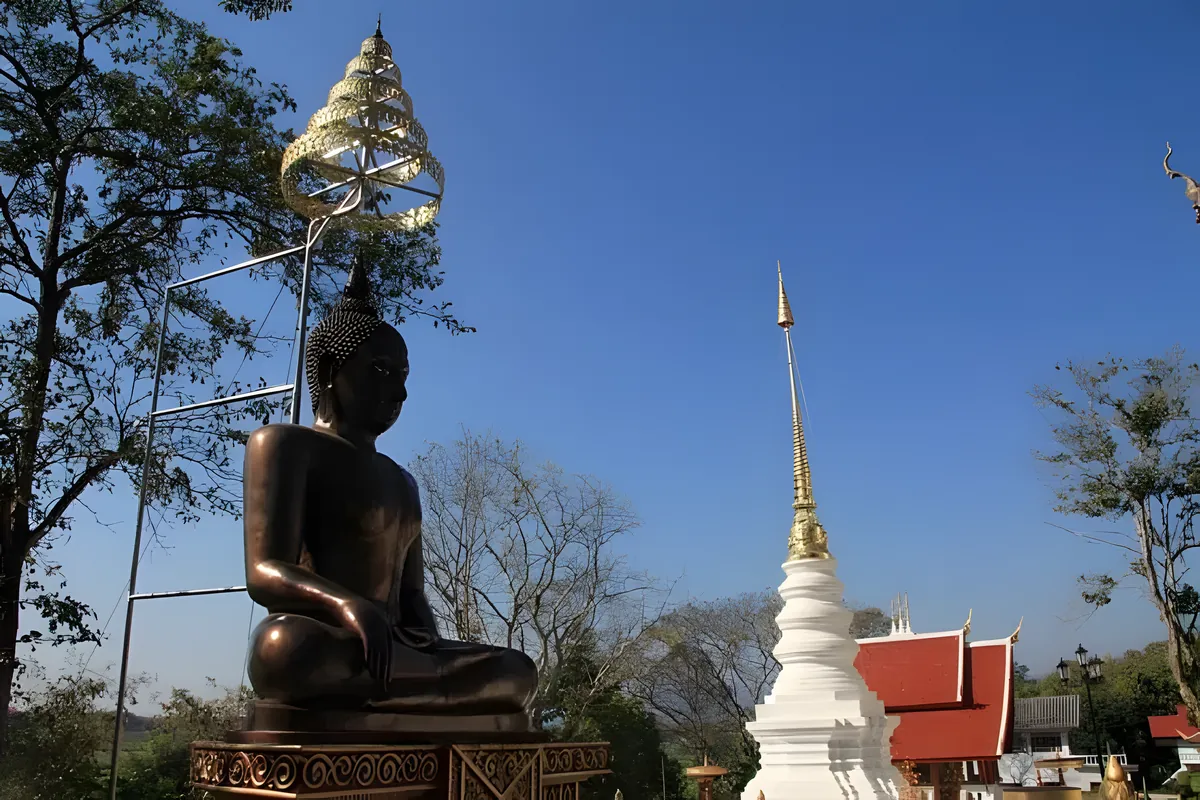
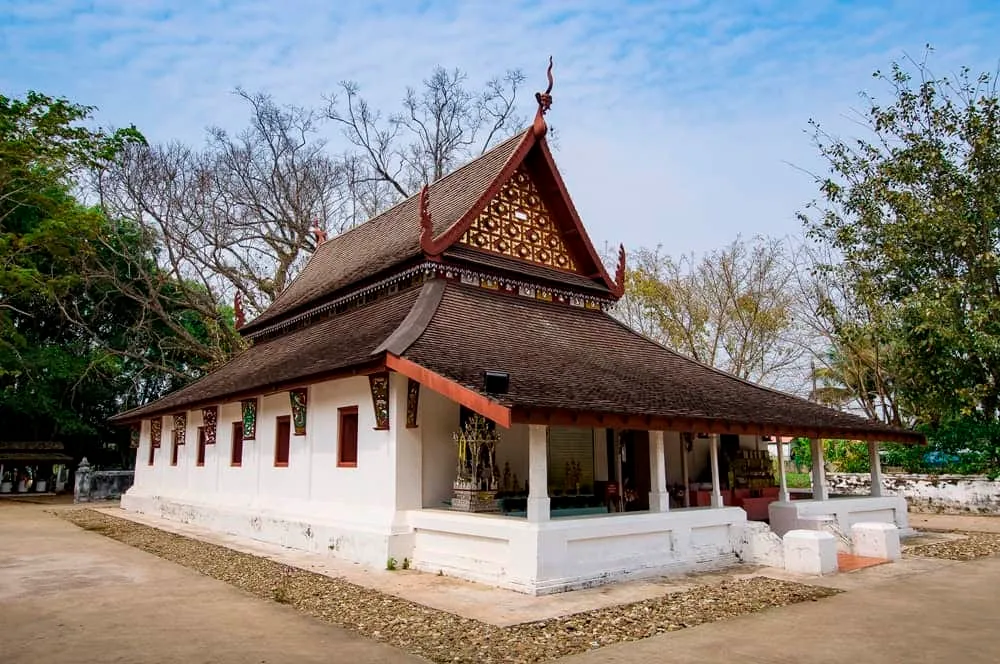
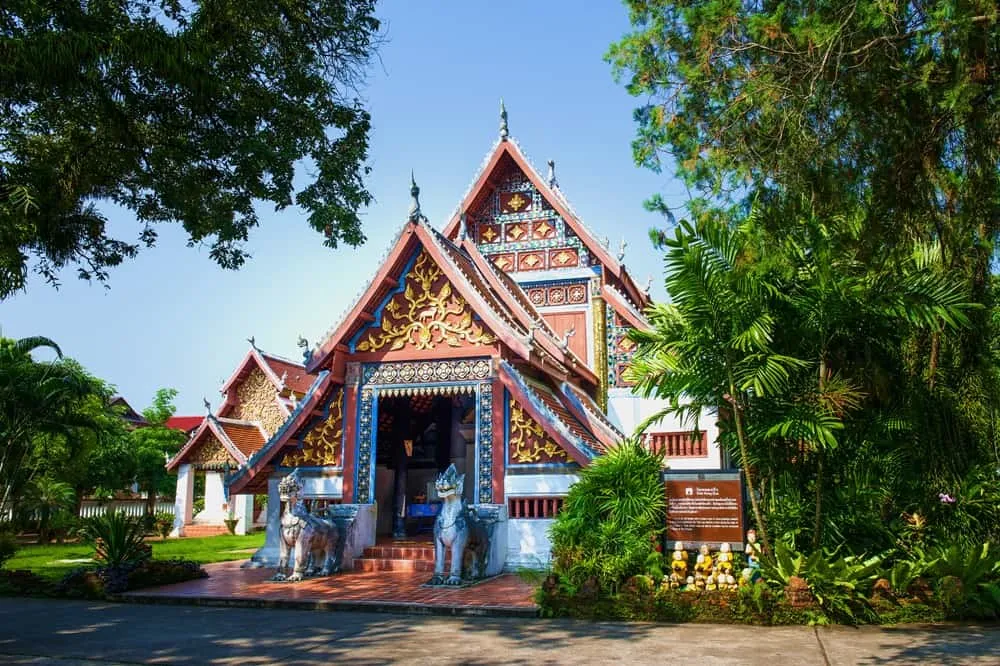
Wat Prang itself is a modest village temple, not a major architectural draw, so most visitors are here specifically for the tree rather than passing through on a wider temple tour. A small shrine sits near the trunk where locals leave offerings. Outside the temple gate, Pua’s municipal market and the wider district — known for terraced rice fields and a cooler mountain climate than Nan town — make it easy to combine with a stop at Doi Phu Kha National Park, roughly 30 km further north.
Insider Tip: Ask a monk or temple caretaker to show you exactly where to touch the trunk — the response is more obvious with a firm scratch on the lower bark than a light brush higher up, and locals know the spot that works best.
- Free entry, no fixed opening hours — visit during normal daylight temple hours
- Tree estimated at over 100 years old, listed as an Unseen Thailand attraction
- Located at Wat Prang, roughly 600 m from Pua’s municipal market on Highway 1080
- About 35 km north of Nan town
- Similar “ticklish tree” specimens reported at Wat Phuket (also in Pua) and Phrae’s Phae Mueang Phi park
Watch out: This is a working temple, not a tourist site built for crowds — keep voices down and don’t climb on the tree or its shrine for photos.
Location & Directions
Pua, Nan
Nan, Thailand
Show your taxi or Grab driver
ต้นดิกเดียม วัดปรางค์
Frequently Asked Questions
Why is it called the Dik Diem tree?
Is it really the only one of its kind in Thailand?
Is there an entry fee?
How do I get to Wat Prang from Nan town?
What should I wear or bring?
Spotted something out of date or incorrect? Let us know
Stay Near Dik Diem Tree at Wat Prang
Live prices for places closest to Dik Diem Tree at Wat Prang — tap a pin to compare.