




Haw Chinese War Memorial
อนุสาวรีย์จีนฮ่อ
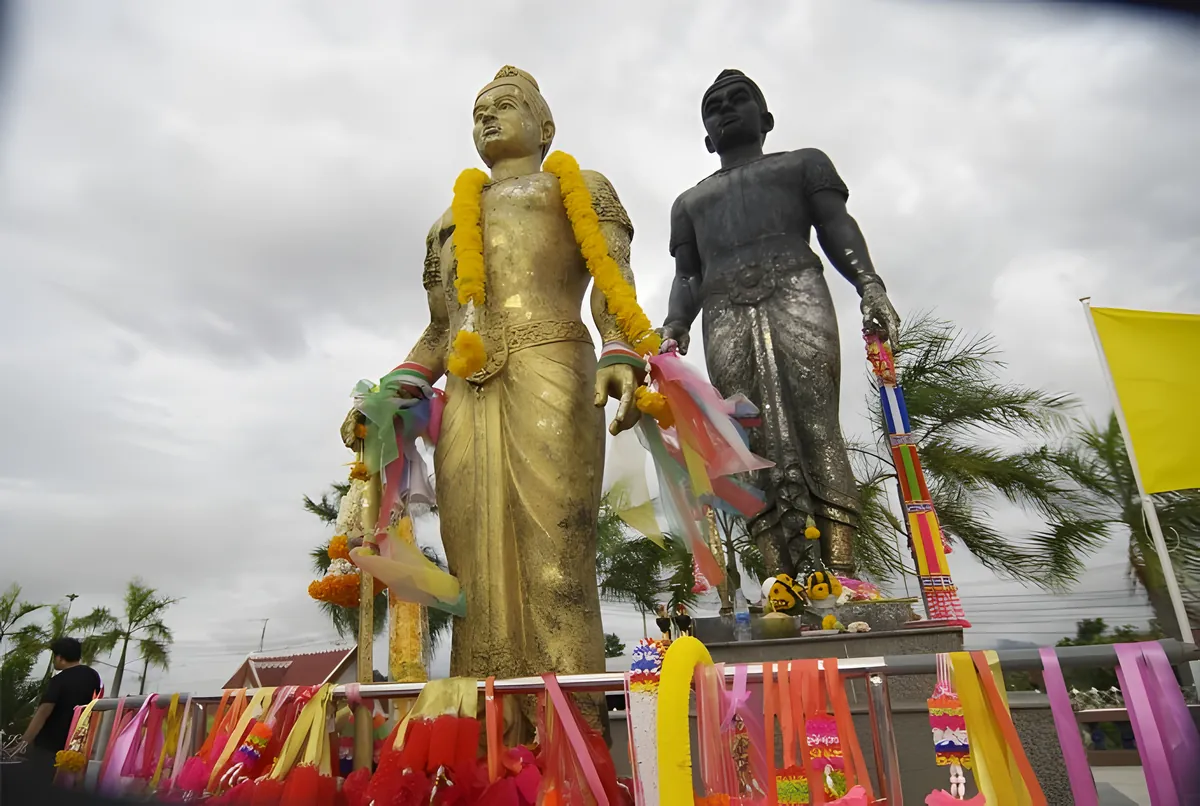
The Haw Chinese War Memorial in Khao Kho district, Phetchabun, honours Chin Haw volunteer soldiers of the 93rd Division who fought alongside Thai government forces against the communist insurgency that gripped this mountain district from 1965 to 1982. Entry is free, with no set opening hours.
Who the memorial honours
“Chin Haw” (also written Jin Haw) is the Thai term for Yunnanese Chinese communities in the north, many descended from the 93rd Division of the Republic of China’s Nationalist (KMT) army, which withdrew into Thailand and Myanmar’s hills after the Communist takeover of mainland China in 1949. One branch of that same diaspora settled at Doi Mae Salong in Chiang Rai and built the tea-growing village still there today. Here in Khao Kho, Chin Haw men volunteered as irregular soldiers alongside the Royal Thai Army during the long campaign against the Communist Party of Thailand (CPT), which had infiltrated Khao Kho and the neighbouring Phu Hin Rong Kla area starting in 1965. Fighting continued through the 1970s and into the early 1980s before the insurgency was brought to an end; this memorial marks the graves and sacrifice of the volunteers who died in that campaign.
The monument
The memorial’s proportions carry the dates deliberately: it rises 25 metres from base to top, standing for 2525 in the Buddhist calendar (1982), the year the fighting ended, and its triangular base measures 2.6 metres along each side, for 2526 BE (1983), the year it was built. Stone tablets inscribed with the names of the fallen surround the base, and small shrines where visitors leave incense sit near the main structure.
Insider Tip: This is one of three Khao Kho sites tied to the same conflict. Combine it with the Khao Kho Sacrificial Monument and the Itti Base weapon museum for a fuller picture of the insurgency years. Each covers a different angle, from the broader memorial to actual recovered ordnance.
Watch out: This is a memorial to the war dead, not a general tourist stop. Keep noise down, dress modestly, and treat the shrine areas with the same respect you’d show at a temple.
- Entry fee: Free, no set hours
- Height: 25 m base to top, symbolising 2525 BE (1982), the year fighting ended
- Base: Triangular, 2.6 m per side, symbolising 2526 BE (1983), the year built
- Honours: Chin Haw volunteer soldiers, 93rd Division
- Conflict: Thai government forces vs. the Communist Party of Thailand, 1965-1982
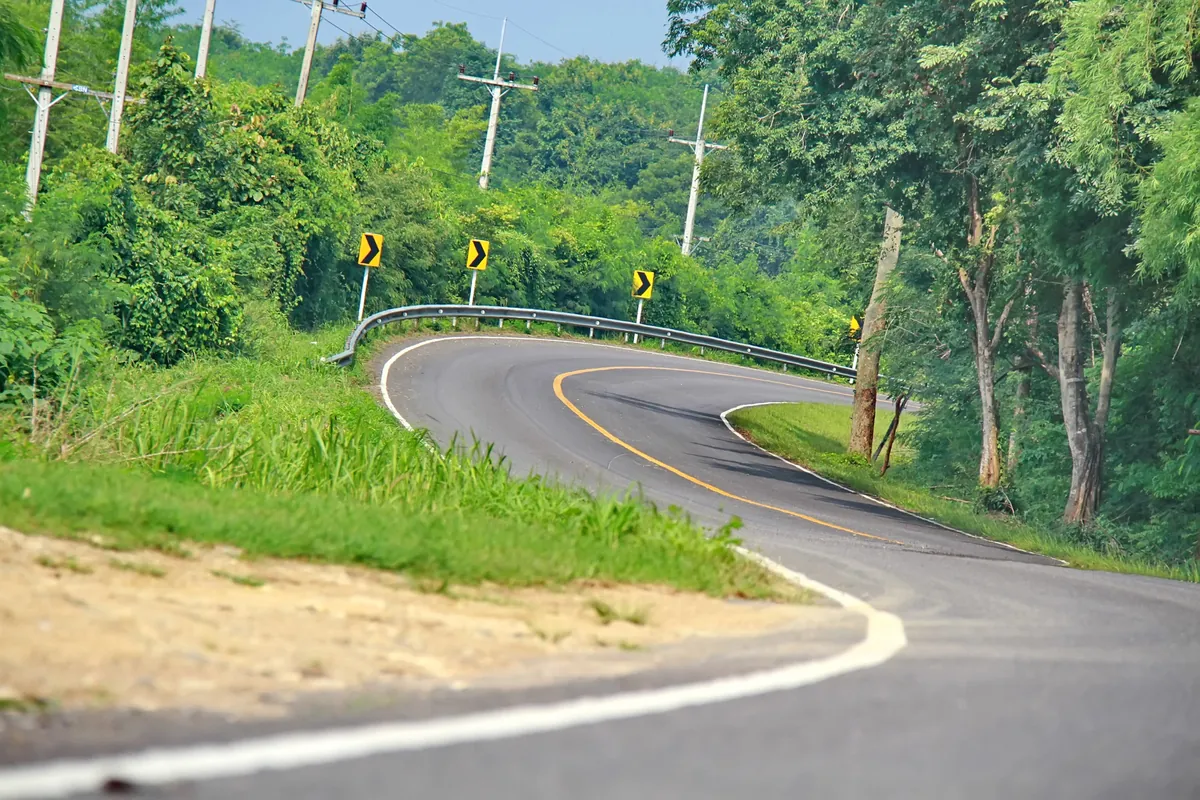
The memorial sits on Khaem Son-Sado Phong Road in Khao Kho district, reached by the same mountain roads that link Phetchabun town to the wider Khao Kho highland area. Call 0 5673 7094 for visitor information.
Location & Directions
Khaem Son-Sado Phong Road
Phetchabun, Thailand
Show your taxi or Grab driver
อนุสาวรีย์จีนฮ่อ
Frequently Asked Questions
Who does the Haw Chinese War Memorial honour?
What do the memorial's dimensions represent?
Is it free to visit?
How is this different from the Khao Kho Sacrificial Monument nearby?
Is this connected to the Chinese community on Doi Mae Salong in Chiang Rai?
Spotted something out of date or incorrect? Let us know
Stay Near Haw Chinese War Memorial
Live prices for places closest to Haw Chinese War Memorial: tap a pin to compare.