








DepositPhotos (standard license)
Phetchabun
เพชรบูรณ์
Mountain province with sea of mist viewpoints, cool climate retreats, and the stunning Khao Kho highlands.
Recommended by us

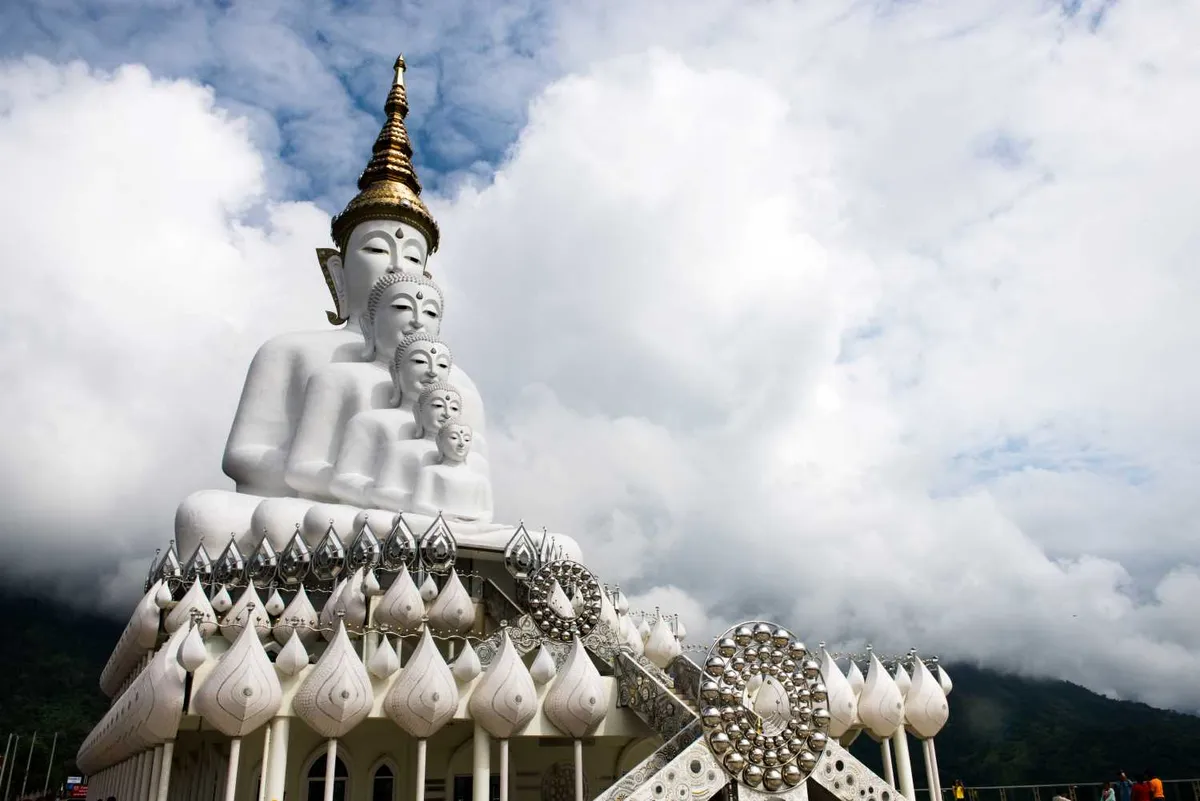
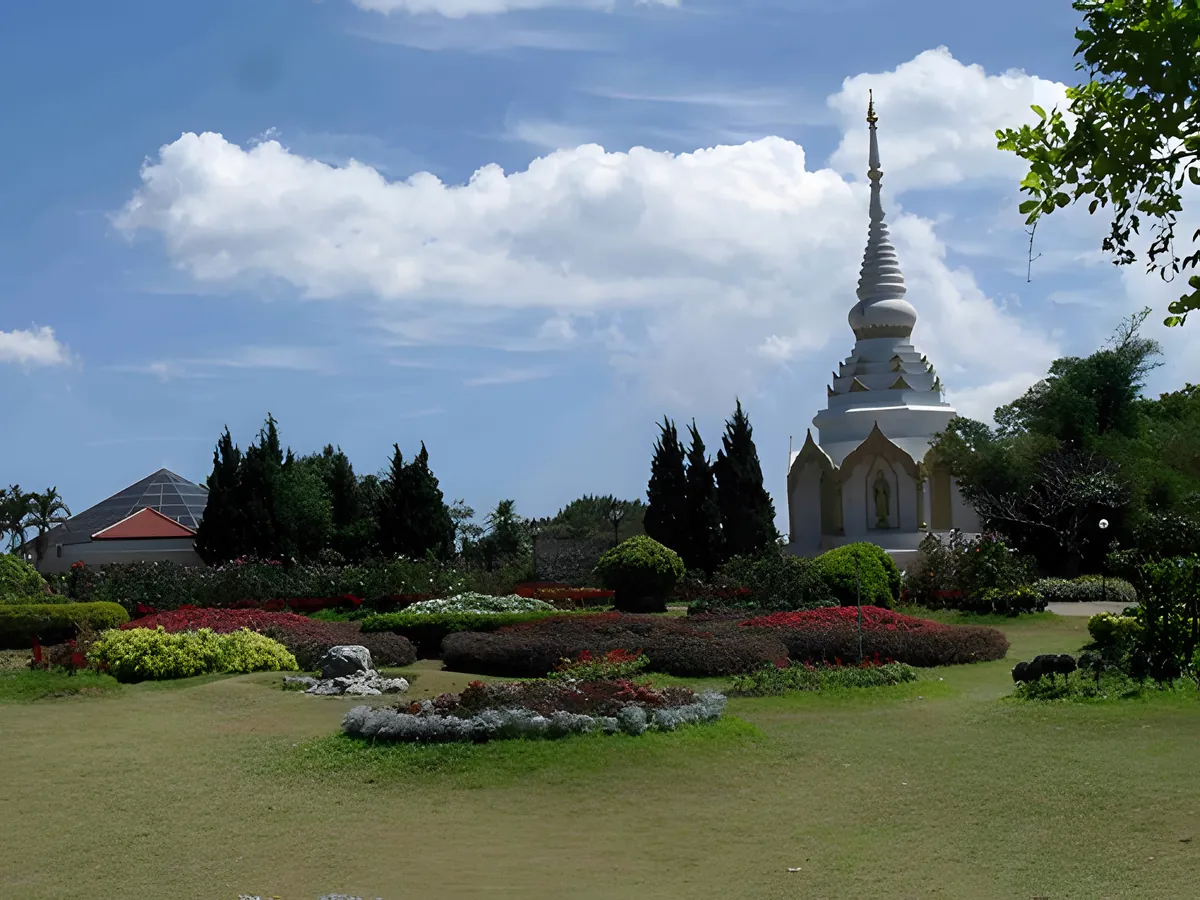
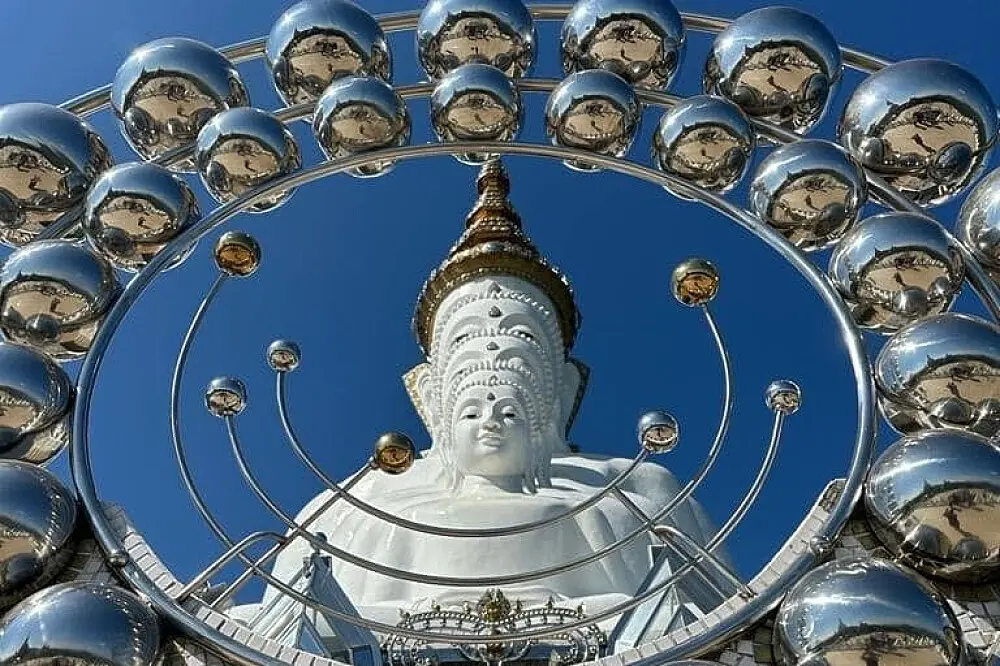
Wat Phra That Pha Son Kaew
Five white chedis covered entirely in mosaic — millions of ceramic fragments in geometric patterns. The scale only becomes clear once you're standing beneath them. Come in the cool season when the surrounding gardens are in bloom.

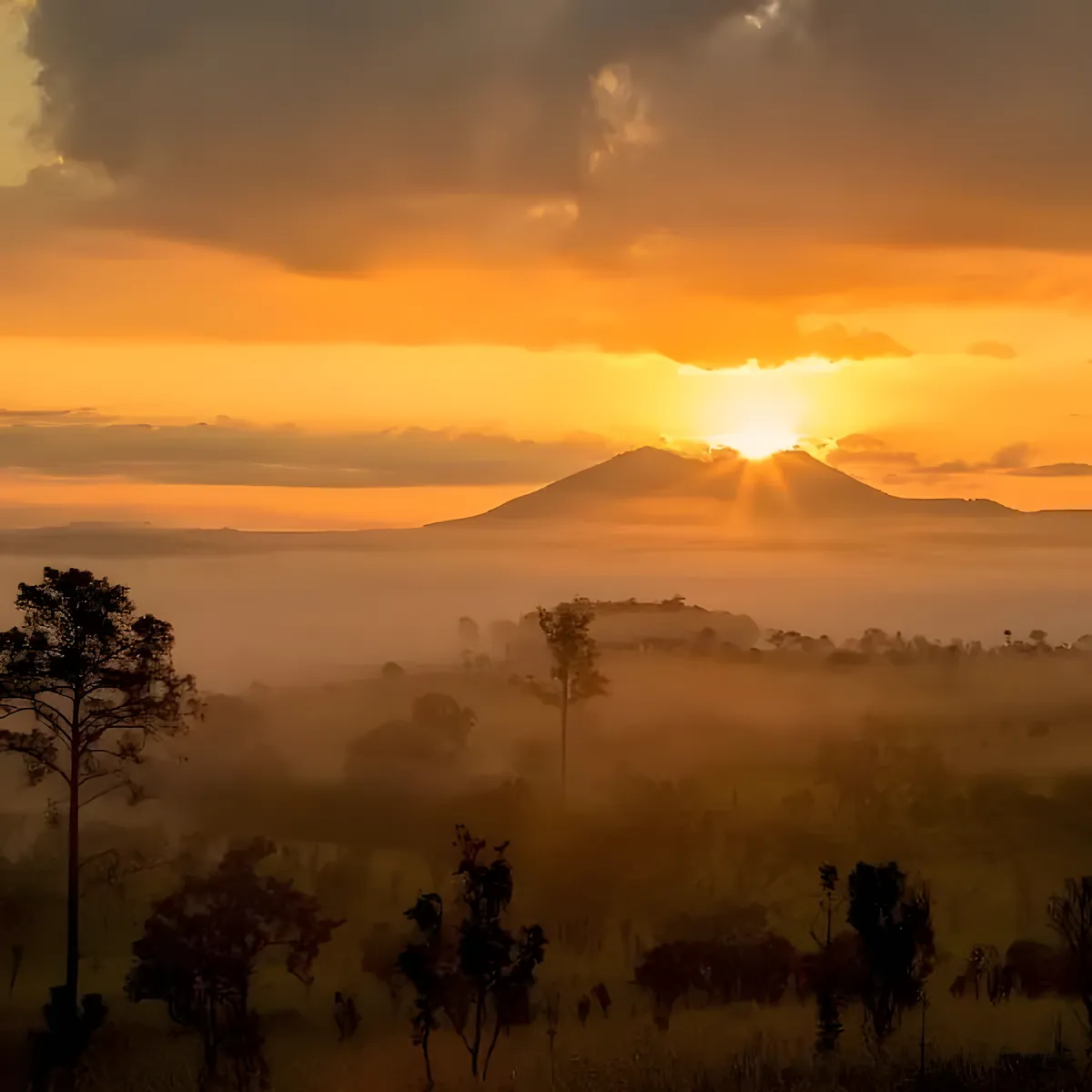
Sala Dusita Sunrise Viewpoint
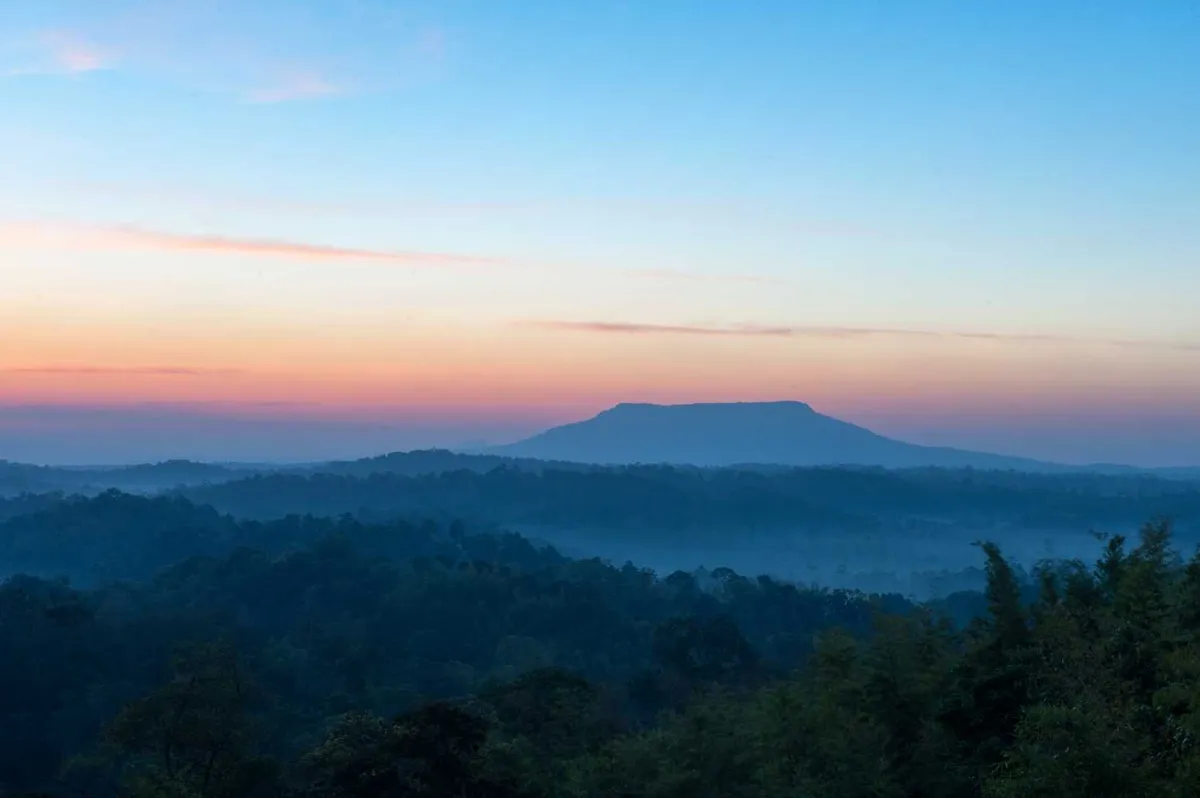
The classic Khao Kho sunrise spot — a pavilion above a sea of mist, with the hill ridges surfacing like islands at dawn. You need to arrive before 6am and dress for cold; temperatures at this elevation can drop to 10°C in winter.

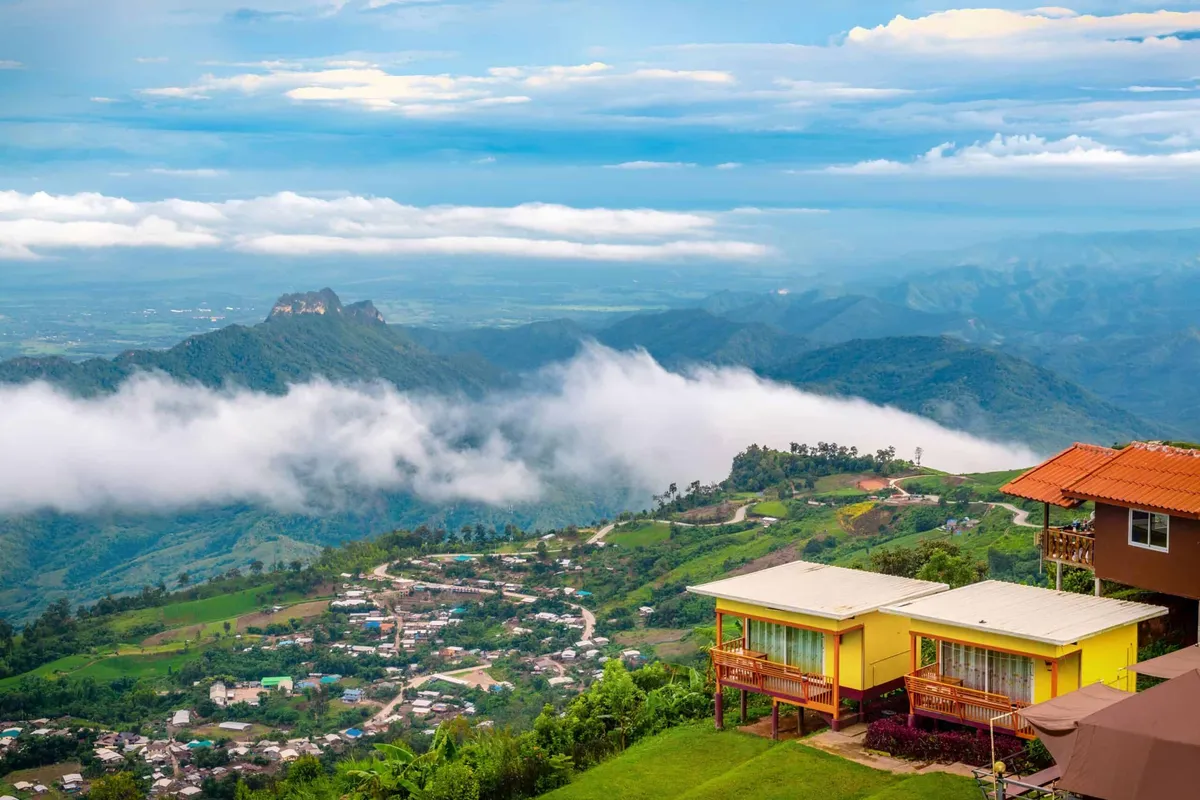
Phu Tabberk
A high plateau with open grassland and pine trees — the landscape looks nothing like the rest of Thailand. The coolest months (Nov–Feb) are peak season; on-site accommodation fills fast at weekends.

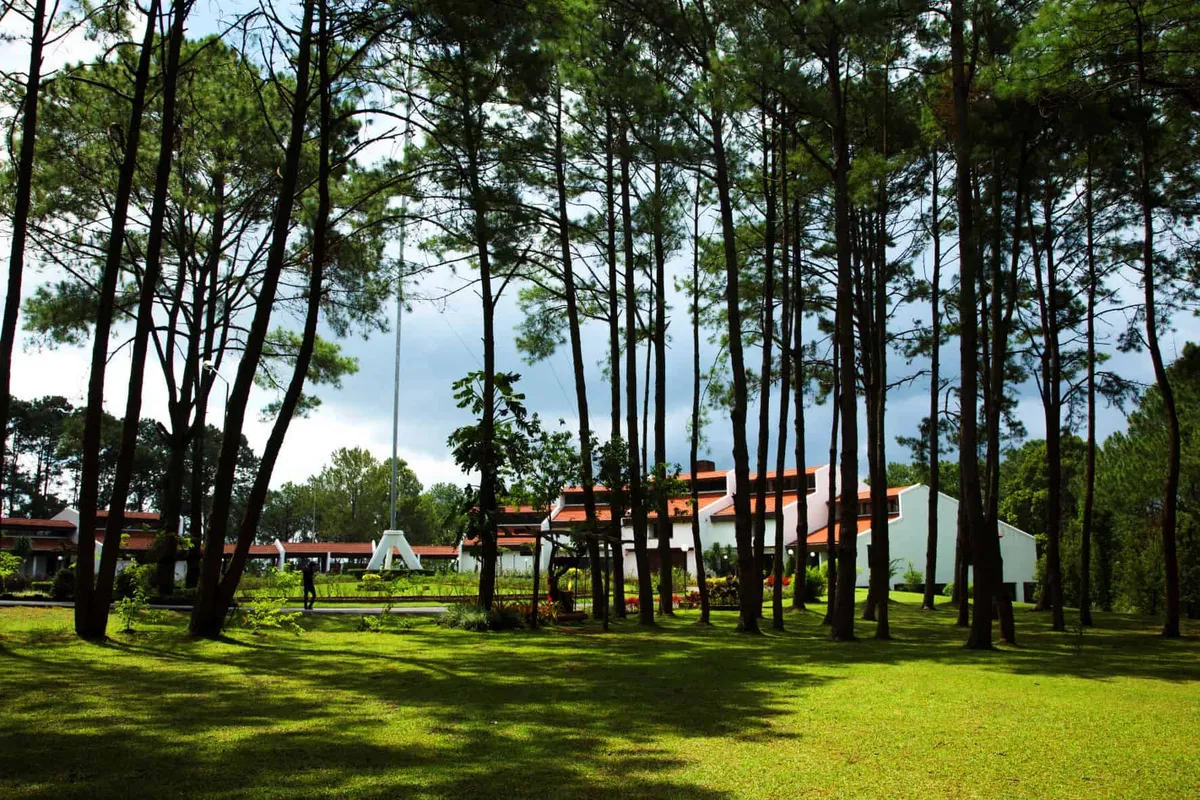
Khao Kho Royal Palace
The hilltop royal residence at Khao Kho, with manicured gardens and mountain views. The palace grounds are open to visitors when the royal family is not in residence — confirm dates before making it your main stop.

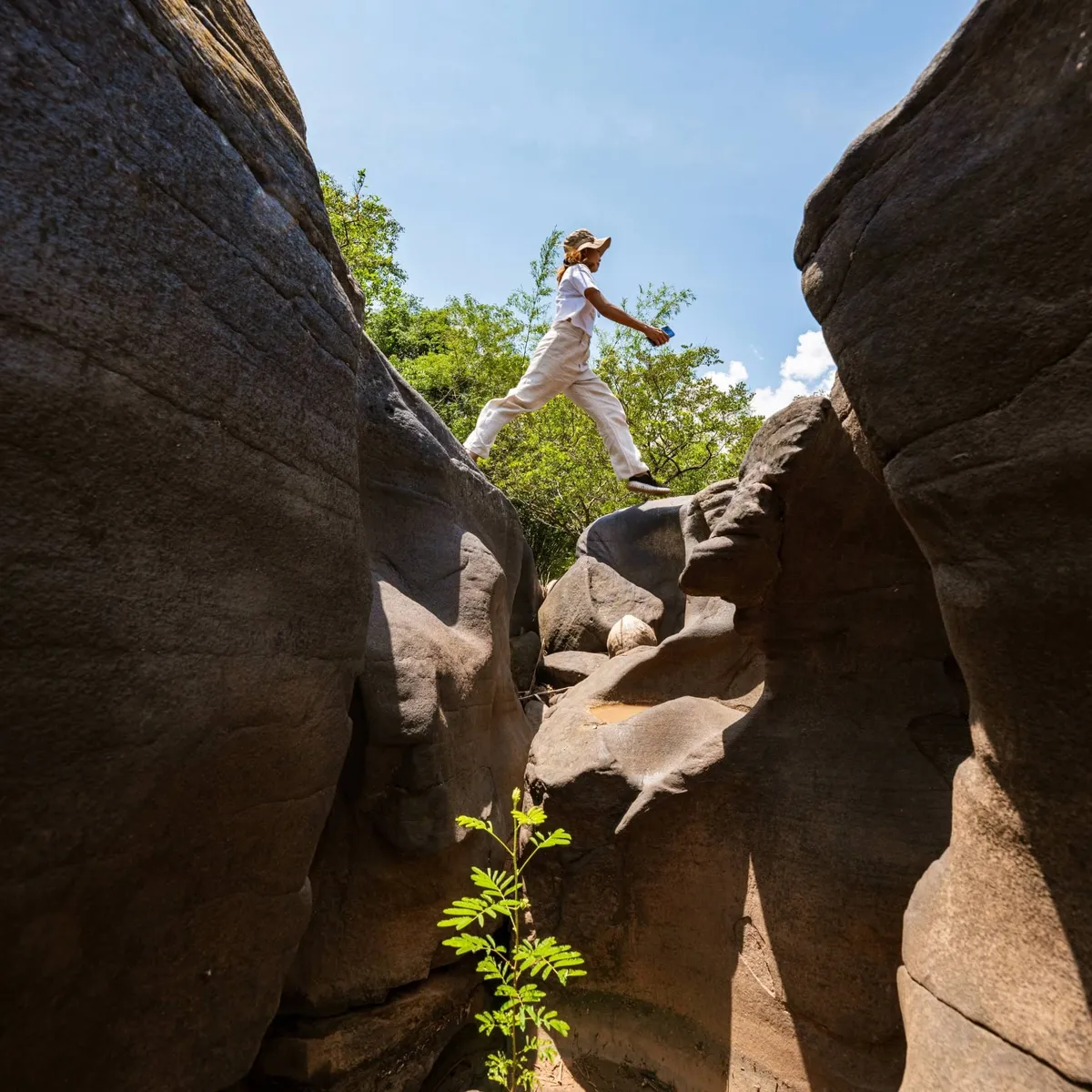
Get to Phetchabun
Around 5 hours by bus from Bangkok's Mo Chit terminal — most visitors rent a car or motorbike on arrival to reach the highland viewpoints at Khao Kho.

eSIM for Thailand
Land with data already working and skip the airport SIM queue. We tested six plans — code THAIHOLIDAY saves 10%.

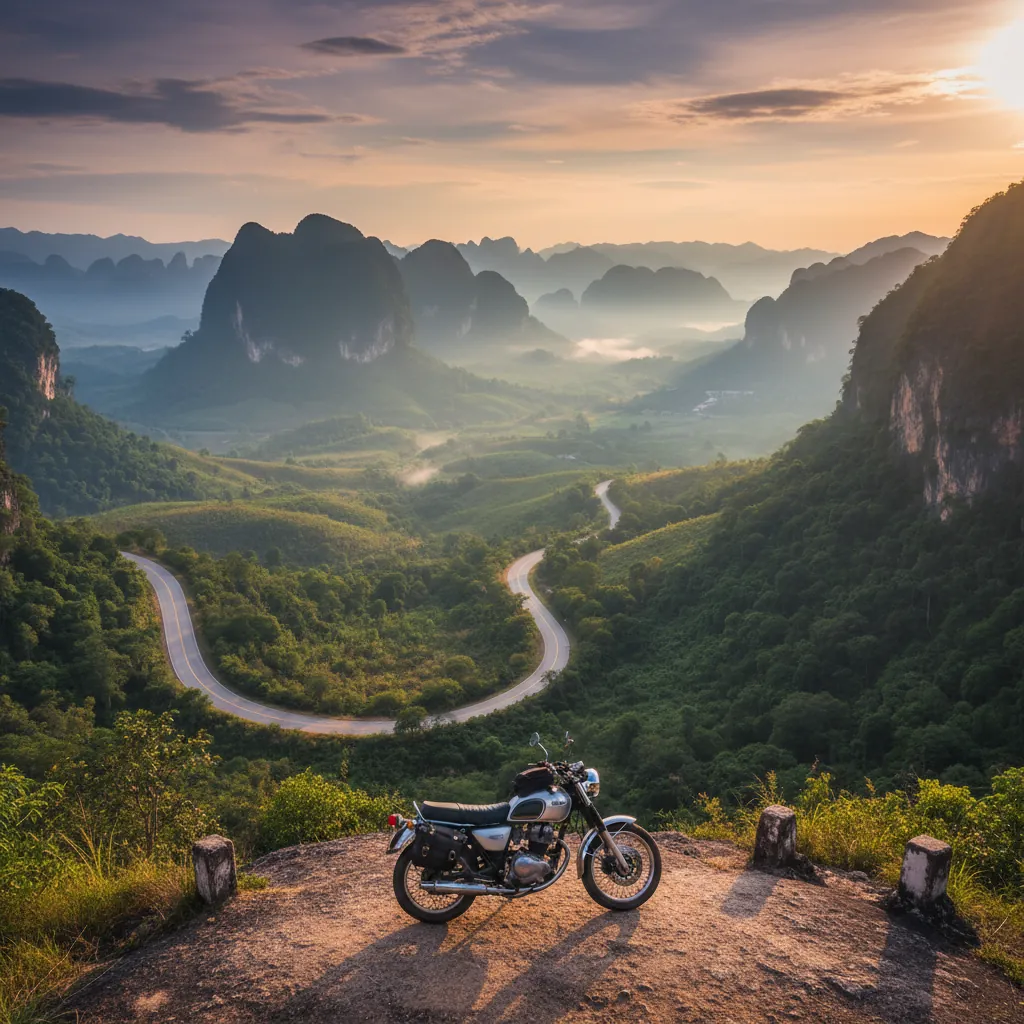
Travel insurance
Motorbike hire and mountain trails are the way to see Khao Kho — sort cover before you go and check the motorbike clause, since most basic policies exclude it.
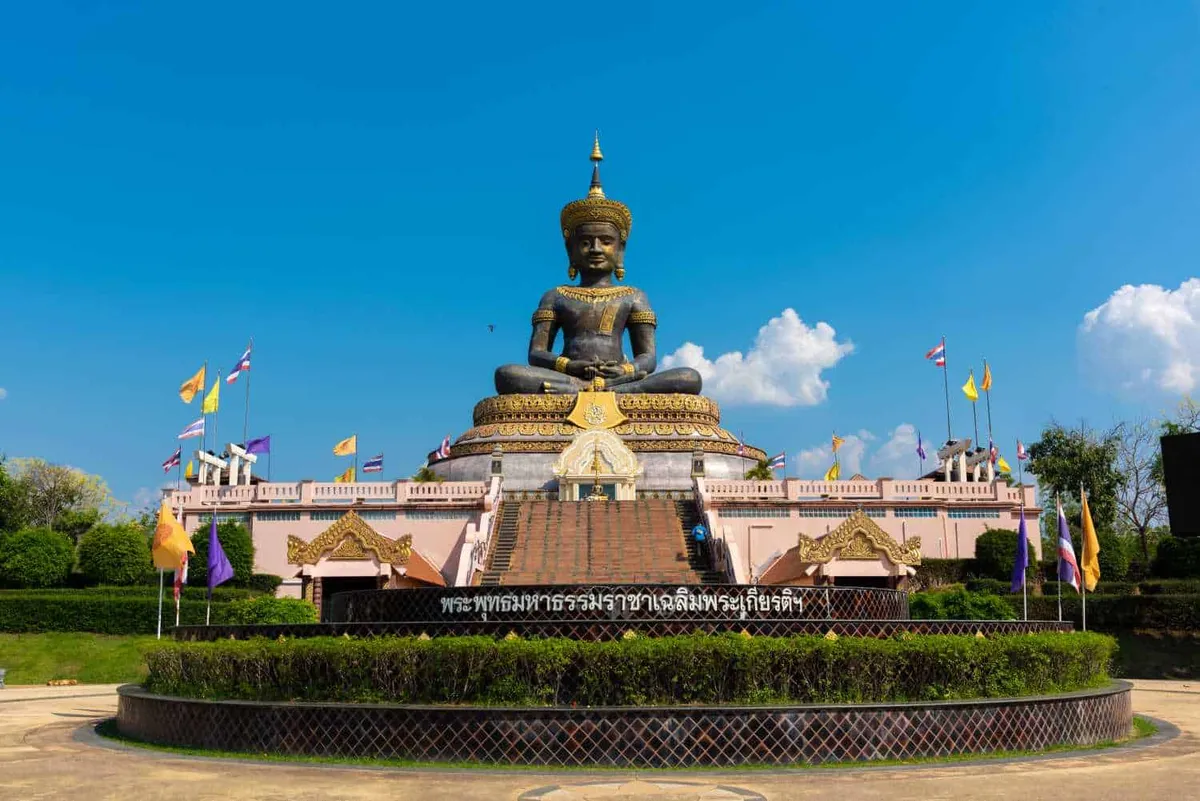
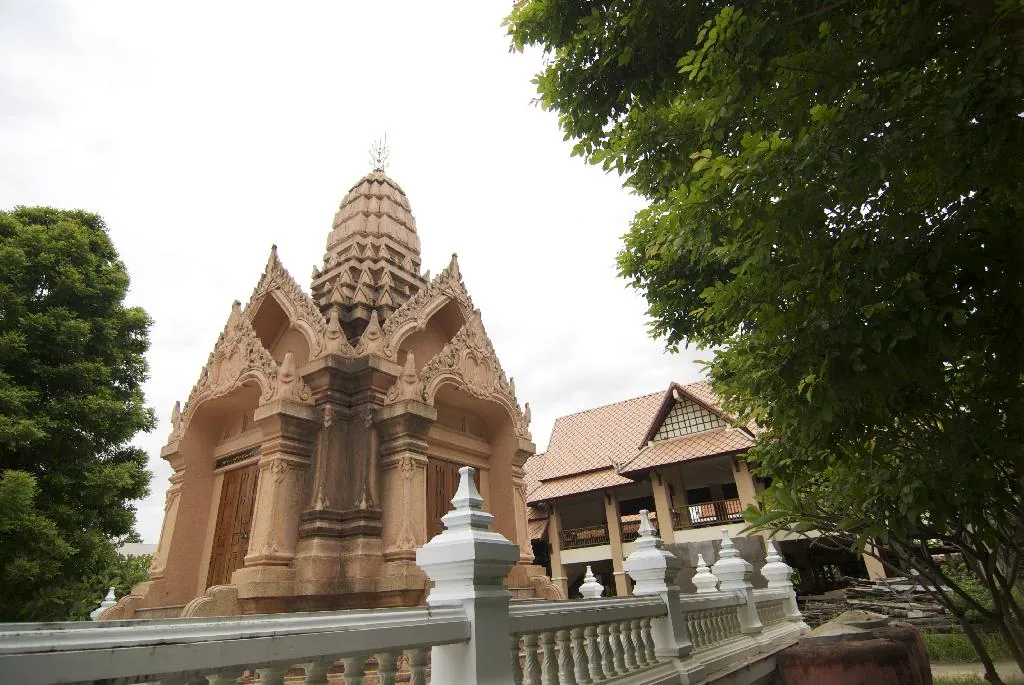
Wats, shrines & spiritual sites
Temples in Phetchabun





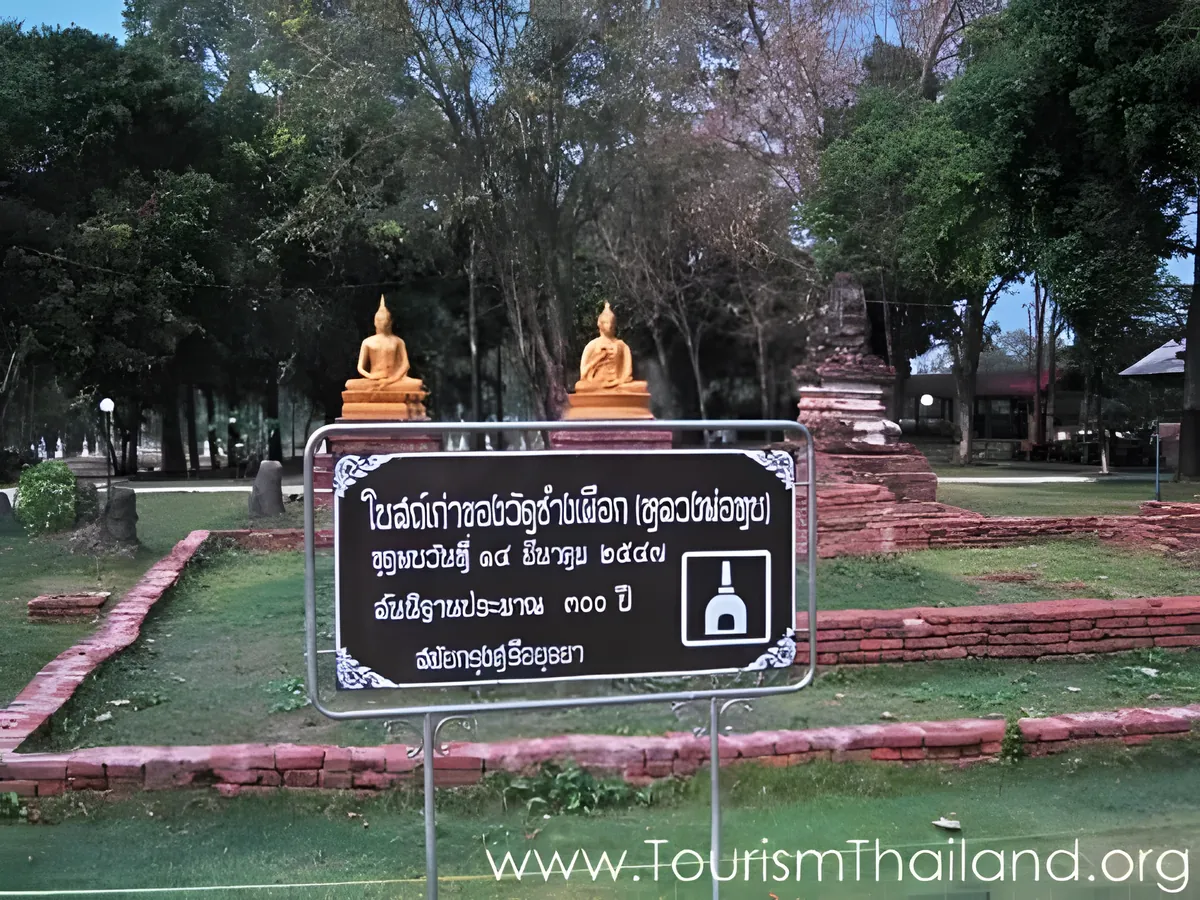

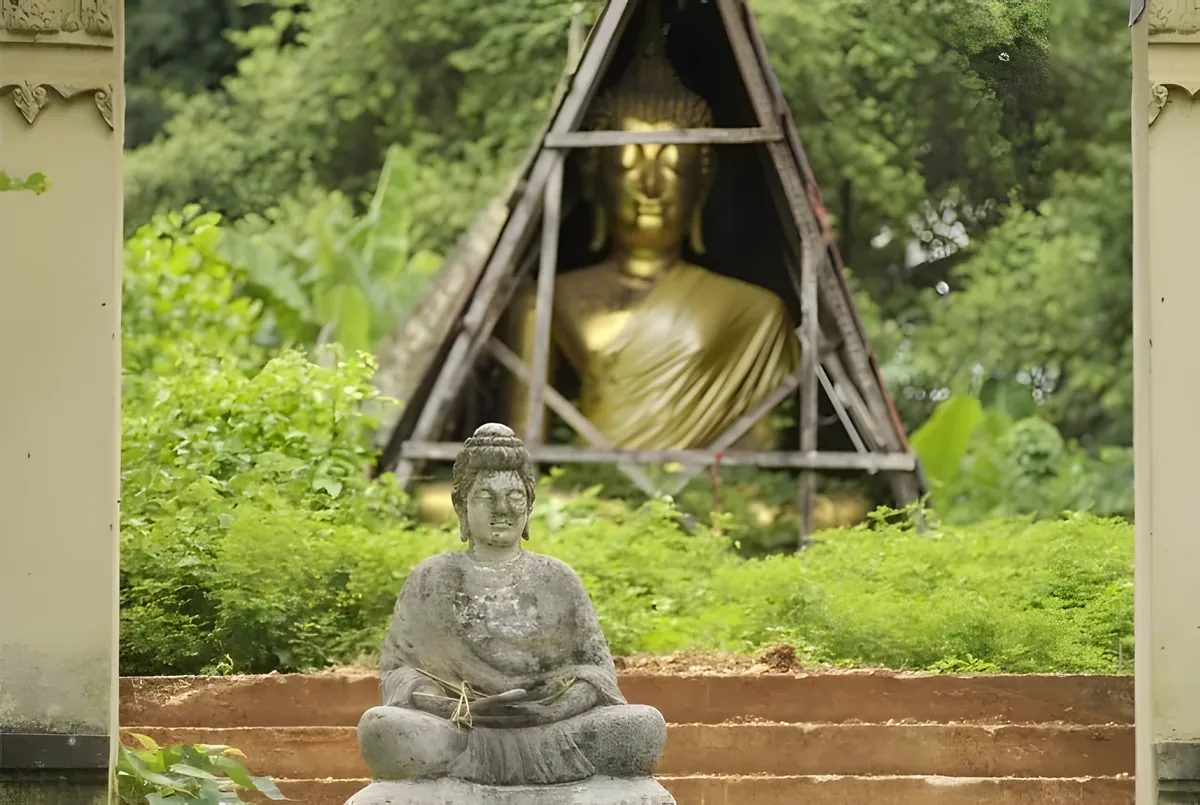

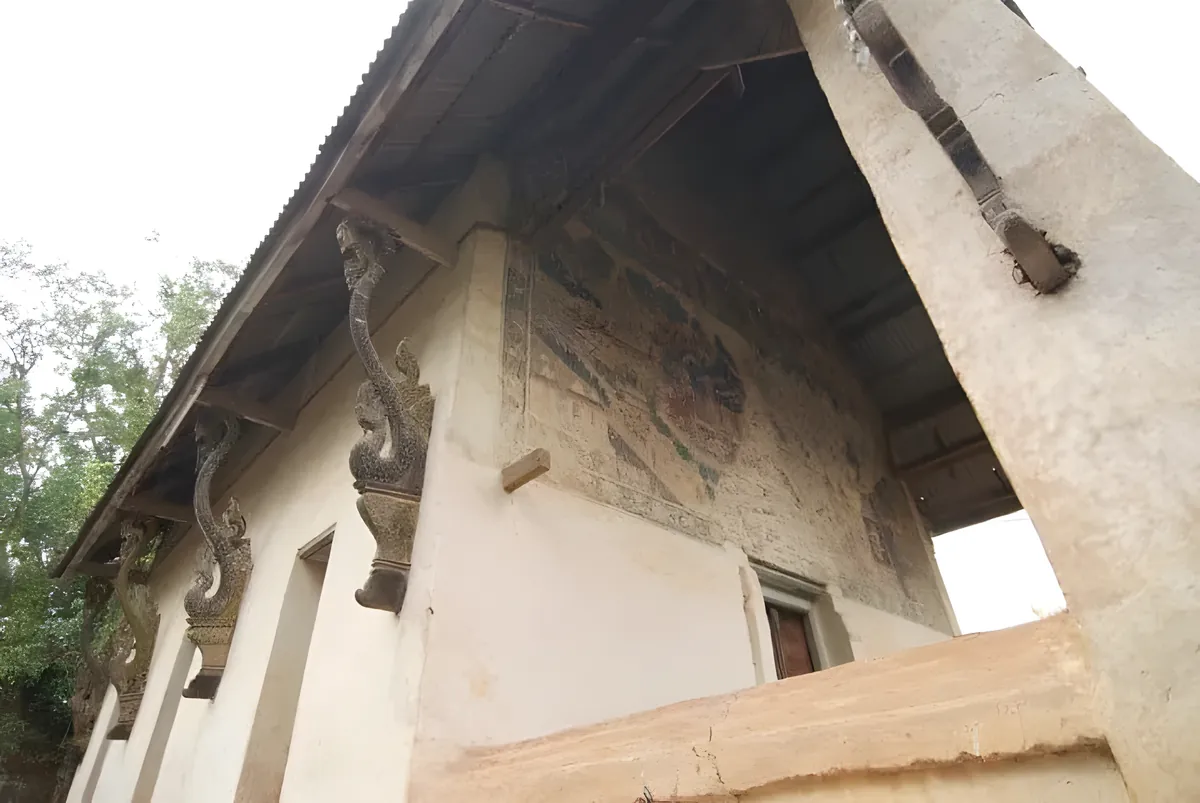

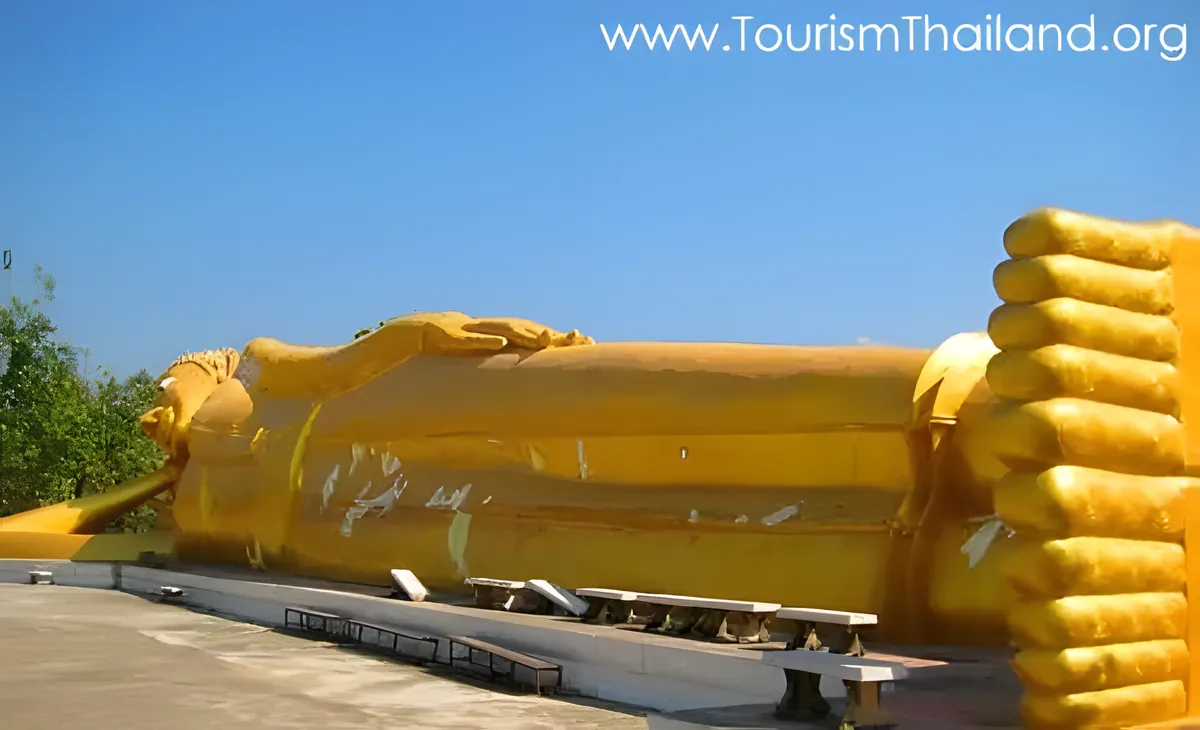
Waterfalls, peaks, caves & parks
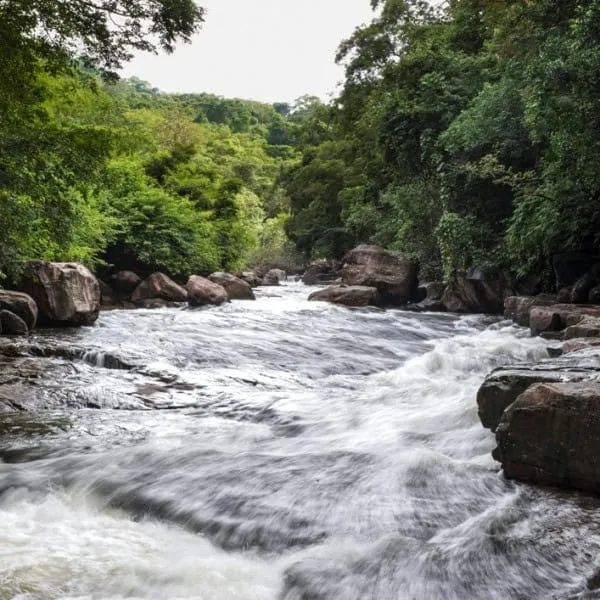
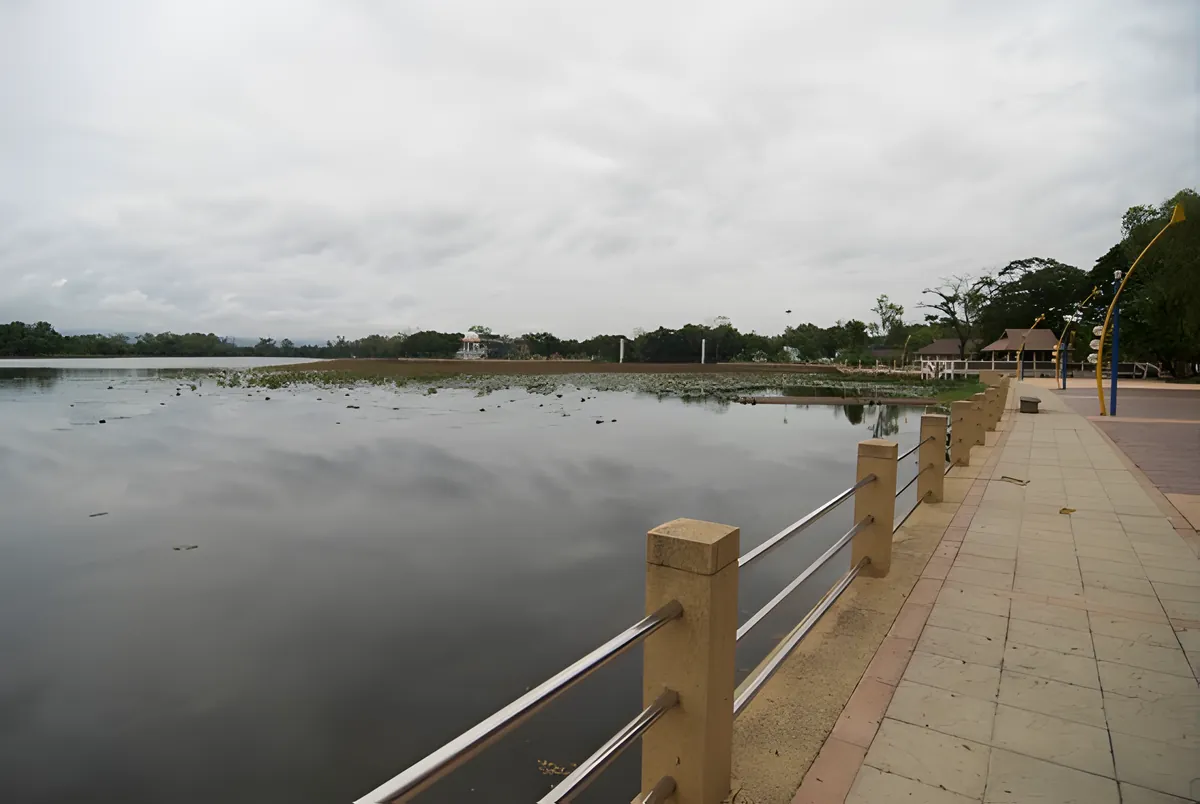
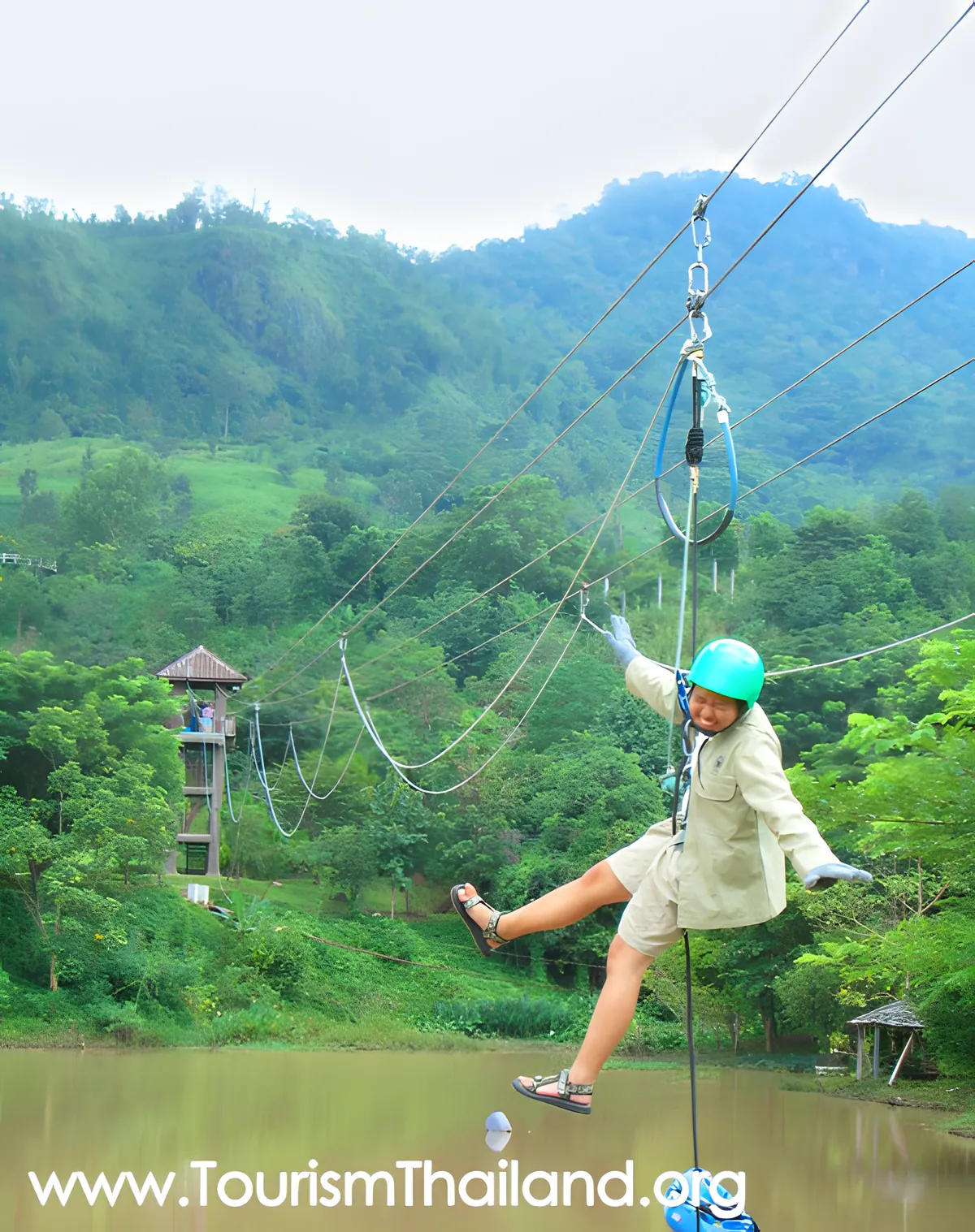
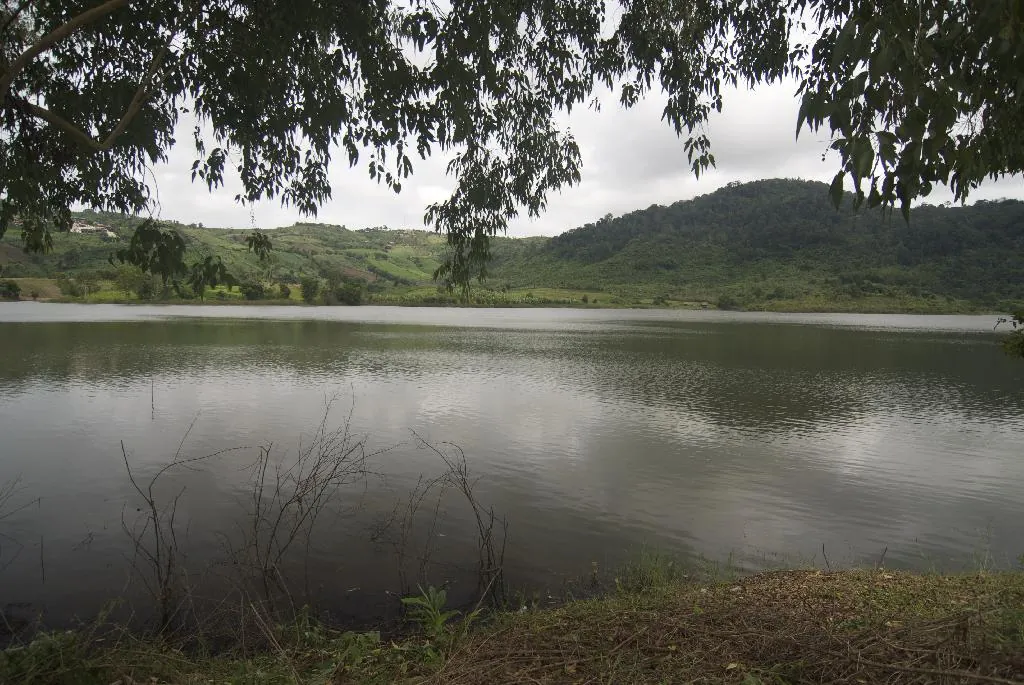
Nature & outdoors around Phetchabun












Museums, history & heritage
Museums & culture in Phetchabun




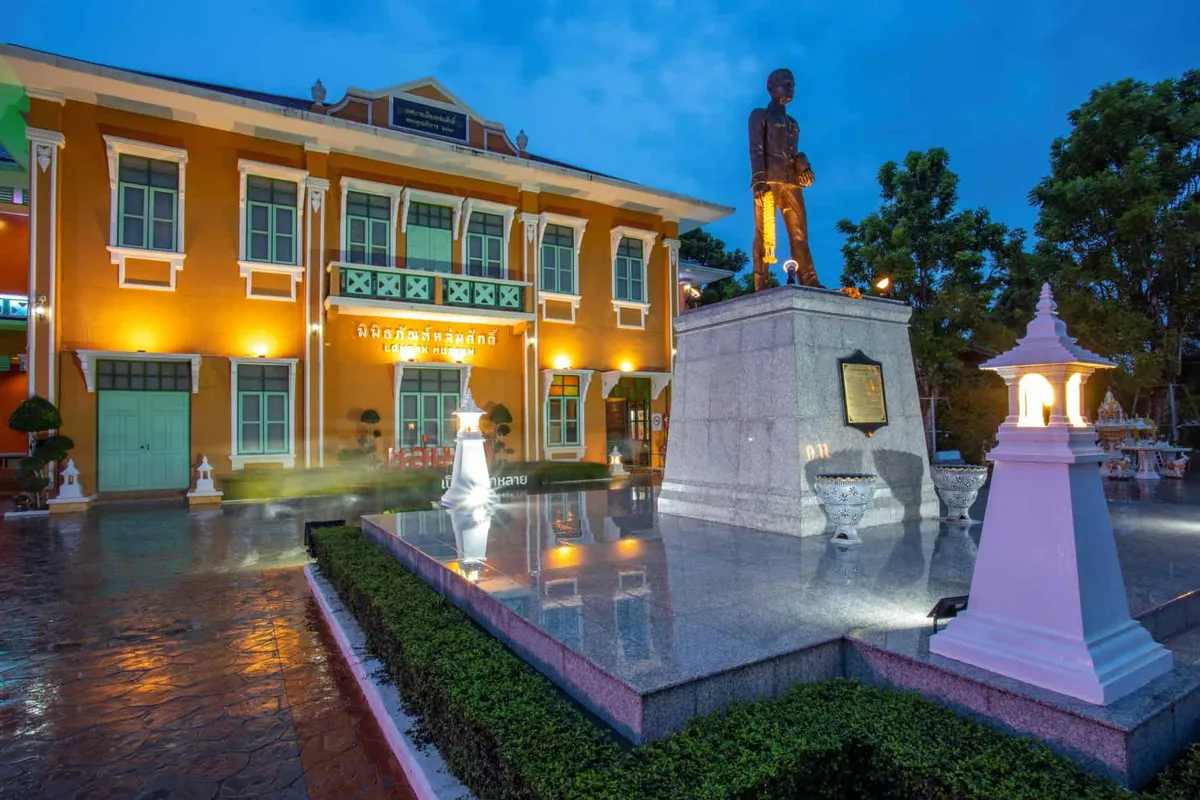

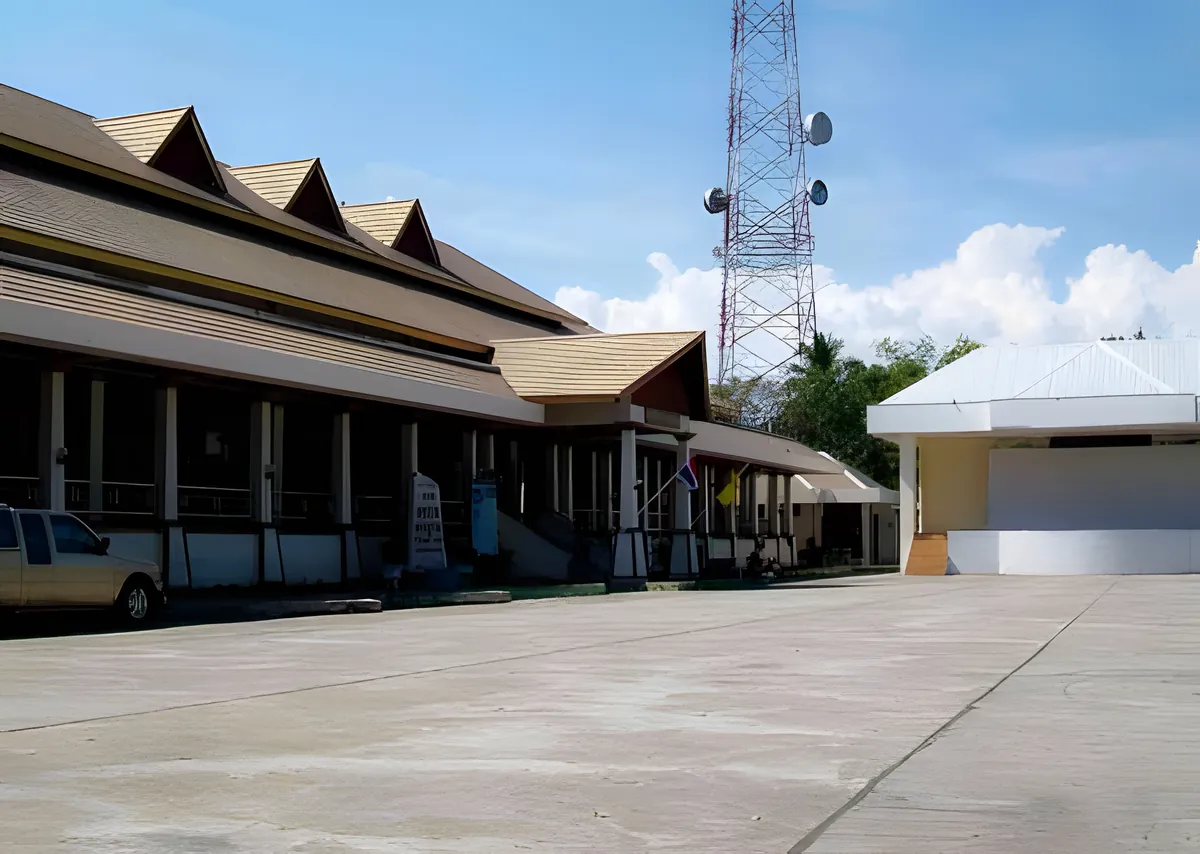

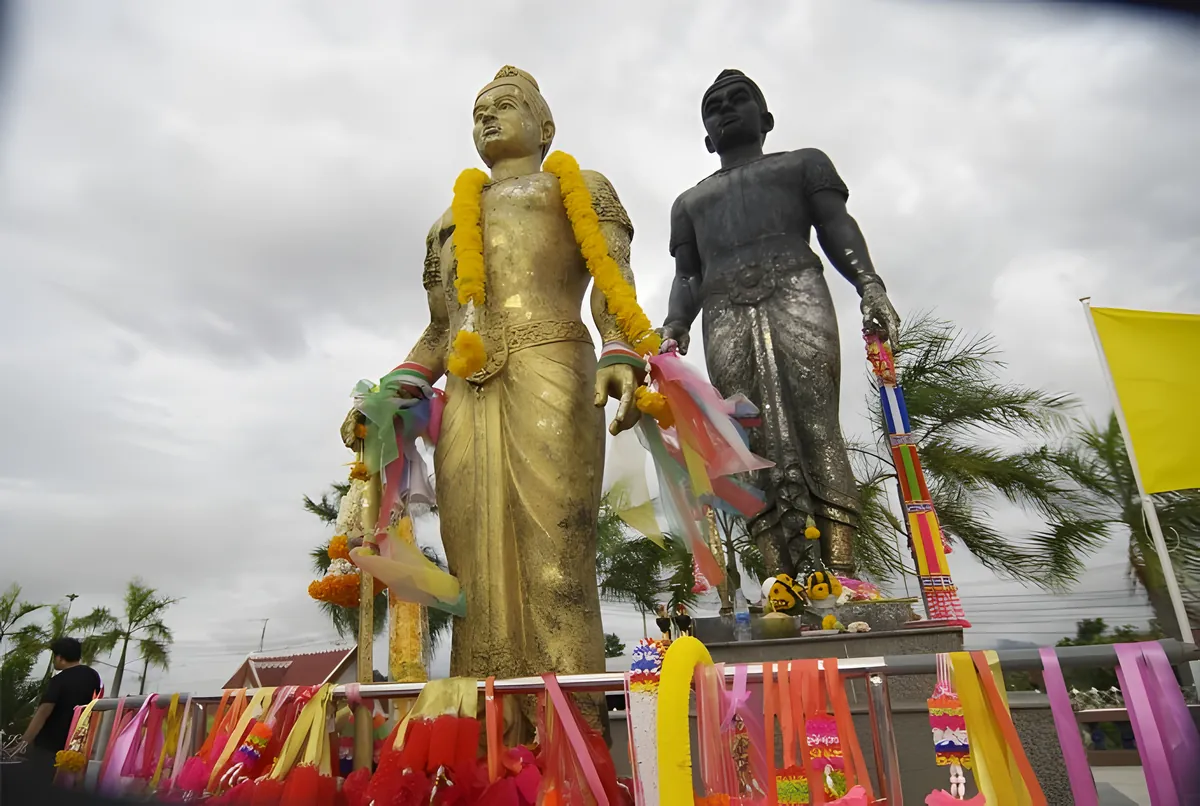

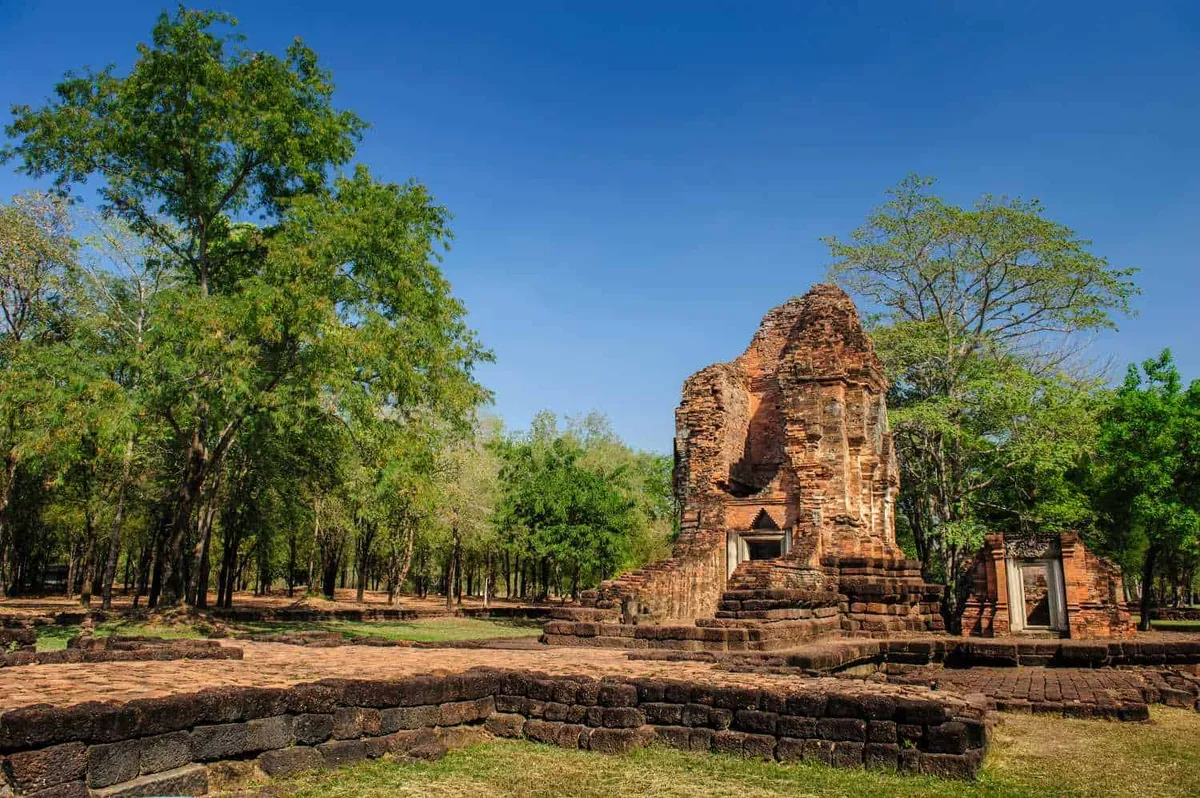
Things to do on the map
Tap a pin for details — 40 places in Phetchabun plotted.
Retreats in Phetchabun

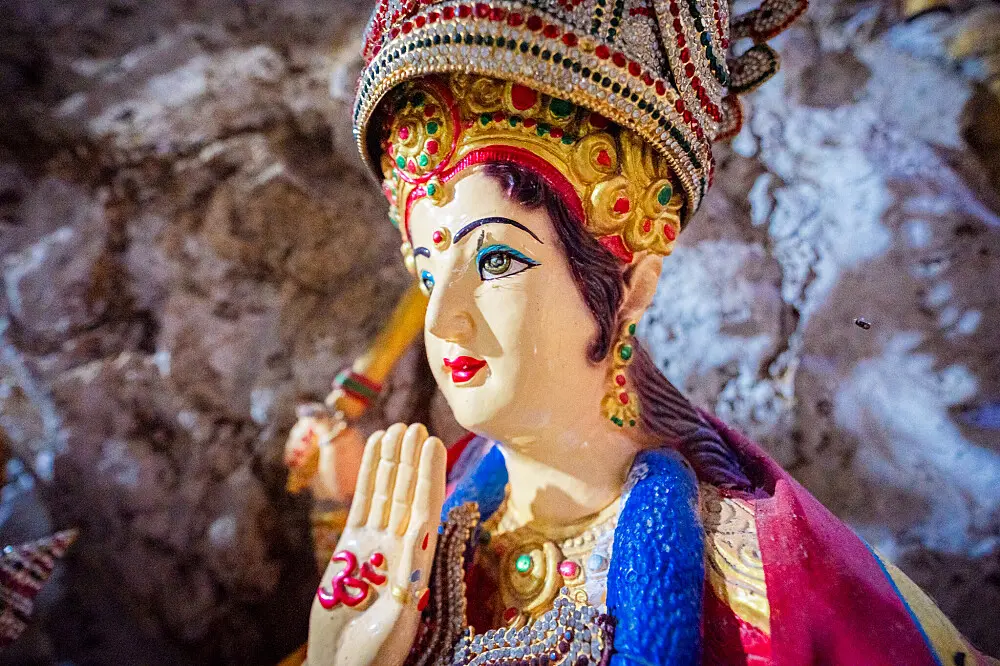
10 Day Wellness Package Detox Weight Loss Yoga Fitness Thailand

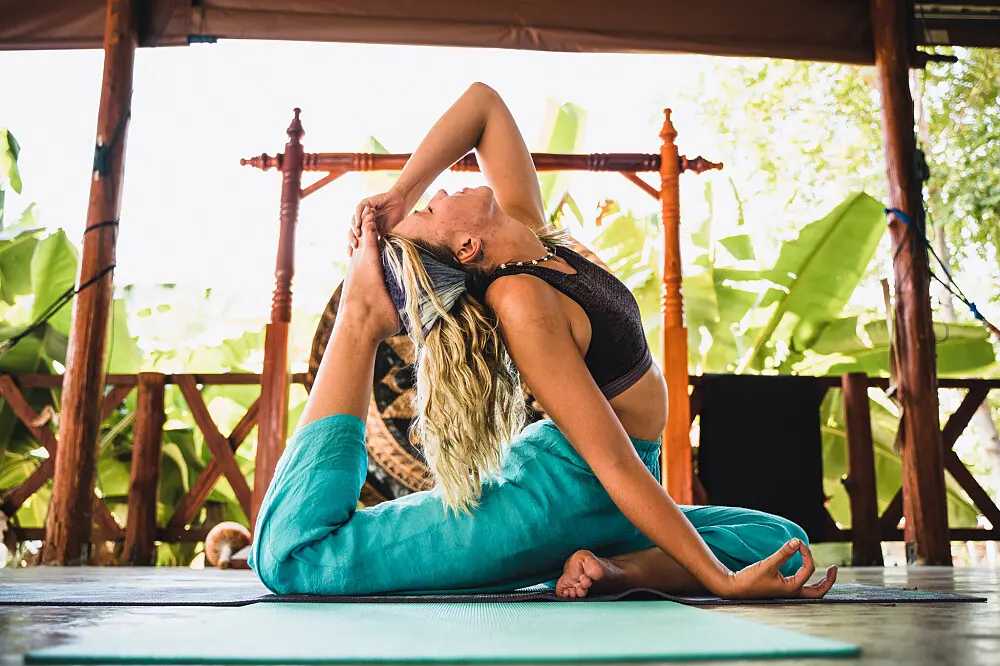
14 Day Wellness Package, Yoga, Massage, Fitness,Detox, Thailand

21 Day Unique Wellness Package Muay Thai Yoga & More Thailand

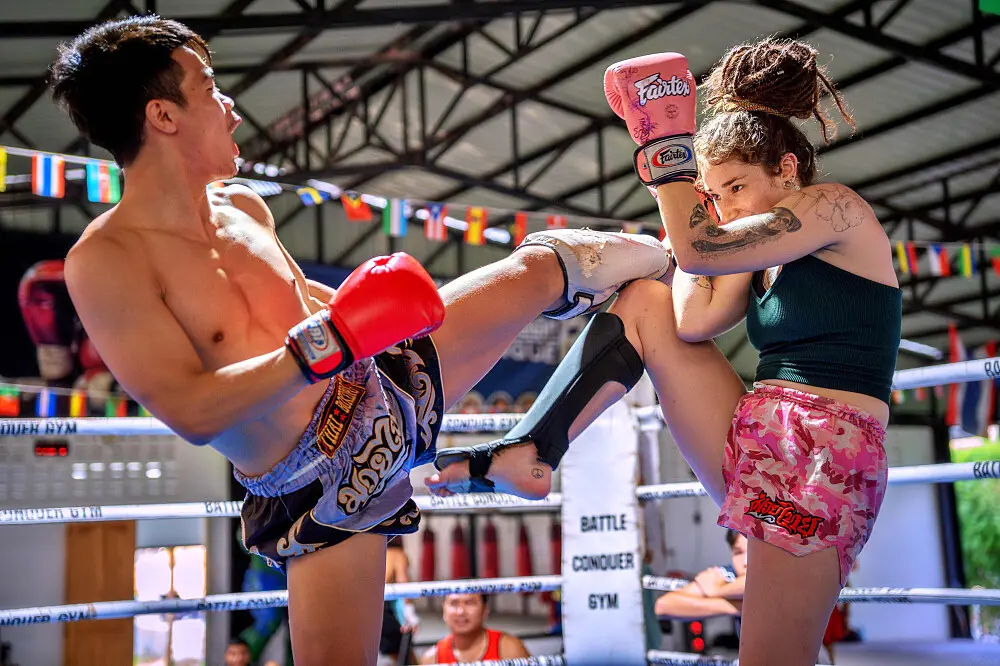
30 Day All-Inclusive Muay Thai & Fitness Retreat Thailand

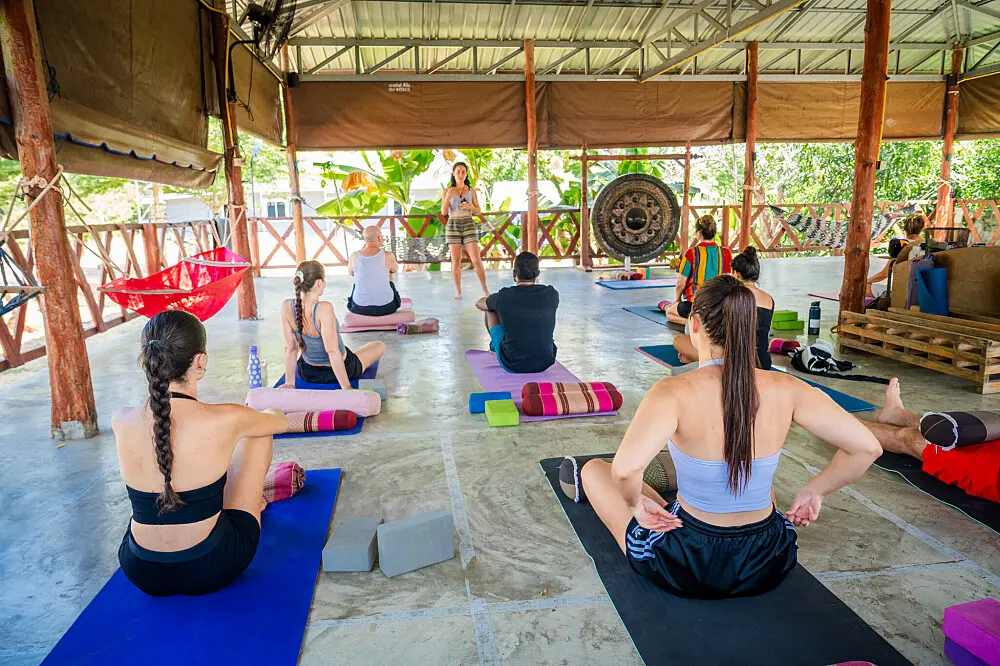
30 Day Wellness Package with Muay Thai in Thailand

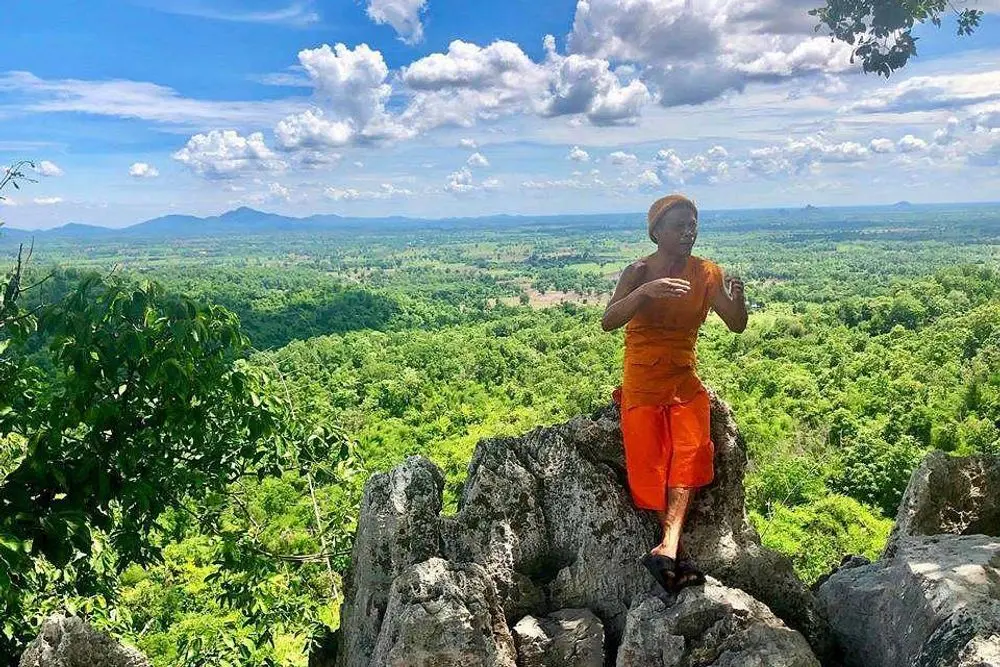
5 Day Wellness PackageYoga Meditation Muay Thai Fitness Thailand

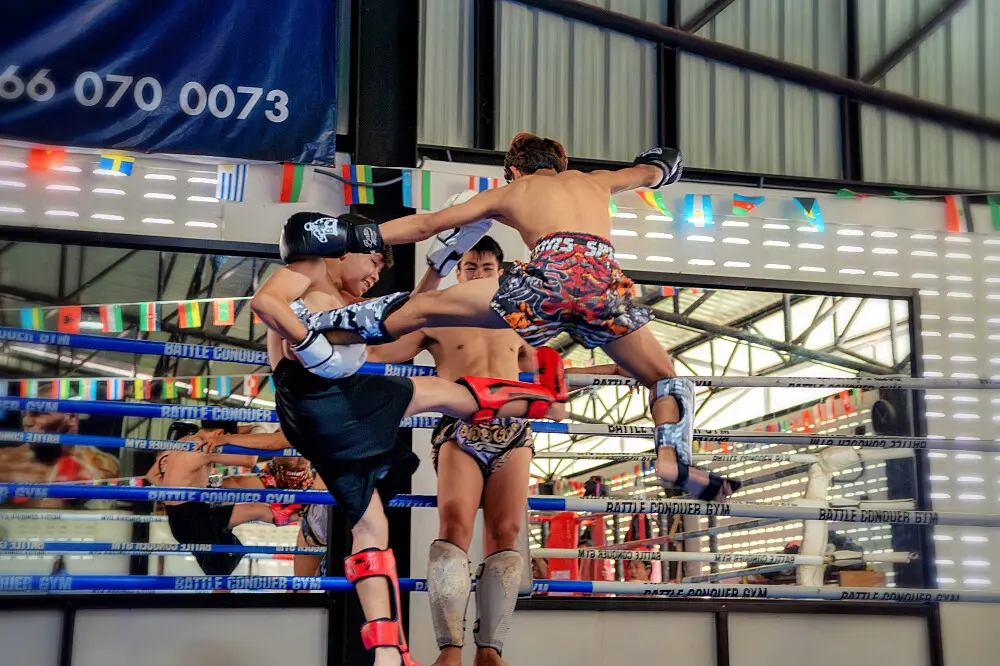
60 Day Body Transformation Fitness Retreat in Thailand
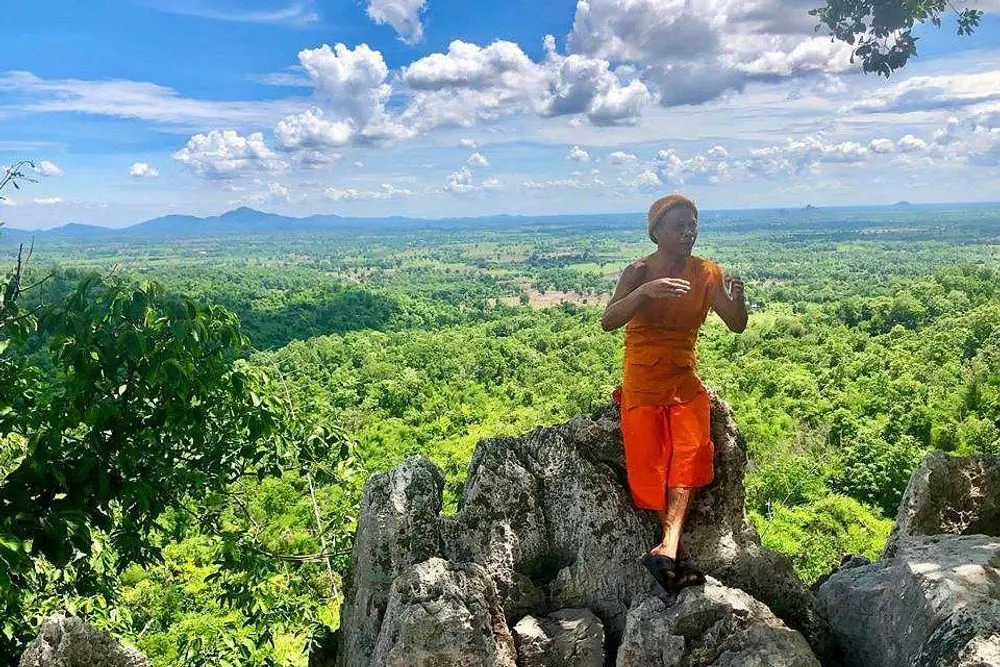
60 Day Wellness Package, Phetchabun, Thailand
When to go
Nov–Feb The cool season is the real reason to come. Highland mornings drop to 10–15°C, the sea-of-mist viewpoints are at their most reliable, and days feel crisp rather than muggy.
Mar–Apr Haze and agricultural burning affect visibility across the northern highlands. Viewpoints lose much of their appeal and temperatures climb fast.
Jun–Oct Rain is frequent and mountain roads can be slow going. Views are often obscured, though the landscape is lush and accommodation prices drop.
About Phetchabun
Last updated September 2026
Escape to Thailand’s Mountain Province
Phetchabun (เพชรบูรณ์) is your gateway to Thailand’s cooler highlands, where misty mornings and mountain vistas replace the usual tropical heat. This highland province — where the lower north meets the central plains and the Isan plateau — draws visitors seeking relief from the lowland humidity, particularly to the famous Khao Kho highlands where sea of mist viewpoints create dramatic sunrise scenes. Rather than beaches and temples, you’ll find mountain retreats, cultural sites, and refreshingly cool weather that feels worlds away from Thailand’s typical climate. The province appeals to both Thai weekenders escaping Bangkok’s heat and international travelers looking for a different side of Thailand – one with pine forests, rolling hills, and temperatures that actually require a sweater.
Diverse Attractions Across the Highlands
Phetchabun’s 6 main attractions span an impressive range of experiences. The province’s single viewpoint offers those famous sea of mist scenes that draw photographers and sunrise chasers to the mountains before dawn. History buffs can explore the historical site and cultural heritage location, while art enthusiasts will appreciate the dedicated art gallery showcasing regional works. The local museum provides context about the area’s development and mountain culture, and there’s a temple that combines spiritual significance with mountain scenery. This variety means you can easily fill several days moving between cultural exploration, artistic appreciation, and natural beauty. The mix works particularly well for travelers who want substance beyond just scenic views – you’re getting both the mountain landscapes and genuine cultural depth.
Mountain Retreats and Cool-Climate Lodging
With 8 retreats available, Phetchabun clearly caters to visitors seeking peaceful mountain accommodations rather than lively hotel districts. These properties typically embrace the cool climate and mountain setting, offering cozy accommodations that work with the natural environment rather than against it. The retreat-style lodging matches perfectly with the province’s appeal as an escape destination – places where you can actually relax rather than just tick off sightseeing boxes. Many properties position themselves to take advantage of the area’s famous mist and sunrise views, so you might wake up to those dramatic morning scenes right from your accommodation. Book through established platforms as the mountain location means you want confirmed reservations rather than showing up and hoping for availability.
Accessing the Mountain Province
Getting to Phetchabun requires planning since you’re heading into Thailand’s more mountainous terrain rather than major tourist centers. The province sits in the transition zone between Northern and Central Thailand, meaning access typically involves bus connections through larger regional hubs. Most international visitors route through Bangkok first, then take buses toward the Northern regions, with Phetchabun accessible via connecting routes. The mountain roads mean journey times can be longer than distances suggest, so build in extra travel time. Local transport within the province often involves songthaews or private vehicles, as the scattered mountain attractions aren’t easily walkable like urban destinations.
Cool Season Timing Essential
November through February offers Phetchabun’s best weather, when the cool season brings genuinely chilly mornings and comfortable daytime temperatures. This is when the sea of mist phenomena are most reliable and when you’ll actually need those sweaters Thai vendors sell in mountain areas. March through May heats up but remains more comfortable than the lowlands. The rainy season from June through October can obscure mountain views and make the winding roads more challenging, though accommodation rates drop significantly. Time your visit for the cool months if possible – the whole point of coming here is escaping Thailand’s typical heat.
Mountain Province Practicalities
ATMs exist in the main town areas but become sparse in the highland retreat zones, so carry cash for smaller accommodations and local restaurants. The mountain setting means mobile coverage can be patchy away from main roads. Rent a motorbike or car for maximum flexibility between scattered attractions, as public transport doesn’t efficiently connect all the viewpoints and cultural sites. Evening temperatures can drop significantly, especially during cool season, so pack layers even if you’re coming from Thailand’s hot regions.
Insider Tip: Visit viewpoints around 5:30-6:00 AM during cool season for the best sea of mist conditions. The phenomenon depends on specific temperature and humidity combinations that occur most reliably just before sunrise, and you’ll have much better chances November through January than other months.
Frequently Asked Questions about Phetchabun
How cold does it get in Phetchabun?
What is the sea of mist and when can I see it?
Do I need a car to get around Phetchabun?
How many days should I spend in Phetchabun?
Is Phetchabun suitable for families with children?
Spotted something out of date or incorrect? Let us know
Plan your
Phetchabun trip