




Noen Prasat
เนินปราสาทพระร่วง
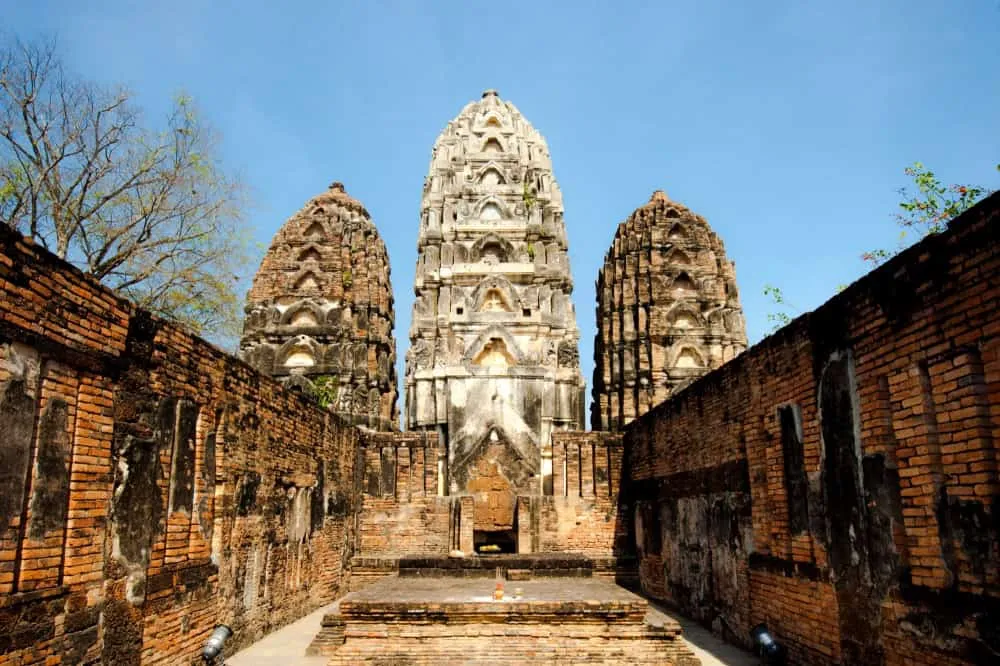
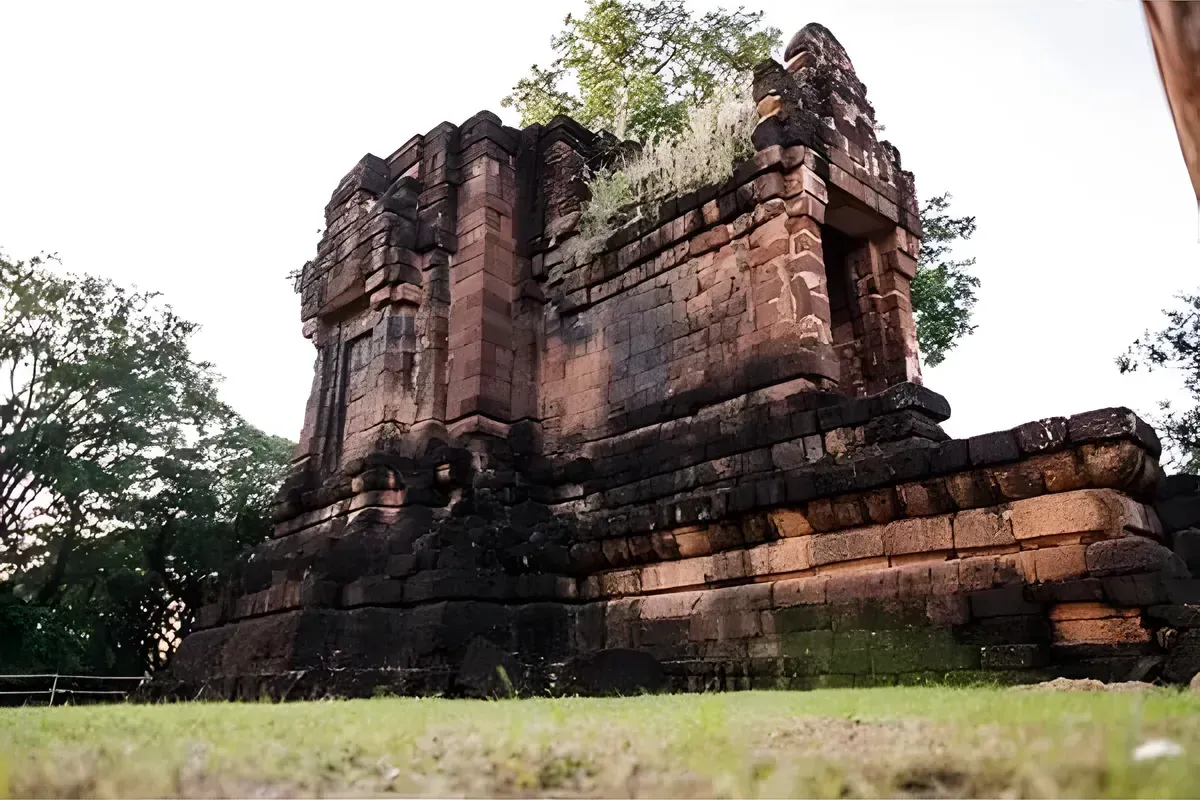
Noen Prasat is the low, raised platform believed to mark Sukhothai’s royal palace grounds, sitting inside Sukhothai Historical Park’s central zone directly in front of Wat Mahathat. There’s no separate ticket for the site — it’s covered by the park’s standard central-zone entrance fee, 200 THB for foreign visitors and 20 THB for Thai nationals. What survives is a roughly 200 x 200 metre earthen base with scattered laterite and brick foundations, not a reconstructed building, so go in expecting a footprint rather than a monument.
The site’s real importance is historical rather than visual. In 1833, Prince Mongkut — the future King Rama IV, then travelling northern Siam as a monk — explored the mound and found two objects that shaped how Thailand understands its own history: the Ramkhamhaeng Inscription, a stone stele recording the achievements of the Sukhothai king, and a carved grey stone slab known as the Manangasila Throne, roughly 1 metre by 2.5 metres, decorated with a lotus-petal motif. Both were carried back to Bangkok. The throne now sits in Wat Phra Kaew, where King Rama VI used it during his own coronation; the inscription stele is held in the National Museum Bangkok. Most Thai historians accept the inscription as a genuine 13th-century record, though a minority of scholars have disputed its dating since the 1980s — a debate that’s never fully settled but doesn’t change what you’re looking at on site.
Walking the platform today, you can trace the faint rectangular foundation lines that mark where wooden or brick halls once stood, and two small depressions nearby are what remain of ponds once fed by terracotta pipes — a detail that suggests a working water system rather than just a ceremonial mound. Mature trees now shade parts of the site, and the flat elevation gives a clear line of sight across the central zone toward Wat Mahathat’s temple spires.
Insider Tip: Come to Noen Prasat after Wat Mahathat rather than before — knowing the layout of the temple complex first makes the palace mound’s scale and position easier to place in context, since there’s little on-site signage explaining what you’re looking at.
- Entry: Included in Sukhothai Historical Park’s central zone ticket (200 THB foreigner / 20 THB Thai)
- Location: Central zone, directly in front of Wat Mahathat
- What survives: ~200 x 200 m platform base, brick/laterite foundations, two pond remains
- Historic finds: Ramkhamhaeng Inscription and the Manangasila Throne, both discovered here in 1833
- Where the finds are now: National Museum Bangkok (inscription) and Wat Phra Kaew (throne) — not on site
Combine the visit with Wat Mahathat Ancient Remains next door and the Ramkhamhaeng National Museum near the park entrance, which displays a replica of the inscription and explains the discovery in more depth. Noen Prasat sits within easy reach of Sukhothai town by bicycle, motorbike, or the park’s tram service.
Location & Directions
Mueang Sukhothai, Sukhothai
Sukhothai, Thailand
Show your taxi or Grab driver
เนินปราสาทพระร่วง
Frequently Asked Questions
What was found at Noen Prasat?
Is Noen Prasat free to visit?
What can you actually see at the site today?
Where is Noen Prasat inside Sukhothai Historical Park?
Is the Ramkhamhaeng Inscription genuine?
Spotted something out of date or incorrect? Let us know
Stay Near Noen Prasat
Live prices for places closest to Noen Prasat — tap a pin to compare.