



Phra Prang Sam Yot
พระปรางค์สามยอด
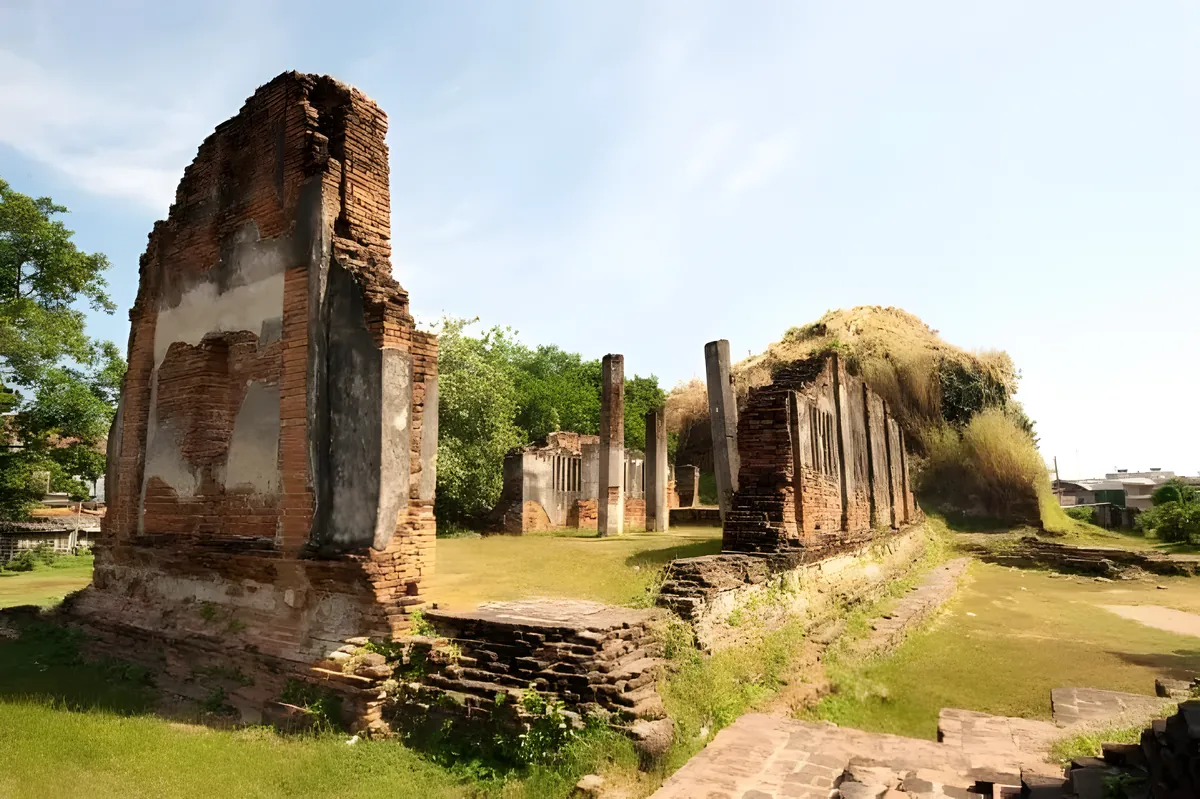
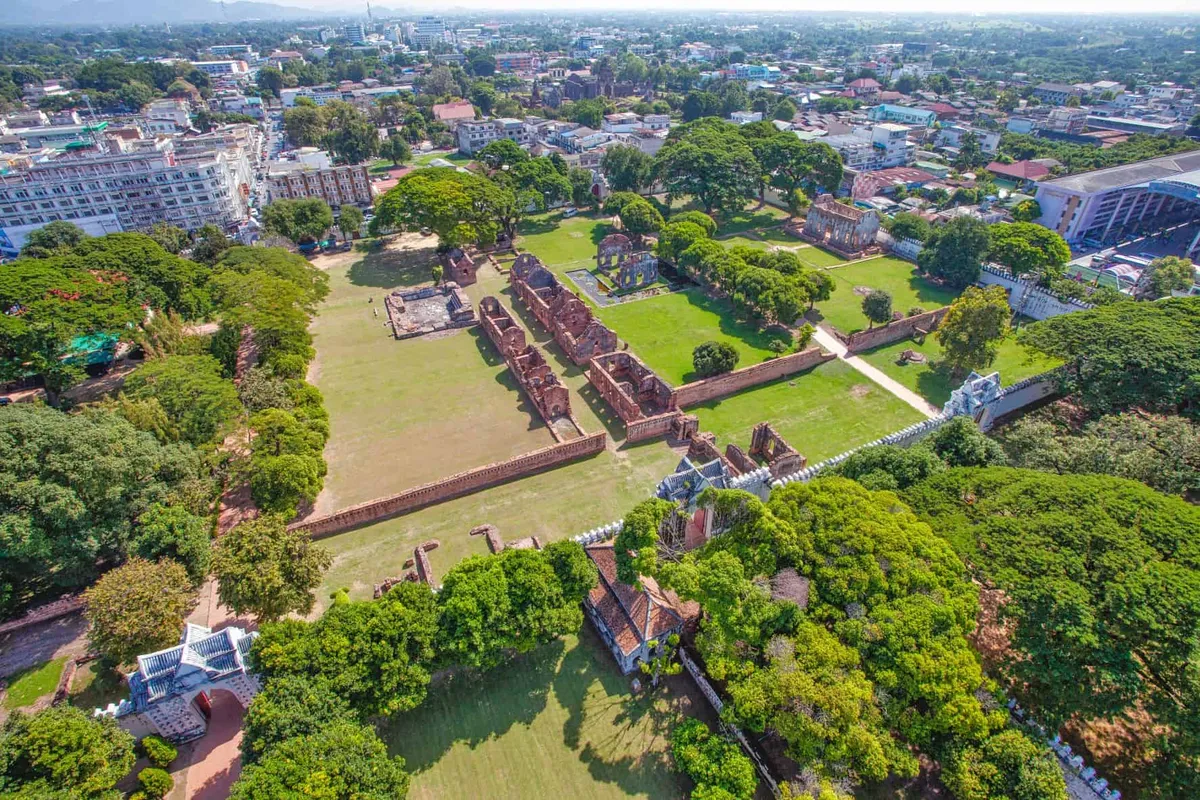
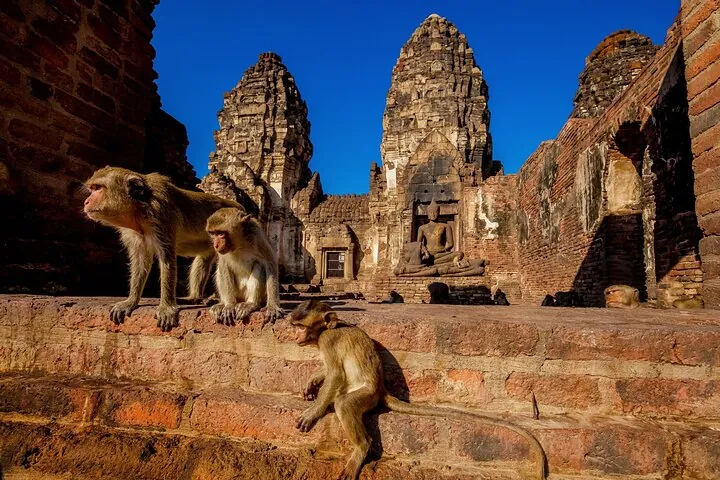
Phra Prang Sam Yot is a Khmer sanctuary of three linked laterite prangs built in the Bayon style under Jayavarman VII in the late 12th to early 13th century, when Lop Buri (then Lavo) had just come under Khmer control. It’s Lop Buri’s best-known monument today mostly for its resident colony of long-tailed macaques, who treat the ruins as home turf. Entry costs 50 THB for foreigners (10 THB for Thai nationals), open daily 08:30-18:00.
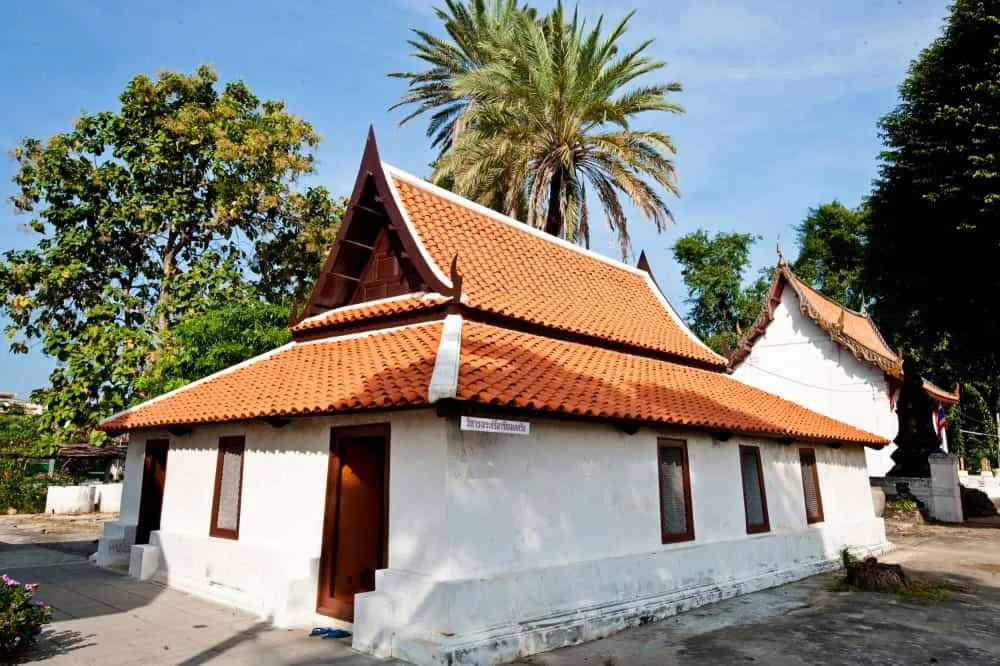
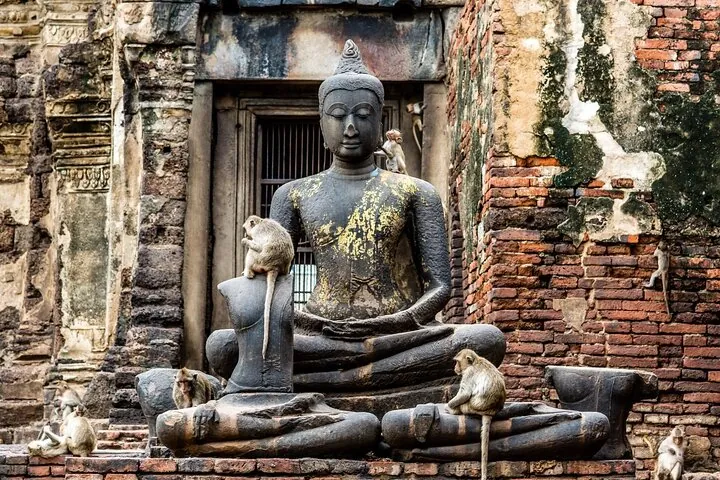
The three towers stand on a shared laterite base linked by vaulted galleries — a design that mirrors the Bayon-era temples the Khmer empire built across its territory at the time. Each tower originally held a different deity: the north tower for Prajnaparamita, the goddess of Buddhist wisdom, the central tower for the Buddha, and the south for the bodhisattva Avalokiteshvara — evidence, along with a stone linga base uncovered inside, that the site shifted between Hindu and Mahayana Buddhist use during the Khmer period before Lop Buri came under Ayutthaya control. During King Narai’s reign (1656-1688), a brick wihan was added on the east side, blending Ayutthaya and European window and door detailing — a fusion that shows up elsewhere in Narai’s Lop Buri, where Persian and French architects worked alongside Thai builders. Inside, a sandstone Buddha in the Mara-subduing posture represents the early Ayutthaya style; a separate meditation Buddha, carved around the 14th century, is now displayed outdoors while its original wihan undergoes conservation.
None of this history is what most visitors remember, though — it’s the monkeys. Long-tailed macaques have colonised the prangs and the surrounding grounds, and staff hand out a bamboo stick at the entrance for waving off animals that get too close. Late November brings the town’s Monkey Buffet Festival (2026: Sunday, 29 November), when tables of fruit and vegetables are laid out around Sam Yot and the nearby San Phra Kan shrine for the macaques to eat — worth timing a visit around if you want Lop Buri at its most chaotic, or avoiding if you don’t. Outside festival season, early morning before the tour buses arrive is the best window for photos without a monkey mid-grab in every shot.
Watch out: the monkeys will go for anything dangling or shiny — sunglasses, plastic bags, food, even loose jewellery. Keep bags zipped and held close, don’t offer food by hand (use the bamboo stick to keep distance instead), and avoid prolonged direct eye contact, which macaques read as a challenge. Insider Tip: the 150 THB combined ticket covers Sam Yot alongside Wat Phra Si Rattana Mahathat, Ban Wichayen (the old ambassador’s residence), and the Chan Kraisorn Sihara Hall — worth it if you’re spending a full day on Lop Buri’s Khmer- and Ayutthaya-era sites. Two smaller monuments sit within a short walk: Prang Khaek, an earlier Hindu brick tower, and San Phra Kan, a shrine with its own resident monkey troop. The site is on Vichayen Road in Lop Buri town, an easy walk from the railway station. For further details, contact the Office of Fine Arts Unit 4, Lop Buri Branch, tel. (66) 3641 2510.
- Entry fee: 50 THB (foreigners), 10 THB (Thai nationals); combined ticket 150 THB
- Hours: Daily 08:30-18:00
- Built: Late 12th-early 13th century, Jayavarman VII era
- Style: Khmer Bayon-style, three linked laterite prangs
- Known for: resident long-tailed macaque colony; Monkey Buffet Festival (last Sunday of November)
Good to Know
Good for
On site
Location & Directions
Vichayen Road
Lop Buri, Thailand
Show your taxi or Grab driver
พระปรางค์สามยอด
Frequently Asked Questions
How much does it cost to visit Phra Prang Sam Yot?
Why is Phra Prang Sam Yot called the Monkey Temple?
When is the Lopburi Monkey Buffet Festival?
Is it safe to visit with the monkeys around?
Who built Phra Prang Sam Yot and when?
What's inside the prangs today?
Spotted something out of date or incorrect? Let us know
Tours visiting Phra Prang Sam Yot




Stay Near Phra Prang Sam Yot
Live prices for places closest to Phra Prang Sam Yot — tap a pin to compare.