


Phu Pha Yon National Park
อุทยานแห่งชาติภูผายล
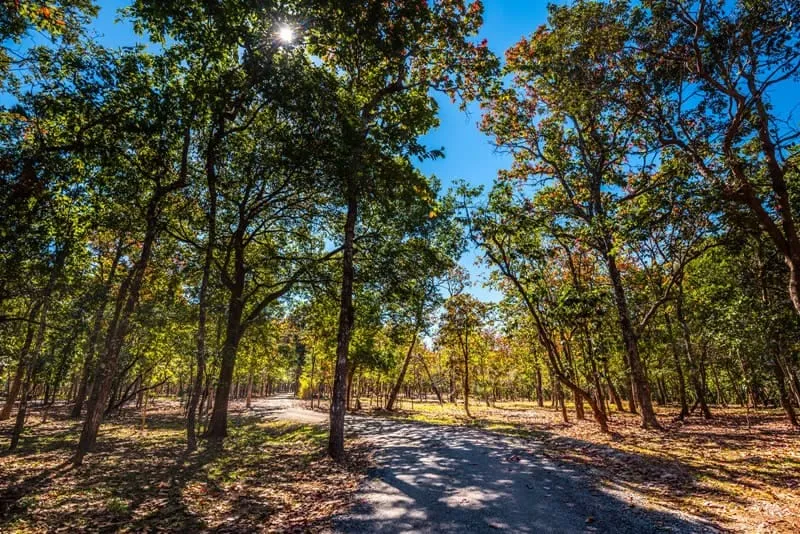
Sandstone cliffs and a tortoise-shaped plateau roughly 10 kilometres long define Phu Pha Yon National Park, a 828.56 sq km reserve spanning Tao Ngoi district in Sakon Nakhon and reaching into Nakhon Phanom and Mukdahan provinces. The terrain sits between 300 and 600 metres above sea level — rocky sandstone hills cut by streams, not the dense unbroken jungle of Thailand’s southern parks. The main visitor access and headquarters are in Tao Ngoi.
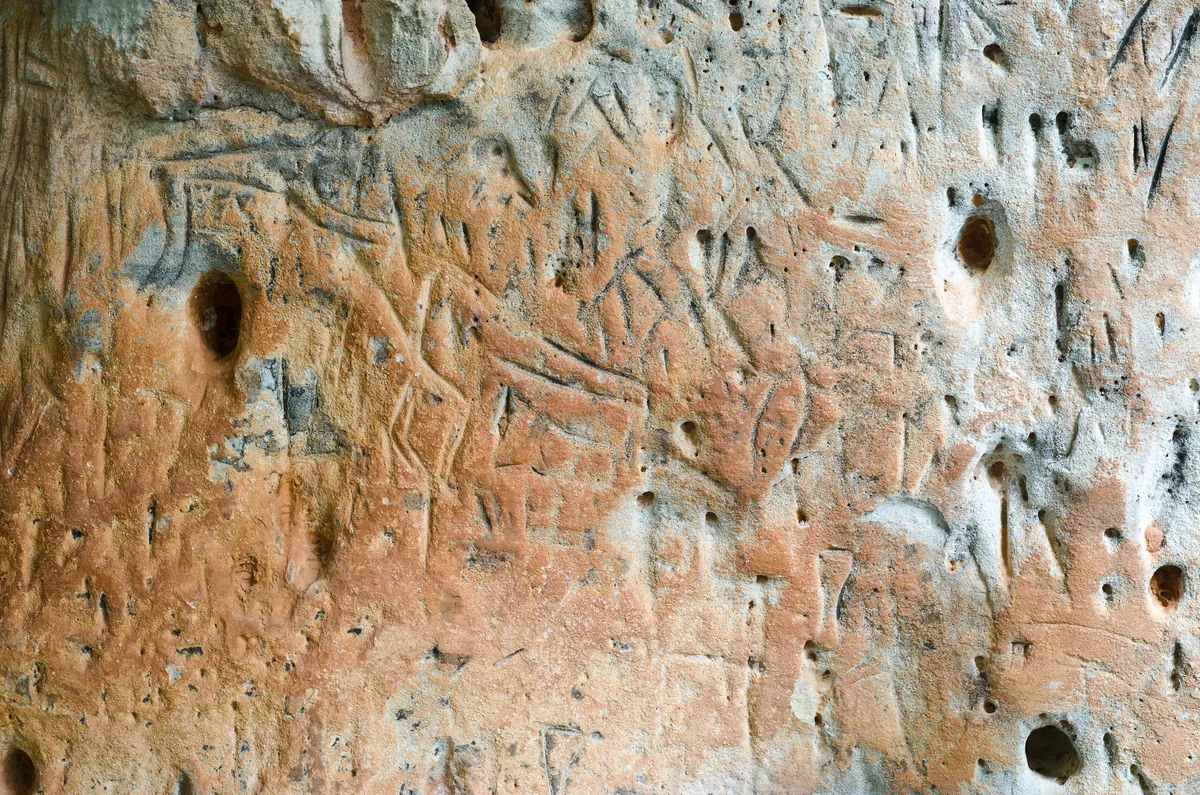
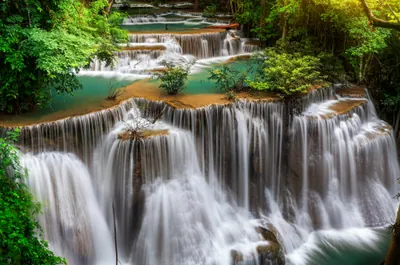
The park’s best-known feature is the Pha Lai (also spelled Phaya Lai) cliff, where rock carvings estimated at over 3,000 years old are cut into the sandstone — one of the northeast’s more significant prehistoric rock art sites, covered separately on this site as 3,000-year-old Petroglyphs at Phu Pha Yon. Within the park itself, marked nature trails lead to Rak Sai Yoi and Pha Phueng waterfalls, both reachable on foot, and to Kham Nam Srang waterfall, which requires a canoe to reach in higher water. A flower-meadow viewpoint gives views across the plateau’s mixed deciduous and dry evergreen forest, home to deer, wild boar, and forest birdlife rather than the primate troops or elephants found in bigger parks further south. Nineteen small reservoirs are scattered through the park, including the Huai Huat and Taan Noi dams, mostly built for local irrigation rather than as visitor attractions.
Trails here see far fewer visitors than Phu Phan National Park closer to Sakon Nakhon city, so expect quiet paths and limited English signage rather than a developed visitor infrastructure. Weekday mornings can mean having a viewpoint entirely to yourself.
Insider Tip: Combine the plateau loop trail with the Pha Lai carvings in one visit if you have a full day — they’re both accessed from within the same park boundary, and doing both saves a return trip.
Watch out: Shade is limited on the exposed sandstone sections and the plateau trail has real elevation change. Carry more water than you think you need, especially outside the cool season.
- Entry: 100 THB (foreign adult) / 50 THB (foreign child); 20 THB / 10 THB for Thai nationals; 30 THB per car, 20 THB per motorbike
- Hours: Daily 06:00-18:00
- Area: 828.56 sq km across Sakon Nakhon, Nakhon Phanom, and Mukdahan
- Best season: November-February, cooler and drier for hiking
- Main access: Tao Ngoi district, Sakon Nakhon, via the Sakon Nakhon-Ban Na Pang road
Pair a visit with the wider Sakon Nakhon guide, or with Phu Phan National Park if you’re touring the province’s sandstone-plateau parks over more than one day.
Location & Directions
Sakon Nakhon-Ban Na Pang Road
Sakon Nakhon, Thailand
Show your taxi or Grab driver
อุทยานแห่งชาติภูผายล
Frequently Asked Questions
How much does Phu Pha Yon National Park cost to enter?
Which provinces does the park cover?
Are the 3,000-year-old rock carvings inside the park?
What time does the park open?
Is Phu Pha Yon good for a day trip or an overnight stay?
Spotted something out of date or incorrect? Let us know
Stay Near Phu Pha Yon National Park
Live prices for places closest to Phu Pha Yon National Park — tap a pin to compare.