






Laem Pho
หมู่บ้านพุมเรียงและแหลมโพธิ์
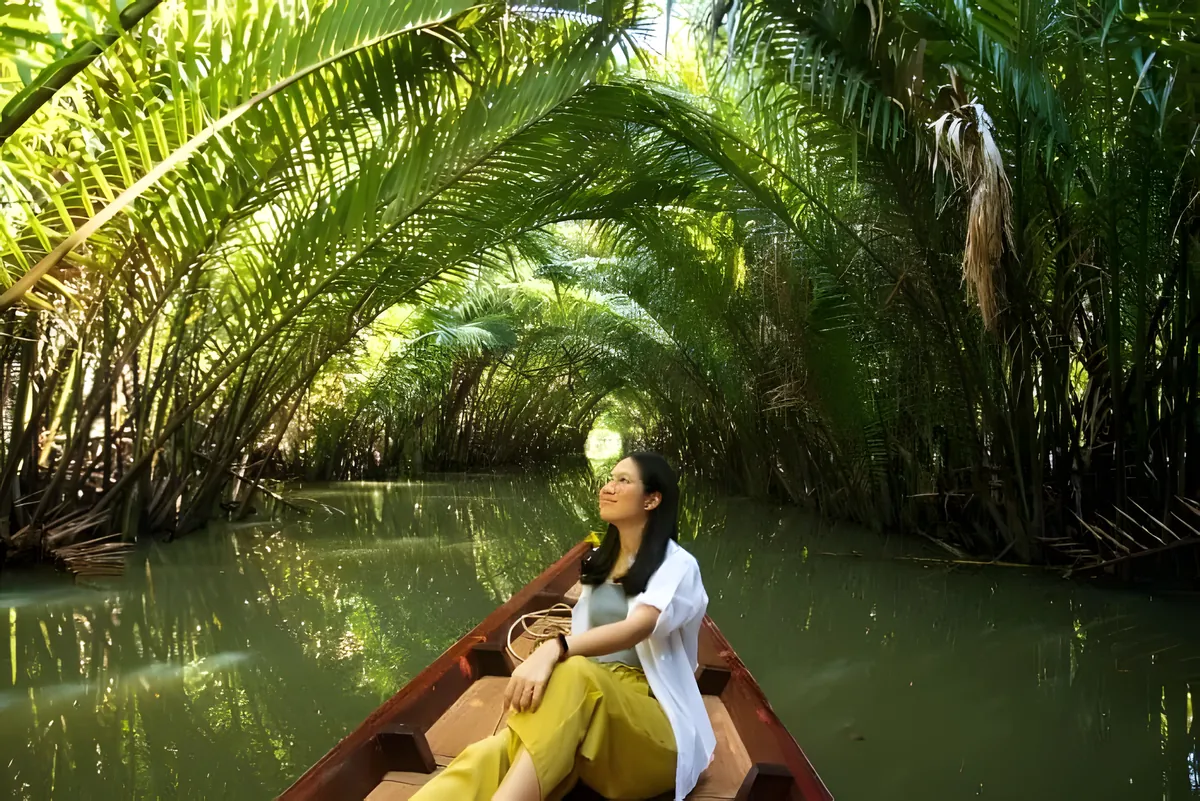
Phum Riang Village and Laem Pho are two connected but distinct places in Chaiya district, Surat Thani, about 2km apart along the Phum Riang canal. Phum Riang is a Thai Muslim community in Ban Hua Len known for hand-woven silk brocade; Laem Pho is the sandy cape where the canal reaches the Gulf of Thailand. Both are free to visit with no fixed hours.
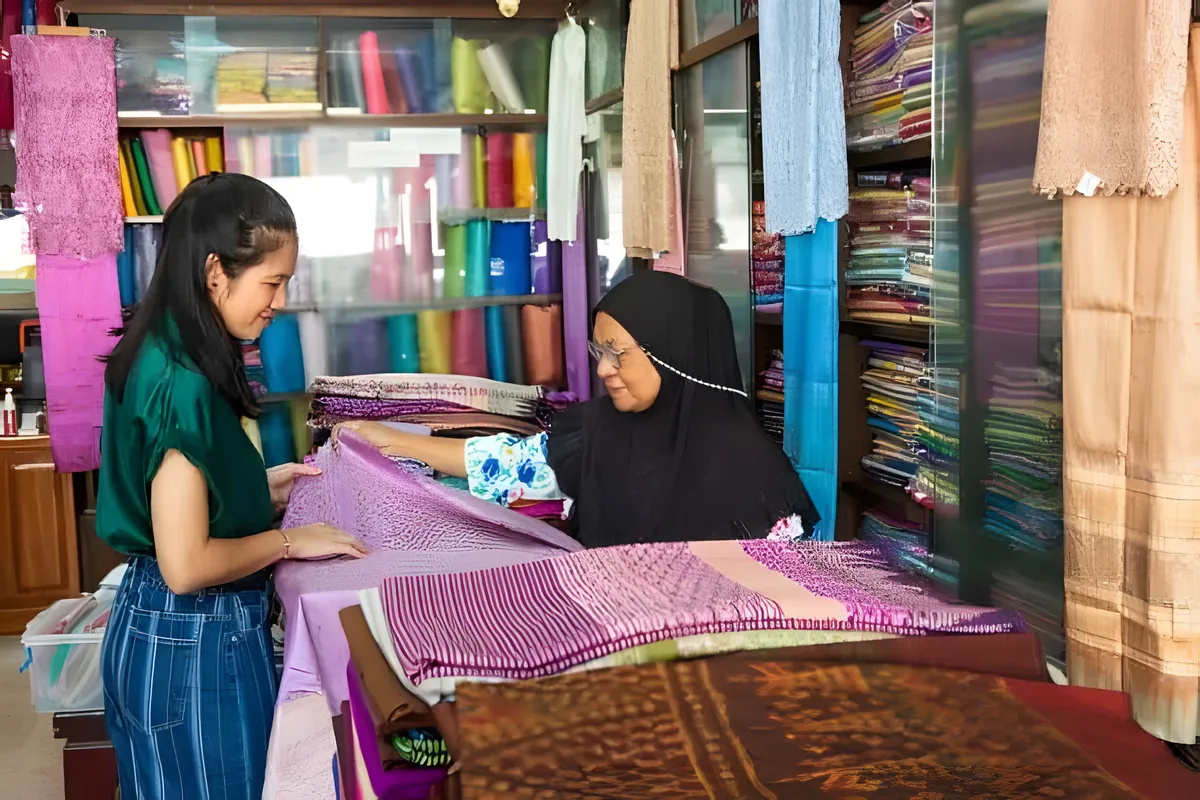
Phum Riang’s silk is what put the village on the map — raised brocade patterns woven with silk and metallic thread, historically among the finest in southern Thailand. A handful of households still weave by hand today, organised loosely through the Ban Phum Riang women’s weaving group, though the old backstrap-loom technique that produced the finest patterns is genuinely fading as younger weavers move to faster foot looms. This isn’t a staged demonstration for visitors — it’s a craft holding on in a working village, and a small group might or might not be weaving on the day you pass through.
Watch out: don’t expect a curated weaving centre with fixed viewing hours. If you want to see looms in use, calling ahead to the weaving group is more reliable than turning up unannounced.
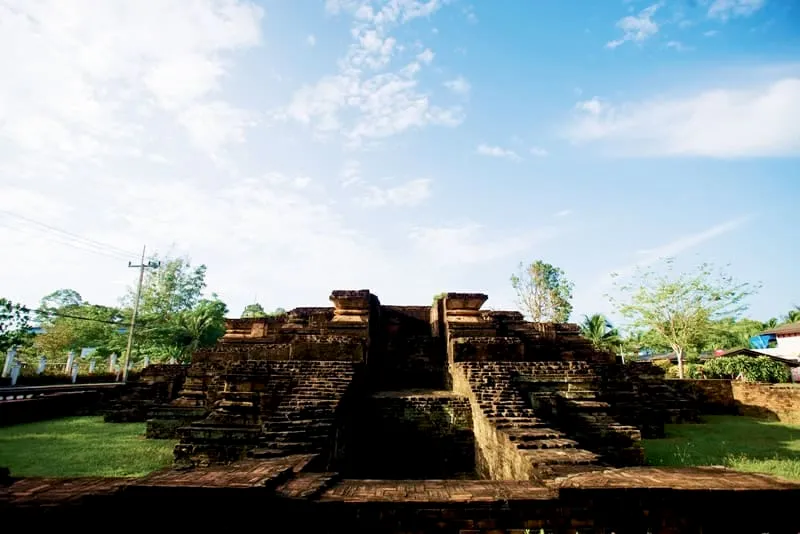
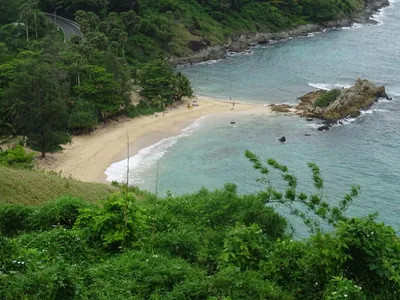
Laem Pho, about 2km toward the coast, is a different kind of stop: a sand spit where the Phum Riang canal meets the sea, backed by open scrub forest. Brick ruins found roughly 2km along the point are evidence of a trading port that operated here from around the 7th to 18th centuries, part of the maritime route linking China, India, and the Middle East. The beach today draws local visitors for hoi khao, a small white clam found only at this stretch of coast, plus a landscaped public rest area near the shore.
- Entry fee: Free (both sites)
- Hours: No fixed hours
- Distance apart: About 2km, connected by the Phum Riang canal
- Phum Riang known for: Hand-woven raised silk brocade, a shrinking cottage craft
- Laem Pho known for: Ancient trading-port ruins and hoi khao shellfish
Getting here means a car or motorbike from Chaiya town, about 7km away, or roughly 50km north of Surat Thani town. There’s no direct public transport link to either spot, so build in flexibility if you’re relying on a hired driver for the day.
Location & Directions
81 Mu 2 Ban Hua Len
Surat Thani, Thailand
Show your taxi or Grab driver
หมู่บ้านพุมเรียงและแหลมโพธิ์
Frequently Asked Questions
Are Phum Riang and Laem Pho the same place?
Is the silk weaving still active?
What is Laem Pho known for?
Is there an entry fee?
How do I get there?
Spotted something out of date or incorrect? Let us know
Stay Near Laem Pho
Live prices for places closest to Laem Pho — tap a pin to compare.