







The food in Chiang Mai hits differently from the rest of Thailand. Northern Thai cooking is older, earthier, and less sweet than the central Thai dishes most visitors know — fermented, herb-heavy, built for a cooler climate. Add a city that’s attracted serious chefs, a Michelin Guide presence since 2020, and street stalls that have been open since your grandparents were young, and you have a proper food city.
The restaurants in this guide span Huen Phen’s northern Thai menu, Blackitch’s 16-seat tasting room and SP Chicken’s casual rotisserie format. If you’re still sorting where to stay, the Chiang Mai destination guide covers neighbourhoods and logistics.
- Best eating area: Nimman for modern Thai; Old City for traditional northern food; riverside for atmosphere
- Michelin: The official 2026 list contains 18 Bib Gourmand venues in Chiang Mai
- Hours: Several lunch specialists close early; check the current schedule
- Payment: Carry more than one payment option
Quick answer
Start with Huen Phen in Old City for the strongest all-round pick. Use SP Chicken for rotisserie chicken, Dash! Restaurant & Bar for northern Thai, and Khao Soi Khun Yai when khao soi matters most.
| You want | Go to | Area / Price |
|---|---|---|
| Best khao soi | Khao Soi Khun Yai | Old City (Sri Poom Rd) / 80–120 THB |
| Classic northern spread | Huen Phen | Old City |
| Rotisserie chicken | SP Chicken | Near Wat Phra Singh |
| Michelin tasting menu | Blackitch Artisan Kitchen | Nimman / check website |
| Modern Thai at One Nimman | Ginger Farm Kitchen | Nimman |
| Riverside dinner | The Riverside Bar & Restaurant | Mae Ping |
| Michelin-listed noodles | Kuakai Nimman | Nimman |
| Northern Thai with live music | Huan Soontaree | Pa Tan |
How we picked these food stops
This shortlist starts with the place information already maintained for this guide in Chiang Mai, then weights the practical signals readers need most: area, price, hours, ratings when listed, booking or website links, and the specific use case named on each card. Missing prices, ratings, images, or booking links stay blank rather than being guessed.
We also kept the awkward parts visible. A good food stop is only useful when the area, timing, crowd level, and transport fit the trip you are actually taking.
Best restaurants in Chiang Mai for northern Thai classics
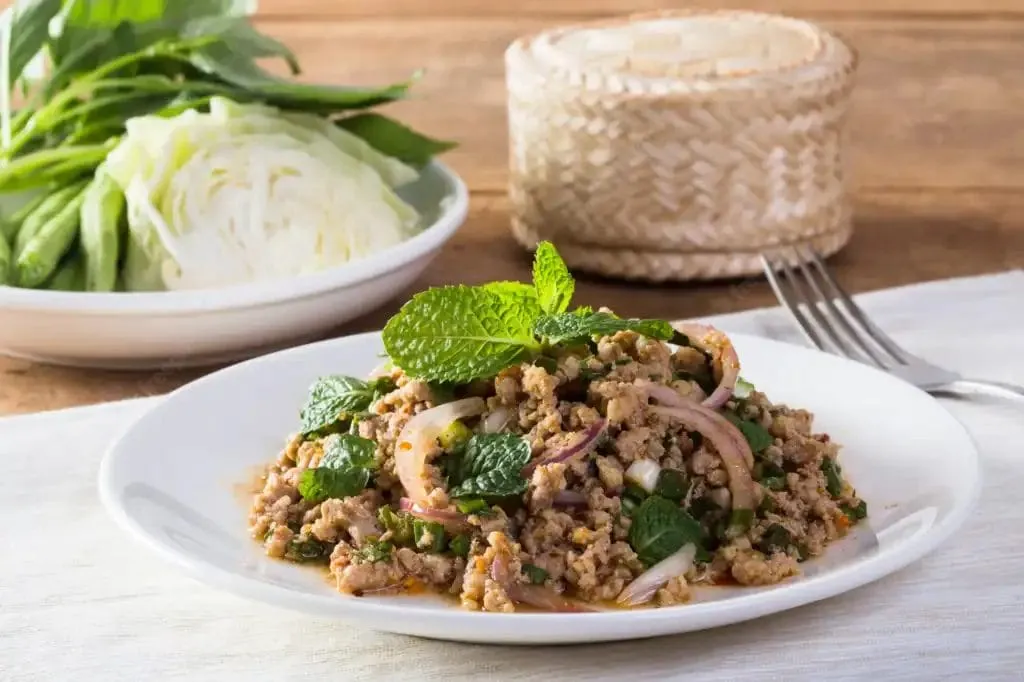
This is the food the city is built on. Khao soi, sai ua (northern pork sausage spiced with lemongrass and galangal), nam prik ong (a coarse tomato and pork relish eaten with blanched vegetables and pork rinds), gaeng hanglay (a slow-cooked Burmese-influenced pork belly curry) — none of these appear much south of the city.
Huen Phen
Huen Phen's Old City branch serves northern Thai food in two daily sessions: 8:30am to 4:30pm and 5pm to 10pm. Check the menu and payment options at the restaurant rather than relying on old price and cash-only claims.
- Area
- Old City · 112 Ratchamankha Rd, Phra Singh
- Hours
- Daily 8:30am–4:30pm and 5pm–10pm
- Go for
- Gaeng hanglay and sai ua grilled sausage
SP Chicken
SP Chicken is a rotisserie-chicken restaurant near Wat Phra Singh. Its current hours, branch count, prices and Michelin status need direct confirmation, so check before planning around it.
- Area
- Old City / Phra Singh · 9/1 Sam Lan Soi 1, Phra Singh
- Hours
- Confirm current hours before visiting
- Go for
- Quarter rotisserie chicken with sticky rice
Dash! Restaurant & Bar
Dash occupies a teak house in the Old City and serves continuously from 10am to 10pm Monday to Saturday. It closes Sunday.
- Area
- Old City · 38/2 Moon Muang Rd, near Tha Phae Gate
- Hours
- Mon–Sat 10am–10pm; closed Sun
- Go for
- Nam prik ong platter
A quick steer between them: Huen Phen for a broad northern Thai menu, SP Chicken for rotisserie chicken, and Dash for a sit-down Old City meal.
Insider Tip: Nam prik (chilli relishes) are central to northern Thai cooking. Ask which relishes and accompaniments are available that day.
Best khao soi in Chiang Mai
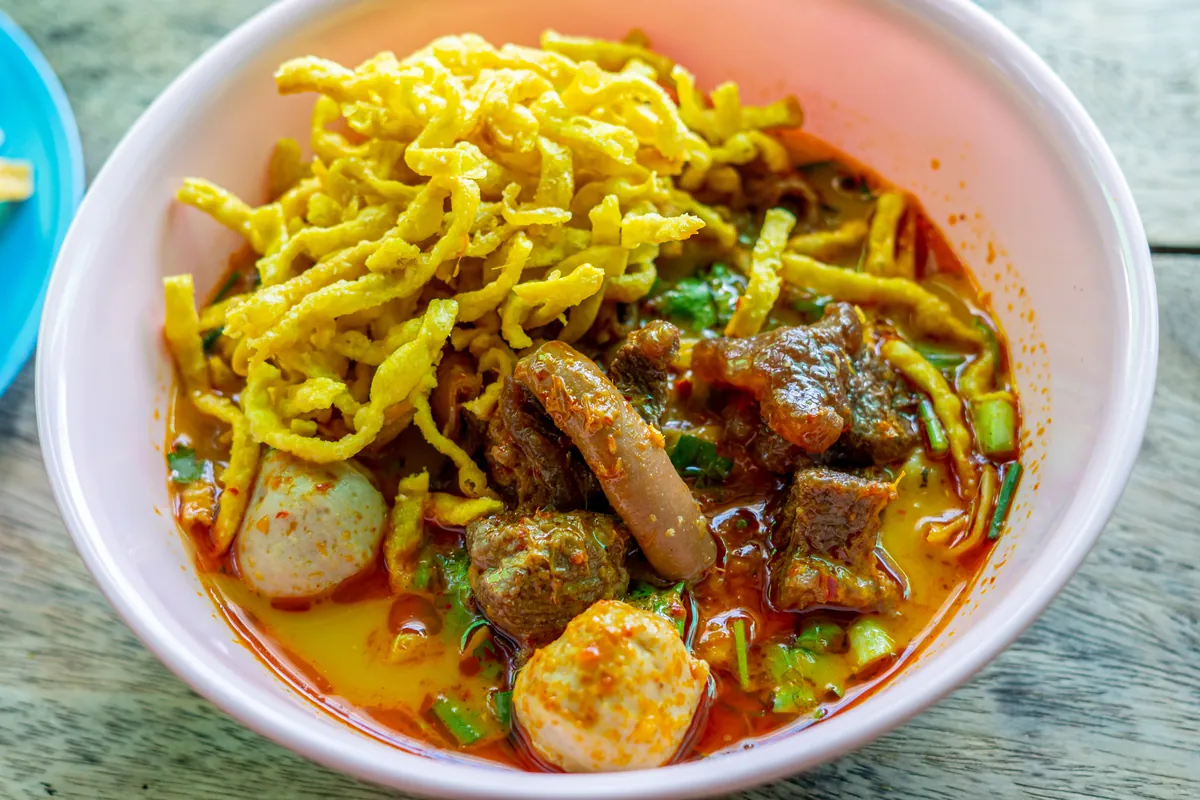
Khao soi — the egg-noodle curry soup with crispy noodles, pickled mustard greens and shallots on the side — is the dish tourists come to Chiang Mai specifically to eat. The gap between the best and worst bowls in the city is significant.
Khao Soi Khun Yai
Khao Soi Khun Yai is a small lunch stop near the north side of the moat. TAT lists hours from 10am to 2pm but does not state a weekly closure day, so confirm before visiting.
- Area
- Old City / Si Phum · Sri Poom 8 Alley, Si Phum
- Hours
- 10am–2pm; confirm current closure day
- Go for
- Chicken khao soi
Khao Soi Nimman
The Michelin-listed khao soi on Nimman Soi 7 — air-conditioned, open until 9pm, and handles tourist volumes better than the small shophouse spots. The pork rib version is the better choice over standard chicken. A reliable pick if you miss the early-closing Old City bowls.
- Area
- Nimman · 22 Nimmanhaemin Rd, Soi 7
- Hours
- Daily 10am–9pm
- Price
- 90–120 THB
- Go for
- Pork rib khao soi
Huen Phen also serves khao soi at lunch, and it’s consistently ranked among the city’s best — the chicken is tender and the spice level is honest. If you’re already there for the full northern spread, order a bowl rather than making a separate trip.
- Multiple great options within a 15-minute drive of the Old City
- Clear visual differences (broth colour, noodle texture) make comparing bowls interesting
- Top spots close early (by 2pm) and don’t do reservations
- Khao soi quality drops sharply in tourist-zone restaurants on Loi Kroh Road
- Popular lunch shops can sell out or close early
Michelin-listed restaurants in Chiang Mai
The Michelin Guide entered Chiang Mai in 2020. Its official 2026 Bib Gourmand announcement lists 18 venues in the province, alongside restaurants with other Guide selections. Check Thailand’s wider Michelin selection and the Michelin site for each restaurant’s current designation.
Blackitch Artisan Kitchen
Blackitch is a 16-seat chef's table serving a seasonal tasting menu. Michelin lists lunch and dinner Monday, Tuesday and Thursday through Sunday, with Wednesday closed; contact the restaurant for availability and current pricing.
- Area
- Nimman · 27/1 Nimmanhaemin Soi 7, Su Thep
- Hours
- Mon–Tue and Thu–Sun 11:30am–2pm and 5pm–10pm; Wed closed
- Price
- Seasonal — check website
- Go for
- Seasonal tasting menu
Kuakai Nimman
A Michelin-listed spot on Nimman Soi 13 built on noodle dishes and rice bowls under 200 THB. The signature is the stir-fried chicken noodles cooked in a hot pan with baked egg. Ordering is QR-code based; no reservations needed — walk in and find a table.
- Area
- Nimman · Nimmanhaemin Soi 13
- Hours
- Daily from 9am
- Price
- 100–200 THB
- Go for
- Stir-fried chicken noodles (kuay teow kua kai) with baked egg
Huan Soontaree
Huan Soontaree is a current Bib Gourmand restaurant beside the Ping River. Michelin lists it from 4:30pm to 11pm Monday to Saturday, with Sunday closed, and notes owner Soontaree Vechanont's performances.
- Area
- Pa Tan / Ping River · 208 Pa Tan Rd, Pa Tan
- Hours
- Mon–Sat 4:30pm–11pm; Sun closed
- Go for
- Gaeng hanglay and grilled pork ribs
The House by Ginger
The House by Ginger serves Thai dishes in the Old City. TAT lists it from 11am to 9pm Monday to Thursday and until 10pm Friday to Sunday.
- Area
- Old City · 199 Moon Muang Rd, Si Phum
- Hours
- Mon–Thu 11am–9pm; Fri–Sun 11am–10pm
- Go for
- Thai fusion mains
Insider Tip: The Bib Gourmand list changes annually. The full current list is on the official Michelin Guide Thailand website — the Chiang Mai Bib Gourmand filter shows all current spots at once, which is more reliable than any roundup article including this one.
Modern Thai and international dining in Nimman
Nimmanhaemin Road and its numbered sois run from chic coffee shops through to serious restaurants, all within walking distance of each other. It’s where Chiang Mai’s expats and younger Thais eat, which keeps the quality competitive. If you’re staying near luxury hotels in Chiang Mai in the Nimman district, you’re already in the right place.
Ginger Farm Kitchen
Ginger Farm Kitchen is inside One Nimman and sources some produce from Ginger's farm in Saraphi, not Chiang Dao. Its individual Michelin designation and current last-order time should be checked before a late visit.
- Area
- Nimman · One Nimman complex, Nimmanhaemin Rd
- Hours
- Confirm current hours before visiting
- Go for
- Gaeng kiew wan (green curry)
The Larder Cafe & Bar
A daytime brunch and working-lunch spot on a Nimman side soi — good coffee, solid sandwiches, and a smoked salmon eggs benedict that travels well. Popular with remote workers for its clean tables and reliable Wi-Fi. Closes by mid-afternoon; closed Tuesdays and Wednesdays.
- Area
- Nimman · Sukkasem Soi, Nimmanhaemin Rd
- Hours
- Thu–Mon 8:30am–3pm; closed Tue & Wed
- Price
- 180–280 THB
- Go for
- Smoked salmon eggs benedict
For those wanting to go further than eating — Thai cooking classes in Chiang Mai regularly top visitor reviews, and most run a morning market visit before the class, which is a useful way to understand what you’re later eating.
Insider Tip: One Nimman’s complex hours do not determine the restaurant’s last order. Check Ginger Farm Kitchen directly before a late visit.
Riverside dining along Mae Ping
The Mae Ping River runs along Chiang Mai’s eastern edge, with several restaurants on Charoen Rat Road near the Night Bazaar. This area suits a longer dinner when riverside seating matters.
The Riverside Bar & Restaurant
The Riverside serves Thai and Western food beside the Mae Ping River. Its operator lists daily hours from 10am to 1am at 9–11 Charoen Rat Road.
- Area
- Mae Ping · 9–11 Charoen Rat Rd
- Hours
- Daily 10am–1am
- Go for
- Pad thai and riverside set
The Good View Bar & Restaurant
The Good View is a riverside restaurant at 13 Charoen Rat Road. Its operator site is not currently accessible, so confirm opening hours and entertainment before visiting.
- Area
- Mae Ping · 13 Charoen Rat Rd
- Hours
- Current listings indicate evenings until about 1am; confirm directly
- Go for
- Thai and Japanese sharing dishes
The riverside strip is close to the Night Bazaar area, so a dinner here can pair with an evening market visit. Reserve or arrive early if a riverside table matters.
How to choose where to eat in Chiang Mai
Chiang Mai’s markets add casual food options beyond this restaurant list. Warorot Market is near the river, while the Night Bazaar and Saturday Walking Street operate in different parts of the city; check current market days and hours.
A few practical points: several northern Thai lunch shops close in the afternoon, while riverside restaurants trade later. Transport fares and journey times vary, so check the live app or agree the fare before leaving.
Popular Thai food has a broader breakdown of the dishes you’ll encounter across the country, which helps contextualise what’s specifically northern Thai versus what’s national.
Before any long dining evening, sort out your data connection — menus, opening hours, and Grab bookings all need mobile internet. The best eSIM for Thailand is worth sorting at the airport so you’re not hunting for restaurant addresses on restaurant Wi-Fi.
9Verdict: Chiang Mai’s food scene earns its reputation. The northern Thai classics are genuinely distinct from anything elsewhere in the country, the Michelin presence has raised the ceiling without pricing out the good local spots, and you can eat extremely well here on any budget. The only honest downside is that the best cheap spots fill up and close early — adjust your lunch timing and you’ll eat better here than almost anywhere in Southeast Asia. Rating: 9/10