




Wat Ku
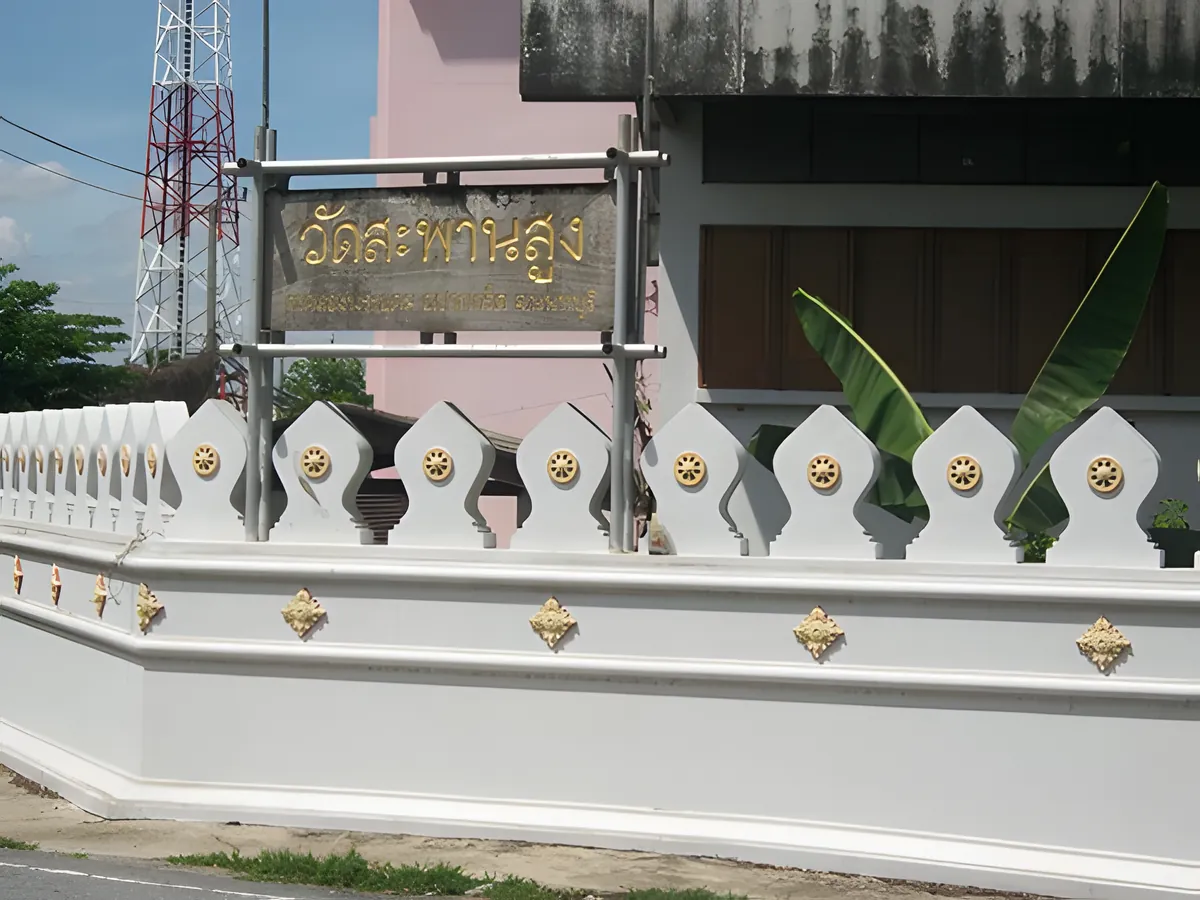
วัดกู้ หรือ วัดพระนางเรือล่ม
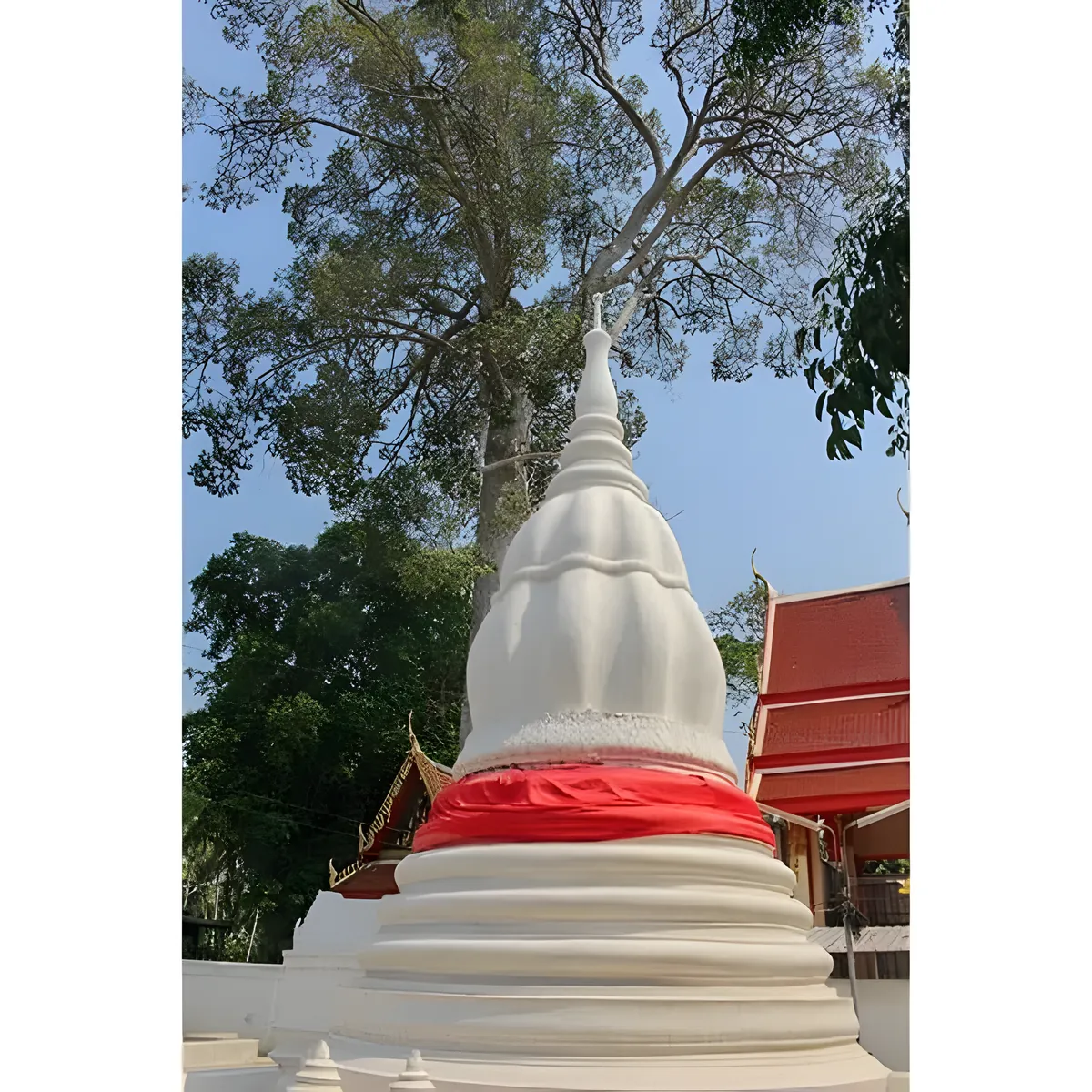
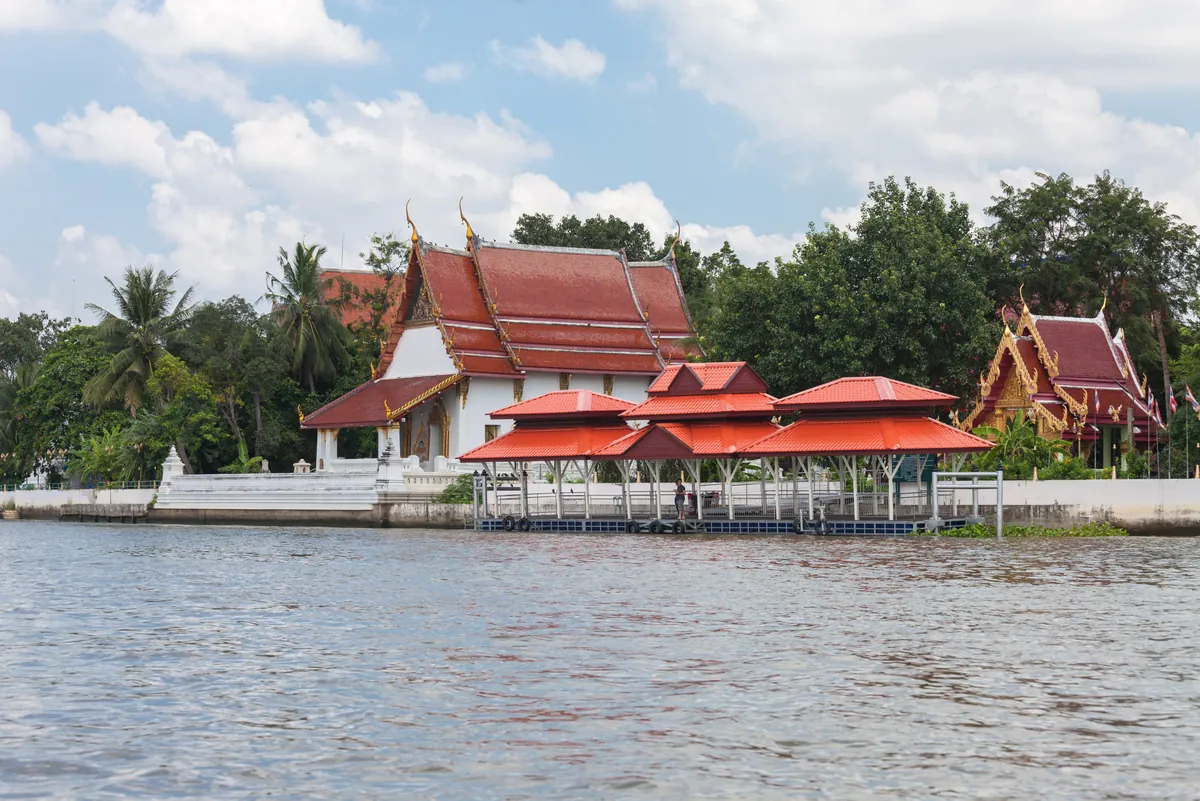
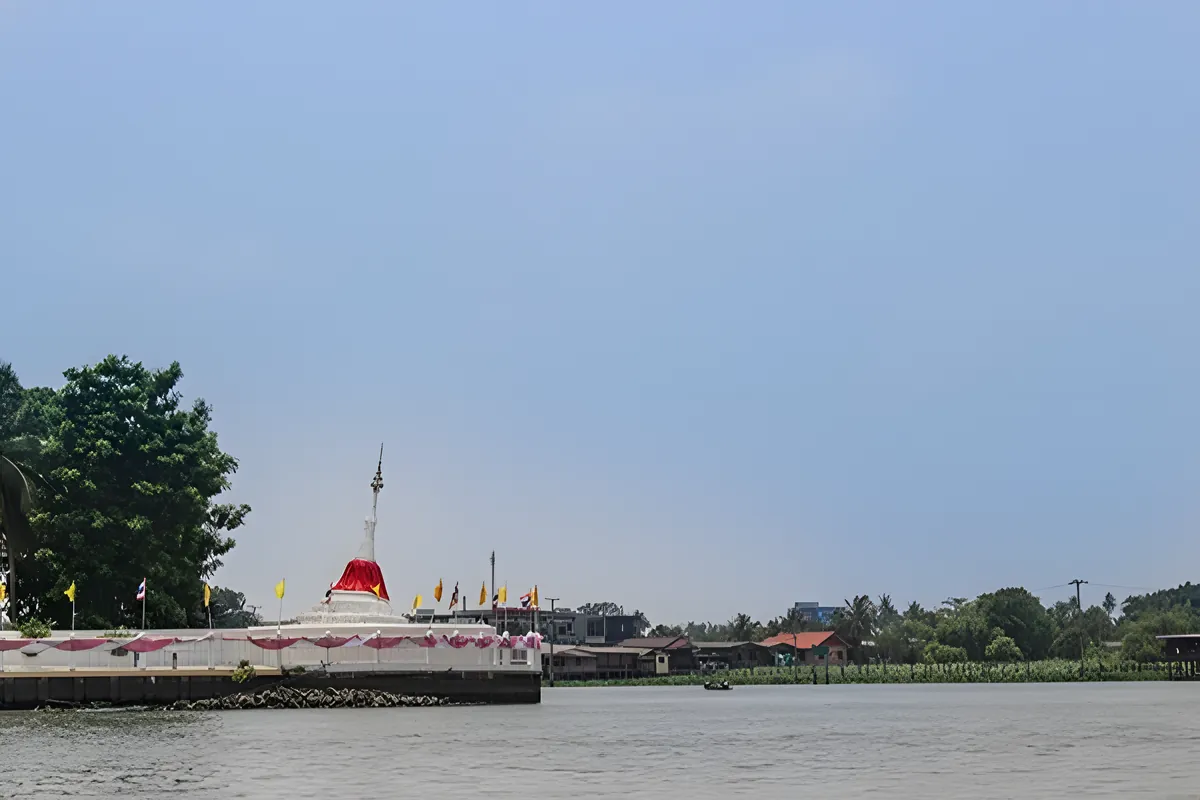
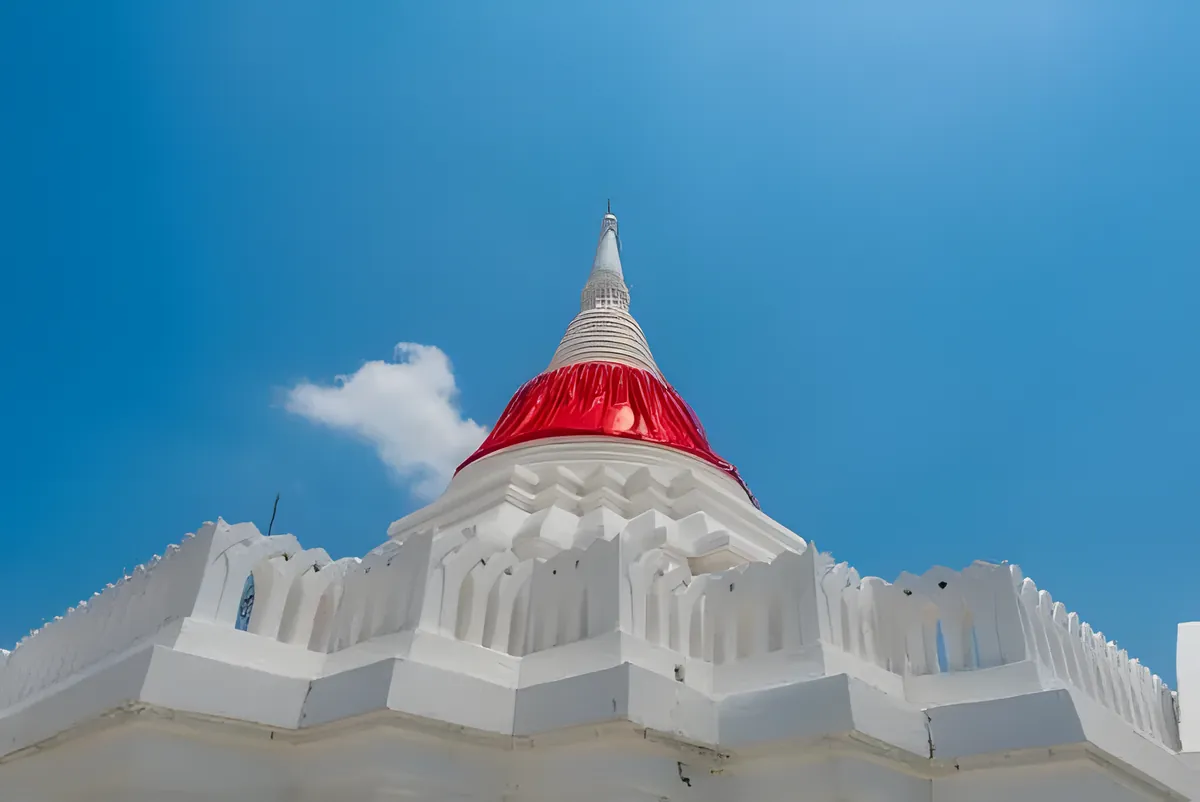
Wat Ku sits on the Chao Phraya riverbank in Bang Phut, Pak Kret. Its full name, Wat Phra Nang Ruea Lom, means “the temple of the princess whose boat capsized” — but the temple’s real founding story is about Mon settlement, not royal tragedy, and the two histories only merged later. Entry is free, and it’s a working temple rather than a curated visitor site.
The community here dates to the Thonburi period, when Mon migrants from Burma settled the riverbank under a leader named Phraya Cheng. Some accounts place an earlier temple on the site back in the Ayutthaya era, known then as Wat Tha Saon; the Mon rebuilt and renamed it after their new settlement, which they called Kwan Ku — a Mon word for rice-field village. That’s the actual source of “Ku” in the name, unrelated to the boat story that came later. Murals inside the ordination hall depict Mon migration history alongside Buddhist teachings, a subject rarely painted elsewhere in Nonthaburi, and the Buddha images inside follow Mon artistic conventions rather than the more familiar Bangkok style.
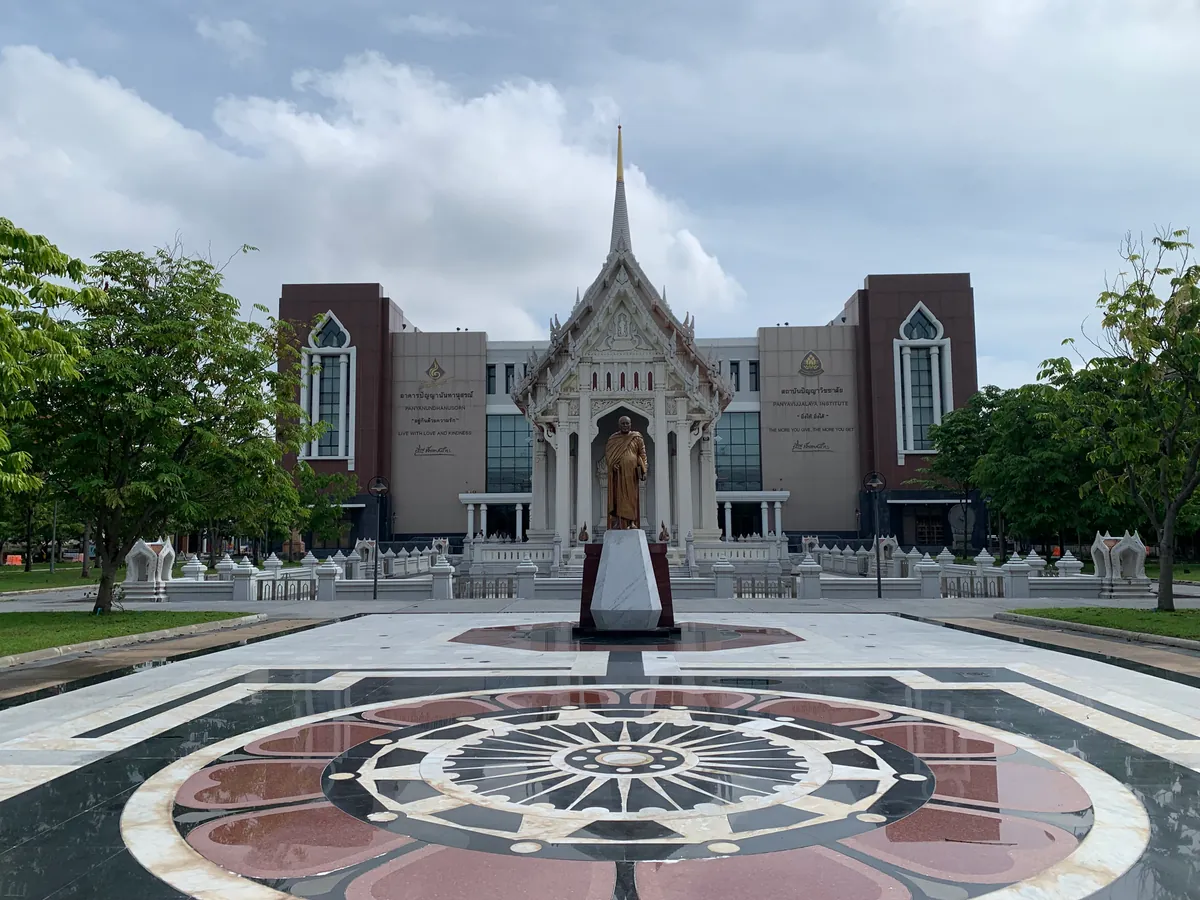
The “princess’s boat” name comes from a separate 1880 tragedy: Queen Sunandha Kumariratana, a consort of King Rama V, drowned when her royal barge overturned on the Chao Phraya while travelling to Bang Pa-In Palace — one of the best-known stories in Thai royal history, and the reason a law forbidding commoners from touching royalty was later changed. Thai-language sources on Wat Ku disagree on the exact spot the boat went down, some placing it directly offshore from the temple and others slightly upriver near Ko Kret. What both agree on is that the recovered royal boat ended up here: it’s displayed today inside a memorial pavilion modelled on a hall at Bang Pa-In Palace, alongside a reclining Buddha statue, with incense smoke from visitors making merit at the queen’s shrine drifting through the room.
Insider Tip: Go by taxi or Grab rather than public transport — Pak Kret’s sois narrow down close to the river, and a driver who knows the area gets you to the gate directly. Pair the visit with Koh Kret, the Mon pottery island about 2.5 km downriver, for a half-day covering both sides of Pak Kret’s Mon heritage, or with Wat Chonprathan Rangsarit, a short drive away.
- Entry: Free for all visitors
- Founded: Thonburi period, by Mon settlers under Phraya Cheng
- Location: Chao Phraya riverbank, Bang Phut, Pak Kret
- Highlight: Queen Sunandha memorial shrine with the recovered royal boat
- Dress code: Shoulders and knees covered, shoes off inside buildings
This is a working temple, not a museum — expect monks going about ordinary routines rather than a staged display. There’s no set opening-hours schedule for the grounds, so daylight hours are the safest bet, and mid-morning tends to be quieter than after local families arrive for merit-making. Photography outdoors is generally fine; ask before photographing monks or shooting inside the ordination hall. From Nonthaburi, Wat Ku is one of the province’s few sites where Mon settlement history and a royal tragedy overlap in one place.
Location & Directions
Pak Kret, Nonthaburi
Nonthaburi, Thailand
Show your taxi or Grab driver
วัดกู้ หรือ วัดพระนางเรือล่ม
Within Walking Distance



Frequently Asked Questions
Is this the same temple as Wat Ku Tao in Chiang Mai?
Why is Wat Ku also called Wat Phra Nang Ruea Lom?
Is Wat Ku a Mon temple?
Is Wat Ku free to enter, and is there a dress code?
How do you get to Wat Ku from Bangkok?
Spotted something out of date or incorrect? Let us know
Stay Near Wat Ku
Compare places to stay in Nonthaburi, or open the map for options closest to the attraction.