



DepositPhotos (standard license)
Nonthaburi
นนทบุรี
Bangkok's riverside northern neighbour — the car-free Mon island of Koh Kret, prized durian orchards, and a string of Chao Phraya temples a short MRT ride from the capital.
Recommended by us

Koh Kret
A car-free island in the Chao Phraya, 45 minutes by MRT Purple Line and ferry. Mon potters have worked here for 300 years — buy a piece at source and eat grilled fish by the water.

Sai Noi Floating Market
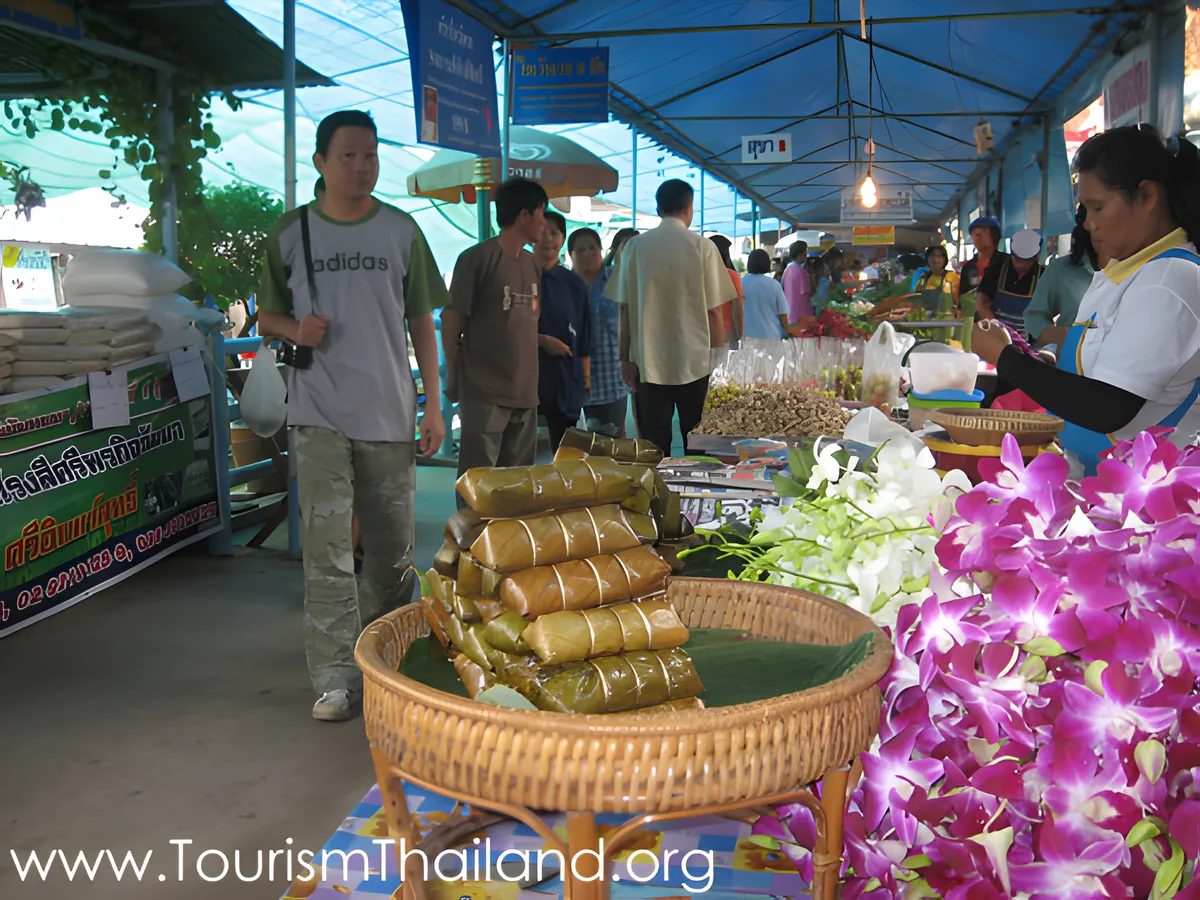
A small weekend floating market that stays genuinely local — less photogenic than Damnoen Saduak but the food is better and the crowds are thinner.

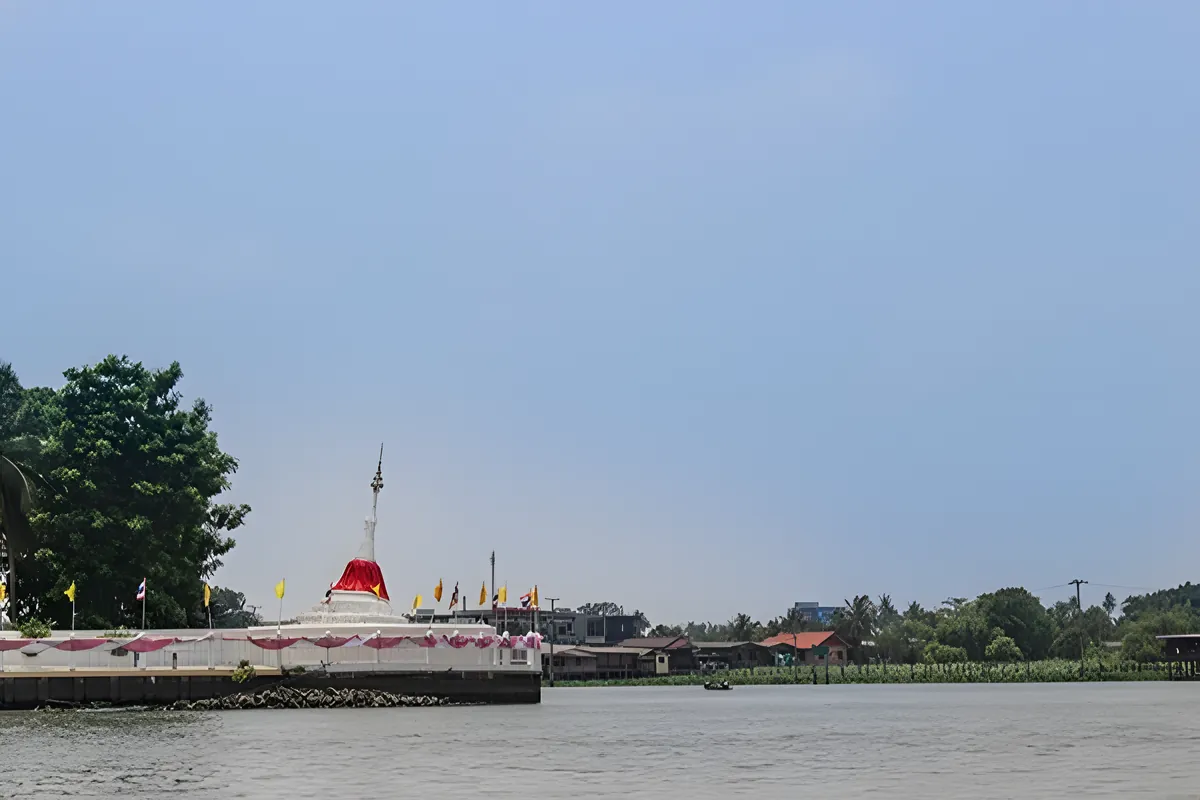
Wat Paramaiyikawat
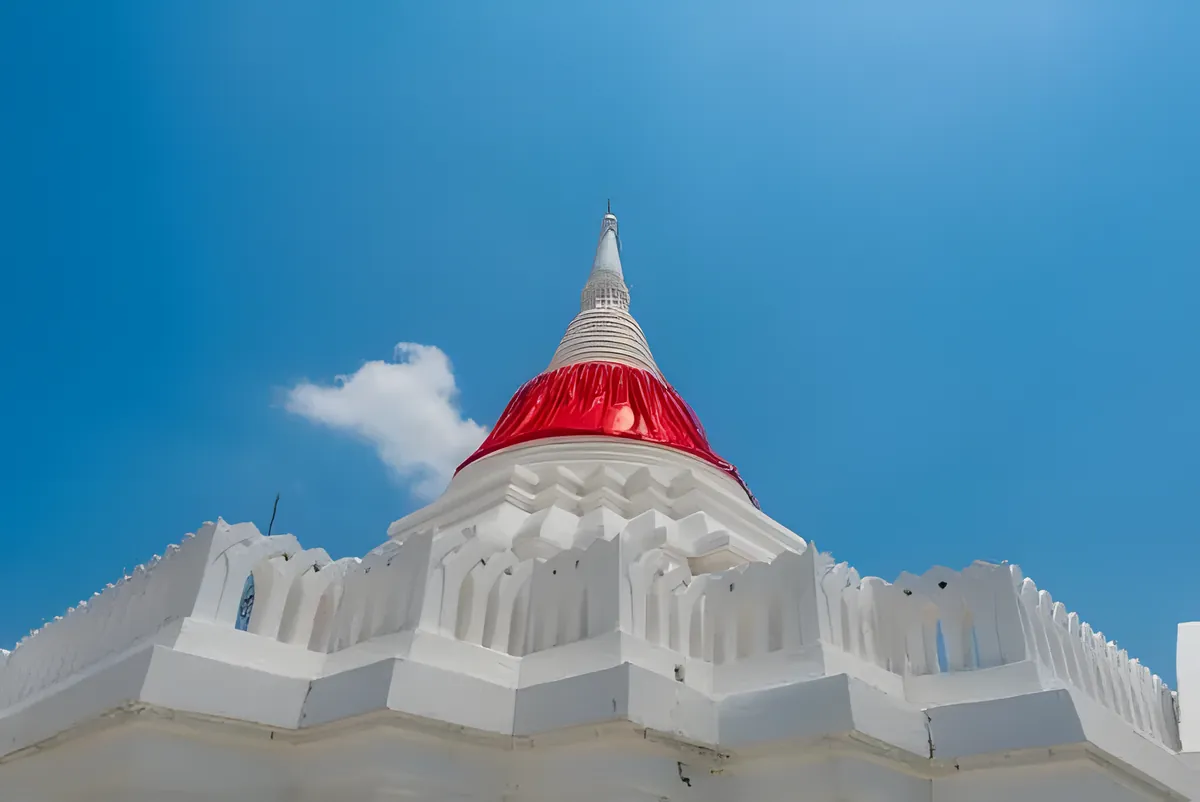
A riverside Mon temple on Koh Kret, distinctive for its Burmese-influenced whitewashed stupa leaning slightly over the river — the result of ground movement, not bad design.

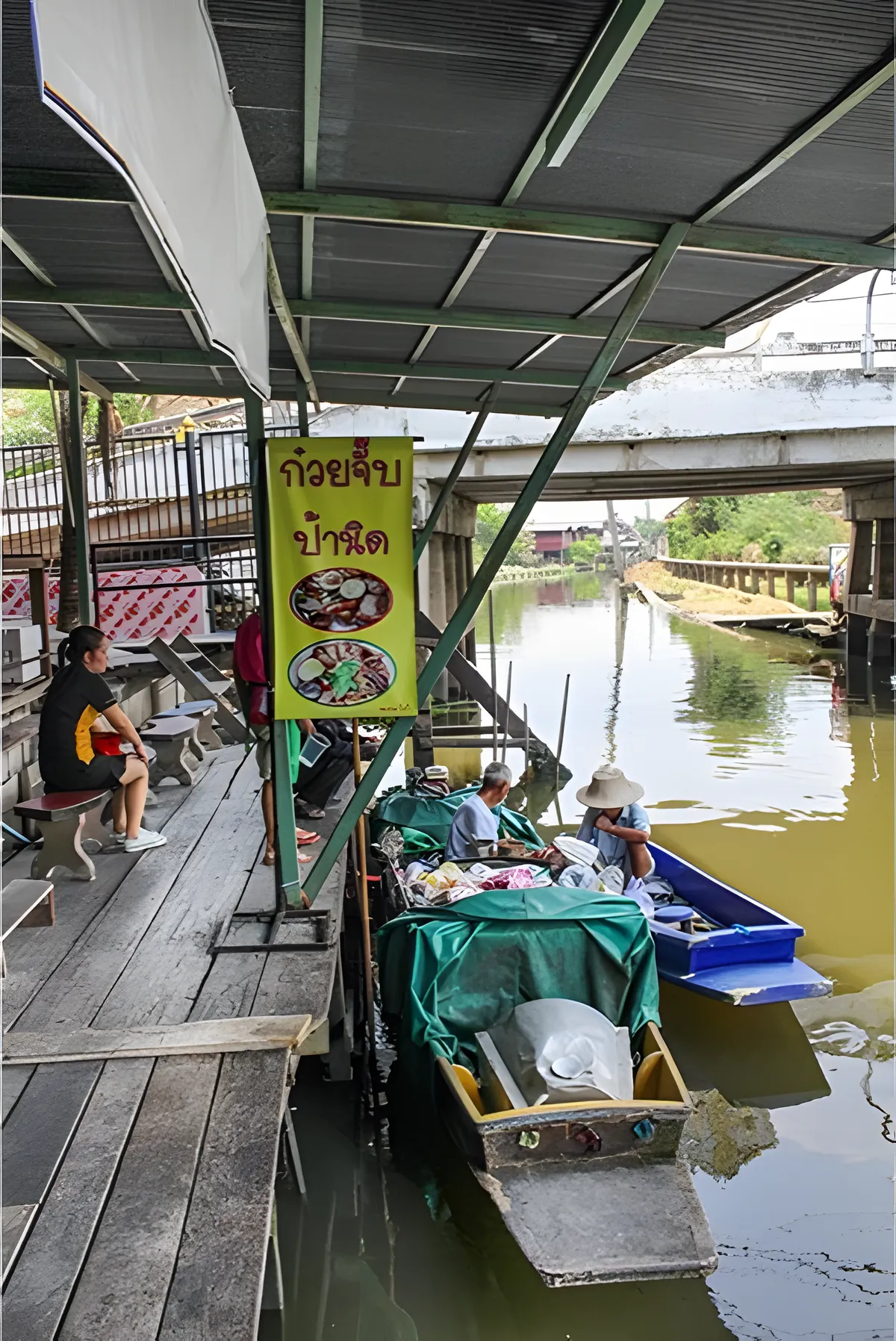
Wat Takian Floating Market
A former royal country palace on the riverbank, now a park. Worth combining with a Chao Phraya riverboat trip from Bangkok's Nonthaburi pier.

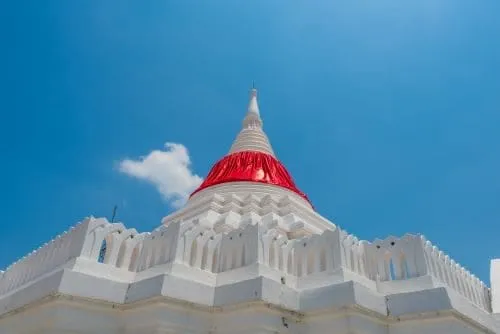
Get to Nonthaburi
Nonthaburi is a short MRT Purple Line ride from central Bangkok, or a scenic Chao Phraya Express Boat journey upriver — no overnight travel needed.

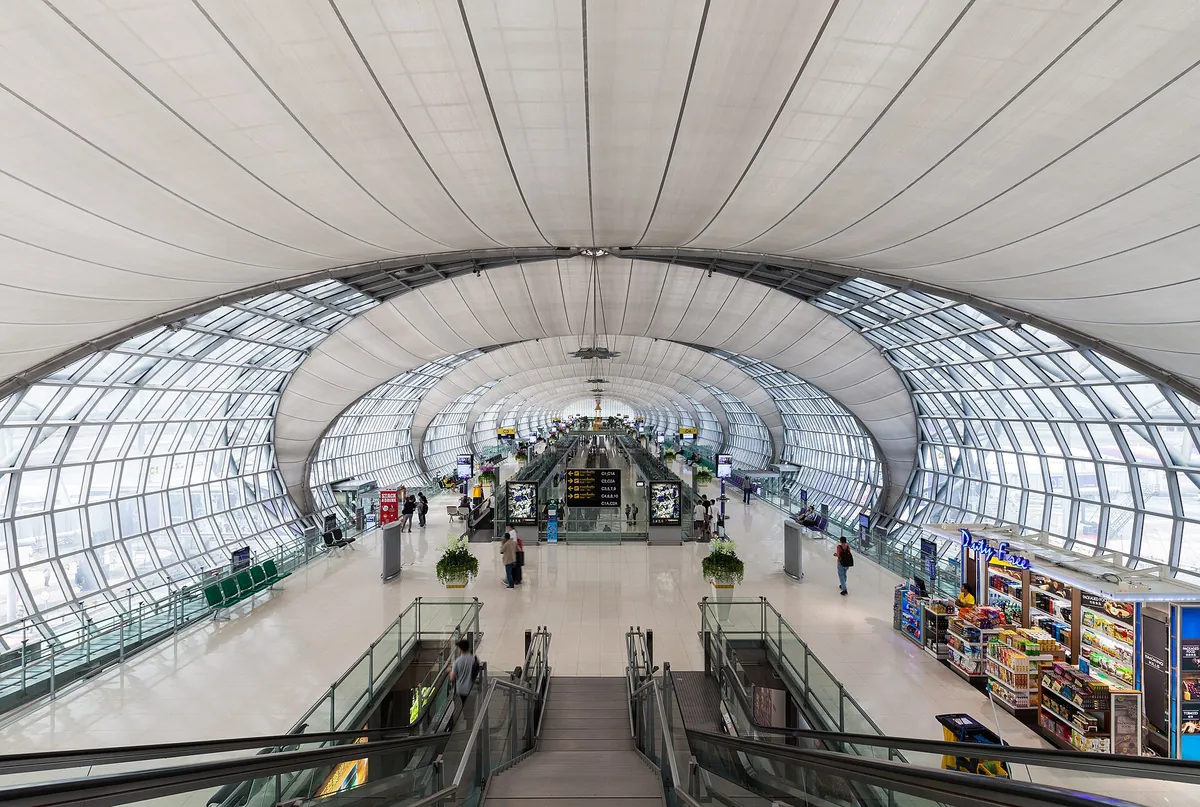
eSIM for Thailand
Land with data already working and skip the airport SIM queue. We tested six plans — code THAIHOLIDAY saves 10%.

Travel insurance
Sort cover before you go — river ferry crossings and island visits are low-risk but good medical cover is sensible for any trip to Thailand.
Top sights & experiences
Things to do in Nonthaburi

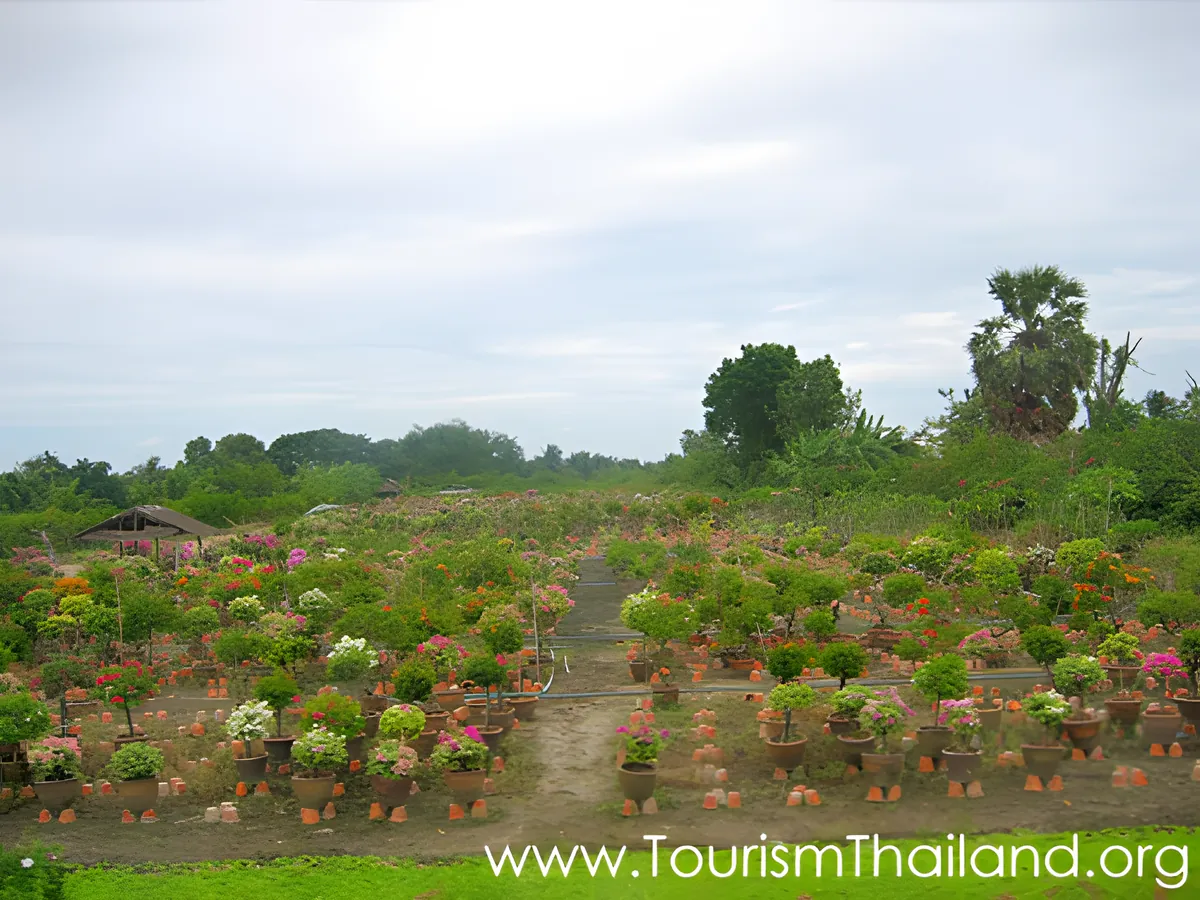
Bang Rak Noi Agritourism

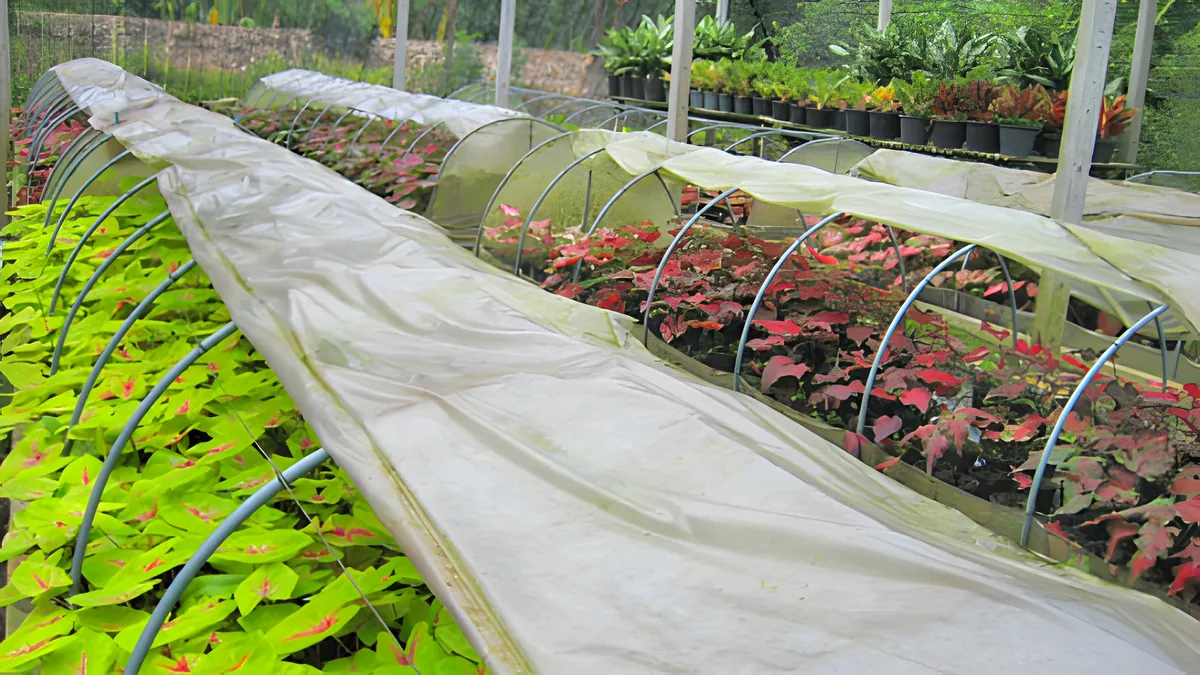
Chalerm Phrakiat Caladium Village

Chao Pho Chui Shrine

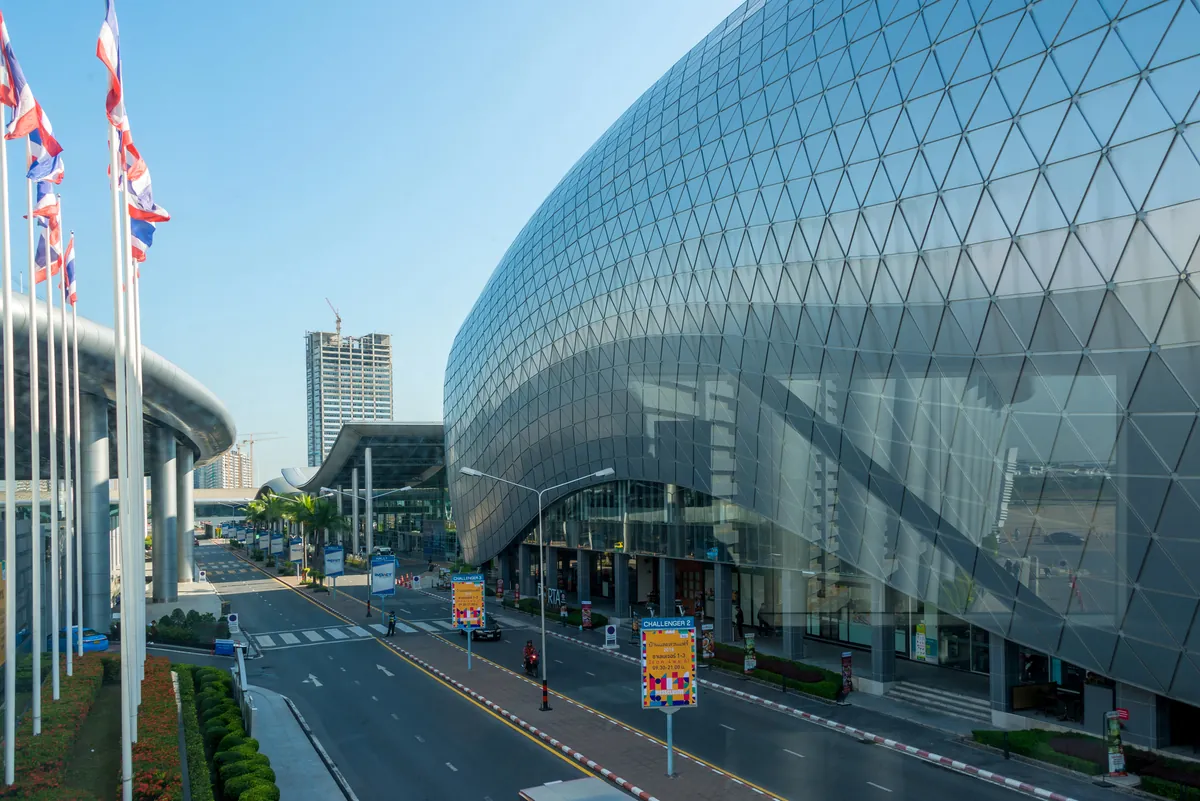
Impact Muang Thong Thani

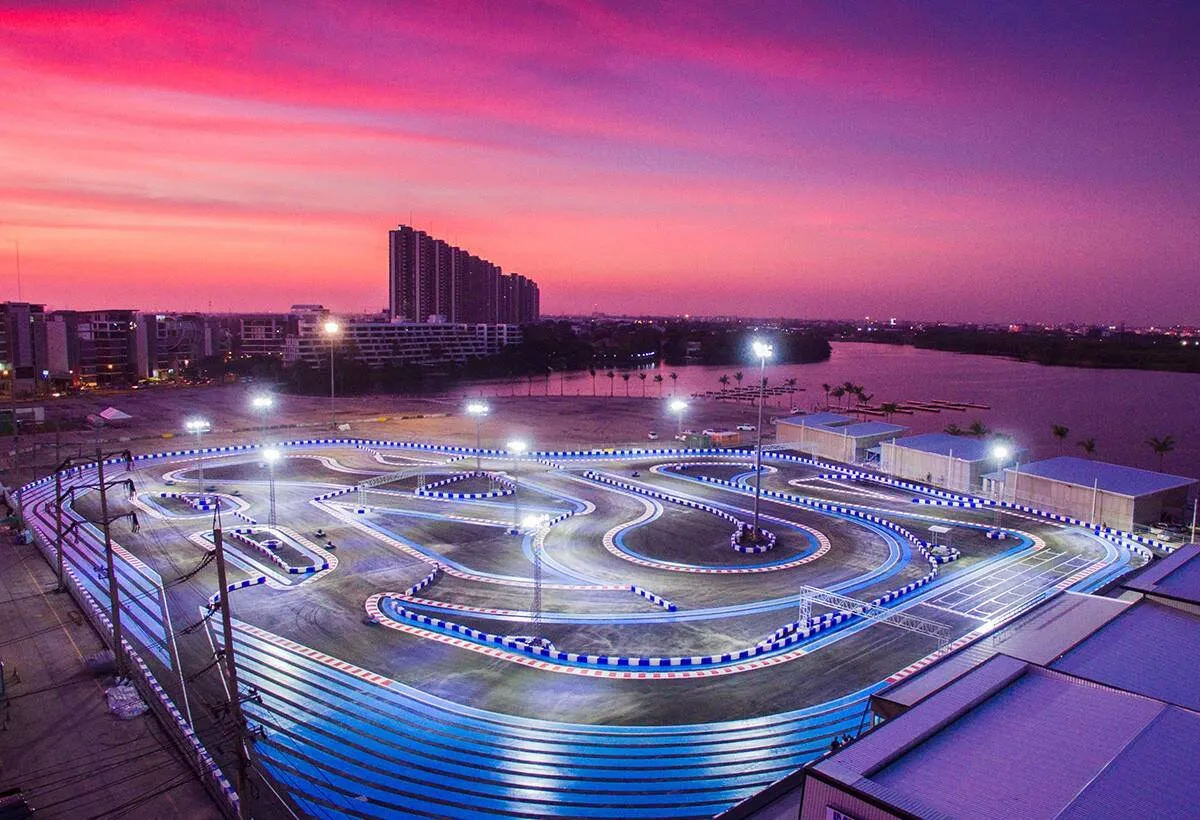
IMPACT Speed Park

Kanchanaphisek Park (Utthayan Chalerm Phrakiat)

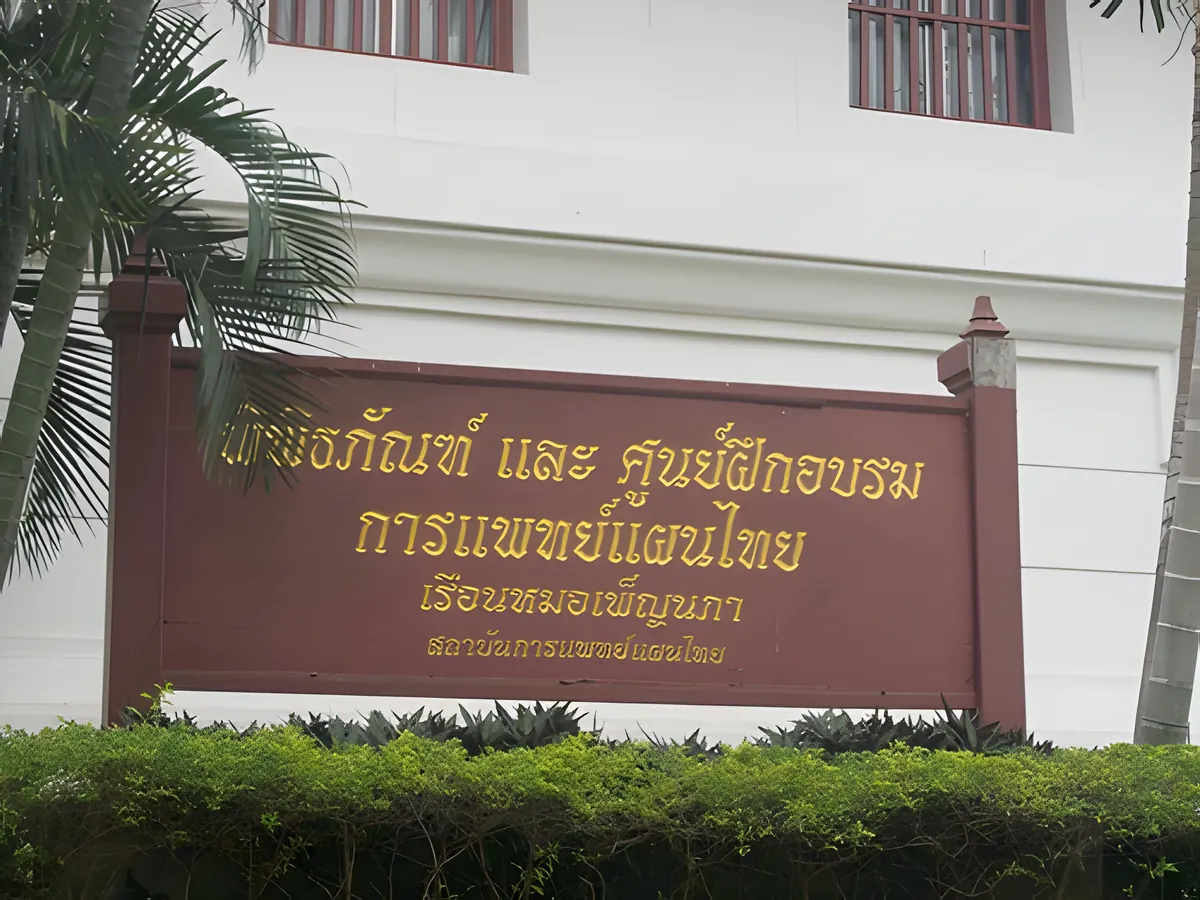
Museum and the Thai Traditional Medical Training Centre


Suan Kret Buddha

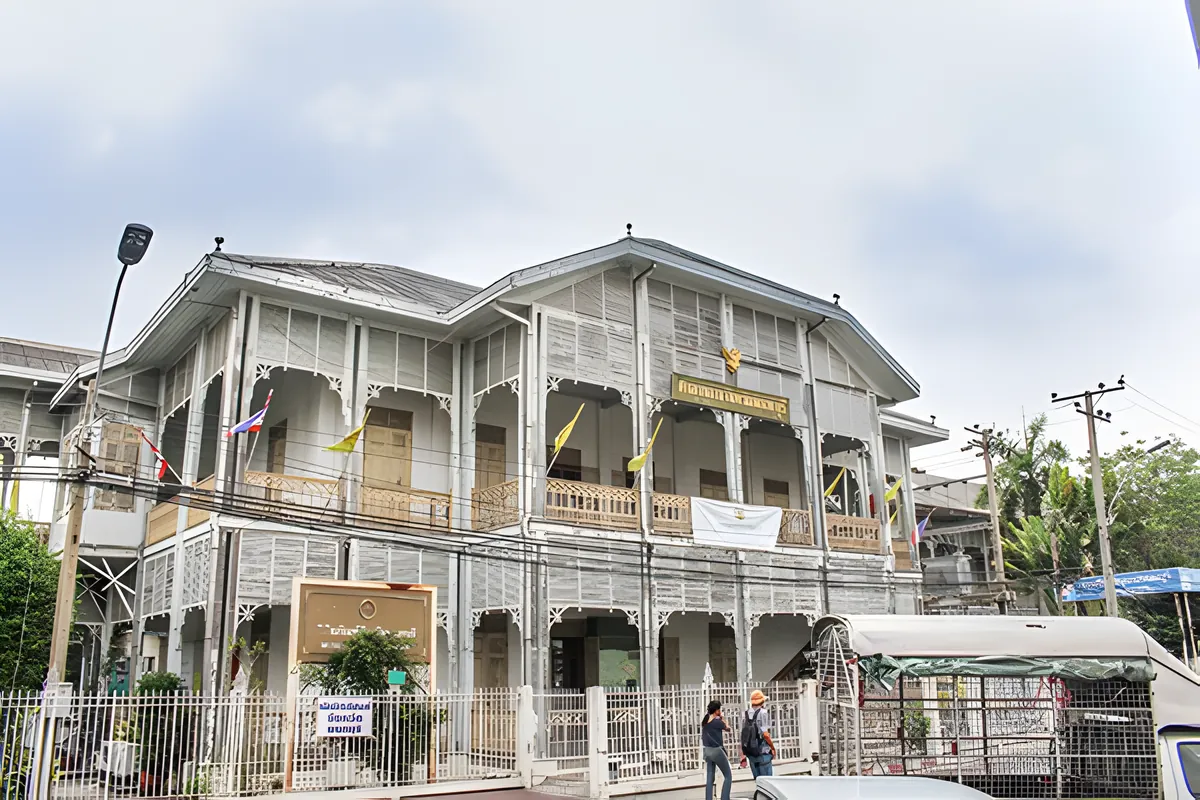
The Museum of Nonthaburi

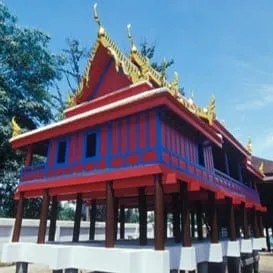
Wat Amphawan

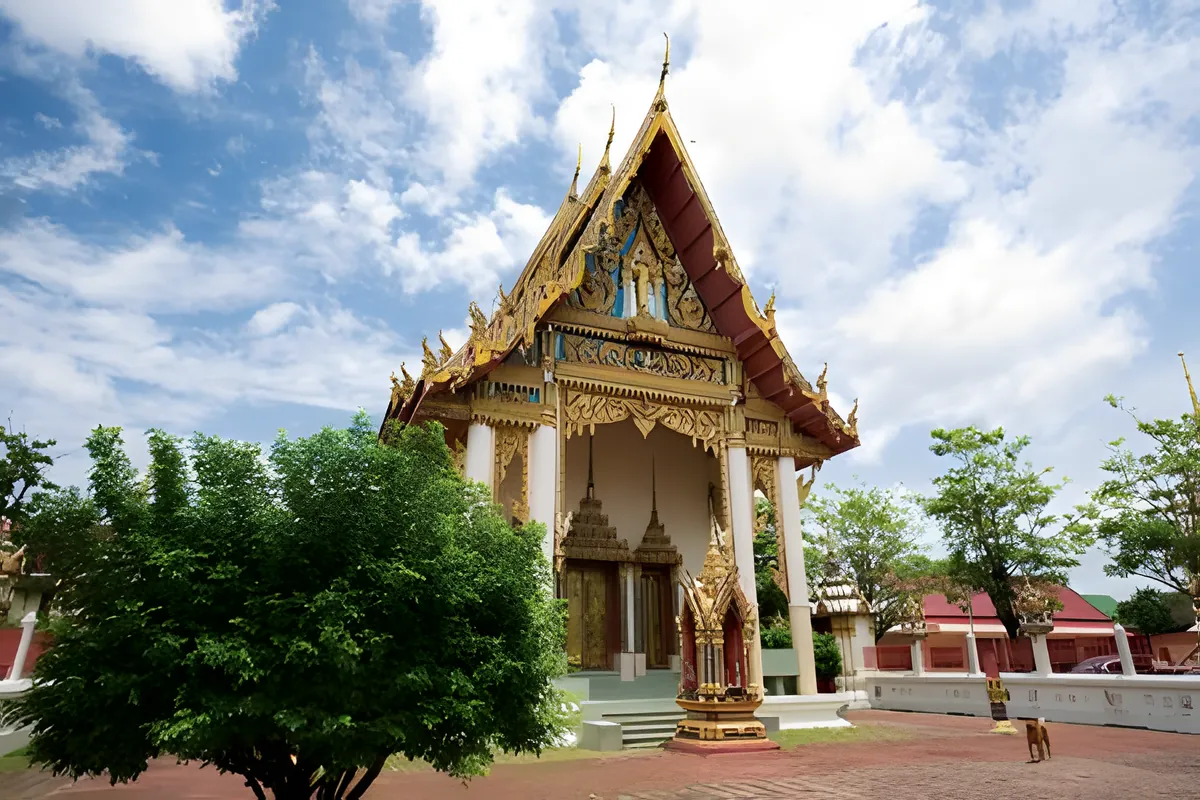
Wat Bang Oi Chang

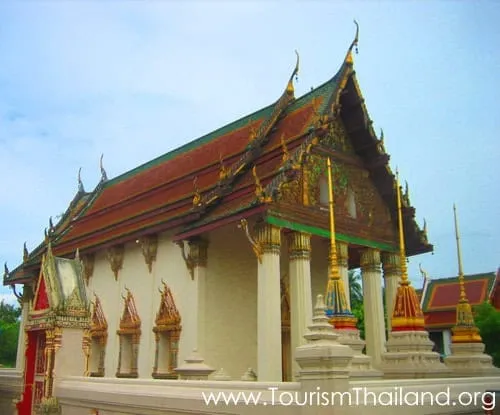
Wat Bang Kanun
Things to do on the map
Tap a pin for details — 40 places in Nonthaburi plotted.
When to go
Nov–Feb Cool dry season — the most comfortable window for walking Koh Kret, the riverside temples and the old town, with low humidity and pleasant evenings along the Chao Phraya.
Mar–Apr Hot season on the central plains, with April the peak. This is also durian season, when the prized Nonthaburi orchards and the annual durian fair draw Thai visitors; start outdoor sightseeing early.
May–Oct Southwest monsoon brings most of the year's rain, heaviest in September and October when the Chao Phraya runs high. Riverside and island paths can flood briefly; sights stay accessible between afternoon downpours.
About Nonthaburi
Last updated September 2026
Overview
Nonthaburi sits directly north of Bangkok on both banks of the Chao Phraya, and in practice the two run together — the provincial capital is part of the same continuous urban area, reached in minutes on the MRT Purple Line or the express boat. Yet the province keeps pockets of an older riverside Thailand that central Bangkok has largely lost: working pottery kilns, fruit orchards behind the levees, and a line of temples facing the river.
The best known of these survivals is Koh Kret, a small island in a tight loop of the Chao Phraya in Pak Kret district. It was created in 1722 when a canal was cut across the neck of the meander to shorten the river route, leaving the land inside as an island. A Mon (Raman) community settled here and still produces the unglazed earthenware pottery and traditional sweets the island is known for. There are no cars — you get around on foot or by bicycle — and at weekends the riverside path becomes a busy market of food stalls and craft shops.
Nonthaburi is also Thailand’s most storied durian ground. The orchards along the river once produced the country’s most prized fruit, and Mon Thong and Kan Yao from Nonthaburi still command premium prices. The great floods of 2011 destroyed many of the old trees, and genuine Nonthaburi durian is now scarce, but the heritage and the annual fair endure.
Top Things to Do
Koh Kret is the obvious highlight. Cross from Pak Kret on the short ferry at Wat Sanam Nuea and follow the loop path around the island past pottery workshops, the leaning Mon-style chedi at Wat Poramaiyikawat, and rows of stalls selling Mon desserts, deep-fried snacks and flower-shaped khanom. Renting a bicycle is the easiest way to do the full circuit. It is liveliest on weekends; many shops are closed midweek.
Wat Chaloem Phra Kiat Worawiharn in Mueang Nonthaburi is one of the most refined royal temples on this stretch of the river — built in the reign of Rama III in a restrained, Chinese-influenced style, with finely proportioned halls set in a quiet riverside compound.
The old Nonthaburi Provincial Hall and pier mark the end of the Chao Phraya Express Boat line. The former town hall is a handsome teak building, and the surrounding old town and market make an easy walk straight off the boat.
The Museum of Nonthaburi, housed in the former provincial offices, traces the area’s river trade, Mon heritage and durian culture, and is a good orientation point before exploring the riverside.
IMPACT Muang Thong Thani in Pak Kret is Thailand’s largest exhibition and convention complex, hosting major trade fairs, concerts and sporting events — worth knowing if your visit coincides with a show.
Riverside temples and meditation wats are scattered through Bang Kruai, Bang Yai and Pak Kret — among them Wat Sangkhatan, a popular meditation temple, and a string of canal-side wats best reached by boat or bicycle.
Where to Stay
Because Nonthaburi blends seamlessly into Bangkok, most visitors stay in the capital and come for the day. Accommodation in the province itself is largely functional — local hotels and serviced apartments along the MRT Purple Line and around Muang Thong Thani, which fill up when major events are on at IMPACT. For a riverside stay, a handful of small hotels and guesthouses sit near the old town pier, putting you within easy reach of the express boat and Koh Kret.
Getting There
The MRT Purple Line is the simplest route: change to it from the Blue Line at Tao Poon and ride north through Mueang Nonthaburi, Bang Kruai, Bang Yai and Bang Bua Thong, with the Bang Rak Noi–Tha It station serving the riverside orchard area. The Chao Phraya Express Boat runs north from central Bangkok to its terminus at Nonthaburi Pier (N30), a scenic and inexpensive alternative. For Koh Kret, the usual approach is MRT or taxi to Pak Kret, then the short cross-river ferry at Wat Sanam Nuea.
Best Time to Visit
Nonthaburi follows the central-plains pattern: a cool dry season from November through February, a hot dry stretch in March and April, and a monsoon from May through October with the heaviest rain in September and October, when the Chao Phraya runs high. The cool months are the most comfortable for cycling Koh Kret and walking the riverside.
The hot season doubles as durian season — uncomfortable for sightseeing in the midday heat, but the best window if the fruit is what you have come for. In the wet season the sights remain workable between afternoon showers, though low-lying riverside and island paths can flood briefly when the river is high.
Frequently Asked Questions about Nonthaburi
How do I get to Nonthaburi from Bangkok?
What is Nonthaburi best known for?
How long do you need in Nonthaburi?
When is durian season in Nonthaburi?
Spotted something out of date or incorrect? Let us know
Plan your
Nonthaburi trip