



Wat Si Sa Thong
วัดศีรษะทอง
Wat Si Sa Thong in Nakhon Chai Si district, Nakhon Pathom, is where Thailand’s black-offering Rahu worship began. The temple’s Phra Rahu Am Chan — Rahu swallowing the moon, carved from a single piece of wood by an earlier abbot — became the model copied by dozens of temples nationwide, and it’s still what draws most visitors here today. Entry is free, and the temple is open daily.
- Entry fee: Free (donations welcome at the Rahu shrine)
- Hours: Daily, roughly 08:00-17:00
- What it’s known for: The original large-scale Phra Rahu (eclipse deity) shrine and black-offering rituals
- Location: Nakhon Chai Si district, Nakhon Pathom — about an hour from Bangkok
- Best for: Thai visitors seeking fortune-and-protection rituals; a genuine local devotional site rather than a photo stop
Phra Rahu, in Thai belief, is the deity behind eclipses — a figure associated with misfortune, obstruction and bad luck, but also, paradoxically, with power over fortune once appeased. Worshippers bring black offerings: black sesame seeds, black coffee, black beans, black cloth, sometimes squid-ink dishes. The ritual logic is that Rahu, who “swallows” light, favours dark things, and giving him what he favours turns his influence protective rather than harmful. The temple sells ready-made black offering trays near the entrance for anyone who hasn’t brought their own.
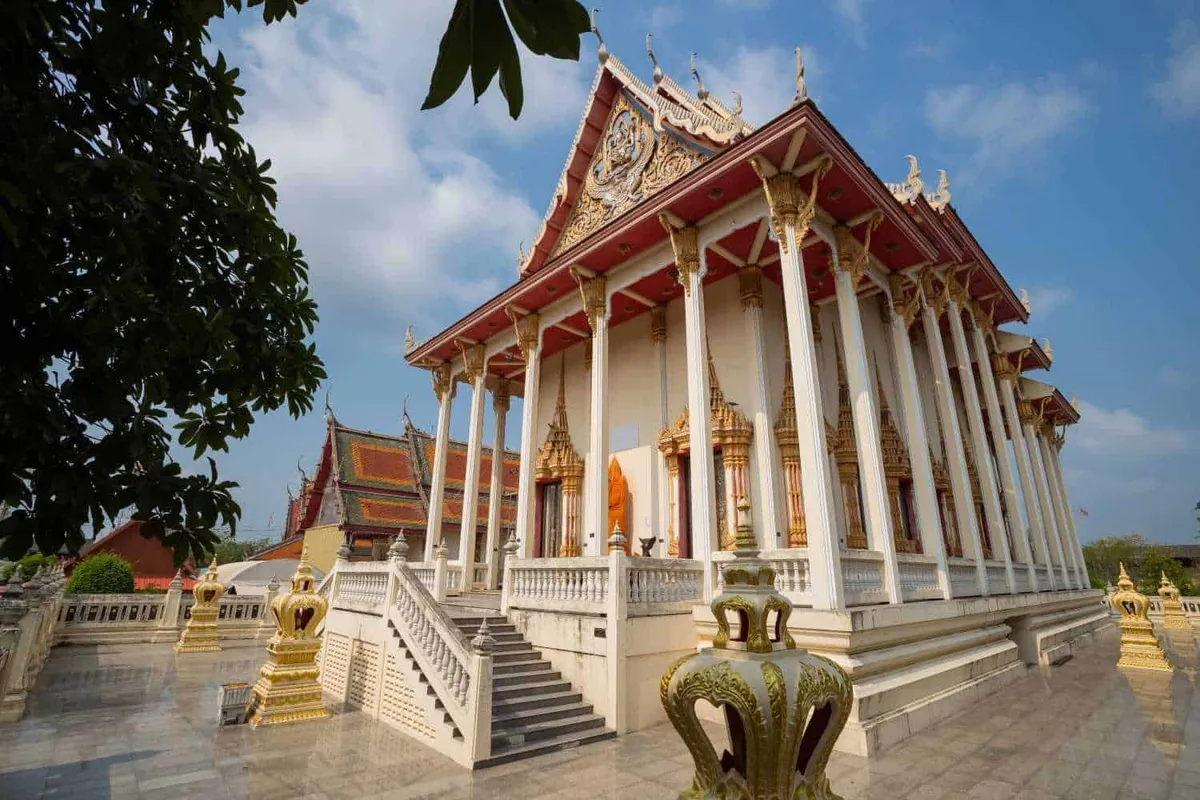
The shrine itself is a large black Rahu figure, hands cupped around a crescent moon, set within its own pavilion separate from the temple’s main ordination hall. Visitors circle it, light incense, and often tie or affix small black ribbons as part of the ritual. Wan Reuk — a day determined by the Thai lunar calendar and associated with Rahu’s strongest influence — brings the heaviest crowds, when the temple grounds fill with worshippers and the offering stalls do their busiest trade of the month.
Insider Tip: Go on an ordinary weekday if you want to see the shrine without the Wan Reuk crush — the ritual is still performed daily, just at a fraction of the scale.
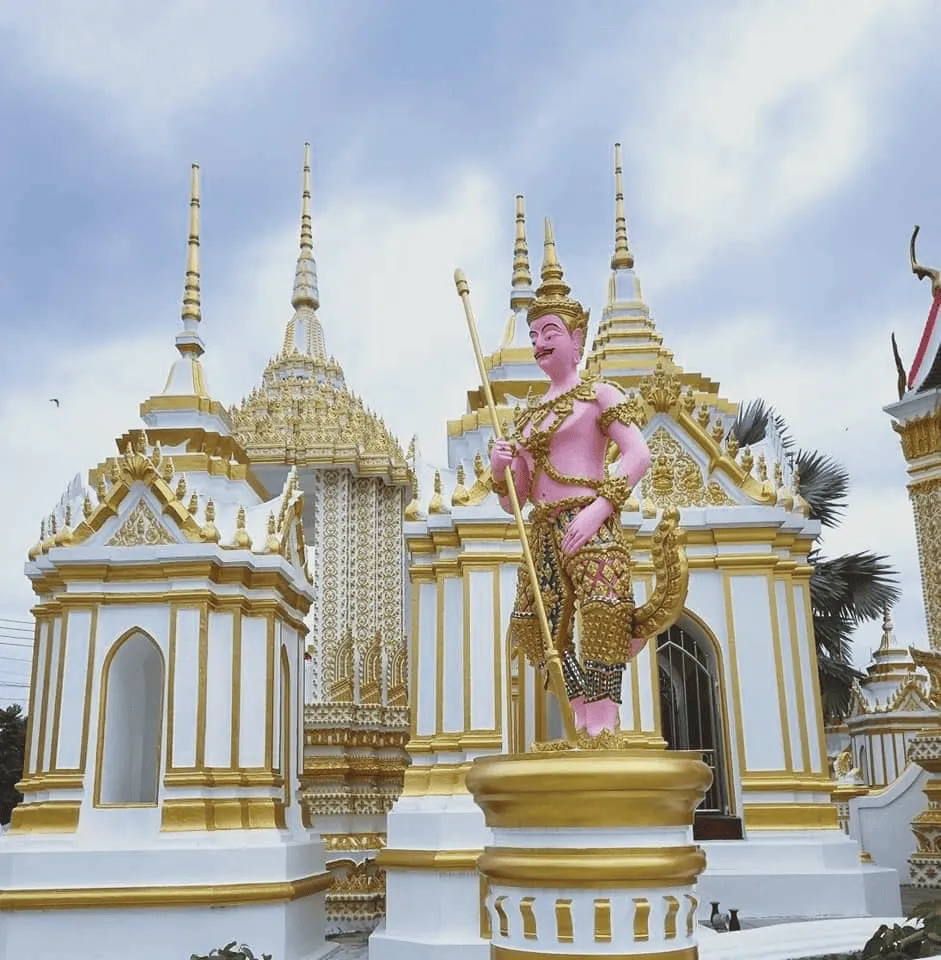
Wat Si Sa Thong is a working temple built around one specific devotional practice, not an ancient ruin site — there’s no Ayutthaya-period stonework or archaeological complex to explore here. It’s most interesting to visitors curious about contemporary Thai folk religion rather than architecture or history buffs looking for ruins. Reaching it from Bangkok takes about an hour by car; there’s no direct public transport route, so most visitors arrive by taxi, rented car, or as part of a Nakhon Pathom day trip that also covers Nakhon Pathom’s other temples.
Location & Directions
Nakhon Chai Si, Nakhon Pathom
Nakhon Pathom, Thailand
Show your taxi or Grab driver
วัดศีรษะทอง
Frequently Asked Questions
Why is Wat Si Sa Thong known for Phra Rahu?
What do people do when they visit?
Is entry free?
How far is it from Bangkok?
Is this the same as the famous Ayutthaya ruins?
Spotted something out of date or incorrect? Let us know
Stay Near Wat Si Sa Thong
Live prices for places closest to Wat Si Sa Thong — tap a pin to compare.