


Nakhon Pathom
นครปฐม
Thailand's oldest city, anchored by the country's tallest stupa and a string of royal and riverside attractions within an hour of Bangkok.
Recommended by us
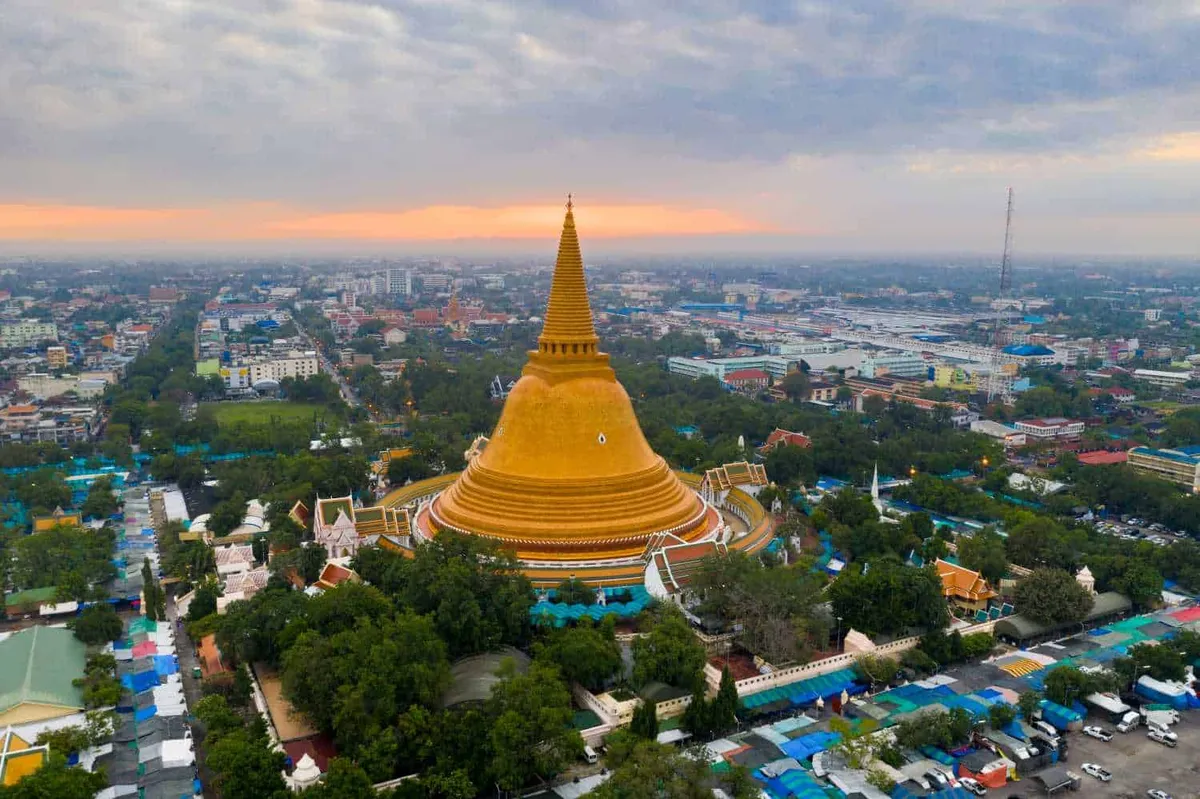
Phra Pathom Chedi
Thailand's tallest Buddhist stupa at 127m — the dominant landmark of the city and one of the oldest religious sites in the country. Dress modestly.

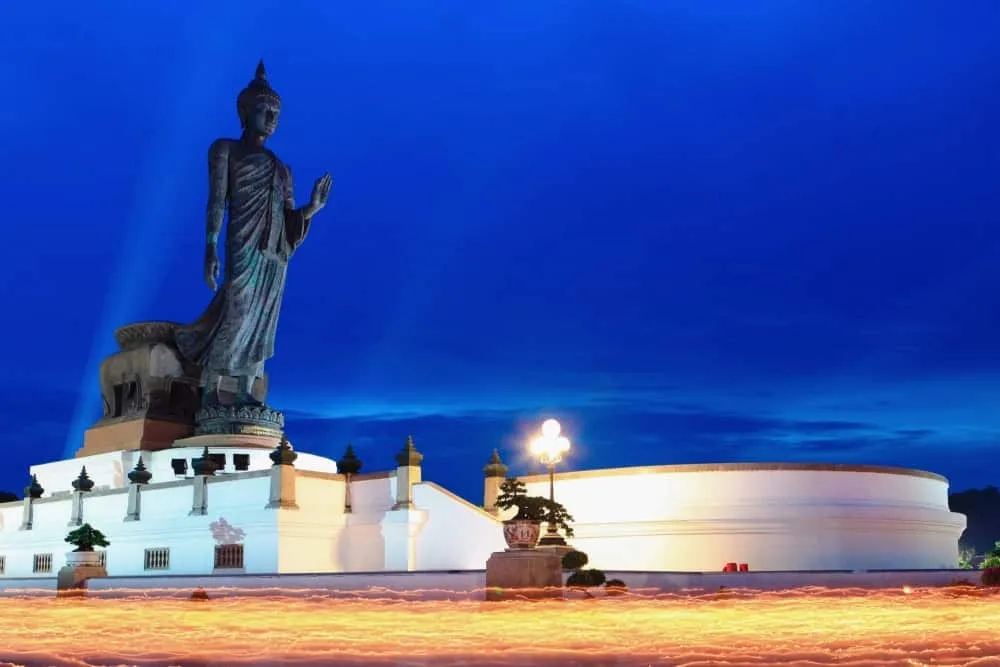
Phutthamonthon
A large park built around a 15.8m standing Buddha image — popular with Thai families on weekends, calm and shaded on weekday mornings.

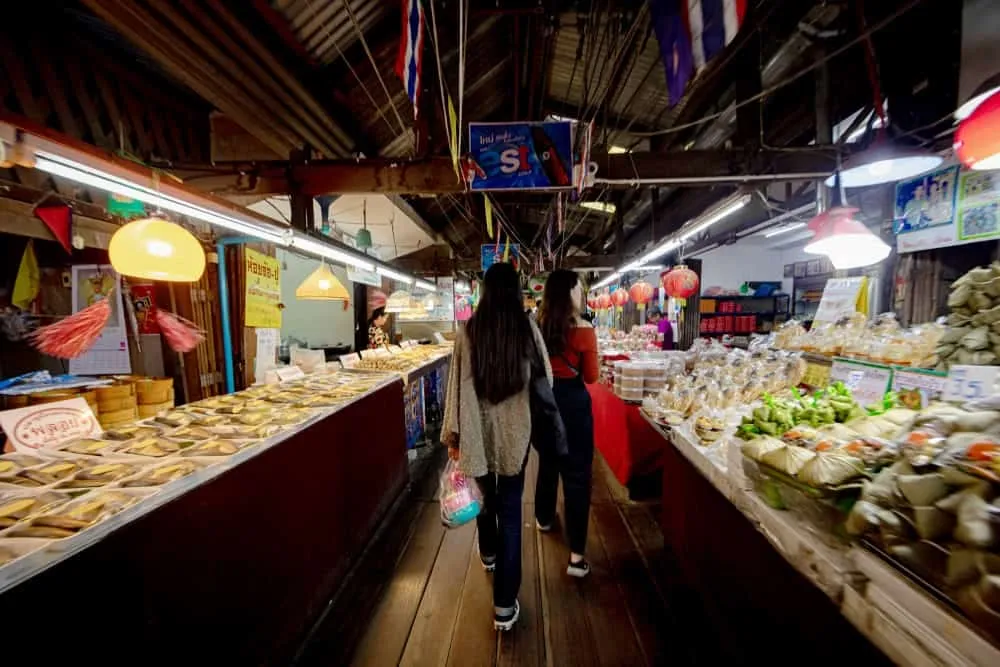
Don Wai Market
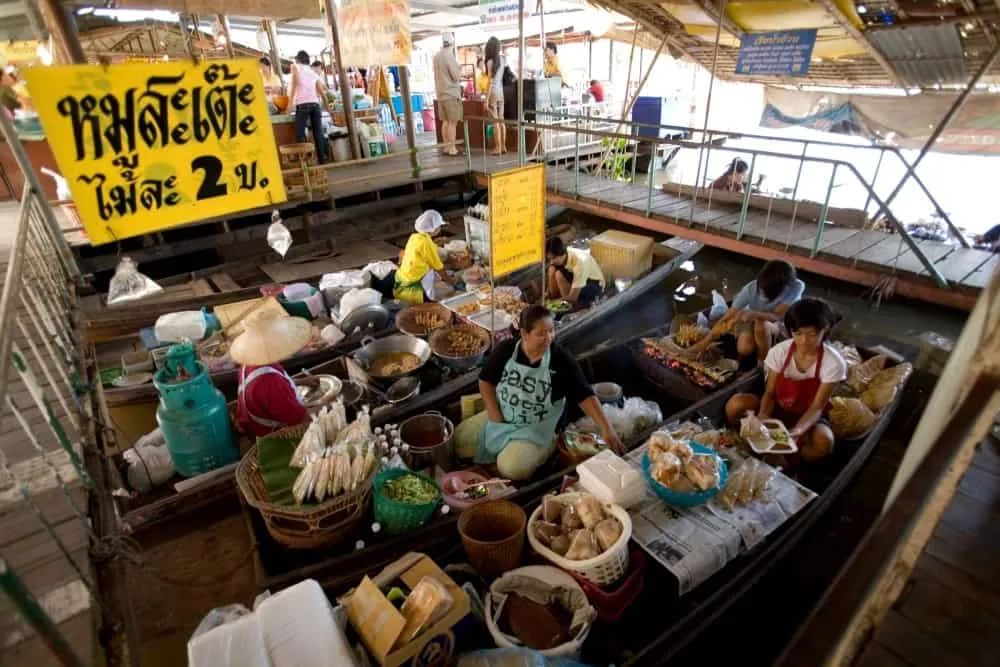
A riverside market famous for pomelo products and boat noodles — get there for breakfast when the food stalls are freshest.

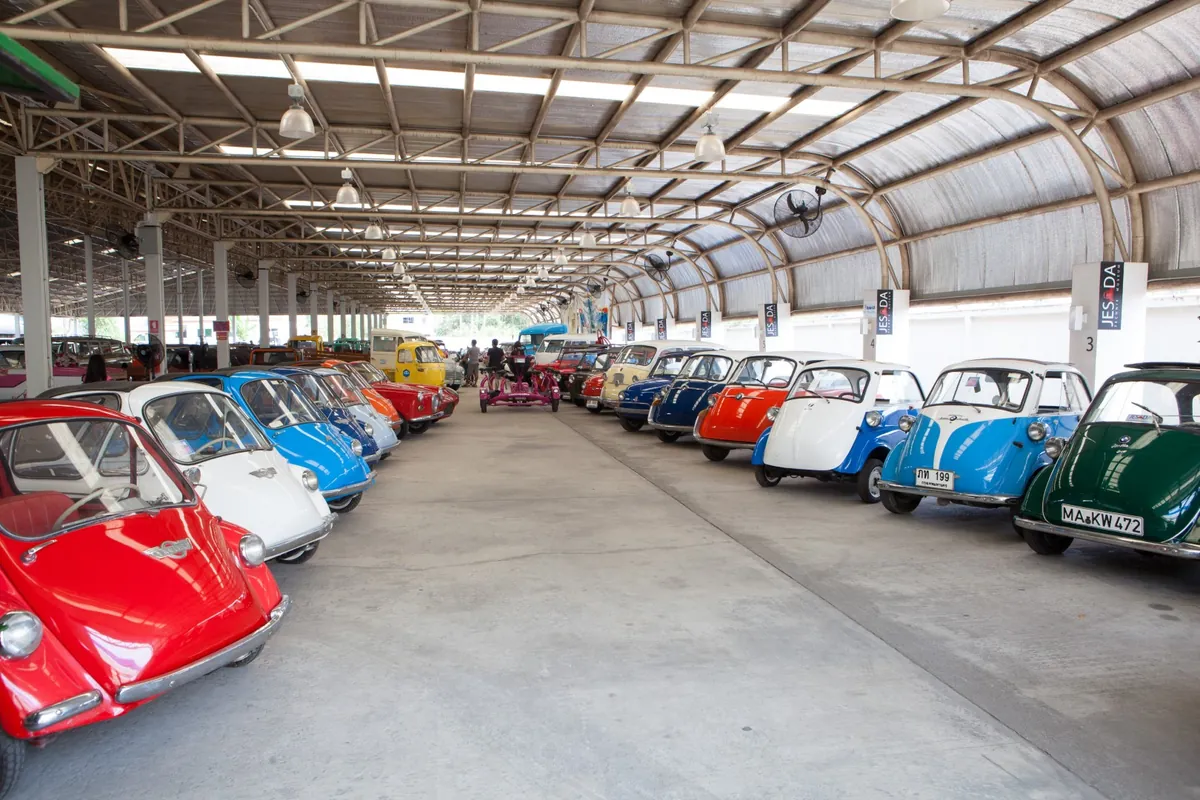
Jesada Technik Museum
A vast private collection of vintage cars, motorcycles, aircraft, and steam engines — unexpectedly absorbing and unlike anything else near Bangkok.
Get to Nakhon Pathom
Trains from Bangkok Thonburi station take about an hour — one of the easiest day trips from the capital, no transfer needed.

eSIM for Thailand
Land with data already working and skip the airport SIM queue. We tested six plans — code THAIHOLIDAY saves 10%.

Travel insurance
Even on a day trip from Bangkok, travel insurance covers emergency medical, theft, and trip delays — worth the small cost.
Wats, shrines & spiritual sites
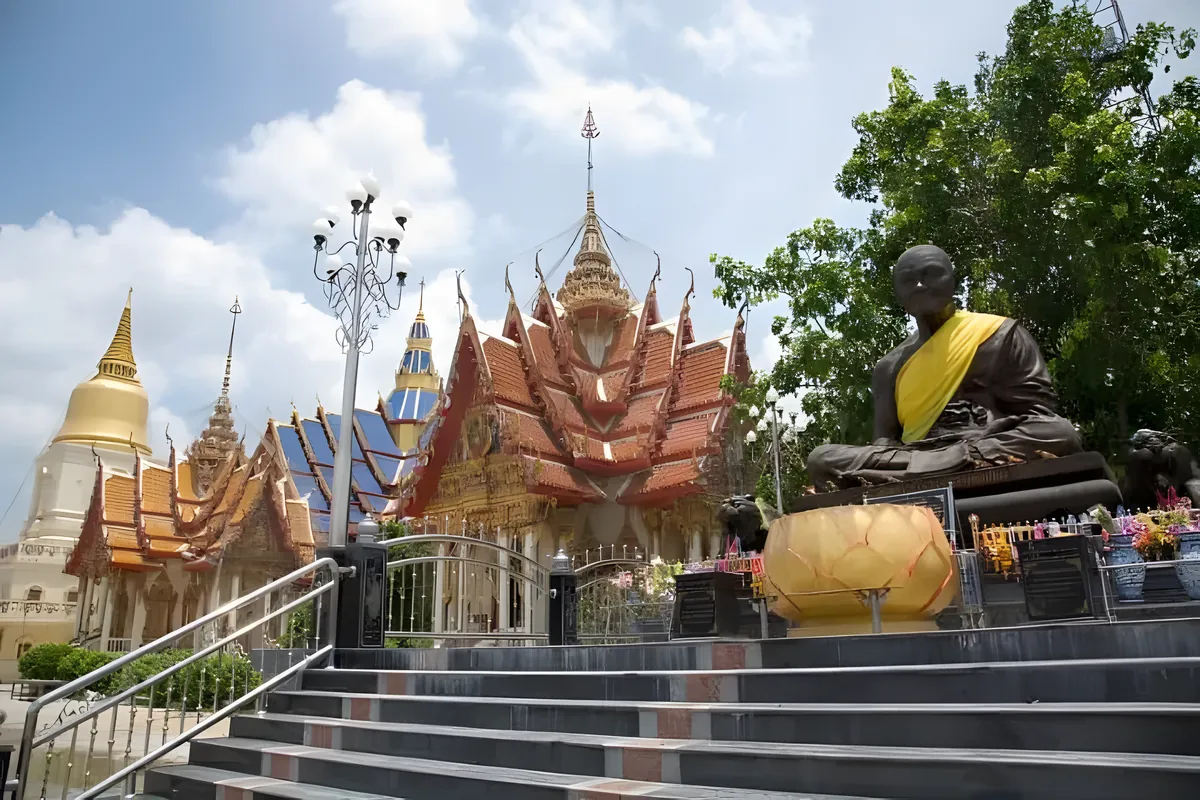
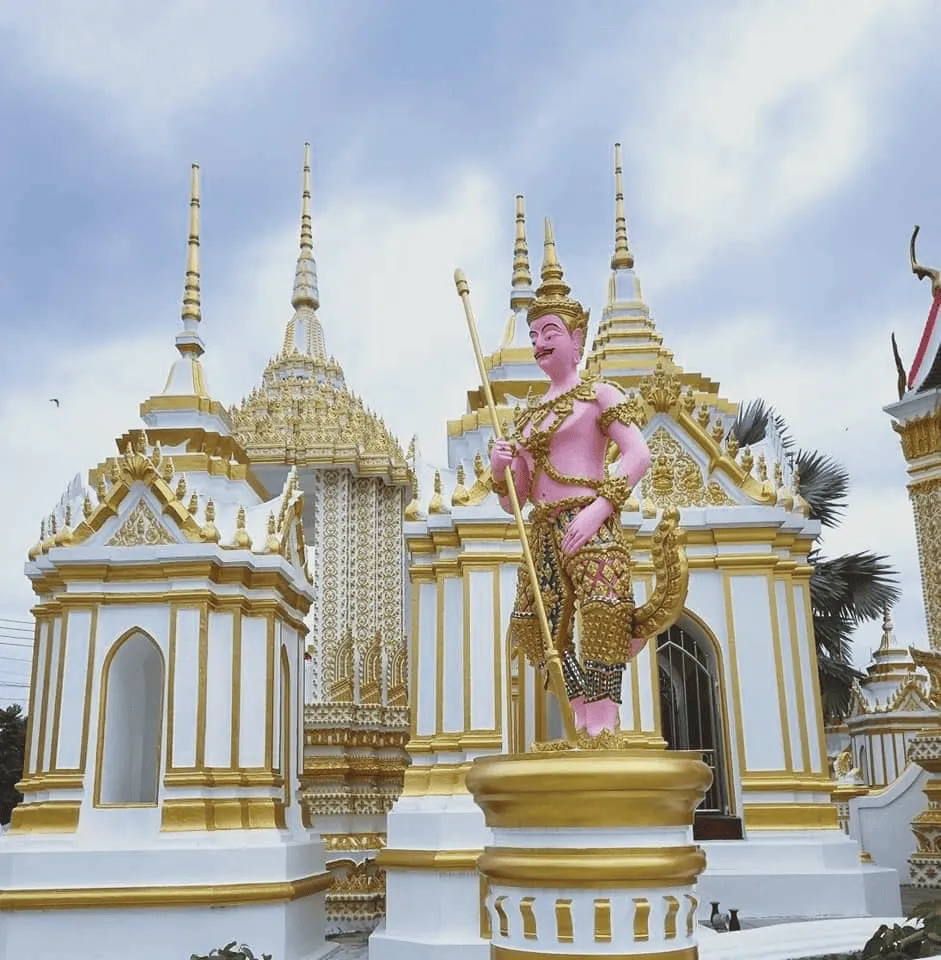
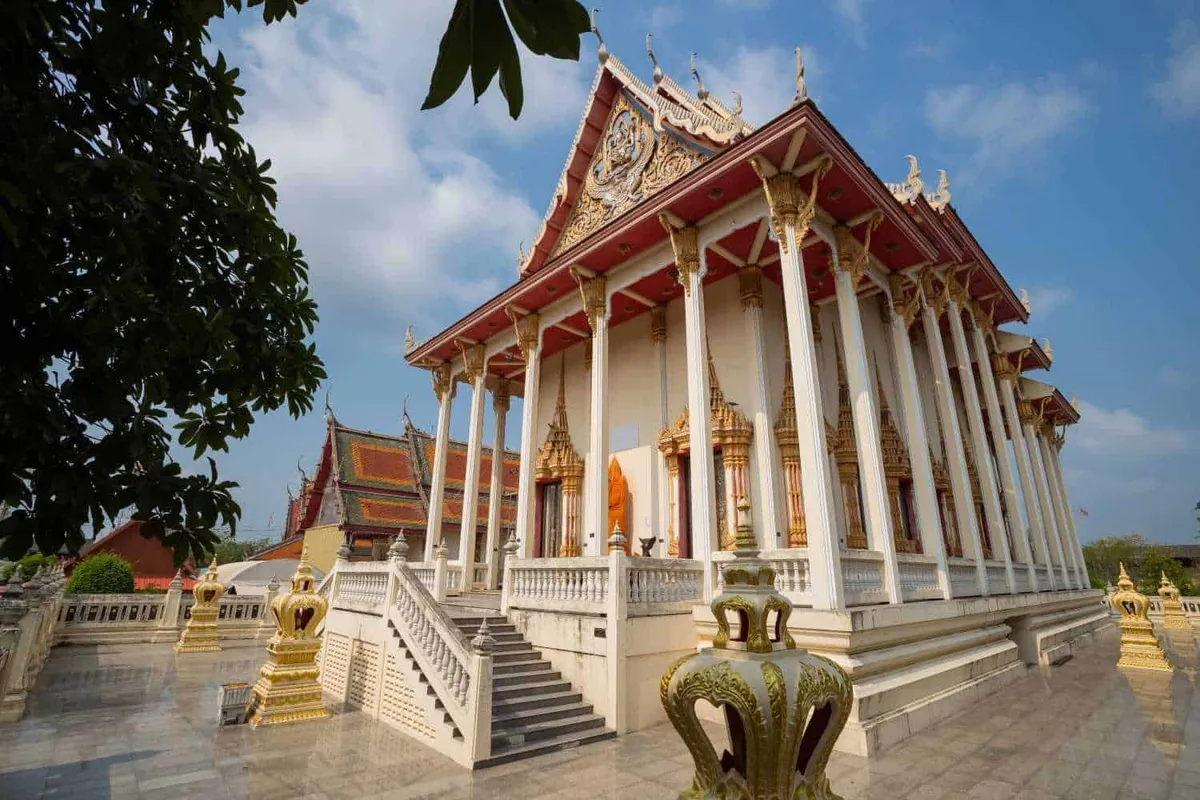
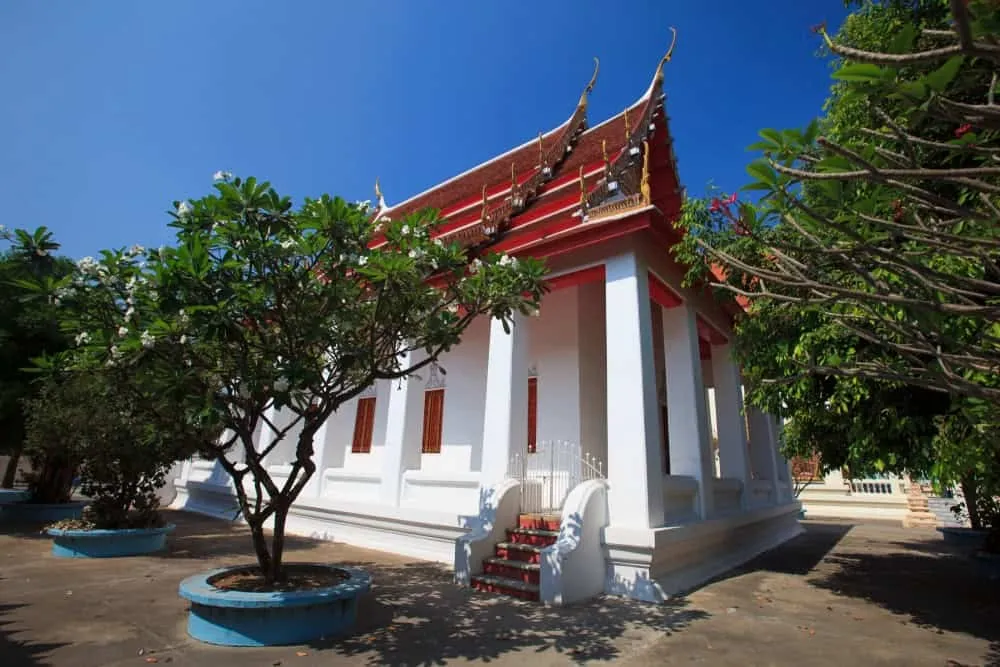
Temples in Nakhon Pathom












Night markets, street food & shopping
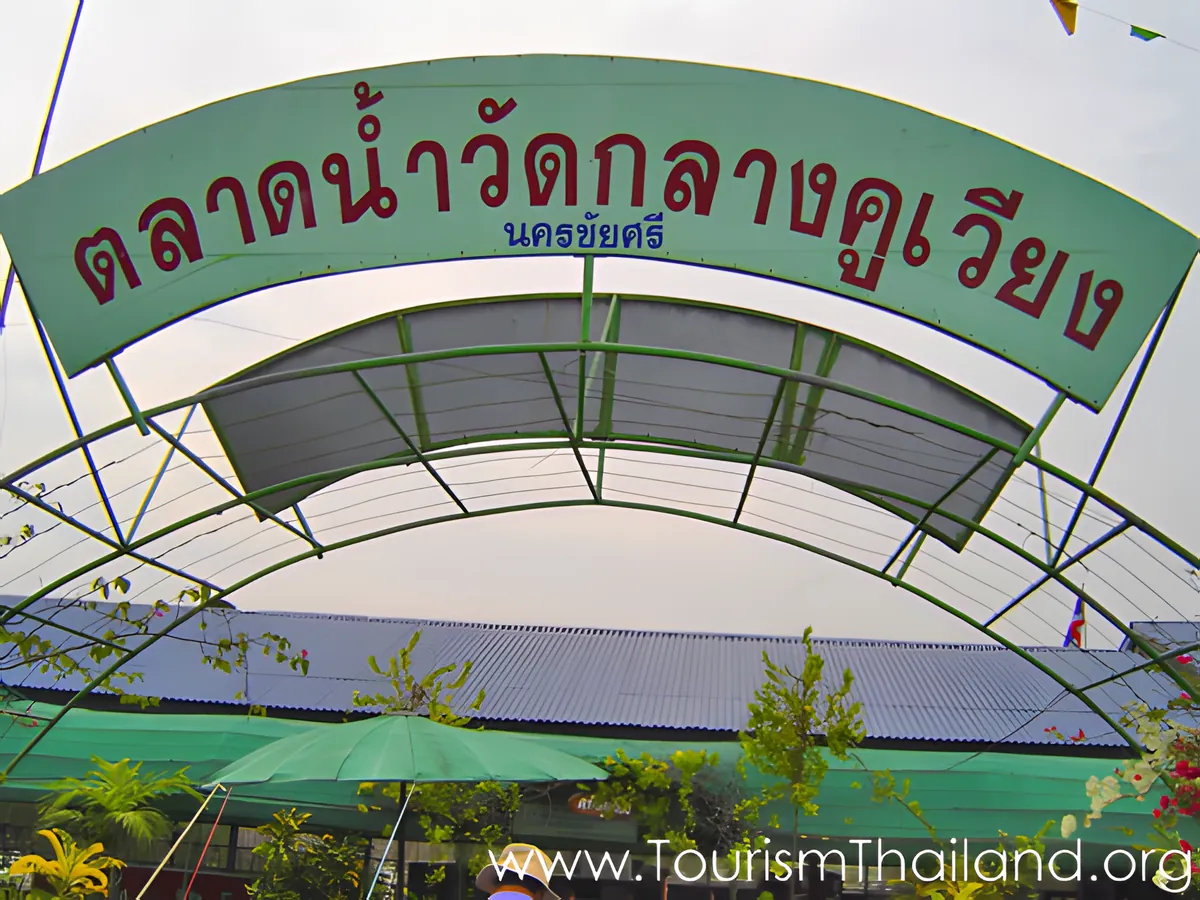
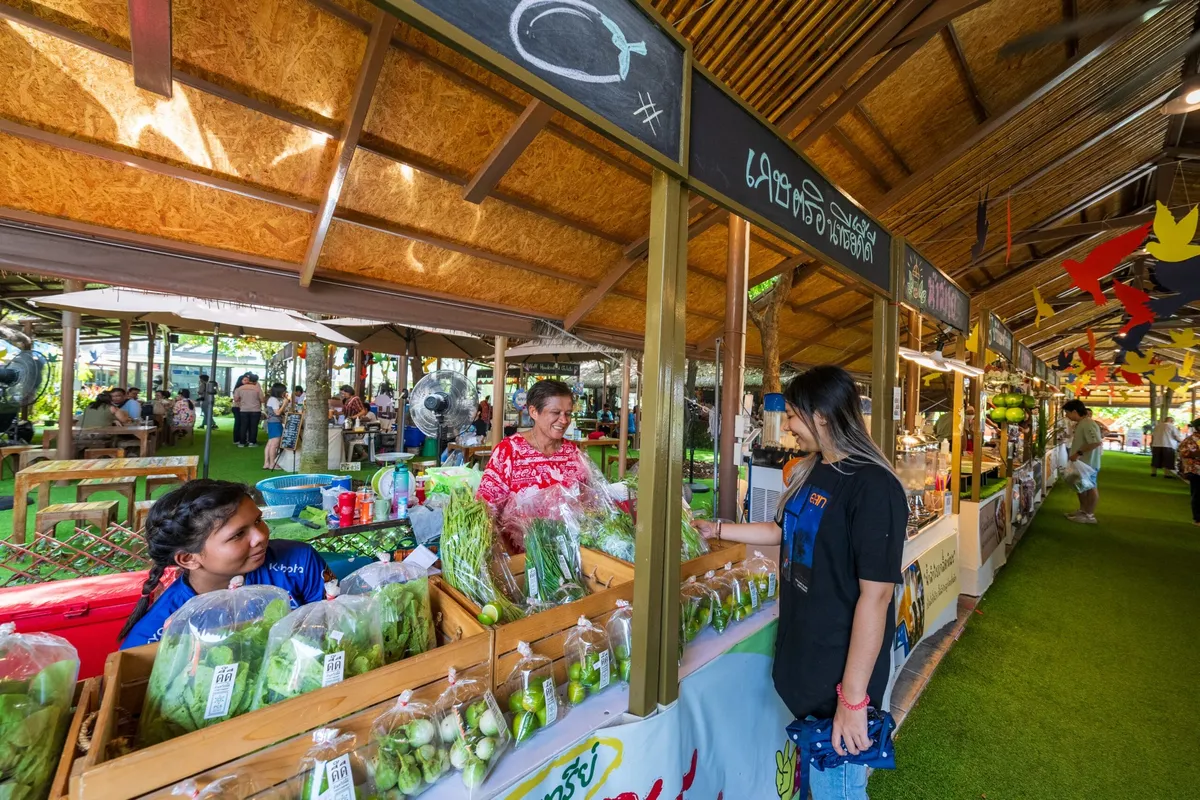
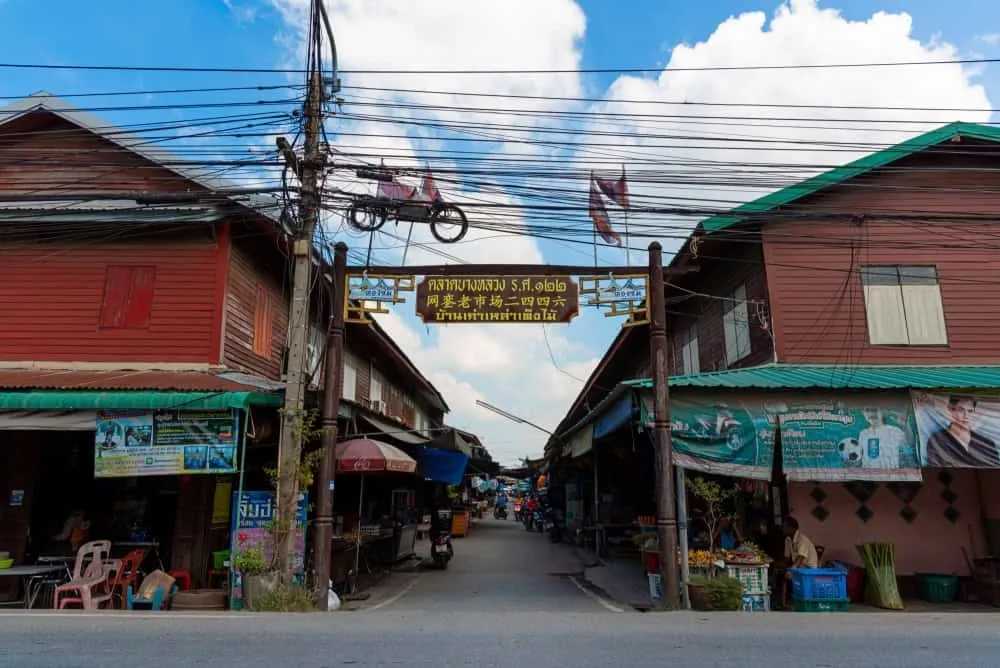
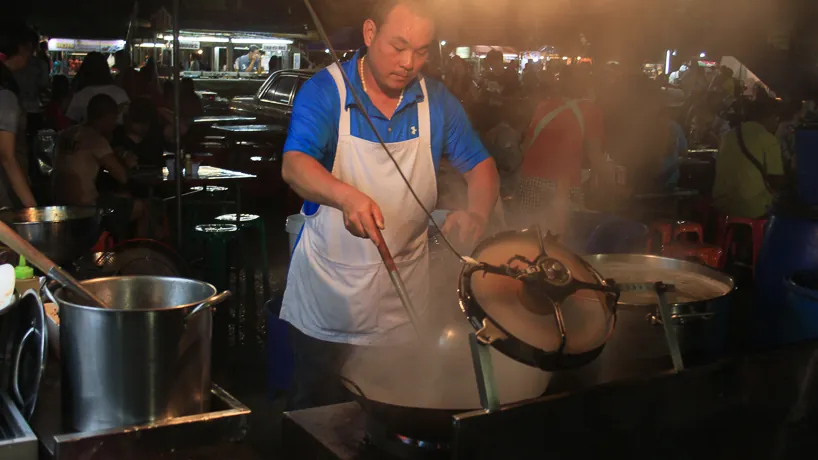
Markets & bazaars in Nakhon Pathom








Museums, history & heritage
Museums & culture in Nakhon Pathom

Ban Wat Samrong Folk Museum

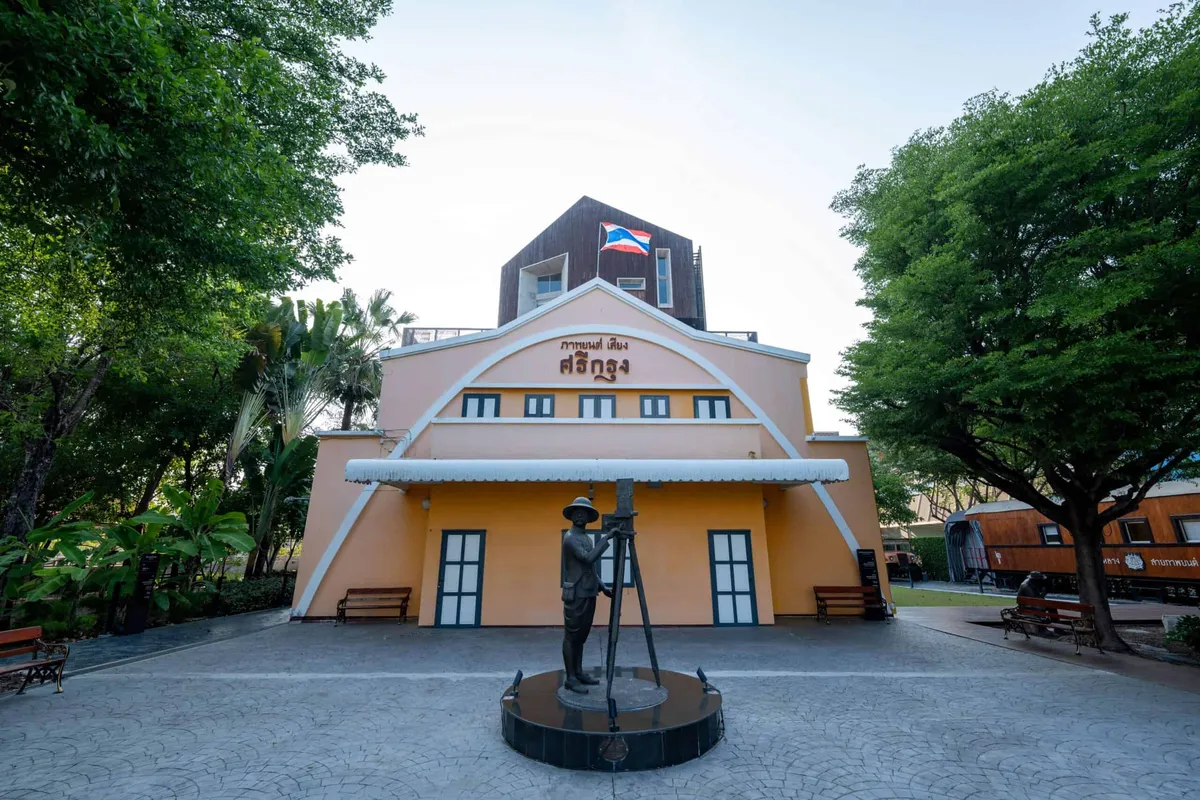
Film Archive (Public Organization)

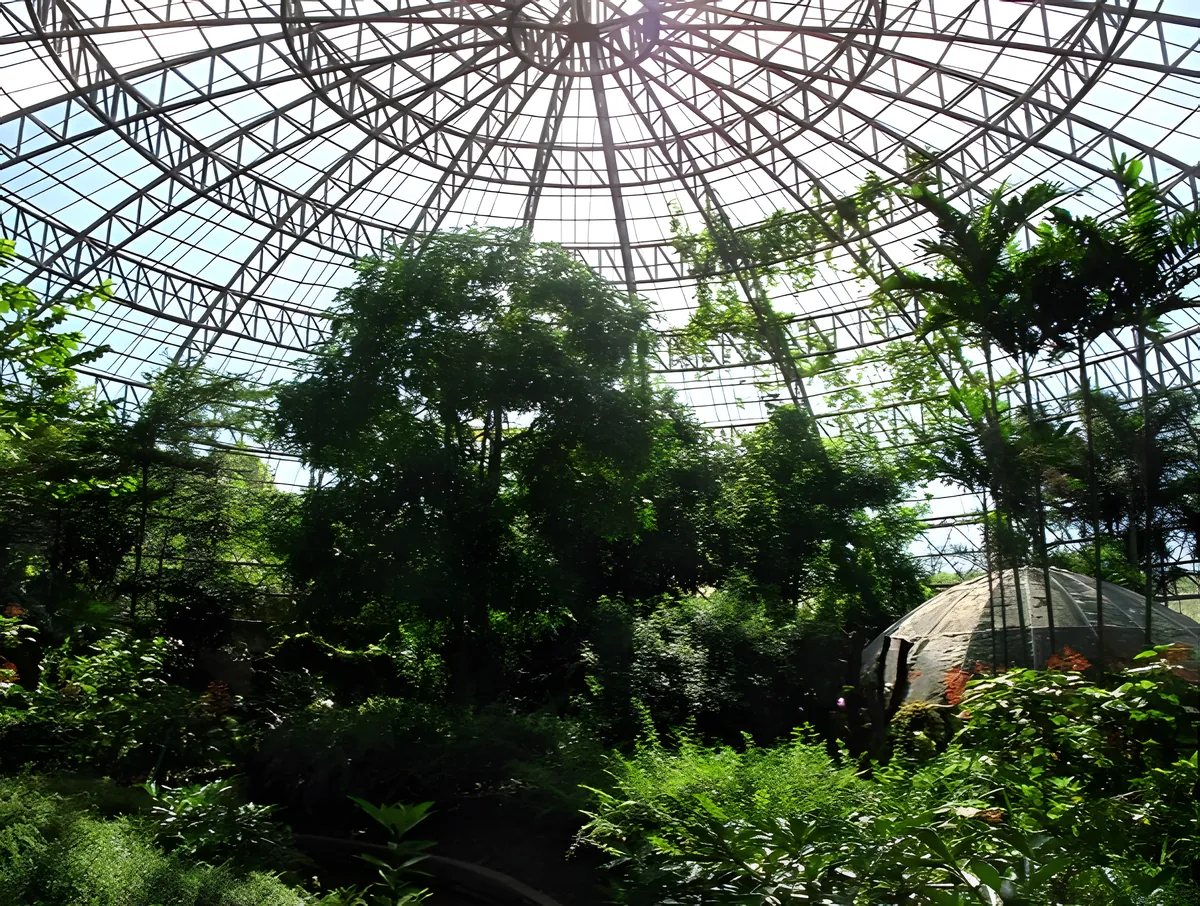
His Majesty The King’s Insect Park

King Naresuan The Great Monument

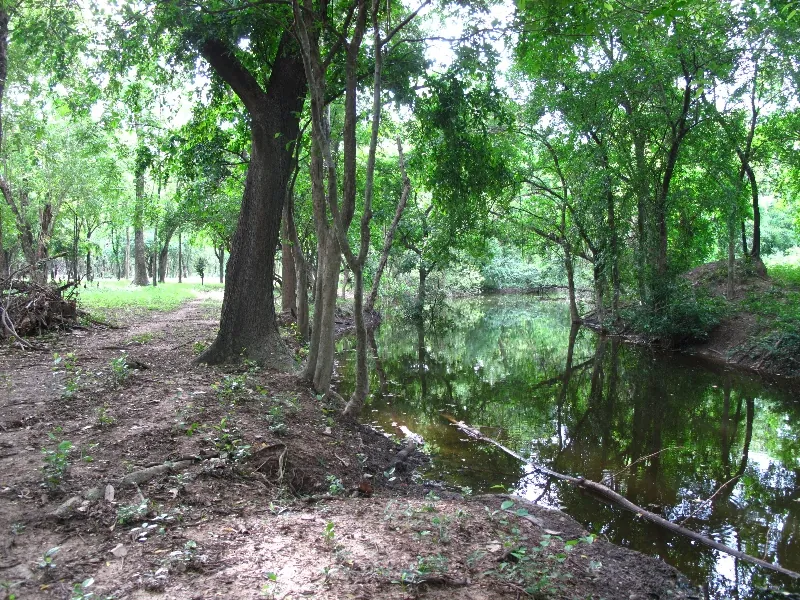
Mueang Kao Kamphaeng Saen

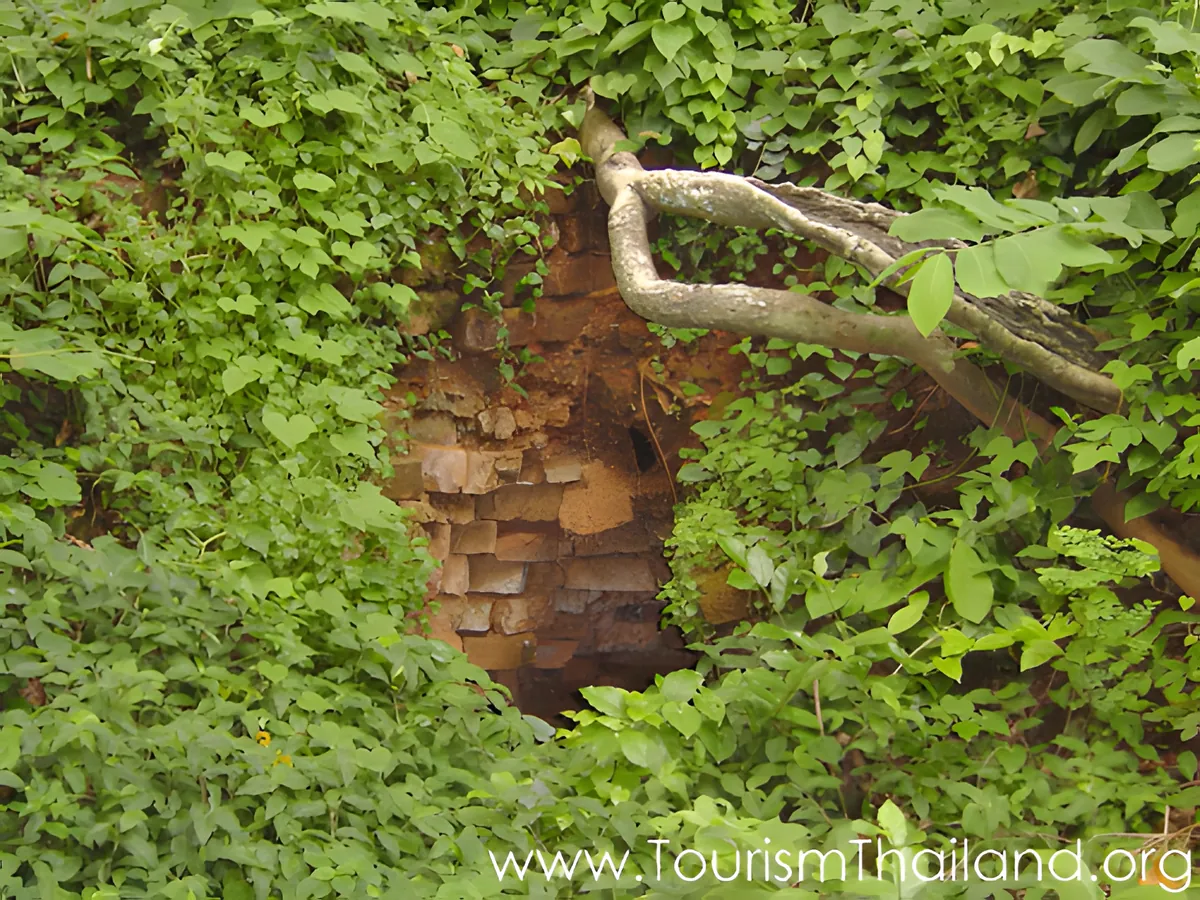
Noen Dhamma Sala

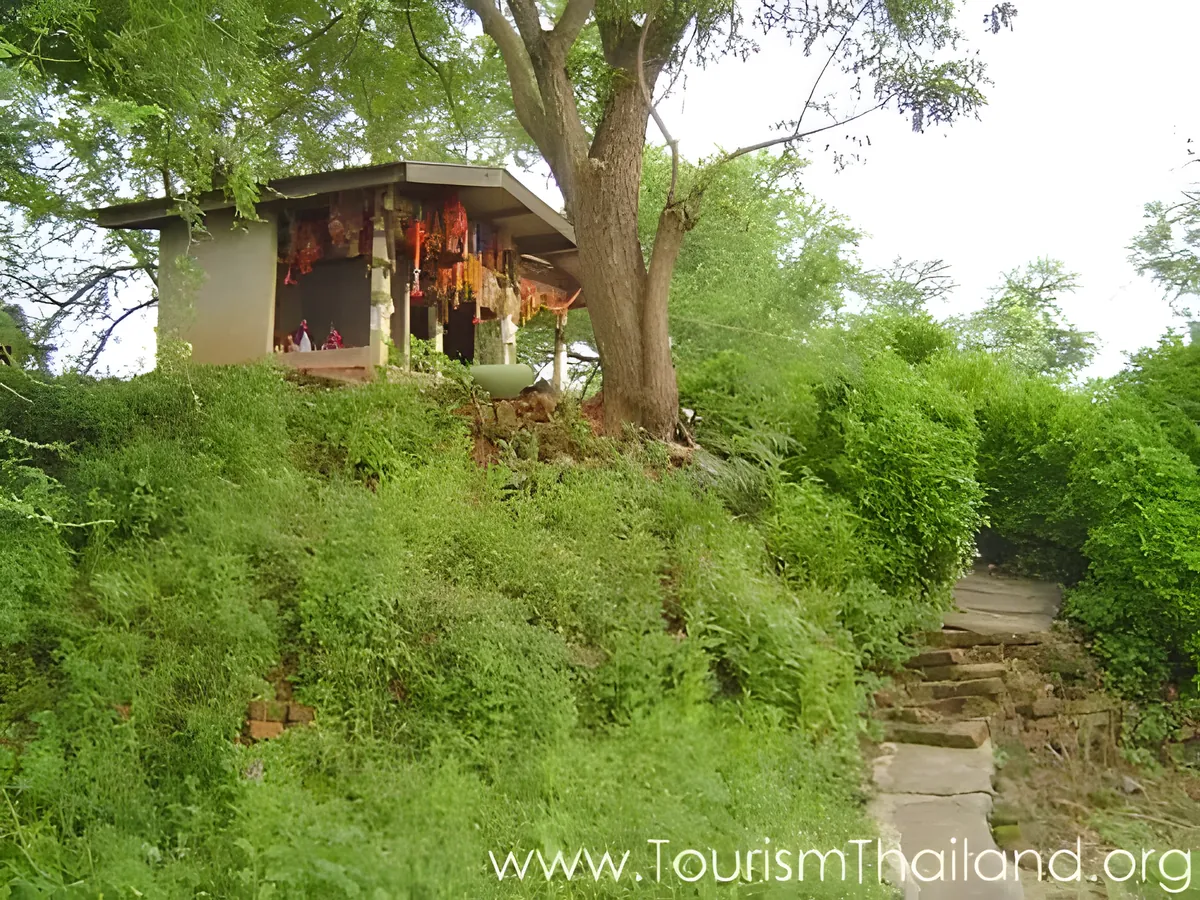
Noen Phra (Noen Yai Hom)

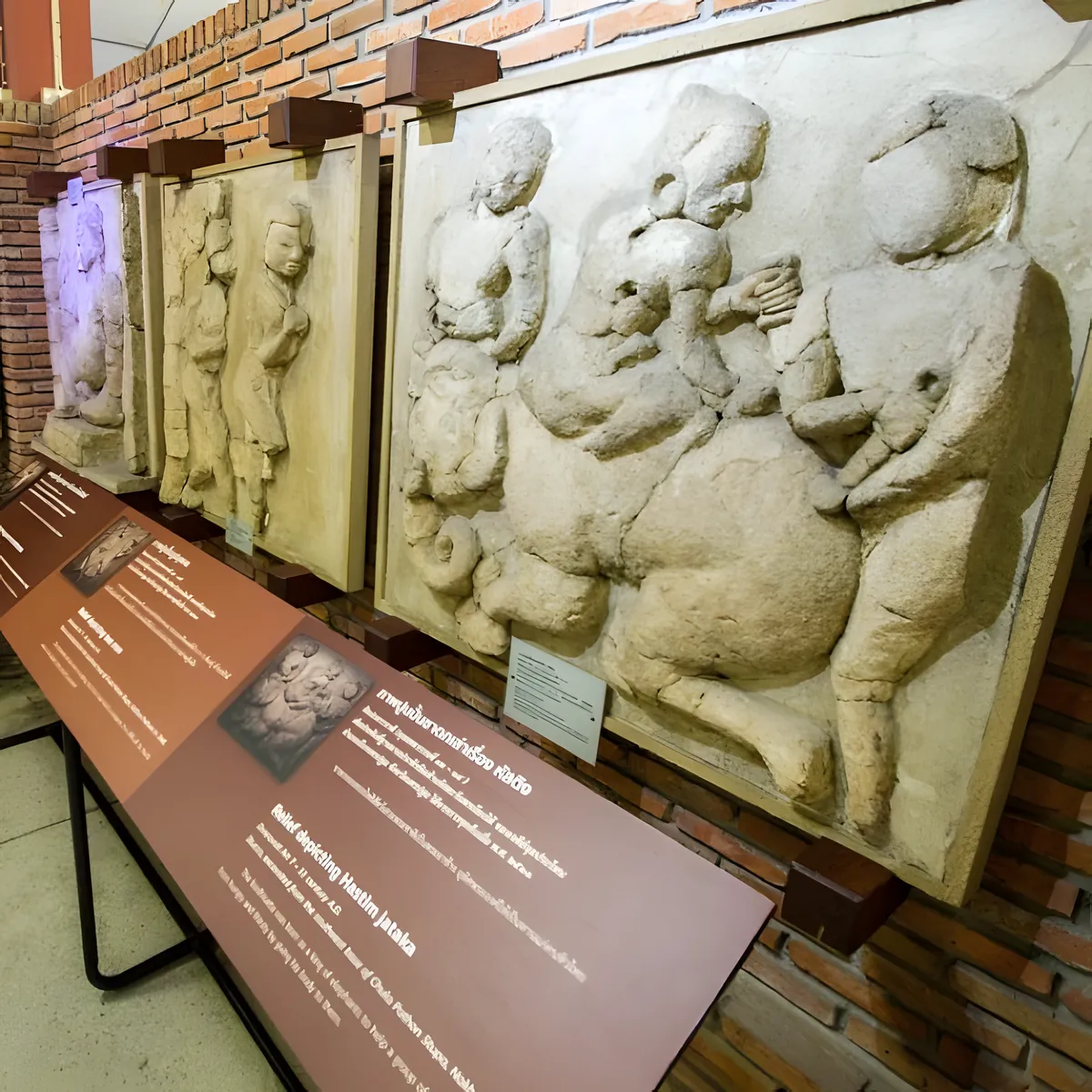
Phra Pathom Chedi National Museum

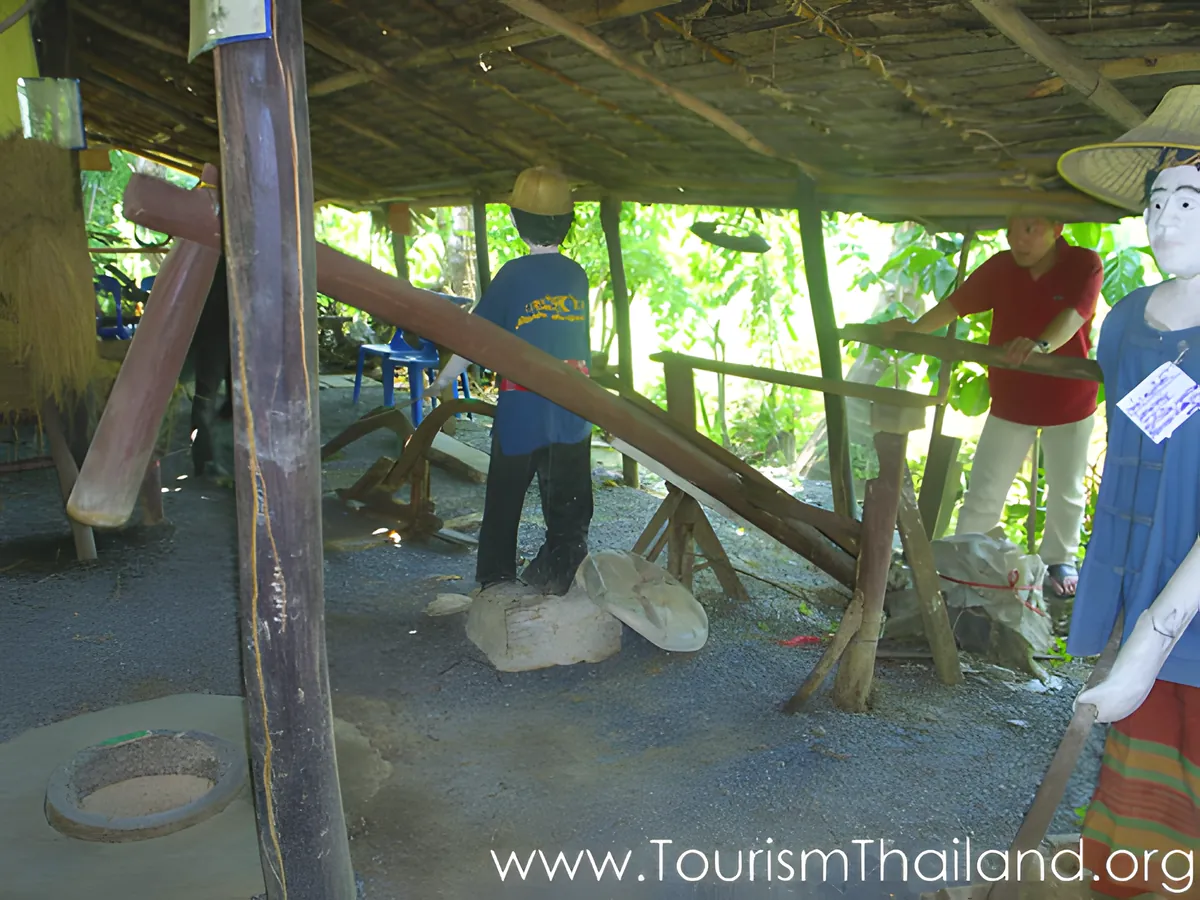
Thai Farmers’ Way of Life Museum of Ban Lan Laem

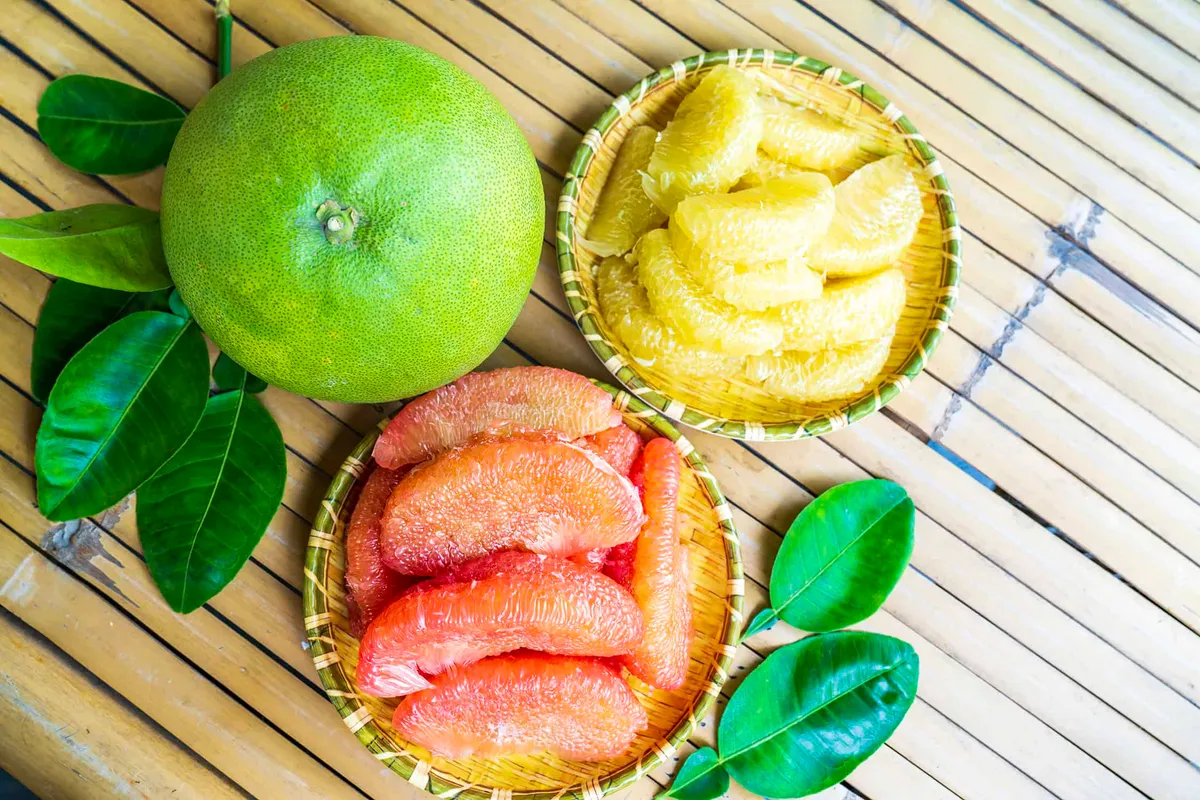
Thai Tawi Pomelo Orchard

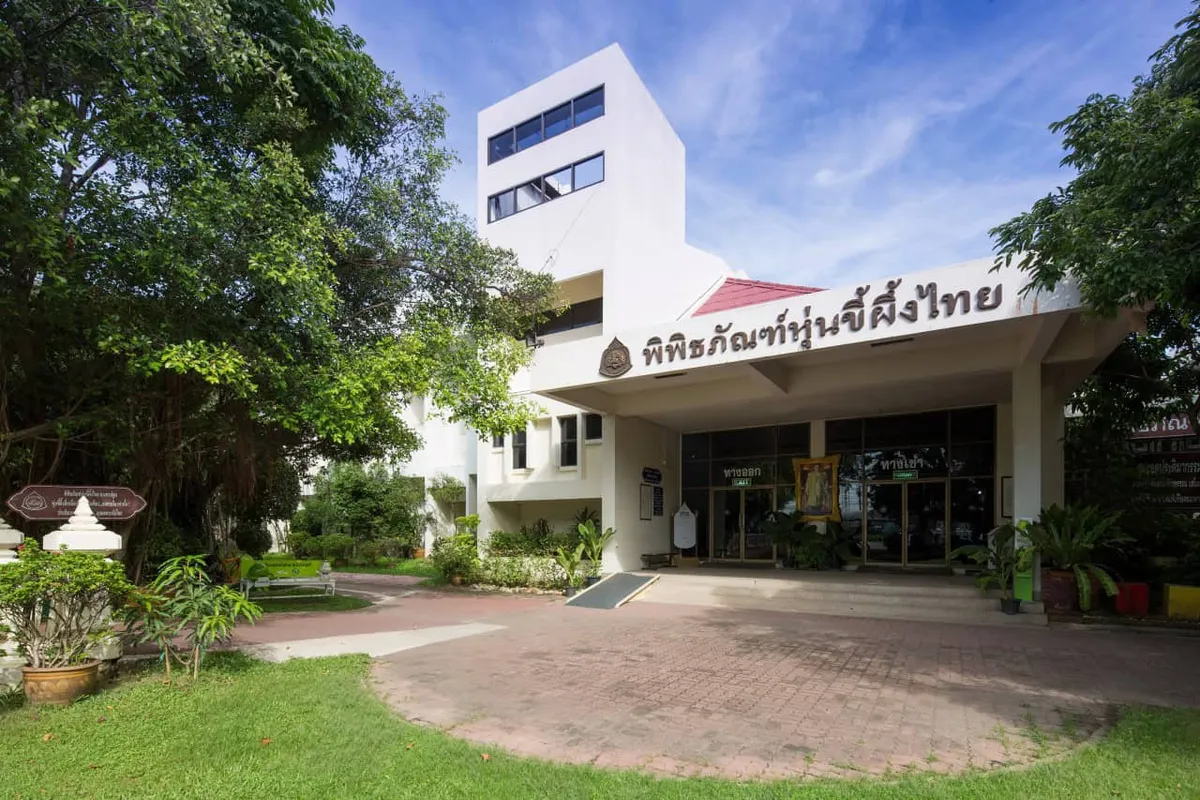
Thai Wax Museum

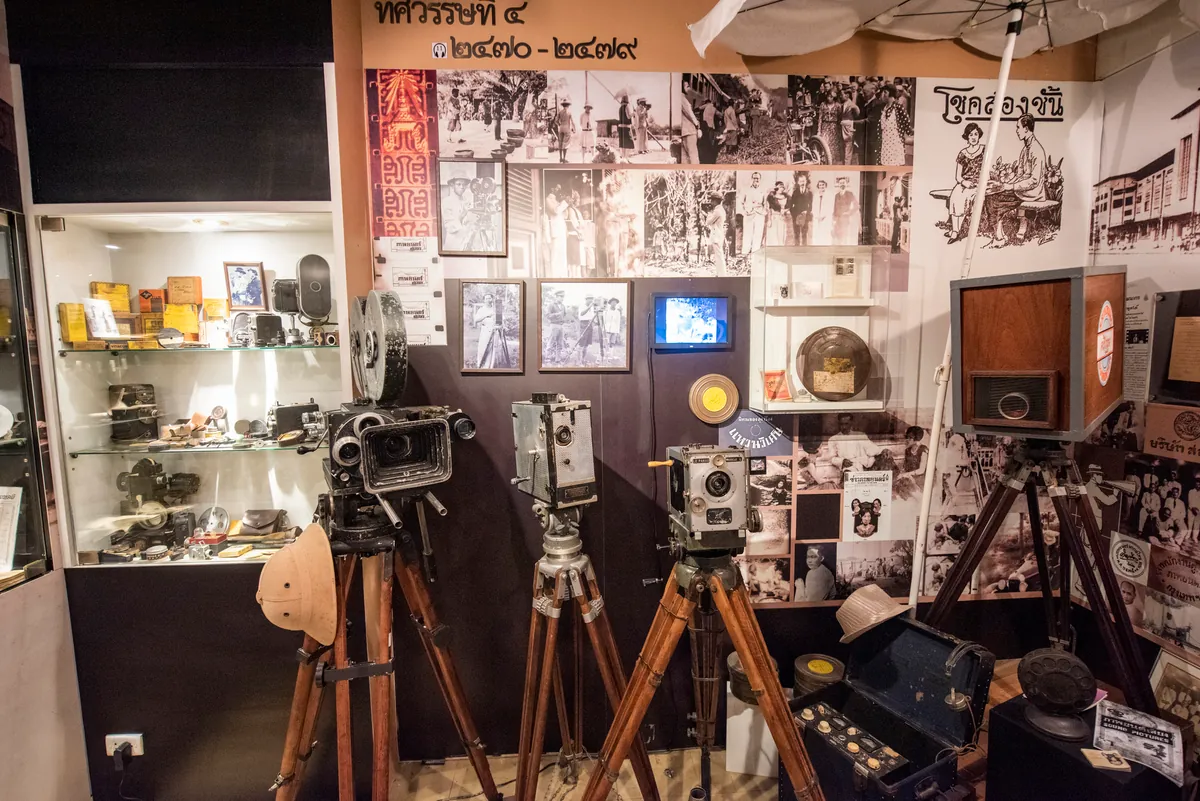
The Thai Film Museum
Parks, shows, wildlife & more
More to explore in Nakhon Pathom

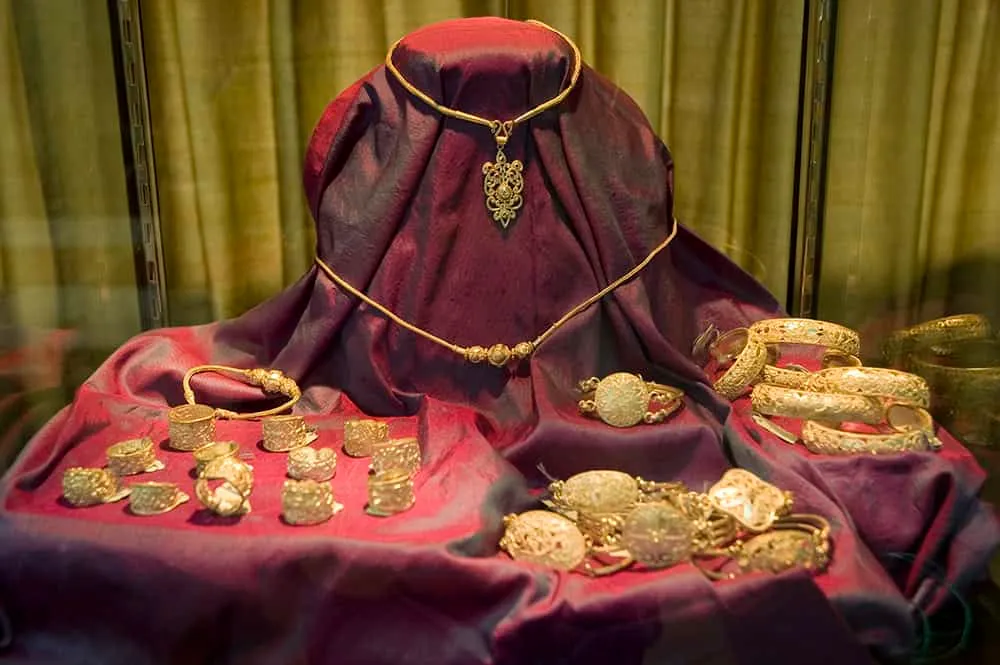




Things to do on the map
Tap a pin for details — 40 places in Nakhon Pathom plotted.
When to go
Nov–Feb Cool dry season — the most comfortable window for exploring the chedi grounds and Sanam Chandra Palace, with low humidity and temperatures dropping to around 20°C at night.
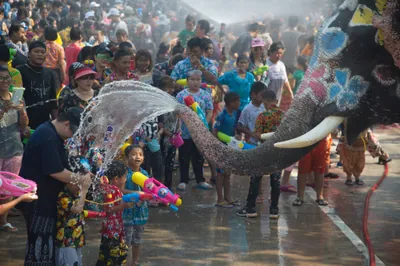
Mar–Apr Hot season on the central plains with April averaging 37°C. Start early at Phra Pathom Chedi before the flagstones heat up. Songkran in mid-April draws Thai crowds to the town.
May–Oct Southwest monsoon brings most of the province's annual rainfall, peaking in August and September. Sights are still accessible — rain comes in afternoon bursts — but heat and humidity are high throughout.
About Nakhon Pathom
Last updated September 2026
Overview
Nakhon Pathom means “the first city” — a name that reflects genuine historical weight. It was the principal settlement of the ancient Dvaravati kingdom (roughly 7th–11th centuries), a Mon civilisation that served as the earliest conduit for Theravada Buddhism into mainland Southeast Asia. The province lies about 55–60 kilometres west of Bangkok and is now one of the capital’s closer day-trip destinations, yet it retains a strong sense of its own identity.
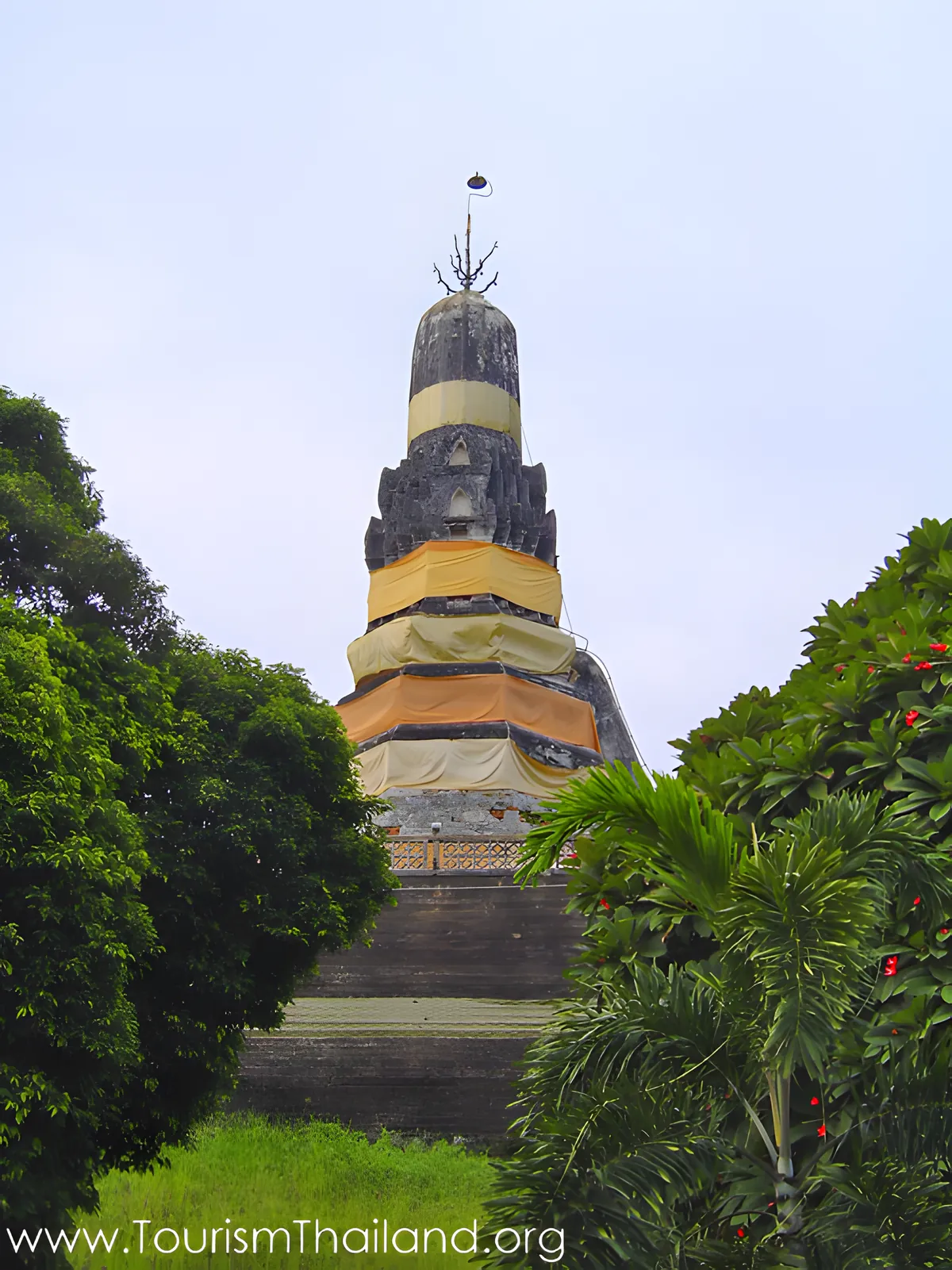
The defining landmark is Phra Pathom Chedi, a bell-shaped stupa of around 120 metres that dominates the flat central-plains landscape for kilometres in every direction. King Mongkut began rebuilding it in 1853 after discovering the ruins of an earlier Dvaravati-era structure, and the project was completed in 1870 under King Chulalongkorn. The site was already old when they found it — historical sources trace a stupa here to at least the Dvaravati period, when it stood at the heart of the most significant Buddhist city in the region.
Outside the chedi compound, the province has more range than most people expect. Sanam Chandra Palace, built by Rama VI, sits in a large park a short walk away. Sam Phran district — about 15km south — has Don Wai floating market on the Tha Chin River and Wat Sam Phran’s extraordinary pink tower with a dragon coiling its full 80-metre height. Nakhon Chai Si district to the north holds the Jesada Technik Museum, one of Asia’s more unexpected private vehicle collections.
Top Things to Do
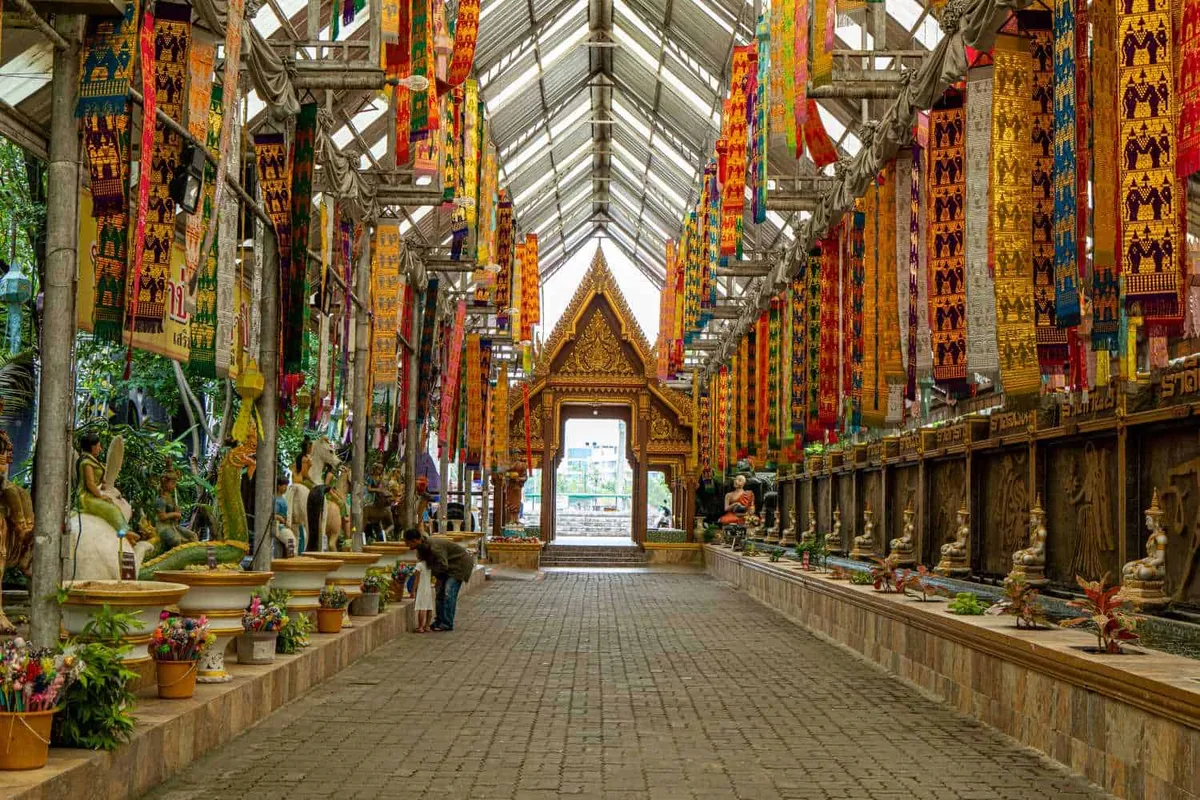
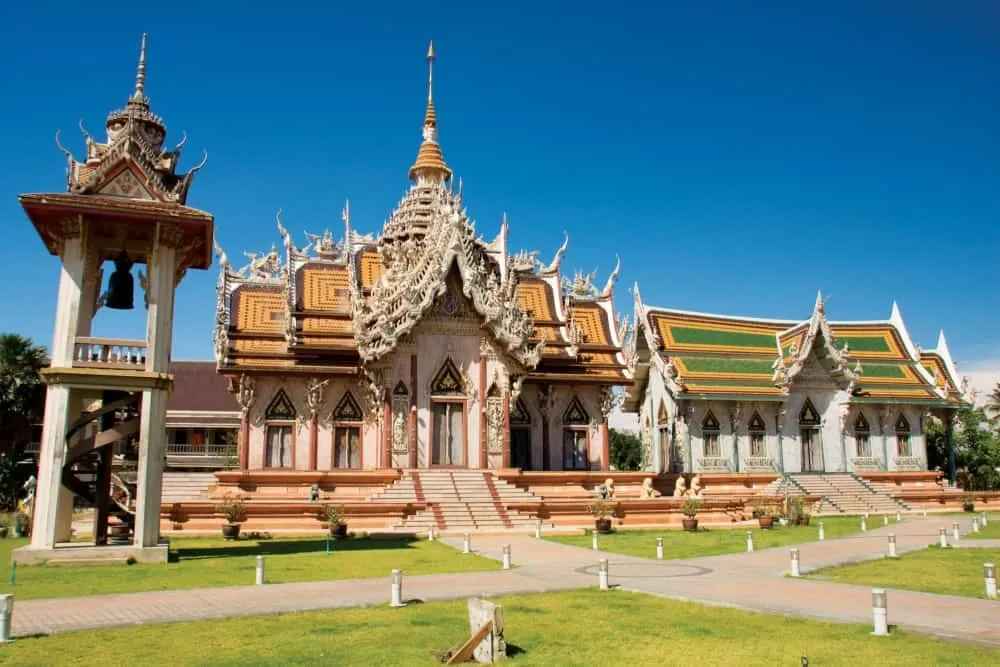
Phra Pathom Chedi is the obvious starting point. The great orange-glazed stupa rises from the centre of a large temple compound — Wat Phra Pathom Chedi Ratchaworamahawihan — with four viharns at the cardinal points and covered cloisters housing rows of Buddha images. Walking the full circuit of the outer terrace gives a sense of the stupa’s scale; the inner museum has Dvaravati votive tablets and statuary that put the site’s age in concrete terms. The adjacent Phra Pathom Chedi National Museum has a separate collection of artefacts from the surrounding province, including Mon-period sculpture.
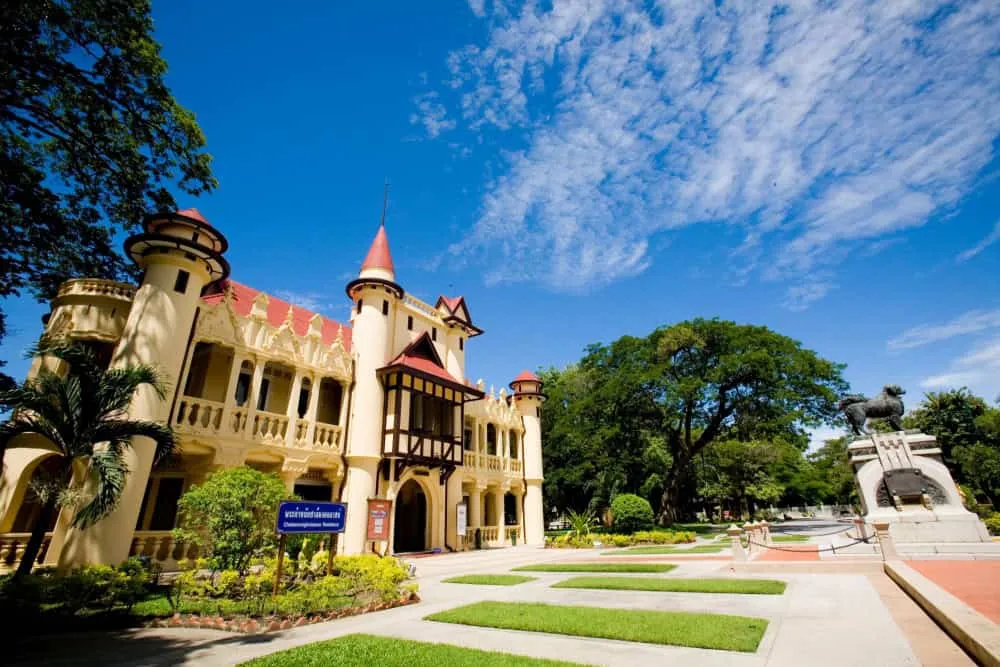
Sanam Chandra Palace is one of the more characterful royal complexes in the central region. Rama VI (Crown Prince Vajiravudh) ordered construction in 1907 as a retreat close to the chedi he came to venerate, and it was completed in 1911. The compound contains several buildings in different styles — a European-influenced timber residence, a Thai-style audience hall, and landscaped grounds that are still unusually quiet for a site this close to Bangkok. The palace opened to visitors after the Fine Arts Department registered it as a historical site in 1981.
Phra Prathon Chedi in Nakhon Chai Si district is the older and less-visited companion stupa to Phra Pathom Chedi — a restored Dvaravati-era structure that pre-dates the Mongkut rebuilding. It gets a fraction of the foot traffic of the main chedi and has a different, less polished atmosphere.
Don Wai floating market sits on the Tha Chin River behind Wat Don Wai in Sam Phran district, about 20 kilometres south of the provincial capital. Wooden shophouses line both banks, selling Thai sweets, barbecued skewers, stewed duck, and fresh fruit. It is busiest on weekends and public holidays. A 60-baht boat ride connects it to nearby Wat Rai Khing.
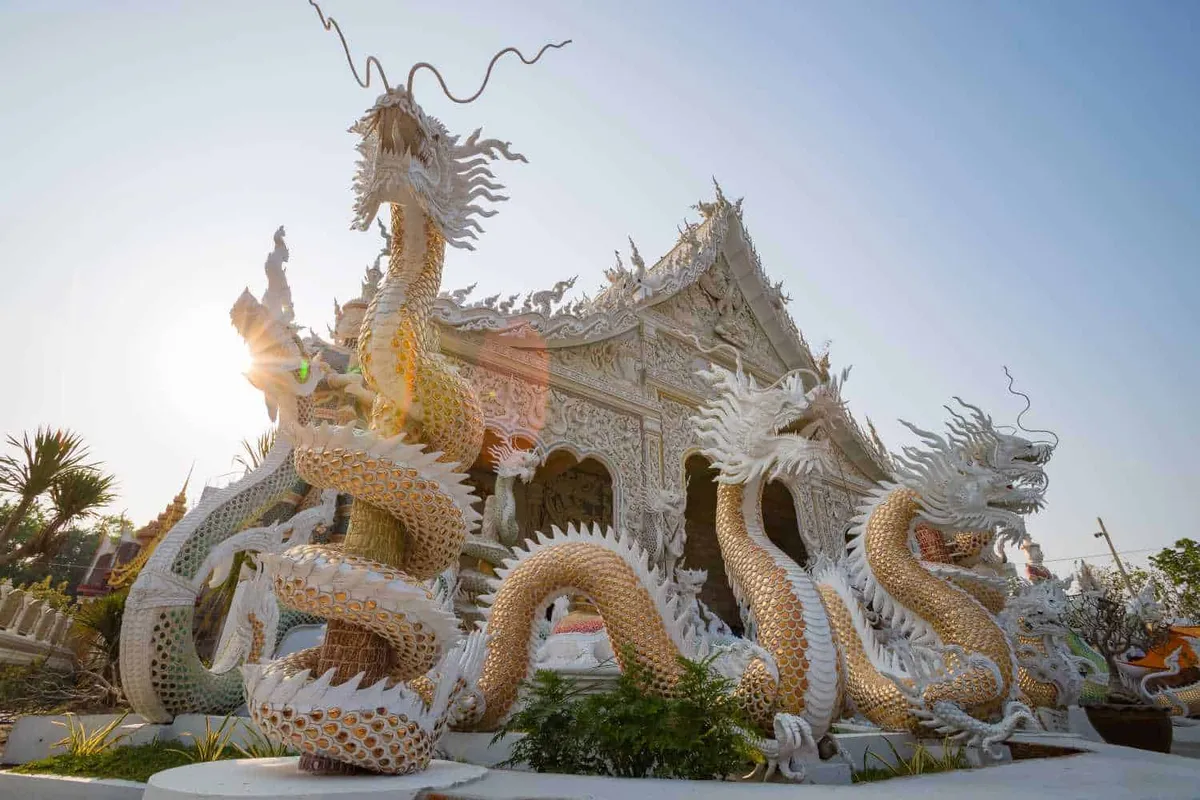
Wat Sam Phran (the dragon temple) is in Sam Phran district and is worth the detour for its sheer strangeness. An 80-metre cylindrical pink tower — the height chosen to match the age of the Buddha at his parinirvana — has a full-size dragon sculpture spiralling up its exterior from base to crown. The temple was established in 1985 and is still active. The interior staircase within the dragon has deteriorated in places and is not always accessible, but the exterior view alone justifies the visit.
Jesada Technik Museum in Nakhon Chai Si district is a private collection of more than 500 vehicles assembled since 1997 by collector Jesada Dejsakulrit. The range runs from American cars of the 1950s and European classics (Citroën DS, DeLorean, Messerschmitt bubble cars) to London double-decker buses, planes, and early locomotives. Entry is free. It is a 30-minute drive from the town centre.
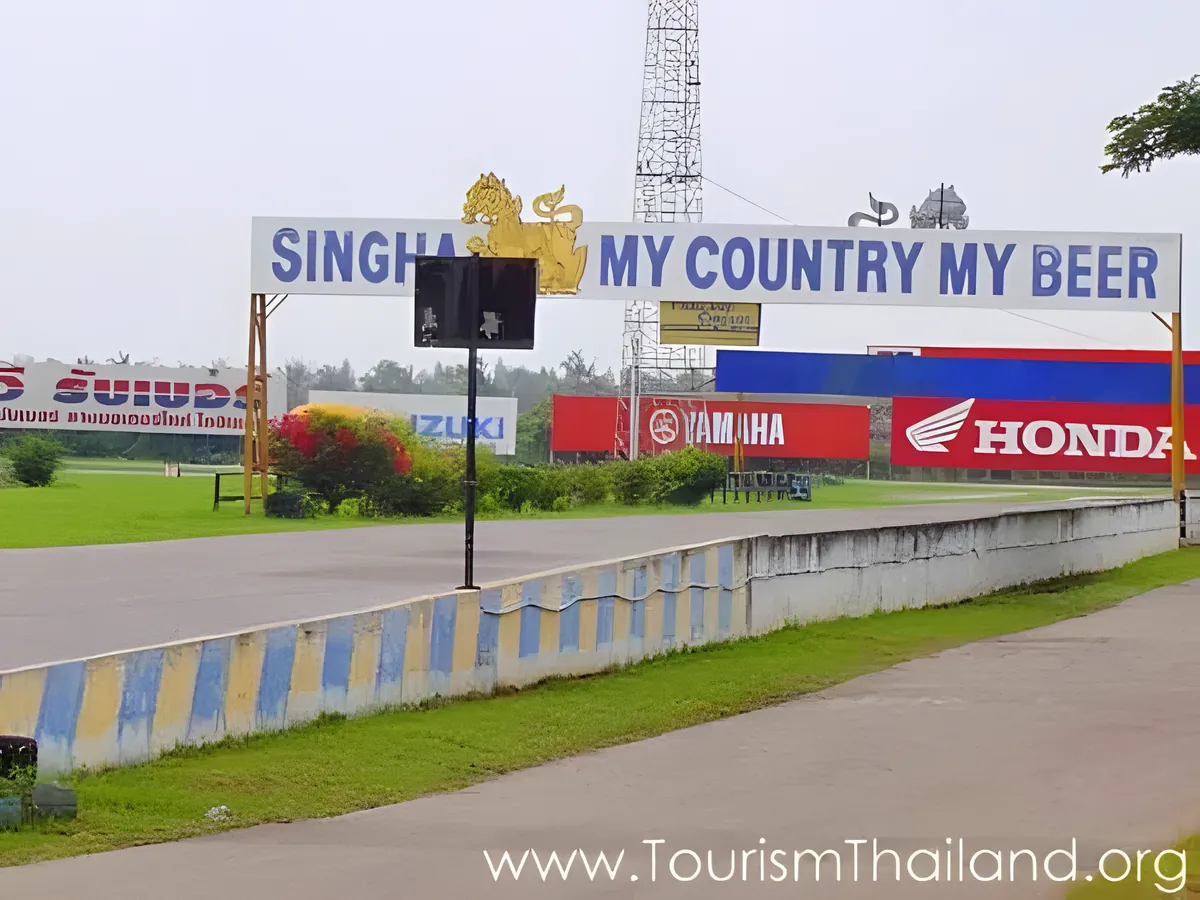
Kamphaeng Saen to the northeast is home to the Kasetsart University campus and the Mueang Kao Kamphaeng Saen archaeological site — the remains of a Dvaravati-era moated city. The campus agricultural gardens and the Thailand Circuit motorsport track are also in this district.
Where to Stay
Accommodation in Nakhon Pathom is almost entirely functional — small local hotels and guesthouses serving Thai business travellers and domestic tourists. There are no international hotel brands and nothing marketed as a resort. That suits the pace: most visitors arrive from Bangkok in the morning and return in the evening, so the overnight market is modest.
If you do stay over, properties within a kilometre of the chedi put you within walking distance of the main temple circuit. The Hop Inn chain has a reliable budget option in town. For Sam Phran and Don Wai, staying slightly south shifts travel times in your favour for an early-morning market visit.
Getting There
Trains are the easiest option from Bangkok. Services from Krung Thep Aphiwat Central Terminal on the southern line reach Nakhon Pathom station in around one hour; some earlier trains depart from Thonburi station on the western bank of the Chao Phraya. The station sits right beside the chedi compound — the stupa is visible from the platform. Trains run roughly hourly through the day; tickets cost ฿15–฿20 for third class.
By car, take the Phetkasem Road (Highway 4) westbound from Bangkok’s outer ring. The journey is 55–60 kilometres and takes under an hour without traffic, though the western Bangkok exits can be slow during rush hours.
For Sam Phran district sites — Don Wai market, Wat Sam Phran — it is more practical to drive or hire a vehicle from Bangkok directly (around 40km from central Bangkok) than to travel to the provincial capital first and backtrack south.
Best Time to Visit
Nakhon Pathom follows the central-plains pattern: a dry cool season from November through February, a hot dry stretch in March and April, and a monsoon from May through October with peak rainfall in August and September. The province does not experience the Gulf coast wet-season pattern and is not affected by the northeast monsoon that brings rain to the eastern coast in November and December.
November through February is the best window — comfortable temperatures, clear skies, and pleasant conditions for walking the chedi grounds and the Sanam Chandra Palace gardens. March and April are hot but manageable with an early start. Even in the wet season, the sights here are not beach-dependent and a day trip remains workable; showers typically arrive in the afternoon and clear within a couple of hours.
Frequently Asked Questions about Nakhon Pathom
How do I get to Nakhon Pathom from Bangkok?
What is the best time to visit Nakhon Pathom?
How long do you need in Nakhon Pathom?
How do I get around Nakhon Pathom town?
What food is Nakhon Pathom famous for?
Spotted something out of date or incorrect? Let us know
Plan your
Nakhon Pathom trip