




Yarang Ancient City
เมืองโบราณยะรัง
Yarang Ancient City in Pattani’s Yarang district covers roughly 9 square kilometres of moated earthworks — the remains of what archaeologists believe were three overlapping settlements, built up in stages over centuries. It’s one of the largest early historical sites in southern Thailand. Entry is free, and there’s no ticket booth or visitor centre; you’re walking an open archaeological landscape rather than a fenced monument.
Experience
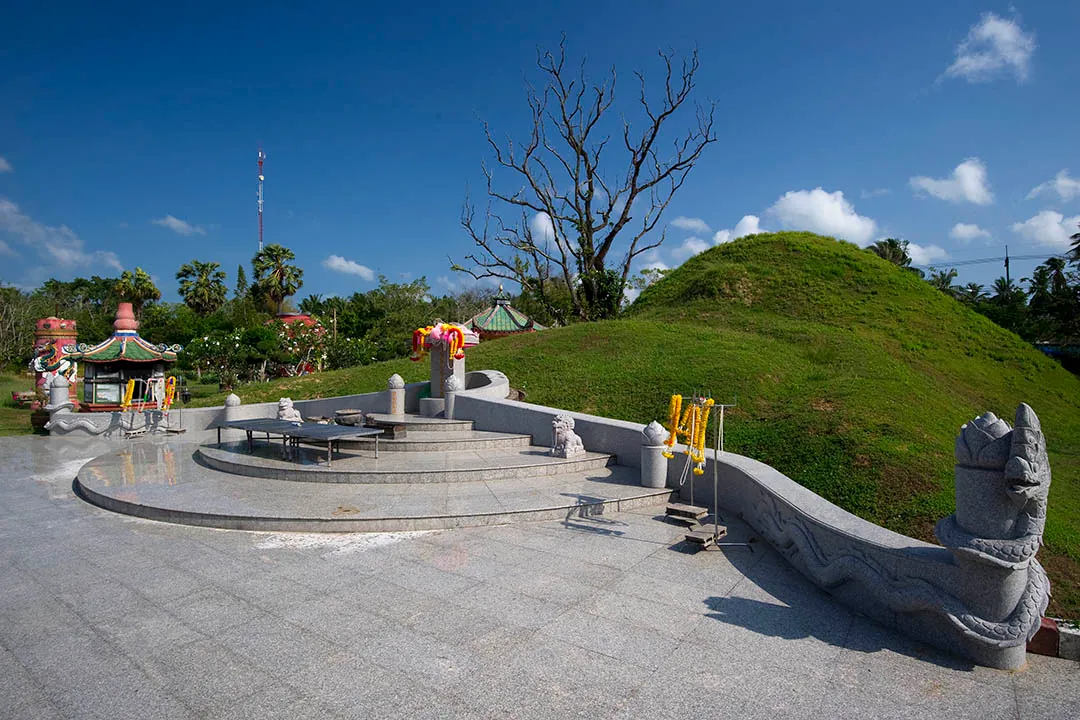
What survives above ground is mostly earthwork: old city moats, raised earthen mounds, and low foundation lines where buildings once stood. Excavations across the site have uncovered Buddhist votive tablets and sculpture fragments, objects associated with Hindu worship, and Chinese and Arab bronze coins — evidence that this was a working node on the maritime trade routes linking the Malay Peninsula to wider Southeast Asia. Most of what’s been dug up now sits in museum collections rather than on open display at the site itself, so what you see in person is the shape of the settlement more than individual artefacts.
The site has long been associated with Langkasuka, a trading kingdom described in old Chinese, Javanese, Malay, and Arabic sources. That link is part of the site’s local identity and worth knowing before you visit, but it’s a theory rather than a confirmed fact — more recent archaeological analysis suggests Yarang functioned first as a Buddhist ceremonial centre and later as an Islamic-period fortification, and that it may be a different place from Langkasuka’s actual capital. Either way, the scale of the earthworks alone marks this as a serious early settlement, not a minor ruin.
Insider Tip: Bring the Yarang district website or a downloaded map — the moats and mounds aren’t signposted in detail, and it’s easy to walk past a rampart without realising what you’re looking at.
Atmosphere & Timing
Few visitors make it out here compared with Pattani town’s mosque and shrines, so expect a quiet, rural walk rather than a curated tourist stop. Morning is the most comfortable time to explore before the heat builds; shade is limited across the open earthworks.
Watch out: Pattani is one of Thailand’s three southernmost provinces (with Yala and Narathiwat), which have had periodic security incidents for decades. Yarang town and the archaeological site see regular visitors without issue, but check current Thai government travel advisories before you go, stick to main roads, and avoid travelling in rural areas after dark.
- Entry fee: Free
- Hours: Daily, roughly 09:00-17:00
- Scale: About 9 sq km of moated earthworks, built up as three overlapping settlements
- Historical link: Associated with, but not confirmed as, the Langkasuka kingdom
- Artefacts found: Buddhist and Hindu religious objects, Chinese and Arab trade coins
Practical
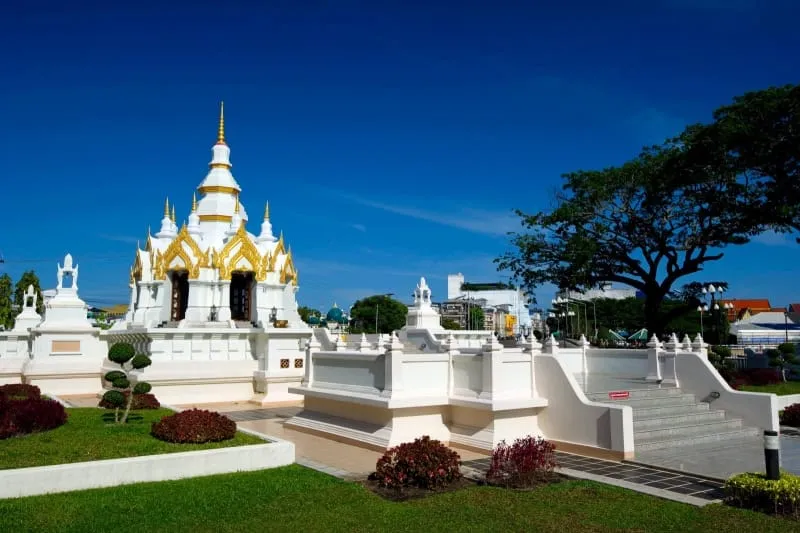
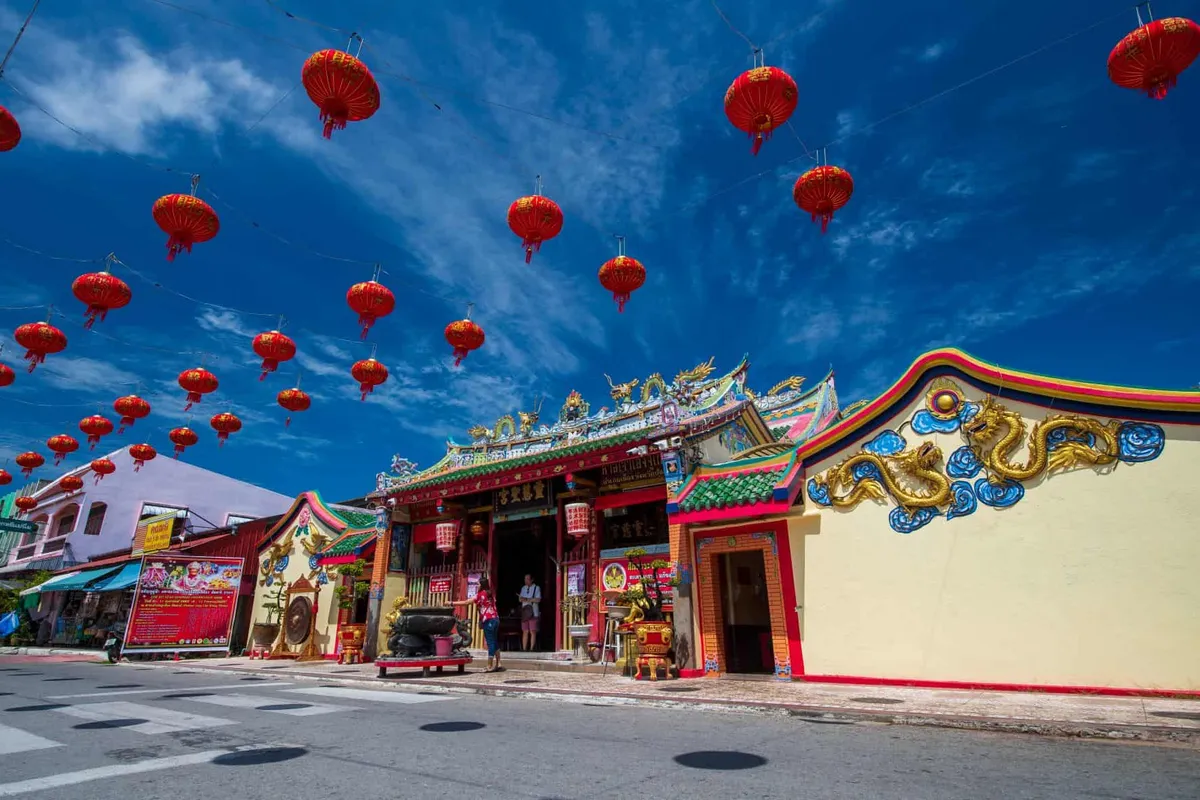
The site is in Moo 4, Yarang subdistrict, about 15-20 minutes’ drive from central Pattani town. There’s no public bus route direct to the earthworks, so your own transport or a hired driver is the practical way in. Combine it with Pattani Central Mosque and the Pattani City Pillar Shrine for a fuller day covering the province’s Buddhist, Islamic, and pre-Islamic history.
Location & Directions
Moo 4, Yarang, Pattani
Pattani, Thailand
Show your taxi or Grab driver
เมืองโบราณยะรัง
Frequently Asked Questions
What was Yarang Ancient City?
Is this really the lost city of Langkasuka?
What has been found at the site?
Is it free to visit?
Is it safe to travel to Pattani and Yarang district right now?
Spotted something out of date or incorrect? Let us know
Stay Near Yarang Ancient City
Live prices for places closest to Yarang Ancient City — tap a pin to compare.