





Pattani
ปัตตานี
A historic Malay sultanate and deep-south Gulf province with one of Thailand's finest mosques, a 16th-century ruin layered with history, and a food culture rooted in the sea.
Recommended by us

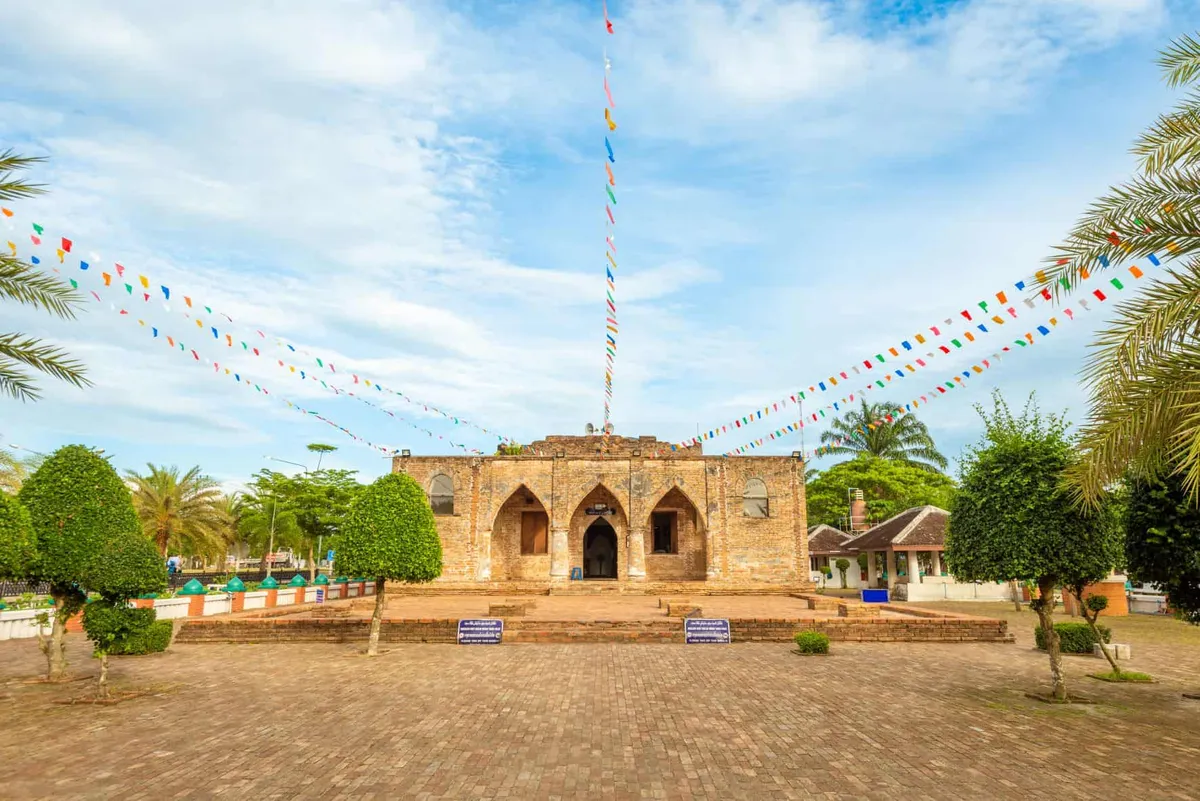
Krue Se Mosque
A 16th-century ruin that was never finished — legend says it never could be. The red-brick walls and arched doorways are genuinely atmospheric, and the story behind why the dome was never built is worth knowing before you arrive.

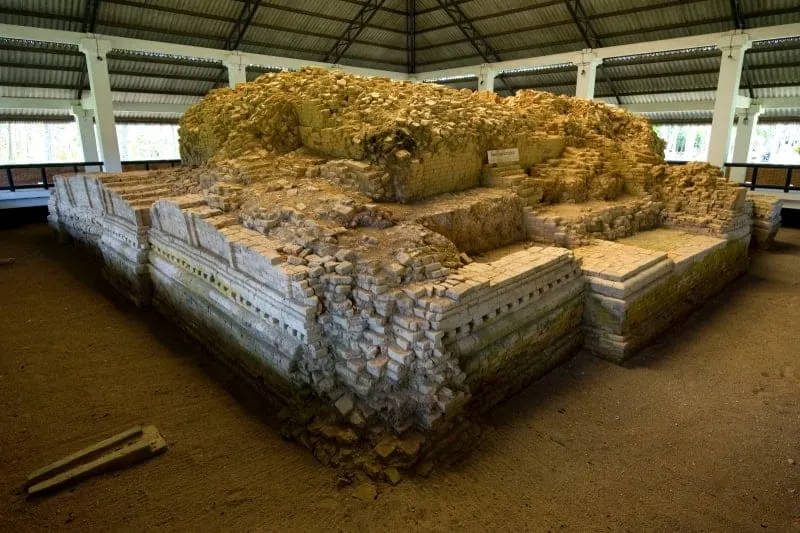
Yarang Ancient City
The remains of an ancient city with over 2,000 years of settlement layered beneath it. Quieter than you'd expect for a site this significant — bring water and wear shoes you can walk rough ground in.
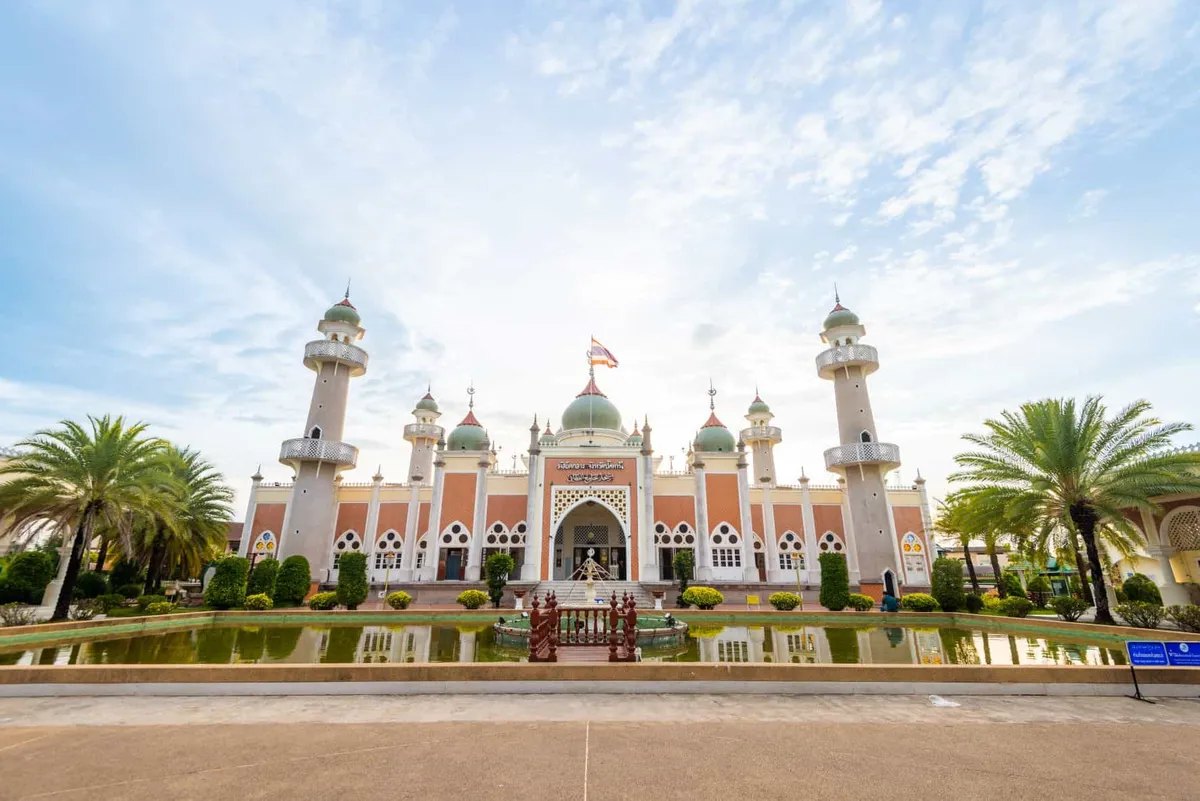
Pattani Central Mosque
One of the largest and most architecturally distinctive mosques in Southeast Asia. Dress modestly, visit outside prayer times, and go for the reflection in the forecourt water — it earns the photos.

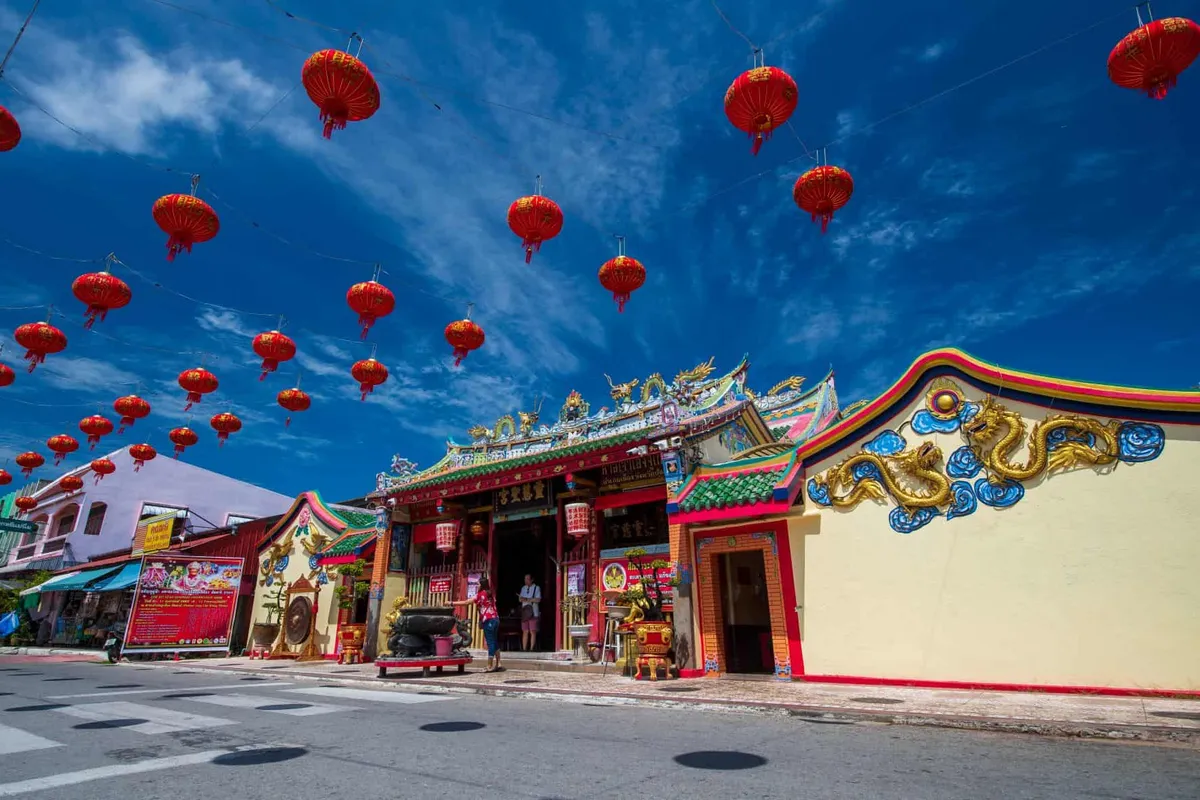
Lim Ko Niao Shrine
A Chinese shrine at the tip of the Pattani peninsula with an unusual origin story — a Chinese trader's sister who came searching for her brother and never left. The sea views from the point are reason enough to come.
Get to Pattani
The overnight train from Bangkok to Hat Yai is the most comfortable overland option — from Hat Yai it's an hour by minivan east into Pattani.

eSIM for Thailand
Land with data already working and skip the airport SIM queue. We tested six plans — code THAIHOLIDAY saves 10%.


Travel insurance
Sort cover before you go — the deep south requires the same standard Thailand policy, and checking the medical evacuation terms is always worth it.
Wats, shrines & spiritual sites
Temples in Pattani





Sand, snorkelling & island-hopping
Beaches & islands in Pattani



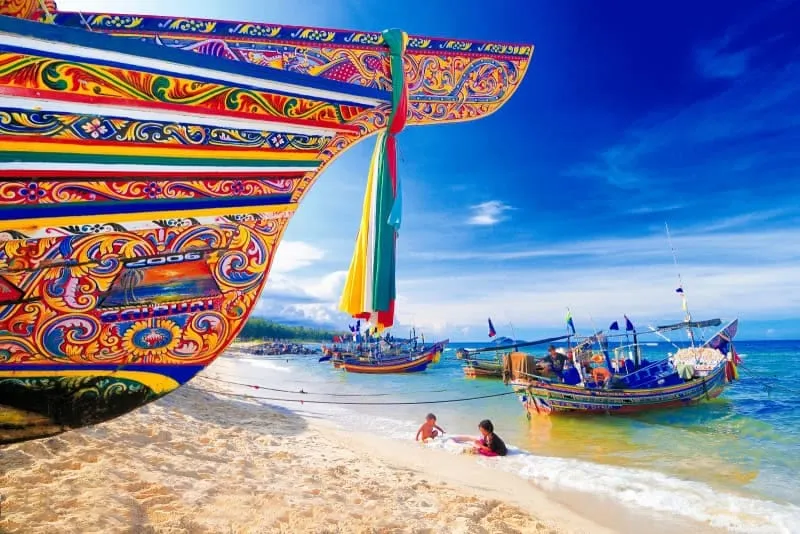

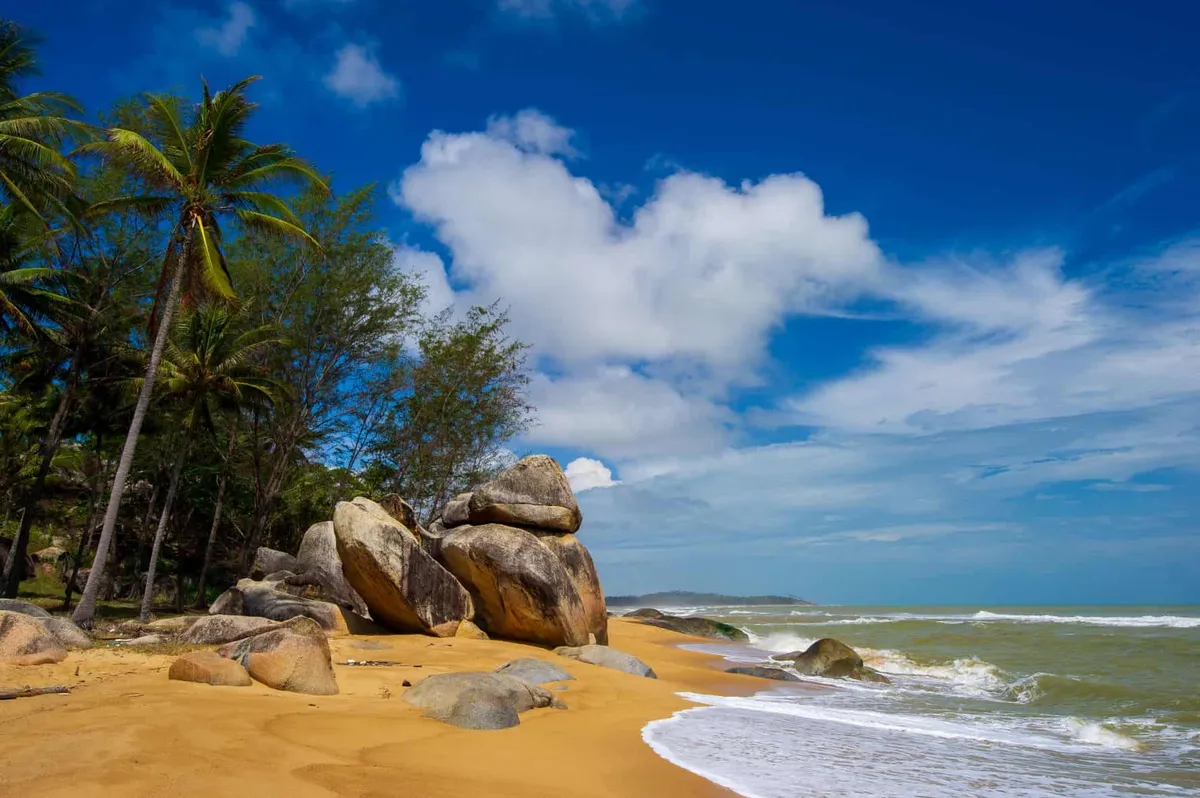

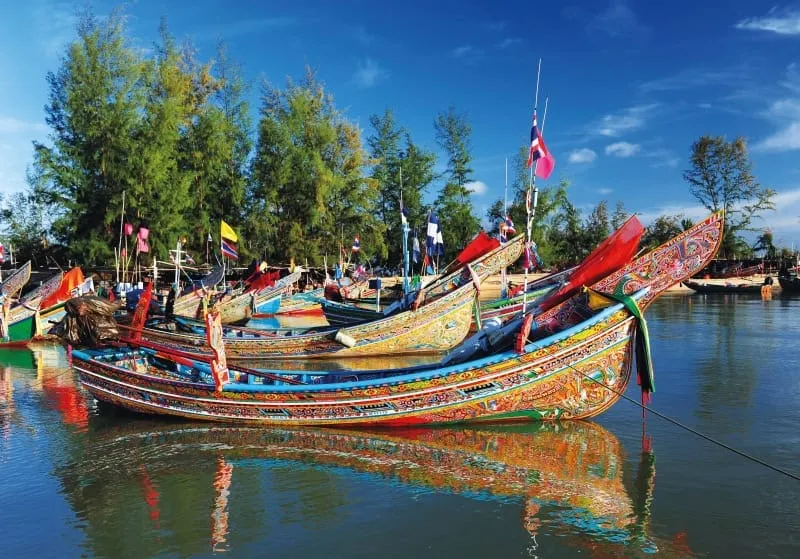

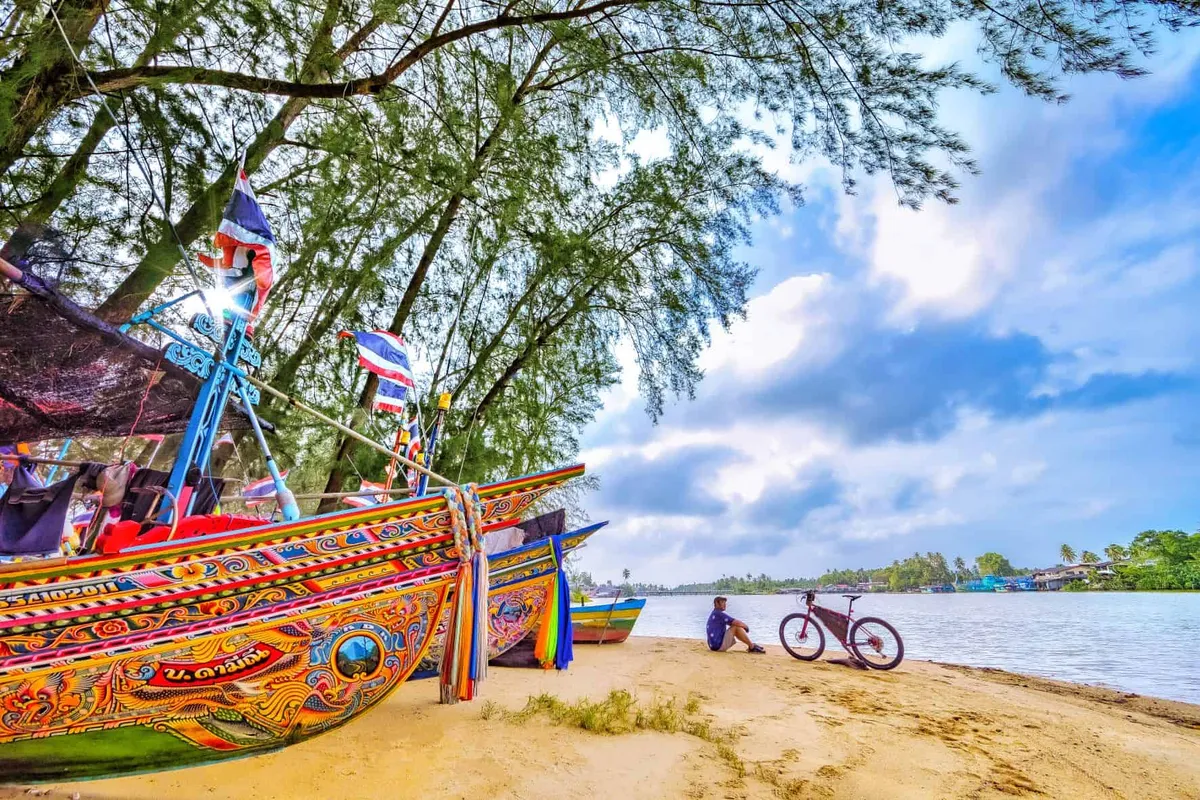
Things to do on the map
Tap a pin for details — 23 places in Pattani plotted.
When to go
Jan–Apr The dry season on the deep-south Gulf coast. January and February are the coolest months. Humidity rises toward April but the skies are clear and the sea calms. This is the window for mosque visits, coastal walks, and exploring Yarang archaeological sites without rain disruption.
May–Sep Transitional months with increasing cloud cover and occasional showers, but rarely the sustained downpours of the northeast monsoon. Temperatures sit around 29–32°C. Sightseeing remains practical; beaches can be choppy.
Oct–Dec The northeast monsoon brings the heaviest rainfall of the year — October through December are the wettest months, with October averaging 348mm. This is the pattern for the whole deep-south Gulf coast, the opposite of the Andaman side. Most activities remain possible between downpours, but coastal conditions are rough.
About Pattani
Last updated September 2026
Overview
Pattani is one of Thailand’s three southernmost provinces, sitting on the Gulf of Thailand coast near the Malaysian border. The UK FCDO, US State Department, and most other Western foreign offices advise against all but essential travel to Pattani, Yala, and Narathiwat provinces. An insurgency that reignited in 2004 has claimed more than 7,000 lives, and seventeen districts in these provinces remain under an emergency decree. The security situation is ongoing. If you travel here against your government’s advice, most standard travel insurance will not cover you. Read the current advisory for your nationality before making any decisions.
That said, Pattani exists as a real place with its own distinct history and culture, and it deserves an honest account. For those who do make the journey — journalists, researchers, aid workers, Muslim heritage travellers with Malay connections — the province holds a remarkable concentration of layered history.
The territory was the heartland of the Patani Sultanate, one of Southeast Asia’s most significant Malay kingdoms. During its golden age in the late 16th and early 17th centuries, the port of Patani was one of the busiest in the region, trading with China, Japan, Portugal, the Dutch, and England. The cosmopolitan sultanate was ruled for much of this period by four successive queens — Raja Hijau, Raja Biru, Raja Ungu, and Raja Kuning — whose reigns saw the kingdom resist multiple Siamese invasions. By the early 20th century it had been fully absorbed into Siam. The province now has a majority Malay-Muslim population and a deep cultural connection to the historical kingdom that has never entirely dissolved.
Safety
The emergency decree that has been continuously renewed since 2004 gives Thai security forces extensive powers, including 30-day detention without charge. The most visible sign of this for anyone present is the density of military checkpoints throughout the province — visitors should expect to pass through armed checkpoints multiple times daily in and around Pattani city.
Attacks have historically targeted security forces, police stations, and checkpoints, but civilians have also been affected. The BRN-C insurgent group remains active. Improvised explosive devices and small arms are the primary risks cited by the US Embassy. US government personnel require special authorisation to travel to these provinces.
If you travel here, tell someone your plans, avoid gatherings where you cannot quickly leave, and follow the guidance of anyone with local knowledge of the current situation. This is not adventure travel.
Top Things to Do
Pattani Central Mosque (Masjid Klang Pattani) is the most visually striking building in the province. Construction began in 1954 and the opening ceremony was held in 1963 after nine years of work. The design — a large green dome flanked by smaller domes and minarets, with a reflecting pool at the front — was influenced by Mughal and Ottoman precedents, and the building is sometimes described as one of the most beautiful mosques in Thailand. It is open to visitors outside of prayer times (generally 09:00–15:30, not Fridays). Dress modestly with covered shoulders, arms, and legs; women should cover their hair.
Krue Se Mosque is older, more complex, and carries a far heavier weight of history. Construction may have begun as early as 1524, commissioned during the reign of Sultan Muzaffar Shah. The brick structure — a mixture of Arab-Persian-Turkish architectural influences — was never completed, which is itself the subject of a well-known legend. According to Hikayat Patani, a Chinese woman named Lim Ko Niao came to Pattani searching for her brother Lim Toh Khiam, who had converted to Islam and was building the mosque for the Pattani queen. When he refused to return home, she cursed the building so that it could never be finished — and when lightning repeatedly struck any attempt at a roof, the curse held. In April 2004, the mosque became the site of a siege in which 32 men were killed by Thai army forces. Human Rights Watch and other organisations concluded the use of heavy weapons was disproportionate and called for an independent investigation. The mosque is a registered national heritage site (since 1935) and a place of profound significance for the Malay Muslim community. Visit with the respect that history demands.
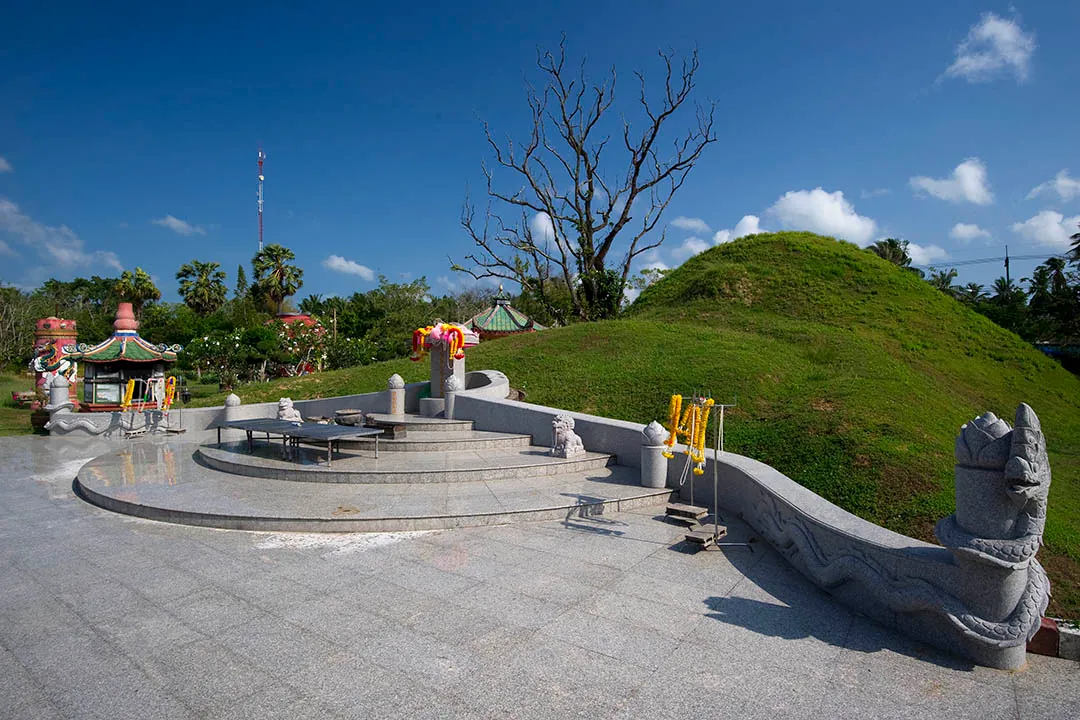
Lim Ko Niao Shrine (Leng Ju Kiang Shrine) honours the same woman from the Krue Se legend. In the generations after her death — she is said to have hanged herself from a cashew tree after her confrontation with her brother — she became venerated by Pattani’s ethnic Chinese community as a goddess embodying filial piety. The shrine complex includes a museum. A major festival, the Chao Mae Lim Ko Niao Festival, is held annually starting on the 14th day of Chinese New Year and draws pilgrims from across southern Thailand and northern Malaysia. The nearby Chao Mae Lim Ko Niao Graveyard is said to mark her burial place.
Yarang Ancient City in Yarang district is an archaeological site covering roughly nine square kilometres — the remains of a large early historic settlement that some researchers associate with the ancient kingdom of Langkasuka, which Chinese chronicles mention from the 2nd century onwards. Excavations have revealed old city moats, earth mounds, structural foundations, and artefacts spanning Buddhist and Islamic periods. The scale and complexity of the site are striking, though the visible archaeology is quiet and requires some imagination. It is one of the more significant early historical sites in peninsular Southeast Asia.
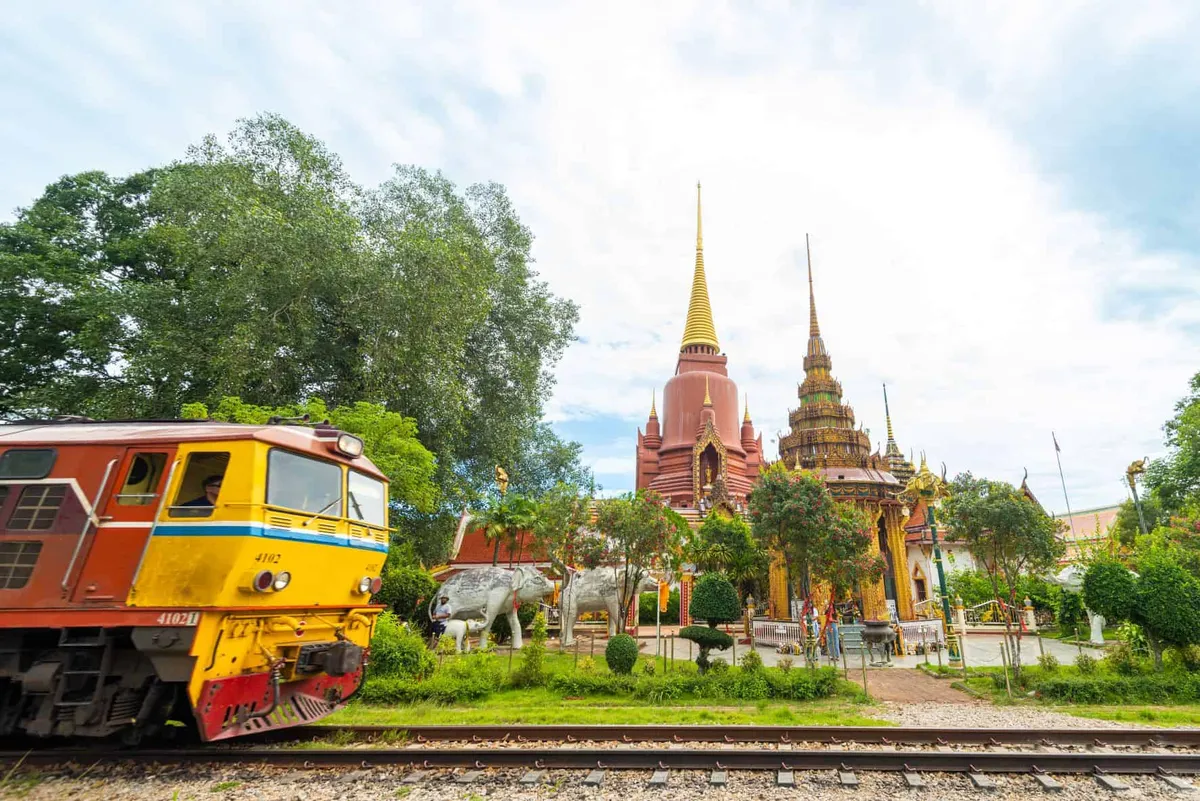
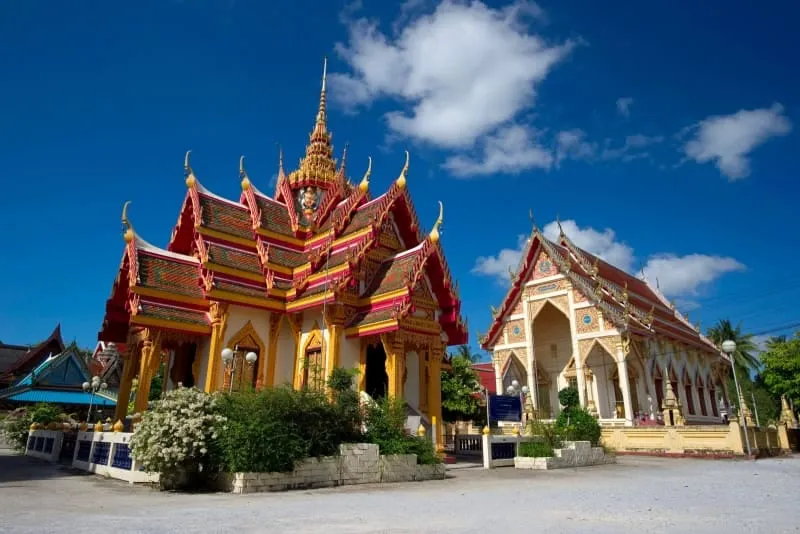
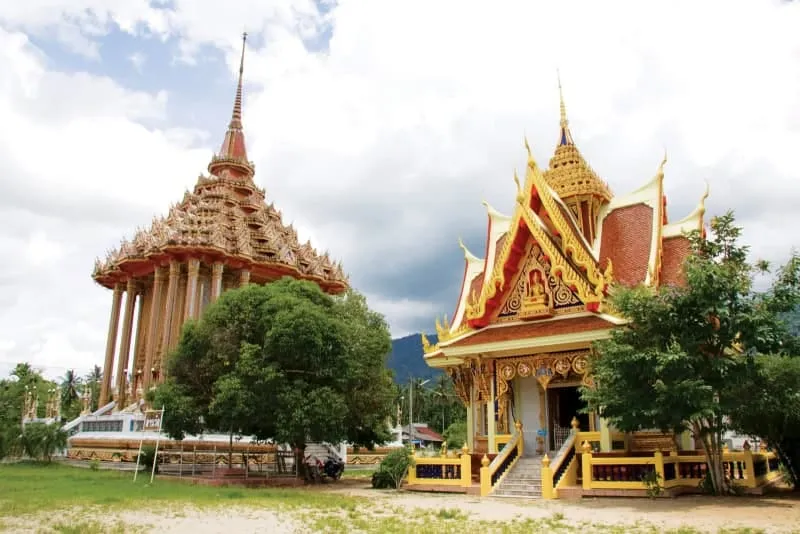
Wat Chang Hai (Rat Buranaram Temple) in Khok Pho district is the main Buddhist temple in the province and a site of nationwide pilgrimage. It is principally associated with Luang Pu Thuat, a revered monk whose amulets are among the most prized in Thailand. Legend holds that Luang Pu Thuat once stepped onto the sea and turned salt water fresh — and it was to Wat Chang Hai that his remains were brought after death. A life-size replica of the monk draws devoted visitors, and the temple grounds contain a well-kept stupa, ordination hall, and bell tower. The temple is in Khok Pho district, roughly 30 kilometres from Pattani city.
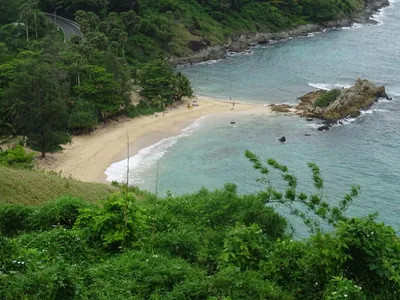
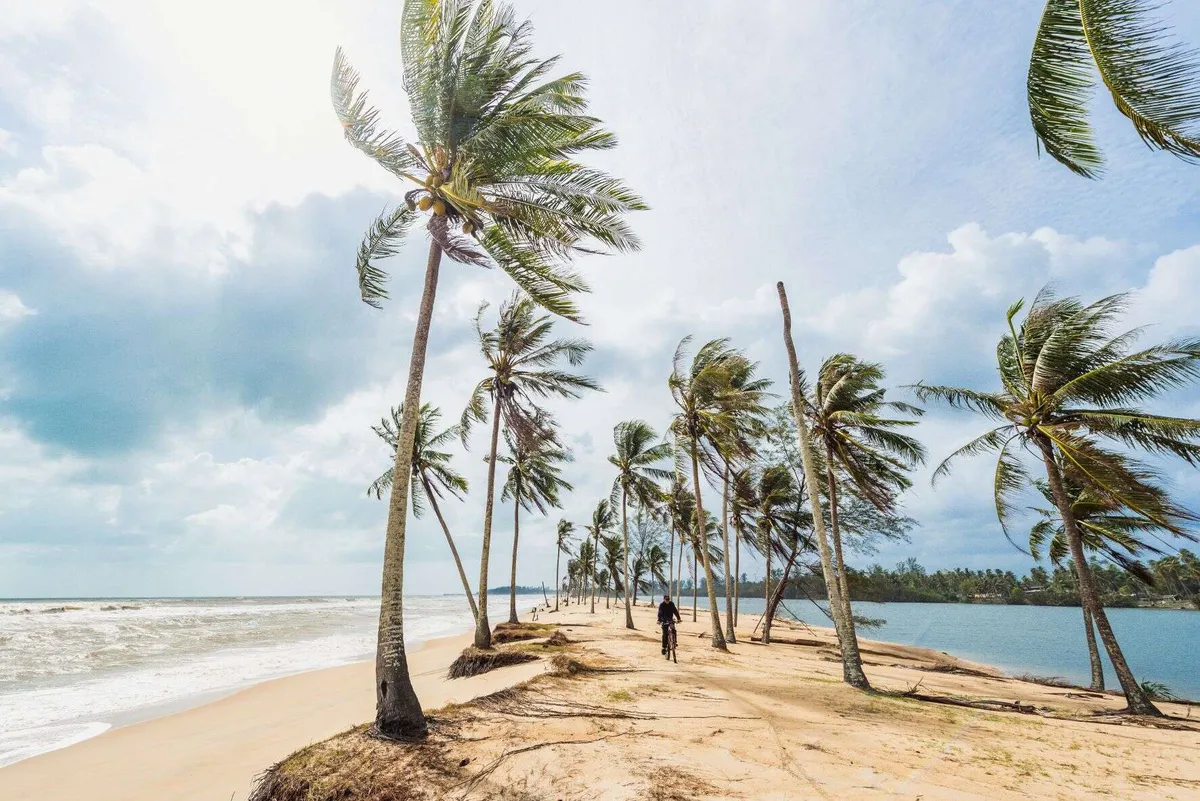
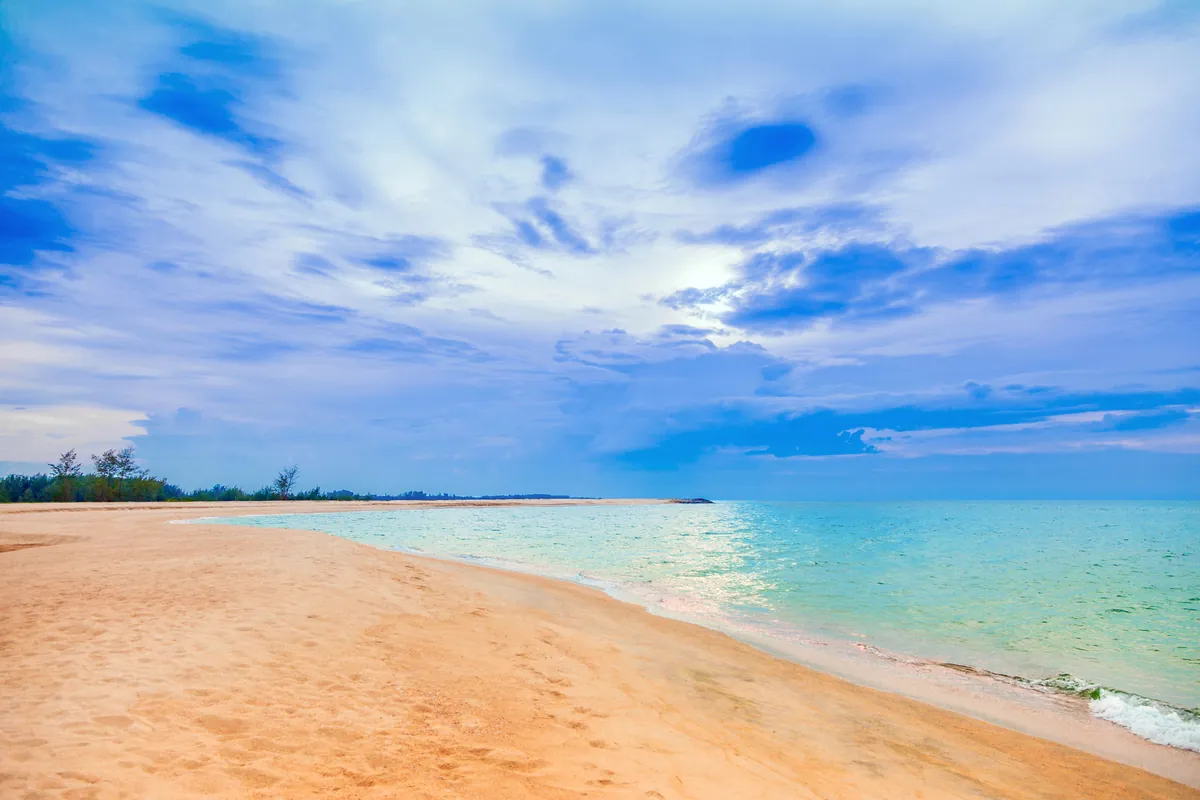
Laem Ta Chi (Laem Pho) is a sand spit in Yaring district where accumulated sand has extended into the Gulf of Thailand to form a narrow natural point. Pine and coconut trees line the beach, and the open views at the tip across the bay are the draw. It is a local retreat rather than a resort, and its calm is part of the appeal.
Sai Buri Old Town preserves a small collection of colonial-era shophouses along the waterfront of the Sai Buri River estuary. The town is also where the best-quality budu sauce is produced — the local anchovy-fermentation tradition here is considered among the finest in the deep south.
Princess GalyaniVadhana Institute of Cultural Studies on the Prince of Songkla University campus in Pattani city houses the Southern Arts and Culture Hall, with exhibits on the material culture, crafts, textiles, and traditions of the Thai-Malay south. It is a well-curated introduction to the culture of the region.
Where to Stay
Pattani city has a functional range of mid-range hotels — CS Pattani Hotel and The Wood Pattani Hotel are among the locally known options. There are no resort complexes and no international chains operating here. The accommodation is practical rather than luxurious, which is appropriate for the nature of travel to this province.
Getting There
The standard route from Bangkok is to fly to Hat Yai International Airport (about 1.5 hours), then travel east to Pattani by bus or hired car — roughly another 1.5 hours and approximately 120 kilometres. Hat Yai has domestic connections from Bangkok (both Suvarnabhumi and Don Mueang) throughout the day. Narathiwat Airport, to the southeast, is another option if you are also covering that province.
The southern railway line from Bangkok (Krung Thep Aphiwat Central Terminal) runs through Pattani — overnight trains take around 17 to 18 hours and stop at Pattani station. It is a long but practical option if you are travelling without time pressure. Note that the FCDO also advises against all but essential travel on the Hat Yai–Padang Besar railway line, which runs through the affected provinces.
Within the province, you will need your own transport or a hired driver. There is no public bus connecting the main sights. A driver hired through your hotel is the most practical arrangement and gives you someone with local knowledge, which has real value here.
Best Time to Visit
Pattani sits on the deep-south Gulf coast and follows the northeast-monsoon pattern. October through December are the wettest months — the opposite of the Andaman coast, and a common source of confusion. January through April is the dry season and the most comfortable window for visiting: clear skies, calm seas, and temperatures of around 27–32°C. February is the driest single month. From May onwards cloud cover increases and rain becomes more frequent, though sustained all-day downpours are less common outside the October–December peak. The archaeological and religious sites are accessible year-round.
Frequently Asked Questions about Pattani
Is it safe to travel to Pattani province?
How do I get to Pattani from Bangkok?
What is the best time of year to visit Pattani?
How long do you need in Pattani?
What food should I try in Pattani?
Spotted something out of date or incorrect? Let us know
Plan your
Pattani trip