






World Animal Protection identified 2,849 elephants at 236 tourism venues across Thailand during research conducted from February 2024 to January 2025. Understanding how elephants came to be used in tourism is the first step toward choosing where to spend your money.
Quick answer
Choose elephant experiences that focus on observation, feeding from a respectful distance, habitat, and transparent welfare policies. Avoid riding, performances, forced bathing, close-contact photo lines, and venues that keep elephants moving for visitors all day.
How we picked these elephant sanctuaries
We looked for clear no-riding policies, how much visitor contact is allowed, whether the experience centres the elephant rather than the photo, and whether the operator explains rescue, care, and daily routines. We did not treat every place using the word sanctuary as ethical.
How to choose
Read the itinerary before you book. If the main selling point is riding, tricks, constant bathing, or guaranteed close contact, choose a different operator.
- Elephants assessed at tourism venues: 2,849 across 236 venues in World Animal Protection’s 2024-25 research
- Ethical sanctuaries: fewer than 20 nationwide meet widely accepted welfare standards
- Cost range: 1,500-3,500 THB ($42-100) for a half or full day visit
- Best area: Chiang Mai has the highest concentration of sanctuaries
- Book ahead: Popular sanctuaries sell out 2-4 weeks in advance during high season
- Non-negotiable rule: No riding. Ever. Not with a howdah, not bareback
- Best time to visit: November to February (cooler weather, elephants more active)
The Truth About Elephant Tourism
For centuries, elephants were working animals in Thailand’s logging industry. Mahouts (elephant keepers) and their families lived alongside elephants in a relationship that, while imperfect, gave the animals a functional role.
In 1989, Thailand banned commercial logging. Almost overnight, thousands of elephants and their mahouts lost their livelihoods. Mahouts needed income. Tourists wanted to see elephants. The tourism industry filled the gap, but not in ways that served the animals well.
Riding camps proliferated. Elephants were trained to paint pictures, play football, and perform circus tricks. The process of making a wild or semi-wild elephant compliant enough for tourism typically involves phajaan: a breaking process that uses confinement, sleep deprivation, and physical punishment to crush the animal’s will. It is as brutal as it sounds.
The riding industry remains profitable. A single elephant can generate 30,000-50,000 THB per day at a busy camp. That economic reality is why it persists, and why “sanctuary” has become a marketing term that some riding camps now slap on their brochures without changing their practices.
None of this is meant to make you feel guilty about wanting to see elephants. It’s meant to help you put your money in the right place.
How to Spot an Ethical Sanctuary
Not every operation calling itself a “sanctuary” or “rescue centre” deserves the name. Here’s a practical checklist.
Green flags: signs of a genuine sanctuary:
- No riding whatsoever: not with a howdah (the wooden seat), not bareback. There is no ethical version of elephant riding
- No performances: no painting, no football, no tricks for tourists. If an elephant is doing something unnatural for applause, someone trained it to do that
- Elephants choose to interact: they’re not chained, roped, or forced toward visitors. They can walk away
- Adequate land: elephants need space. A genuine sanctuary has hectares of natural habitat, not concrete pens
- Veterinary care on site: look for a medical facility, not just a mahout with a first aid kit
- Transparent histories: staff can tell you each elephant’s name, age, where it came from, and what it survived
- No breeding programme: ethical sanctuaries don’t create more captive elephants
Red flags: signs of a tourist trap:
- Chains visible on elephants’ legs during your visit (not just at night for safety)
- Bull hooks (ankus) carried by mahouts: the hooked metal tool used to control elephants through pain
- The word “camp” in the name: not always a dealbreaker, but worth extra scrutiny
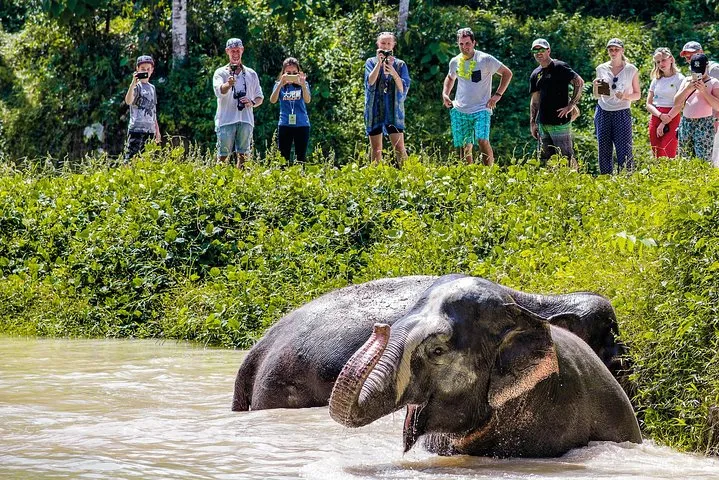
- Forced bathing on a schedule: elephants herded into water at set times for photo opportunities rather than choosing to bathe
- “Rescue” centres that breed elephants: if they’re creating new captive elephants, they’re not a rescue operation
- Very large group sizes: 30+ tourists surrounding a single elephant is stressful for the animal
- Cheap prices: below 1,000 THB usually means corners are being cut somewhere
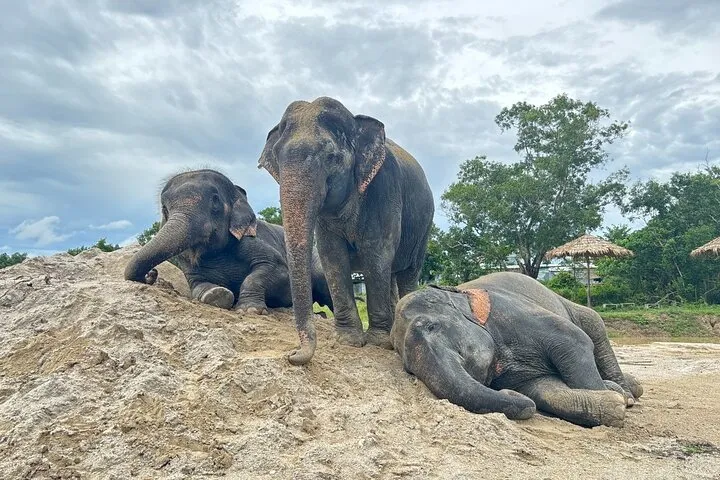
Chiang Mai Area
Chiang Mai is the centre of Thailand’s ethical elephant movement, with more sanctuaries per square kilometre than anywhere else in the country. It’s also where you need to be most careful. The Mae Taeng road north of the city is lined with operations ranging from genuinely ethical to outright exploitative, sometimes within a few hundred metres of each other.
Elephant Nature Park
The one that started it all. Founded by Sangduen “Lek” Chailert in the 1990s, ENP is a 250-acre rescue and rehabilitation centre in the Mae Taeng valley. It’s home to around 80 elephants, most of them rescued from logging, riding camps, or street begging.
What you’ll do: Feed elephants from a platform (they’ll wrap their trunks around watermelons and sugarcane), walk alongside them through the grounds, watch them bathe in the river on their own terms, and hear their individual stories from staff. You won’t ride, and you won’t force any interaction.
ENP is unapologetically the real thing. Lek Chailert has received death threats from camp owners for her advocacy work. The operation is transparent about its finances and its elephants’ histories.
- Price: 3,500 THB (~$100) for a full day visit
- Includes: Hotel pickup and drop-off in Chiang Mai, buffet lunch, guided tour
- Duration: Full day (roughly 8am to 5pm)
- Group size: 50-70 visitors per day across the site (it’s large)
- Book ahead: 2-4 weeks in high season. Seriously, this place fills up
- Website: elephantnaturepark.org (book direct, not through agencies)
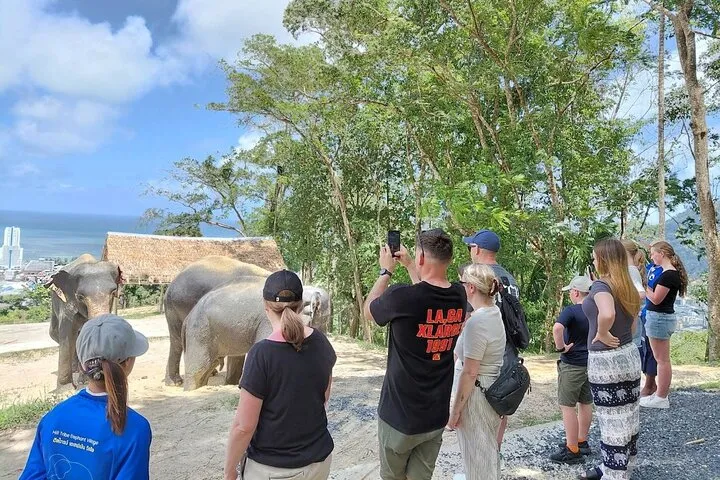
Elephant Jungle Sanctuary: Check the Programme
Elephant Jungle Sanctuary runs several programmes around Chiang Mai, and they should not be treated as one uniform experience. Its current range includes an observation-focused “Watch Me” visit as well as bathing, mud-spa, shower, and feeding programmes. If you want an observation-first visit, check the exact itinerary before booking and choose the hands-off option.
The operator states that it does not offer riding or performances, but its close-contact programmes do not meet the observation-first standard used elsewhere in this guide. Compare the activity, group size, and amount of direct contact rather than relying on the word “sanctuary.”
- Price: 1,800-2,200 THB (~$50-62) depending on programme
- Includes: Hotel transfer, lunch, activities
- Duration: Half day (morning or afternoon) or full day
- Group size: 15-25 per group
- Book ahead: 1-2 weeks recommended
Ran-Tong Save & Rescue Elephant Centre
A smaller, quieter operation that doesn’t get the same press as ENP or Elephant Jungle Sanctuary. Ran-Tong works with a smaller number of elephants (around 10-12) in a more intimate setting. The experience feels less like a tour and more like a visit: you’ll spend time preparing food, feeding, and walking with elephants through forest trails. The half-day visit runs about five hours including hotel transfer and a meal.
- Price: 1,800-2,400 THB depending on programme
- Includes: Transport from Chiang Mai, meals
- Duration: Half day or full day
- Group size: 8-15 visitors
A Warning About the Mae Taeng Road
The road from Chiang Mai city heading north toward Mae Taeng is elephant tourism central. You’ll see signs for dozens of “sanctuaries,” “rescue centres,” and “elephant homes” along the way. Some are legitimate. Others slapped the word “sanctuary” onto their signage while continuing to offer riding out of view of the road.
Before booking anywhere not listed in this guide, search for the operation’s name plus “review” and “ethical” and read what visitors and animal welfare organisations say. If riding is available even as an option, walk away. If you see chains on elephants during business hours, leave.
Compare Chiang Mai sanctuary visits on Viator
Kanchanaburi
ElephantsWorld
Kanchanaburi is a 2-3 hour drive west of Bangkok, and ElephantsWorld is the reason to make the trip if you care about elephant welfare. This is a genuine rescue operation focused on elderly, injured, and disabled elephants, animals that can no longer “work” and would otherwise be abandoned.
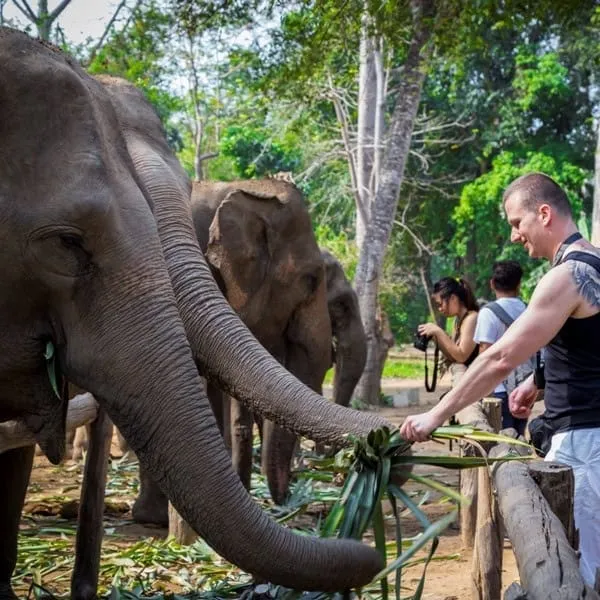
The experience here is different from Chiang Mai sanctuaries. You’ll help prepare food (elephants eat 200-300 kg per day), feed the animals by hand, and walk with them to the river. The elephants move slowly: many are old, some are blind, some are missing limbs from landmine injuries along the Myanmar border. It’s quieter and more reflective than the Chiang Mai experience.
ElephantsWorld also runs one of Thailand’s better volunteer programmes. Week-long stays include accommodation, meals, and daily work alongside the mahouts.
- Price: 2,500 THB for a day visit; volunteer stays from ~12,000 THB/week
- Includes: Transport from Kanchanaburi town, meals
- Duration: Full day or multi-day volunteer
- Group size: 10-20 per day
- Getting there: 2.5 hours from Bangkok by minivan or car. The sanctuary can arrange transport from Kanchanaburi town. If you’re getting around Thailand by train, the Kanchanaburi line from Bangkok’s Thonburi station is one of the most scenic rail journeys in the country
Phuket and Southern Thailand
Phuket Elephant Sanctuary
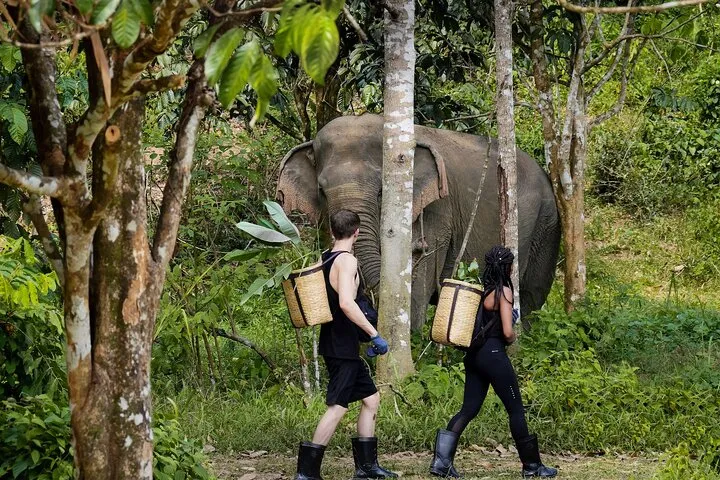
Phuket’s first genuinely ethical elephant sanctuary opened in 2016, providing an alternative to the island’s many riding camps. Set in 30 acres of tropical forest, it houses 13 rescued elephants and follows the observe-only model: no riding, no bathing, no direct contact unless the elephant initiates it.
The approach here is more hands-off than Chiang Mai operations. You’ll observe elephants from walkways and platforms as they forage, socialise, and bathe in a natural pond. Visitor feeding ended on 1 April 2026. There’s also a shorter 90-minute canopy walkway programme (a 500-metre elevated walkway above the forest) if you can’t spare a half day.
- Price: 1,900 THB for the 90-minute walkway; 3,000 THB for the half-day programme
- Includes: Guided observation, canopy walkway access, and an elephant hospital visit; transfers depend on the booking option
- Duration: 90 minutes or half day
- Group size: 12-18 per session
- Book ahead: 1 week recommended in high season. Morning and afternoon sessions also sell through Viator
Khao Sok
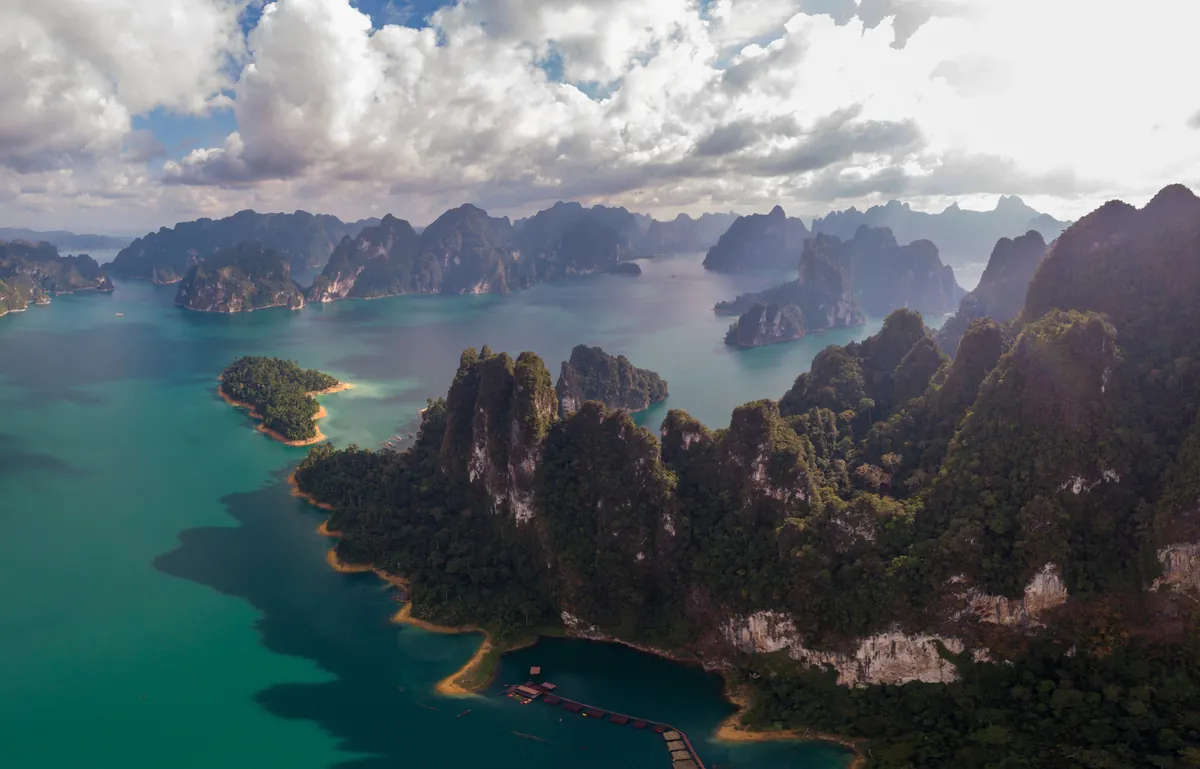
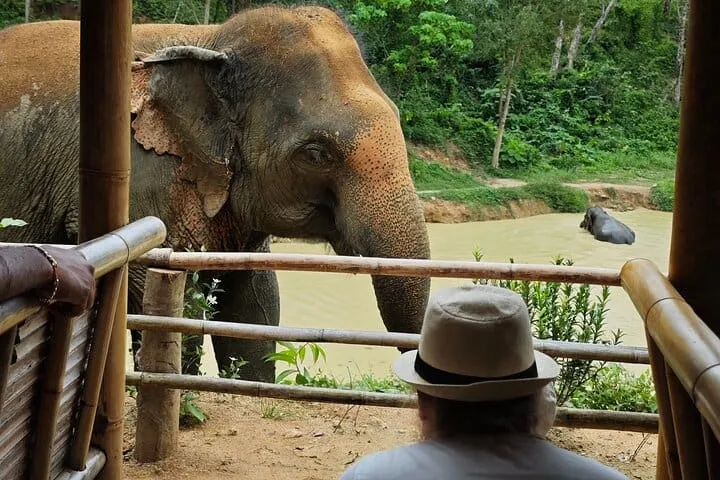
Khao Sok National Park (about 3 hours north of Phuket) has a few elephant experiences near the park boundary. Elephant Hills is the most established, combining an elephant experience with floating raft house accommodation on Cheow Lan Lake. The elephant interaction is ethical (observation and feeding only, no riding), though the overall package is more of a luxury eco-resort experience than a pure sanctuary visit.
- Price: Part of multi-day packages starting from 6,500 THB (includes accommodation, meals, and park activities)
Koh Samui
Samui Elephant Sanctuary
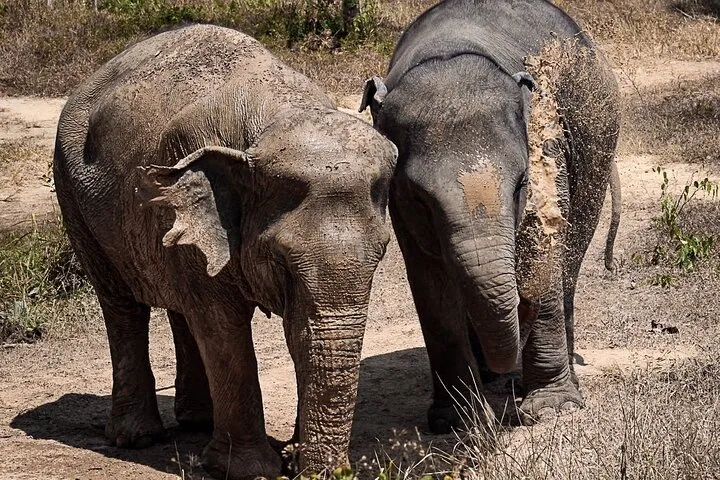
Koh Samui’s main ethical option now runs two sites, at Bophut and Chaweng Noi. It follows the same model as the best mainland sanctuaries: observe, feed, walk alongside: no riding, no bathing, no chains.
The sanctuary keeps group sizes small, making it one of the more intimate experiences in Thailand. Staff are knowledgeable about each elephant’s background and don’t rush you through. If your dates don’t line up, Elephant Nature Care runs a similar observation-focused programme on the island, three hours with hotel transfer and a vegetarian lunch included.
- Price: check the sanctuary’s site; seasonal offers change
- Includes: Hotel transfer, fruit for feeding, guided experience, lunch
- Duration: Half day
- Group size: 8-12 per session
What to Expect on the Day
If you’ve never visited an elephant sanctuary, here’s what a typical day looks like.
What to wear: Comfortable clothes you don’t mind getting dirty. Long trousers are better than shorts (you may walk through brush). Closed-toe shoes or sturdy sandals, not flip-flops. Most sanctuaries provide a change of clothes or a tunic to wear over your own.
Morning: Your hotel pickup arrives between 7:00 and 8:30am depending on location. The drive to most Chiang Mai sanctuaries is 60-90 minutes. You’ll get a briefing on elephant behaviour, safety rules, and the sanctuary’s history.
Feeding: You’ll prepare food baskets (bananas, watermelon, sugarcane, pumpkin) and offer them to the elephants from a platform or by hand. Elephants eat with remarkable precision (and surprising speed). Watch your fingers around the trunk, not because they’ll bite, but because a trunk grab is strong.
Walking: You’ll walk alongside elephants through forest trails or open ground. The mahouts are present but you won’t see bull hooks, just voice commands and the occasional banana bribe. The elephants set the pace, which is slow.
Mud baths (where offered): Some sanctuaries invite you to join the elephants in a mud pit. It’s exactly as messy as it sounds. The mud is good for elephants’ skin and they clearly enjoy it. You can participate or photograph from the sidelines.
River or pond time: Watching elephants bathe themselves in water is one of the highlights. At ethical sanctuaries, they enter and leave on their own terms. Some spray water at visitors. Consider this a feature, not a bug.
Lunch: Most full-day visits include a Thai buffet lunch, usually vegetarian, usually good.
Photography tips: Elephants photograph well from below: kneel down for more dramatic shots. Golden hour light (early morning and late afternoon) is best. Turn off your flash. Don’t use selfie sticks near the elephants’ faces. The best photos come from moments of natural behaviour, not staged poses.
Price Comparison
| Sanctuary | Location | Price (THB) | Duration | Group Size | Transport Included |
|---|---|---|---|---|---|
| Elephant Nature Park | Chiang Mai | 3,500 | Full day (half day 2,500) | 50-70 (large site) | Yes |
| Elephant Jungle Sanctuary (programme-dependent) | Chiang Mai | Check current programme | Varies | Varies | Check booking |
| Ran-Tong Save & Rescue | Chiang Mai | 1,800-2,400 | Half/full day | 8-15 | Yes |
| ElephantsWorld | Kanchanaburi | 2,500 | Full day | 10-20 | From town |
| Phuket Elephant Sanctuary | Phuket | 1,900 walkway / 3,000 half day | 90 min / half day | 12-18 | Booking-dependent |
| Elephant Hills | Khao Sok | From 6,500 | Multi-day | Varies | Yes |
| Samui Elephant Sanctuary | Koh Samui | Check site | Half day | 8-12 | Yes |
All prices are per person in Thai Baht. Prices current as of early 2026.
How to Book
Book direct whenever possible. Most sanctuaries have their own websites with online booking. When you book through a tour operator or hotel front desk, you’ll typically pay 300-800 THB more, and a portion of your money goes to the middleman rather than the elephants.
Why direct is better:
- Full price goes to the sanctuary
- You get accurate, up-to-date availability
- You can ask questions about the programme before committing
- Cancellation and rescheduling is easier
When a tour operator makes sense: If you’re booking a multi-day tour of northern Thailand and want an elephant visit included, a reputable tour operator can handle logistics. Just confirm which specific sanctuary they use and verify it independently.
Payment: Most sanctuaries accept credit cards for online booking. Some smaller operations are cash-only on the day. Bring cash as backup.
Cancellation: Policies vary by operator and programme. Phuket Elephant Sanctuary currently gives a full refund with at least 24 hours’ notice. Elephant Jungle Sanctuary gives a full refund more than 48 hours before the visit and 50% at 24-48 hours. Read the terms attached to your booking before paying.
The money you spend at a genuine sanctuary directly funds elephant food (a single elephant costs 30,000-50,000 THB per month to feed), veterinary care, mahout wages, and land maintenance. That 2,500 THB ticket isn’t a tourist attraction fee; it’s a contribution to keeping rescued elephants alive and cared for.
Choose well, book direct, and show up ready to get muddy.