






Some links are affiliate links. If you book through them we may earn a small commission at no extra cost to you.
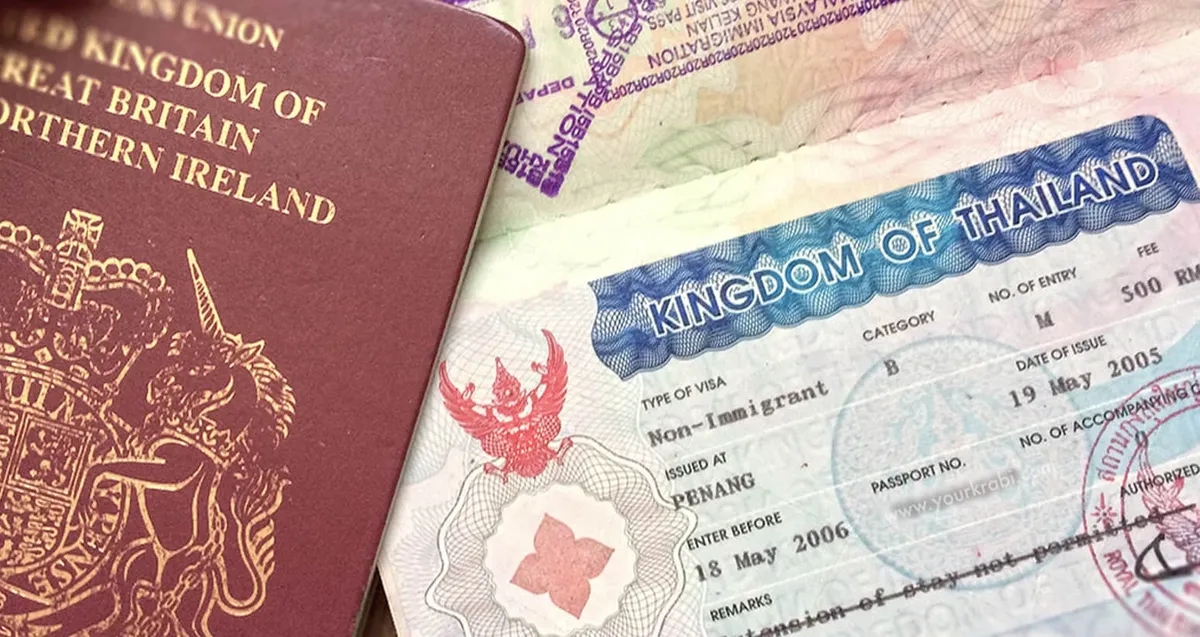
British passport holders don’t need a visa for a holiday in Thailand of up to 30 days. That’s the short answer, and it changed recently: until 15 September 2026 the visa-free stay for UK passports was 60 days. Plenty of older articles online still quote the old number.
Quick answer: with a British passport you can visit Thailand visa-free for tourism for up to 30 days. Bring a passport valid for six months with a blank page, an onward ticket within 30 days, your accommodation booking and proof of funds, and submit the free Thailand Digital Arrival Card before you land. Staying longer? Get the £30 tourist visa (60 days) from the London embassy’s e-visa service, or ask for a 30-day extension once you’re there.
Last checked: 13 November 2026, against the FCDO’s Thailand entry requirements, the Royal Thai Embassy in London’s pages on visa exemption, visa processing (updated 11 November 2026) and tourist visa fees (updated 12 November 2026), the official Thai e-visa site, and the Immigration Bureau’s TDAC FAQ. Rules for other passports are in our Thailand entry requirements guide.
- Visa-free stay: up to 30 days, tourism only (since 15 September 2026)
- Passport: valid for at least six months after arrival, with at least one blank page (FCDO)
- Show on arrival if asked: onward travel within 30 days, accommodation, and funds (London lists 20,000 THB per person)
- Arrival card: free TDAC within three days before arrival, every entry
- Extension: one extra 30 days at Thai immigration, 1,900 THB, officer’s discretion
- Tourist visa (TR): £30 single entry, 60 days, extendable by 30 days to 90 in total
- Multiple-entry tourist visa: £150, valid six months, up to 60 days per entry
- How to apply: online only at thaievisa.go.th; the London embassy no longer takes paper applications
- Overstay fine: 500 THB a day, up to 20,000 THB
Do UK citizens need a visa for Thailand?
Not for a holiday of 30 days or less. Beyond that, it depends on how long you’re staying and why.
| Your trip | What you need | Cost |
|---|---|---|
| Holiday, up to 30 days | Nothing in advance. Visa exemption on arrival plus the TDAC | Free |
| Holiday, 31 to 60 days | Exemption plus one 30-day extension in Thailand, or a tourist visa before you go | 1,900 THB, or £30 |
| Holiday, 61 to 90 days | Tourist visa (60 days) plus one 30-day extension in Thailand | £30 plus 1,900 THB |
| Several trips within six months, e.g. Thailand, Vietnam, Thailand | Multiple-entry tourist visa, up to 60 days per entry | £150 |
| Business meetings or a conference | A business visa before you travel. The exemption doesn’t cover it | Varies |
| Remote work for a non-Thai employer, long stays | Destination Thailand Visa (DTV) | Varies |
| Retirement | A long-stay visa. See our retiring in Thailand guide | Varies |
For most two- and three-week holidays from the UK, the answer is the first row. Book the flights, submit the TDAC three days out, and go.
The 30-day visa exemption for British passport holders
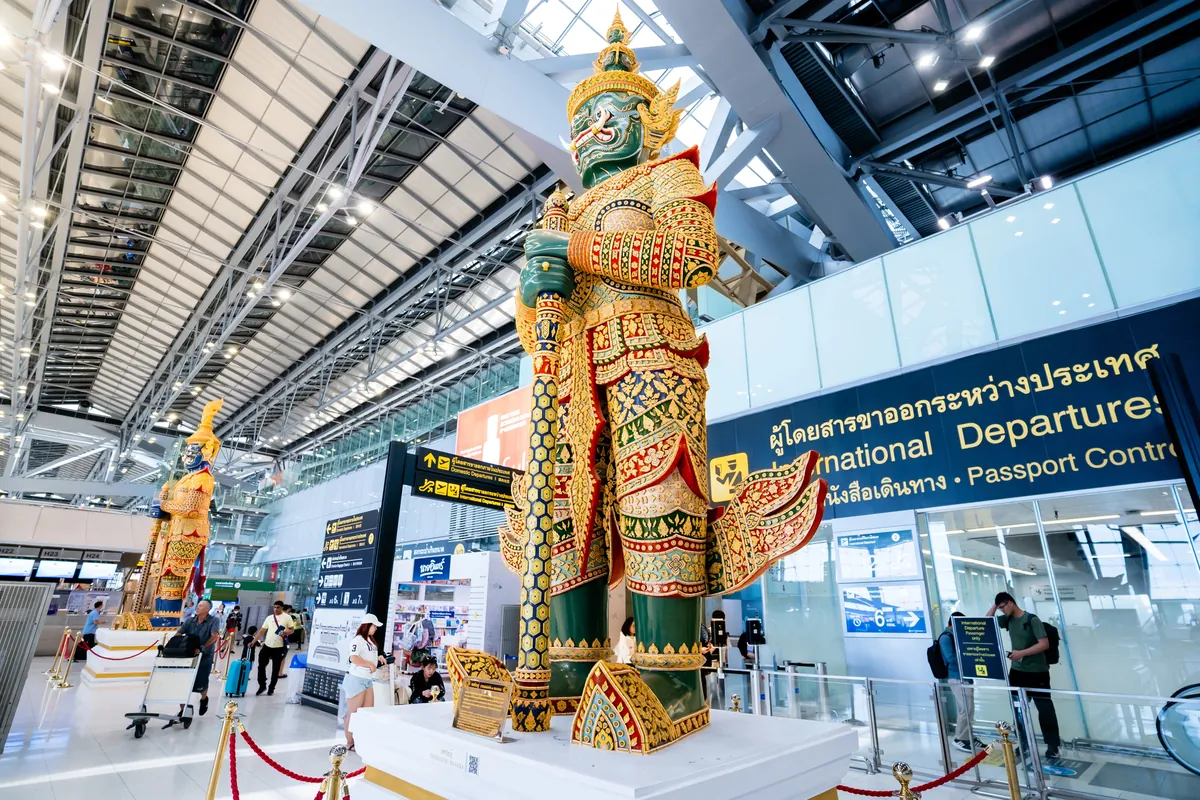
Thailand cut its visa exemption from 60 days to 30 days on 15 September 2026, and narrowed the list of countries that get it. The UK stayed on the list. Both the FCDO and the London embassy say the exemption is for tourism only.
What the officer at Suvarnabhumi or Phuket can ask for, according to the London embassy:
- Proof of onward travel leaving Thailand within 30 days of arrival. A flight home or a ticket to another country both count
- Proof of accommodation, such as a hotel booking
- Proof of funds of 20,000 THB per person, at the officer’s discretion. They can also interview you
The FCDO’s figure for funds is lower, 10,000 THB per person or 20,000 THB per family, and it warns that British nationals have been refused entry for not having the evidence. The two official sources disagree, so plan for the London embassy’s higher number. A recent bank statement or card plus some cash covers most situations; nobody can promise which form a particular officer will accept.
Watch out: the onward ticket matters most if you fly out on a one-way ticket. Airlines can ask for it at check-in in the UK as well as immigration on arrival. A return flight inside 30 days, or a booked flight on to Bali or Hanoi, settles it. A one-way ticket and “I’ll decide later” doesn’t.
Land borders: visa-exempt visitors can only enter through land border checkpoints twice per calendar year. The FCDO notes the limit doesn’t generally apply to arrivals by air. If your trip loops overland through Laos or Malaysia and back, count your crossings.
Visa on arrival isn’t for British travellers. Since 15 September 2026 Thailand’s visa on arrival covers only Azerbaijan, Belarus and Serbia. With a UK passport you either enter visa-exempt or arrive with a visa already issued.
Who can’t use the exemption: holders of UK-issued travel documents rather than passports, such as refugee travel documents or emergency travel documents, must get a Thai visa before travelling, according to the London embassy.
If you entered Thailand before 15 September 2026 on the old 60-day exemption, the FCDO says you can usually stay for the period you were given on arrival.
Extending a 30-day stay in Thailand
You can ask for one extension of up to 30 days at a Thai immigration office, which takes a visa-exempt stay to about 60 days. The fee for an extension of temporary stay is 1,900 THB, according to the Immigration Bureau’s published fees. Apply before your permitted stay runs out, at the immigration office that covers where you’re staying, and bring your passport, a passport photo and form TM.7.
The extension is at the officer’s discretion. It’s a sensible plan B if you fall for Chiang Mai and want another fortnight. As plan A for a seven-week trip, it’s riskier than a tourist visa sorted at home, and queuing at an immigration office costs you half a day of holiday.
The Thai tourist visa from the UK (£30)
Planning more than 30 days from the start? The tourist visa (TR) gives up to 60 days from the date you enter, and can be extended once by 30 days in Thailand, for a maximum of 90 days. You apply online at thaievisa.go.th, the government e-visa portal. The London embassy says physical applications are no longer accepted.
| Single-entry tourist visa | Multiple-entry tourist visa | |
|---|---|---|
| Embassy fee | £30 | £150 |
| Must be used within | 3 months of issue | 6 months of issue |
| Stay per entry | Up to 60 days | Up to 60 days |
| Bank balance shown | At least £700 | Higher; the embassy lists up to £5,000 |
| Fee refundable? | No | No |
Documents the London embassy asks for with a single-entry tourist visa:
- Your passport’s photo page
- A photo taken within the last six months that looks like you now
- Proof of your current UK address, such as a utility bill from the last three months or a valid UK or Irish driving licence
- Flight bookings showing your name, every flight from the UK to Thailand, and your onward ticket out
- Accommodation bookings in Thailand, or an invitation letter if you’re staying with family or friends
- Bank statements for the last three months, issued in the UK, Ireland or a British Overseas Territory, in your name and showing your address
Applicants who live in the UK but aren’t British or Irish nationals also need proof of their UK immigration status, such as a UK eVisa, and the embassy may ask them for proof of employment.
Timing: the London embassy quotes about 15 working days, longer if it asks for more documents or an interview, and says some cases take four to six weeks. Apply six to eight weeks before you fly. The earliest you can apply is 90 days before arrival, and the visa must then be used within three months of being issued.
Insider Tip: you don’t need an agency. Agencies rank high for “Thailand visa UK” searches and charge a service fee on top of the embassy’s £30, for the same online form on thaievisa.go.th. The documents above are what an agency would ask you for anyway.
The Thailand Digital Arrival Card
Whatever your visa status, every British visitor submits the free TDAC at tdac.immigration.go.th within three days before arrival, counting the day you land. It’s one card per person, per entry, including children. On an overnight flight from London, use the date you arrive in Thailand, not the date you leave Heathrow. Our step-by-step TDAC guide goes through every screen of the form.
Overstaying and other rules that catch British travellers
Overstay. The FCDO says the fine is 500 THB per day, up to 20,000 THB, and that overstayers can be detained, deported at their own expense and banned from re-entering Thailand for up to 10 years. Check the date stamped in your passport on arrival: that’s your last legal day, and the counting is done by immigration, not by your return ticket.
Dual nationals. The FCDO advises leaving Thailand on the same passport you used to enter it. You’ll still need your British passport (or a certificate of entitlement) to get back into the UK.
Business trips. The visa exemption doesn’t cover business activity, conferences or meetings, per the FCDO. Getting that wrong is a visa problem, not a paperwork technicality, so apply for the right visa before you fly.
Passport condition. Six months’ validity after arrival and one blank page are the FCDO’s requirements. Count the six months from the day you land, not the day you book.
Before you fly from the UK: checklist
| Item | Detail |
|---|---|
| Passport | Six months’ validity after arrival, at least one blank page |
| Visa decision | Up to 30 days: none. Longer: tourist visa or plan an extension |
| TDAC | Free at tdac.immigration.go.th, within three days before arrival |
| Onward ticket | Leaving Thailand within your permitted stay |
| Accommodation | Booking confirmation with the full address (you’ll need it for the TDAC) |
| Funds | Evidence of at least 20,000 THB per person |
| Travel insurance | Not on the embassy’s list for visa-exempt entry, but a hospital stay in Thailand is expensive without it. Compare options in our Thailand travel insurance guide |
Still choosing flights? Our UK to Thailand flights guide compares routes and airlines from UK airports, and the Bangkok airport arrival guide picks up the moment you clear immigration.