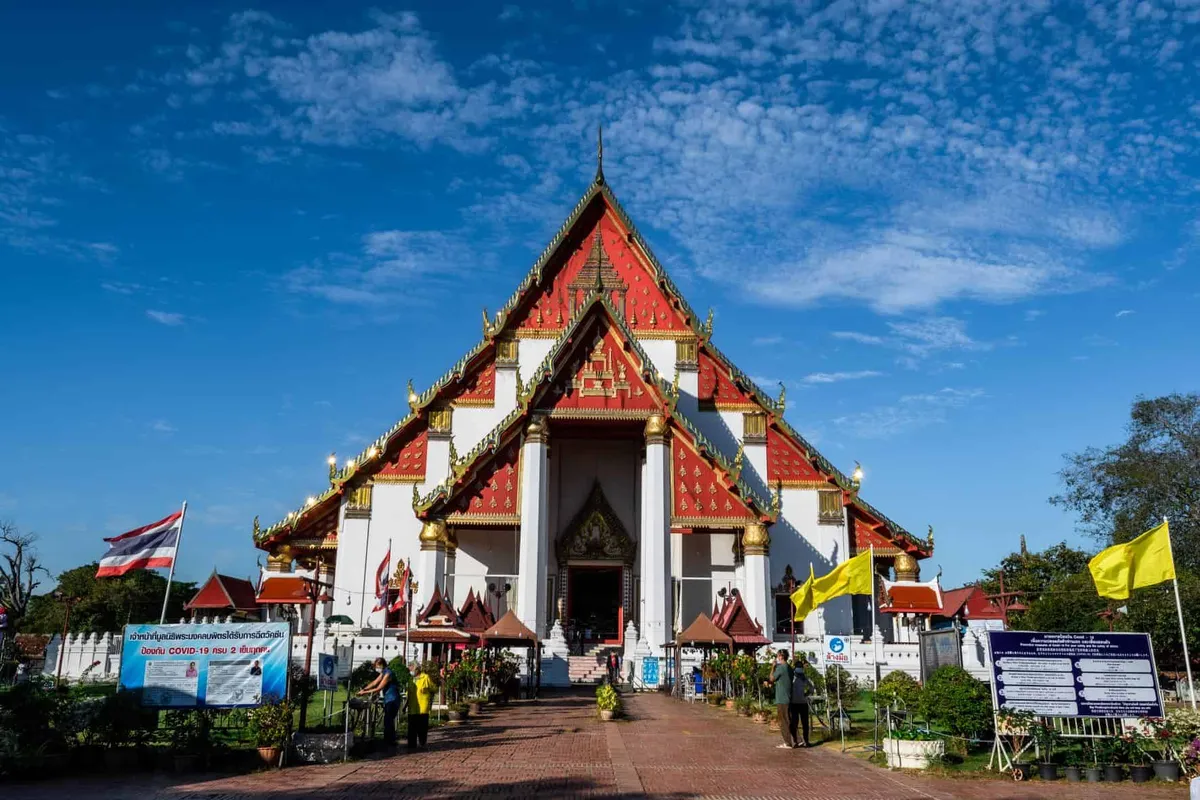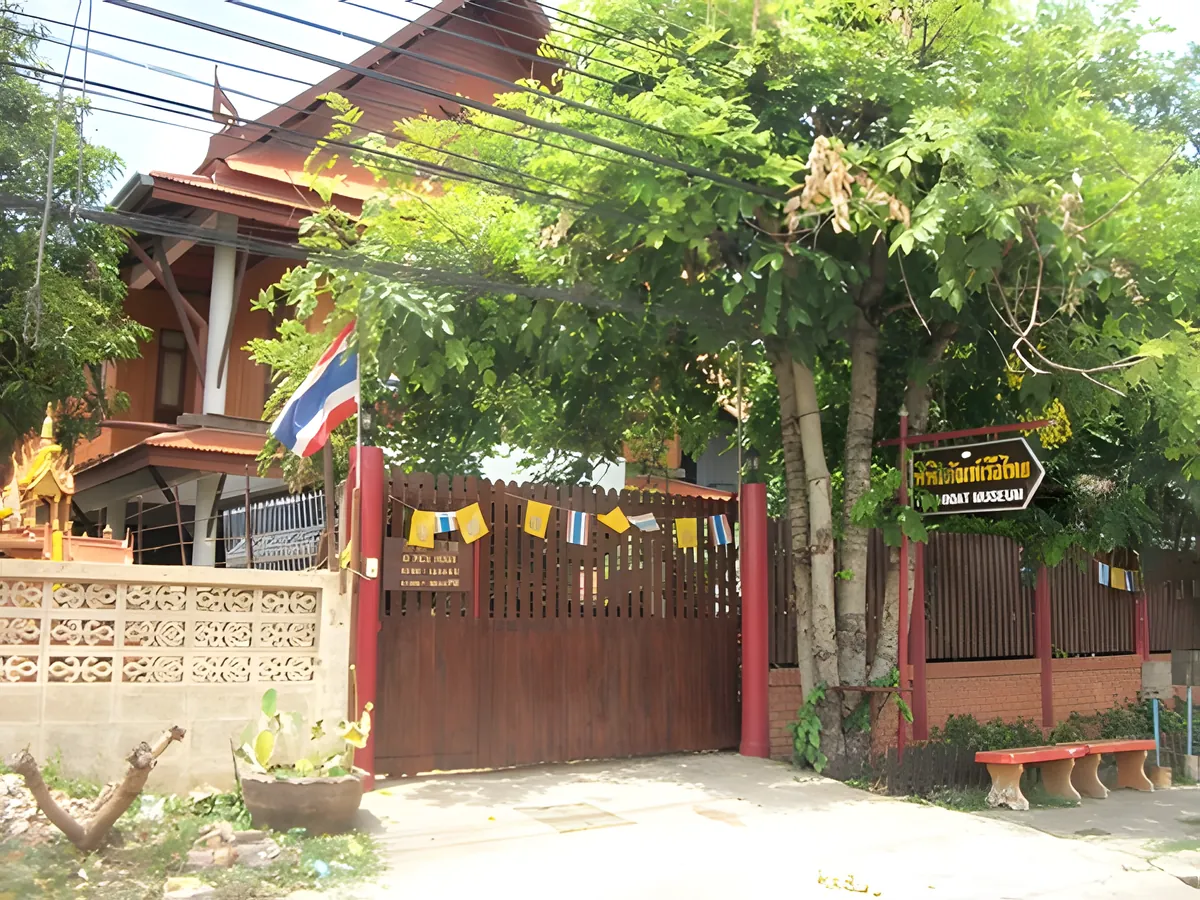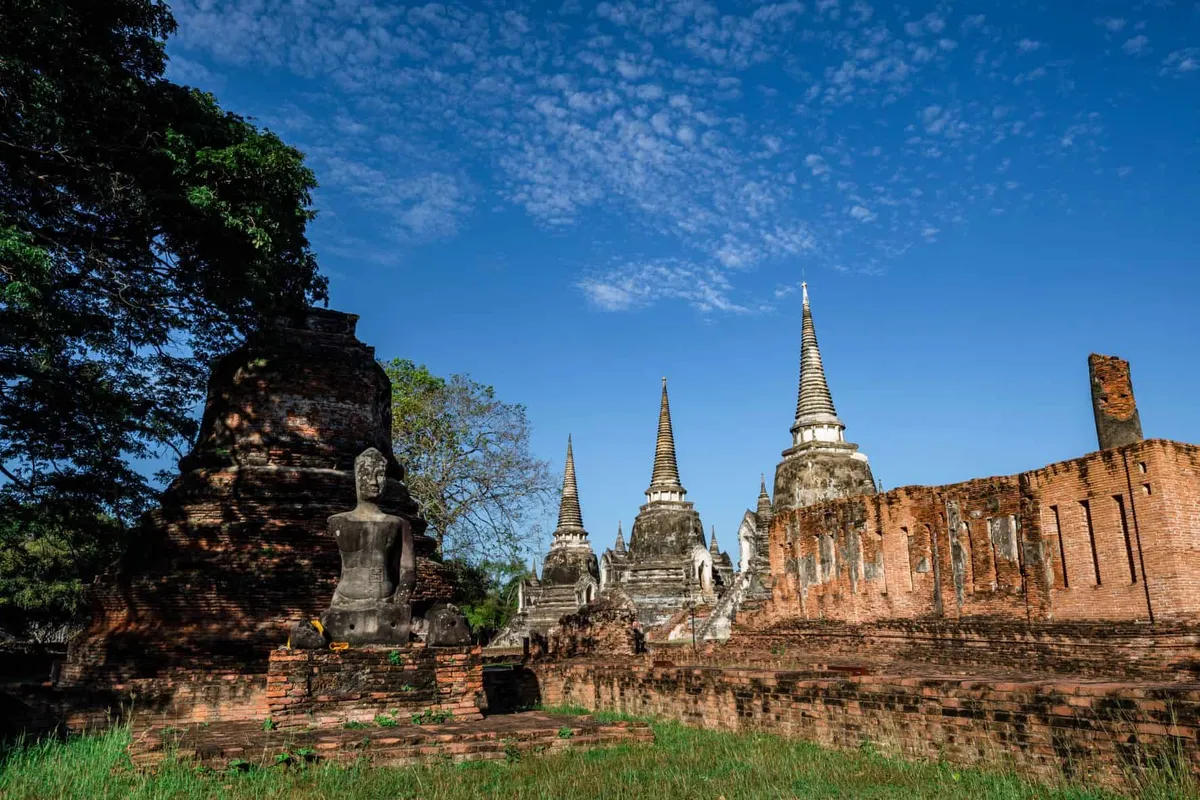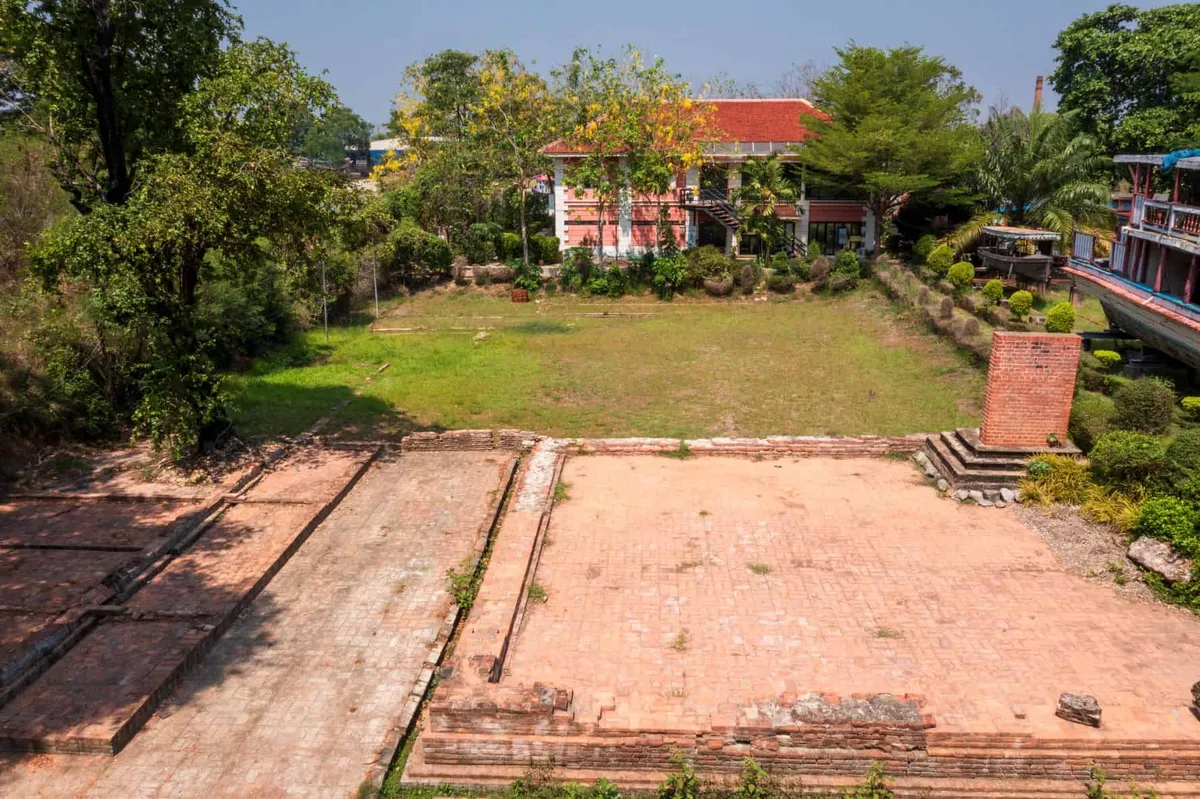


Ayutthaya Historical Study Centre
ศูนย์ศึกษาประวัติศาสตร์อยุธยา
The Ayutthaya Historical Study Centre opened in 1987, funded by Japan to mark the centenary of formal Thai-Japanese diplomatic relations, and built with Thai and Japanese scholars working together on the research. That collaboration shows in how the museum presents its material: rather than glass cases of pottery shards, it uses large-scale models, reconstructed street scenes, and multimedia displays to walk you through Ayutthaya’s role as the region’s dominant trading power between the 14th and 18th centuries. The main building sits near Phra Nakhon Si Ayutthaya Rajabhat University; a second building, on the grounds of the Japanese Village at Ko Rian, covers the foreign merchant communities that lived in the city.
Five themed sections make up the main exhibition: Ayutthaya as royal capital, as an international seaport, as the seat of political and administrative power, its foreign relations, and the daily life of ordinary residents. The seaport section is the strongest — Ayutthaya was, at its 17th-century peak, one of Asia’s busiest ports, trading with Dutch, Portuguese, Japanese, Chinese, Persian, and French merchants simultaneously, and the centre reconstructs that multinational waterfront in miniature rather than just describing it in a wall panel.
Insider Tip: Come here before, not after, walking the main temple ruins at Wat Mahathat or Wat Phra Si Sanphet. The context on trade routes, court hierarchy, and daily life makes the ruins themselves considerably more legible — you’re no longer just looking at brick foundations, you know what stood on top of them and who lived there.
Watch out: Much of the object-level detail is in Thai only, though the model displays and dioramas communicate the story visually even without reading every caption. If you want deep historical context, budget extra time or bring an audio guide/app rather than expecting comprehensive English signage throughout.
Admission is 100 THB for foreign adults, 50 THB for foreign children, and 20 THB for Thai nationals (free for Thai students in uniform). The centre is open daily from 09:00 to 16:30, extending to 17:00 on public holidays. Behind the main building, a statue of King Chulalongkorn and a planetarium building (open Tuesday to Sunday, two lecture sessions a day, separate small admission) round out the grounds.
- Entry fee: 100 THB foreign adult / 50 THB foreign child; 20 THB Thai (free for uniformed students)
- Hours: Daily 09:00-16:30 (17:00 on public holidays)
- Origin: Opened 1987, Japan-funded, marking the centenary of Thai-Japanese relations
- Layout: Main building near Rajabhat University; second building at the Japanese Village, Ko Rian
- On the grounds: King Chulalongkorn statue and a planetarium (separate admission)
Location & Directions
Phra Nakhon Si Ayutthaya, Phra Nakhon Si Ayutthaya
Ayutthaya, Thailand
Show your taxi or Grab driver
ศูนย์ศึกษาประวัติศาสตร์อยุธยา
Frequently Asked Questions
Why was this museum built by Japan rather than Thailand alone?
How much does it cost to get in?
What are the five exhibition themes?
Is this the same as the Ayutthaya Historical Park or Chao Sam Phraya museum?
Is there anything else on the grounds?
Spotted something out of date or incorrect? Let us know
Popular tours in Ayutthaya




Stay Near Ayutthaya Historical Study Centre
Live prices for places closest to Ayutthaya Historical Study Centre — tap a pin to compare.