






Tha Ma-O Village
ชุมชนท่ามะโอ
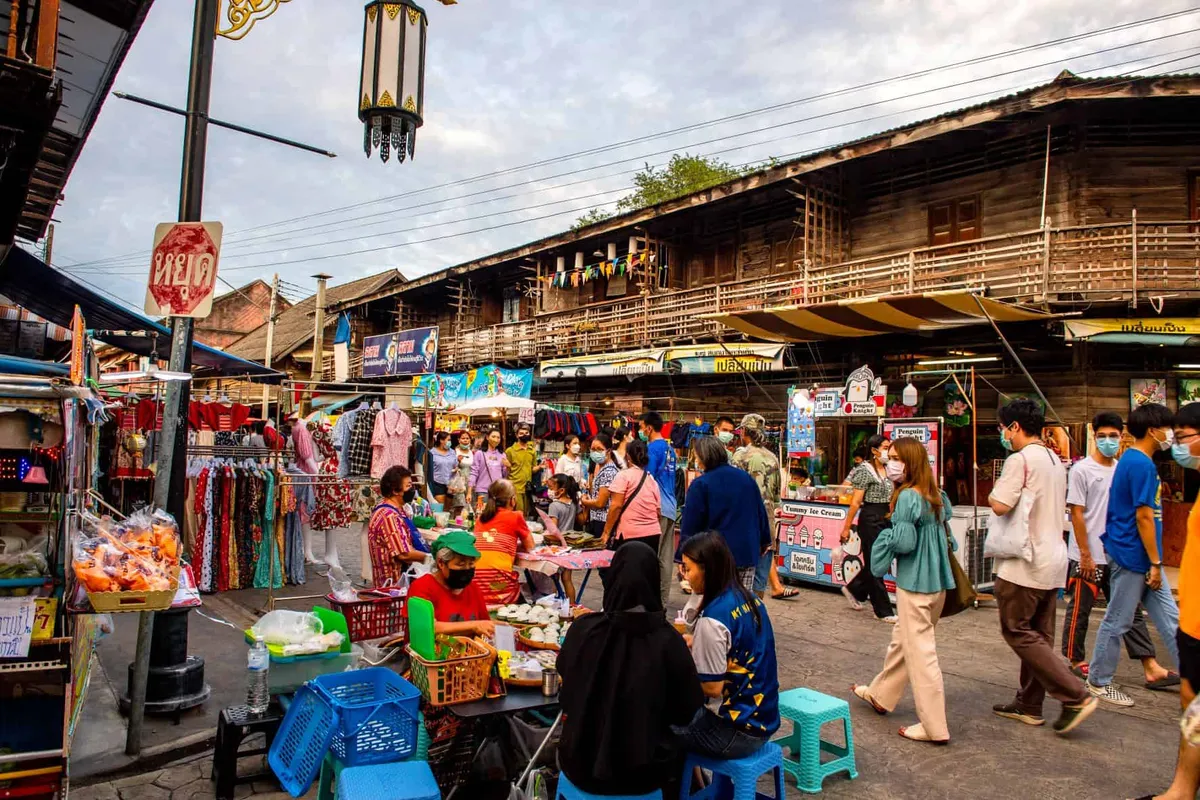
Tha Ma-O is a genuinely old riverside neighbourhood on the north bank of the Wang River in Lampang’s Wiang Nuea subdistrict, not a staged cultural village. It’s named after the pomelo trees (“ma-o”) that grew along this stretch of the bank when the area was a hub for Lampang’s teak-logging trade, home to a mix of Thai Yai, Burmese, Chinese, and European timber merchants.
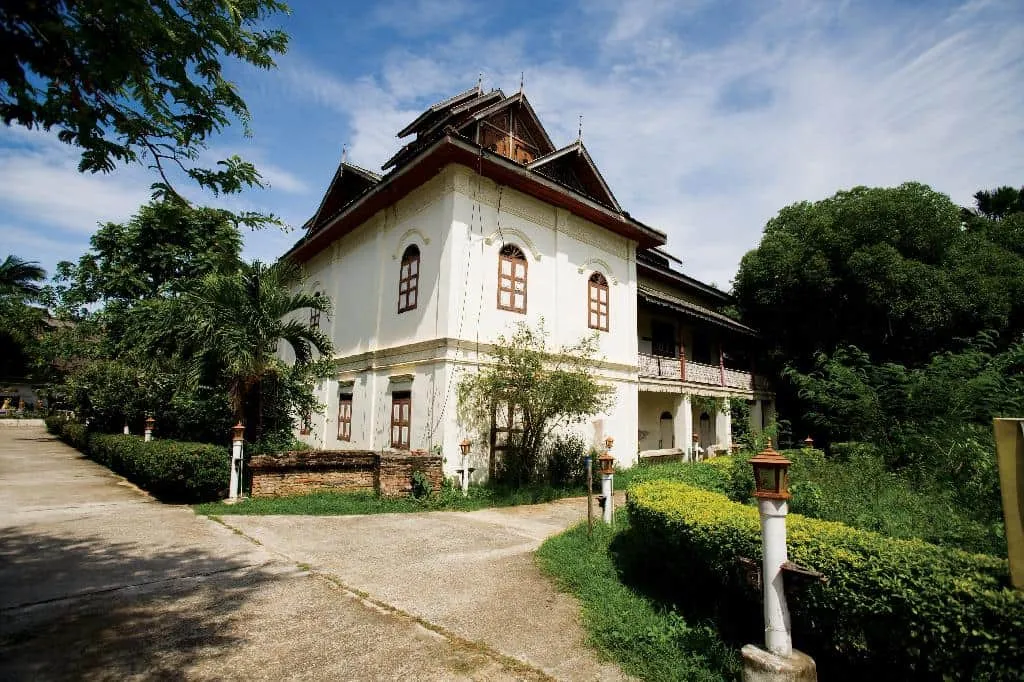
That trading-era wealth is why so many well-built teak houses have survived here. The best known is Ban Sao Nak, the “House of Many Pillars,” raised on around 116 carved teak posts and now a museum in its own right a short walk from the rest of the neighbourhood. Century-old European-influenced buildings sit alongside it, including former timber-concession offices, evidence of how much of Lampang’s colonial-era commerce ran through this one stretch of riverbank.
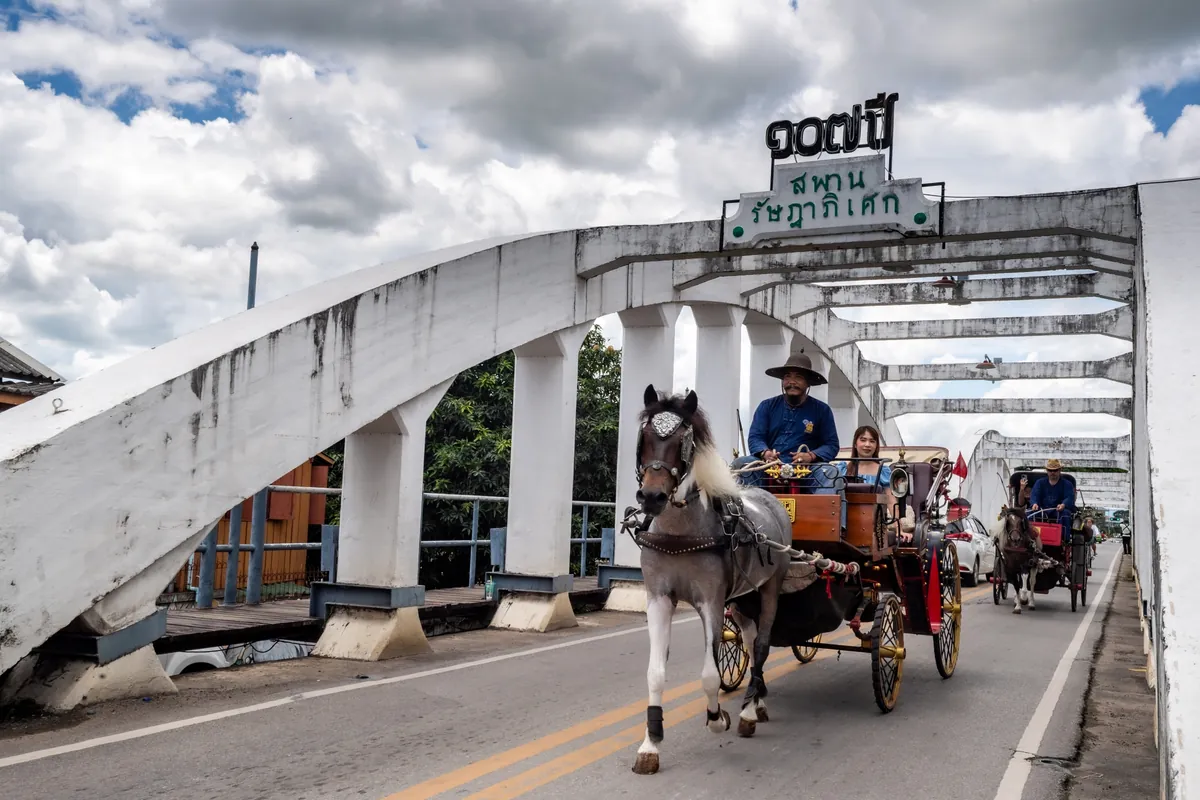
Tha Ma-O also connects to Lampang’s identity as Thailand’s “horse-carriage city.” Baan Ma Tha Nam, a small horse-care learning space in the neighbourhood, lets visitors watch (and sometimes help with) the daily routine of bathing, grooming, and shoeing the horses used in the city’s carriage trade, a more hands-on angle on the tradition than simply riding one of the carriages downtown. On weekends and public holidays, a community-run heritage tram (50 THB adults, 20 THB children, departures at 09:00 and 13:00) loops through the neighbourhood past its temples and old houses, with local guides pointing out what you’re looking at.
Insider Tip: Walking the streets yourself costs nothing and works any day of the week. Save the paid tram tour for a weekend visit, when it actually runs and the local guides are on hand.
Watch out: Turn up on a weekday expecting the tram or a fully staffed visitor experience and you’ll find a quiet residential neighbourhood instead: the organised tour side of Tha Ma-O is a Saturday-Sunday-holiday operation, not a daily one.
The neighbourhood is an easy stop paired with Ban Sao Nak itself, Wat Pratu Pong in the same subdistrict, or the antique shophouses of Kat Kong Ta a little further along the river.
- Location: Wiang Nuea subdistrict, north bank of the Wang River, Lampang
- Cost to walk around: Free
- Heritage tram: Sat–Sun and public holidays, 09:00 and 13:00, 50 THB adults / 20 THB children
- Signature building: Ban Sao Nak, the 116-post teak “House of Many Pillars”
- Horse-care visit: Baan Ma Tha Nam, tied to Lampang’s horse-carriage tradition
Location & Directions
Mueang Lampang, Lampang
Lampang, Thailand
Show your taxi or Grab driver
ชุมชนท่ามะโอ
Frequently Asked Questions
What's the connection between Tha Ma-O and horse carriages?
Is it free to walk around the neighbourhood?
What about the heritage tram tour? Is that free too?
What's the most famous building here?
How did the neighbourhood get its name?
Spotted something out of date or incorrect? Let us know
Popular tours in Lampang


Stay Near Tha Ma-O Village
Live prices for places closest to Tha Ma-O Village: tap a pin to compare.