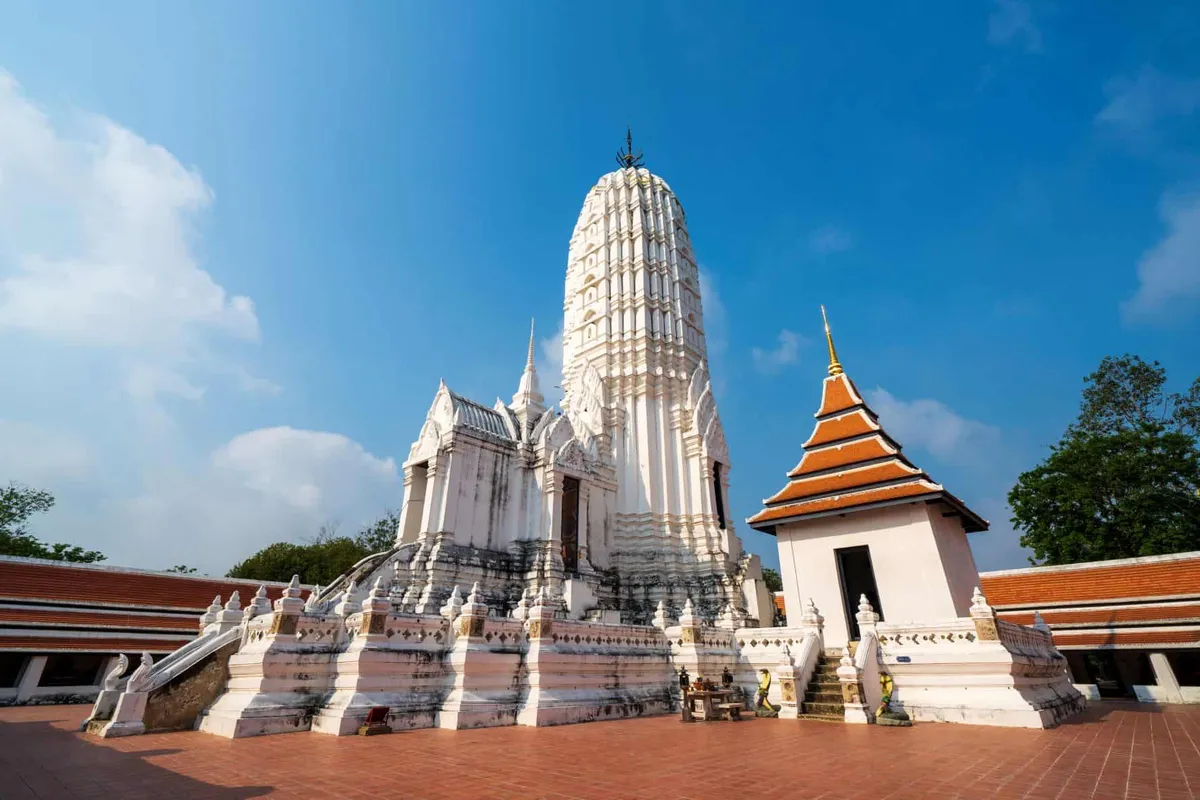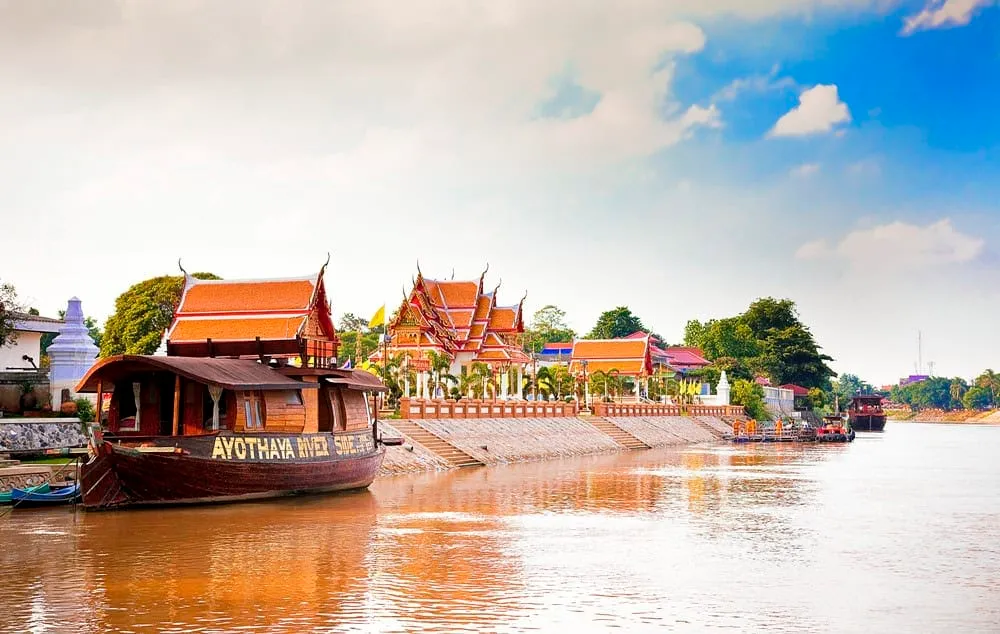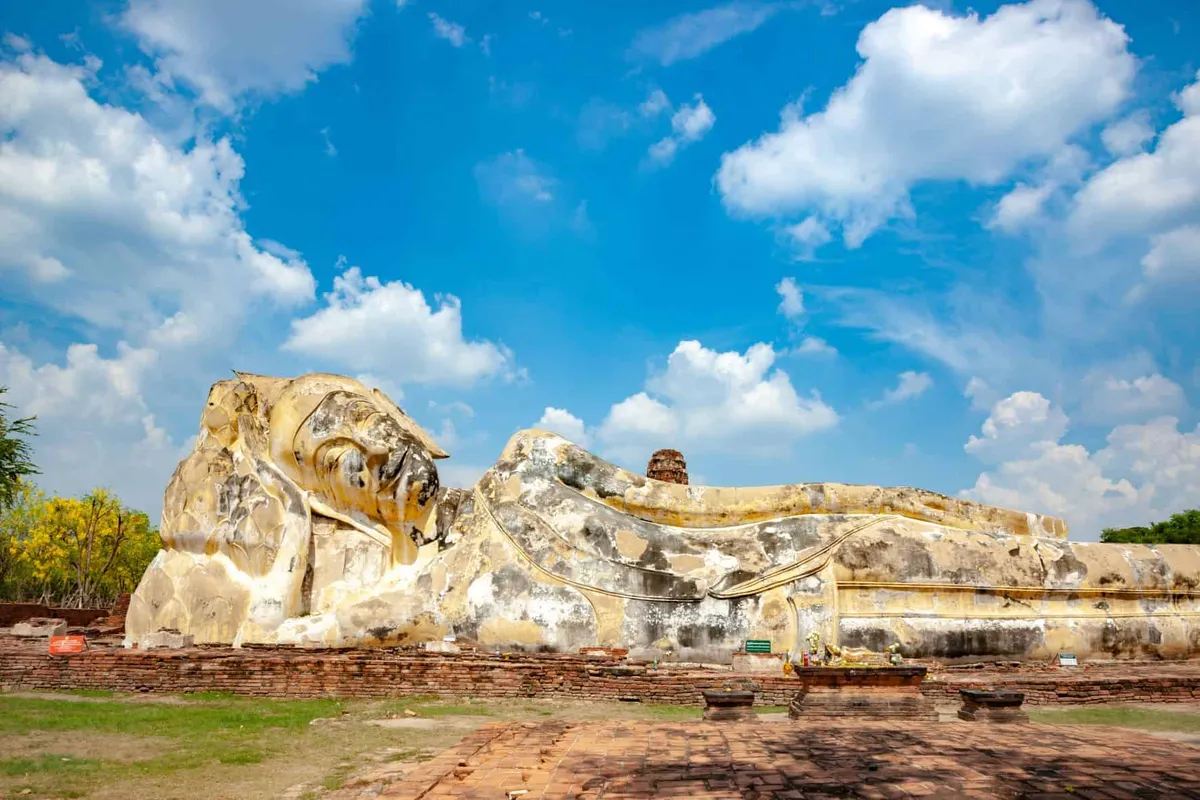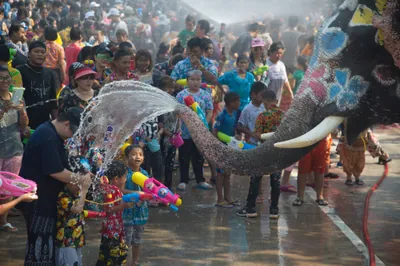





Wat Chang Yai stands in Bang Sai district, on the Chao Phraya’s west bank away from Ayutthaya’s main cluster of ruins — a working temple with a name that comes from elephants rather than the Burmese sack of the city most other “Wat Chang” sites reference. Entry is free, and there’s no fixed visiting-hours gate; it functions as an active monastery with a resident abbot and around a dozen monks.
The temple has changed names twice. It began as Wat Sao Thong Hin, for an old stone flagpole once standing on the grounds, then became Wat Chang Choei — “resting elephant temple” — before settling on Wat Chang Yai once the site was known for an elephant kraal and a resident herd of wild elephants nearby. That elephant connection runs deeper than the name: Mon communities with a long tradition of training war elephants for the Ayutthaya court built the temple, tied to Chao Phraya Chai Yanuphap, the elephant that carried King Naresuan in his celebrated 1592 duel with the Burmese crown prince. The temple received royal sema boundary stones in 1817, formalising its status as a full ordination site.
Insider Tip: The eight stucco Buddha images inside the vihara, in the Mara-subduing posture, are the real reason to detour here — estimated at over 600 years old, with the red-painted lips typical of Mon-Burmese craftsmanship, they predate most of the temple’s other structures.
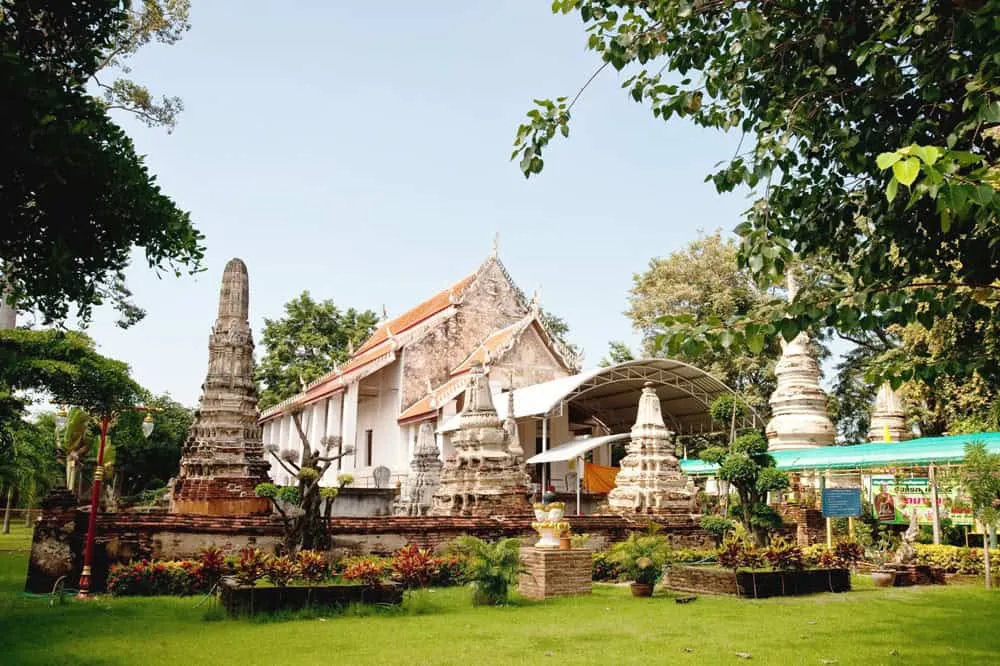
The current ordination hall is a modest brick building, roughly 4 by 15 metres, with wooden pillars and a terracotta-tiled roof in late-Ayutthaya style — nothing like the towering prangs at the city’s headline sites, and closer in scale to a village monastery. Small brick chedis are scattered around the compound rather than concentrated into one dramatic ruin field. The atmosphere reflects that: quiet, lived-in, with the sound of an active kitchen or a motorbike passing on the lane more often than a tour guide’s commentary.
Because it sits well outside the historical park, Wat Chang Yai rarely appears on a same-day temple-hopping list. It pairs more naturally with the Bang Sai Arts and Crafts Centre nearby, or as a stop en route to the Elephant Kraal Pavilion back toward the city, given the shared elephant history. Wear comfortable shoes for the uneven ground around the older brick sections, and expect to remove them before entering the vihara.
- Entry fee: Free
- Status: Active temple with resident monks (not a ruin site)
- Oldest feature: Eight ~600-year-old stucco Buddha images in the vihara
- Location: Bang Sai district, Ayutthaya — outside the main historical park
- Nearby: Bang Sai Arts and Crafts Centre, Elephant Kraal Pavilion
Location & Directions
Bang Sai, Phra Nakhon Si Ayutthaya
Ayutthaya, Thailand
Show your taxi or Grab driver
วัดช้างใหญ่
Frequently Asked Questions
Why is it called Wat Chang Yai ("Big Elephant Temple")?
Is Wat Chang Yai still an active temple, or is it a ruin?
What's the connection to Ayutthaya's war elephants?
What's the oldest thing to see there?
How do I get there from central Ayutthaya?
Spotted something out of date or incorrect? Let us know
Popular tours in Ayutthaya




Stay Near Wat Chang Yai
Live prices for places closest to Wat Chang Yai — tap a pin to compare.