




Wat Khlong Thom Museum
พิพิธภัณฑสถานวัดคลองท่อม
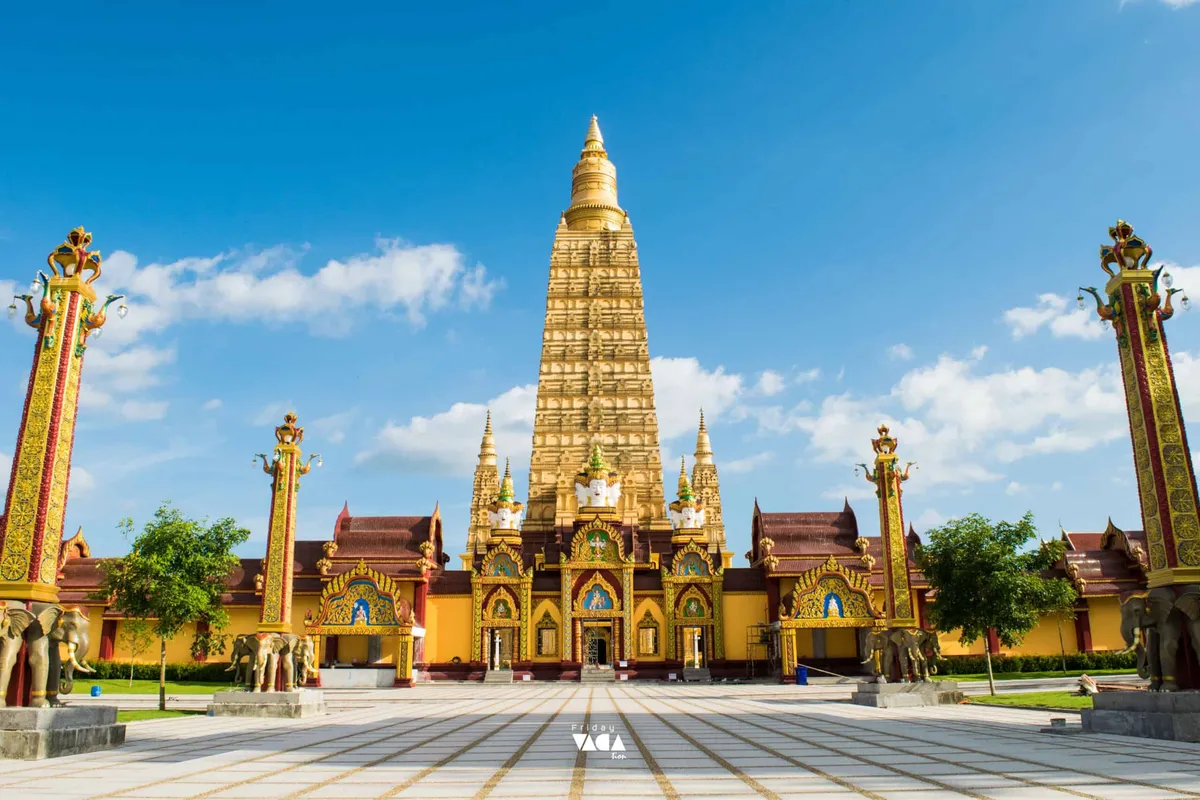
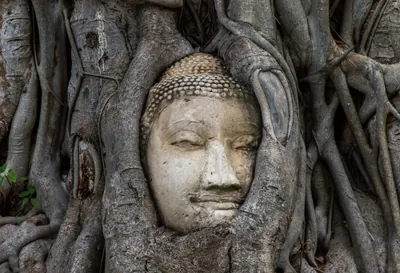
Wat Khlong Thom Museum sits on the Krabi mainland, not on Koh Jum island as some older listings suggest — it’s on Phetkasem Highway around the km 69-71 marker in Khlong Thom district, about 1 km from the district office and roughly 20 km from Koh Jum’s shoreline as the crow flies. The museum occupies a modest building within the grounds of Wat Khlong Thom, built to house artifacts dug from Khuan Luk Pat, the ‘bead mound’ rising behind the temple.
The story behind the collection starts with Phra Khru Athon Sangworakit, a local abbot who began gathering and displaying objects unearthed from the mound; the museum was later opened officially with HRH Princess Maha Chakri Sirindhorn presiding. What’s on display now includes stone and bronze tools, pottery fragments, animal-shaped ceramic ornaments, and — the collection’s real draw — beads. Many carry Pallava script inscriptions dated to roughly the 6th to 8th centuries AD, and the museum also holds Greek and Roman coins alongside Indian and Chinese pieces, physical evidence that this small stretch of coast sat on a working trade route between the Mediterranean, India and China more than a thousand years ago.
That route existed for a practical reason: ships avoided crossing the Strait of Malacca during the monsoon by hauling cargo overland across the narrow Kra Isthmus instead, from Khlong Thom on the Andaman side to the old town near present-day Nakhon Si Thammarat on the Gulf side, before continuing by sea toward China. Khuan Luk Pat is thought to have been one of the busiest bead-working and trading points along that crossing, which is why a rural temple compound holds artifacts more commonly associated with major archaeological sites.
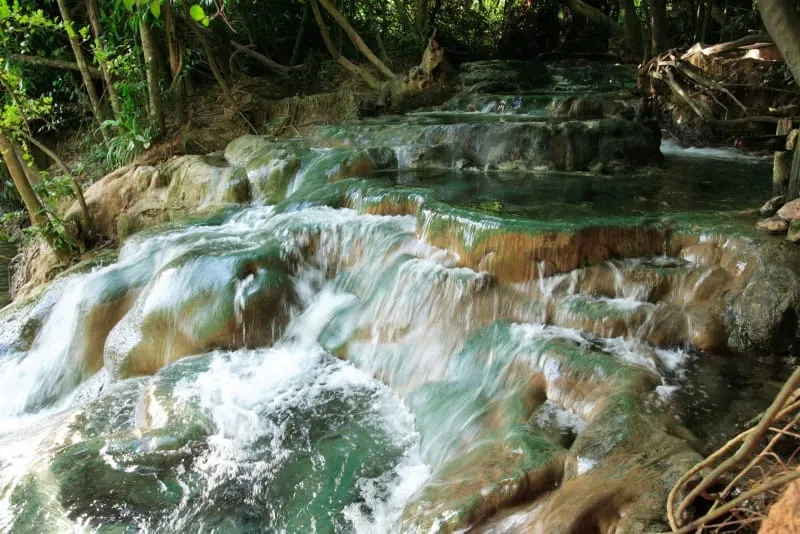
Insider Tip: The collection is small enough to see properly in under an hour, so it works well as a stop on the way to or from the Namtok Ron Khlong Thom hot springs waterfall a few minutes down the road — both sit in the same corner of Khlong Thom district.
Watch out: this is a modest, single-building museum attached to a working temple, not a large state institution — don’t expect the scale of Bangkok’s national museums. Labels are mixed Thai and English and vary in detail from case to case.
- Location: Phetkasem Highway, km 69-71, Khlong Thom district, Krabi mainland (not Koh Jum island)
- Fee: 100 THB foreigners, 20 THB Thai nationals
- Hours: Daily 08:30-16:30
- Collection: Beads, tools, pottery, and Greek/Roman coins from the Khuan Luk Pat trade site
- Visit time: Around 45-60 minutes
The Krabi hub covers the rest of the mainland’s attractions; Namtok Ron Khlong Thom is the closest sibling stop, in the same district.
Location & Directions
218/5 Moo 2
Krabi, Thailand
Show your taxi or Grab driver
พิพิธภัณฑสถานวัดคลองท่อม
Frequently Asked Questions
Is this museum on Koh Jum island?
What is Khuan Luk Pat?
What can I see inside?
How much does it cost and when is it open?
How does this connect to ancient trade routes?
Spotted something out of date or incorrect? Let us know
Popular tours in Krabi






Stay Near Wat Khlong Thom Museum
Live prices for places closest to Wat Khlong Thom Museum — tap a pin to compare.