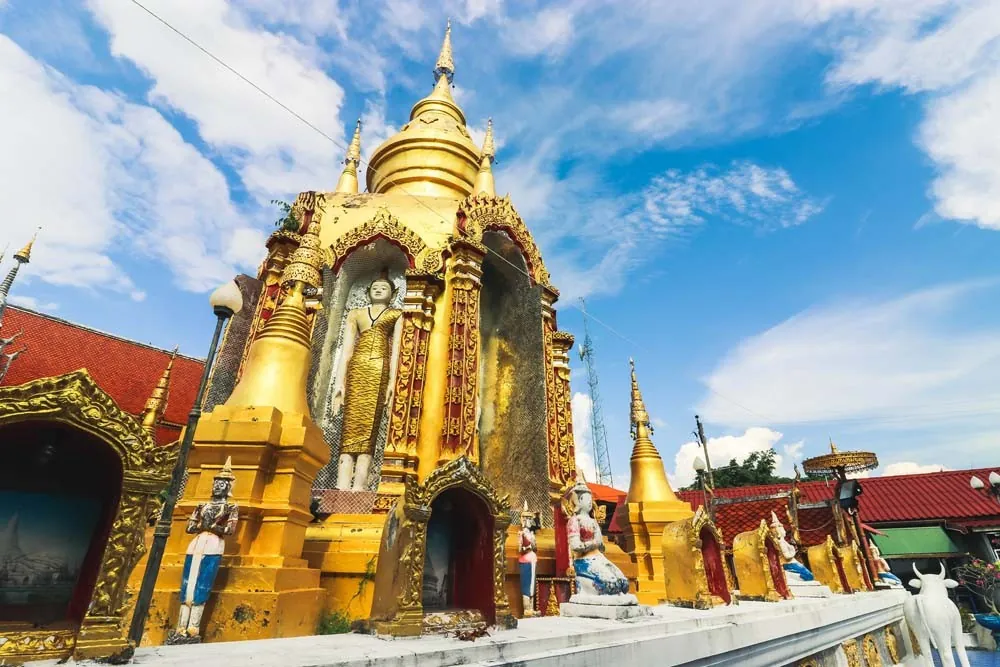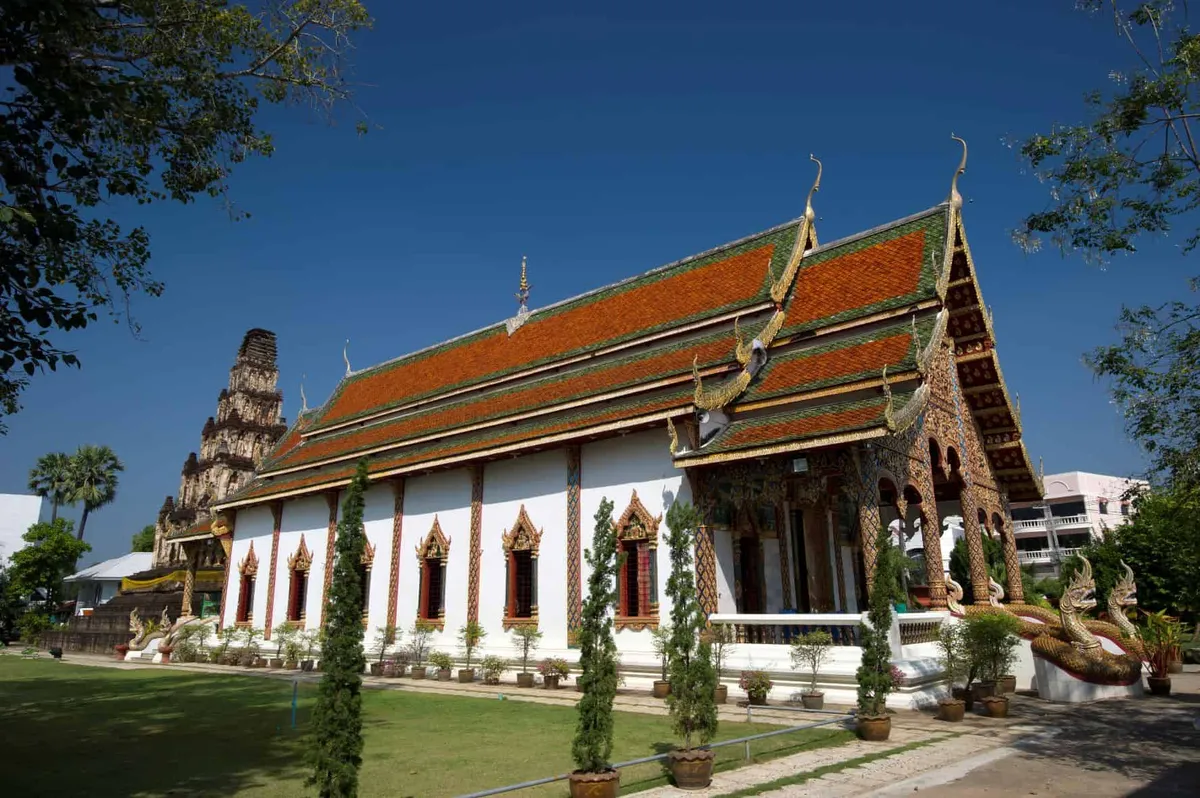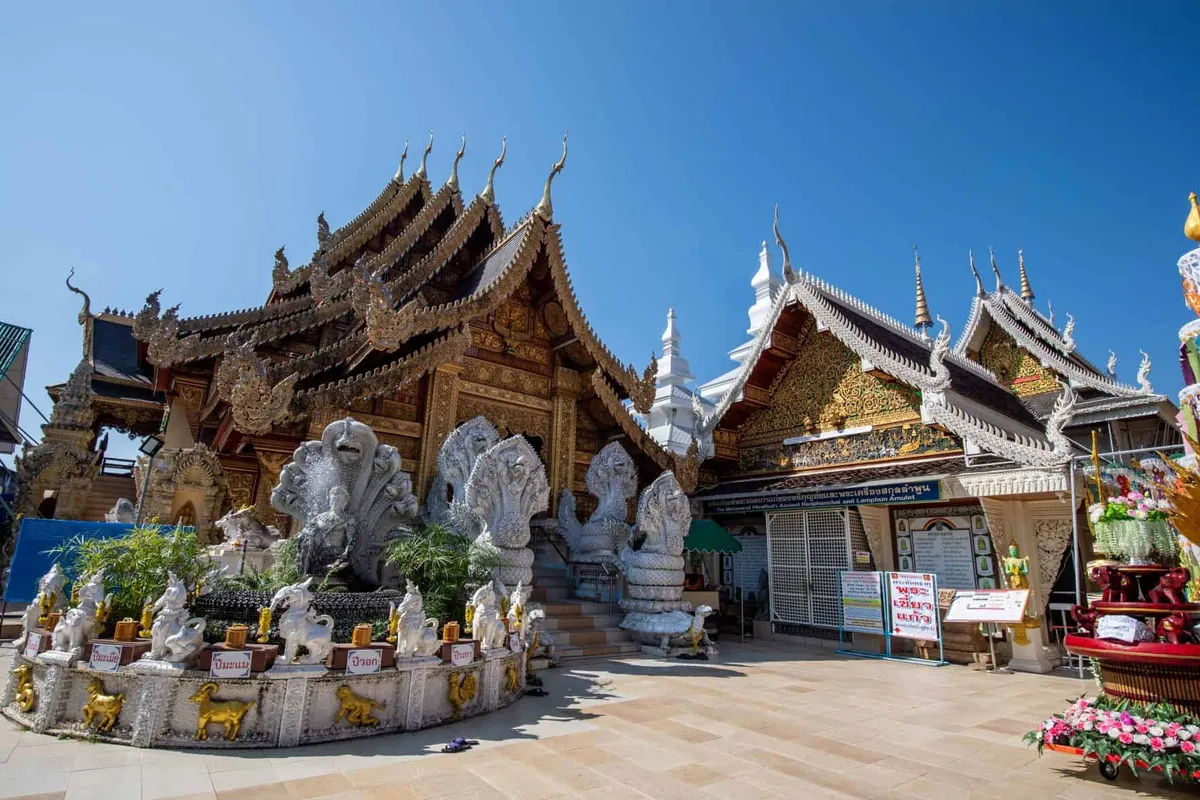





Wat Mahawan is the origin temple of the Phra Rod amulet — the oldest of Thailand’s five Benjapakee, the country’s most revered set of collectible Buddhist amulets, dated to roughly 1,300 years old. That single fact draws more visitors, particularly Thai amulet collectors, than anything about the temple’s current architecture. Entry is free, open daily 06:00-18:00, in the old town of Lamphun.
The temple itself was founded under Queen Chamadevi not long after she established the Hariphunchai Kingdom in the mid-7th century CE, making it one of the oldest continuously used religious sites in the city. Local legend credits a hermit, Ruesi Narot, who tended the temple grounds, with crafting both the original Phra Rod images and the temple’s great chedi — a merging of religious devotion and folk craft origin story that’s common to Lamphun’s oldest temples. The amulets take their name from the temple’s ancient principal Buddha image inside the ubosot, known as Phra Rod Luang, which the small clay amulets were modelled to resemble.
The amulets themselves stayed hidden until the temple’s chedi partially collapsed in 1892 (BE 2435), during King Rama V’s reign, when restoration work turned up a hoard sealed inside the structure. The chedi’s base gave way again in 1908 (BE 2451), revealing a second batch that had been placed there during the 1892 repair. Made from clay and sacred materials in a style blending Dvaravati and Srivijaya influences from the mid-Hariphunchai period, genuine Phra Rod amulets are now scarce and expensive — collectors prize the “phim yai” (large mould) type especially — and most surviving pieces sit in private hands or museum collections rather than at the temple itself.
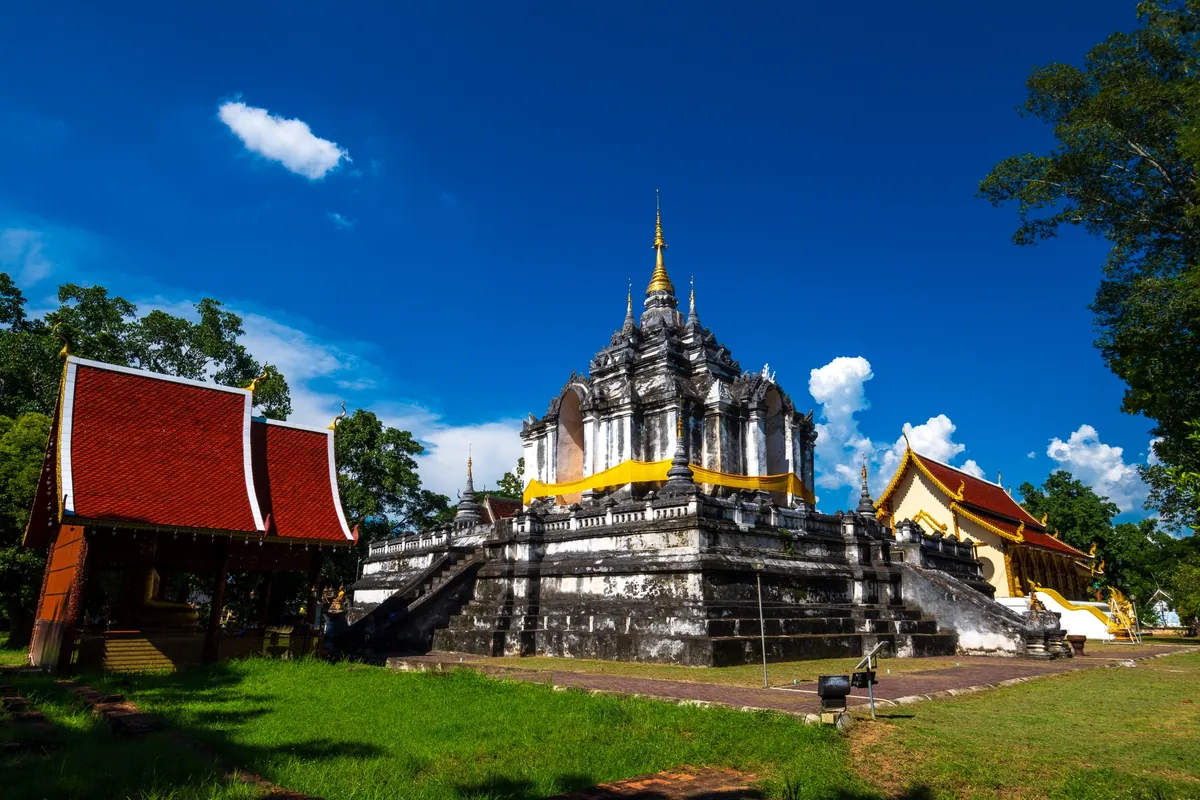
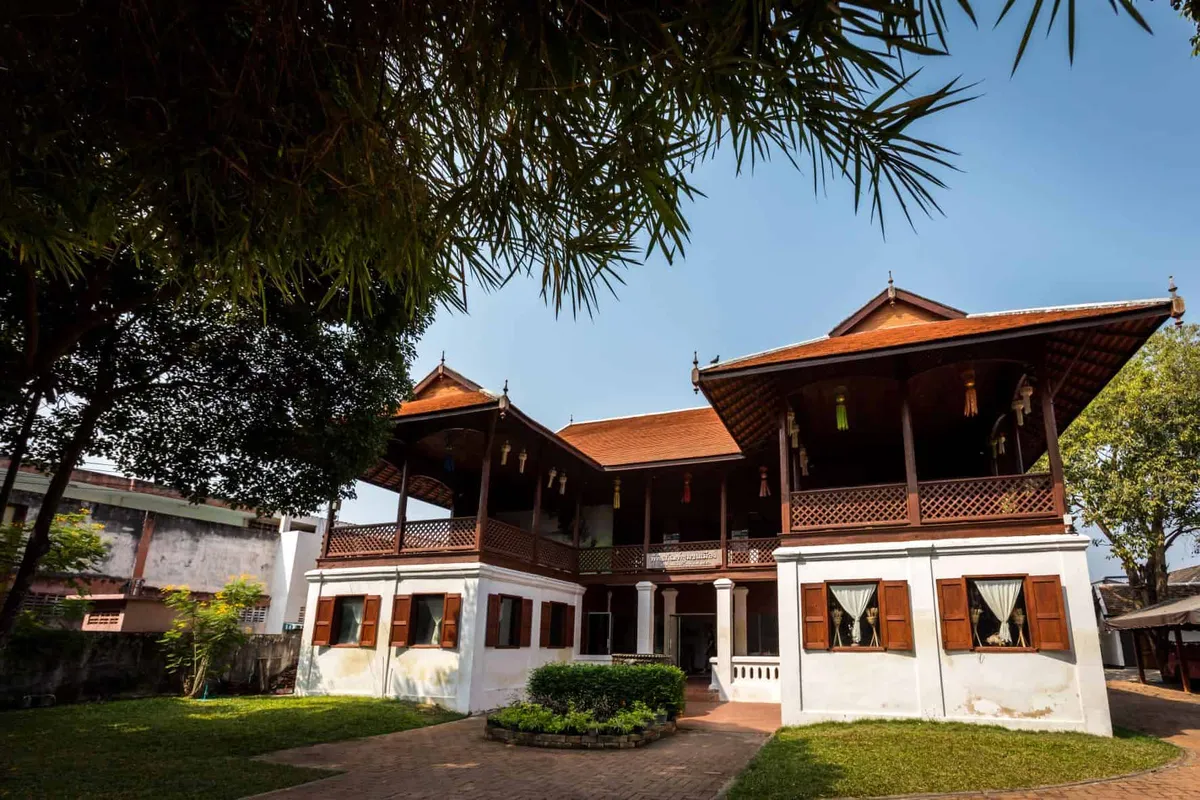
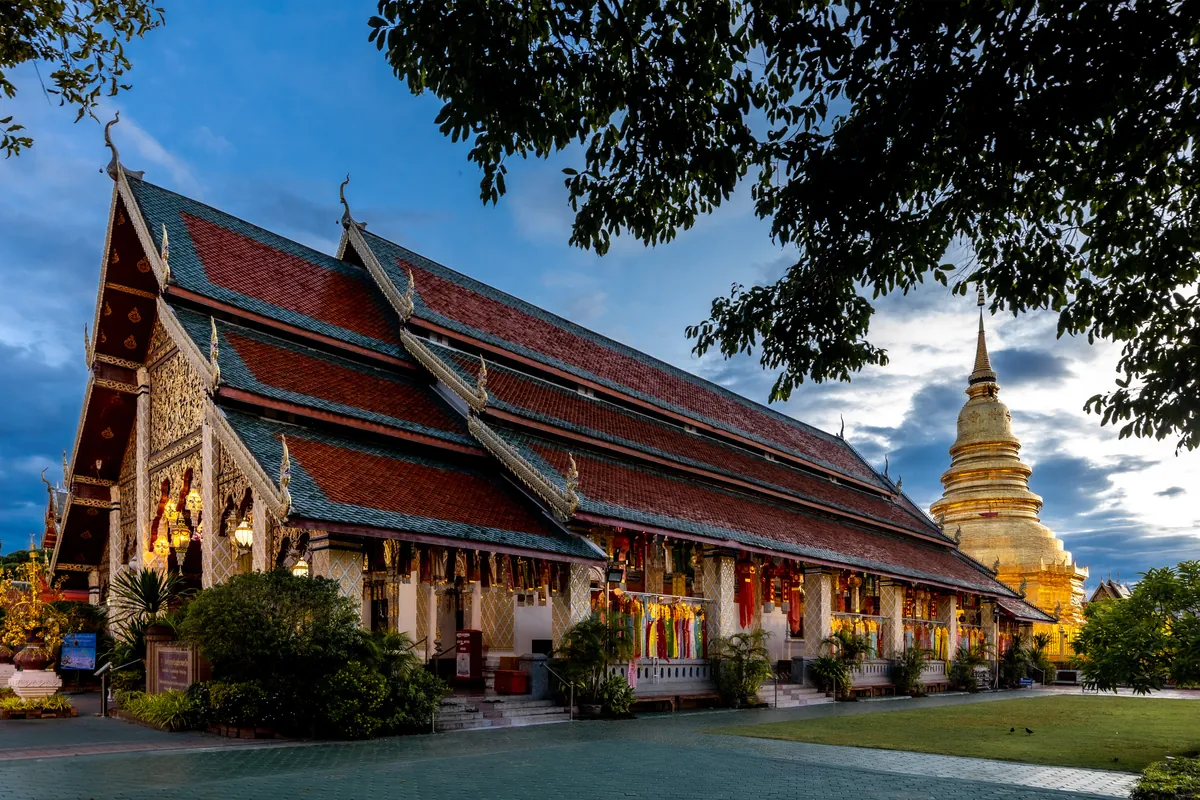
Today the grounds hold an ordination hall, vihara, sermon hall, monks’ quarters, and a bell tower around the tiered chedi, with the principal Buddha image cast in brick and mortar in Lanna style. It’s a working neighbourhood temple rather than a fenced monument — expect to see monks going about ordinary routines rather than a curated historical display.
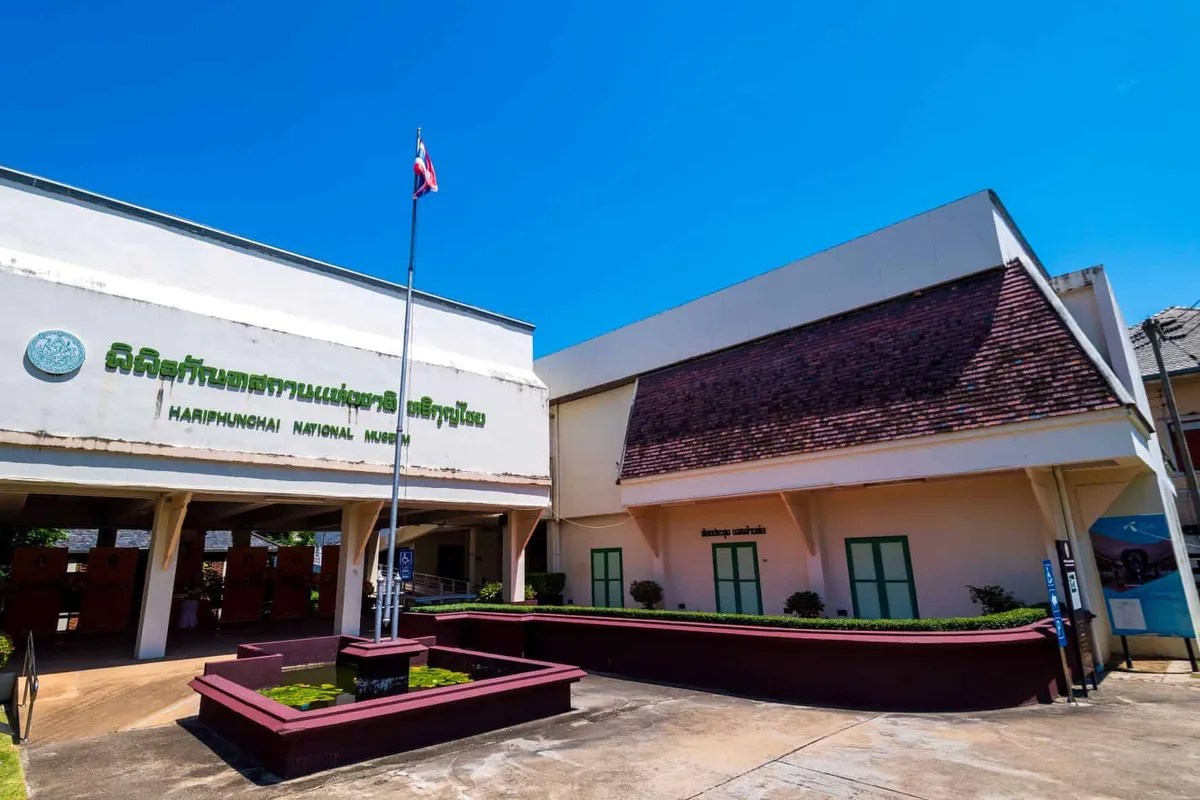
Insider Tip: Combine the visit with Wat Phra That Hariphunchai, a few minutes’ walk away and Lamphun’s grandest temple, plus Hariphunchai National Museum for Dvaravati and Mon-era artefacts from across the province — together they cover Lamphun’s full religious history arc in under half a day.
- Entry fee: Free
- Hours: Daily 06:00-18:00
- Claim to fame: Birthplace of the Phra Rod amulet, oldest of the five Benjapakee
- Founded: ~7th century CE, under Queen Chamadevi
- Amulet discoveries: 1892 and 1908, during chedi restoration
Dress modestly — covered shoulders and knees — and remove shoes before entering any building, since this remains an active place of worship. The temple sits within Lamphun’s compact old town, easily reached on foot, by bicycle, or by songthaew from the city centre. Small bills are useful if you want to make a merit donation, and allow at least 30-45 minutes if you want to properly take in both the chedi and the amulet history rather than just passing through.
Location & Directions
Mueang Lamphun, Lamphun
Lamphun, Thailand
Show your taxi or Grab driver
วัดมหาวัน
Within Walking Distance




Frequently Asked Questions
Why is Wat Mahawan famous?
When were the Phra Rod amulets found?
How old is the temple itself?
Can I see genuine Phra Rod amulets at the temple?
Is it free to visit?
Spotted something out of date or incorrect? Let us know
Stay Near Wat Mahawan
Compare places to stay in Lamphun, or open the map for options closest to the attraction.