

Wat Wang, in Phatthalung’s Lampam subdistrict, is the province’s oldest and most historically significant temple — not just a place of worship but the former stage for a royal ceremony. Phraya Phatthalung (Thongkhao), the provincial governor, built or restored it in the early Rattanakosin period; records date its consecration to a Monday in the 7th lunar month of 1816, during the reign of Rama II. Entry is free, daily 08:30 to 17:00.
For over a century afterward, provincial officials swore loyalty here at the Nam Phra Phiphat Sattaya ceremony, a formal oath-taking ritual performed before the reigning king’s representative. That role ended in 1926, when Phatthalung’s provincial seat moved from Lampam to Khuha Sawan subdistrict, the town’s current location. Wat Wang gradually fell into disrepair after losing its administrative role, until the government carried out a full restoration around 1969 that returned the temple to the condition visitors see today. The name itself comes from a deep pool once south of the grounds, known locally as Hua Wang — “head of the pool.”
Inside the ordination hall, tempera murals cover the walls with scenes from the Buddha’s life and a gathering of Buddhist deities. Local heritage sources attribute the paintings to the same team of artisans who worked on the murals at Bangkok’s Wat Phra Kaew — a claim that, if accurate, makes this one of the more significant mural sets outside the capital, though it’s worth treating as attributed history rather than settled fact.
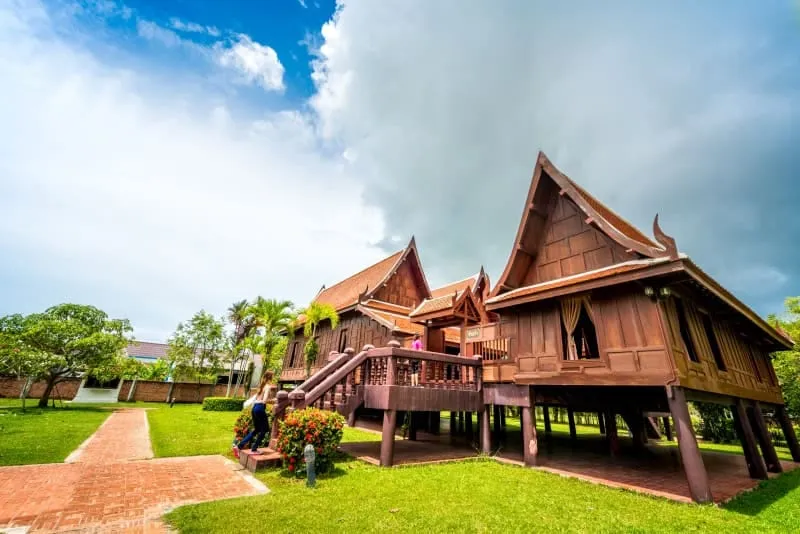
Insider Tip: The Old and New Palaces of Phatthalung’s former governors stand within walking distance of the temple — worth the extra ten minutes if you’re already here for the murals, since together they tell the fuller story of Lampam as the old provincial seat.
Watch out: The ordination hall with the murals isn’t always unlocked outside of merit-making days — ask at the temple office rather than assuming you can walk straight in.
Wat Wang sits on Aphai Borirak Road, about 6 to 7 km from central Phatthalung, on the way to Hat Saen Suk Lampam. Dress modestly, remove shoes before entering the hall, and expect little shade in the open courtyard during the midday heat.
- Entry fee: Free
- Hours: Daily 08:30–17:00
- Founded / consecrated: 1816, reign of Rama II
- Historic role: Site of the Nam Phra Phiphat Sattaya loyalty oath until 1926
- Murals: Attributed to the artisans behind Bangkok’s Wat Phra Kaew murals
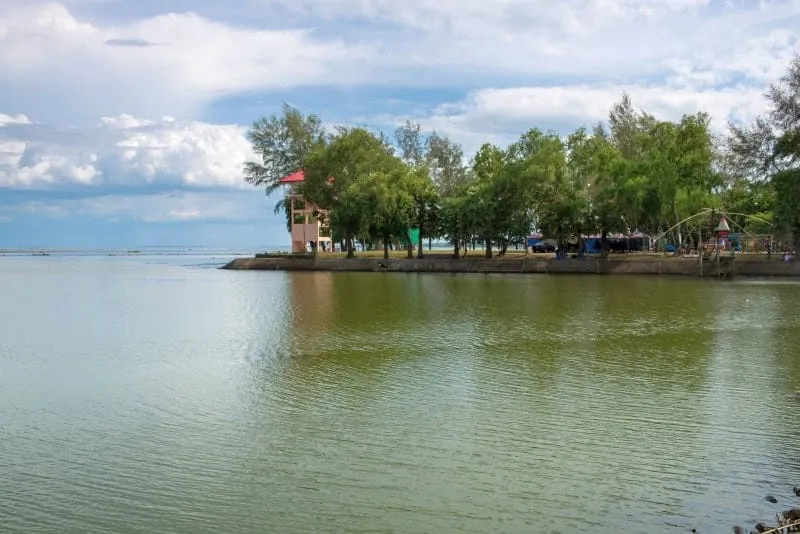
Pair the visit with Hat Saen Suk Lampam further down the same road, and use Phatthalung town as your base for both.
Location & Directions
Mu 4 Aphai Borirak Road
Phatthalung, Thailand
Show your taxi or Grab driver
วัดวัง
Within Walking Distance


Frequently Asked Questions
What makes Wat Wang historically significant?
How old is Wat Wang?
Is Wat Wang free to visit?
Are the murals at Wat Wang really by the Wat Phra Kaew artists?
Where does the name Wat Wang come from?
Spotted something out of date or incorrect? Let us know
Stay Near Wat Wang
Compare places to stay in Phatthalung, or open the map for options closest to the attraction.