
Phatthalung
พัทลุง
Thailand's first Ramsar wetland, a mountain with a hole through its peak, cave temples with Srivijayan roots, and the birthplace of two traditional performing arts.
Recommended by us
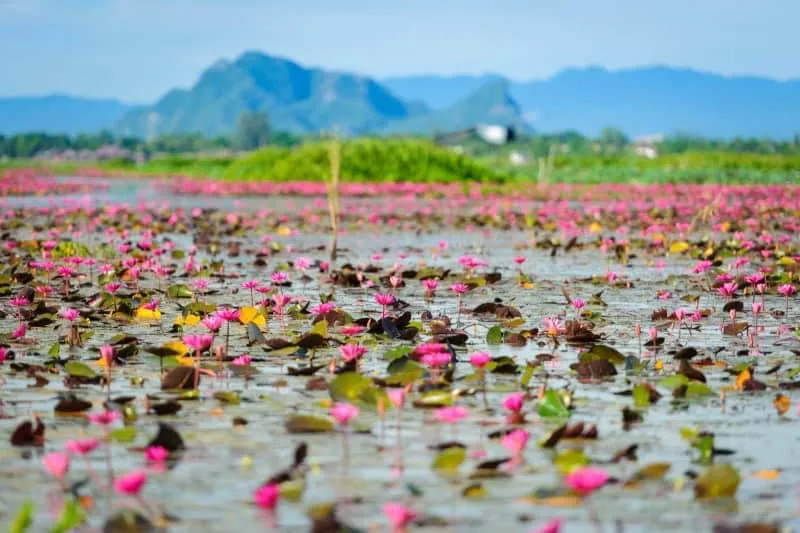
Thale Noi
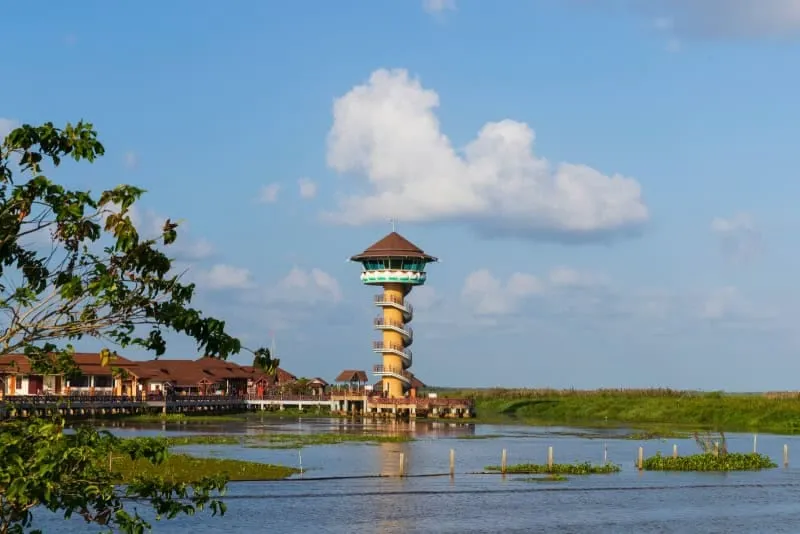
Thailand's first Ramsar wetland — a vast shallow lake covered in lotus and water hyacinth, with huge flocks of waterbirds at dawn. Take a longtail boat out at sunrise; the pink lotus blooms peak between February and April.

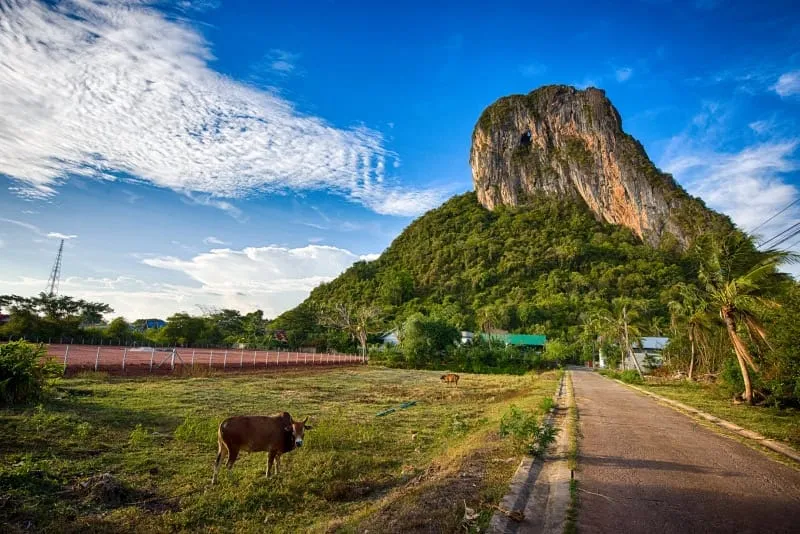
Khao Aok Talu
A limestone peak with a natural hole punched clean through it — 'Aok Talu' means 'pierced chest'. The through-tunnel gives you a framed view of the plain below. A short but steep walk; wear proper footwear.

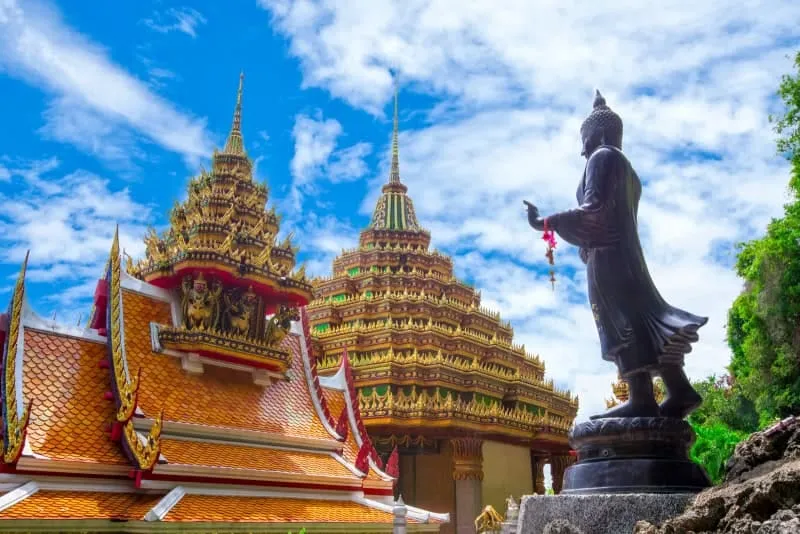
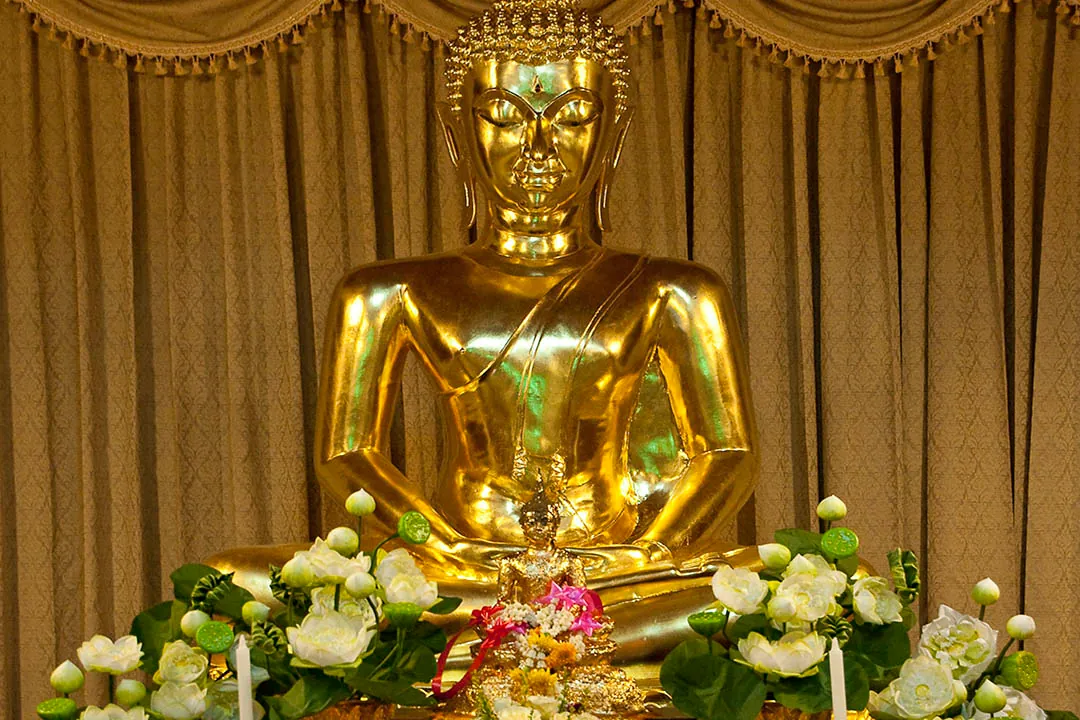
Wat Khuha Sawan
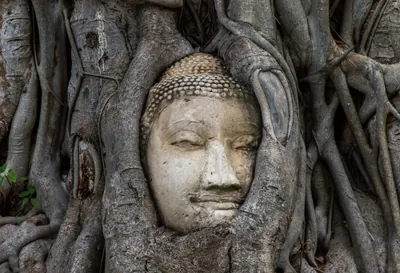
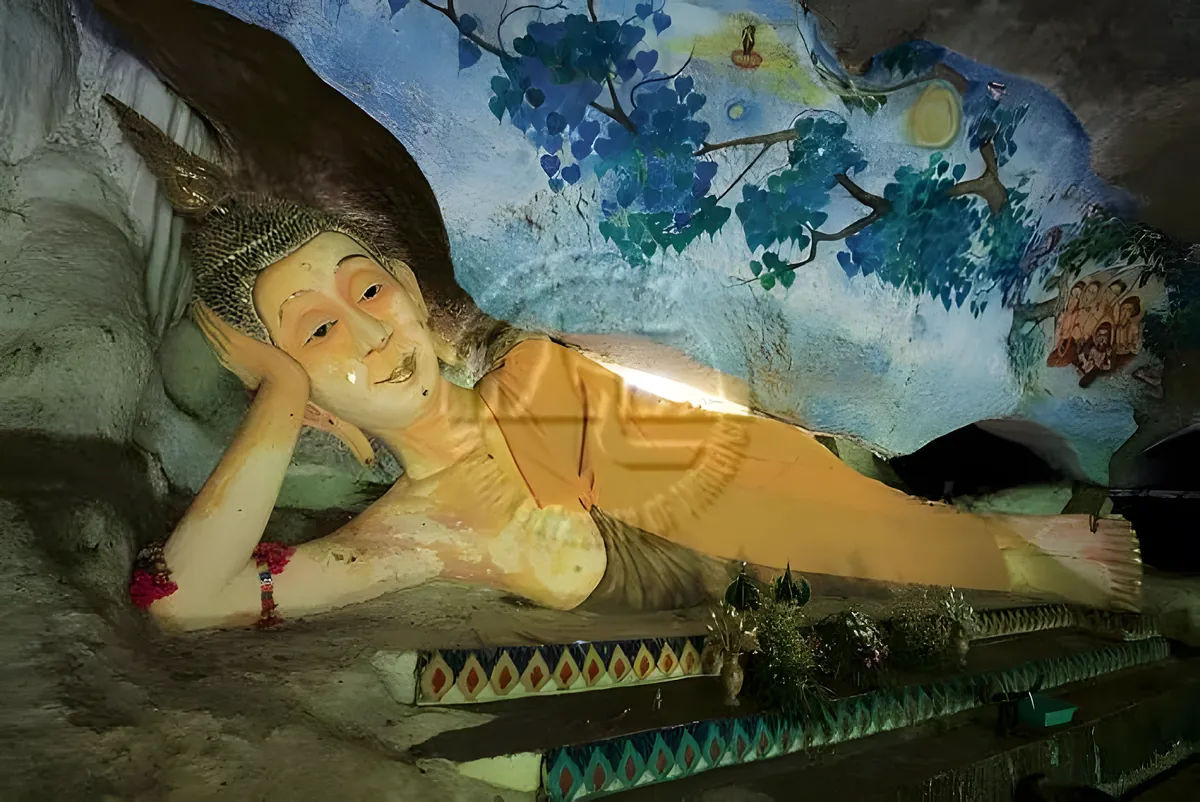
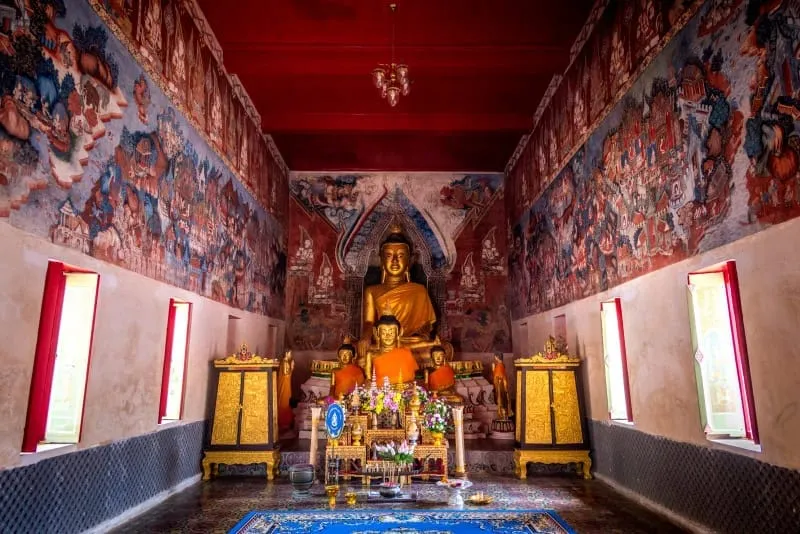
A Buddhist temple built into a cave in the cliff face, with a reclining Buddha and cave shrines going deeper inside. The combination of rock, roots, and gilt is quietly dramatic.

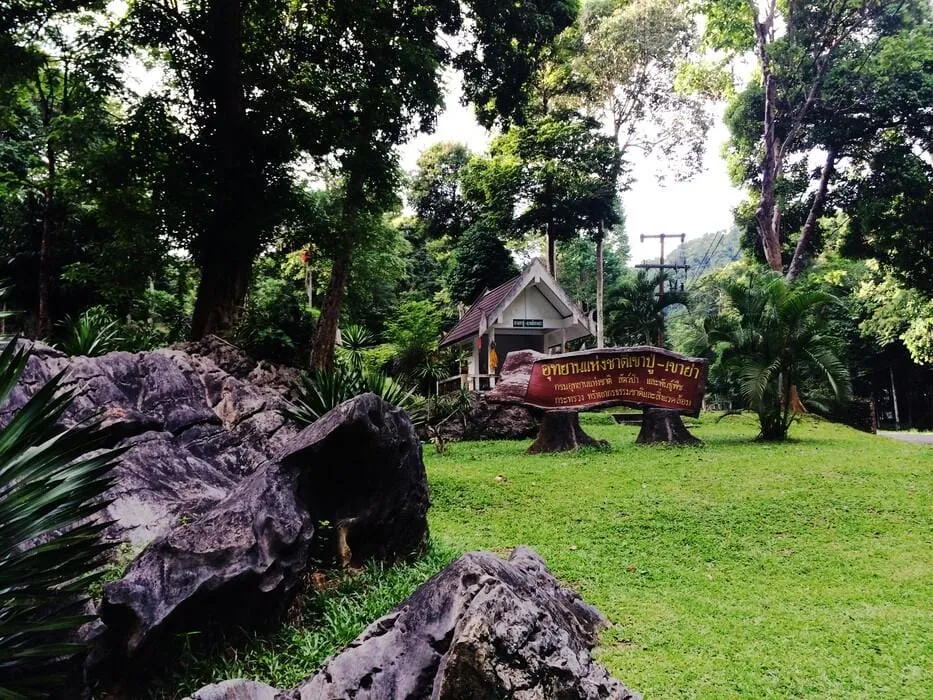
Khao Pu-Khao Ya National Park
Twin peaks covered in forest, with waterfalls and wildlife trails that see almost no foreign visitors. The park straddles the border with Trang — entry on the Phatthalung side is quieter.
Get to Phatthalung
The overnight sleeper train from Bangkok is the best option — Phatthalung has its own station on the southern mainline, about 10 hours from Hua Lamphong.

eSIM for Thailand
Land with data already working and skip the airport SIM queue. We tested six plans — code THAIHOLIDAY saves 10%.

Travel insurance
Sort cover before you go — hiking the national park trails and boat trips on Thale Noi are both worth having on your policy.
Wats, shrines & spiritual sites
Temples in Phatthalung




Waterfalls, peaks, caves & parks
Nature & outdoors around Phatthalung





Museums, history & heritage
Museums & culture in Phatthalung




Crafts, communities & farms
Villages & countryside around Phatthalung




Things to do on the map
Tap a pin for details — 26 places in Phatthalung plotted.
When to go
Jan–Mar The driest and most comfortable window — northeast monsoon has eased, pink lotuses at Thale Noi are in full bloom, and migratory birds from as far as Siberia are still present. Best time for the early-morning boat trips.
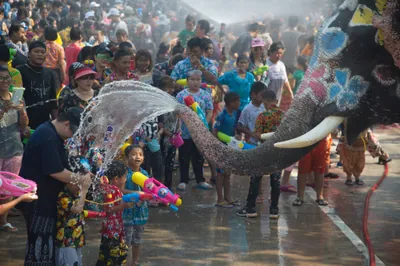
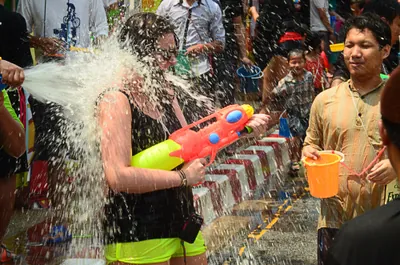
Apr–May April is hot before the southwest monsoon builds. Outdoor sights like Khao Ok Thalu and Khao Chaison are best visited early in the day. Songkran brings domestic crowds to the town in mid-April.
Jun–Dec The long wet season. Moderate southwest-monsoon rain builds from June, then the northeast monsoon drives the heaviest downpours from October through December — November and December peak. Thale Noi floods partially and boat trips become unreliable; town sights and cave temples stay accessible between showers.
About Phatthalung
Last updated September 2026
Overview
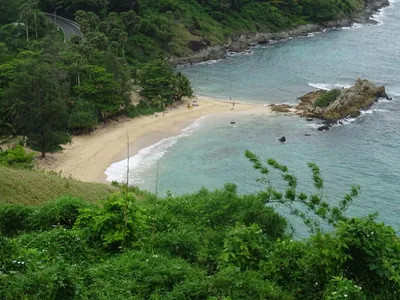
Phatthalung sits on the western shore of Songkhla Lake in the lower southern peninsula, one of only two landlocked provinces in southern Thailand (the other is Yala). It is not a beach destination — there is no coastline — but it has something more distinctive: a vast freshwater wetland that became Thailand’s first Ramsar site, a mountain with a literal hole through its peak that appears on the provincial seal, cave temples with Srivijayan-era roots, and a claim to two traditional performing arts that have survived centuries of cultural change.
The province covers 3,861 square kilometres of the Banthat mountain range to the west and wetland plains to the east. Rice paddies and rubber plantations fill the lowlands, with a local rice variety — Sangyod Muang Phatthalung — grown in the same fields for generations and still sold at the morning market.
The town of Phatthalung is small and uncrowded. Most of its sights are within easy walking distance of the railway station, and the pace here is nothing like the southern tourist corridor an hour away. Travellers prepared to slow down will find one of the south’s more rewarding provincial stops.
Top Things to Do
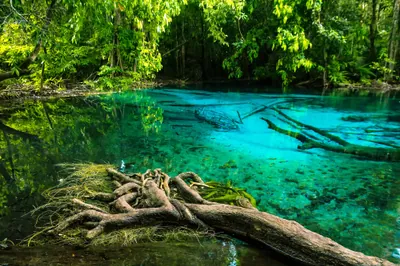
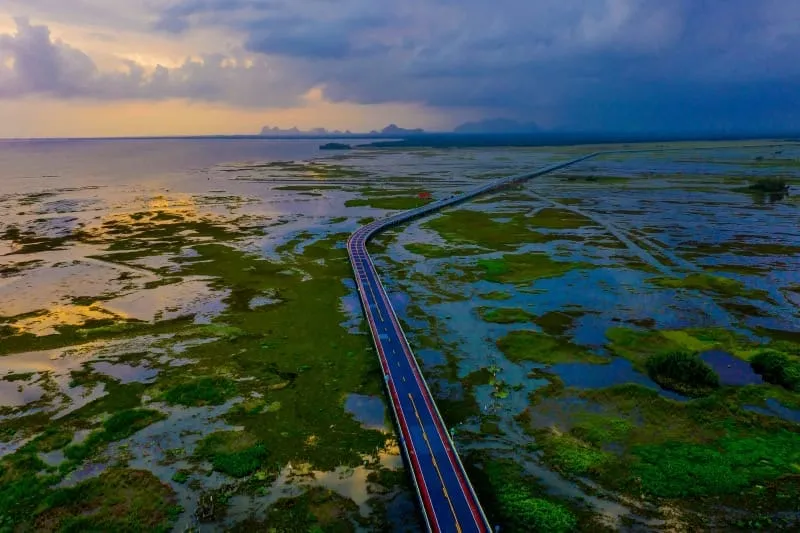
Thale Noi Waterbird Sanctuary is the reason most people come to Phatthalung, and it earns the attention. This freshwater lagoon at the northern end of Songkhla Lake was designated Thailand’s first Ramsar wetland site in 1998 and shelters more than 180 species of resident and migratory birds — some counts put the figure above 280 species, including flocks that travel from Siberia each winter. Longtail boats depart from Ban Pak Pra and Ban Thale Noi villages, about 32 kilometres north of town, and the early-morning trips glide through carpets of pink lotus flowers (at their peak from January through March), past water buffalo herded on the floating marshes in a tradition that goes back over 250 years. Come at dawn; the light is better and the birds are moving. The lotus bloom, the grazing buffalo, and the bird activity together make for a genuinely unusual combination.
Khao Ok Thalu (the attraction listing uses the spelling Khao Aok Talu) is the emblem of the province — a karstic limestone peak, around 250 metres high, with a large natural hole through the rock near the summit. From the right angle you can see daylight through the opening. The mountain is considered sacred locally; a Buddhist shrine sits at the top alongside sweeping views over the town. There are more than 1,000 steps up from the base, which is less than a kilometre east of Phatthalung railway station. Allow an hour each way; the climb is manageable but warm.
Wat Khuha Sawan is the oldest and most significant temple in Phatthalung, built within a cave complex that shows evidence of religious use since the 8th to 10th centuries — Srivijaya-era votive tablets were found here. The main chamber holds a large reclining Buddha and dozens of smaller statues; descend the steps inside the cave and you reach a pool at the bottom. King Rama V left his initials on the cave wall, as did several other Thai monarchs. Entry is free. The temple is a 10 to 15 minute walk from the town centre and is open from 8am to 5pm daily.
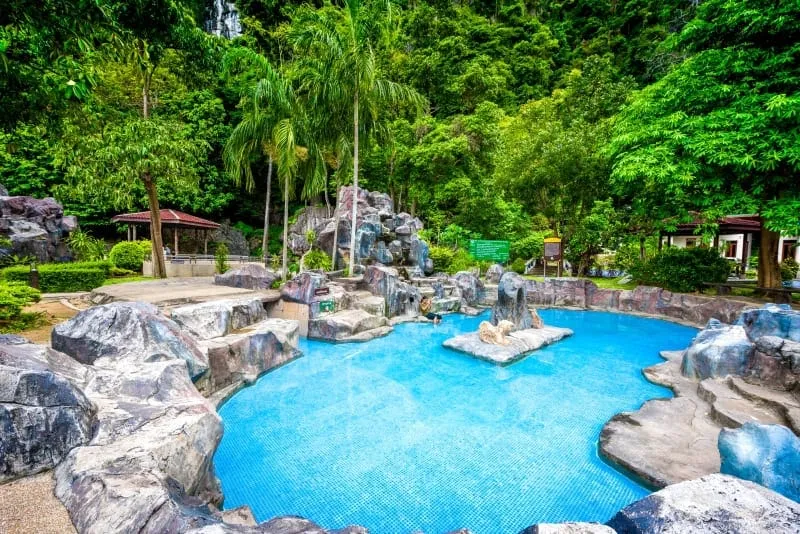
Khao Chaison Hot Well and Cool Stream (listed on the site as Khao Chaison Hot Well and Cool Stream) is a natural hot spring at the foot of Khao Chaison mountain, about 25 kilometres from Phatthalung town. The water temperature is around 60°C at source, but hot and cool streams combine in a bathing basin of about 12 metres radius, with no sulphur smell. Shower rooms and hot-spring baths are available on site. The easiest way to visit is by hired vehicle; nearby cave temples — Tham Phra and Tham Nam Yen — are less than a kilometre away and worth combining into the same trip.
Nang talung shadow puppet workshops are part of what makes Phatthalung a distinct cultural destination rather than just another southern stopover. The word talung in nang talung is an abbreviation of Phatthalung — the art form is said to have originated here, and puppet-making workshops in town still produce the small leather figures used in performances. The puppets range from 15 to 50 centimetres and are intricately cut and painted. If a live performance is running during your visit, it is worth attending even without speaking Thai; the comic timing and musicianship carry across language barriers.
Nora performances and the Wat Borommathat connection add another layer of performing-arts heritage. Nora — the acrobatic southern dance drama with bird-like costumes, elaborate finger movements, and improvised singing — was inscribed on UNESCO’s Intangible Cultural Heritage list in 2021. Phatthalung’s Wat Khian Bang Kaeo (Wat Borommathat Chedi Kian Bang Kaew) is considered the site of the ancient city where the tradition originated. Temple fairs and cultural events in the province still feature live nora.
Klongdaen Floating Market offers a more low-key version of the floating-market experience than anything in Bangkok — vendors selling local food and produce from boats on the canal, without the tourist-production atmosphere. Early morning is the active time.
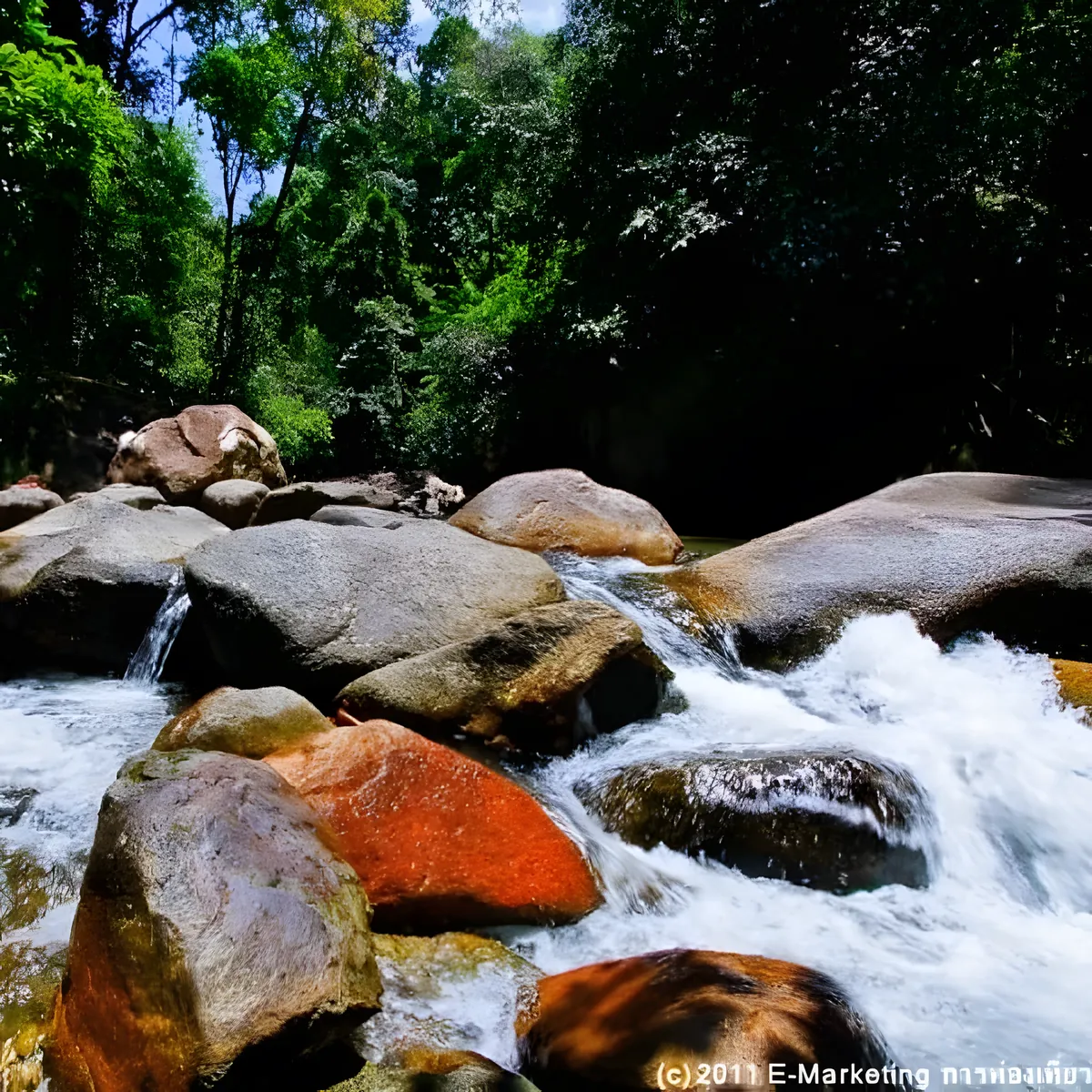
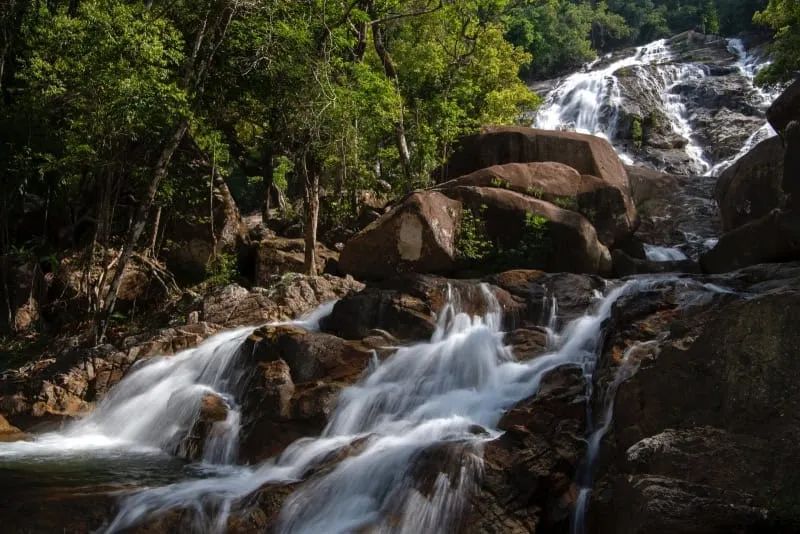
Khao Pu–Khao Ya National Park, which spans Phatthalung, Nakhon Si Thammarat, and Trang provinces, covers about 694 square kilometres of tropical rainforest in the Banthat range. The park is known locally as the forest of virginity. Wildlife includes tapirs, palm civets, and a range of forest birds including the oriental dwarf kingfisher.
Where to Stay
Phatthalung town has a small range of functional hotels and guesthouses centred around the town area and railway station. There are no international resort chains; the accommodation is honest and reasonably priced, with a handful of mid-range properties offering comfortable rooms. The Dusit Princess Phatthalung is the most polished option in town if you want modern facilities and a pool.
For Thale Noi, Canal Village Pakpra offers accommodation actually on the lagoon — staying there makes the dawn boat trip far more straightforward than driving 32 kilometres from town in the dark.
Getting There
The overnight train from Krung Thep Aphiwat Central Terminal in Bangkok is the standard approach — four trains a day run the southern line, reaching Phatthalung in 13 to 15 hours and stopping directly in the town centre. Sleeping berths are available on the express services. From Phatthalung, Hat Yai is roughly 1 hour 20 minutes further south by train.
There is no airport in Phatthalung. Visitors flying from Bangkok can use Hat Yai International Airport (about 1.5 hours south by road) or Trang Airport (about 1.5 hours west). Buses from Bangkok’s Southern Bus Terminal serve Phatthalung directly but the journey is long; minivans from Hat Yai take about 1.5 hours.
Getting around the province requires your own transport or a hired vehicle. Thale Noi is 32 kilometres from town; Khao Chaison is 25 kilometres. Renting a motorbike in Phatthalung town is practical for the day-trip circuit.
Best Time to Visit
Phatthalung follows the east-coast southern pattern: the northeast monsoon drives significant rainfall from October through December, with November the wettest month. This is the opposite of most of Thailand, where October marks the end of the wet season. The driest and most comfortable months are January through March, when the monsoon has eased and temperatures settle into the low-to-mid 30s with lower humidity.
January to March is also the best window for Thale Noi. The pink lotuses bloom from January through March or April, migratory bird numbers are at their peak, and the water level is right for boat access. Attempting the same trip during the October to November monsoon is unreliable — water levels can make navigation difficult and bird activity drops.
April is warm and relatively dry but increasingly hazy before the southwest monsoon builds from May. From May through September, rain falls regularly though rarely all day. October and November bring the heaviest rain. December and April are transitional months — not ideal, but workable for temple-based sightseeing between showers.
Frequently Asked Questions about Phatthalung
How do I get to Phatthalung from Bangkok?
What is the best time of year to visit Phatthalung?
How long do you need in Phatthalung?
How do I visit Thale Noi waterbird sanctuary?
What are the two performing arts traditions Phatthalung is known for?
Spotted something out of date or incorrect? Let us know
Plan your
Phatthalung trip