








Bueng Kan
บึงกาฬ
Thailand's newest province featuring the iconic red lotus sea, Mekong River views, and untouched natural beauty.
- Best time
- November to February
- How long
- 3–4 days
- From Bangkok
- 8–10 hours by bus
- Getting around
- Scooter or hired driver
Updated June 2026
Plan your trip
Recommended by us

Phu Thok
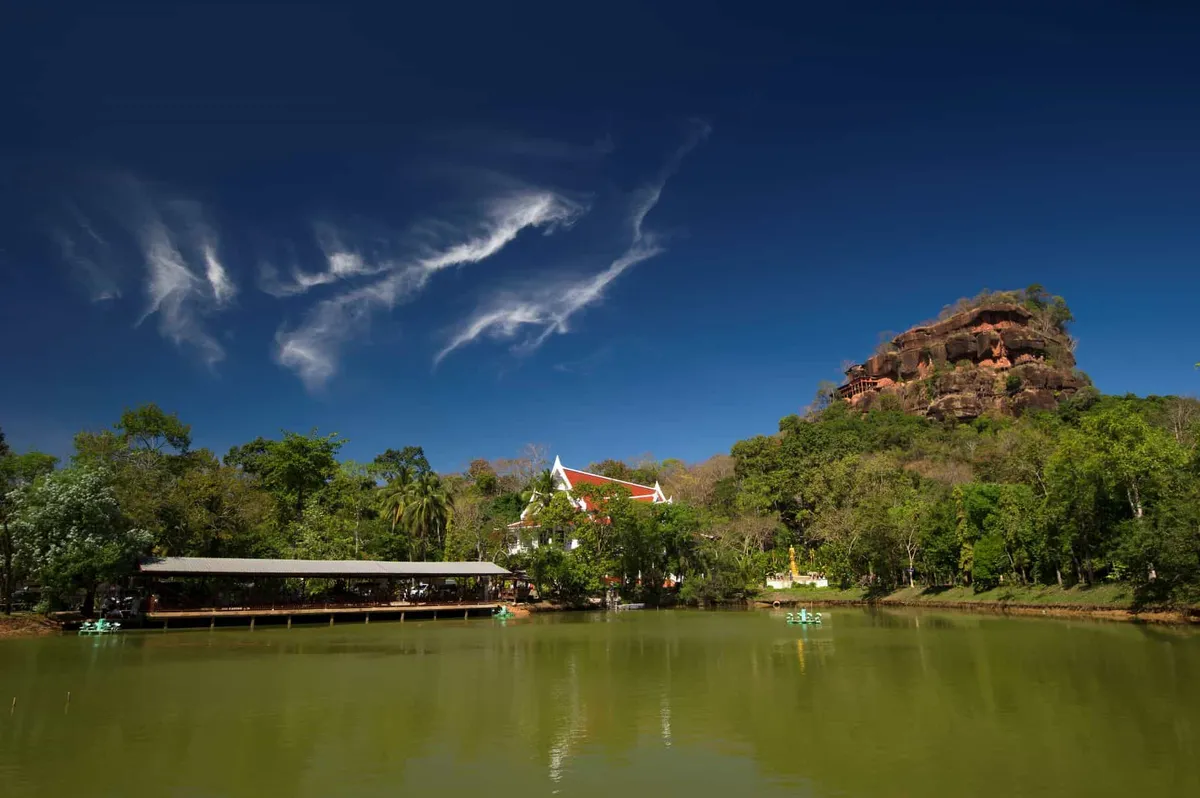
A rocky sandstone cliff rising above the plains with a forest monastery built into its ledges: wooden walkways and stairways take you up through the rock face. Go early; it's a working temple and the monks are up at dawn.


White Sand Dune At Khong River
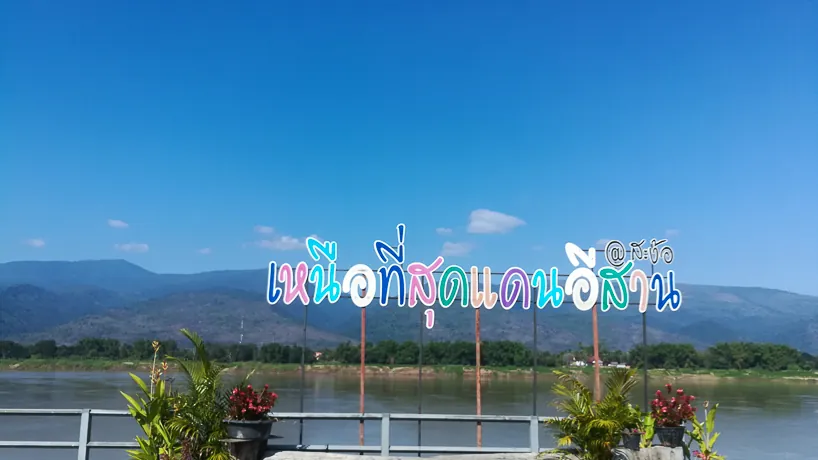
Seasonal white sandbars emerge on the Mekong between November and April: rent a longtail from the riverbank and spend an afternoon on the sand with Laos visible across the water.

Bueng Khong Long
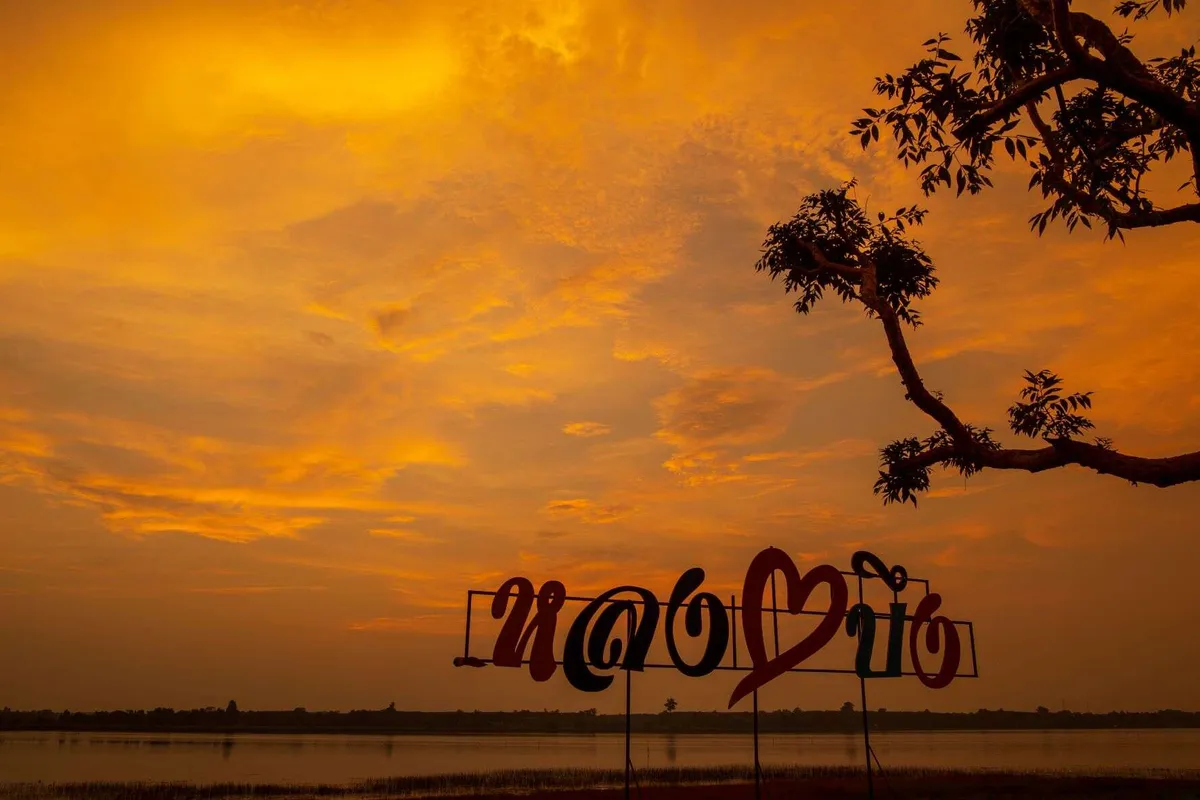
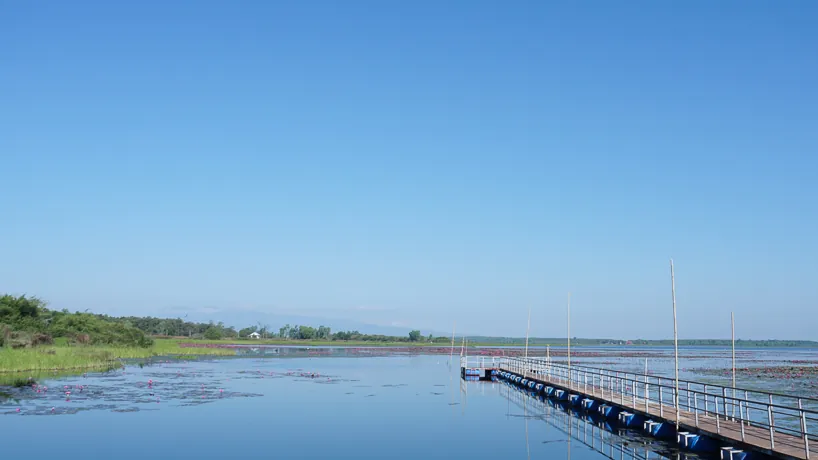
A shallow lake that draws migratory waterbirds from October to February. Bring binoculars. The red lotus blooms peak around January and are the province's signature image.

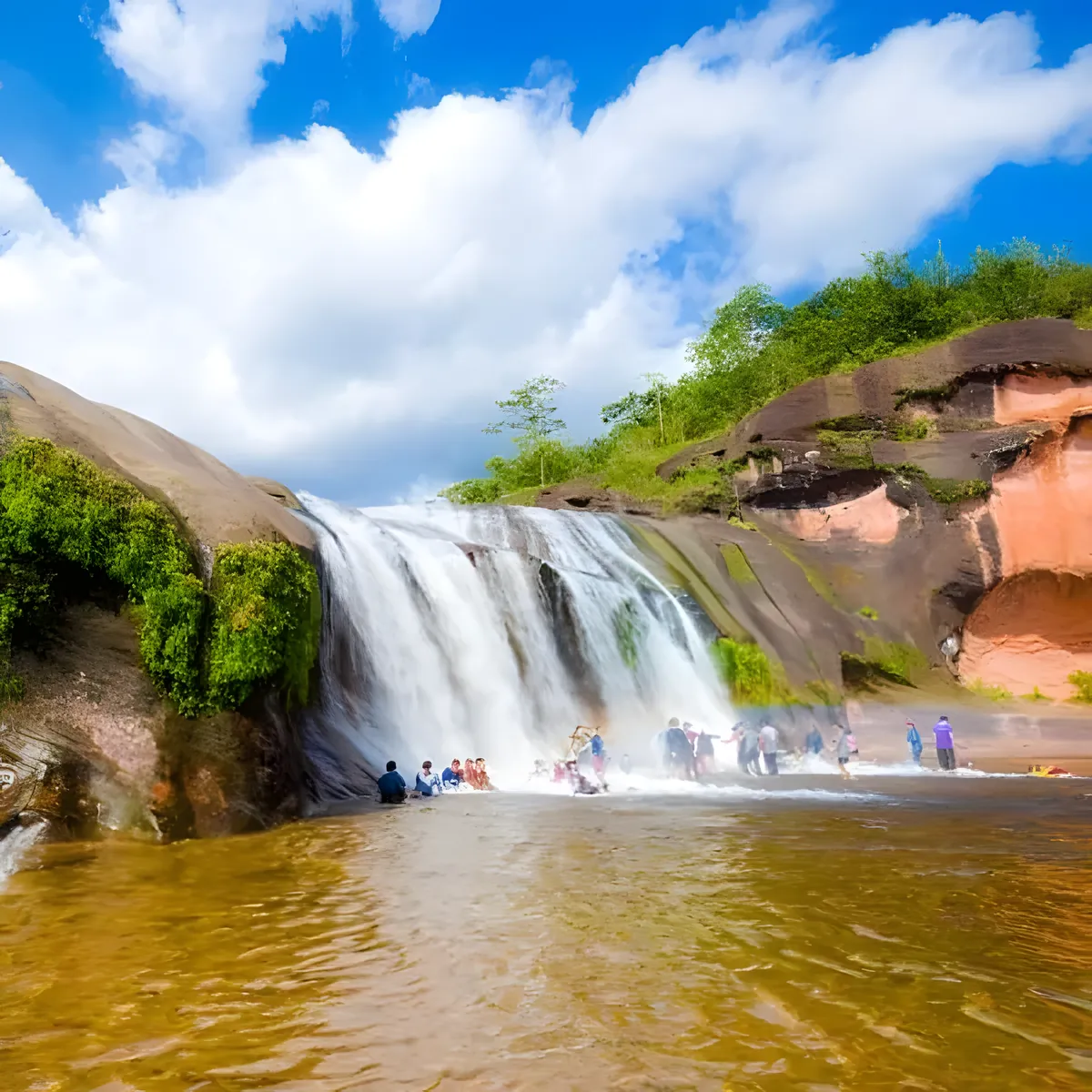
Chet Si Waterfall
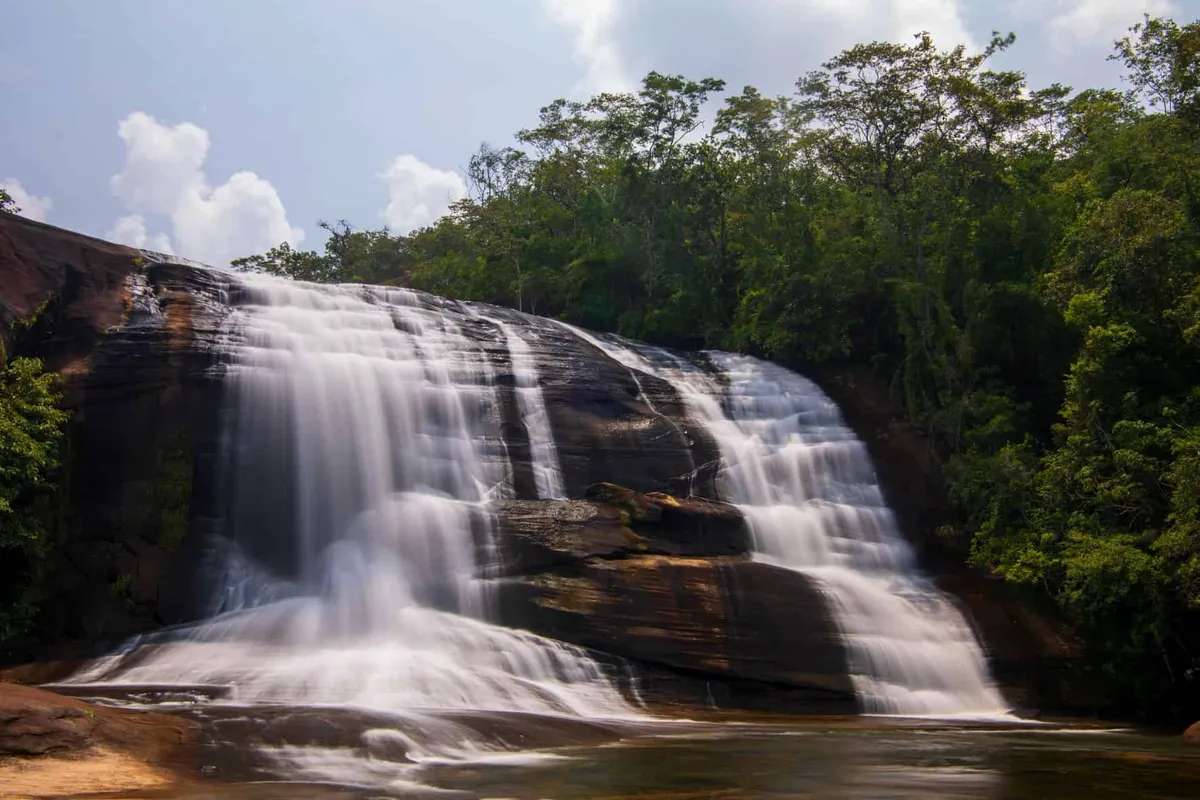
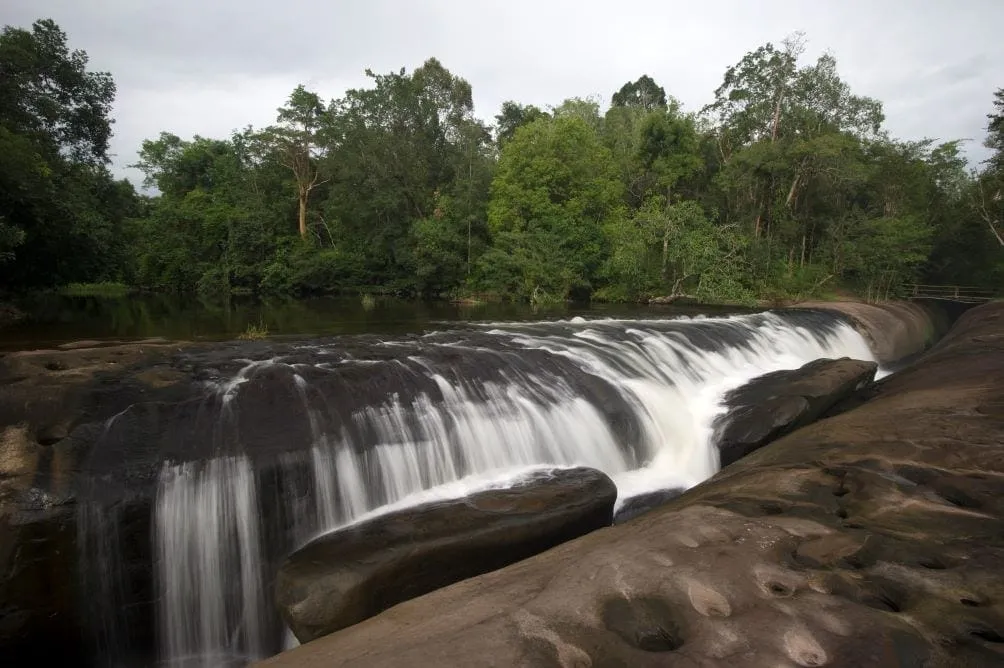
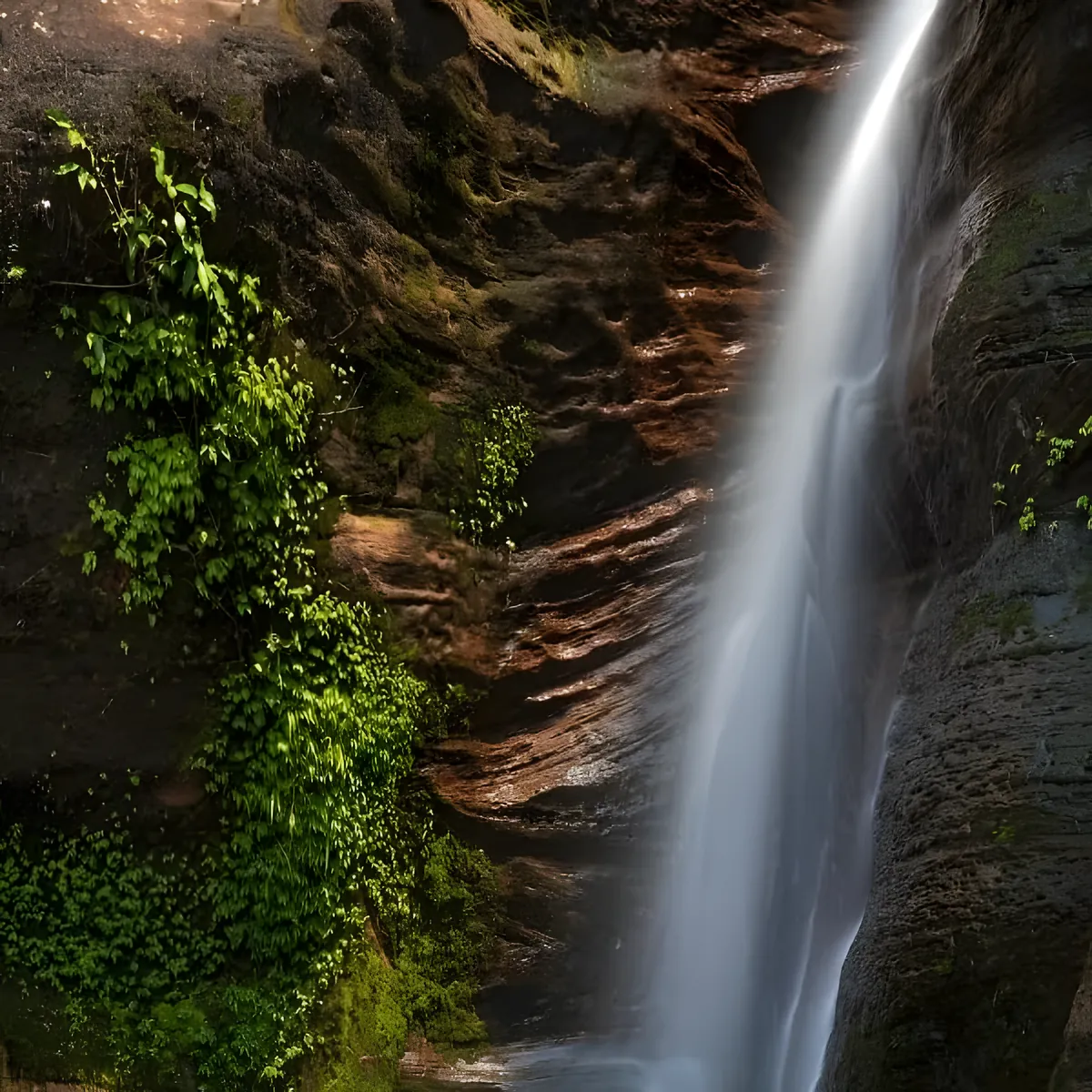
A multi-tiered waterfall in the hills east of town, accessible on a dirt road, flows best in the rainy season (July–October). Cool and quiet, with almost no tourist infrastructure.

Get to Bueng Kan
Overnight bus from Bangkok's Mo Chit terminal is the standard route, around 10 hours to this far-northeast province on the Mekong. Alternatively fly to Nakhon Phanom and take a minivan.


eSIM for Thailand
Land with data already working and skip the airport SIM queue. We tested six plans. Code THAIHOLIDAY saves 10%.


Travel insurance
Dirt roads, river crossings, and jungle trails are the norm out here: sort cover before you go, including trekking and adventure activities.
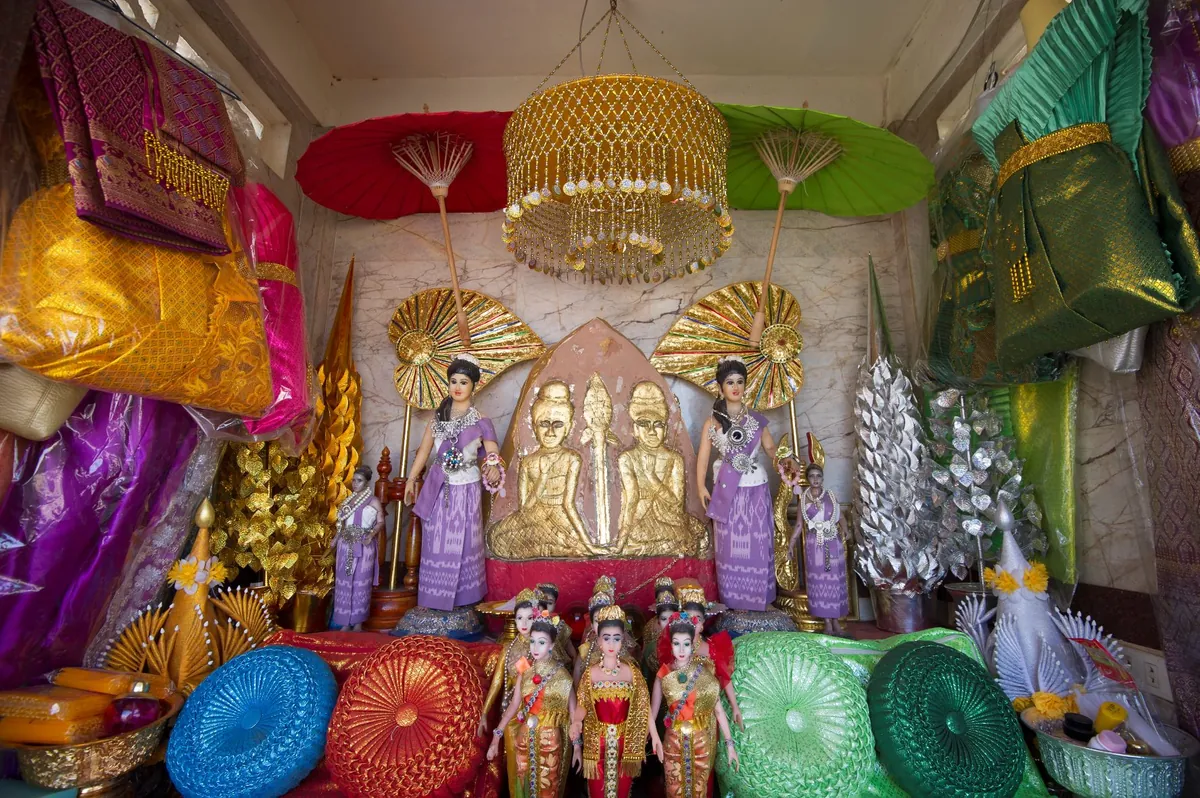
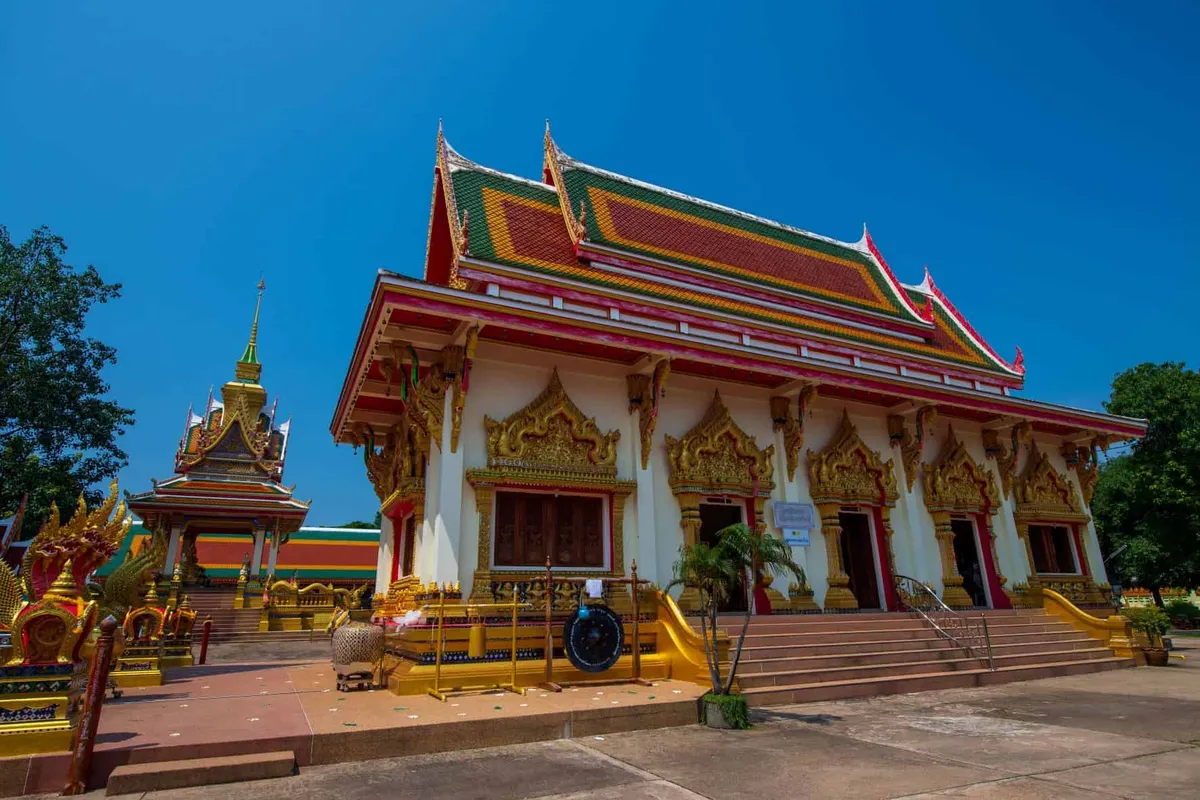
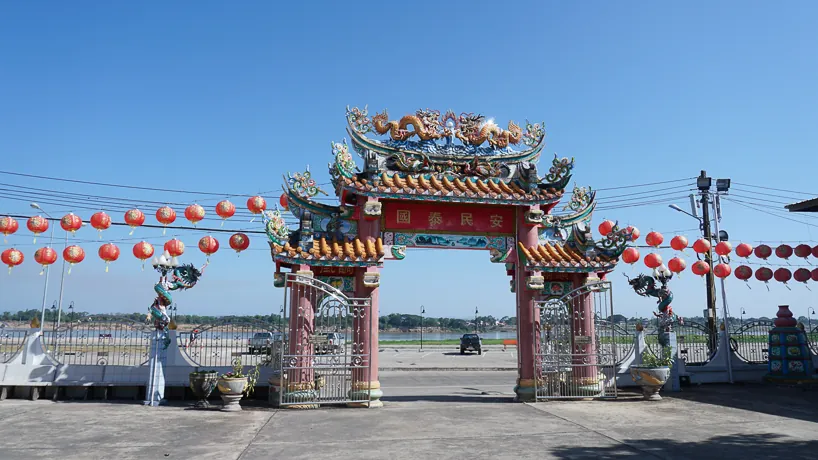
Wats, shrines & spiritual sites
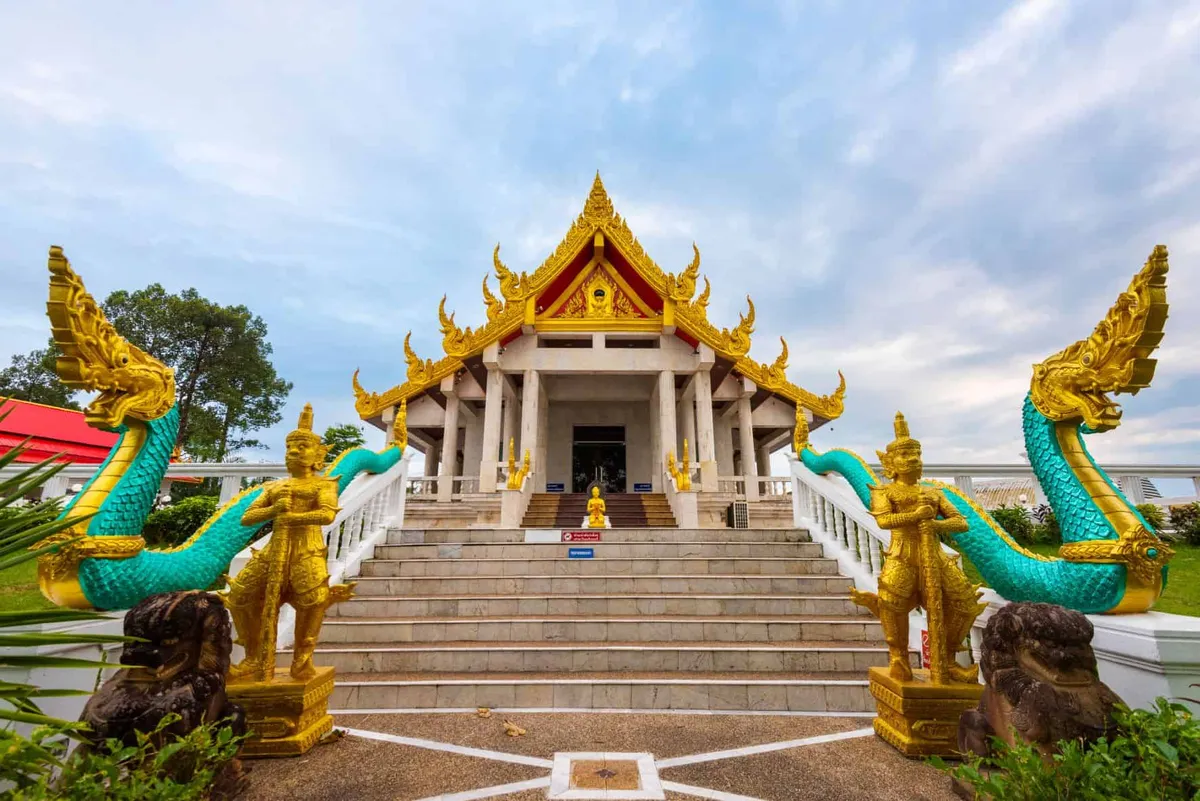
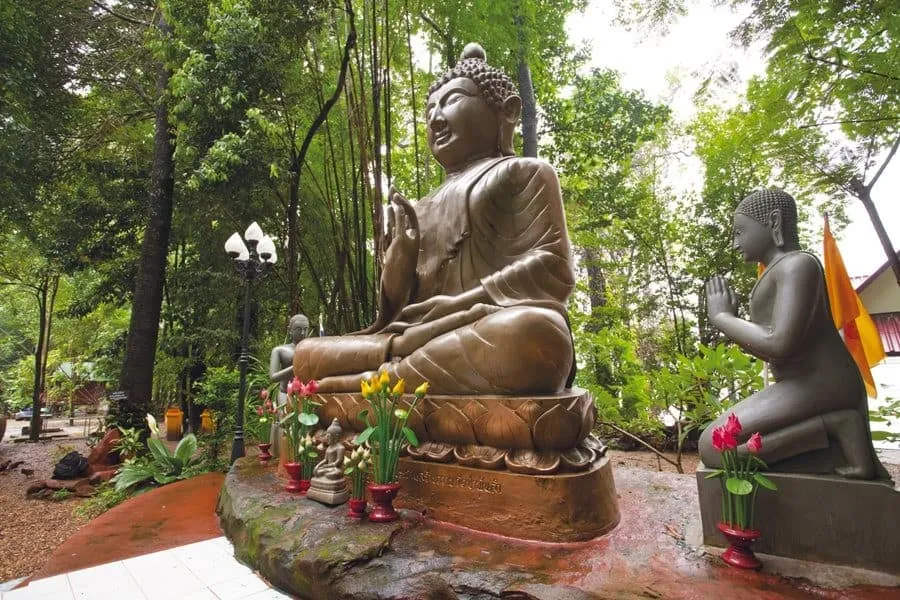
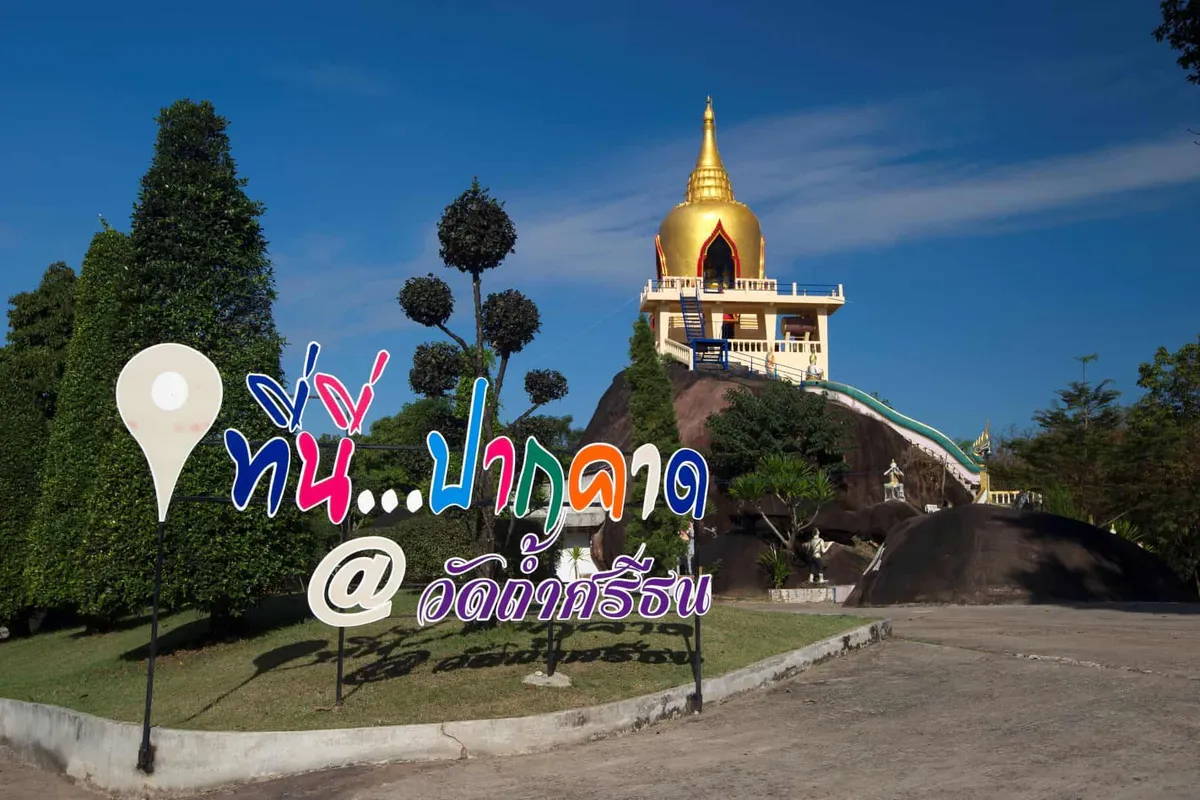
Temples in Bueng Kan







Waterfalls, peaks, caves & parks
Nature & outdoors around Bueng Kan






Things to do on the map
Tap a pin for details. 19 places in Bueng Kan plotted.
Where to stay in Bueng Kan
When to go
Nov–Feb Cool and dry, the best time to visit. The red lotus sea blooms from December, peaking in January, so this window is the main draw for most travellers.
Mar–May Temperatures climb sharply and midday heat is uncomfortable. The lotus season has ended, though early mornings are still manageable for temple visits.
Jun–Oct Regular rain can disrupt transport and access to more remote attractions. Waterfalls and lakes fill up, but outdoor sightseeing is harder to plan around.
About Bueng Kan
Last updated June 2026
Thailand’s youngest province became official in 2011, carved out from Nong Khai to create a destination that feels refreshingly undiscovered. Bueng Kan sits along the mighty Mekong River in northeastern Thailand (Isan), drawing nature lovers and photographers who come specifically for the famous red lotus sea that blooms seasonally. This isn’t your typical tourist trail - expect quiet riverside towns, authentic local experiences, and landscapes that haven’t been shaped by mass tourism. The province appeals to travelers seeking genuine cultural encounters, natural beauty, and the chance to explore somewhere that still feels like Thailand before the crowds arrived. You’ll find a good mix here: ancient temples, unspoiled waterfalls, and riverside landscapes scattered across diverse terrain.
What You’ll Actually Do Here
The red lotus sea phenomenon brings most visitors to Bueng Kan, but the province offers surprising variety once you arrive. Six temples dot the landscape, providing insight into local Buddhist culture and architecture - perfect for temple-hopping between natural sites. Three lakes and reservoirs offer scenic spots for photography and peaceful moments, while three waterfalls provide cooling relief and swimming opportunities during warmer months.
The Mekong River system includes three rivers and canals where you can arrange boat trips to see the countryside from water level. Two local villages give you authentic glimpses into rural Thai life, especially meaningful since tourism hasn’t changed these communities much yet. Two mountains provide hiking opportunities with panoramic views across the province and into neighboring Laos. The combination works well for 3-4 day itineraries mixing cultural sites, natural attractions, and river activities.
Accommodation Options
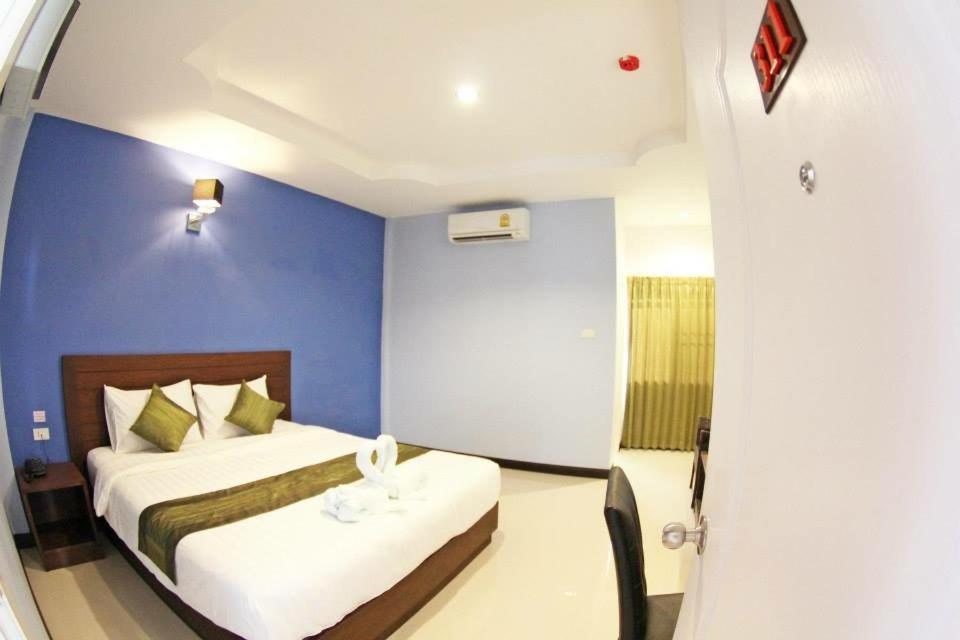
Booking.com shows properties throughout Bueng Kan province, though selection remains limited compared to established tourist destinations. This actually works in your favor - you’ll find better value and more personal service from local guesthouses and small hotels. Expect basic but clean accommodations that prioritize location over luxury amenities.
Riverside properties offer the best experience, especially if you want easy access to Mekong River views and boat departure points. Several guesthouses cater specifically to lotus sea visitors, providing early morning transport to viewing areas. Budget travelers will find adequate options, while those wanting more comfort should book ahead since higher-end properties are scarce. The limited accommodation actually enhances the authentic experience - you’re staying where locals recommend, not where tour groups gather.
Getting to Bueng Kan
Nong Khai serves as your main gateway, connected to Bueng Kan by regular bus services covering the roughly 50-kilometer journey. Fly into Udon Thani airport, then take a bus or taxi to Nong Khai before continuing to Bueng Kan - total travel time runs about 3-4 hours from airport to destination.
Direct buses from Bangkok reach Bueng Kan, but expect a long journey of 8-10 hours depending on your final destination within the province. The Friendship Bridge at Nong Khai connects Thailand to Laos, making Bueng Kan accessible for overland travelers coming from Vientiane. Local transport within the province relies on songthaews and motorcycle taxis, though renting a scooter gives you much better flexibility for reaching scattered attractions.
When to Plan Your Visit
Northeastern Thailand’s climate makes November through February ideal for Bueng Kan, with cool, dry weather perfect for outdoor activities and temple visits. The famous red lotus blooms typically appear December through February, peaking around January - check current conditions since blooming varies with water levels and weather patterns.
March through May brings intense heat that makes midday activities uncomfortable, though early mornings remain pleasant. The rainy season from June through October can disrupt transportation and outdoor plans, but also fills the lakes and waterfalls that might be less impressive during dry months.
Local Knowledge for Your Trip
ATMs exist in the main town areas, but bring extra cash since rural attractions may lack banking facilities. Most locals speak minimal English, so translation apps help significantly. Rent a scooter for maximum flexibility, as attractions spread across the province with limited public transport connections. Temple visits require covered shoulders and long pants as usual throughout Thailand.
Insider Tip: The red lotus viewing requires very early morning departure (around 5 AM) when flowers open fully. Local boatmen know exactly which areas bloom best each day - they’ll adjust routes based on current conditions rather than taking you to fixed locations.