





Doi Hua Mae Kham sits on the Thailand-Myanmar border in Chiang Rai’s Mae Fa Luang district, a Lisu hill-tribe village and forest park best known for the wild Bua Tong (Mexican sunflower) bloom that covers its slopes each November. Entry is free, and the site is open daily, roughly 08:30-16:00.
Bua Tong season and the village
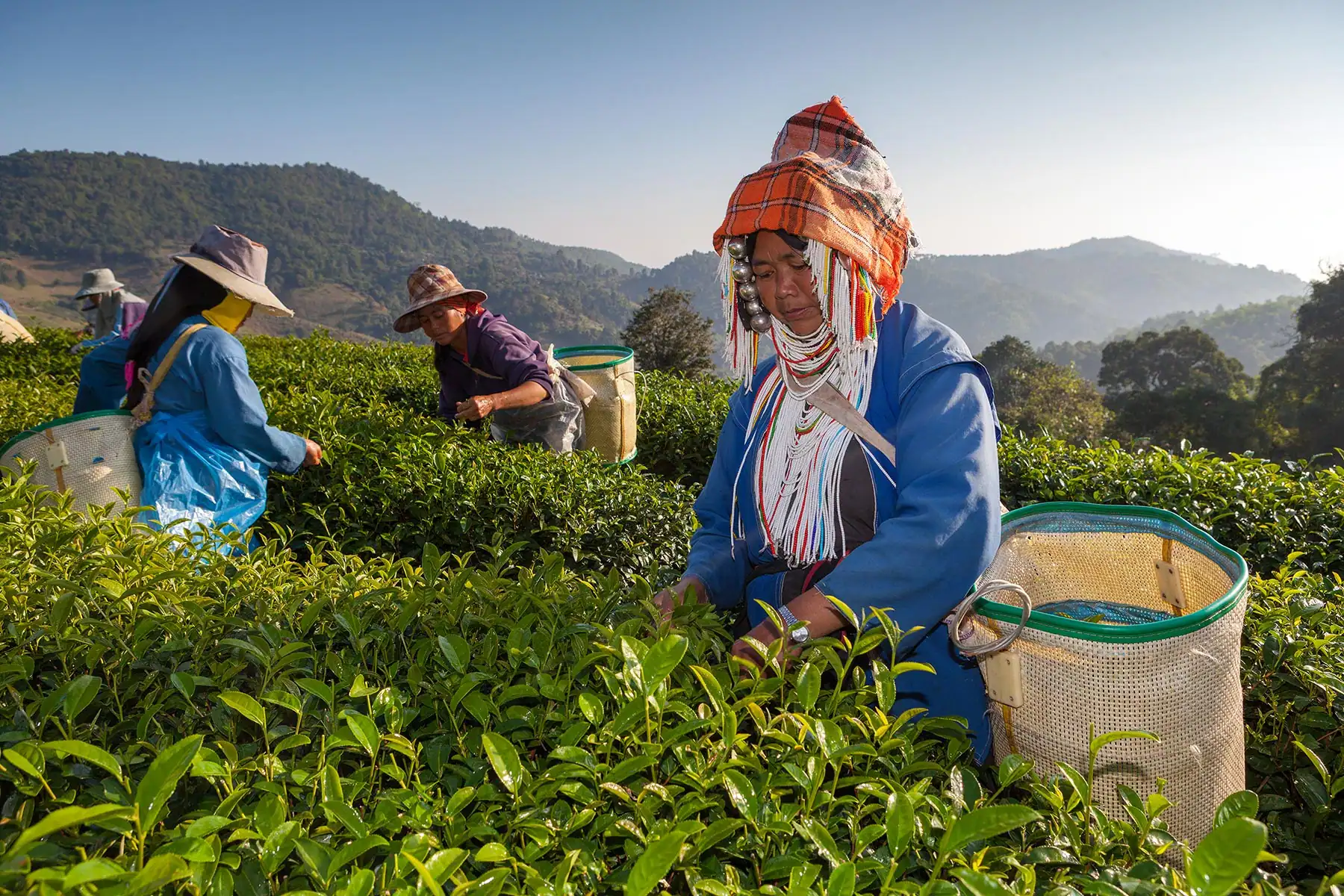
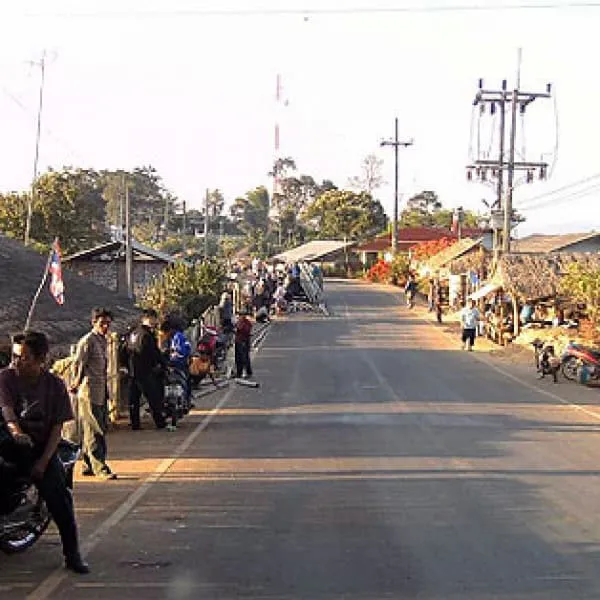
For most of the year this is a quiet highland village with forest trails and border views. That changes in November, when bua tong blooms in a yellow wash across the hillsides below the village — the reason most visitors make the trip up here at all. The bloom usually coincides with a local tribal culture festival, so the village sees its busiest few weekends of the year around then. Lisu families make up most of the village, alongside Hmong, Akha and Lahu (Muser) households nearby. A Highland Agricultural Extension Center on the mountain grows temperate fruit and vegetables unsuited to lowland Thailand’s heat, part of the same Royal Project-style network found across the northern hills, and a small waterfall gives another reason to walk beyond the flower fields.
Insider Tip: Arrive early, before 9am if you can. The bua tong fields draw day-trip convoys from Mae Sai and Chiang Rai once the weekend traffic builds, and the morning light on the flowers is better than the midday glare anyway.
Getting there
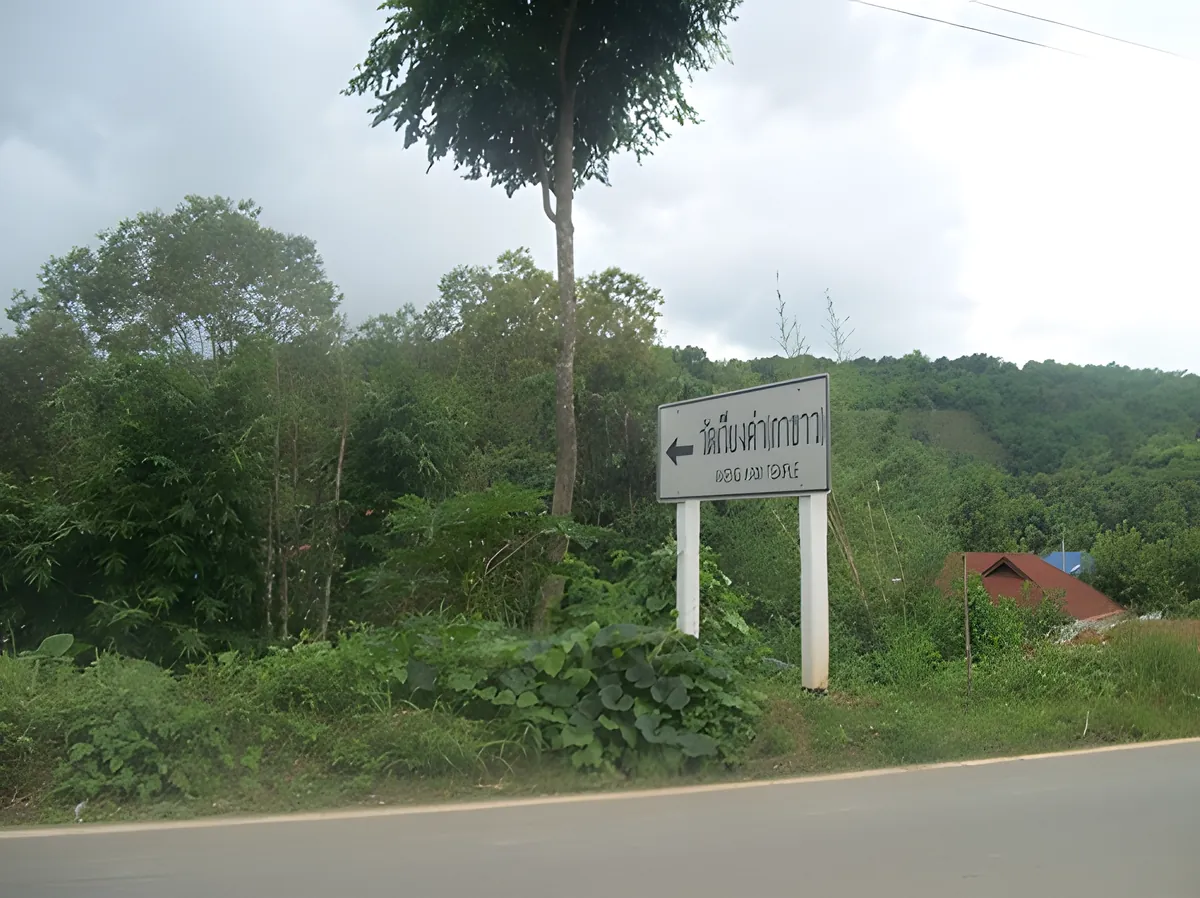
Doi Hua Mae Kham is remote even by Chiang Rai hill-country standards — off Route 4032 in Mae Salong Nai subdistrict, close enough to Myanmar that this counts as borderland. Reckon on about three hours’ drive from Chiang Mai, or come via Mae Sai if you’re already in Chiang Rai’s far north. The road climbs through a mix of paved sections and rougher mountain track, with tight switchbacks near the top; a car with reasonable ground clearance is the sensible choice; there’s no bus or songthaew service running this deep into the hills, so this isn’t a trip you can do without your own wheels.
Watch out: Fuel up before you start the climb — services thin out fast once you leave the main Mae Sai-Chiang Rai road, and there’s little along the way. Take the switchbacks slowly, especially if it has rained recently.
- Entry fee: Free
- Hours: Daily, approximately 08:30-16:00
- Best time: Mid-to-late November for the bua tong bloom
- Getting there: Own vehicle only, off Route 4032, ~3 hours from Chiang Mai
- Communities: Mainly Lisu, with Hmong, Akha and Lahu (Muser) households nearby
Doi Hua Mae Kham falls within the wider Doi Mae Salong tourism area, though it’s a good 25-30km from the Doi Mae Salong village hub itself. Pair the trip with the 101 Tea Plantation on the way up, or break the drive at Thoed Thai village, the closer settlement en route.
Location & Directions
Mae Fa Luang, Chiang Rai
Doi Mae Salong, Thailand
Show your taxi or Grab driver
ดอยหัวแม่คำ
Frequently Asked Questions
Is Doi Hua Mae Kham free to visit?
When do the Bua Tong sunflowers bloom?
How do you get to Doi Hua Mae Kham?
Which hill tribes live around Doi Hua Mae Kham?
Is there anything to see here outside sunflower season?
Spotted something out of date or incorrect? Let us know
Stay Near Doi Hua Mae Kham
Live prices for places closest to Doi Hua Mae Kham — tap a pin to compare.