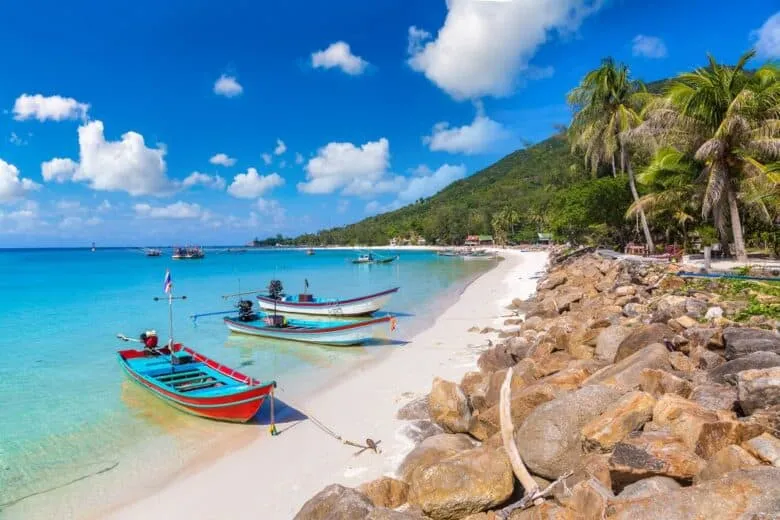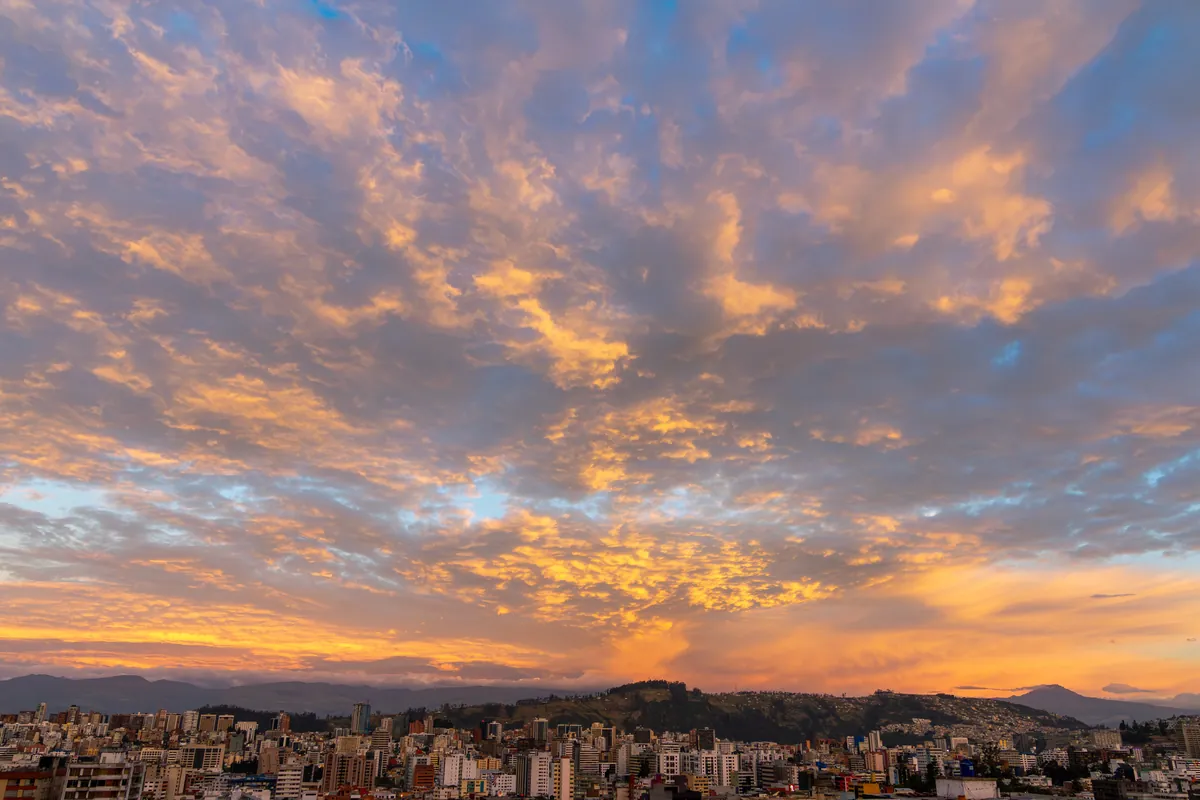








A good viewpoint in Thailand is rarely just a layby — the best ones ask for an early alarm, a short climb, or both, and pay you back with twin bays, seas of mist, or a city laid out 300 metres below your feet. These eleven span islands, mountains and rooftops, with the honest word on when to go and how much effort each one takes.
Quick answer
Start with Phi Phi Viewpoint if it matches your route, then compare Phromthep Cape, Phuket and Karon Viewpoint, Phuket by season, travel time, and crowd level. Use this as a shortlist, not a fixed itinerary; skip anything that adds a long transfer for a small payoff.
| Best for | Pick | Why it belongs | Main tradeoff |
|---|---|---|---|
| Best first pick | Phi Phi Viewpoint | Strongest planning anchor | Check travel time, season, and opening days before you commit |
| Best alternative | Phromthep Cape, Phuket | Good second option when it fits your route | Check travel time, season, and opening days before you commit |
| Best different pace | Karon Viewpoint, Phuket | Different pace from the obvious pick | Check travel time, season, and opening days before you commit |
| Good fit when nearby | Chiang Mai | Worth adding when nearby | Check travel time, season, and opening days before you commit |
| Good fit when nearby | Mae Hong Son | Worth adding when nearby | Check travel time, season, and opening days before you commit |
How we picked these stops
We prioritised viewpoints that reward the effort required to reach them, from roadside coastal stops to pre-dawn mountain walks. Timing, weather, transport, crowd levels, and walking difficulty all affect whether a viewpoint is worth adding to your route.
Opening hours, entry fees, trail access, and air quality can change. Check current conditions before a long detour, especially during the northern haze season and the southern monsoon.
Phi Phi Viewpoint
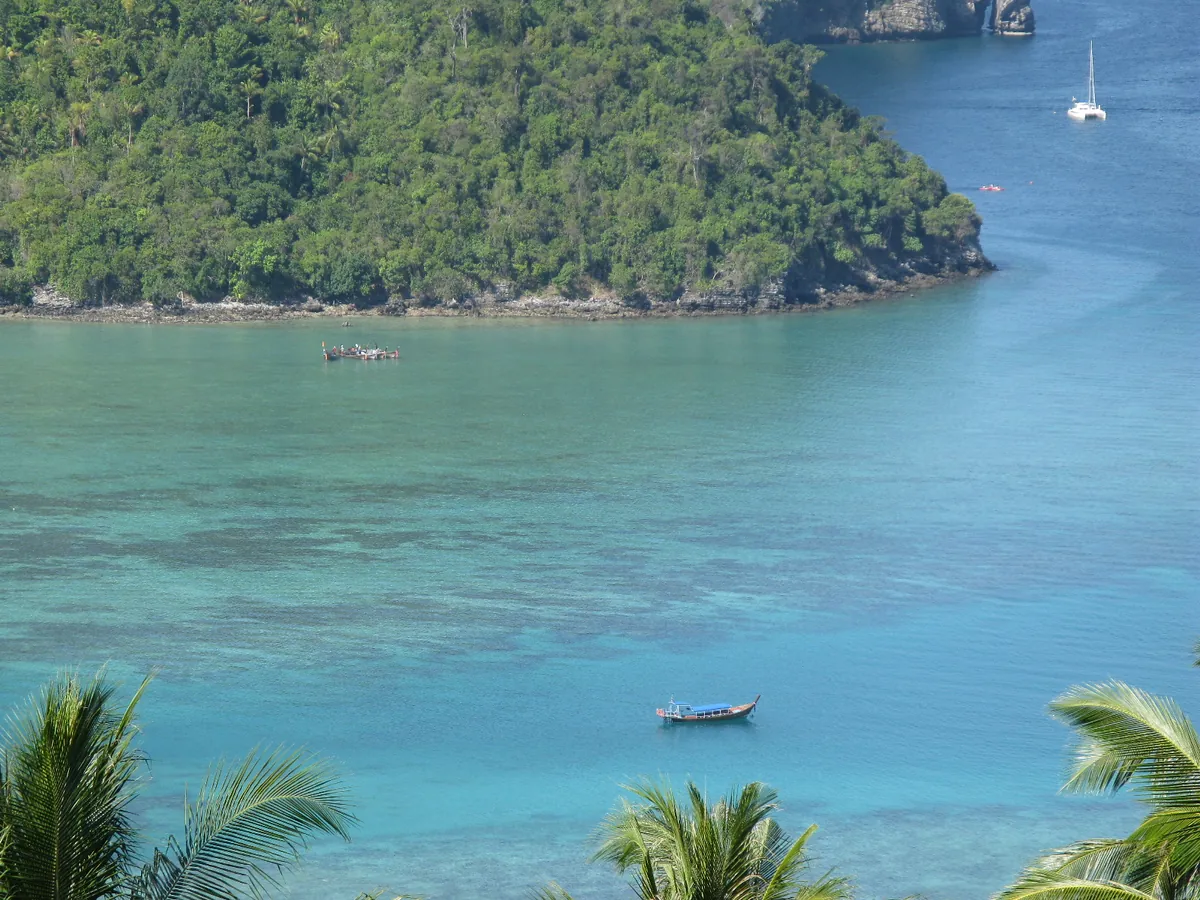
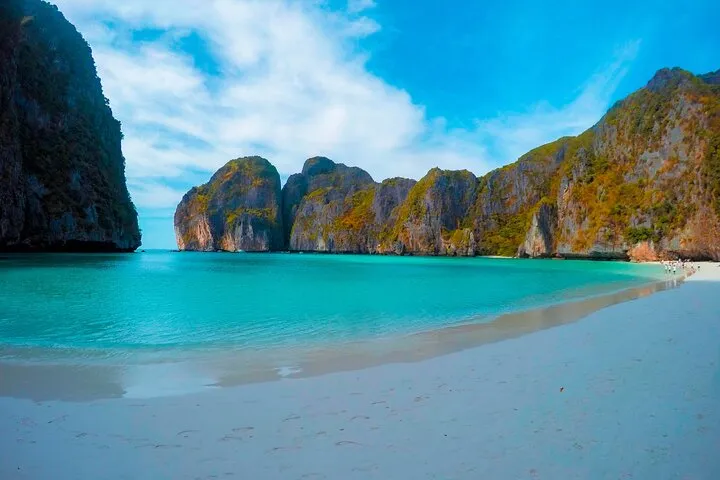
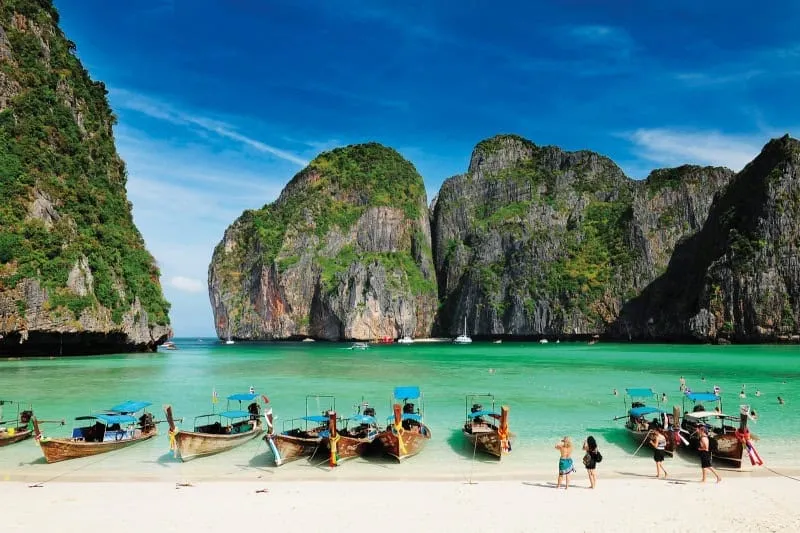
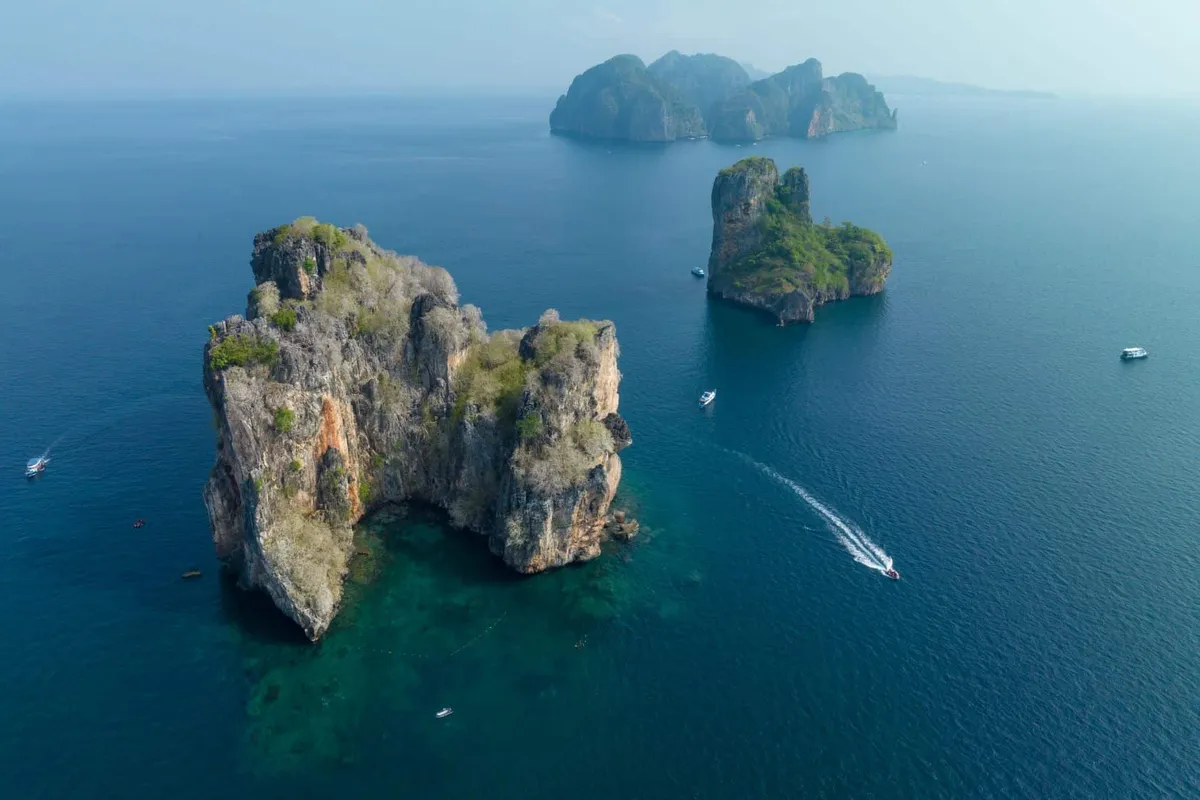
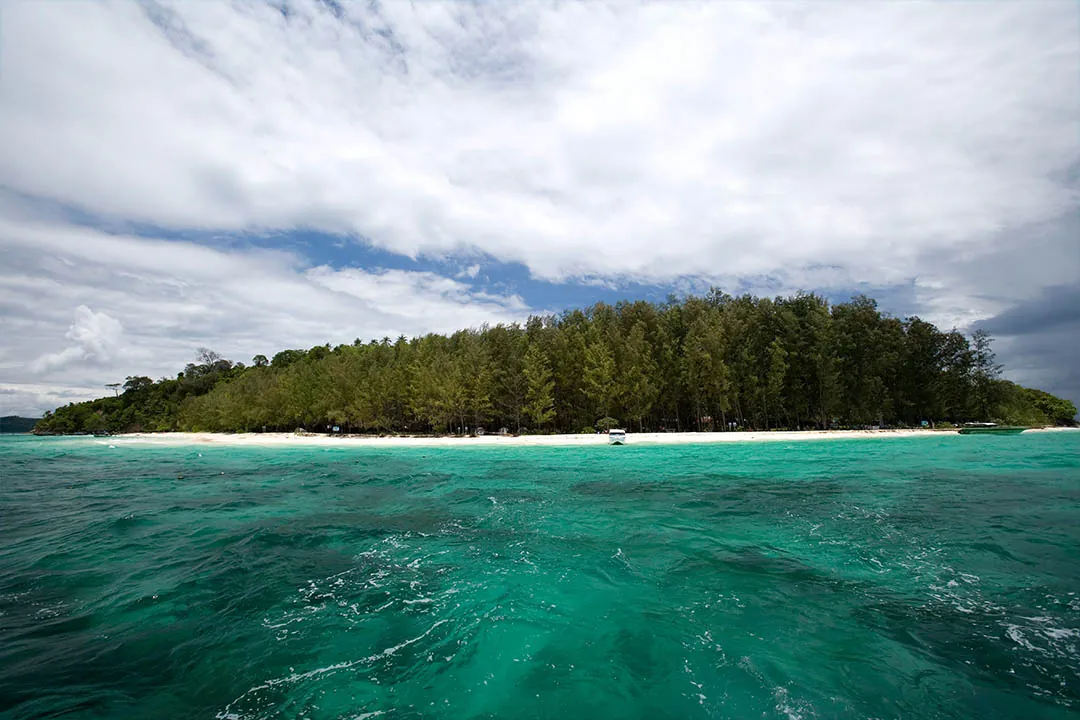
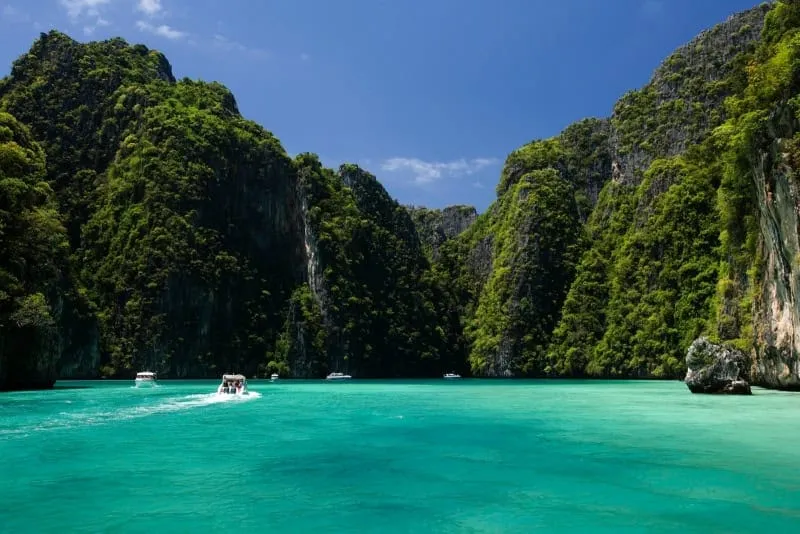
The climb above Ton Sai village on Koh Phi Phi Don delivers the island’s signature shot: the narrow isthmus pinched between Ton Sai Bay and Loh Dalum Bay, with Koh Phi Phi Leh low on the horizon. The route is a steep uphill walk with several viewpoint levels rather than one fixed platform. Allow extra time in the heat, carry water, and check the current entry fee at the start of the trail.
Phromthep Cape, Phuket
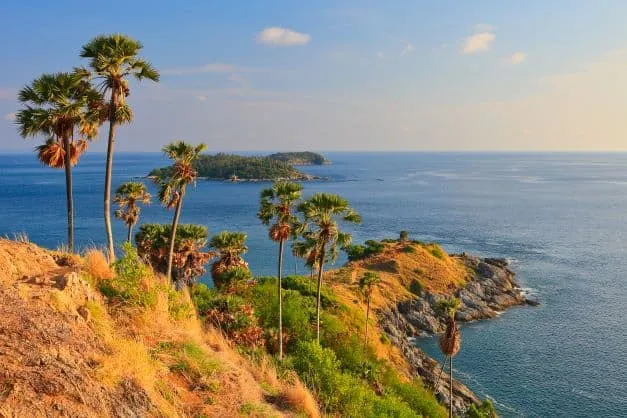
Phromthep is Phuket’s classic sunset, a headland at the island’s southern tip where the land falls away to the Andaman Sea and a small islet sits offshore. It is a walk-up — coaches arrive late afternoon, so come 45 minutes before sundown to claim a spot on the slope below the lighthouse. The nearby viewpoint complex has a café and a small shrine. Clear evenings only; haze can mute it.
Karon Viewpoint, Phuket
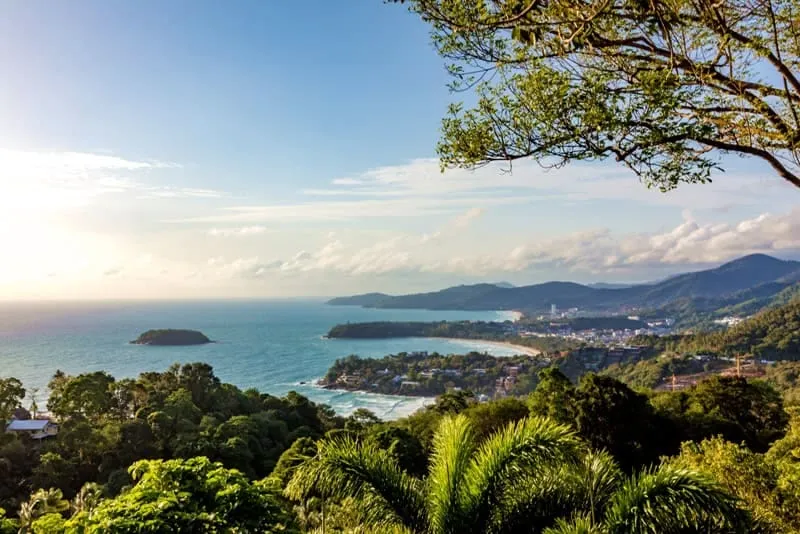
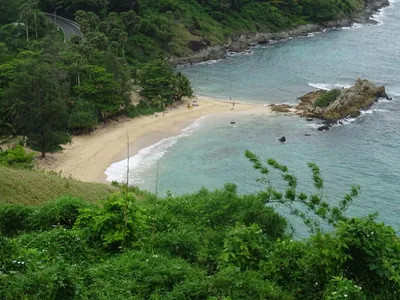
A short drive up the coast road, Karon Viewpoint (also called Kata Viewpoint) lines up three of Phuket’s best beaches in a single frame — Kata Noi, Kata and Karon curving north in descending shades of blue. It is a roadside stop with parking, so no climb required, which makes it the easy win on a west-coast drive. Mid-morning to early afternoon gives the strongest colour in the water.
Chiang Mai
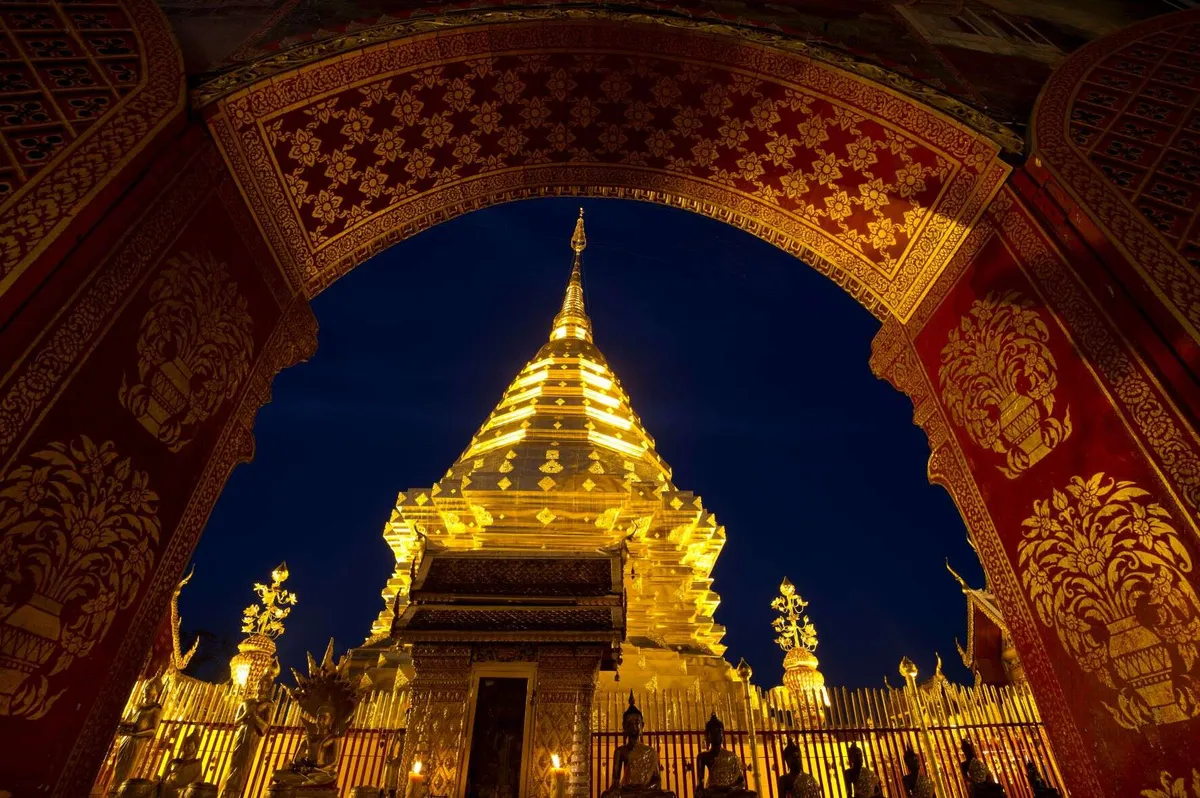
The terrace at Wat Phra That Doi Suthep, on the mountain above Chiang Mai, overlooks the old city and airport runway below the golden chedi. A funicular or the 300-step naga staircase gets you up. Haze can begin in February and is often heaviest in March and April, although conditions vary; check the live PM2.5 reading before travelling up for the view.
Mae Hong Son
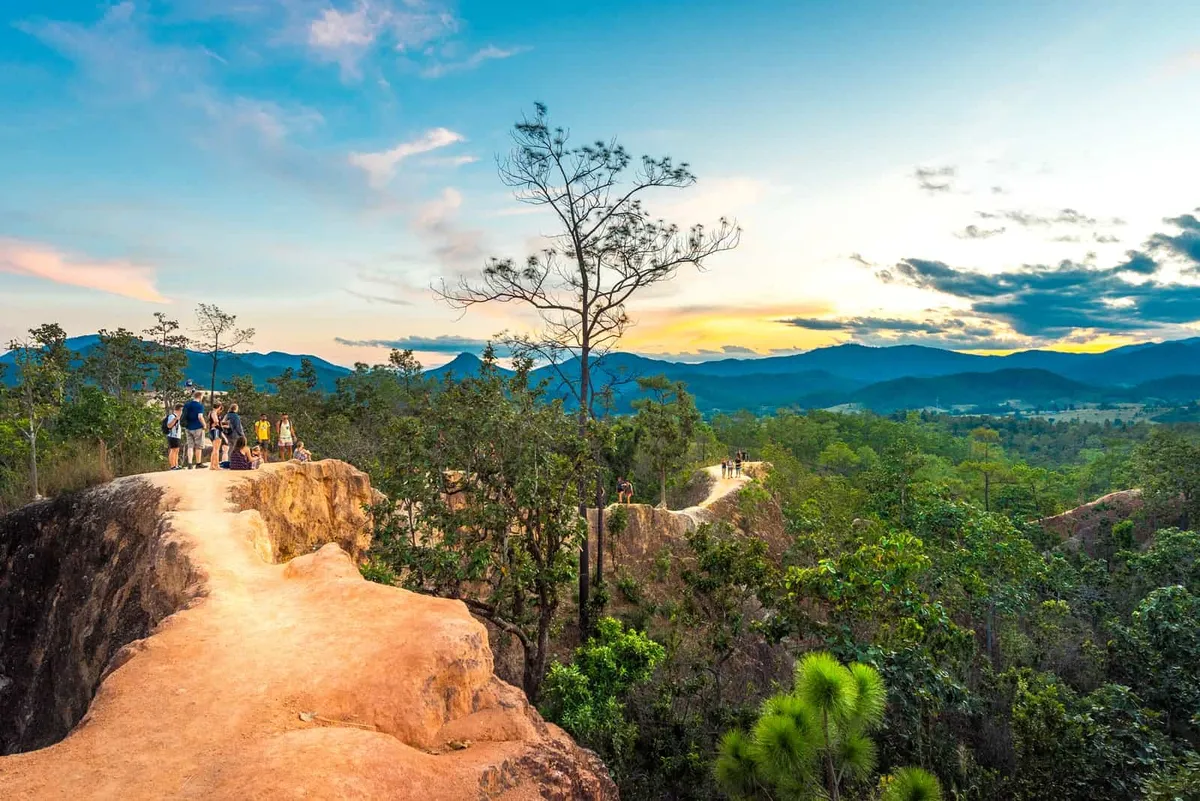
Pai Canyon (Kong Lan) is a maze of narrow red-earth ridges just outside Pai, and the appeal is walking the spines themselves — knife-edge paths with drops on both sides, no railings, best at sunset when the ridges glow. It is a short climb from the car park to the first viewpoint; going further is a scramble for those with a head for heights and good shoes. Free, and rightly popular at dusk.
Yun Lai Viewpoint
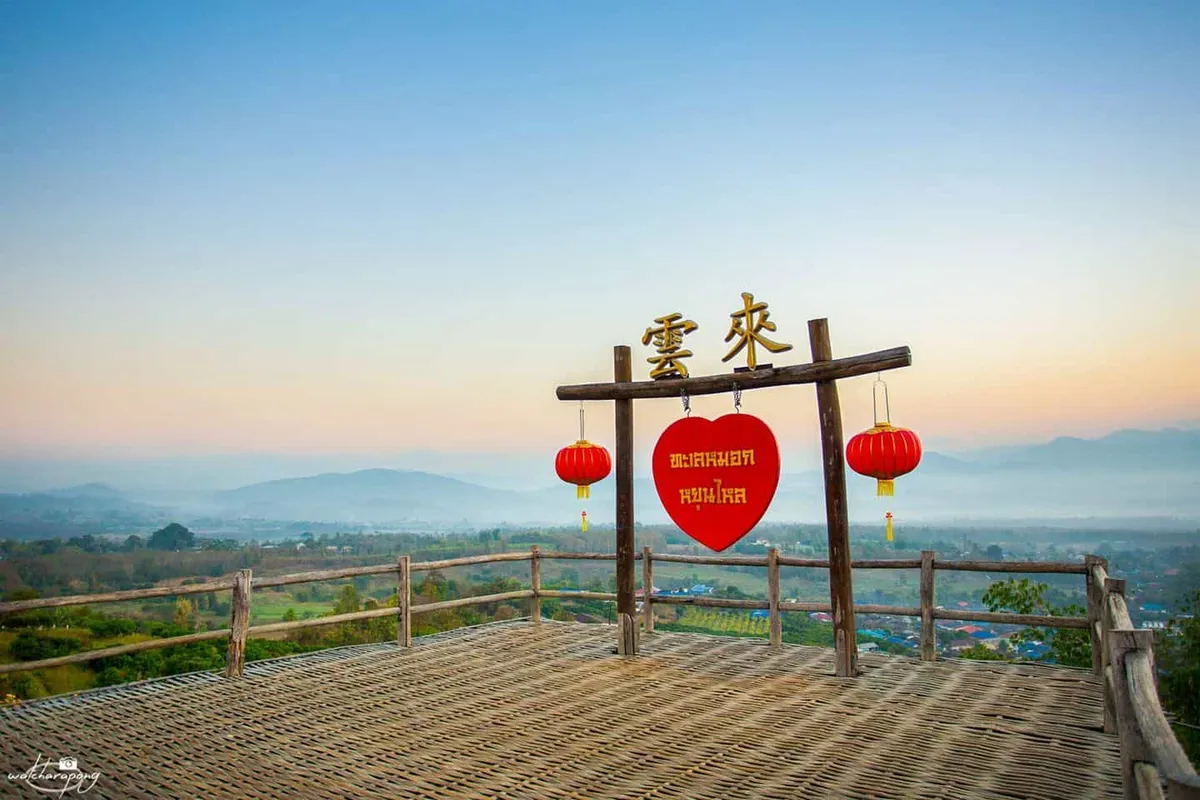
Above the Chinese village of Santichon, Yun Lai is Pai’s sunrise spot — a terraced lookout over the Pai valley that fills with mist in the cool early morning, with mountains layering into the distance. There is a small entry fee that includes a cup of local tea. Drive up in the dark to catch the mist before the sun burns it off; it is at its best from November to February.
Chiang Rai
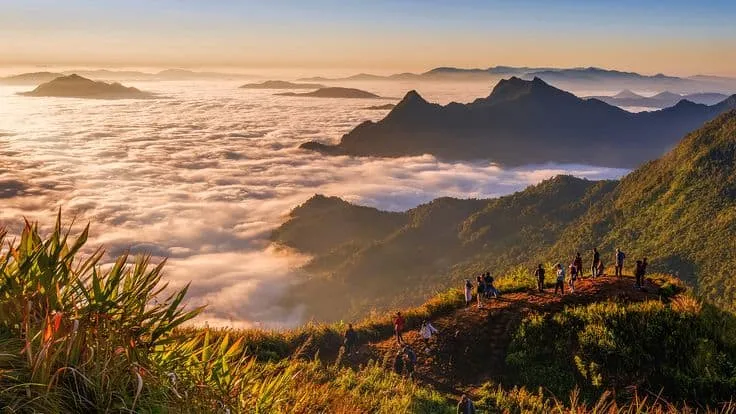
Phu Chi Fa is the cliff that juts out over the Thai–Lao border in far eastern Chiang Rai, famous for its sunrise sea of mist filling the valley below toward the Mekong. It means a pre-dawn drive and a 30-minute uphill walk in the cold to the exposed summit, but on a clear winter morning it is among the finest sunrises in the country. Bring a warm layer — it gets genuinely cold up there.
Phang Nga
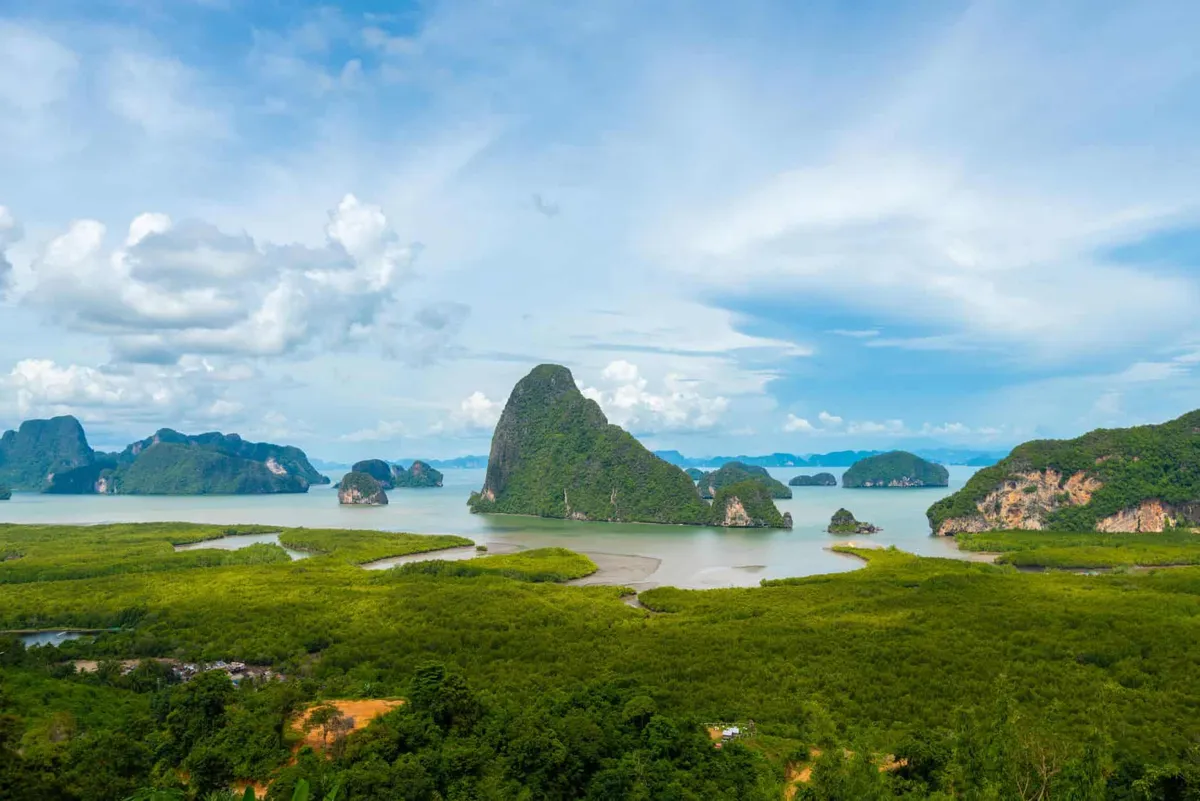
Samet Nangshe is the sunrise viewpoint that frames Phang Nga Bay’s limestone karsts rising out of the mist — the “James Bond bay” seen from above rather than at sea level. A 4WD shuttle or a short steep hike from the car park reaches the deck before dawn. It has become popular enough to need an early start, but the layered karsts at first light justify the alarm. Best in the cool, clear season.
Mahanakhon SkyWalk
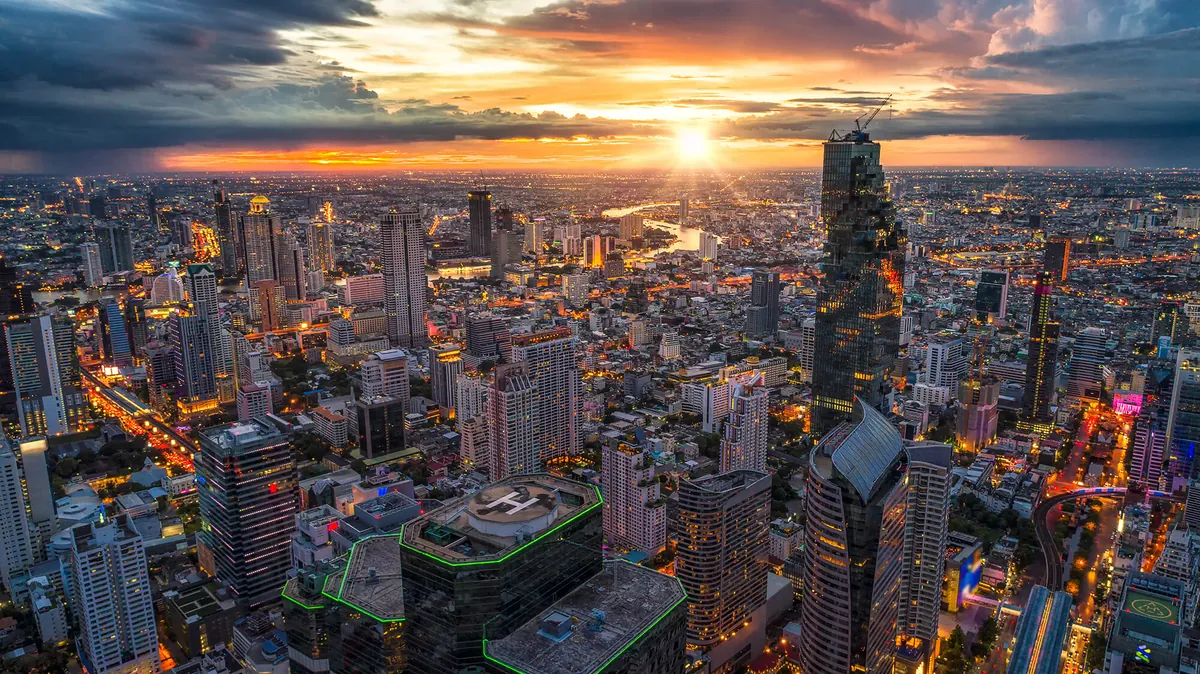
For the urban version, the King Power Mahanakhon tower puts an observation deck at 314 metres — the highest in Thailand — with an indoor level on the 74th floor and an open-air rooftop on the 78th, including a glass-floored platform around 310 metres up. Current published hours are 10am to midnight daily, with last access at 11pm. Check the live ticket price and weather policy before going, because rain or storms can restrict the outdoor deck.
Wat Saket (Golden Mount), Bangkok
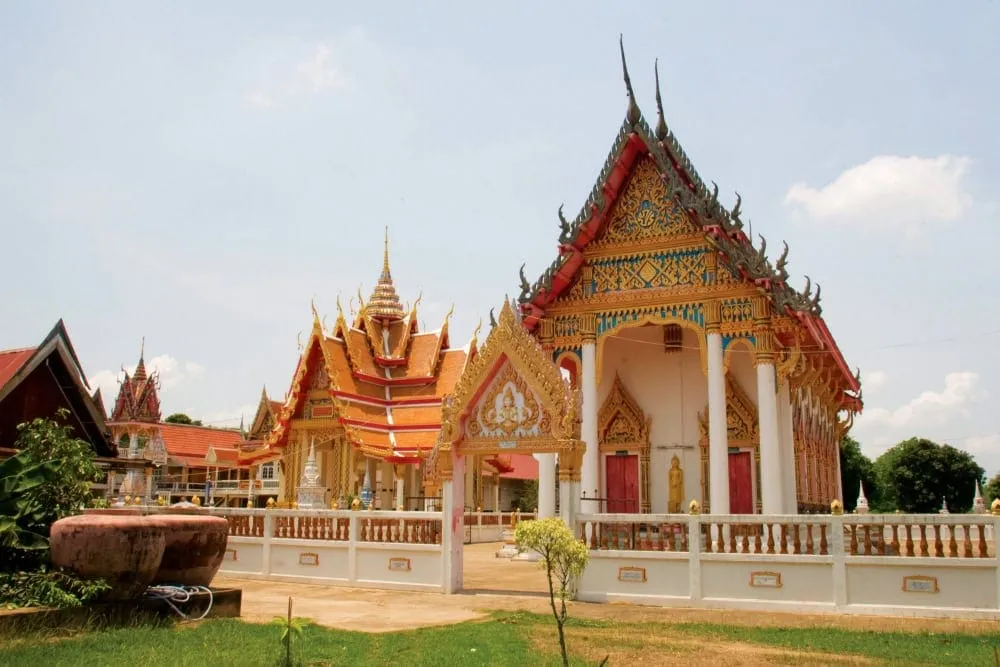
The older, cheaper Bangkok overlook is the Golden Mount — a 300-step spiral climb up an artificial hill crowned by a golden chedi, with a 360-degree view across the low rooftops of the old city, temple spires and the river. It is a working temple, so the climb is a gentle pilgrimage past bells and prayer flags. Late afternoon into dusk is the time to go, when the heat eases and the light softens.
Kew Mae Pan, Doi Inthanon
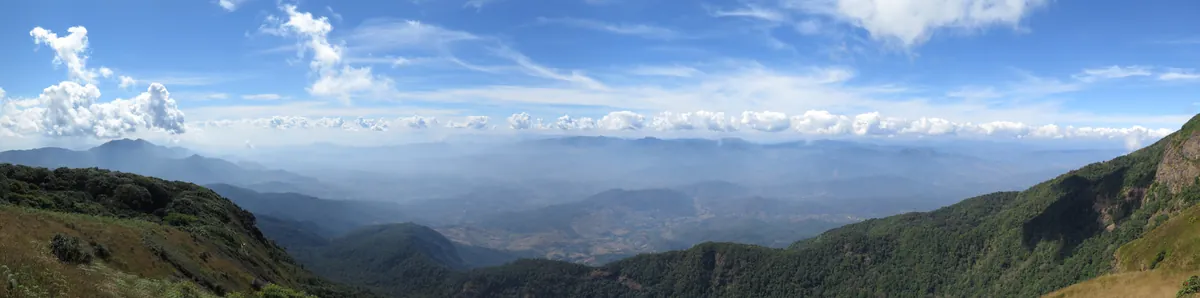
Near the summit of Doi Inthanon, the Kew Mae Pan nature trail runs along a ridge above a sea of cloud, through cool montane forest to an open clifftop that drops into the valley. You walk it with a local guide on a short loop. It closes during the rainy season (roughly June to October) and reopens for the cool months — December to February is prime, when the mist banks up against the ridge in the early morning.
How to choose what to do first
Choose by time of day, weather, and transport first. Thailand rewards early starts, and the best-looking stop on a map can be the wrong one if it puts you in midday heat or cross-town traffic.