






Doi Mae Salong
ดอยแม่สลอง
Former Chinese Nationalist settlement with tea plantations, cherry blossoms, and Yunnan cuisine.
- Best time
- Nov–Feb (cool season)
- From Bangkok
- Flight to Chiang Rai + 1.5–2h winding mountain drive
- How long
- 1–2 nights (overnight gives you the misty morning atmosphere)
- Getting around
- Rental car strongly recommended; day-trip transfer from Chiang Rai possible but limits flexibility
Updated June 2026
Plan your trip
Recommended by us

Tea Plantation 101
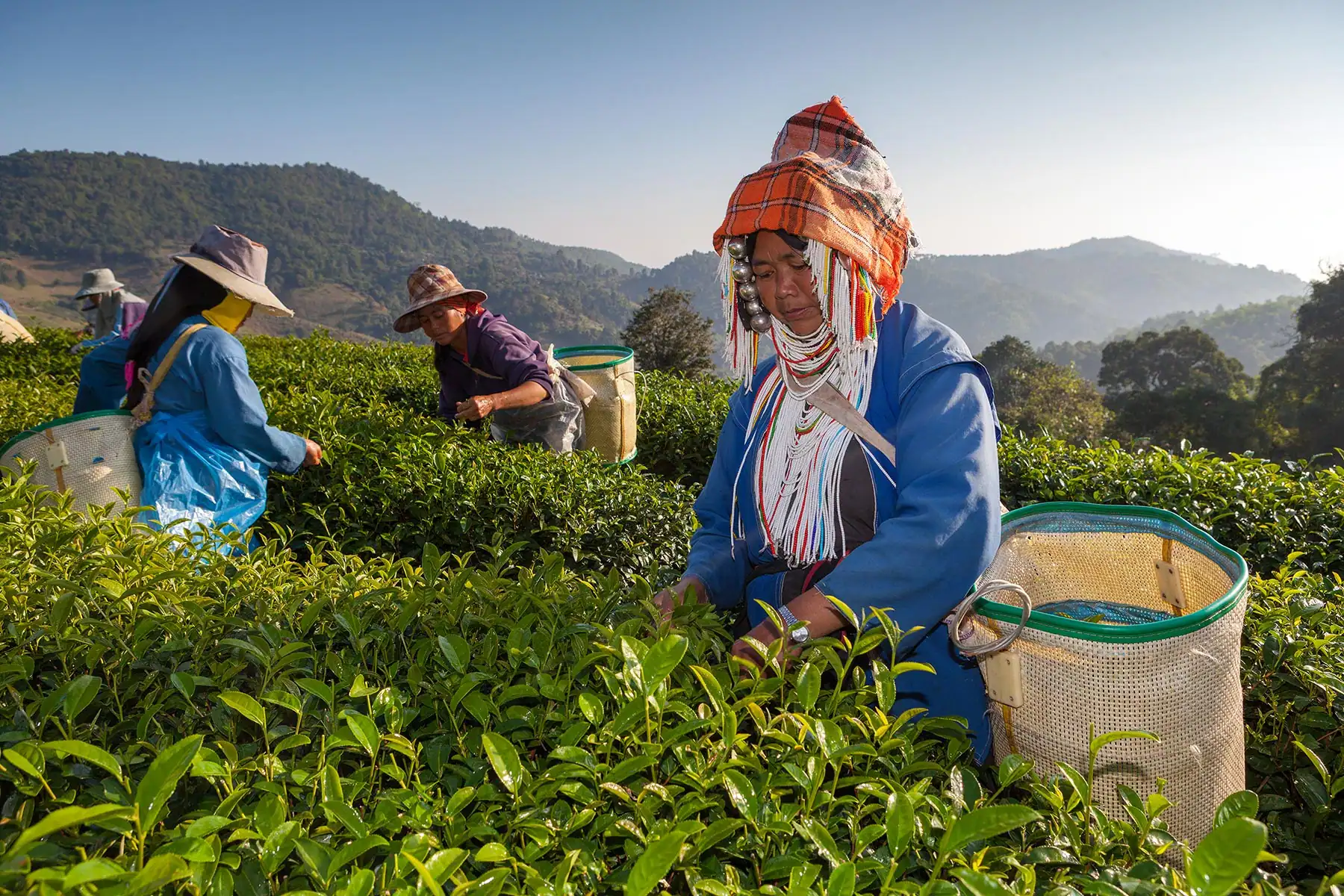
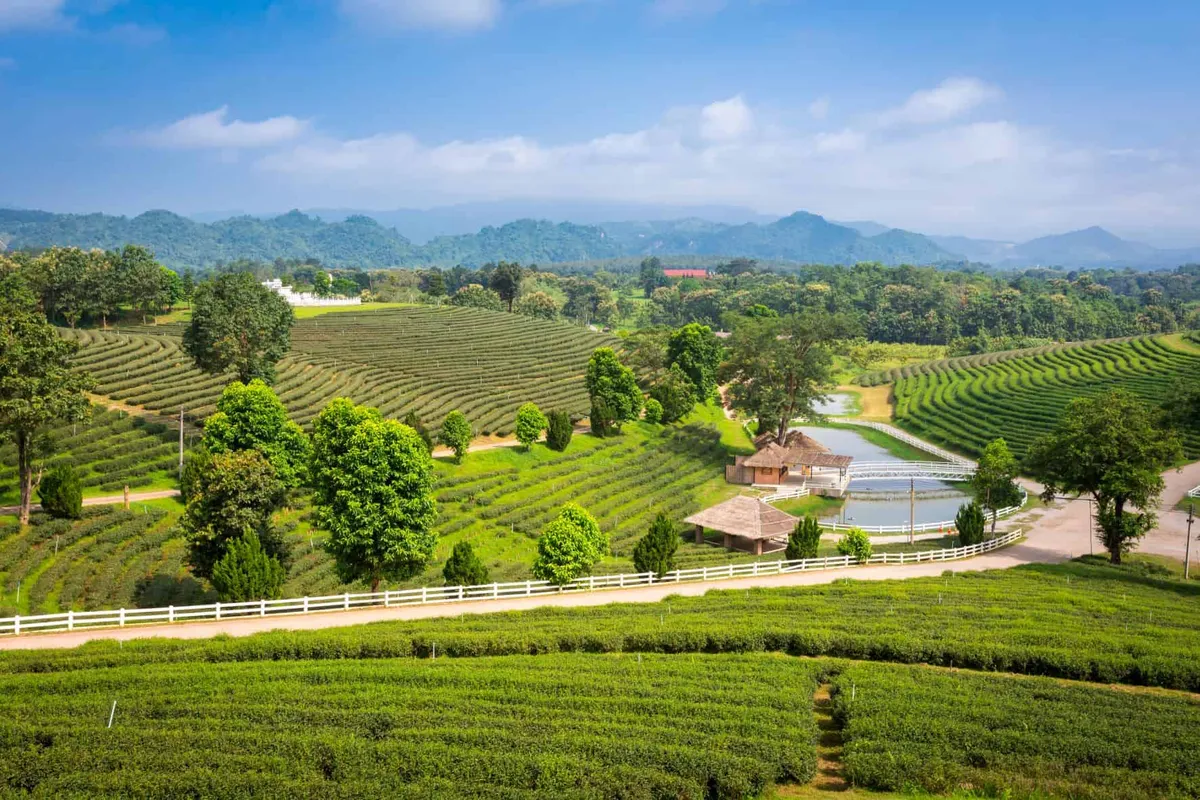
The ridge-top plantation that defines Doi Mae Salong: rows of oolong bushes rolling over the 1,200-metre hillside with a view into Myanmar on clear days. Best before 08:00 when the mist lifts.

Choui Fong Tea Plantation
The most visited of the Doi Mae Salong tea farms: a tasting room, hill-view café, and manicured rows you can walk through. Busier than Plantation 101 but well set up for visitors.

Wat Phra That Doi Wao
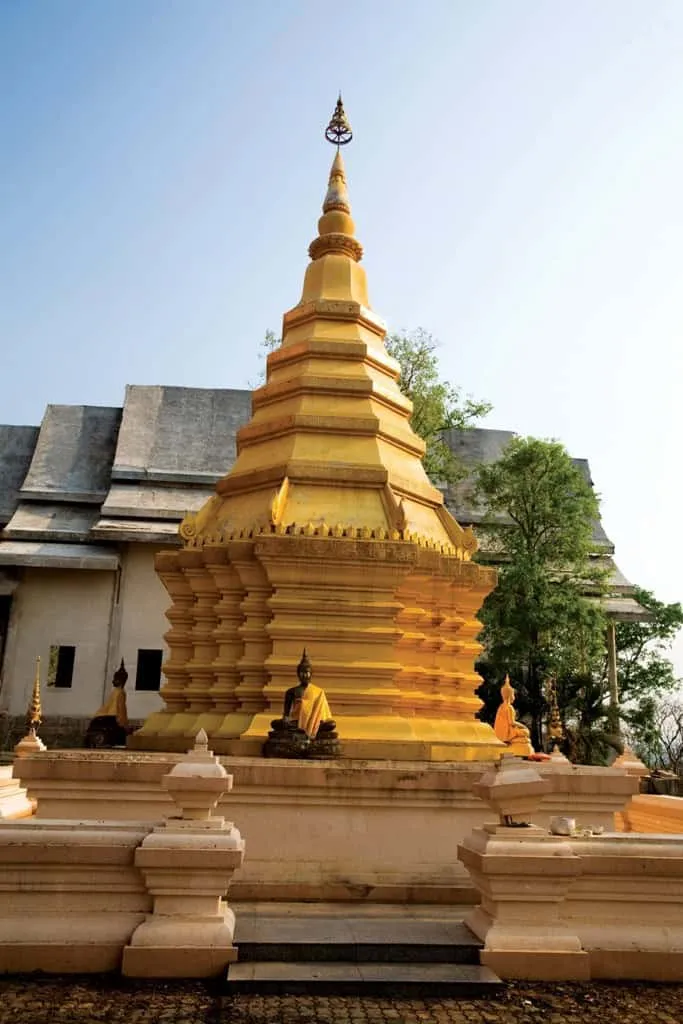
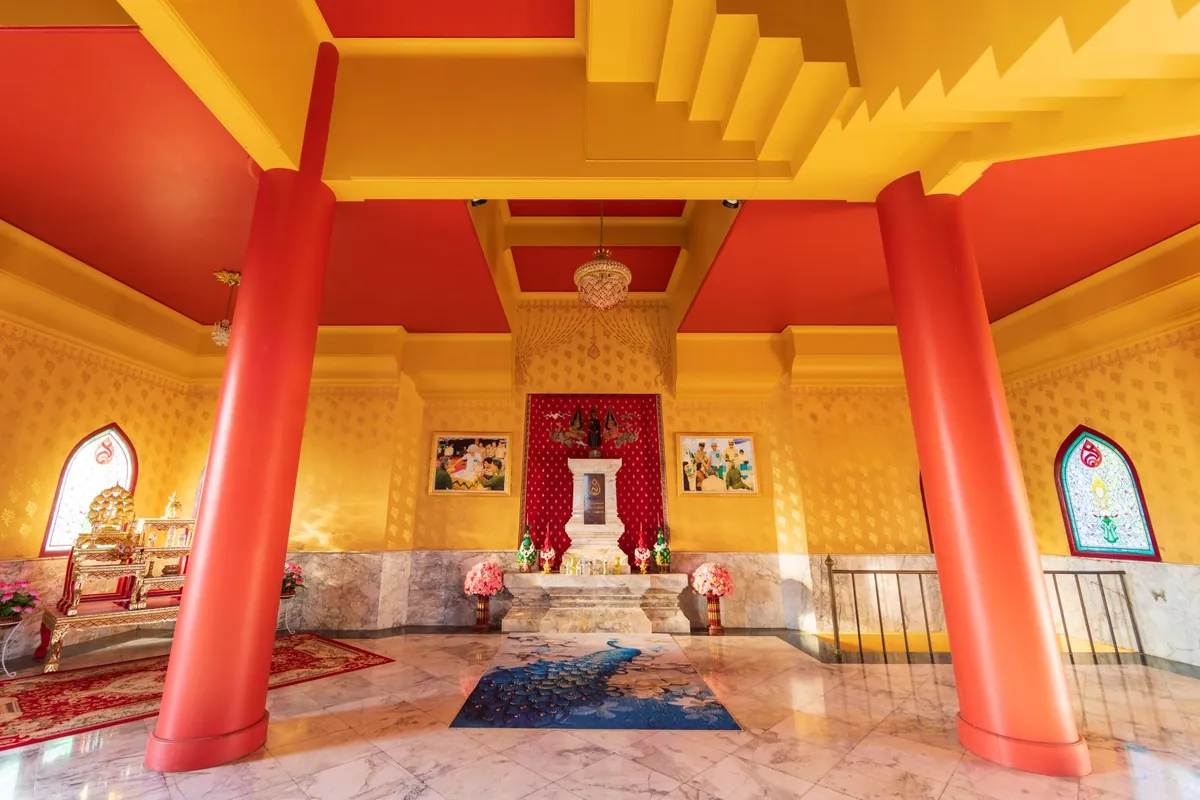
A Chinese Nationalist-era war memorial temple on the ridge above the village: the stupa and the 360-degree mountain views are the reason to climb. Come at sunset.

Ban Pha Hi
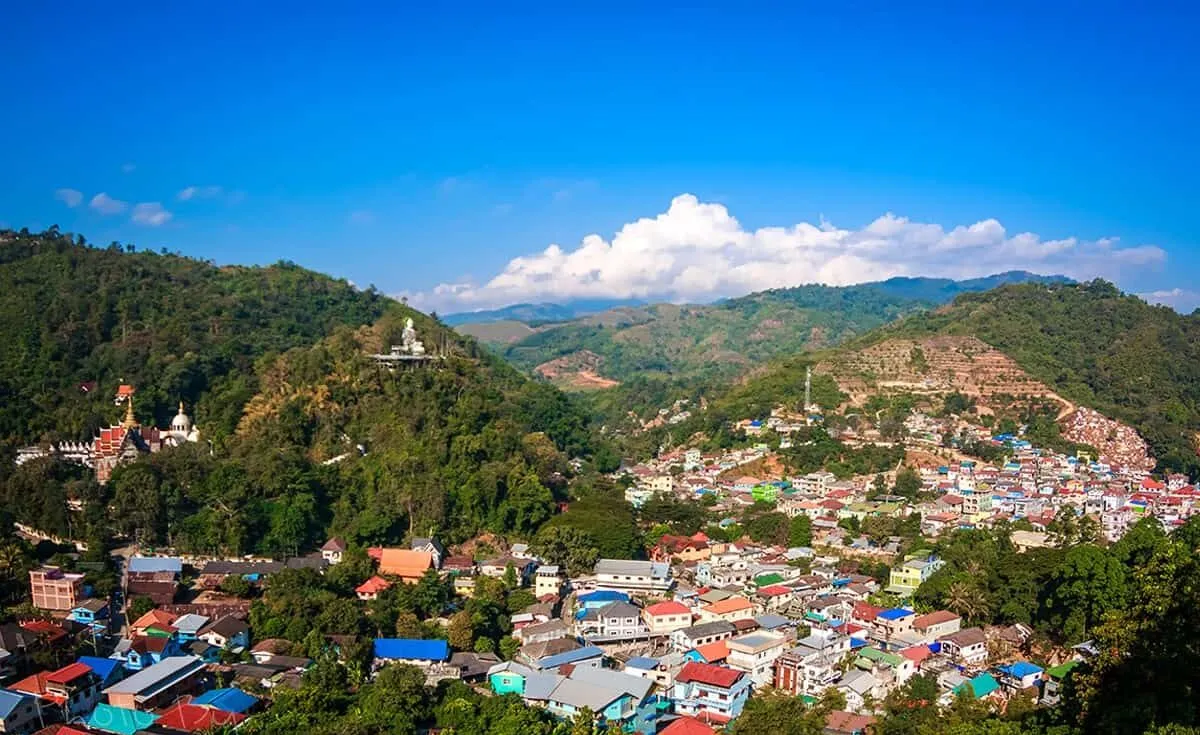
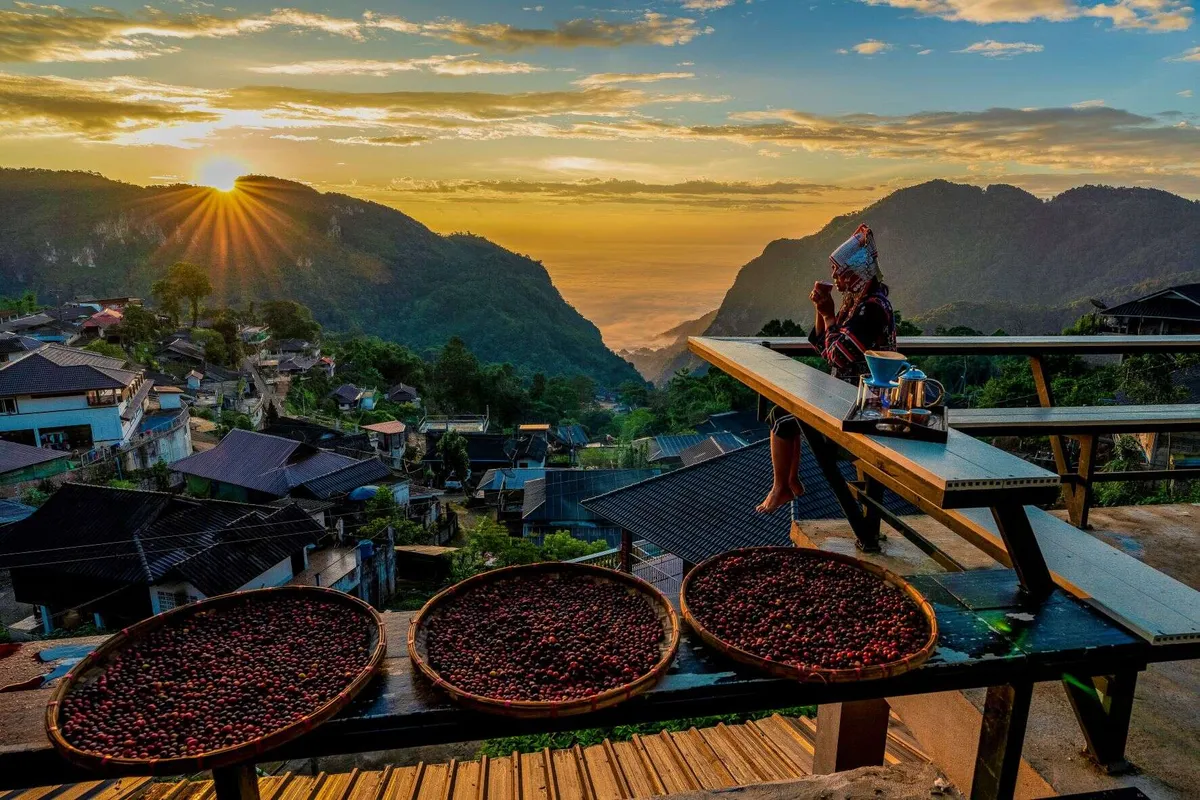
A Shan and Akha settlement on the slopes below Doi Mae Salong where daily life (markets, embroidery, simple food stalls) goes on regardless of the trickle of travellers passing through.

Get to Chiang Rai
Doi Mae Salong is 60 km from Chiang Rai: get to Chiang Rai first by flight or bus, then hire a driver or take a songthaew up the mountain road.

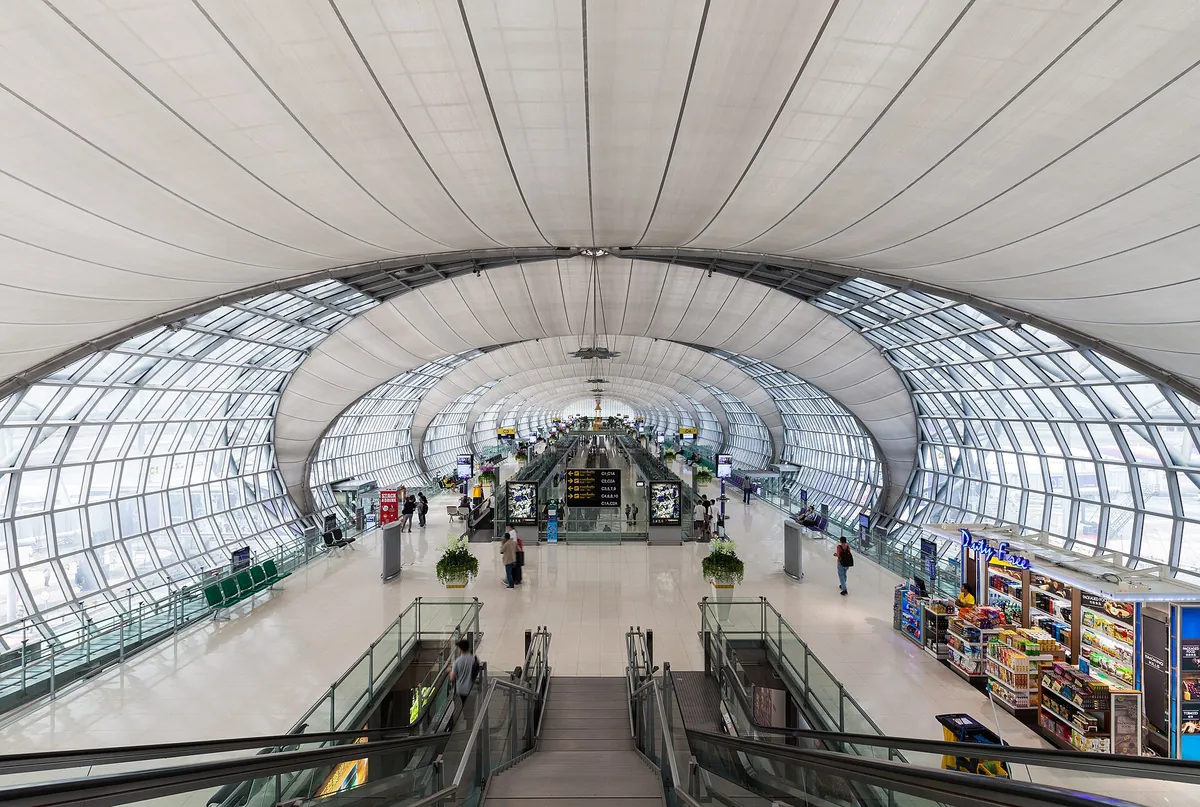
eSIM for Thailand
Land with data already working and skip the airport SIM queue. We tested six plans. Code THAIHOLIDAY saves 10%.

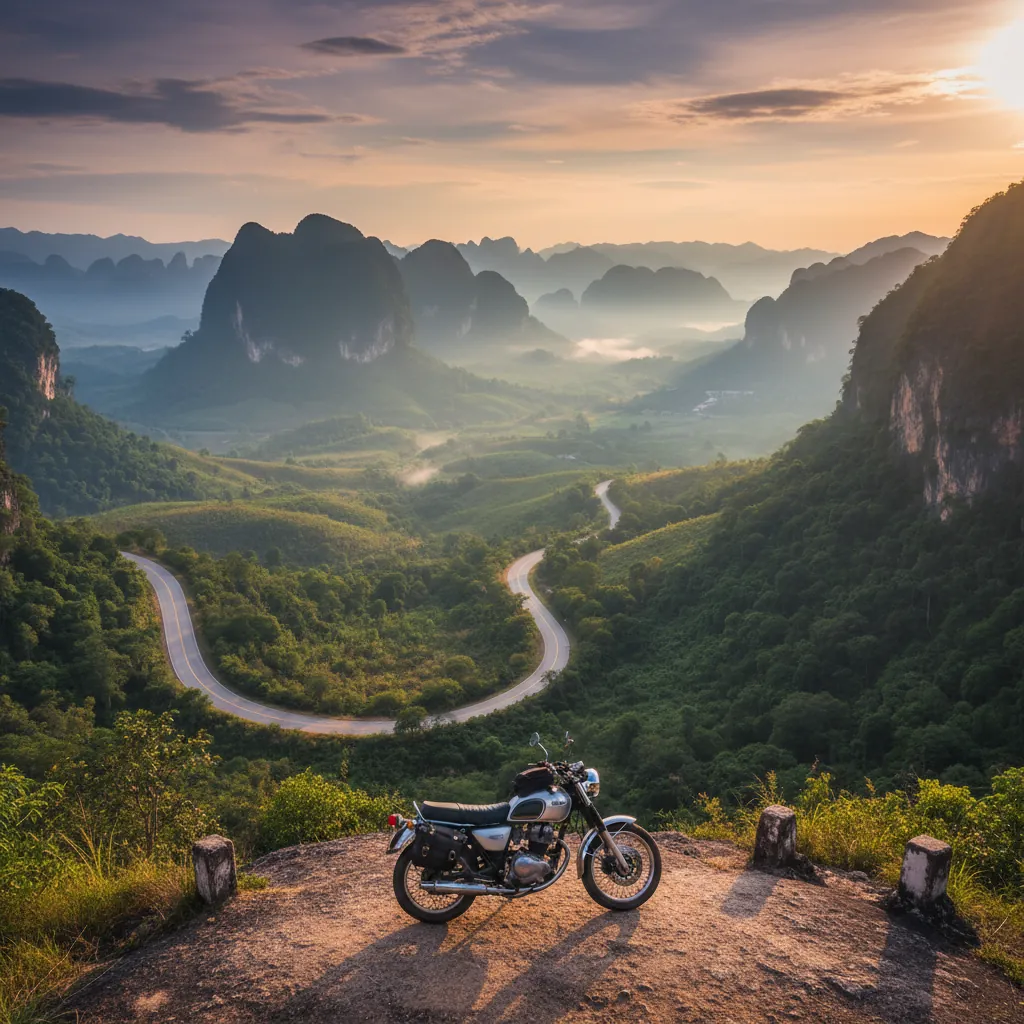
Travel insurance
Mountain roads, steep hillside tracks, and scooter rentals at altitude. Sort cover before you go. The motorbike clause matters on northern mountain routes.
Top sights & experiences
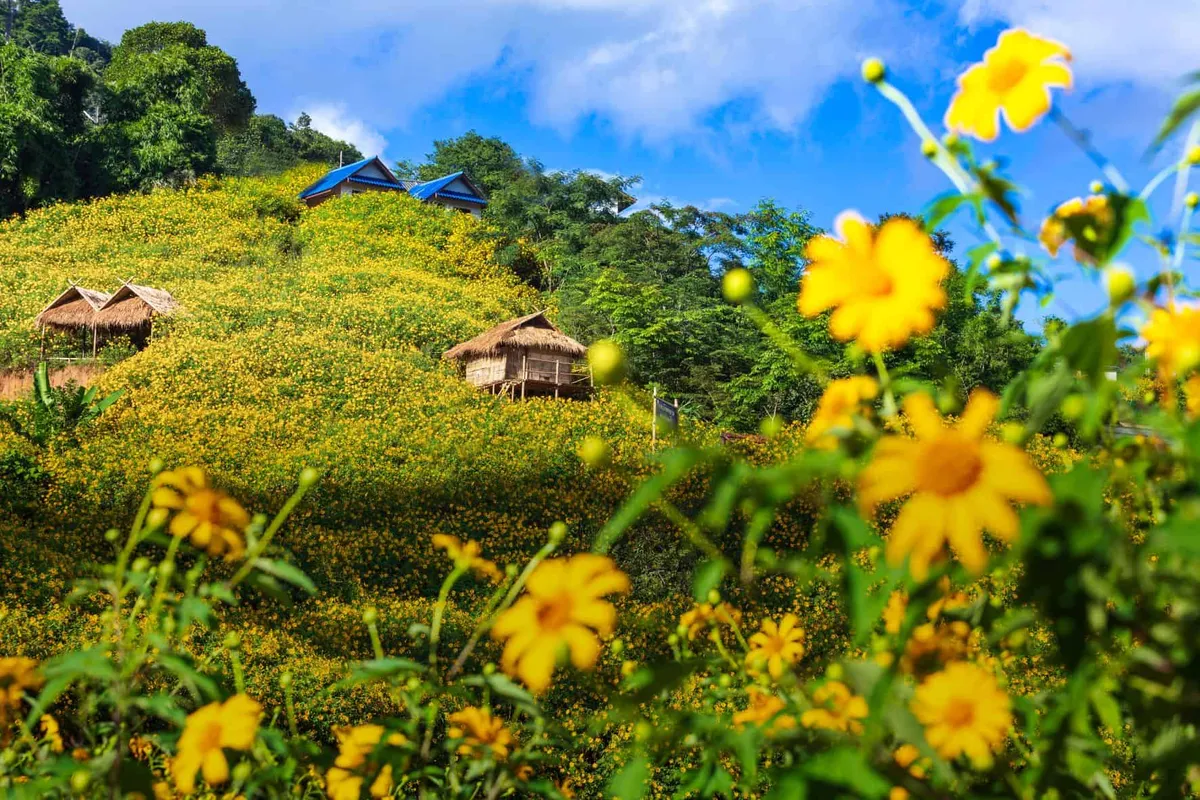
Things to do in Doi Mae Salong






Things to do on the map
Tap a pin for details. 8 places in Doi Mae Salong plotted.
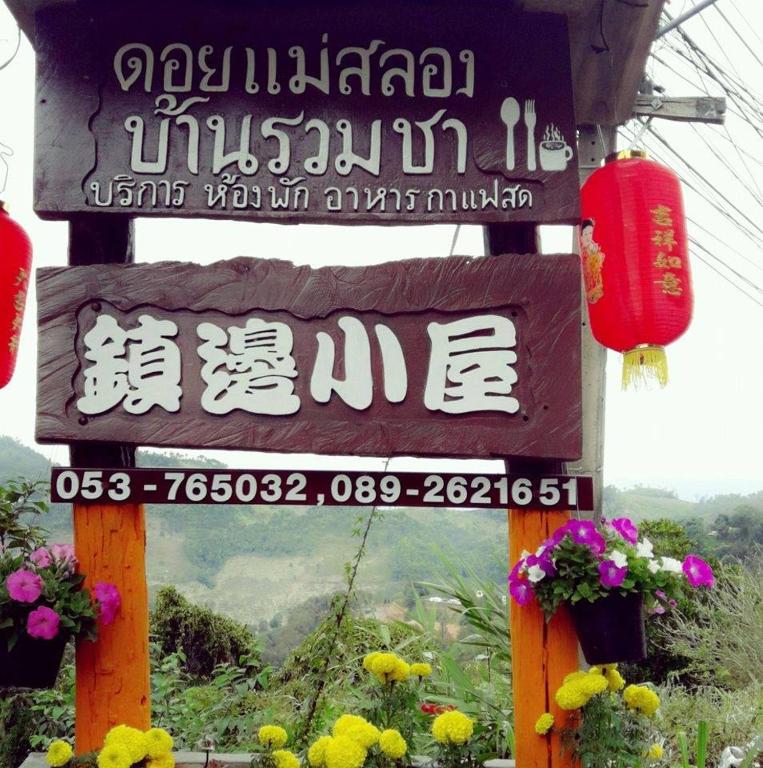
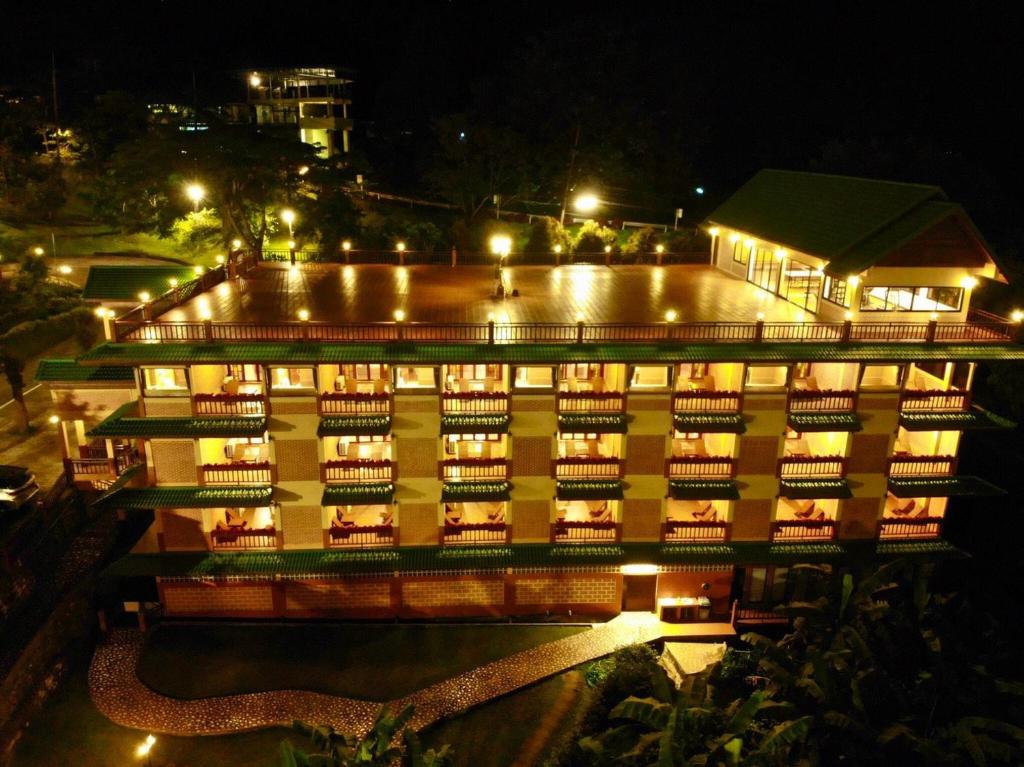
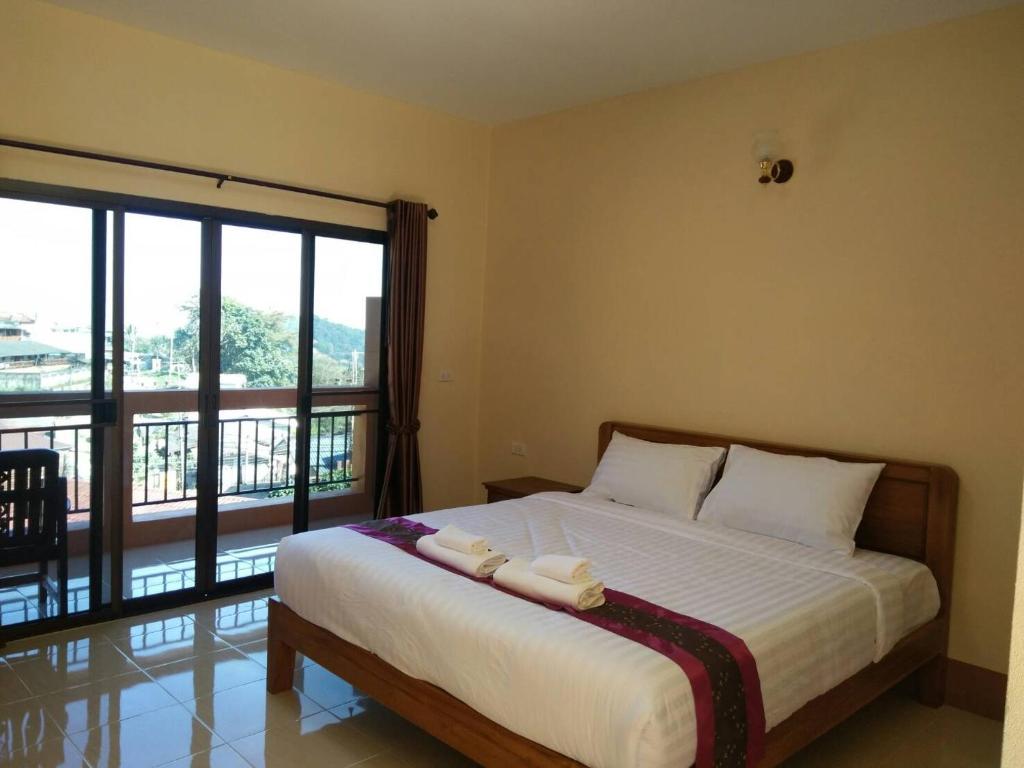
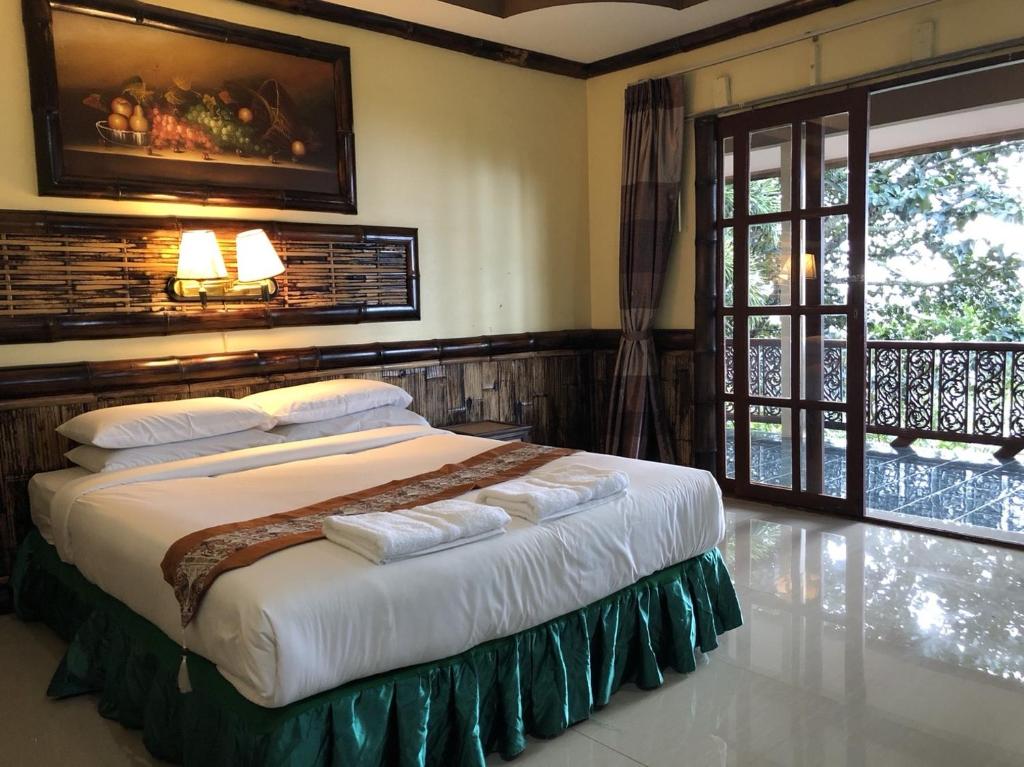
Where to stay in Doi Mae Salong
Also nearby
Tours in Chiang Rai

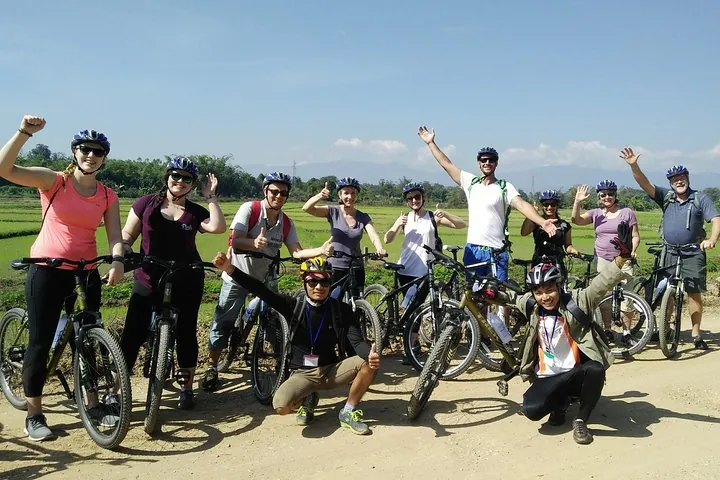
Chiang Rai Cycling Tour: Countryside & White Temple


Full Day Group Tour in Chiang Rai

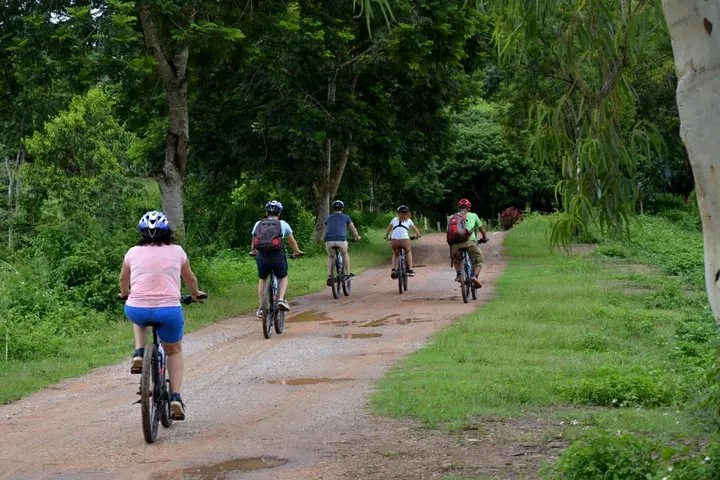
Half Day Cycling Tour to the White temple

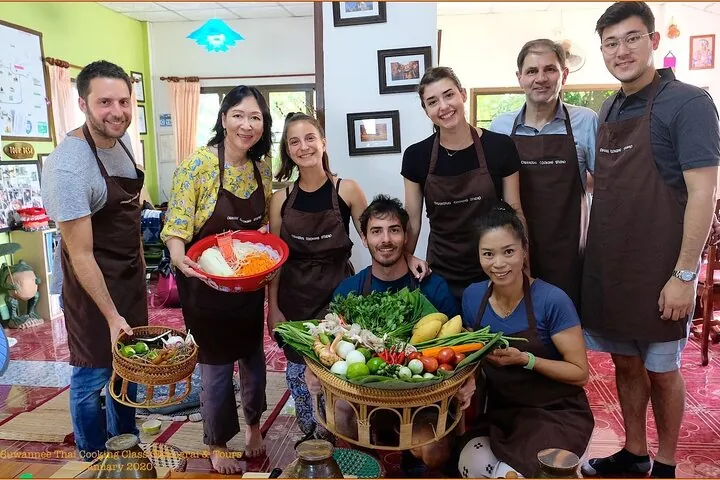
Chiang Rai Thai Cooking Class with Market Tour

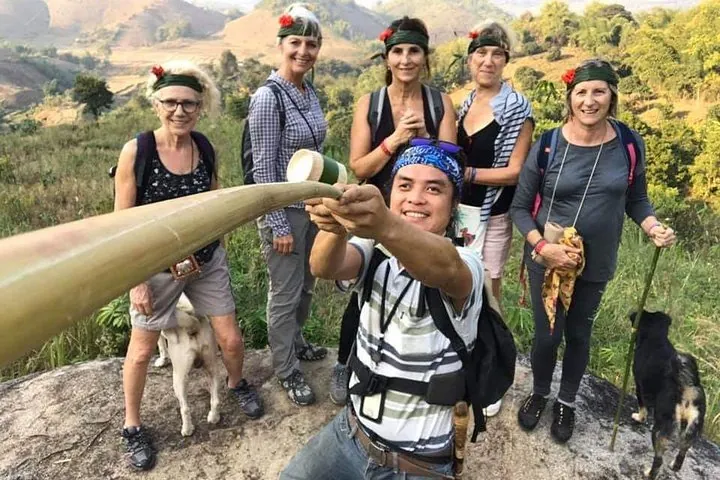
1 Day Trekking Group Tour With Bamboo Cooking / Chiang Rai

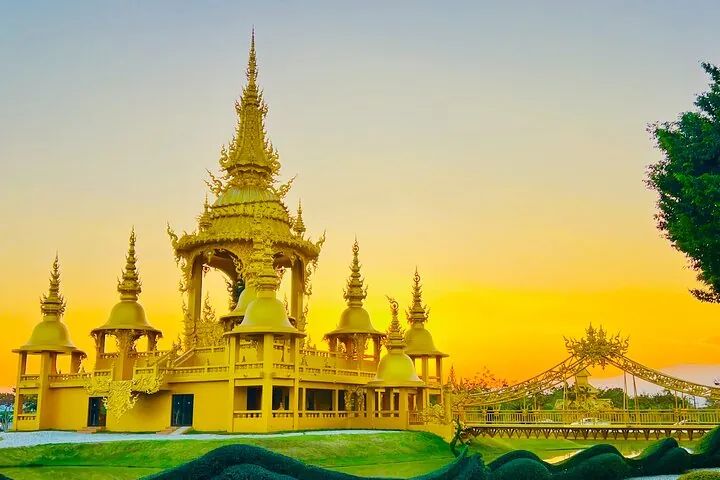
Chiang Rai: Discover 7 Must-See Spots & Lunch Buffet


Chiang Rai Private Day Tour: White Temple and Black House

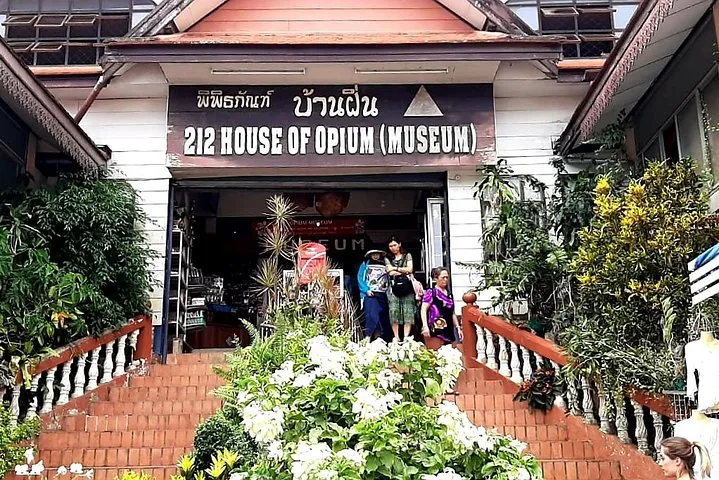
Chiang Rai Sightseeing Group Tour, Chiang Rai Pickup
When to go
Nov–Feb Temperatures drop sharply at this altitude. Genuinely cold January nights call for a heavy jacket. Cherry blossoms appear late January through February, drawing day-trippers from Chiang Rai. Tea harvests begin, and the village has a brisk, alpine quality.
Mar–Apr The worst period. Crop burning across the Shan hills and northern Thailand creates heavy haze that completely obscures the tea-plantation views Doi Mae Salong is known for. Air quality can reach hazardous levels in March. A mask is essential, not optional.
May The haze lifts and pre-monsoon rains bring some relief from the heat, though the mountain roads can become slippery. Crowds are minimal and the tea houses are quiet, a reasonable trade-off if you time it right.
Jun–Oct The hillsides turn vivid green and the tea gardens flourish, but mountain roads become treacherous after heavy rain. The descent from the village can be genuinely hazardous in a downpour. 4WD or a confident driver is advisable.
More to explore around Chiang Rai


About Doi Mae Salong
Last updated June 2026
Doi Mae Salong: Mountain Tea Culture Meets Chinese Heritage
This mountain settlement in Chiang Rai province offers something completely different from typical Thai destinations. Doi Mae Salong is a former Chinese Nationalist stronghold that’s evolved into a fascinating cultural enclave where you’ll find tea plantations cascading down hillsides, authentic Yunnan cuisine, and cherry blossoms blooming in the cool season. The community here maintains strong Chinese traditions while being fully integrated into modern Thailand. Expect cooler temperatures, mountain scenery, and a pace of life that’s refreshingly different from Thailand’s beach towns or lively cities. This destination appeals to travelers seeking cultural immersion, tea enthusiasts, and anyone wanting to experience Thailand’s ethnic diversity beyond the mainstream tourist trail.
Top Things to Do
The tea plantations are the main draw here - you can tour working farms, learn about tea processing, and sample varieties you won’t find elsewhere in Thailand. The Chinese influence means excellent Yunnan-style restaurants serving dishes like crossing-the-bridge noodles and steamed buns that taste authentic. During cool season (roughly December to February), cherry blossoms create pink-tinged landscapes that feel more like rural China than tropical Southeast Asia.
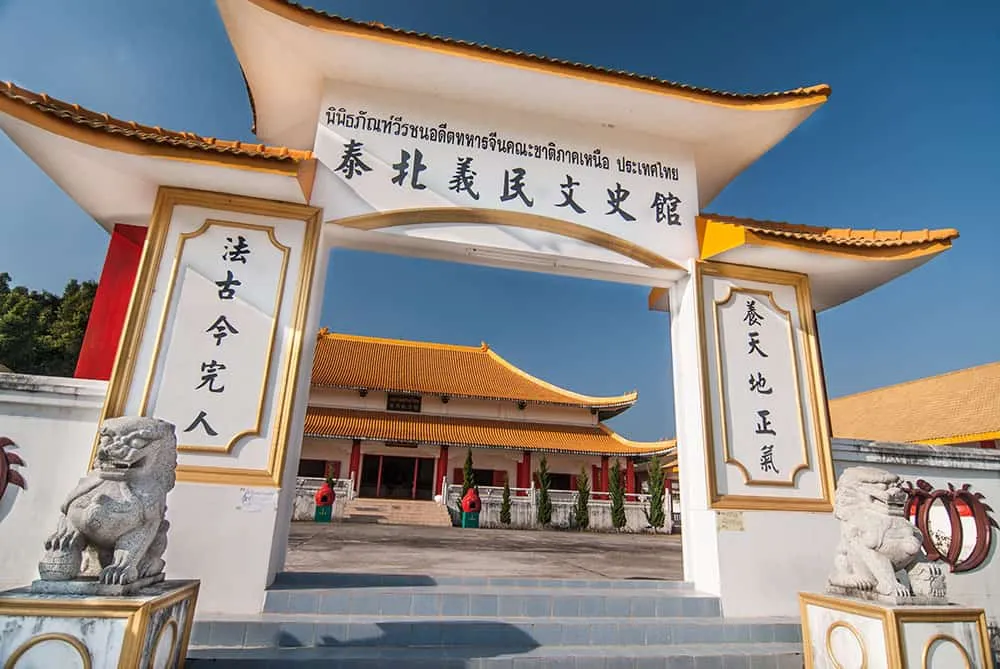
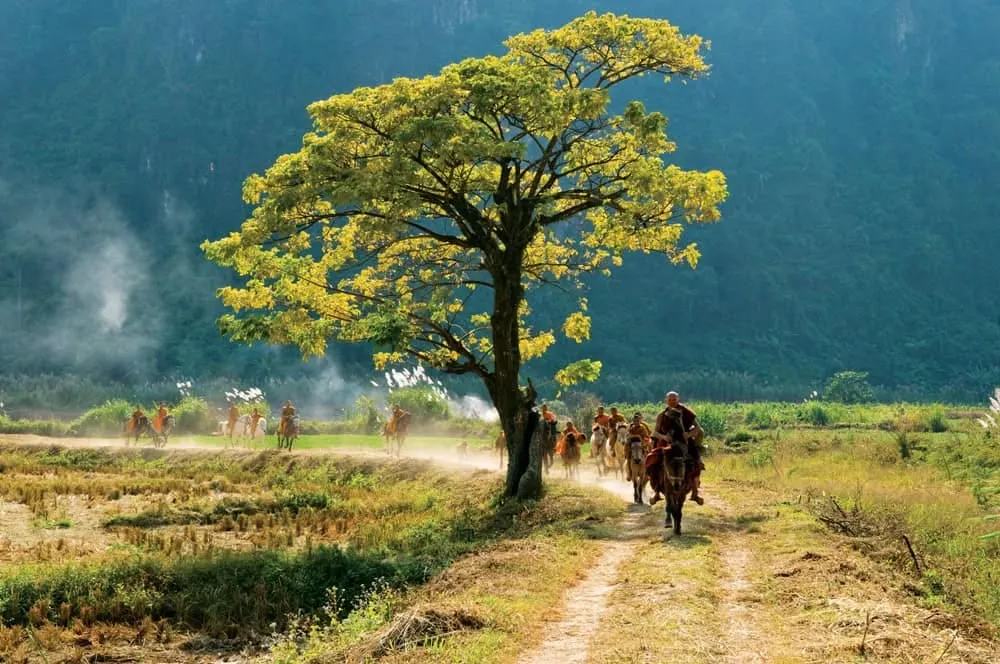
Walking through the village reveals temples mixing Chinese and Thai architectural elements, while local markets sell tea leaves, Chinese herbs, and mountain produce. The surrounding hills offer hiking opportunities with views across the Golden Triangle region. Photography enthusiasts will find the combination of mountain mist, tea terraces, and traditional architecture particularly rewarding. The cooler climate makes outdoor activities more comfortable than in Thailand’s lowland areas.
Where to Stay
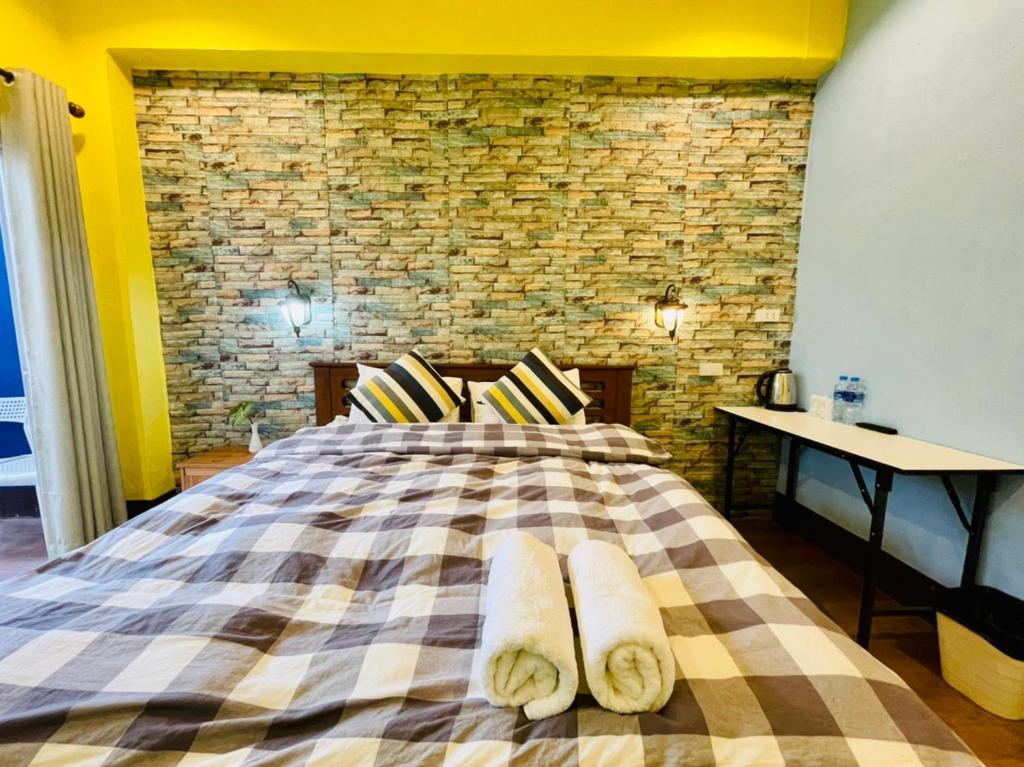
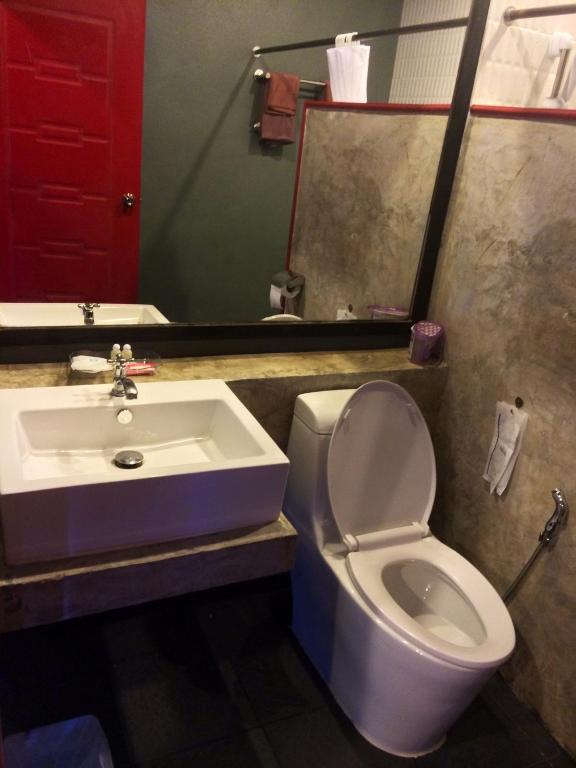
A mix of guesthouses and small hotels caters to the steady stream of domestic and international visitors. Properties here tend to be more basic than luxury beach resorts, but they offer authentic mountain hospitality. Many accommodations are family-run operations where English might be limited but warmth is abundant.
Staying in the village center puts you within walking distance of restaurants and tea shops, while hillside properties offer better views of the surrounding plantations. Expect simple, clean rooms with hot water (essential in the cooler climate) and often home-cooked meals available. The focus here is on cultural experience rather than resort amenities.
Getting There
Doi Mae Salong sits in the mountains north of Chiang Rai city, which serves as your main transport hub. Fly into Chiang Rai Airport, then it’s about a 1.5-hour drive through winding mountain roads. Rent a car for maximum flexibility, or arrange transport through your accommodation. Some tour operators in Chiang Rai run day trips, but staying overnight lets you experience the village’s quieter rhythms.
The mountain roads can be challenging, especially for inexperienced drivers, so consider hiring a local driver. Public transport options are limited, making this destination better suited for travelers comfortable with private transport or organized tours.
Best Time to Visit
Northern Thailand’s cool season from November through February offers the most comfortable weather for Doi Mae Salong. Temperatures can drop significantly at this altitude, so pack layers. This is also cherry blossom season, adding extra appeal. March through May gets hot even at elevation, while the rainy season (June through October) brings heavy downpours that can make mountain roads treacherous.
The cool season also coincides with tea harvesting, so you’ll see the plantations at their most active.
Practical Tips
Bring warm clothes - mountain evenings get genuinely cold by Thai standards. ATMs are available in the village center, but bring cash as a backup. Basic Mandarin phrases might be more useful than Thai in some shops and restaurants. Rent a scooter locally for exploring tea plantations, but only if you’re experienced with mountain riding.
Most restaurants and guesthouses accept Thai baht, and staff often speak some English mixed with Chinese dialects.
Insider Tip: Visit during Chinese New Year celebrations when the village comes alive with traditional lion dances, fireworks, and special foods. The community puts on an authentic celebration that rivals anything you’ll see in major cities, but with an intimate mountain village atmosphere.