




Hill Tribe Museum and Education Center
พิพิธภัณฑ์และศูนย์ศึกษาชาวเขา
The Hill Tribe Museum sits on the third floor of the PDA building on Thanalai Road in Chiang Rai city, and it’s the closest thing the province has to a briefing room for hill tribe culture before you go and meet anyone in person. Entry is 50 THB, which includes a soft-drink voucher at the Cabbages and Condoms restaurant downstairs — yes, that’s the actual restaurant name, and yes, it’s connected to the museum’s parent organization.
The Population and Community Development Association (PDA) built the museum, and it shows: this isn’t a private trekking company’s marketing showroom, it’s a nonprofit’s education centre. Mechai Viravaidya — known across Thailand as “Mr. Condom” for his decades-long family-planning and HIV/AIDS awareness campaigns — founded PDA in the 1970s, and later opened restaurant chains like Cabbages and Condoms specifically to fund the association’s community work. Museum proceeds go toward clothing, blankets, and support distributed to remote hill tribe villages, people living with HIV/AIDS, and orphans in the region — a direct line from your entry fee to a stated cause, which is rarer than it sounds among Chiang Rai’s tourist attractions.
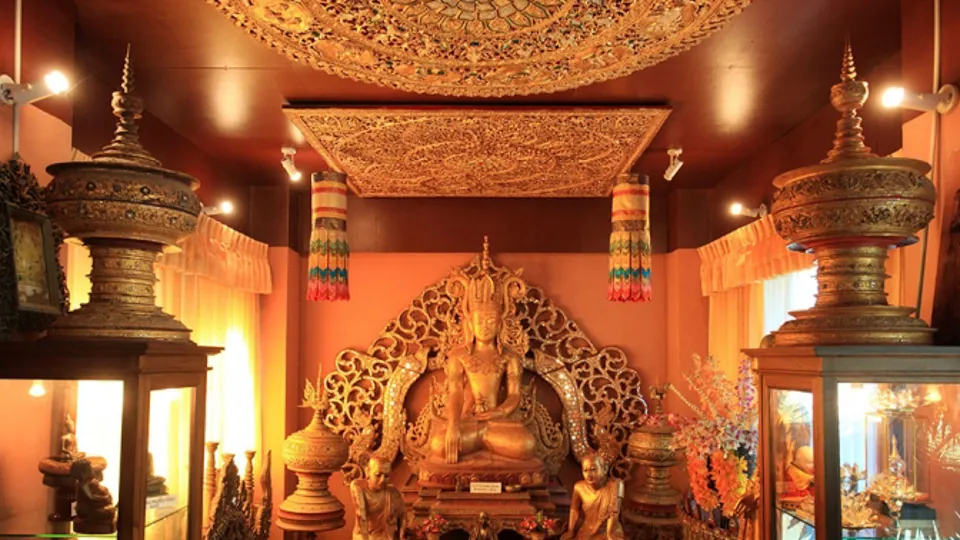
Inside, the roughly 650-square-metre gallery covers six of northern Thailand’s hill tribes — Akha, Hmong, Karen, Lahu, Lisu, and Yao — through traditional costumes, silver jewellery, farming tools, and household objects, alongside historical photographs documenting how each group settled in the mountains along the Thai-Myanmar-Laos border. A 20-minute slideshow (available in Thai, English, French, German, and Japanese) opens the visit, followed by supplementary presentations on weaving techniques, the Mekong River’s role in local livelihoods, community-based tourism, and — less comfortably, but honestly — human trafficking risk in the region.
PDA itself is bigger than one museum: Mechai’s model was to fund social programmes through ordinary businesses rather than relying on donations alone, and the association now runs roughly a dozen for-profit ventures — restaurants, a resort, event spaces — all feeding profit back into rural development, family planning, and HIV/AIDS education across Thailand. The museum is essentially the public-facing showcase of that model, and it’s part of why the exhibits read less like a static heritage display and more like a working case for why the funding structure matters. Displays don’t shy away from the harder realities either — statelessness and citizenship gaps affecting some hill tribe communities, the shift away from opium cultivation, and the pressure of deforestation on traditional farming land all get space alongside the costumes and crafts.
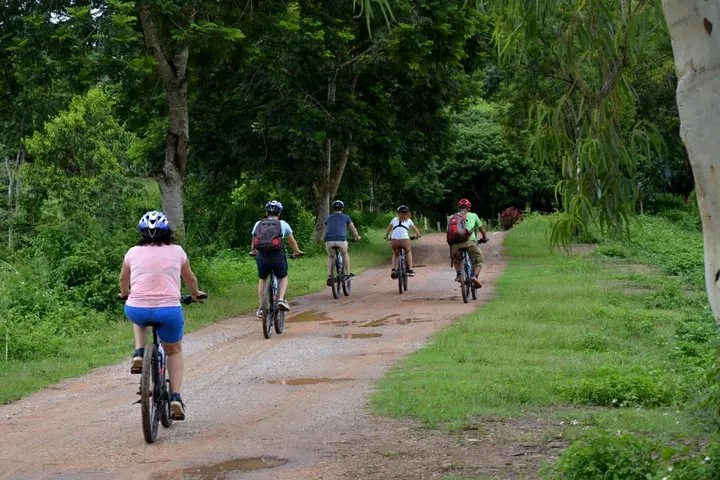
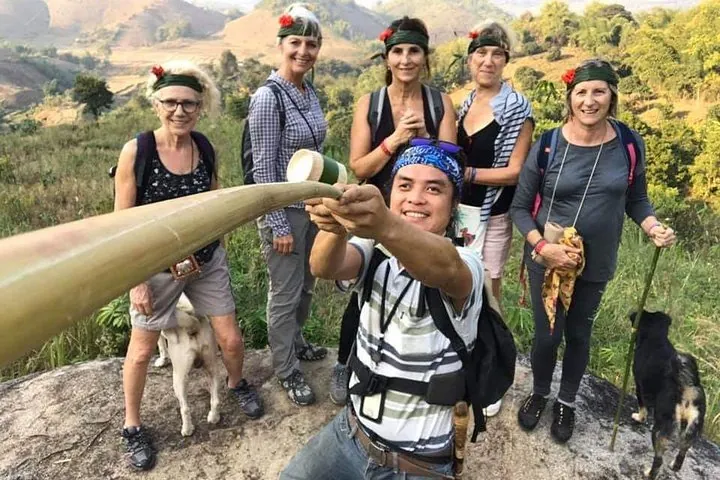
Insider Tip: PDA’s own guidance is that anyone planning a hill tribe village trek should come here first. It’s sound advice: a lot of budget treks amount to a bus stop and a photo opportunity with little benefit reaching the community itself. Spending an hour here first gives you the context — and the etiquette — to visit a village as a guest rather than a spectator.
Watch out: Not every “hill tribe experience” sold in Chiang Rai is run this way. Some village-visit tours are little more than staged photo stops with no meaningful return to the community; this museum, and PDA’s own tours, are a documented exception because the money has a stated, traceable destination.
- Entry fee: 50 THB (adults and children), includes a soft-drink voucher next door
- Hours: Daily 08:30-17:00
- Run by: PDA (Population and Community Development Association), founded by Mechai Viravaidya
- Covers: Akha, Hmong, Karen, Lahu, Lisu, and Yao hill tribes
- Visit length: 60-90 minutes, including the slideshow
The museum is an easy stop along Thanalai Road and pairs naturally with a day exploring the rest of Chiang Rai city. Bring cash for the small craft shop on site — buying there, like the entry fee, feeds back into PDA’s village-support work rather than a third-party retailer.
Location & Directions
Thanalai Road
Chiang Rai, Thailand
Show your taxi or Grab driver
พิพิธภัณฑ์และศูนย์ศึกษาชาวเขา
Frequently Asked Questions
How much does the Hill Tribe Museum cost?
Which hill tribes does the museum cover?
Who runs the museum and where does the entry fee go?
Should I visit before booking a hill tribe village trek?
How long does a visit take?
Spotted something out of date or incorrect? Let us know
Popular tours in Chiang Rai





Stay Near Hill Tribe Museum and Education Center
Live prices for places closest to Hill Tribe Museum and Education Center — tap a pin to compare.