
Thailand-Burma Railway Centre
พิพิธภัณฑ์ทางรถไฟไทย-พม่า
The Thailand-Burma Railway Centre documents the Death Railway — the 415-kilometre line the Japanese army forced Allied POWs and Asian labourers to build between Nong Pla Duk, Thailand, and Thanbyuzayat, Burma, during 1942-43. Entry is 160 THB for adults, 80 THB for children aged 7-12, daily 09:00-16:00, directly across the road from the Kanchanaburi War Cemetery (Don Rak).
What’s Inside
The centre opened in 2003, built and researched by Rod Beattie, an Australian who spent over a decade managing the nearby Commonwealth War Graves Commission cemeteries before turning that research into a museum. It’s housed in a building on the former grounds of the Imperial Japanese Army’s wartime headquarters, and it’s privately run and better resourced than most of Kanchanaburi’s other war-history sites — air-conditioned, with multimedia displays rather than static photo boards.
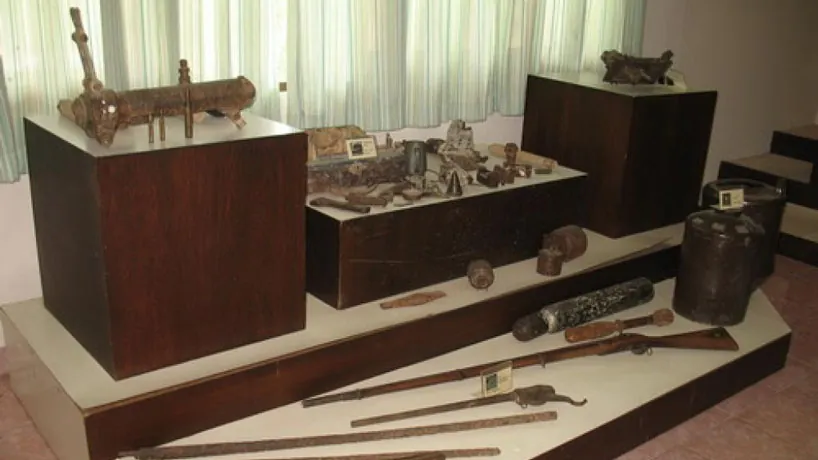
A large scale model traces the full 415-km route from the Thai border to Burma, and separate galleries cover the planning and forced construction, camp conditions, the cholera and dysentery outbreaks that killed thousands, Allied bombing raids on the line, and its abandonment after Japan’s surrender in 1945. Personal artefacts and first-hand accounts from surviving POWs sit alongside the historical record, and a research room holds records for visitors tracing a relative who served on the line.
Atmosphere & Timing
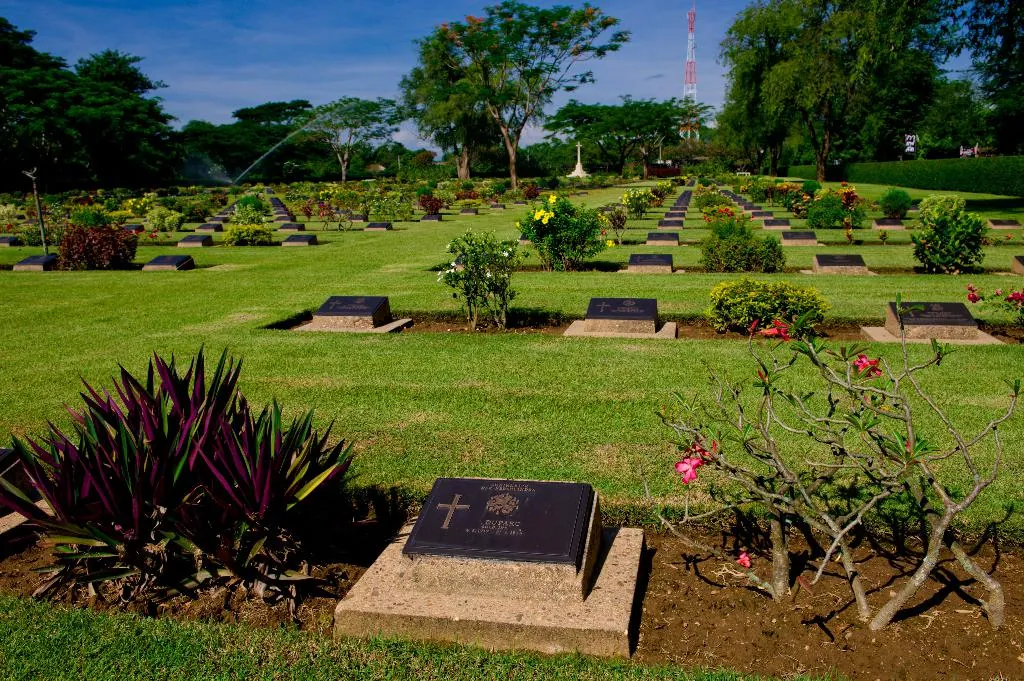
The subject matter is grim by design — this is a museum about forced labour and mass death, not a battlefield-tourism stop. Photographs of starved prisoners and makeshift hospital wards are displayed without much softening, alongside maps showing camp locations along the full line and the death toll at each. Most visitors spend 45 minutes to an hour inside, then cross the road to walk the war cemetery, where more than 6,000 Allied POWs are buried in neat, named rows — a quieter, more contemplative counterpoint to the museum’s harder facts. Mornings tend to be calmer than midday, when tour buses running the bridge-cemetery-museum circuit arrive in clusters.
Insider Tip: Do the cemetery first, then the museum — reading the names on the headstones before you see the exhibits on how those men died changes how the museum lands.
Watch out: Some galleries show unfiltered images of starvation and disease. It’s appropriate for older children with an adult to talk it through, not for very young kids.
Practical Information
The centre sits in Mueang Kanchanaburi, an easy walk or short tuk-tuk ride from most guesthouses in town. Group and school rates can be arranged in advance through the centre directly (Tel. 0 3451 2721, tbrconline.com, admin@tbrconline.com). Former POWs and their families are welcome to contact the centre ahead of a visit — staff will pull relevant camp records and can arrange a more personal walkthrough. Photography inside the galleries is generally permitted; there’s no dress code beyond normal temple-adjacent modesty, since the war cemetery next door is still an active memorial site.
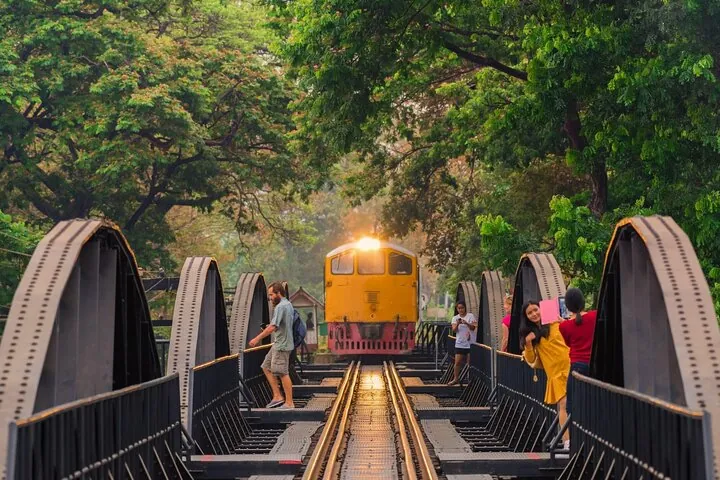
Pair it with the Bridge over the River Kwai roughly 2.5 km away, or the Hellfire Pass Memorial Museum about 65 km northwest at the most infamous cutting on the line, for a fuller picture of the railway’s history.
- Entry fee: 160 THB adults, 80 THB children (7-12)
- Hours: Daily 09:00-16:00
- Location: Next to Kanchanaburi (Don Rak) War Cemetery
- Visit time: 1-1.5 hours
- Contact: 0 3451 2721, tbrconline.com
Getting There
Thailand-Burma Railway Centre is in Kanchanaburi, Mueang Kanchanaburi district. View on Google Maps.
Location & Directions
Mueang Kanchanaburi, Kanchanaburi
Kanchanaburi, Thailand
Show your taxi or Grab driver
พิพิธภัณฑ์ทางรถไฟไทย-พม่า
Frequently Asked Questions
What's the difference between this museum and the JEATH War Museum?
How much does it cost and what are the hours?
How long should I plan for a visit?
Is the museum appropriate for children?
Where is it in relation to the Bridge over the River Kwai?
Spotted something out of date or incorrect? Let us know
Popular tours in Kanchanaburi

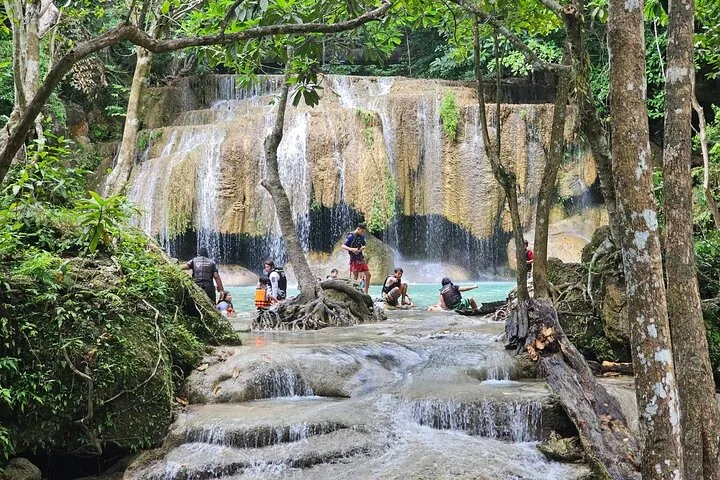
![Erawan Waterfall and Kanchanaburi Private Tour [Optional Luxury]](https://images.thaiholidayguide.com/images/tours/erawan-waterfall-and-kanchanaburi-private-tour-optional-luxury.webp)



Stay Near Thailand-Burma Railway Centre
Live prices for places closest to Thailand-Burma Railway Centre — tap a pin to compare.