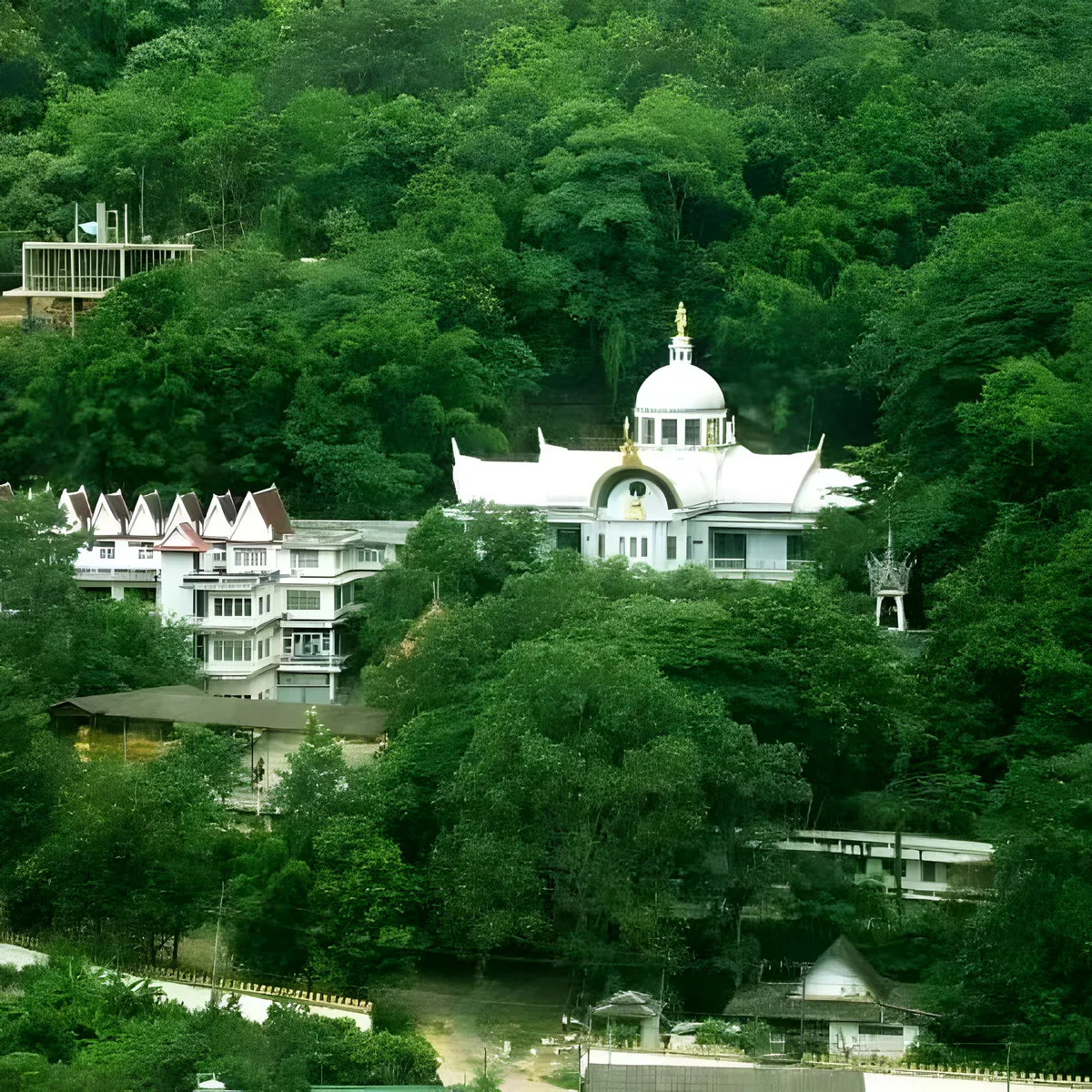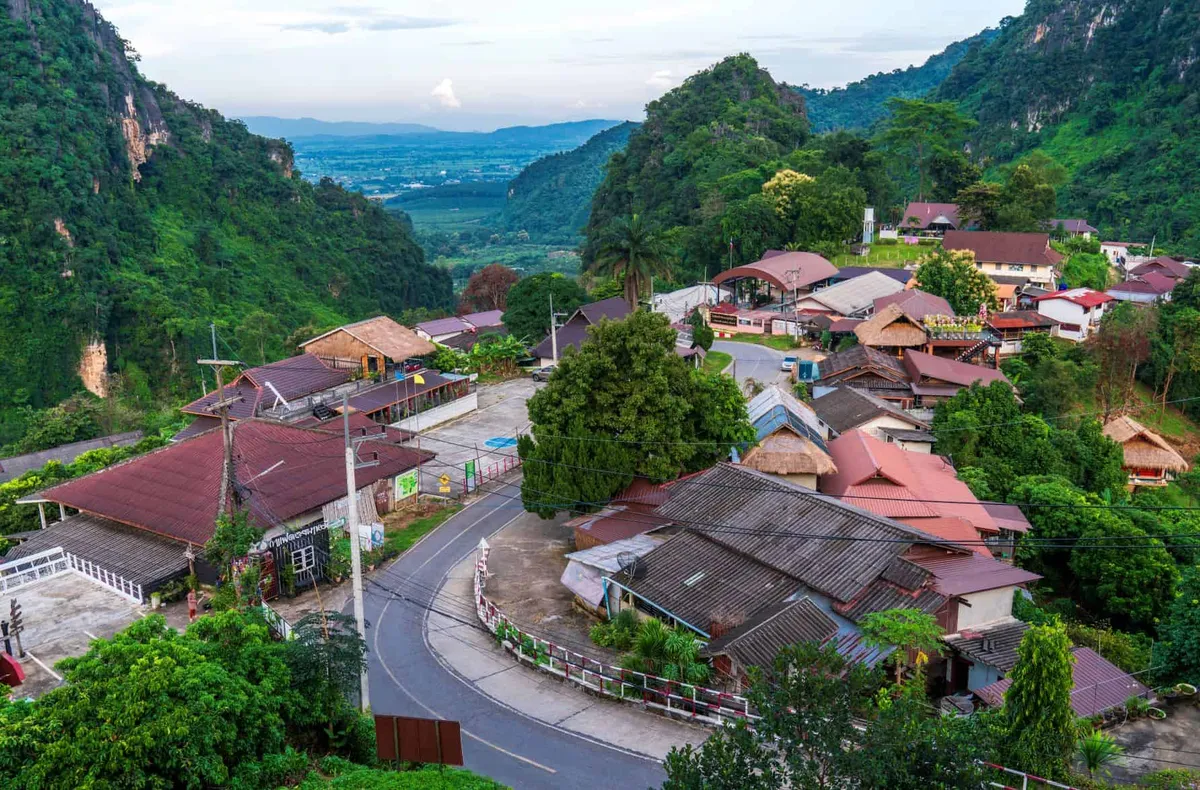




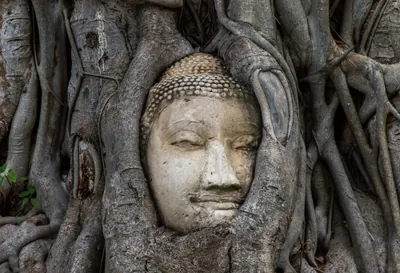


Tham Pum sits in a limestone cliff above Ban Dong village in Pong Ngam subdistrict, part of the wider Doi Mae Salong area near Mae Sai and the Myanmar border. The cave mouth is about 30 metres up the rock face, reached by a 73-step staircase — on the way up you’ll pass a stone lion statue, locally reckoned to be around 200 years old and standing roughly 16 metres tall, that guards the approach.
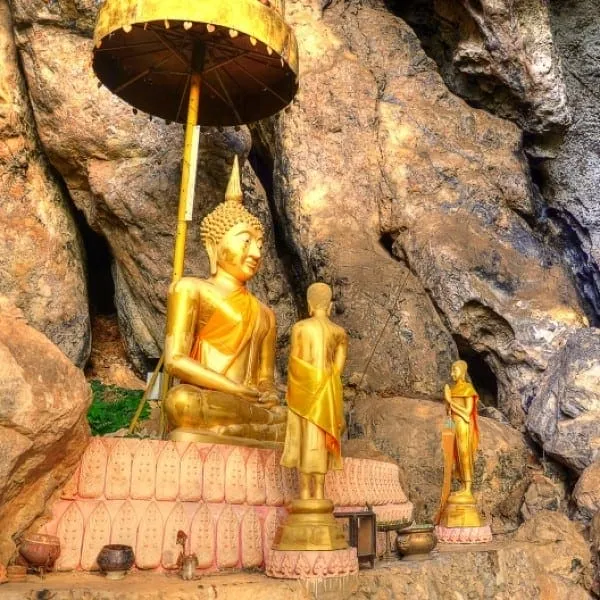
Inside, the cave runs about 132 metres deep across three levels. The ground floor is an easy walk past stalagmite clusters that gave the cave its name — ‘pum’ refers to their rounded, alms-bowl shape. Small Buddha images sit in niches along the main chamber for visitors who want to pay respects. Getting up to the second and third levels means some scrambling over rock rather than a marked path, so it’s better suited to visitors happy with light climbing than to a casual look-and-go stop.
Insider Tip: Bring your own flashlight or headlamp even if you’re visiting during daylight hours — natural light barely reaches past the entrance chamber, and there’s no fixed lighting inside.
Once a year, on the ninth waning day of the sixth lunar month, local Buddhists hold a merit-making tradition here known as the Tham Pum-Tham Pla festival, shared jointly with the neighbouring Tham Pla temple. Outside that date, the cave sees a modest, steady trickle of visitors rather than crowds — this stretch of Pong Ngam subdistrict has several caves within a few kilometres of each other, so most people treat it as one stop on a short loop rather than a destination on its own.
Watch out: the upper levels have loose rock in places, and the staircase can be slippery after rain — worn shoes with grip matter more here than at most temple-style caves.
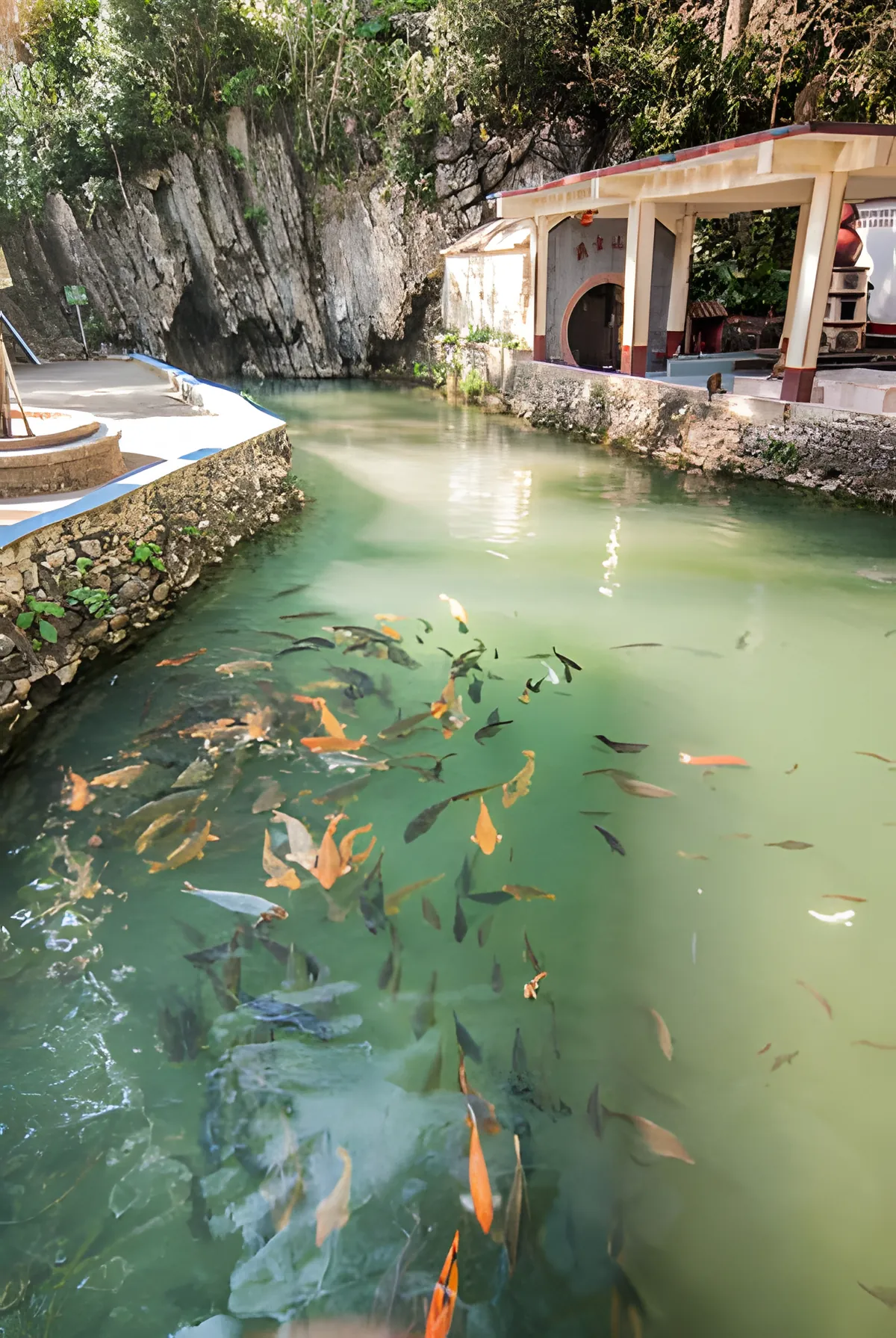
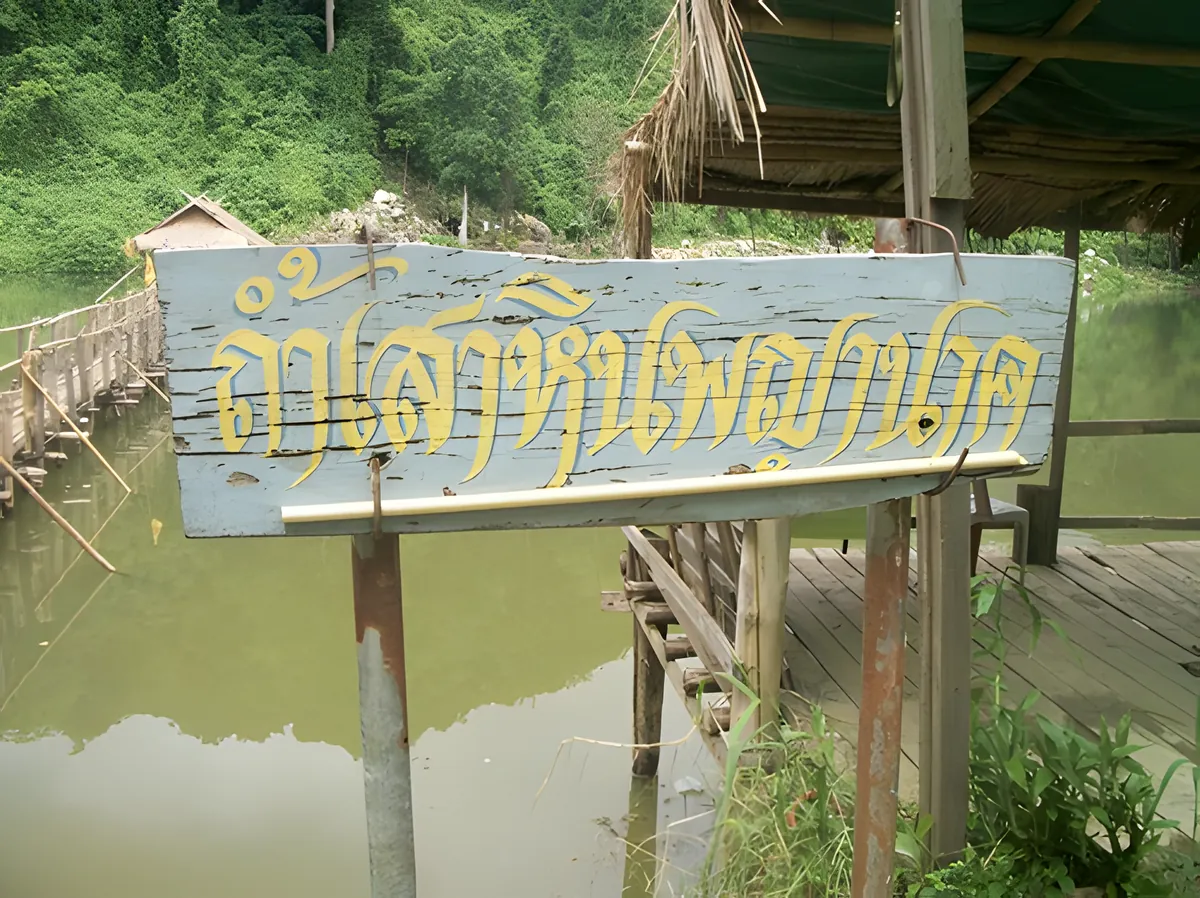
The two natural pairings are Pla Cave (Wat Tham Pla), a few minutes away and known for its spring-fed fish pool and resident long-tailed macaques, and Tham Sao Hin Phaya Nak, a naga-associated rock-pillar cave nearby — most visitors do all three in an afternoon.
- Access: 73 steps up a cliff face, roughly 30 m of climb to the entrance
- Depth: About 132 metres, across three levels
- Notable feature: A roughly 200-year-old, 16-metre stone lion statue at the base of the stairs
- Entry: Free
- Nearby: Pla Cave and Tham Sao Hin Phaya Nak, both a short drive away
Location & Directions
Mae Sai, Chiang Rai
Chiang Rai, Thailand
Show your taxi or Grab driver
ถ้ำปุ่ม
Within Walking Distance




Frequently Asked Questions
Where does the name 'Tham Pum' come from?
How do you get up to the cave?
Do I need to climb inside the cave too?
What else is nearby?
Is there a festival here?
Spotted something out of date or incorrect? Let us know
Popular tours in Chiang Rai





Stay Near Tham Pum
Compare places to stay in Chiang Rai, or open the map for options closest to the attraction.