



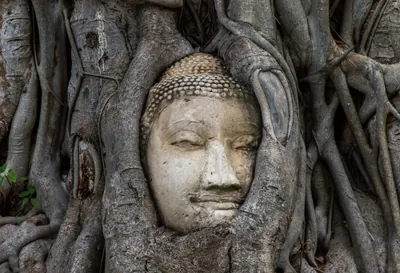


Wat Phra Men is a ruined Dvaravati-period stupa mound on Phet Kasem Road, about 3km south of Phra Pathom Chedi in Nakhon Pathom’s Suan Nanthanuson area. It’s easy to confuse with the much better-known Wat Na Phra Men in Ayutthaya — a fully intact, actively used temple roughly 65km away — but the two share only a name. This one is an archaeological site, not a working monastery.
The mound dates to the Dvaravati period, likely the 12th-13th Buddhist century (around the 7th-8th century CE), which makes it several centuries older than the Sukhothai and Ayutthaya-era temples most visitors associate with “Wat Phra Men” elsewhere in Thailand. Archaeological surveys describe three renovation phases: the site began as a stupa and was later converted into a vihara, reflecting Theravada Buddhist iconography of the five Buddhas of the current era. The original structure was a round mound roughly 8 metres wide and 10 metres tall.
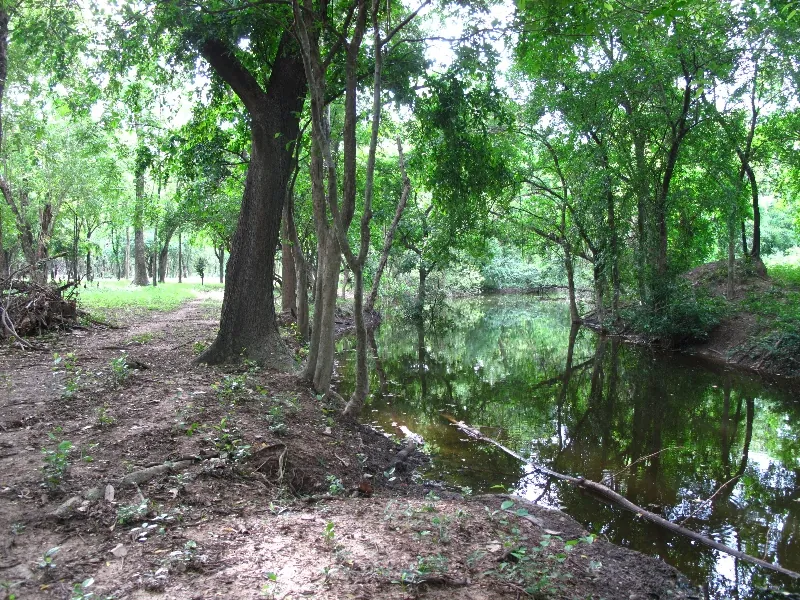
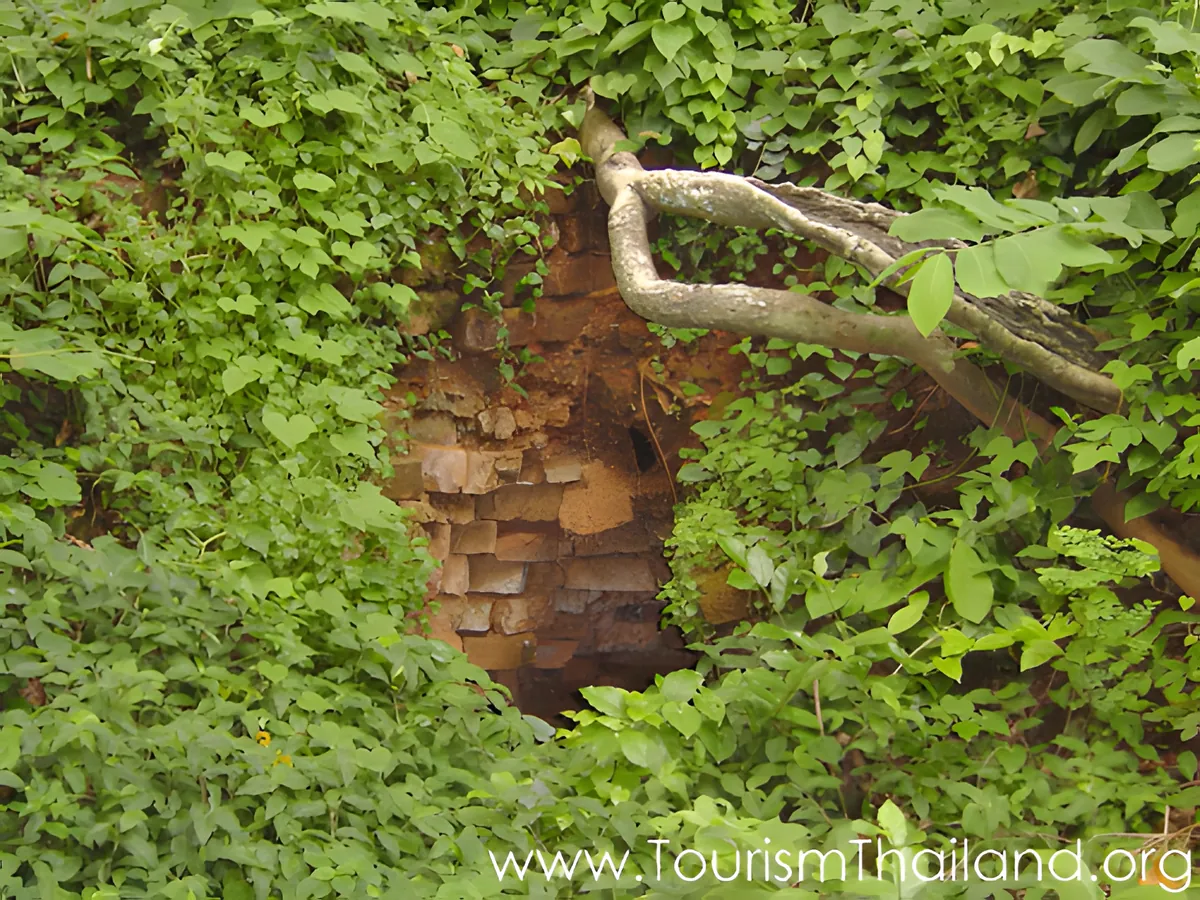
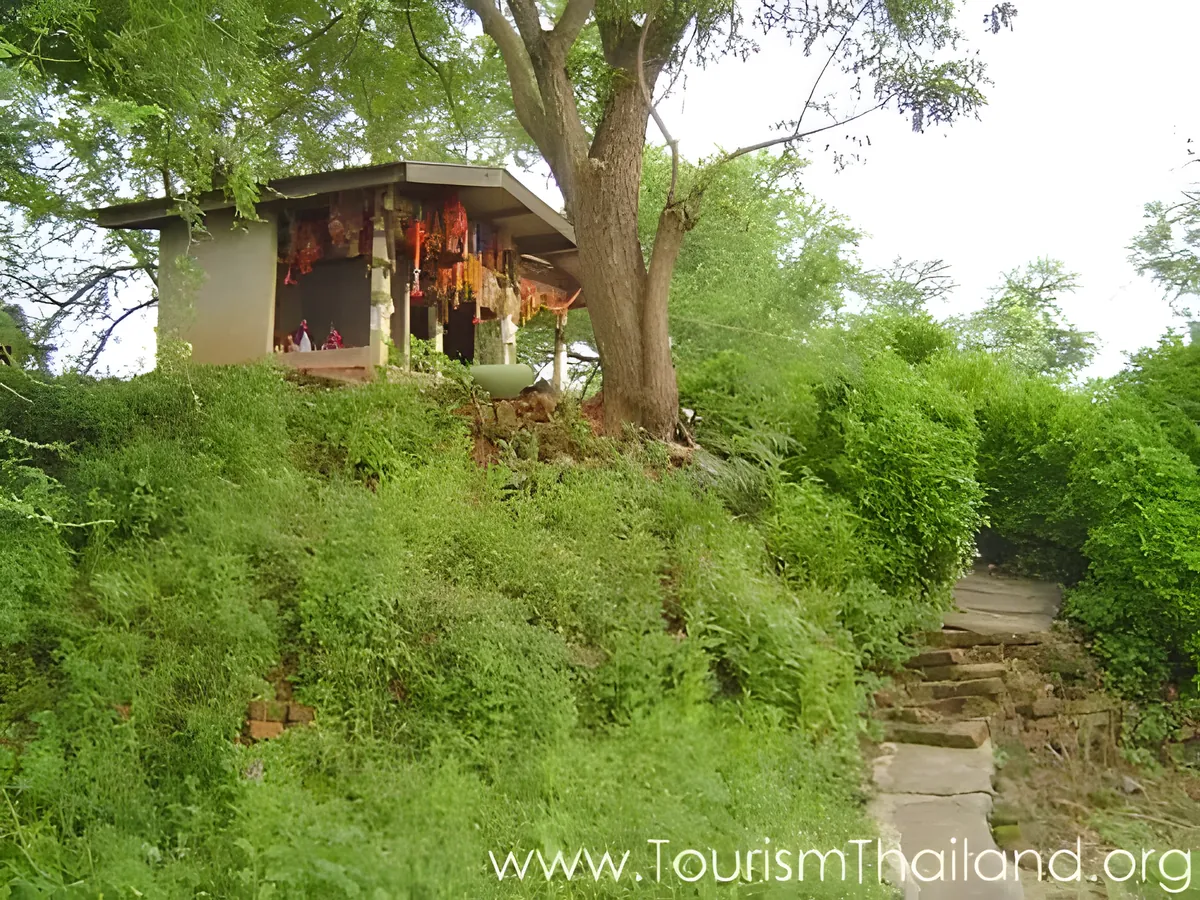
What remains today is considerably less: a weathered pile of stacked brick mixed with soil, overgrown with grass and large trees. Excavation and restoration work took place in 1938-39, but the site hasn’t had sustained upkeep since, and it shows. The Fine Arts Department registered it as a national ancient monument in the Royal Gazette in 1935, which protects the site legally even though its physical condition is that of a genuine, unrestored ruin.
Insider Tip: Don’t expect a temple visit — this is a ten-minute archaeological stop, best combined with the much larger Phra Pathom Chedi complex a short drive north rather than visited on its own.
Watch out: There’s no signage explaining the Dvaravati history on site, and no staff — bring context with you (or this page) rather than expecting an on-site guide.
- Entry fee: Free
- Period: Dvaravati, roughly 7th-8th century CE
- Registered: National ancient monument, 1935
- Condition: Ruined brick mound; original stupa was ~8m wide, ~10m tall
- Not to be confused with: Wat Na Phra Men, Ayutthaya (a separate, intact temple)
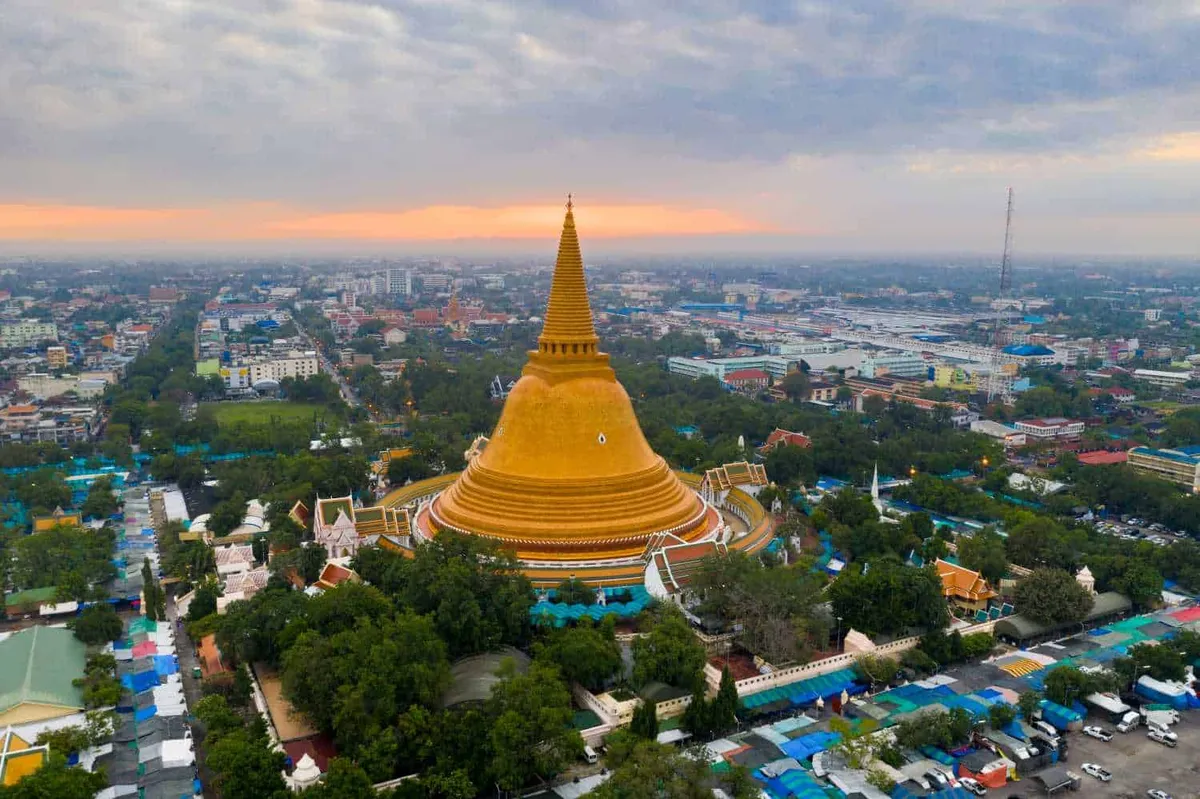
Nearby in Nakhon Pathom: Phra Prathon Chedi, another Dvaravati-era ruin, and Wat Phra Pathom Chedi Ratchaworamahawihan, the province’s landmark stupa. Wider trip planning is on the Nakhon Pathom hub page.
Location & Directions
Phet Kasem Road, Suan Nanthanuson, Huai Chorakhe, Mueang Nakhon Pathom
Nakhon Pathom, Thailand
Show your taxi or Grab driver
วัดพระเมรุ
Within Walking Distance




Frequently Asked Questions
Is this the same Wat Phra Men as the famous temple in Ayutthaya?
Is Wat Phra Men an active temple?
How old is the site?
What does the site look like today?
Is there an entry fee?
Spotted something out of date or incorrect? Let us know
Stay Near Wat Phra Men
Compare places to stay in Nakhon Pathom, or open the map for options closest to the attraction.