




Wat Mangkon Kamalawat
วัดมังกรกมลาวาส
Founded around 1871 by Chinese monk Phra Archan Chin Wang Samathiwat, Wat Mangkon Kamalawat — better known by its Teochew name Leng Noei Yi — is the largest Chinese Mahayana Buddhist temple in Bangkok and the religious anchor of the Yaowarat Chinatown district. King Chulalongkorn (Rama V) later granted it a formal Thai name meaning “Dragon Lotus Temple” and brought it within Thailand’s official temple system, a distinction that sets it apart from smaller Chinese shrines in the area.
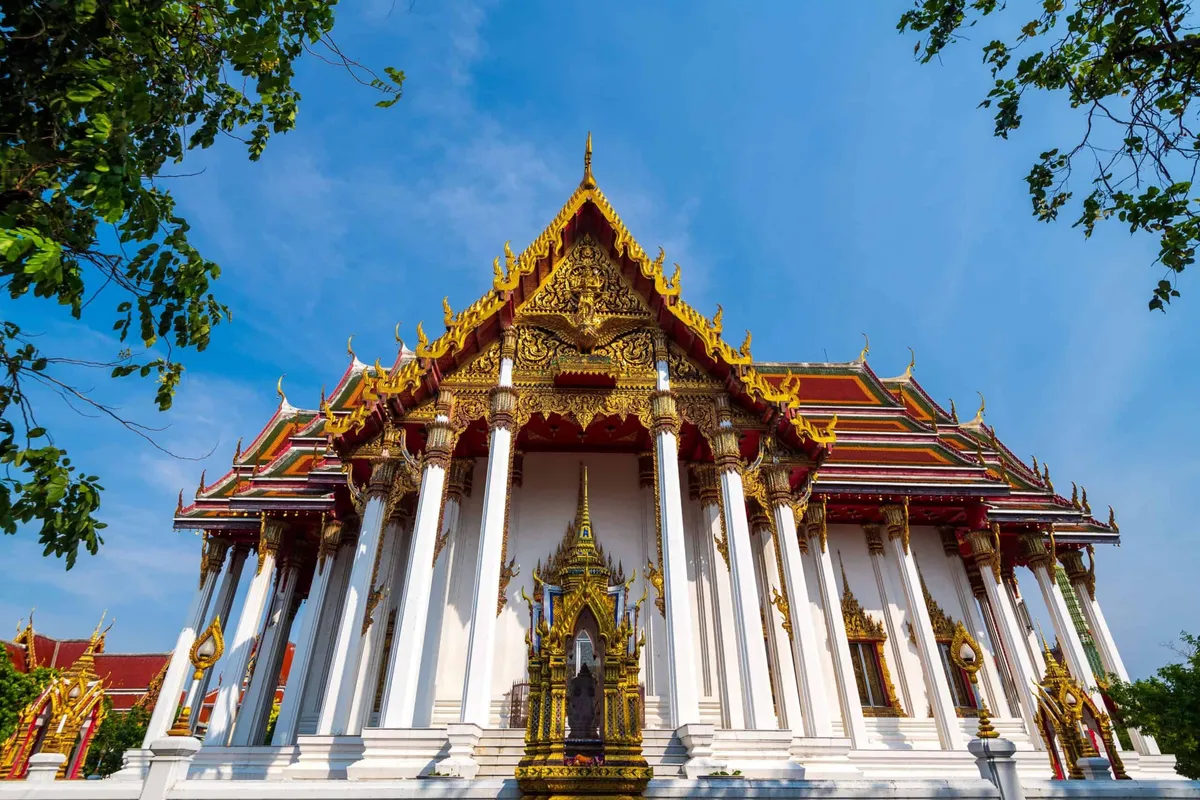
The compound is a maze of interconnecting courtyards and dim passageways thick with incense smoke. At the entrance, four Heavenly Kings stand guard over the main ordination hall, which houses a gold-coloured Buddha blending Thai and Chinese aesthetics. Three rear pavilions pay tribute to Guan Yin, the Bodhisattva of compassion, the temple’s founder, and Saint Lak Chao — reflecting the syncretic mix of Mahayana Buddhism, Taoism, and Confucianism that characterises Chinese folk religion in Thailand. An outdoor furnace in the forecourt is used for burning paper offerings. The temple is busiest during Chinese New Year, when the surrounding streets close to traffic, and during the annual Vegetarian Festival in October, when it serves as the main ceremonial hub for Bangkok’s Chinese community.
Wat Mangkon Kamalawat is also the head of a three-temple Chinese Mahayana lineage that reaches well beyond Bangkok. Wat Chin Prachasomosorn in Chachoengsao continues the line, and Wat Mangkon Buppharam, built in 1977 in Chanthaburi’s Laem Sing district and known locally as Wat Leng Hua Yi, forms the lineage’s “dragon’s tail.” Worshippers sometimes visit all three temples together as part of the same pilgrimage, timed to festival dates on the Chinese lunar calendar.
Watch out: The forecourt along Charoen Krung Road is often congested with parked cars and street vendors, making the approach feel more chaotic than the interior warrants. Crowds during Chinese New Year and the Vegetarian Festival are intense — come early morning if you want space to look around rather than shuffle with the crowd.
Insider Tip: Enter from the main gate on Charoen Krung Road and walk all the way to the rear courtyards — most visitors turn back at the first hall and miss the quieter Guan Yin pavilions at the back, which are far less crowded and carry a more contemplative atmosphere.
- Founded c. 1871; Thai name bestowed by King Rama V
- Free admission; donation boxes at the main halls
- Open approximately 08:00–16:00 daily
- Nearest station: Wat Mangkon MRT (Blue Line), a short walk away
- Address: 423 Charoen Krung Road, Pom Prap Sattru Phai, Bangkok 10100
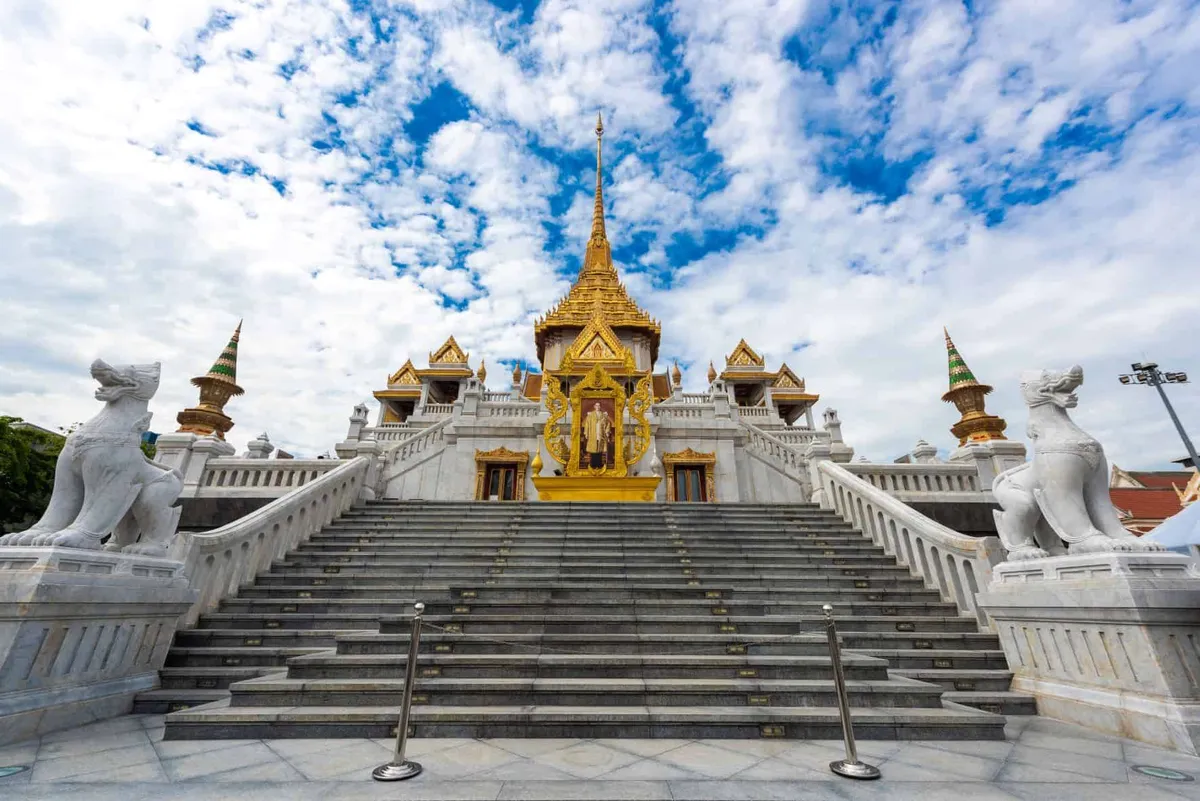
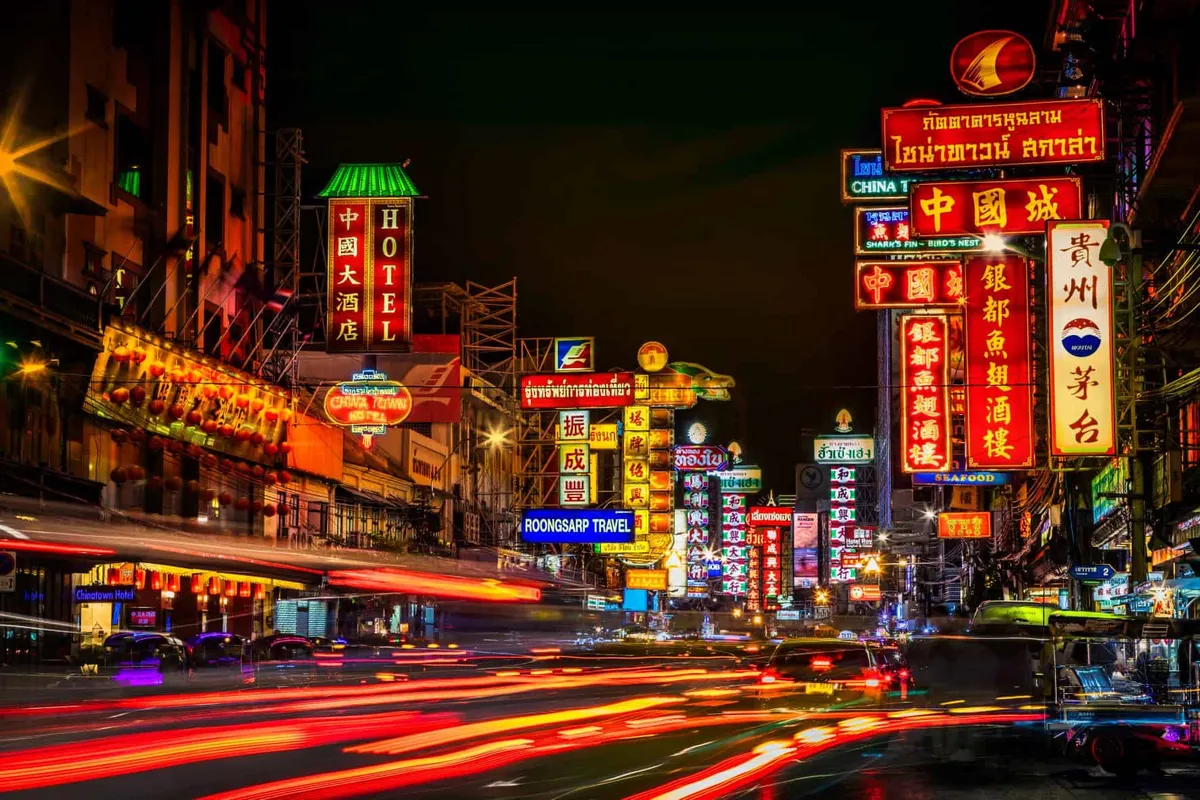
Pair a visit with the nearby Golden Buddha at Wat Traimit, a short walk south, or wander the surrounding streets of Yaowarat itself for Chinatown’s markets and street food. See the Bangkok destination guide for how it fits with the rest of the city.
How to Get There
Take the MRT Blue Line to Wat Mangkon station, a short walk from the temple on Charoen Krung Road. Alternatively, take the Chao Phraya Express Boat to Ratchawong Pier and walk approximately 10 minutes north along Charoen Krung Road.
Location & Directions
Bangkok, Thailand
Show your taxi or Grab driver
วัดมังกรกมลาวาส
Within Walking Distance




Frequently Asked Questions
Is Wat Mangkon Kamalawat the same temple as Leng Noei Yi?
Is entry free?
What is the temple's connection to Wat Mangkon Buppharam in Chanthaburi?
Does the temple have resident monks?
What's the best time to visit to avoid crowds?
Spotted something out of date or incorrect? Let us know
Popular tours in Bangkok




Stay Near Wat Mangkon Kamalawat
Compare places to stay in Bangkok, or open the map for options closest to the attraction.