








Betong
เบตง
Thailand's southernmost town, a Chinese-Malay hill outpost on the Malaysian border, known for sea-of-mist skywalks, Cold War tunnels and its own kitchen.
- Best time
- January to April (driest, most reliable sea-of-mist mornings)
- From Hat Yai
- ~4.5 hrs by minivan on Highway 410 (230 km)
- From Yala city
- ~3 hrs by road on the same highway
- Known for
- Aiyerweng sea-of-mist skywalk, Piyamit Tunnel, Chinese-Malay food and shophouses
- Safety
- Inside Yala's FCDO advisory zone with no Betong carve-out - insurance may be void; locally the calmest district in the deep south
Updated July 2026
Plan your trip
Recommended by us
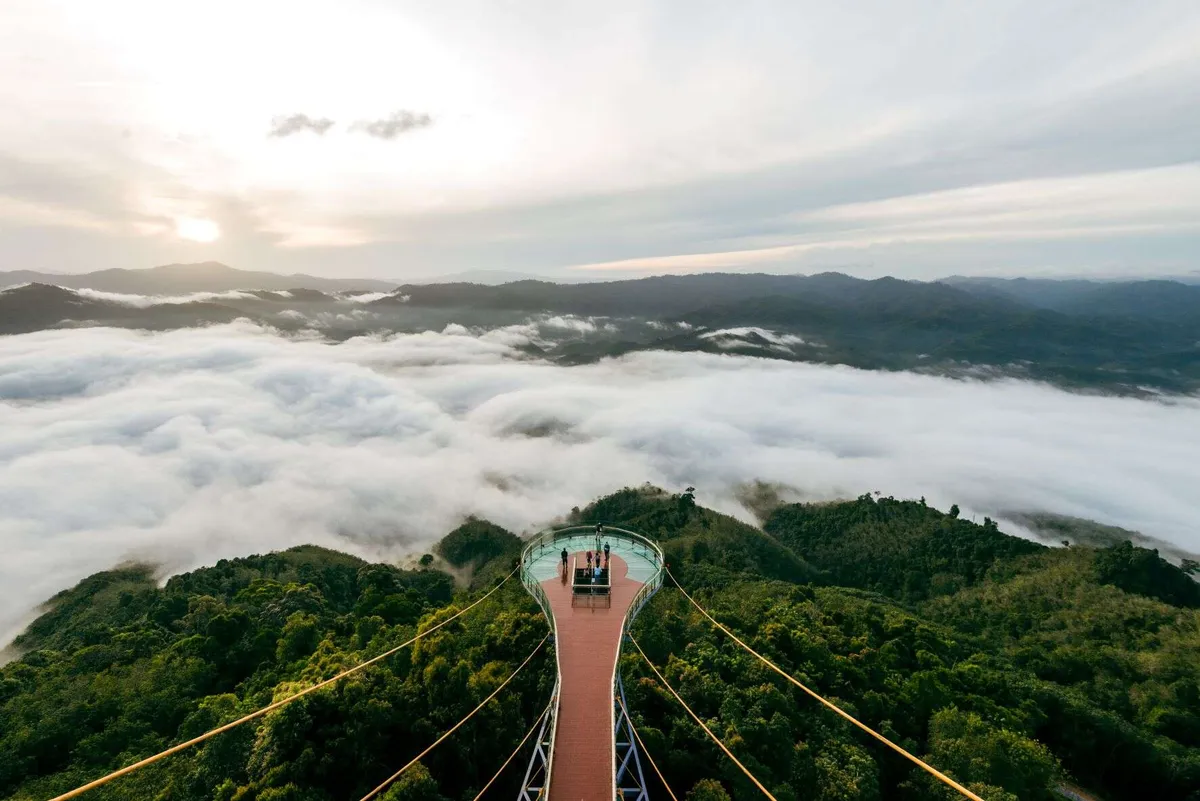
Aiyoeweng Sea of Mist Viewpoint and Skywalk Aiyoeweng
Sea-of-mist skywalk: go early for the classic cloud deck.

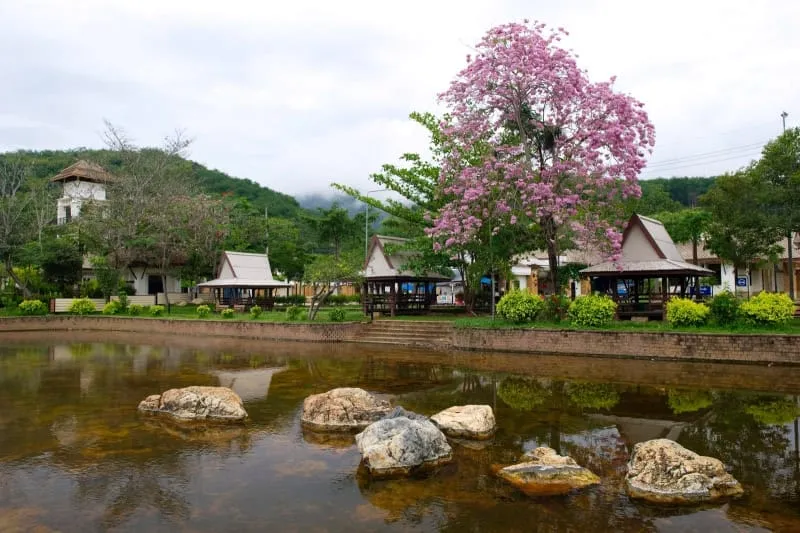
Betong Hot Spring
Local hot-spring soak after a mist morning.

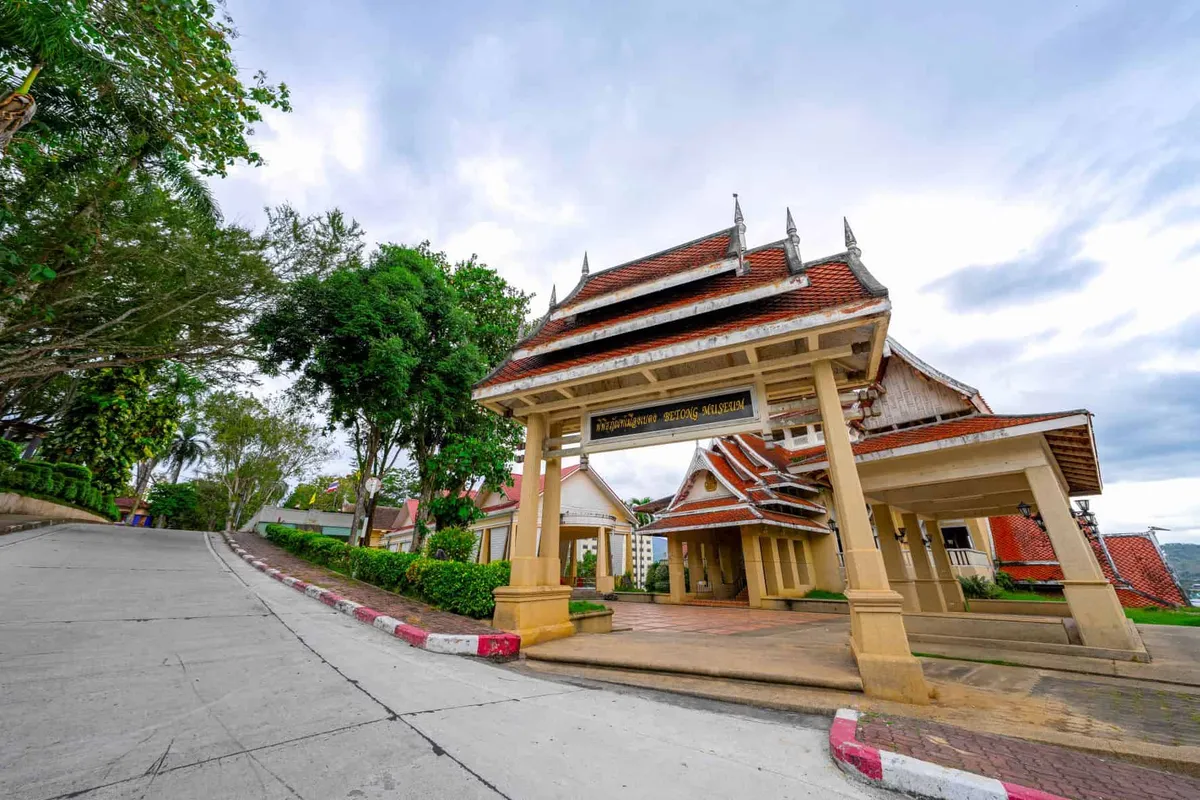
Betong City Museum
Compact town history stop in the centre.

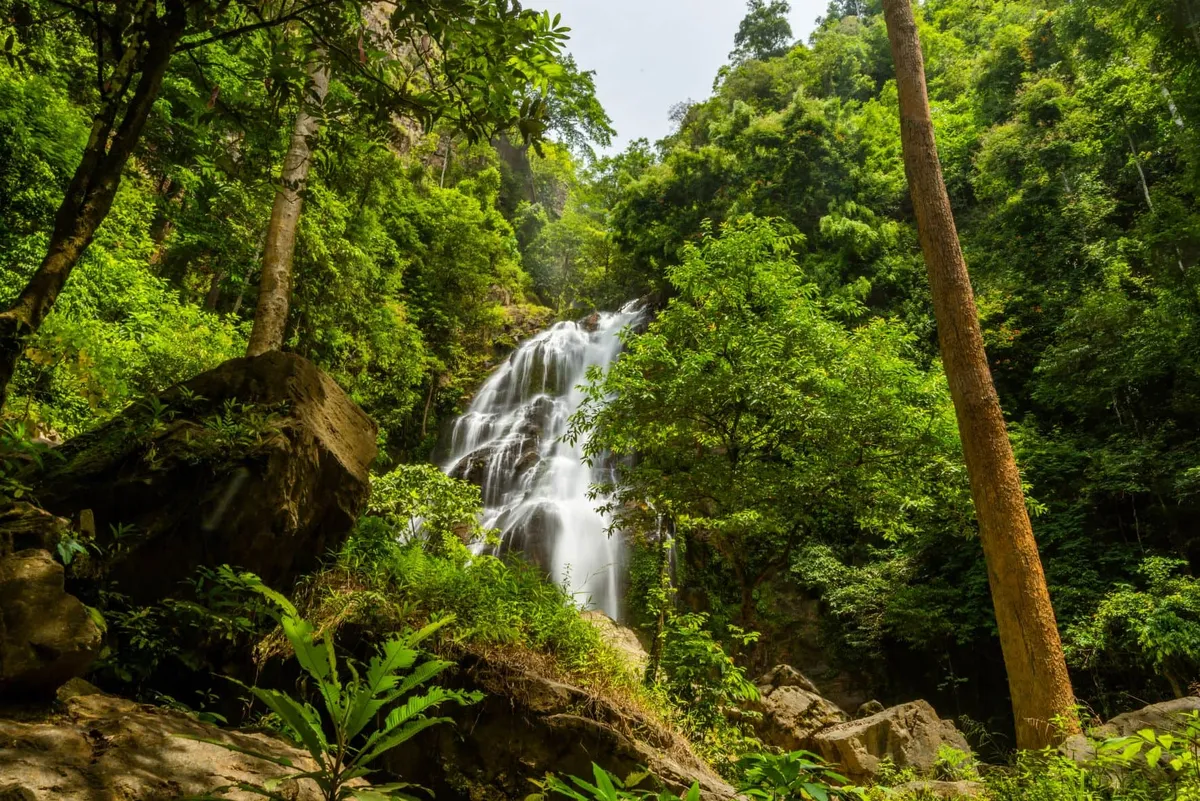
Chaloem Phrakiat Rama IX Waterfall
Forest waterfall day trip from town.
Get to Betong
Deep south near the Malaysian border, usually via Hat Yai then bus/van south. Plan an overnight, not a day trip.

eSIM for Thailand
Land with data already working and skip the airport SIM queue. We tested six plans. Code THAIHOLIDAY saves 10%.

Travel insurance
Scooters and day trips are common here. Sort cover before you go and check the motorbike clause.
Top sights & experiences
Things to do in Betong

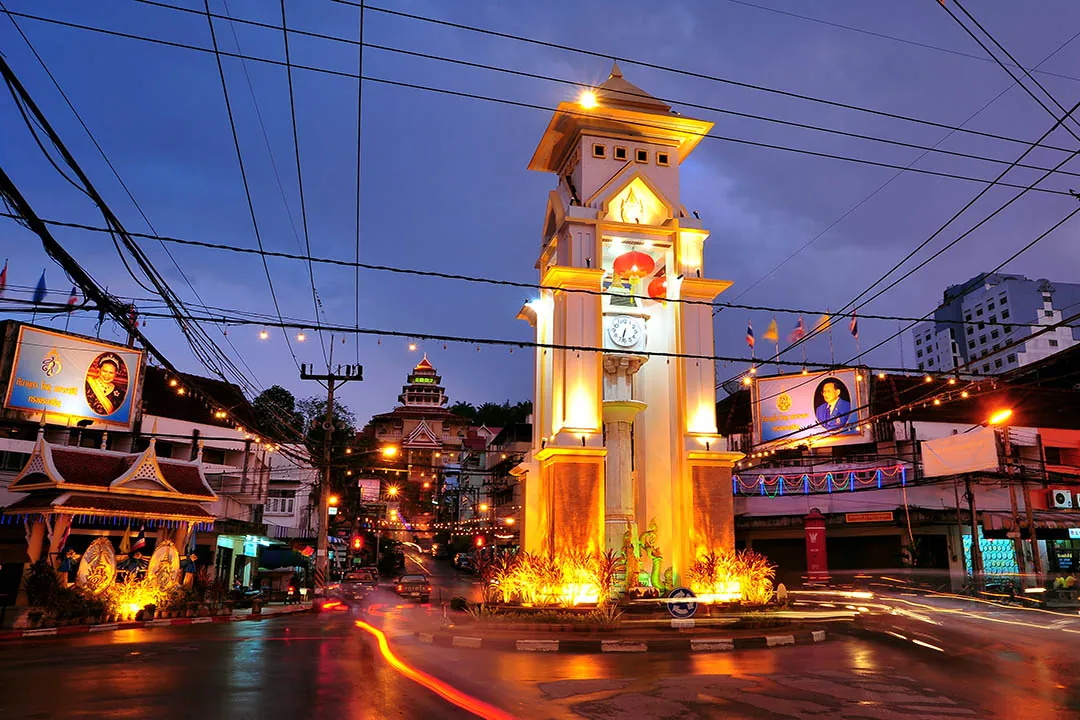
Betong Clock Tower
หอนาฬิกาเบตง

Betong Mongkhonrit Tunnel
อุโมงค์เบตงมงคลฤทธิ์

Khao Kunung Silipat
ทะเลหมอกฆูนุงซีลีปัต

Piyamit Tunnel
อุโมงค์ปิยะมิตร

Street Art of Betong
ภาพวาดสตรีตอาร์ตเมืองเบตง

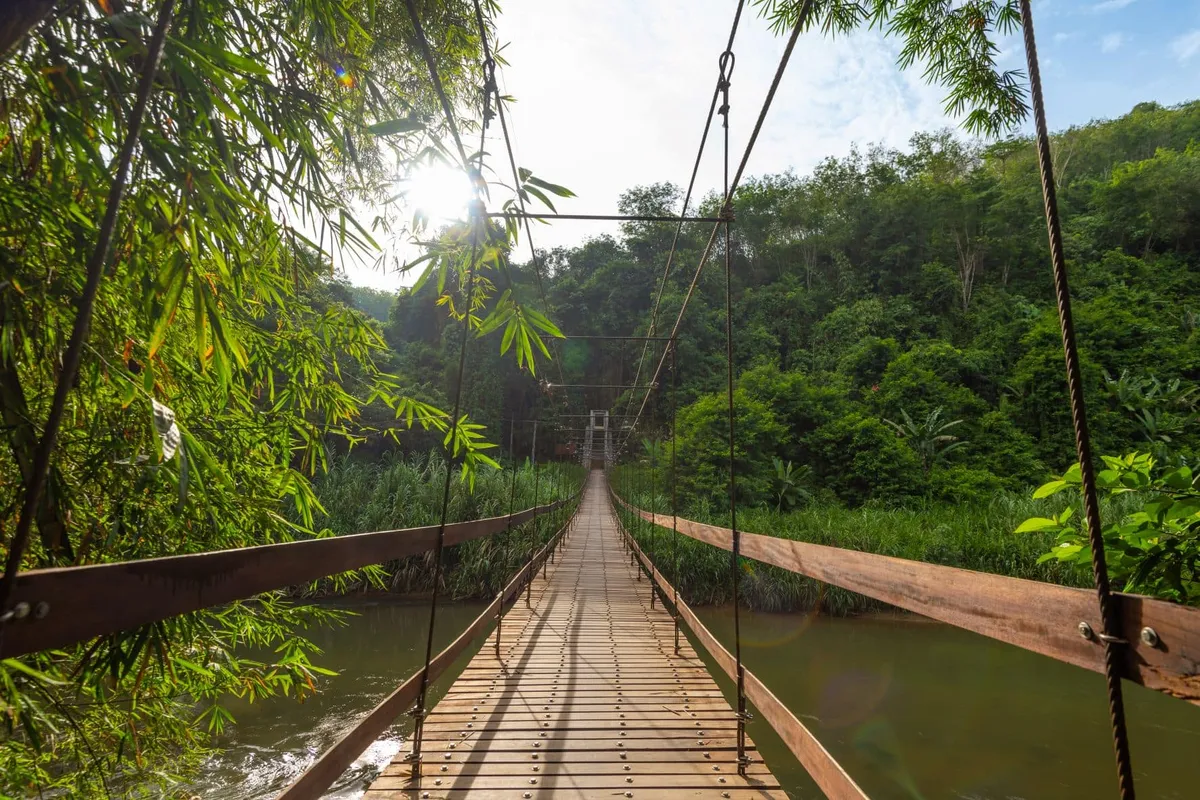
Taepusu Bridge
สะพานแตปูซู

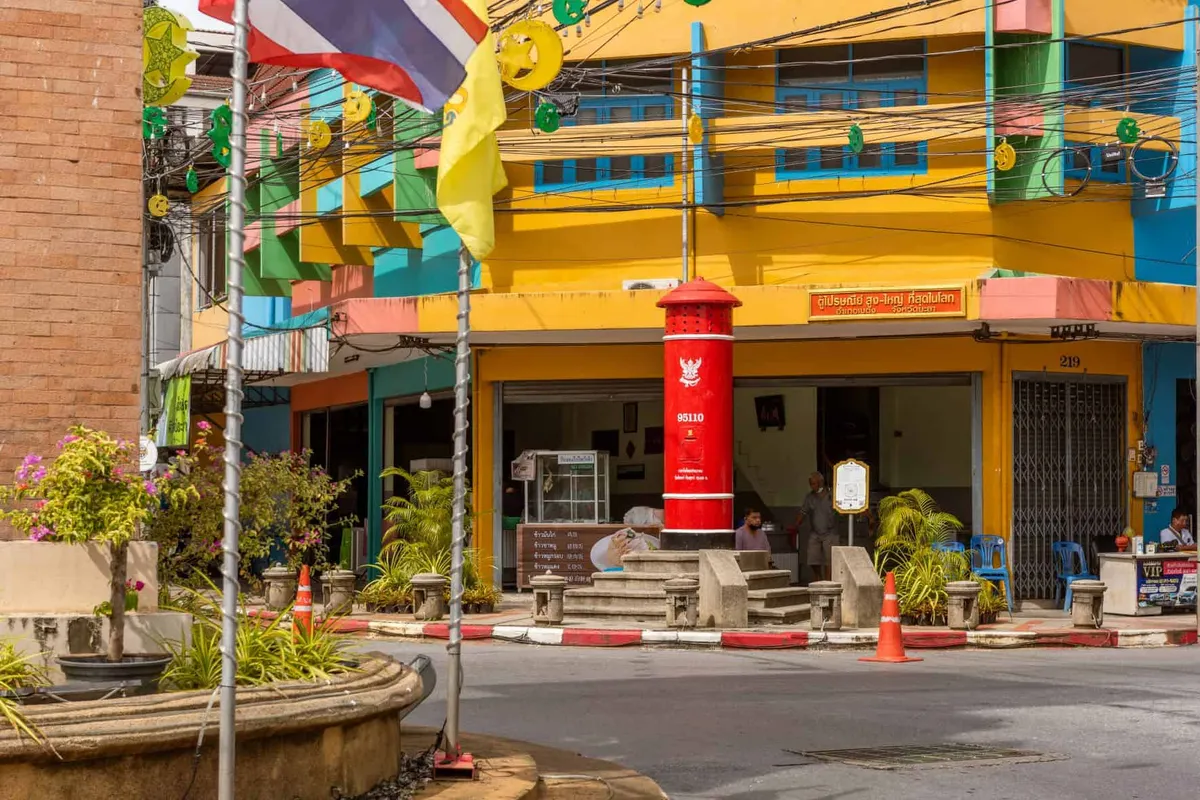
The Largest Postbox in Thailand
ตู้ไปรษณีย์ใหญ่ที่สุดในประเทศไทย

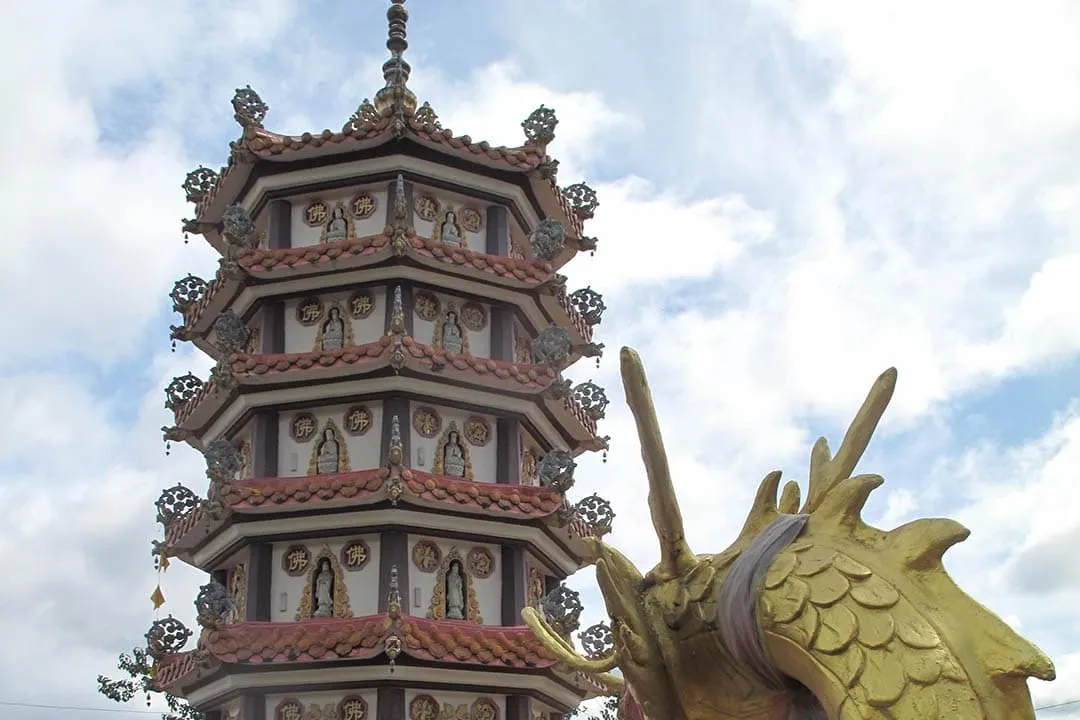
Wat Phra Photisat Kuan Im
วัดพระโพธิสัตว์กวนอิม

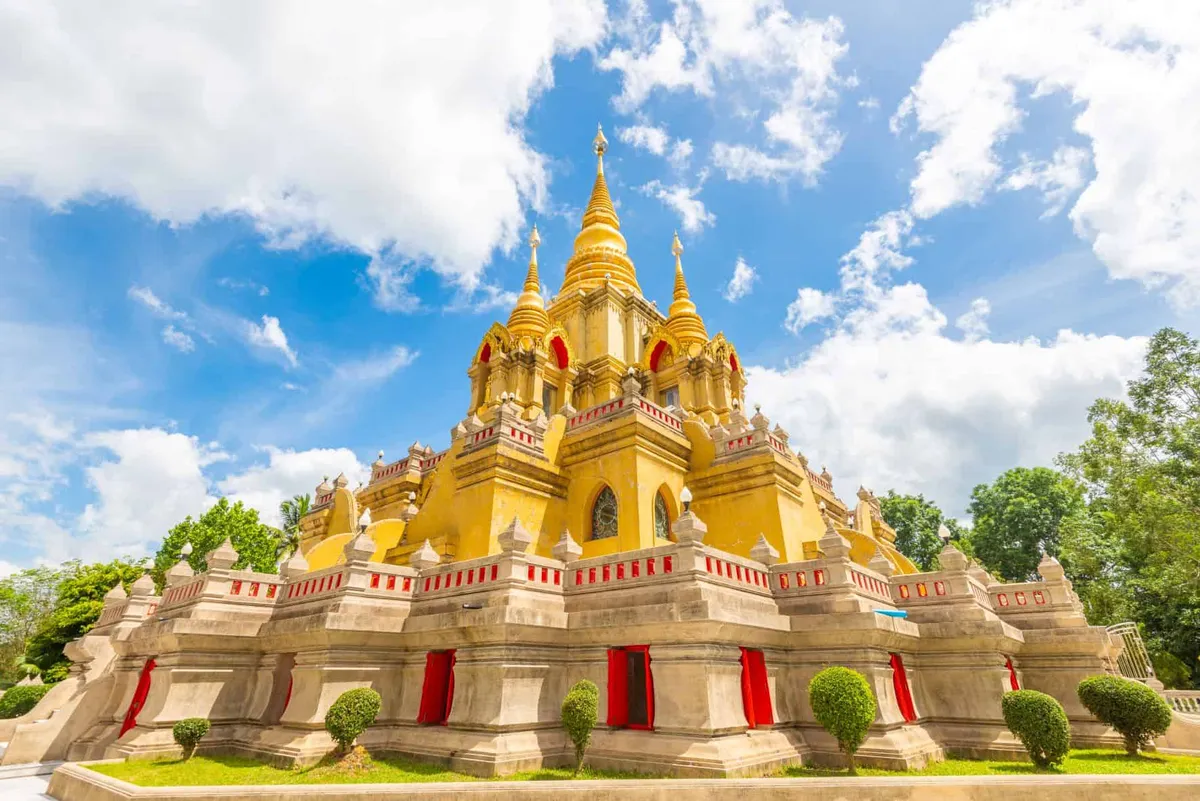
Wat Phutiwhat
วัดพุทธาธิวาส

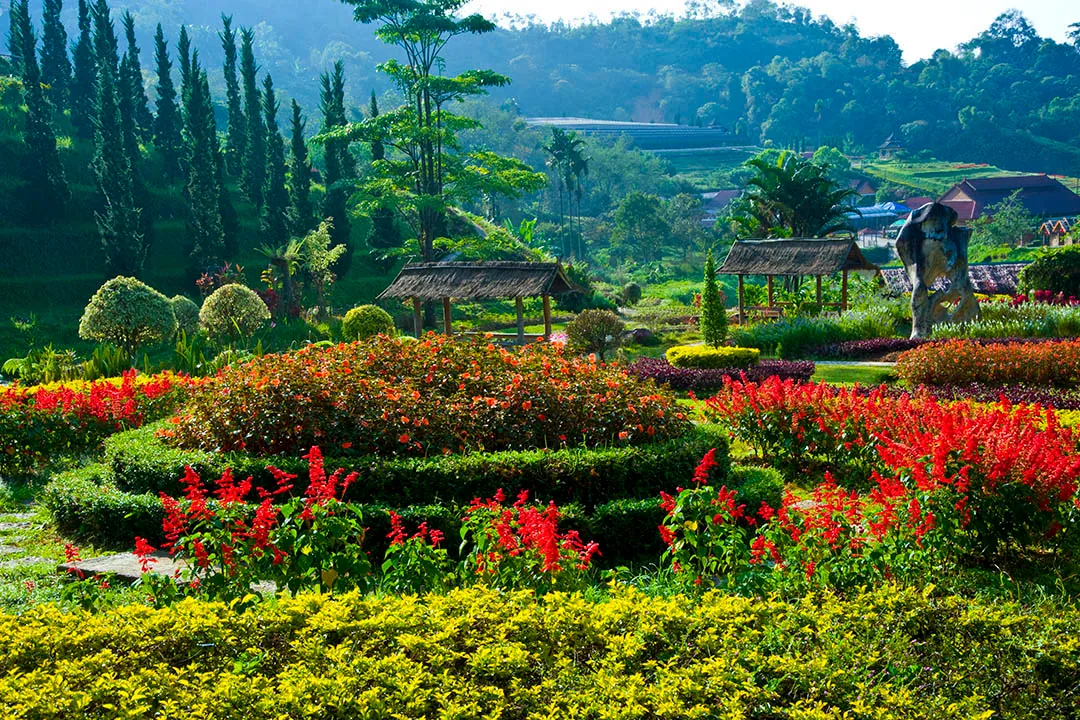
Winter Flowers Garden
สวนไม้ดอกเมืองหนาว
Things to do on the map
Tap a pin for details. 14 places in Betong plotted.
Where to stay in Betong

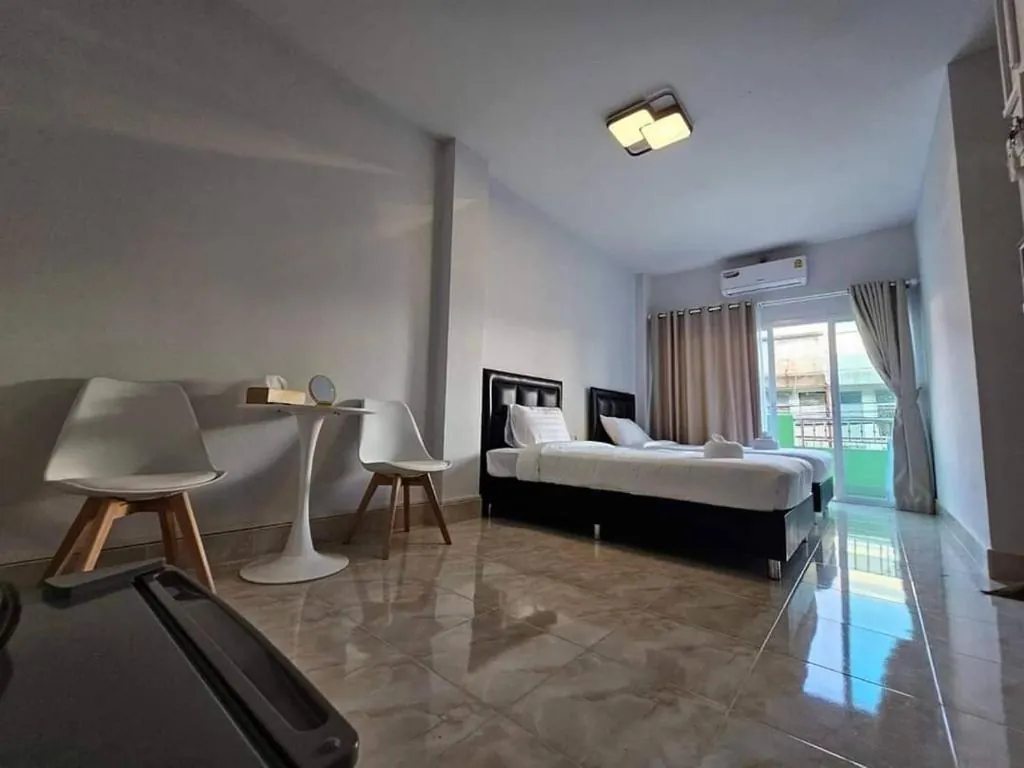
Ban Cha Homm Guesthouse

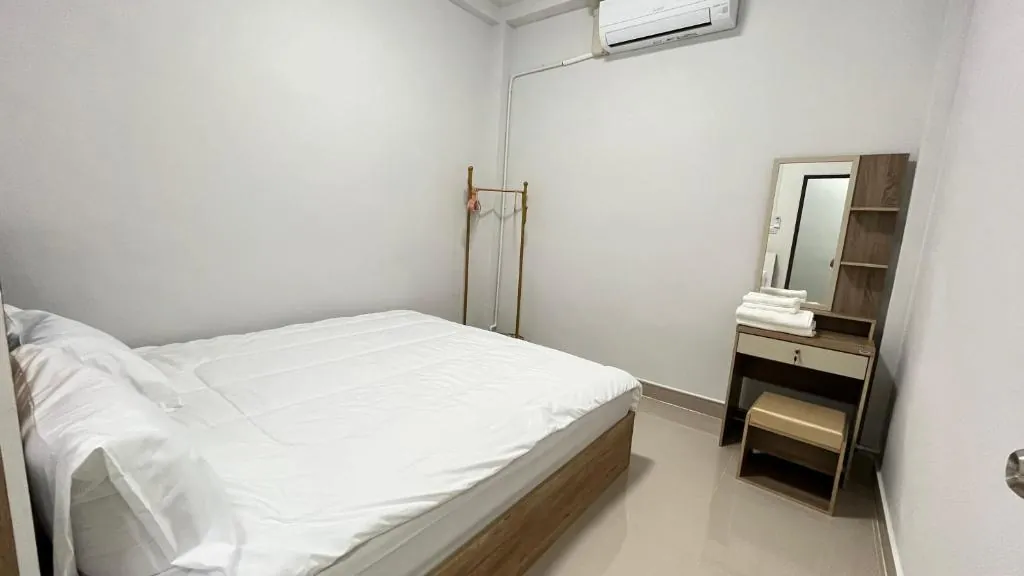
Betong 939 Homestay
- 2 bedrooms

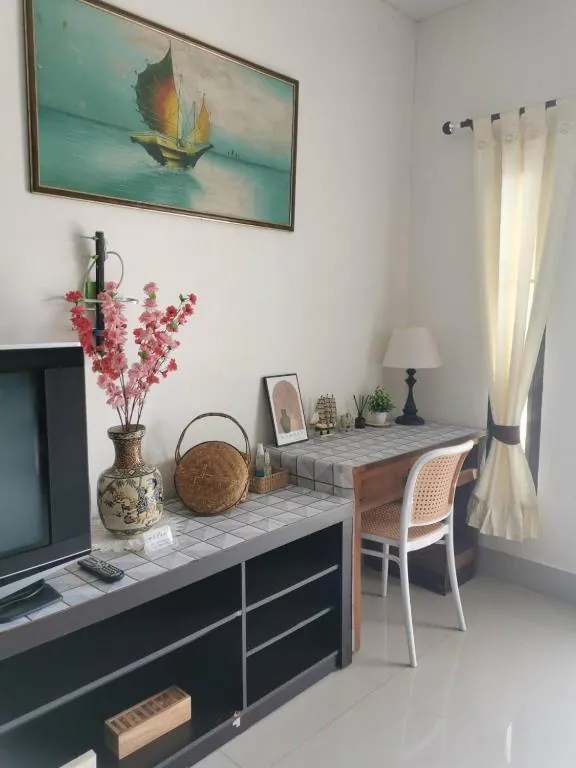
Betong House in the Garden
- 2–3 bedrooms

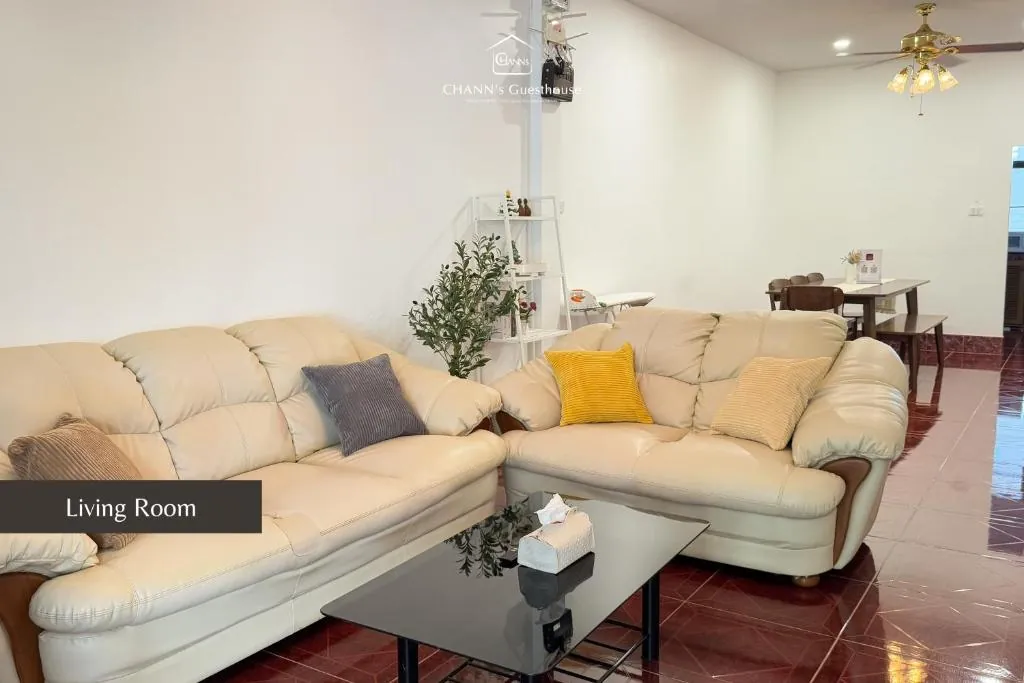
CHANN Guesthouse
- 3 bedrooms

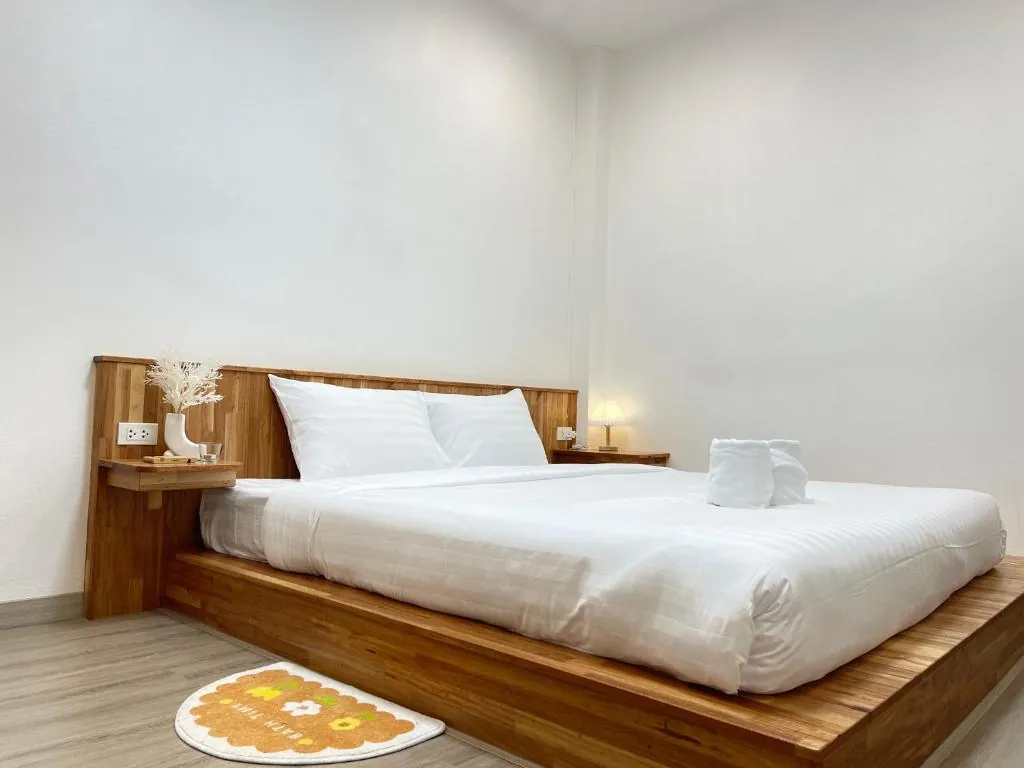
Jinbo Betong Home Cafe

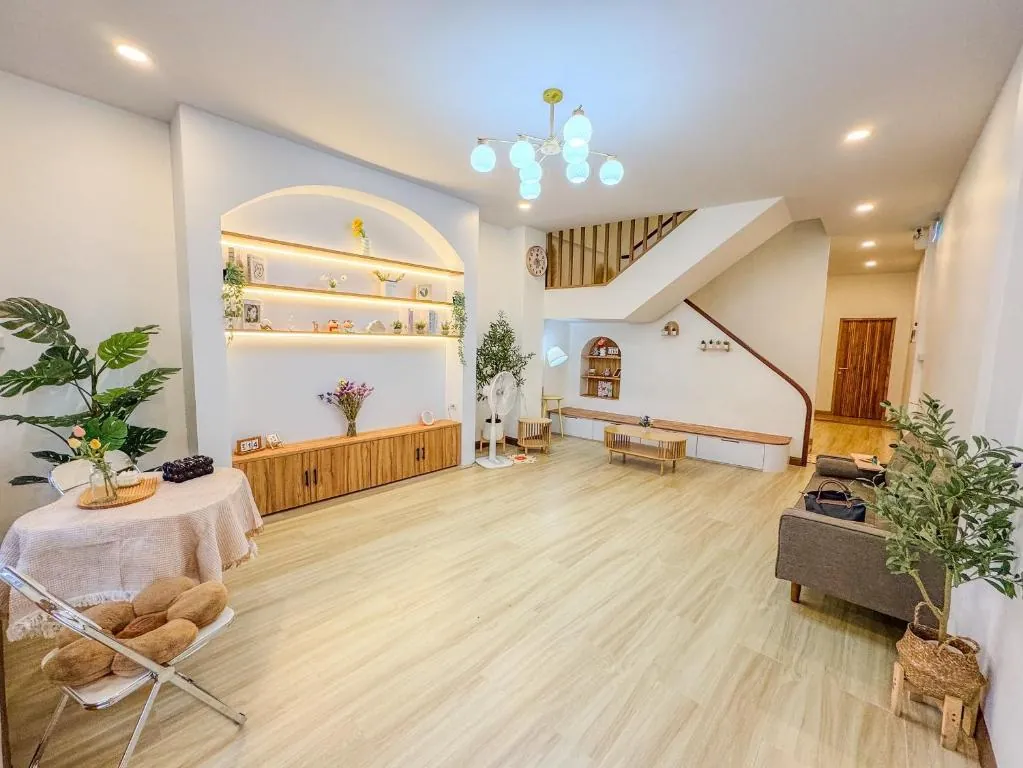
Jinbo White House Betong
- 3 bedrooms

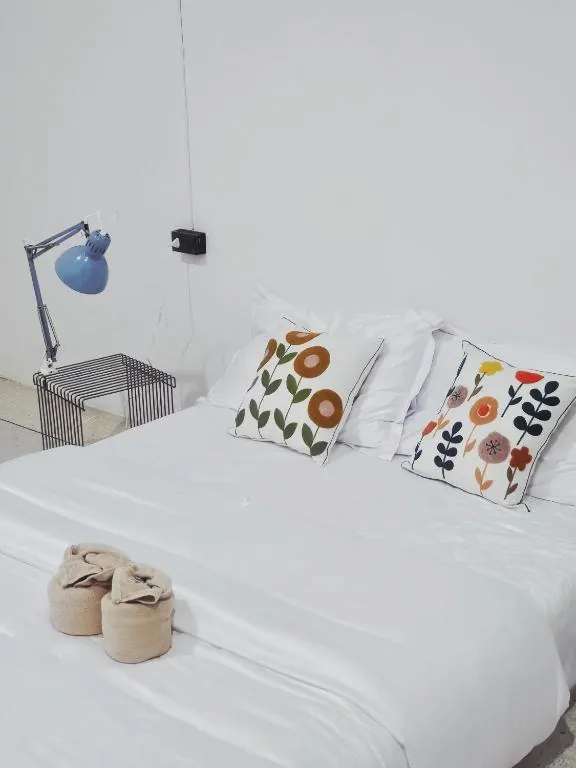
Khamni at Betong
- Sleeps 2

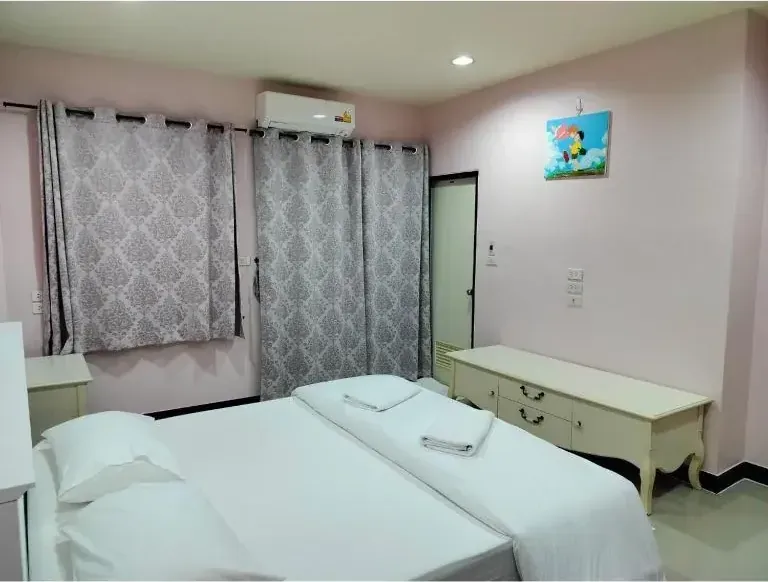
MikaHouse
- Sleeps 2

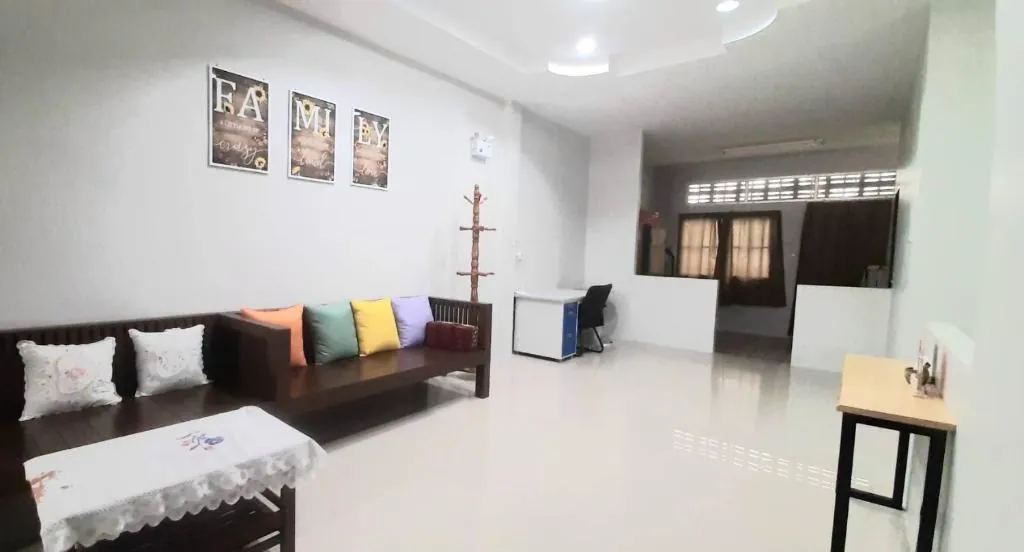
Rutcha Homestay Betong
- 3 bedrooms

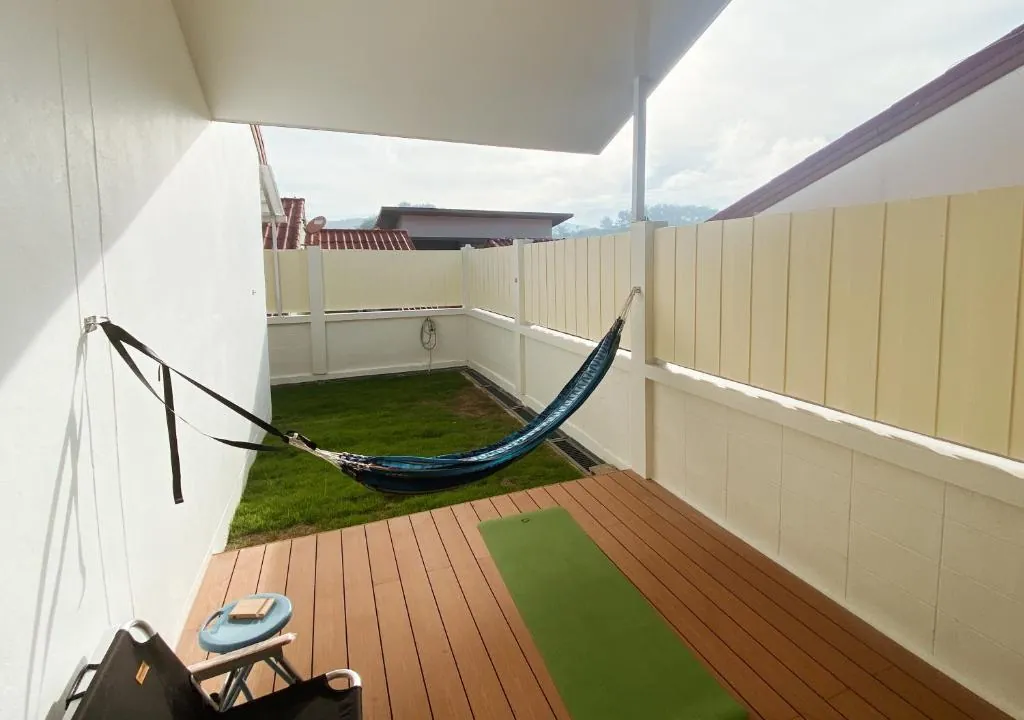
Sundae Haus
- 2 bedrooms

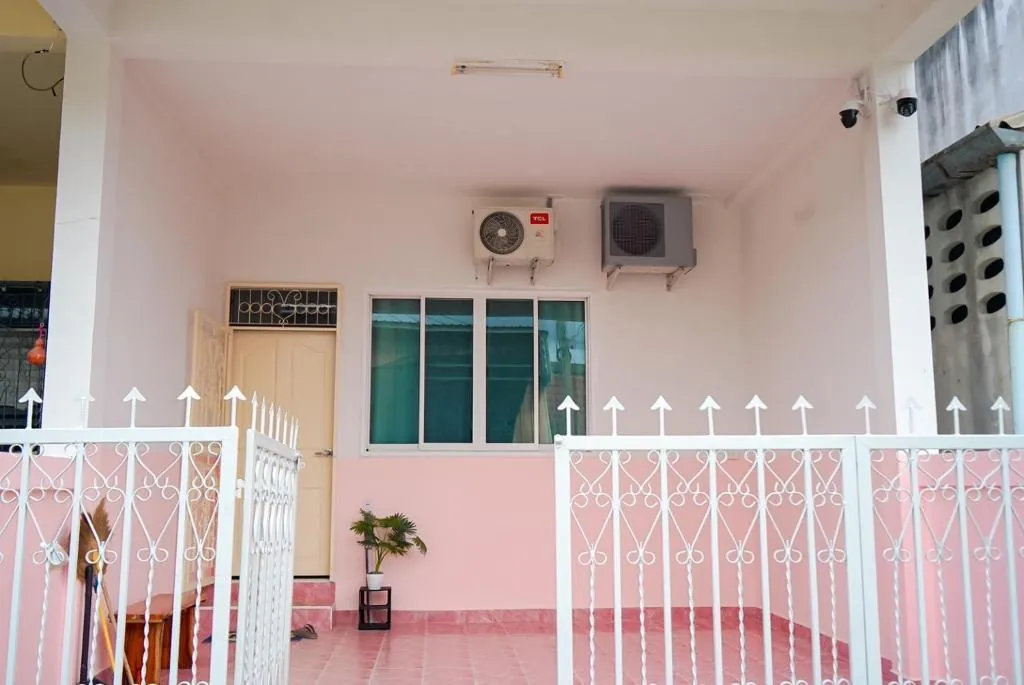
U Dee Guesthouse
- 2 bedrooms

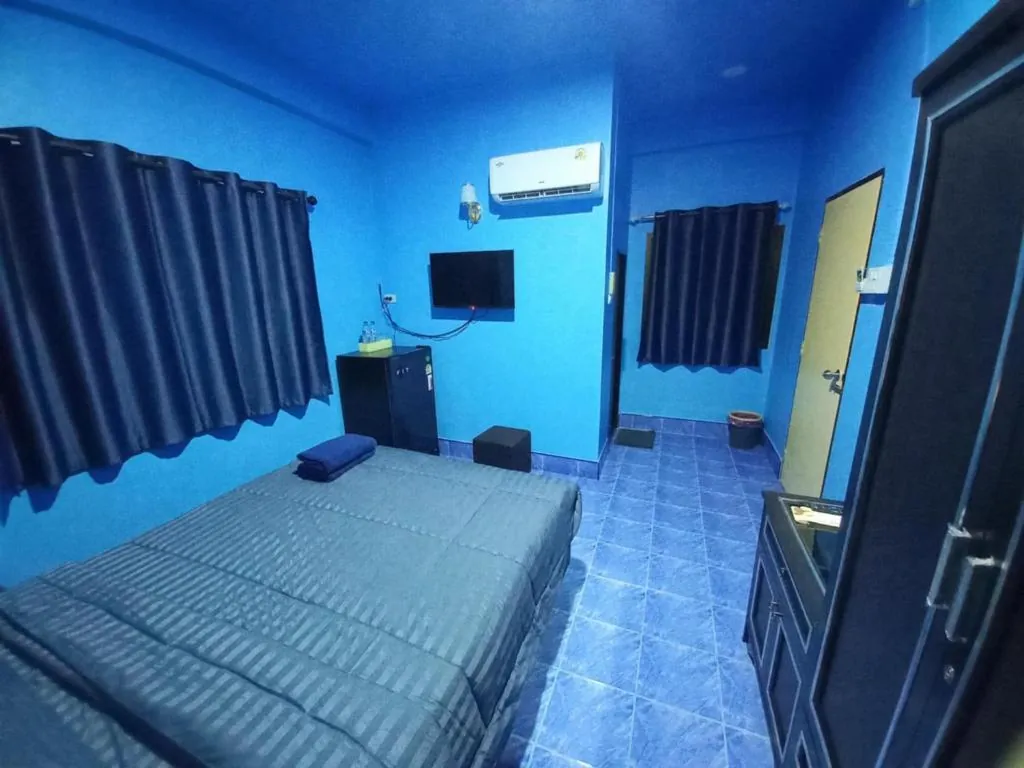
Wari My Home
- Sleeps 2
When to go
Jan-Apr The dry season and the most reliable window for clear sea-of-mist mornings at Aiyerweng. Mornings here want a light jacket in any month.
May-Aug Building humidity and occasional showers, though the surrounding hills keep Betong noticeably milder than lowland Yala through this stretch.
Sep-Dec The northeast monsoon's wettest months. The mist can still form at dawn, but heavy cloud cuts visibility on many mornings. This is also when the clock tower's migratory swallow flocks are most active, roughly September through March.
About Betong
Last updated July 2026
Overview
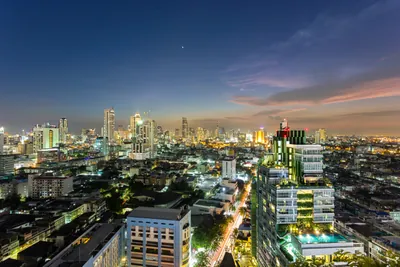
Betong is Thailand’s southernmost town, set in a mountain valley in the Sankhalakhiri range (the Thai end of the Titiwangsa mountains) about 5 kilometres from the Malaysian border. The name comes from a Malay word for a local bamboo, and the nickname, City in the Mist, describes the cloud that pools in the surrounding valleys most mornings and is best seen from the Aiyerweng ridge outside town.
The town runs to a different rhythm from the rest of Yala. Betong is predominantly Thai-Chinese, built up over generations of cross-border trade, and the shophouse streets around the marble clock tower show it: Hakka and Yunnanese kitchens, Chinese shrine-temples sharing the skyline with Buddhist wats, and a steady flow of Malaysian day-trippers up for the cool air and the prices. Along with Yala city it is one of only two places in the province with a real choice of hotels.
Read this before you plan a trip. The UK Foreign Office advises against all but essential travel to Yala, Pattani and Narathiwat in their entirety, and that advisory does not exempt Betong district despite its very different character. Travel insurance is commonly voided by travelling against a government advisory, so check your policy first. That is the practical consequence for most visitors. Against that, Betong genuinely does have a different security profile: in 2018 it became the only deep-south district moved off the strict Emergency Decree onto the lighter Internal Security Act, after insurgency-related incidents there fell sharply, and it now works as a mainstream domestic tourist town rather than a conflict zone. Checkpoints on the road in from Yala city are routine. This page lays out both halves rather than resolving the tension for you.
Top Things to Do
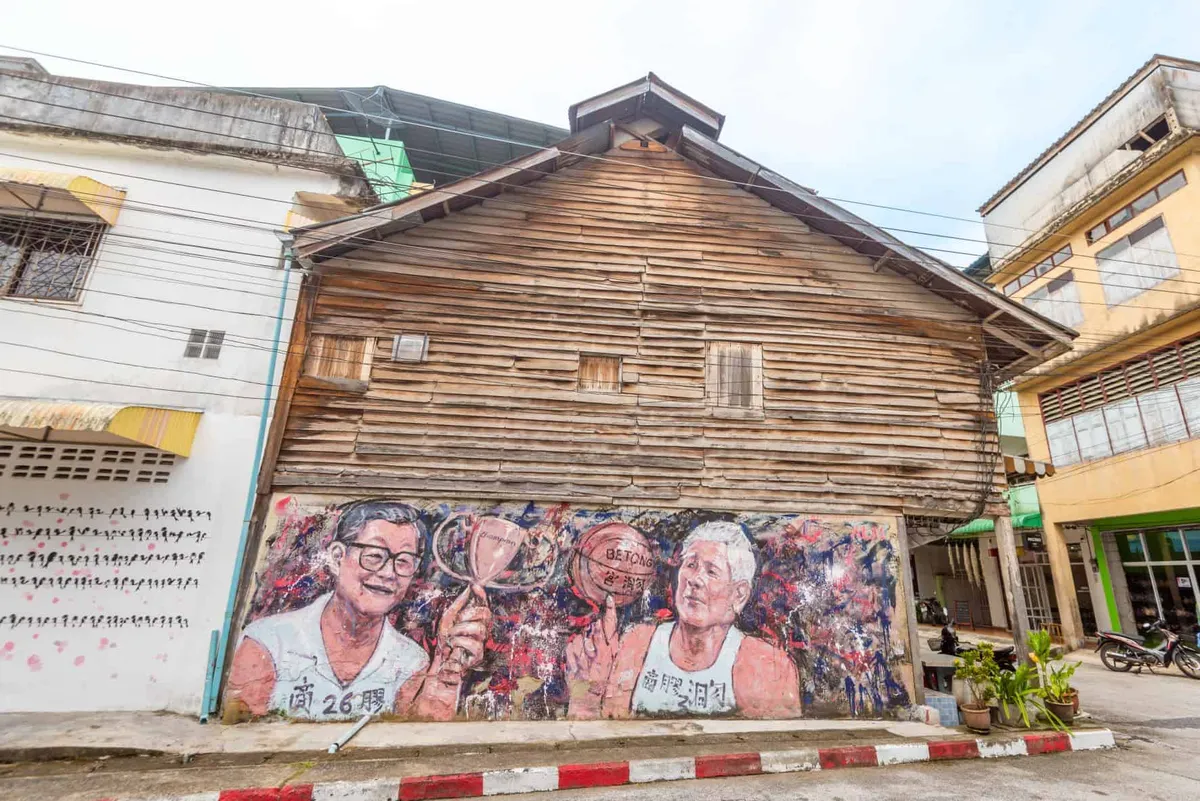
Betong Clock Tower is the marble landmark at the centre of town and the default meeting point, and from roughly September to March thousands of migratory swallows roost on the wires above it. Free, any hour. A short walk away, the largest postbox in Thailand (a working 1924 postbox topped with an old radio transmitter, plus a much larger modern replica) and the street art of Betong through the surrounding alleys make an easy loop on foot.
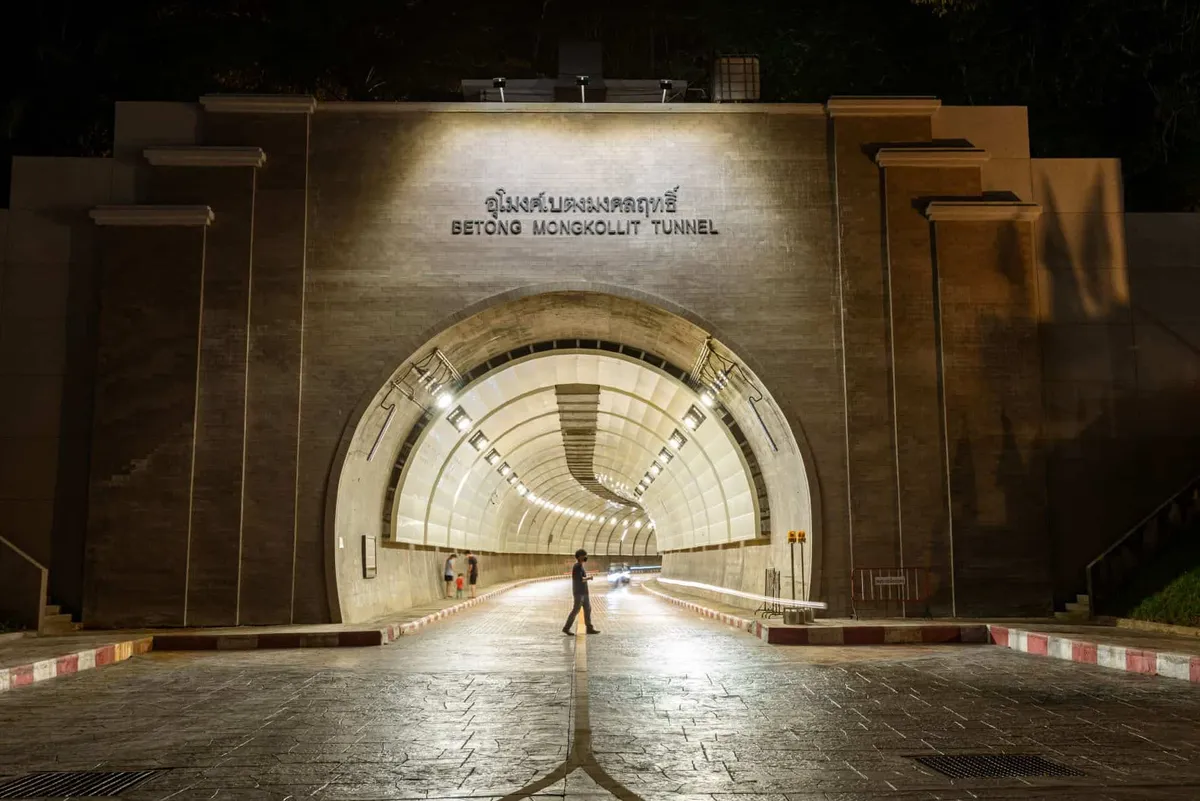
Betong Mongkhonrit Tunnel, Thailand’s first road tunnel through a mountain at 268 metres, opened in 2001 and is lit in colour after dark. Free to walk or drive, and not to be confused with the Piyamit Tunnel outside town. The Betong City Museum covers the frontier history compactly and free of charge, and the hillside Wat Phra Photisat Kuan Im, with its large Guanyin statue, looks back over the rooftops.
Wat Phutiwhat terraces up a hillside at the edge of town around a 39.9-metre gilded chedi built for Queen Sirikit’s sixtieth birthday. Free, and the best elevated view of Betong short of driving up one of the surrounding hills.
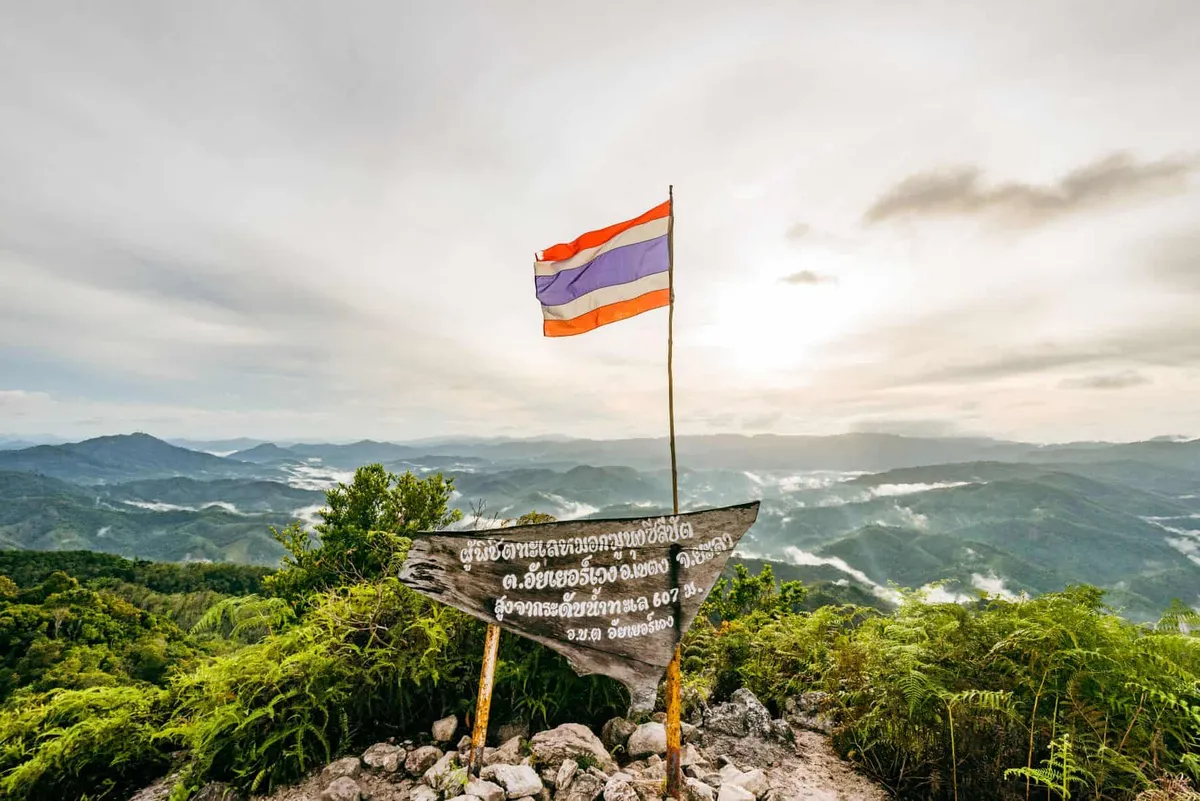
Outside town, the Aiyerweng Sea of Mist viewpoint and skywalk is the headline attraction: a summit roughly 25–30 km out where valley cloud fills the ridge on both sides before the sun burns it off, so you want to be there by around 6am. The glass-floored skywalk charges 200 THB for foreign visitors and 40 THB for Thai nationals; two lower viewpoints on the same road cost nothing. A free, community-run alternative sits nearby at Khao Kunung Silipat, reached by a locally arranged 4WD transfer and a walk in. Arrange it ahead, since it runs on villagers’ own vehicles rather than a ticket office.
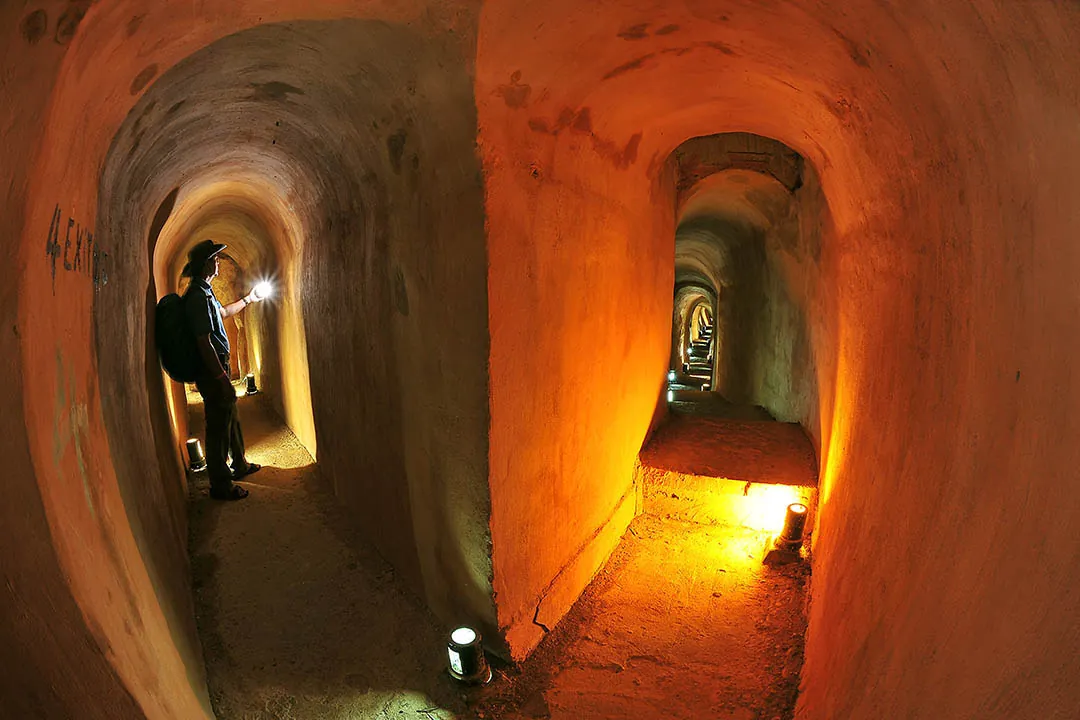
Piyamit Tunnel, about 10 km out and free to enter, is a hand-dug 1970s hideout built by Malayan Communist Party fighters during the border insurgency; nine entrances lead back to a kitchen, medical post and sleeping quarters, preserved as a museum after the 1989 peace settlement. The Betong Hot Spring on the same road is free to soak in and has a well hot enough to cook an egg. Further out, Chaloem Phrakiat Rama IX Waterfall drops in tiers off Highway 410, the Winter Flowers Garden grows cold-climate blooms that have no business thriving this close to the equator, and Taepusu Bridge crosses the Pattani River past stilt-house villages. All need a car or motorbike.
Food deserves its own line. Betong chicken (a free-range breed raised on the cool hillsides, usually steamed or roasted whole) along with Hakka and Yunnanese dishes brought by generations of Chinese settlers, gives the town a kitchen unlike anywhere else in the south.
Where to Stay
Betong’s hotels sit almost entirely in the town centre around the clock tower, and they are pitched at Thai and Malaysian weekend visitors rather than international resort travellers: mid-range and budget hotels and guesthouses rather than chains. Staying central puts the clock tower, the tunnel, the museum and the temples within walking distance. Anyone going up to Aiyerweng for dawn will need a car or a hired driver whatever they book, since there is no accommodation on the summit road. Book ahead around Thai and Malaysian public holidays and through swallow season, roughly September to March, when demand for Betong’s cool air peaks on both sides of the border.
Getting There
There is no realistic direct land route from Bangkok and no dependable flight, so Hat Yai is the gateway. Fly into Hat Yai International Airport, around 1.5 hours from Bangkok, then continue by shared minivan from the bus terminal, a winding 230 km, roughly 4.5-hour drive on Highway 410 through Yaha, Bannang Sata and Than To. From Yala city the same road takes about three hours.
Betong International Airport (BTZ) opened in 2022 and its commercial service has been on and off since. Nok Air’s subsidised Bangkok route was dropped in October 2022 after heavy losses, and a small Hat Yai to Betong service using Cessna Grand Caravan aircraft started in June 2025, the first scheduled flight into Betong in about three years. There is still no direct Bangkok service.
The border crossing at Betong leads into Pengkalan Hulu in Malaysia’s Perak state, signed via Bukit Berapit where Malaysian immigration sits, quieter and more scenic than Sadao or Padang Besar further north. See the Yala province guide for the wider region.
Best Time to Visit
Betong follows the northeast-monsoon pattern of the deep south (wet from roughly September through December, driest January through April) but its position in the hills keeps it cooler than the surrounding lowlands in every month, not only the dry ones. Pre-dawn temperatures on the Aiyerweng ridge can drop into the low teens Celsius, and a light layer is worth packing even in town.
January through April is the reliable window for sea-of-mist mornings and comfortable walking. May through August brings humidity and passing showers that rarely cost you a day. September through December is the wettest stretch: the mist still forms at dawn, but heavy cloud closes the view on many mornings, and it is also when the swallows are most active around the clock tower.