



Chiang Saen Lake
ทะเลสาบเชียงแสน
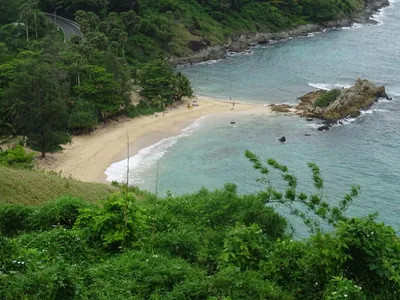
Chiang Saen Lake is Thailand’s northernmost lake, a natural freshwater wetland covering about 4.3 sq km in Yonok subdistrict, Chiang Rai province. It was declared a non-hunting area in 1985 and registered as a Ramsar wetland site in 2001 under the name Nong Bong Kai. Entry is free, and it’s a genuinely different kind of stop from the temple-heavy itineraries most Chiang Saen visits run on.
Experience
The lake’s main draw is birdlife. Migratory waterfowl arrive from the north starting in October and are most plentiful November through February — recorded species include lesser whistling duck, pied harrier, eastern marsh harrier, common pochard, grebe, watercock, and Chinese rubythroat, among others. Outside migration season, resident birds and local fishermen casting lines from the shore are more of the scene, with the occasional longtail boat crossing the water.
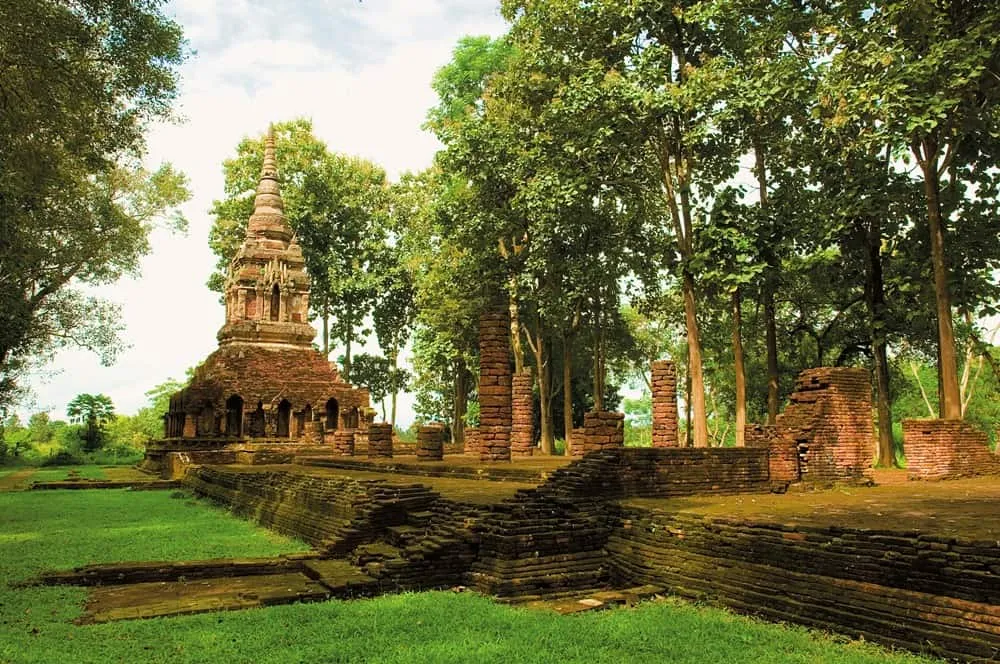
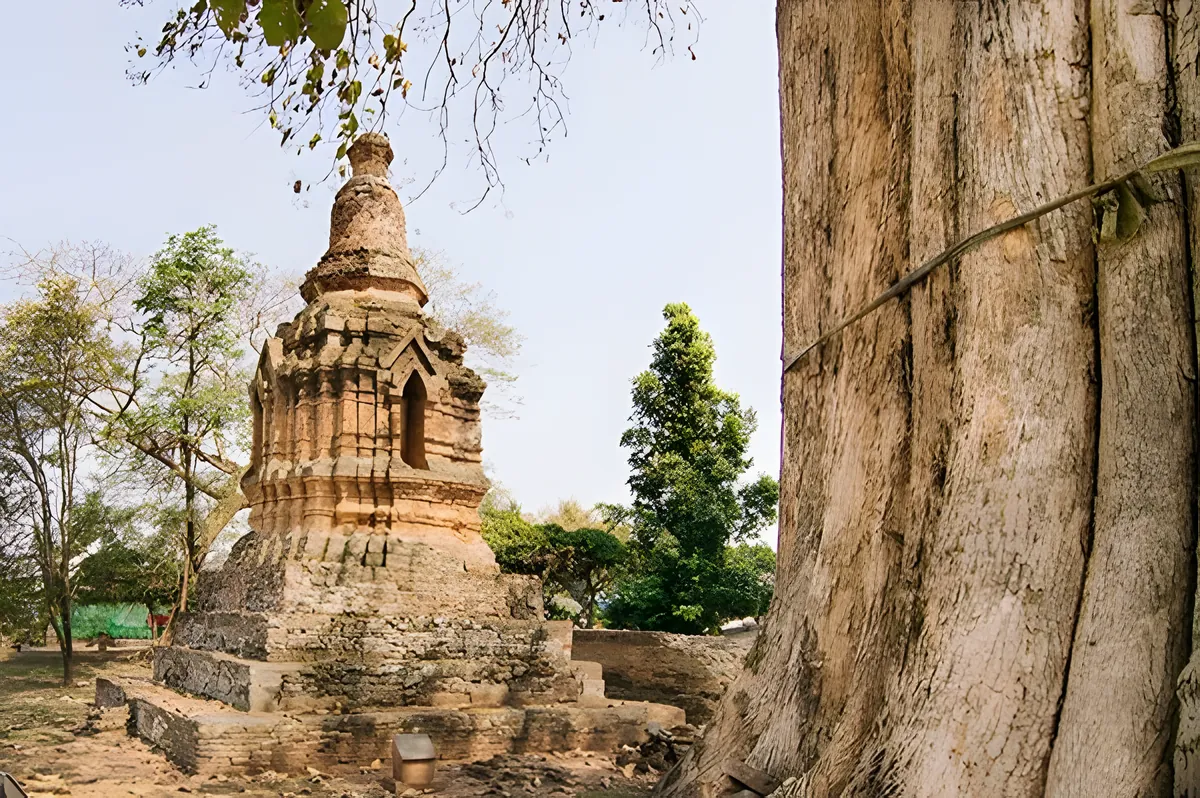
Local folklore connects the lake area to Singhanavati, an ancient kingdom said to have been destroyed around 545 CE. An archaeological site called Wiang Nong Lom — “drowned town” — sits just south of the lake, a reminder that this stretch of land has a much older history than the reservoir itself suggests.
Insider Tip: Early morning, before 8 AM, is when mist typically sits over the water and bird activity is highest — arrive at opening if birding is the main reason for the trip.
Atmosphere & Timing
The setting feels local rather than curated for tourists. Families picnic in the late afternoon, fishermen work the shoreline through the day, and there’s a basic campsite for visitors who want to stay overnight for early birding.
Watch out: Shade is limited around most of the shoreline, and facilities are basic — bring water, sun protection, and insect repellent, especially near dusk.
- Entry fee: Free
- Hours: Daily, roughly 08:00-17:00
- Size: About 4.3 sq km (2,711 rai) — Thailand’s northernmost lake
- Status: Ramsar wetland (2001), non-hunting area since 1985
- Best birding season: November-February, migratory waterfowl
Practical
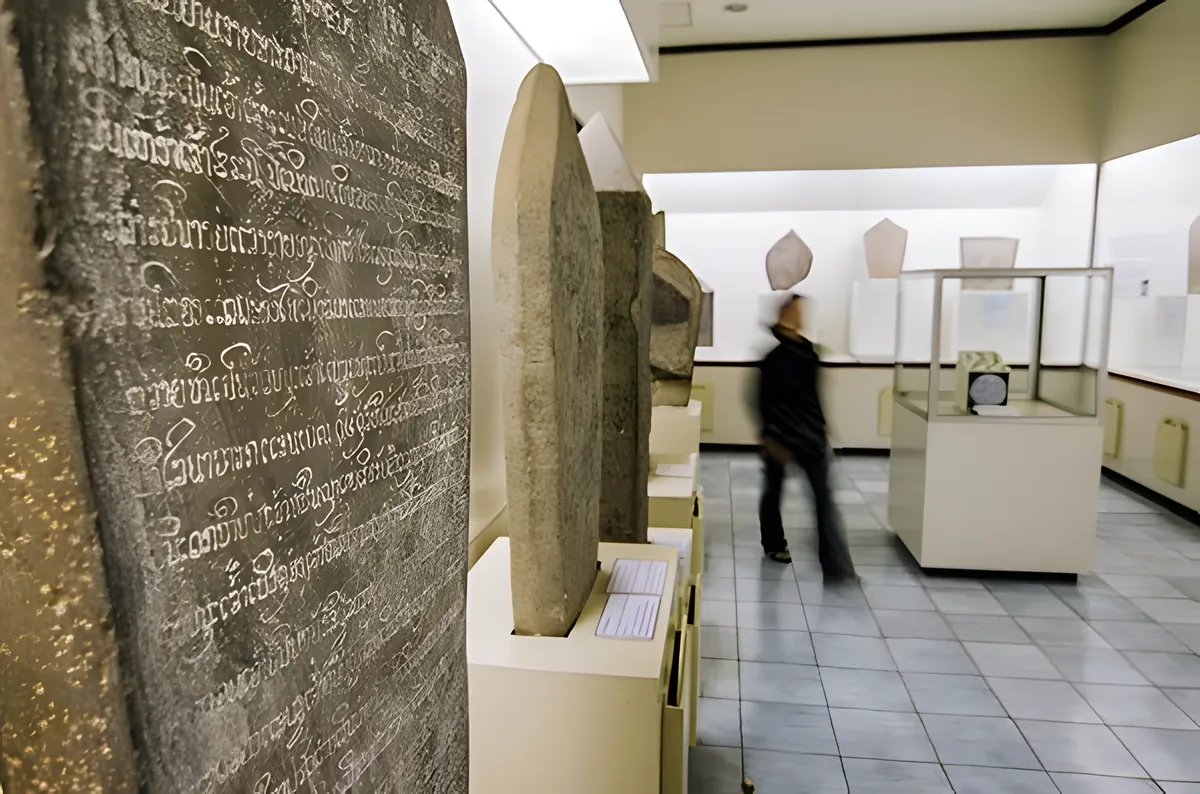
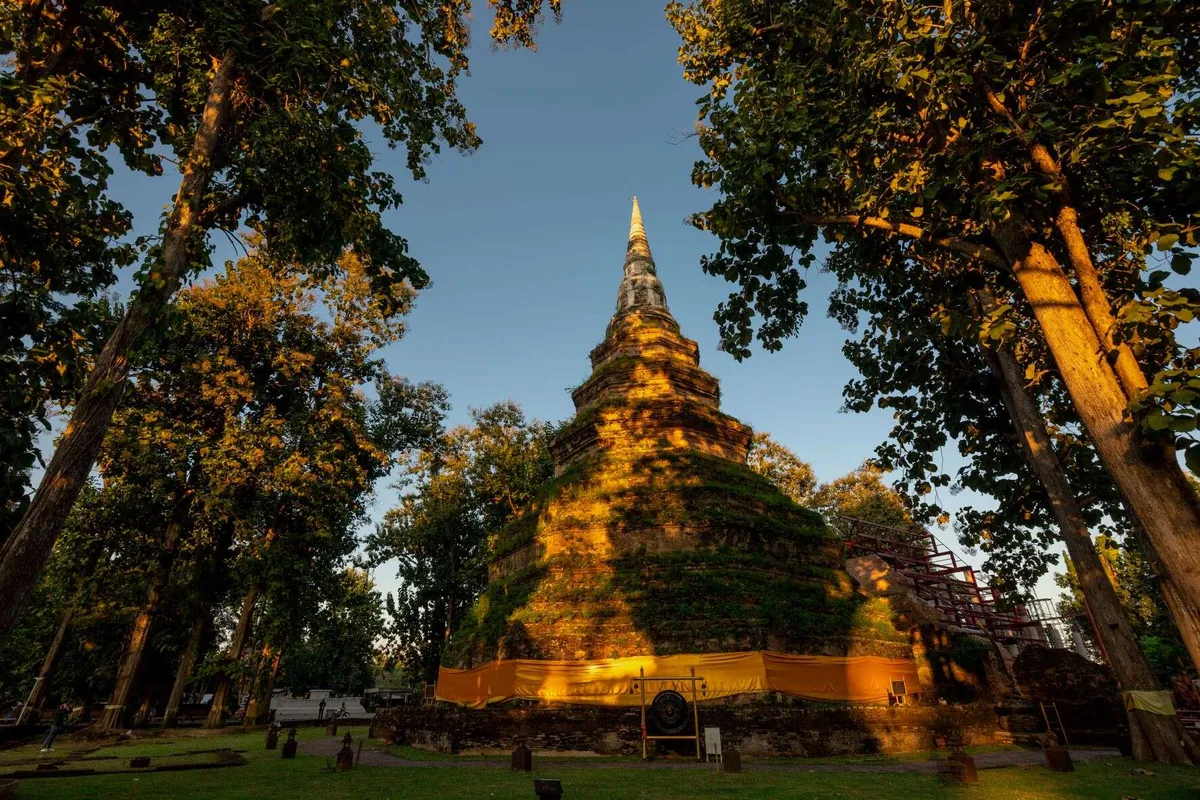
The lake is a short drive by motorbike or car from Chiang Saen town centre, with basic parking available. It pairs naturally with a day exploring Chiang Saen’s ruins — the Chiang Saen National Museum and Wat Pa Sak are both a few minutes away in the same district.
Location & Directions
104 Moo 3
Chiang Rai, Thailand
Show your taxi or Grab driver
ทะเลสาบเชียงแสน
Frequently Asked Questions
Is Chiang Saen Lake a natural or artificial lake?
When is the best time for birdwatching?
Is there anywhere to stay near the lake?
Is it free to visit?
What's the connection to Chiang Saen's ancient ruins?
Spotted something out of date or incorrect? Let us know
Popular tours in Chiang Rai





Stay Near Chiang Saen Lake
Compare places to stay in Chiang Rai, or open the map for options closest to the attraction.