




Wat Kalayanamit Woramahawiharn
วัดกัลยาณมิตร วรมหาวิหาร
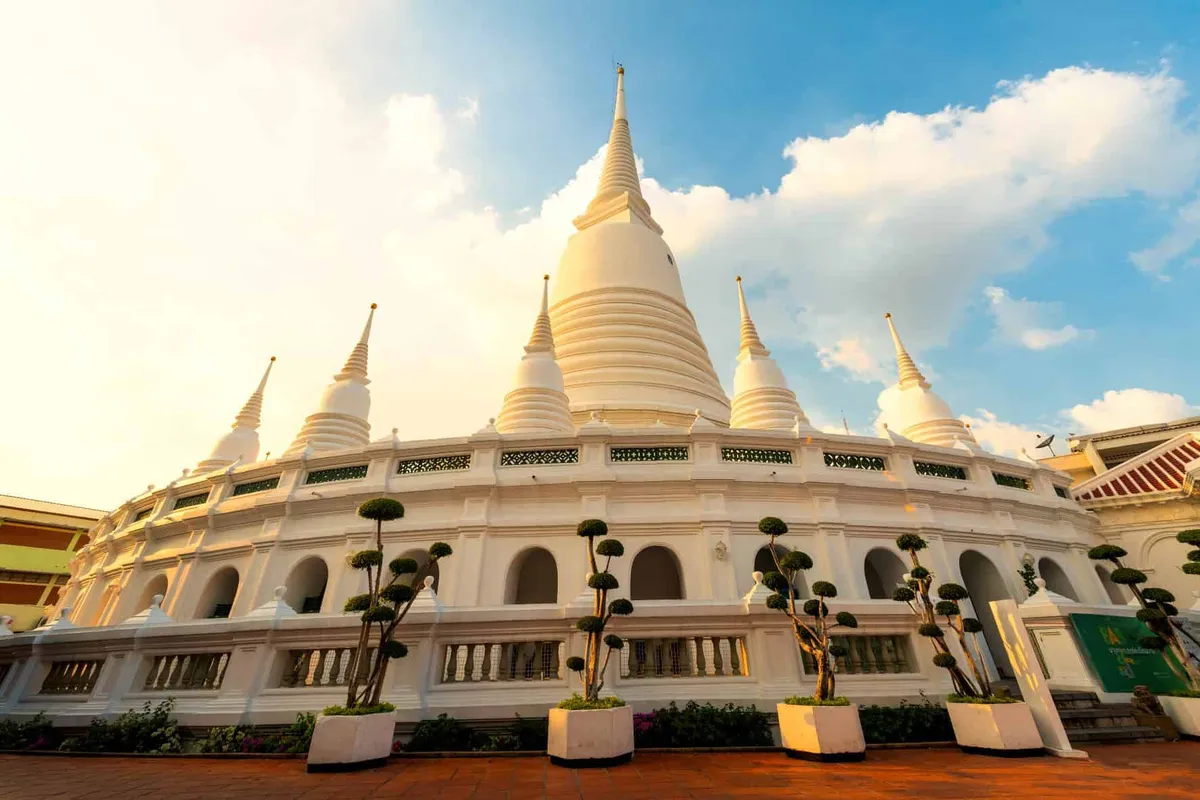
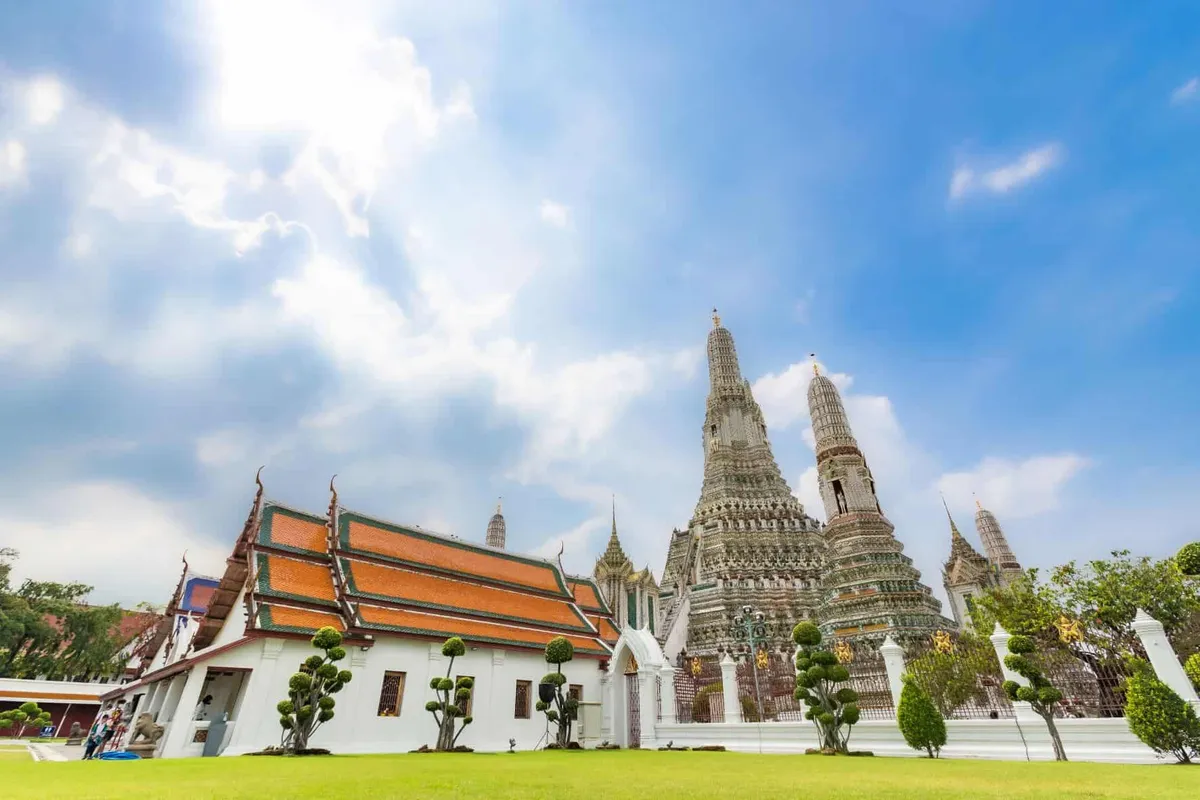
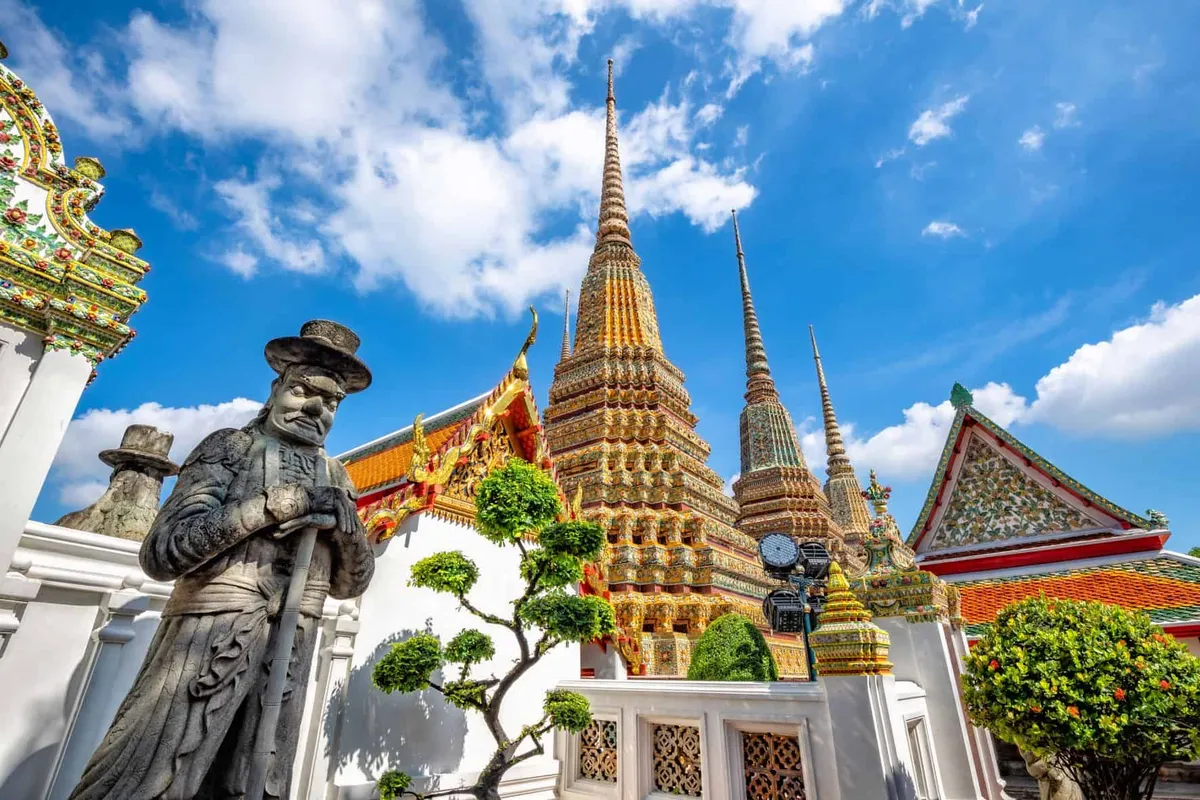
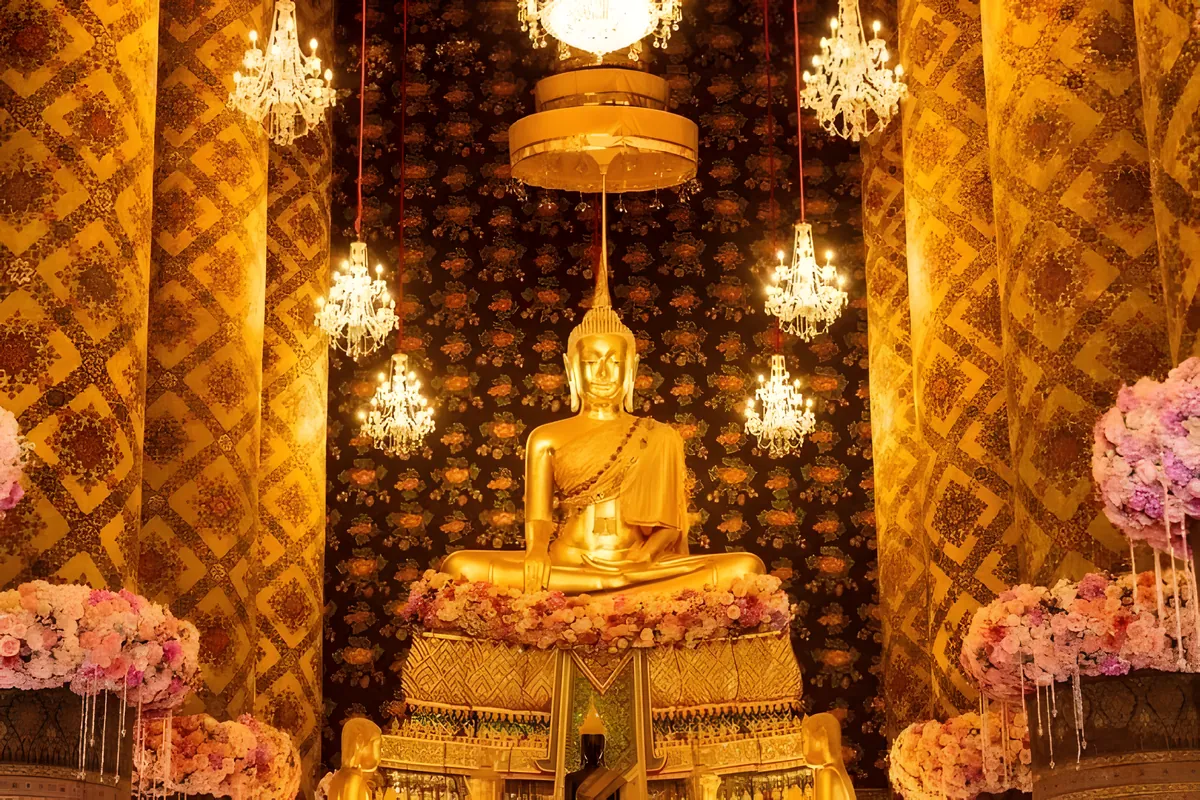
Wat Kalayanamit, on the Thon Buri bank of the Chao Phraya at the mouth of Khlong Bangkok Yai, houses two record-holders: Luang Pho To, the largest seated Buddha image in Bangkok at roughly 15.4 metres tall with an 11.75-metre lap, and a 13-tonne bronze bell — the largest in Thailand — hanging in the tower beside it. Built in 1825, the temple is free to enter, open daily 07:00-17:00.
The land was Chao Phraya Nikonbodin’s (To Kalayanamit’s) own house and estate, donated to King Rama III along with more land the noble bought specifically to build a temple. Rama III accepted, named it Wat Kalayanamit — “the temple of the good friend” — and then went further: he personally commissioned the royal wihan and its principal image, the stucco Buddha now known as Luang Pho To, cast in the subduing-Mara posture. Chinese devotees know the same statue as Sam Po Kong, a name that points to the temple’s other identity: it sits at the edge of Kudi Chin, Bangkok’s old Portuguese-Chinese riverside community, and Rama III built it in the deliberately Chinese-influenced style — sweeping tiled roofline, no chofah finials — that marks several of his temple commissions.
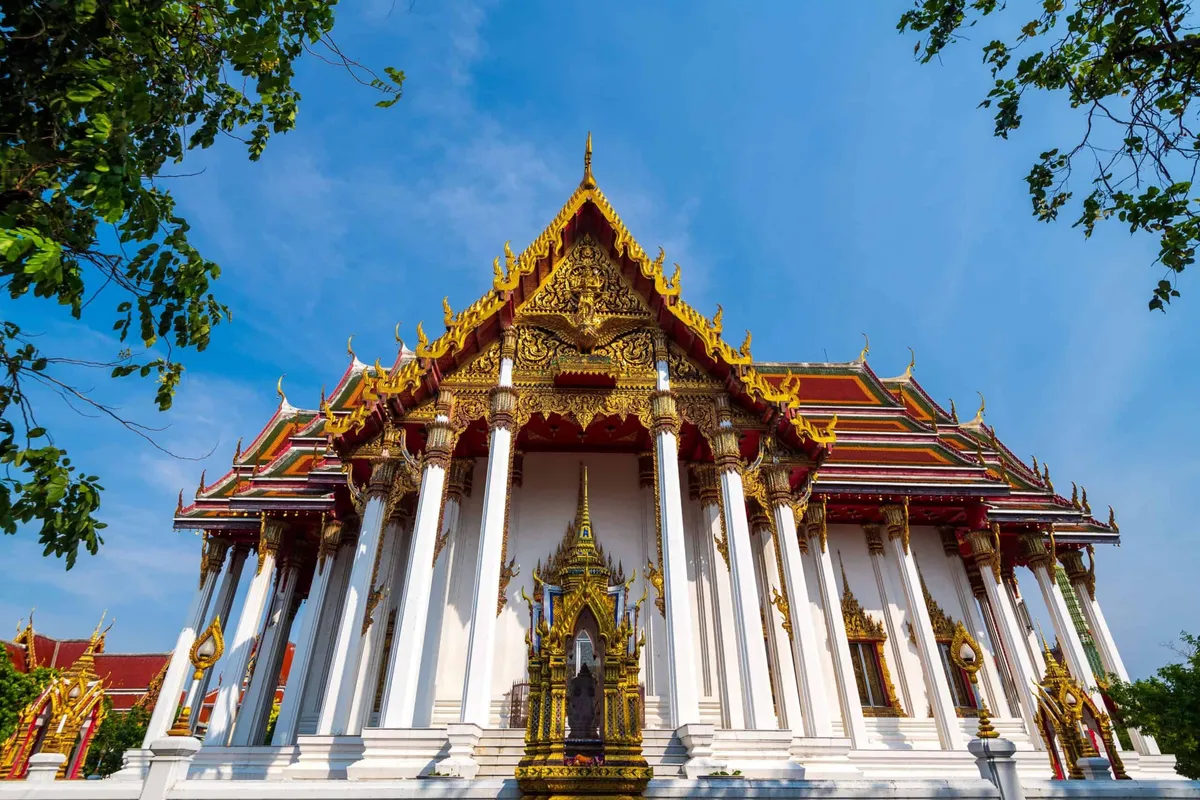
The wihan housing Luang Pho To is the temple’s centrepiece: a single vast hall built around the statue, with murals along the walls depicting scenes from the Buddha’s life alongside glimpses of everyday Rama III-era Bangkok. Between the wihan and the smaller ubosot stands the bell tower — the 13-tonne bell inside is rung on ceremonial occasions, and its scale is obvious even from outside the tower. The ubosot itself holds a second, smaller Buddha image in the Palilai posture; temple records describe it as the only principal ubosot image cast in this pose anywhere in Thailand. A library, the Ho Phra Tham Monthian Thaloeng Phrakiat, holds Pali scriptures dating to King Rama IV’s reign, though it isn’t generally open to casual visitors.
Riverside light through the wihan’s open doors, incense smoke drifting past Luang Pho To’s gilded face, and the low murmur of chanting from worshippers seated on the floor make this one of the more atmospheric temple interiors on the Thon Buri side — busier with Thai-Chinese devotees than with tour groups, which keeps it calmer than the big Rattanakosin-side temples across the river.
Reach it via Chao Phraya Express Boat to Rajinee Pier, then a short cross-river ferry (a few baht) to the Wat Kalayanamit pier — or take the MRT Blue Line to Sanam Chai station, walk to the riverside piers near the Grand Palace, and cross the same way. Dress modestly: shoulders and knees covered, shoes off before entering the wihan or ubosot.
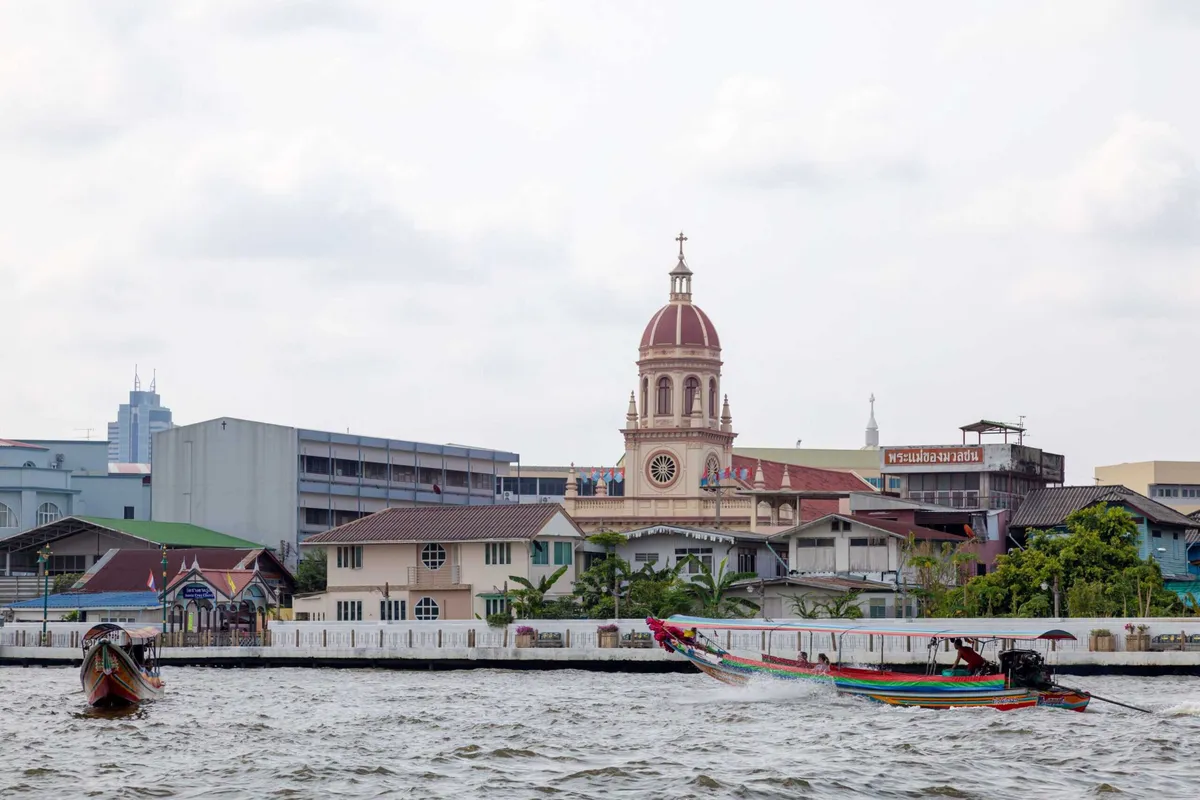
Insider Tip: Combine the visit with a walk through Kudi Chin next door — the Portuguese-Chinese community around Santa Cruz Church shares the same soi and makes the ferry crossing worth the detour on its own.
Watch out: The wihan gets genuinely crowded around Chinese New Year and other major merit-making dates, when devotees queue to gild the Buddha image — go early or expect a wait.
- Entry fee: Free
- Hours: Daily 07:00-17:00
- Built: 1825, under King Rama III
- Known for: Luang Pho To (Bangkok’s largest seated Buddha) and Thailand’s largest bronze bell
- Getting there: Chao Phraya Express Boat to Rajinee Pier + cross-river ferry, or MRT Sanam Chai + ferry
Location & Directions
Arun Ammarin Road
Bangkok, Thailand
Show your taxi or Grab driver
วัดกัลยาณมิตร วรมหาวิหาร
Within Walking Distance




Frequently Asked Questions
How big is the Luang Pho To Buddha image?
Is the bell really the largest in Thailand?
Is there an entrance fee?
How do I get to Wat Kalayanamit?
What's the best way to combine this with other sights?
Spotted something out of date or incorrect? Let us know
Popular tours in Bangkok




Stay Near Wat Kalayanamit Woramahawiharn
Compare places to stay in Bangkok, or open the map for options closest to the attraction.