

Poy Sang Long 2026: Shan Culture & Buddhist Tradition


On this page
Some links are affiliate links. If you book through them we may earn a small commission at no extra cost to you.
Poy Sang Long is a traditional festival that is celebrated by the Shan people, an ethnic minority group in Thailand. The festival is held annually in the North of Thailand, and it is a major event for the Shan community. The festival takes place in the period of March-April, when people are generally free from work on the farm and schools have vacations.
Poy Sang Long is a Buddhist festival that celebrates the ordination of boys as Buddhist novices. During the festival, boys are dressed in traditional Shan attire and participate in a series of rituals and ceremonies. The festival is an important cultural event for the Shan people, and it is a time for the community to come together to celebrate their traditions and culture.
What is Poy Sang Long?
The Poy Sang Long festival is a traditional ceremony that takes place among the Shan people of Myanmar and Thailand. It is a rite of passage for boys, in which they are ordained as novices. The festival is popular among the Shan people, who are also known as Tai Yai, and is a cultural tradition that has been introduced by Shan immigrants in Thailand. The word “Poy” refers to a religious event, while “Sang Long” means a young boy who is preparing for novice ordination.
The festival is a transitional practice that marks a change in an individual’s status in society and is also translated as the “Ordaining the Beloved Sons”.
Thailand’s Public Relations Department describes a traditional account linking Poy Sang Long to Rahula, the Buddha’s son and a Buddhist novice. The boys’ princely clothes evoke a life of privilege before they exchange them for novice robes. This is novice ordination, distinct from full ordination as a monk.
Many communities celebrate over three days, though programmes can be longer. Attendants carry the boys during processions, keeping their feet off the ground. The time they spend in the monastery afterwards depends on the family and temple.
Cultural Significance of the Poy Sang Long Festival
The Poy Sang Long festival is an important cultural event for the Shan people, an ethnic minority group in Thailand. It is a traditional celebration that has been passed down through generations and is a time for the community to come together to celebrate their traditions and culture. The festival is a rite of passage for young boys, who are ordained as novices and taught about Buddhist teachings and the discipline expected of monks. It marks a significant change in their status in society and is a time for them to embrace their new roles and responsibilities as novices. The festival is also a time for the community to honor the Buddhist faith and traditions, as well as to seek blessings from the gods. Overall, the Poy Sang Long festival is a celebration of culture, tradition, and faith for the Shan people.
Where does the Festival Take Place?
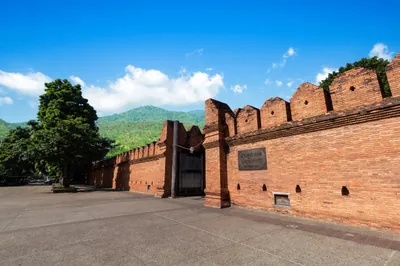
In Chiang Mai, Wat Pa Pao and Wat Ku Tao host Poy Sang Long ceremonies. Participant numbers and procession schedules vary each year. Ask the temple about the programme before planning your visit.
-
View location of Wat Pa Pao on Google Maps
-
View location of Wat Ku Tao on Google Maps
Preparation Stages for Poy Sang Long
Families and temple communities prepare food, offerings, costumes and music for the ceremony. Attendants look after the boys and carry them in the processions. Shaving and other preparations may begin before the public celebrations; the host temple sets the programme.
How is Poy Sang Long Celebrated?
The Fine Arts Department describes celebrations lasting three to five days. In a typical three-day programme, the sequence is as follows. Names and details vary between communities.
First day: receiving the Sang Long
The boys wear princely clothes and attendants carry them to pay respects at temples and to elders. Music accompanies the procession. This stage is often called Rup Sang Long.
Second day: procession of offerings
Families carry robes, alms bowls and other requisites to the temple. The Fine Arts Department calls this procession Hae Khrua Lu. It precedes the ordination ceremony.
Third day: novice ordination
The boys request novice ordination and change into robes. The ordination day’s name differs between local accounts, so follow the host temple’s programme rather than relying on a fixed name or timetable.
Conclusion
The Poy Sang Long festival is a significant cultural event for the Shan people of Myanmar and Thailand. It is a rite of passage for young boys, marking their novice ordination and a new phase of their lives. The festival is a time for the community to come together and celebrate their traditions and culture, and it is an important moment of pride for Buddhist parents. The Poy Sang Long festival is a meaningful celebration deeply rooted in the culture of the Shan people.
If you are in the area around March and April. Be sure to catch this event.