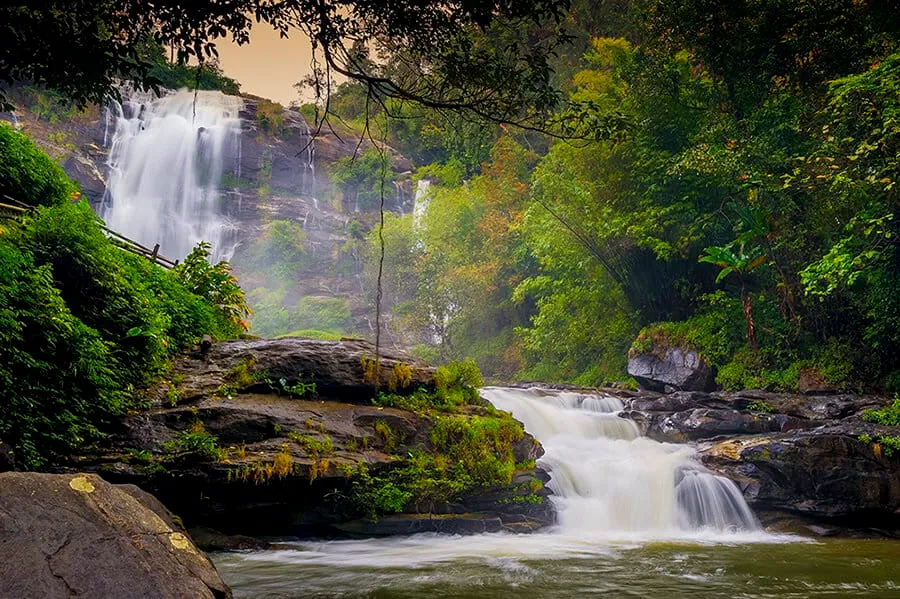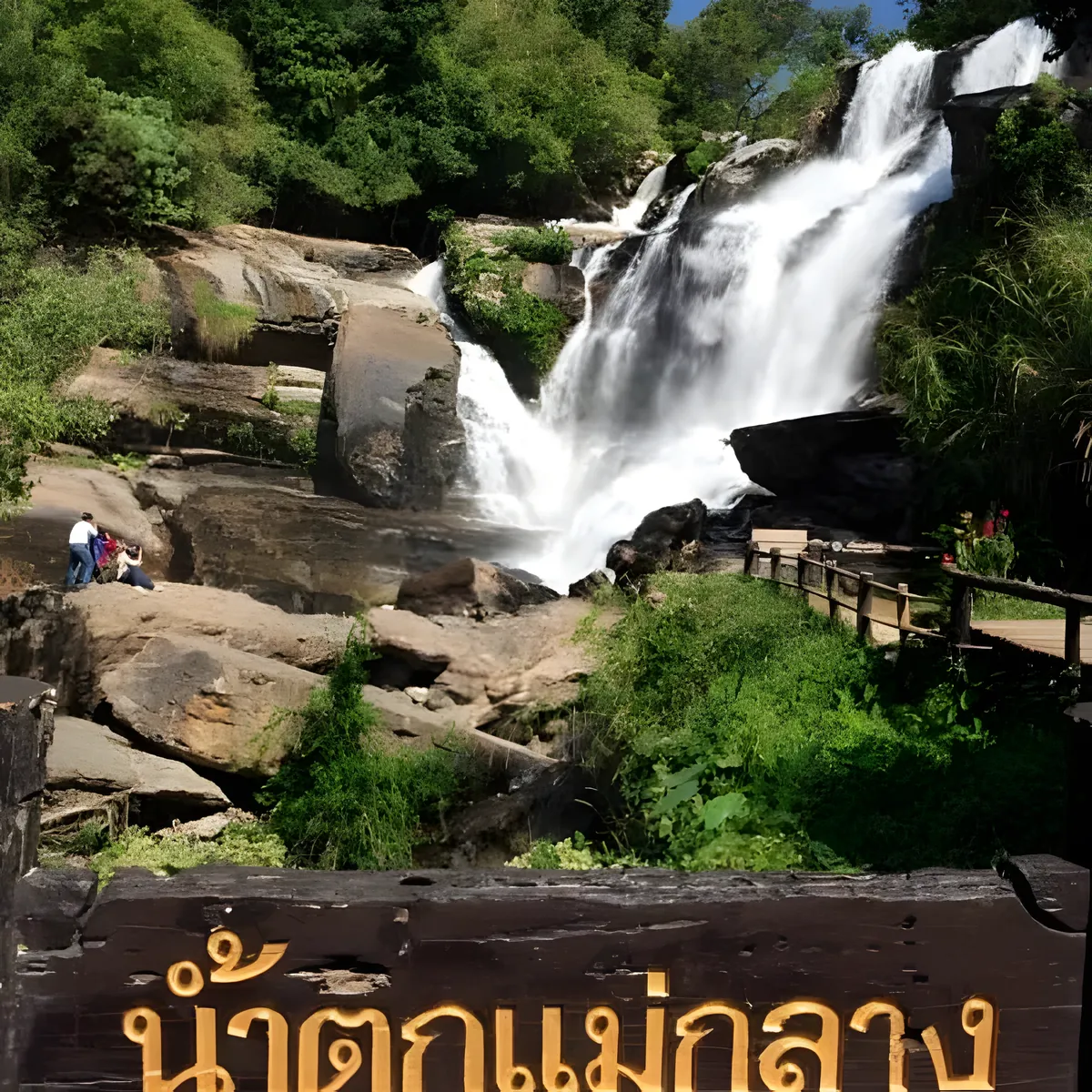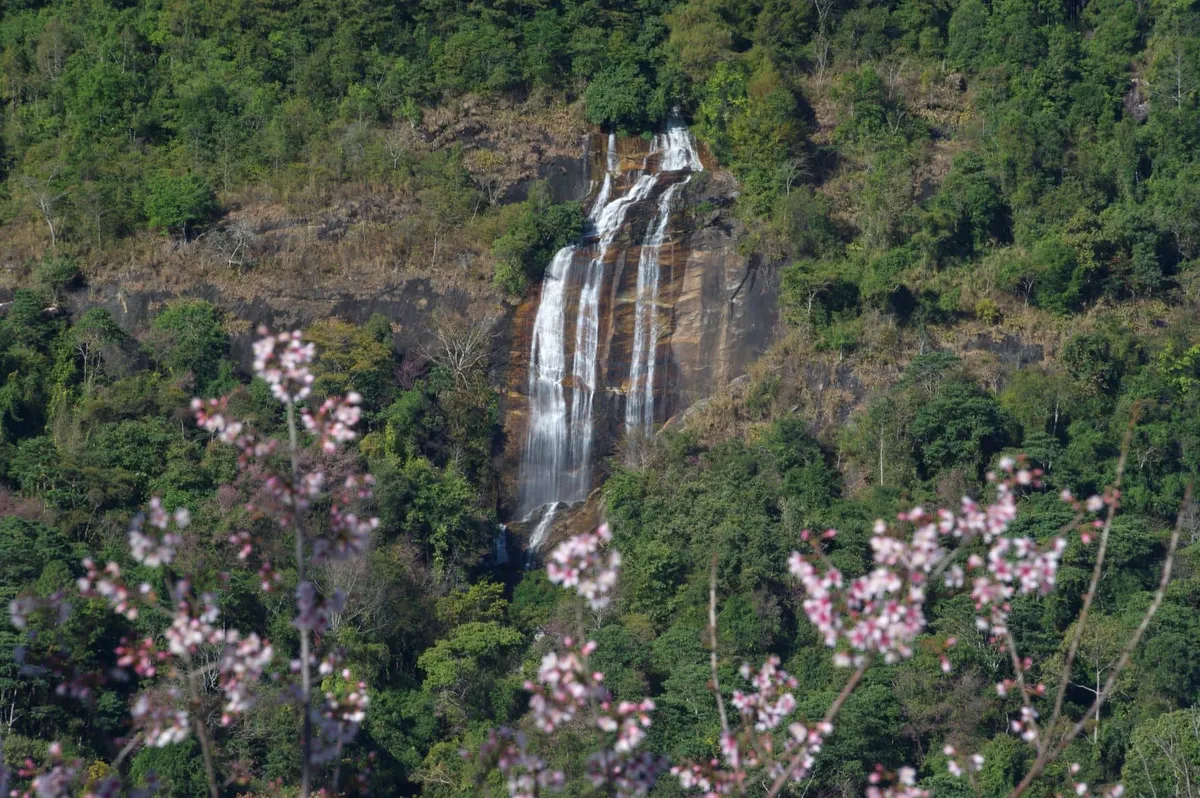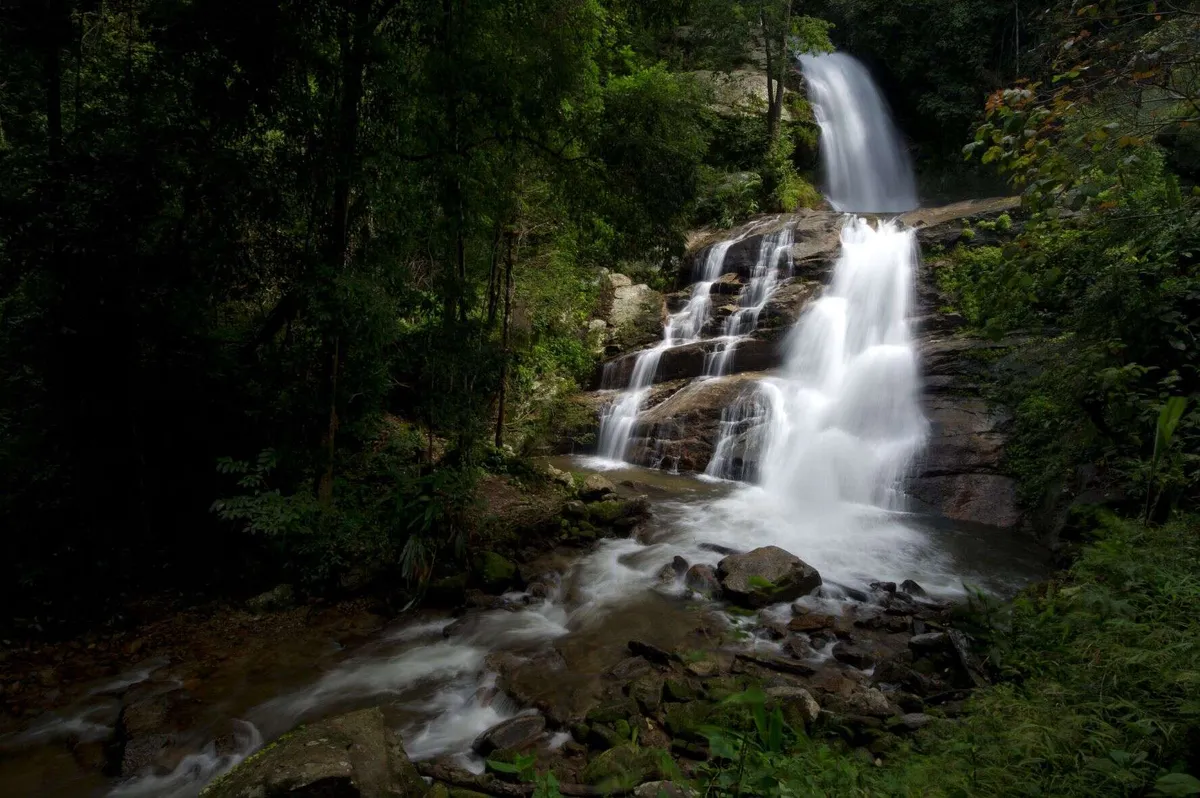





Bua Tong Sticky Waterfall
น้ำตกบัวตอง
The water at Bua Tong Sticky Waterfall flows from a mineral spring called Nam Phu Chet Si — “Water of Seven Minerals” — sitting about 250 metres uphill from the main cascade. That spring is saturated with calcium bicarbonate; when the water hits open air, calcium crystallises on the rock surface as tufa limestone, a porous, rough-textured deposit that grips bare skin the way pumice grips a palm. No moss grows on these rocks because the mineral coating prevents it. The result is a roughly 100-metre cascade across three tiers, running at slopes up to 50 degrees, that you can walk straight up barefoot with water flowing over your feet. The whole system sits inside Namtok Bua Tong–Nam Phu Chet Si National Park in Mae Taeng District, about 60 km north of Chiang Mai via Highway 107, and entry is completely free.
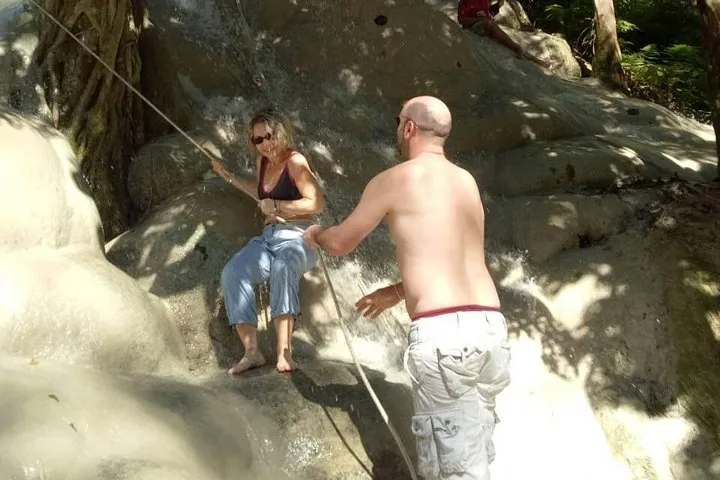
The three tiers each have a different character. The bottom tier is the gentlest — wide, shallow pools and a gradual slope that most people find surprisingly easy to climb. The middle tier steepens noticeably, and this is where you start using the fixed guide ropes as handholds rather than actual support. By the top tier you are leaning into the flow at a steep angle with water rushing past your shins; it is the most dramatic section, and also the point where weekend crowds thin out. The whole climb up takes around 20–40 minutes depending on how often you stop to look back.
Watch out: Not all the rock is limestone. Grey sections between the white tufa are ordinary wet stone and can be genuinely slippery. Move slowly, test your footing before committing weight, and do not rush the transitions between tiers.
At the top, a short trail (around 250 metres) leads to the Chok Fountain — Nam Phu Chet Si itself. The spring bubbles up through a geyser-like formation; dissolved minerals give the water a blue-green tint that catches direct sunlight in a way the lower pools do not. Crowds thin considerably once you pass the second tier, so this section often feels like a different place entirely. A cafeteria, toilets, and covered picnic tables are all available near the car park at the base.
Insider Tip: Arrive before 09:00, particularly on weekends between October and February. The 10:00–14:00 window on Saturdays and public holidays can feel chaotic at the bottom tier — vendors, selfie sticks, and tour groups arriving in convoy. Early morning the light is better anyway, angling through the forest canopy onto the white rock.
The best climbing season runs November through February when temperatures in Mae Taeng are in the low-to-mid 20s°C. The waterfall flows year-round regardless of rainfall because the source is a spring, not runoff — so you do not need to time your visit to the wet season for a strong flow. That said, the cool season months see the highest visitor numbers, especially on weekends.
- Entry fee: Free (no ticket, no parking fee)
- Hours: Daily 08:00–17:00, year-round
- Difficulty: Easy–moderate; three tiers at slopes up to ~50 degrees, guide ropes throughout
- Footwear: Bare feet recommended; water shoes acceptable; avoid smooth-soled sandals
- Getting there: ~60km north of Chiang Mai via Highway 107 then Route 1001, approximately 1.5 hours. Grab drivers often refuse return trips — book a private transfer or day tour
- Best time: November–February (cool season); arrive before 09:00 on weekends
- On-site: Cafeteria, toilets, covered picnic areas, car park
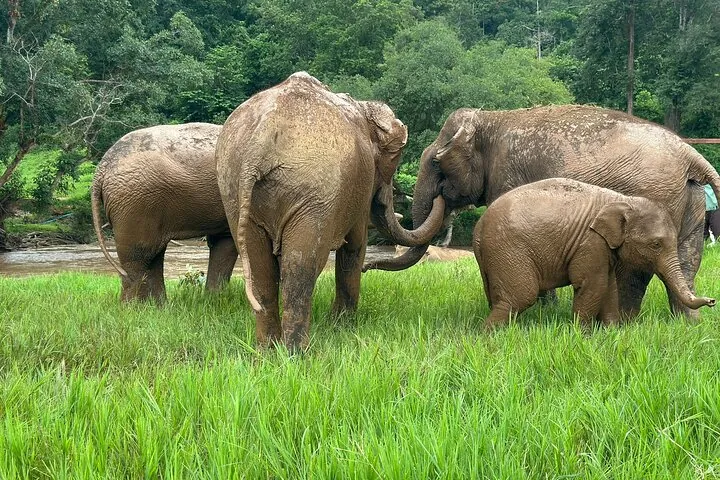
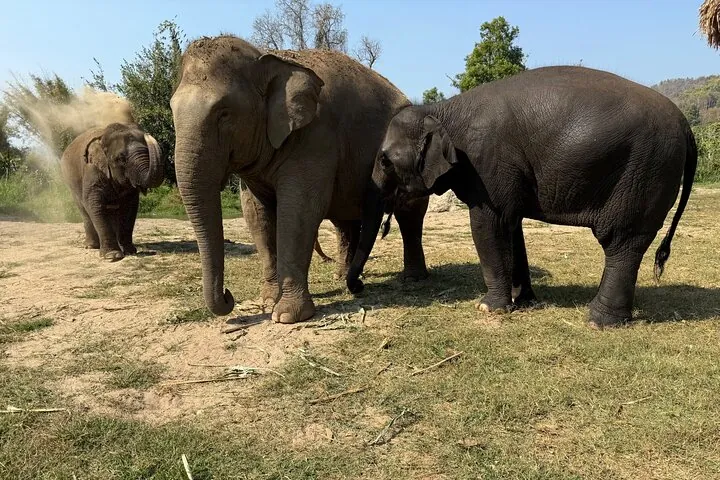
Getting there without a vehicle is the main logistical challenge. Songthaew (shared red truck taxi) services do not run this far out of Chiang Mai on a reliable schedule, and Grab coverage is patchy. Most travellers either rent a scooter or car for the day, join an organised day tour from the city (typically 600–1,200 THB all-in), or book a private transfer. The drive along Highway 107 is pleasant — you are heading into the Mae Taeng valley, with mountains rising on both sides after about 30 km. The park is well-signed once you turn off the main road. From Chiang Mai city, plan for around three hours total return driving plus two hours at the site; a half-day is comfortable, a full day with stops at Mae Taeng’s other attractions (elephant sanctuaries line Highway 107) is better.
How to Get There
Drive or hire transport via Highway 107 north from Chiang Mai towards Chiang Dao, then take Route 1001 towards Mae Taeng — approximately 60km, 1.5 hours. Signs for Bua Thong Waterfall are posted from the main road. Grab taxis often refuse the return journey; book a private transfer or join an organised day tour if you do not have your own vehicle.
Location & Directions
Chiang Mai, Thailand
Show your taxi or Grab driver
น้ำตกบัวตอง
Frequently Asked Questions
Is Bua Tong Sticky Waterfall really free to enter?
Why can you walk up the waterfall without slipping?
How hard is the climb? Can children and older visitors manage it?
What is the Chok Fountain (Nam Phu Chet Si) and is it worth visiting?
How do I get to Bua Tong from Chiang Mai without a car?
Spotted something out of date or incorrect? Let us know
Tours visiting Bua Tong Sticky Waterfall





Stay Near Bua Tong Sticky Waterfall
Compare places to stay in Chiang Mai, or open the map for options closest to the attraction.