


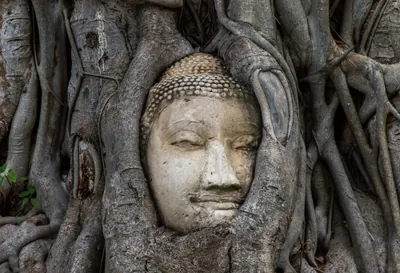




Thai body language is quieter than many visitors expect. A small smile, a controlled hand, and attention to feet and heads often matter more than memorising every gesture. This guide answers the questions travellers actually search for (including whether a thumbs-up is rude in Thailand) and shows how the wai, beckoning, and temple manners work in daily life.
Quick answer
A thumbs-up is generally fine as casual approval in modern Thailand; it is not a traditional greeting and it is not treated as an everyday insult. Prioritise the wai when it is offered, keep feet low and away from people and sacred objects, never touch someone’s head, and beckon with a palm-down scoop rather than a palm-up finger curl. When unsure, watch locals for five seconds before copying a gesture.
| Gesture or habit | Visitor-friendly approach | Better to avoid | Why it matters |
|---|---|---|---|
| Thumbs-up | Fine as casual “OK” or approval | Using it as a formal greeting instead of a smile or wai | Modern usage is relaxed; it is not traditional etiquette |
| Wai | Return it when offered; smile otherwise | Over-waiing every server or child | The wai follows age and status |
| Feet | Keep them low and tucked when sitting | Pointing soles at people, monks, or Buddha images | Feet are considered low |
| Head | Keep hands off unless invited | Patting children’s heads or ruffling hair | The head is treated with respect |
| Beckoning | Palm down, gentle scooping fingers | Palm-up “come here” finger curl | Palm-up beckoning can feel abrupt |
How we picked these gesture rules
We focused on situations visitors meet every day: photos at temples, hotel check-in, street food queues, tuk-tuk negotiations, and chatting with hosts. The advice is practical rather than exhaustive. Thai etiquette varies by region, generation, and setting, so respectful observation beats rigid rules. For wider customs beyond body language, see our Thailand etiquette guide.
Is thumbs-up rude in Thailand?
Short answer: no, not in the way many travel myths claim. In contemporary Thailand, a thumbs-up usually reads as approval, encouragement, or a casual “looks good.” Young people, hospitality staff, and tour guides often use it the same way international visitors do. Search interest around “thumbs up in Thailand” and “is thumbs up rude in Thailand” often comes from older guidebooks or confusion with other countries’ gesture taboos.
That said, a thumbs-up is not a substitute for Thai greeting etiquette. It does not replace a smile, a soft “sawasdee,” or a returned wai. In formal settings (meeting elders, arriving at a wedding, speaking with monks, or standing inside a temple hall), keep your hands still and follow the room. A sudden thumbs-up in a solemn ceremony can look odd even if nobody is offended.
Practical visitor examples:
- Hotel photo: Staff show you to your room and give a thumbs-up when the view looks good. Smile back; a matching thumbs-up is fine.
- Street food: The cook asks if the spice level is OK. A thumbs-up plus “aroi” (delicious) works better than a long speech.
- Temple grounds: Prefer a quiet smile over playful hand signals near Buddha images or during chanting.
If you want one rule: use thumbs-up for casual approval among equals; use calm hands around elders, monks, and sacred spaces.
The wai: who initiates and how hand height changes
The wai is palms pressed together with a slight bow. It is the core respectful greeting in Thailand and appears in hotels, temples, family homes, and formal events. In everyday life, the younger or more junior person generally initiates, and the senior person may return it. Visitors do not need to wai every shop worker, driver, or child first.
Hand height and bow depth signal respect:
- Peers / casual equals: Hands around chest level, light nod.
- Elders, teachers, respected hosts: Hands a little higher, deeper bow.
- Monks and highly sacred contexts: Higher still, more deliberate, and never force physical contact.
You do not need perfect form. A sincere, unhurried wai beats a dramatic performance. If someone wais you, returning it politely is the graceful response. If they only smile, smile back. Pairing a wai with a few basic Thai phrases, especially sawasdee and khob khun, makes interactions warmer without requiring fluency.
Related reading: temple behaviour and dress still matter more than gesture perfection. See what to wear in Thailand and famous temples in Thailand.
Feet, pointing, and the head
Two body rules catch visitors off guard more than any hand signal.
Feet are low
In Thai etiquette, feet sit at the bottom of the respect hierarchy. Avoid:
- Pointing the soles of your feet at people, monks, Buddha images, or spirit houses
- Putting feet on shared tables, chair seats, or temple platforms
- Stretching legs toward a shrine while sitting on the floor
When you sit on the floor in a temple hall, tuck your feet behind you or to the side so soles face away from the Buddha image. On boats, trains, and long-distance coaches, keep footwear behaviour tidy even when space is tight.
The head is high
The head is treated as the most respectful part of the body. Do not:
- Pat children on the head
- Ruffle someone’s hair as a joke
- Rest objects on a person’s head
- Step over someone who is sitting or lying down
Hairdressers and medical staff are obvious exceptions in professional settings. Outside those contexts, keep hands away unless you have a clear invitation.
Pointing with fingers
Pointing directly at a person with an index finger can feel abrupt. Prefer an open-hand gesture, a nod, or describing the person (“the staff in the blue shirt”). Pointing at objects is usually fine; pointing at people is where manners matter.
Beckoning and passing objects respectfully
How to beckon
To call a person or a waiter toward you, use a palm-down motion: fingers scoop gently toward your body. A loud whistle, a snap, or a palm-up finger curl can come across as abrupt. In restaurants, raising a hand slightly and making eye contact is often enough.
Passing and receiving
- Pass objects with your right hand, or both hands for something formal or heavier.
- When receiving a business card, menu, or gift, take it with both hands or the right hand supported by the left.
- Avoid tossing keys, phones, or money onto a counter in a way that looks dismissive.
These habits overlap with broader etiquette around calm public behaviour. They also connect to polite forms of address. See Thai names, nicknames, and forms of address.
Practical visitor scenarios
At a temple
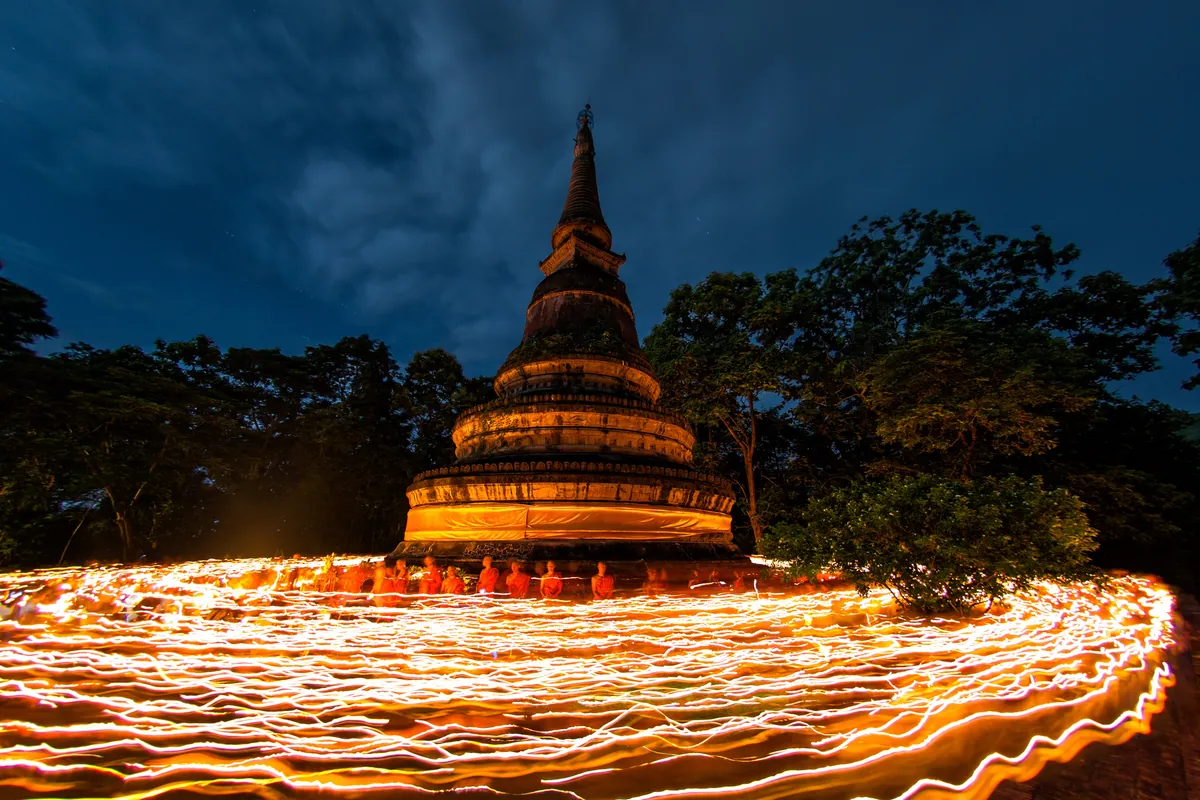
Remove shoes where required, cover shoulders and knees, keep voices low, and sit so feet do not point at the Buddha. Photos are often allowed outdoors; indoor rules vary. Follow signs and staff. Do not climb on images or pose in ways that mock sacred objects. For dress details, use what to wear in Thailand rather than packing guesswork.
At a market or street stall
A smile, pointing to the item, and asking tao rai (how much?) works. Thumbs-up after tasting is fine. Avoid aggressive haggling body language: jabbing fingers, towering over the stall, or slamming money down.
With hotel or tour staff
Return a wai if they offer one at check-in. A thumbs-up when a plan looks good is normal. If there is a problem, keep gestures small and your voice steady; loud anger escalates faster than calm clarification.
Around monks
Give monks space, keep feet controlled, and let women follow local guidance about proximity and offering items. Merit-making and ordination customs are covered separately in monk ordination and merit-making.
In photos and selfies
Peace signs and thumbs-up are common in tourist photos. The line is respect for place: do not turn a Buddha image, royal portrait, or spirit house into a comedy prop. For monarchy-related imagery and public behaviour, read Thai monarchy for visitors.
What not to invent from travel myths
Travel forums sometimes exaggerate Thailand’s gesture taboos. Treat claims carefully:
- Thumbs-up as a grave insult: Not how everyday Thailand works for visitors today.
- Never smile with open mouth: Overstated; Thai smiles are varied and context-dependent.
- Crossing legs is always rude: Sitting neatly matters more than a single leg position, especially in casual cafés.
- Any left-hand use is forbidden: The right hand is preferred for giving and receiving in formal moments, but visitors are not expected to become ambidextrous overnight.
When a gesture feels uncertain, default to still hands, soft voice, and watching the room.
How to choose in the moment
If you freeze mid-interaction, use this order:
- Smile and keep your voice low.
- Match the other person’s formality: return a wai if they offer one.
- Keep feet and head rules intact even if your hands are awkward.
- Ask staff quietly rather than improvising a dramatic apology.
Most Thai hosts forgive small tourist mistakes instantly when the intention is respectful. The gestures that cause real friction are usually the obvious ones: shouting, pointing feet at sacred objects, or treating religious spaces like a stage.
Related culture guides
- Thailand etiquette: broader customs beyond body language
- What to wear in Thailand: temples, weddings, everyday climate dress
- Thai traditional dress (Chut Thai): rental and photoshoot styles
- Thai names, nicknames & forms of address: khun, phi, nong, and nicknames
- Temples in Thailand: major sites where these manners apply
Bottom line
Thumbs-up is generally acceptable as casual approval in modern Thailand; it is not rude in the way older myths suggest. Learn the wai well enough to return it, keep feet away from people and sacred objects, never touch someone’s head, and beckon with a calm palm-down motion. Combine those habits with modest temple dress and a few polite phrases, and your body language will read as considerate long before your Thai vocabulary does.