


A handful of Buddhist holy days reshape visitor logistics in Thailand: shops stop selling beer, many bars go quiet, and temples fill for merit-making. This guide explains the practical trip impact around Makha Bucha, Visakha Bucha, Asalha Bucha, and Khao Phansa, with links to event pages for dates, rather than retelling each festival’s full story.
Quick answer
Thailand’s standing rules prohibit alcohol sales on five Buddhist holy days, with exceptions for specified licensed venues. Expect convenience stores and ordinary restaurants to pause sales for the day. Private consumption is a separate question, and public-place restrictions still apply. Ask the hotel whether its bar qualifies for an exemption, and use the event pages below for calendar dates.
| Holy day | Visitor focus | Event page for dates & rituals |
|---|---|---|
| Makha Bucha | Temple evening processions; alcohol sales pause | Makha Bucha |
| Visakha Bucha | Busiest sacred day for many; sales pause | Visakha Bucha |
| Asalha Bucha | First-sermon holy day; sales pause | Asanha Bucha |
| Khao Phansa | Start of rains retreat; candle festivals; sales pause | Ubon candle festival / Khao Phansa |
| Ok Phansa | End of Lent; also a sales-pause day | Ok Phansa |
Note on spelling: you will see Asalha / Asanha and Visakha / Vesak variants in English.
The standing sales rule and its exceptions
The government’s reproduction of the May 2025 announcement names Makha Bucha, Visakha Bucha, Asalha Bucha, Khao Phansa and Ok Phansa as no-sale days. It took effect on 10 May 2025 and replaced the December 2024 announcement. The reproduced instrument has no annual expiry; check for later amendments rather than assuming it needs renewal each year.
It lists five exceptions:
- Sales in passenger-service buildings at airports serving international flights
- Entertainment venues licensed under the entertainment-place law
- Entertainment-like establishments in tourist areas specifically designated by the public-health minister
- Hotels operating under the Hotel Act
- Venues for national or international special events specifically designated by the public-health minister
Being inside a tourist district does not automatically exempt a shop or restaurant. The announcement also requires exempt sellers to apply safety measures and limit access by children and young people. Ask your venue whether its licence qualifies before making plans around alcohol service.
General sales hours are a separate rule. The TAT update effective 29 May 2026 gives ordinary permitted hours of 11:00 to midnight, subject to other restrictions and venue exceptions. Those hours do not override a holy-day sales restriction.
What actually changes on the ground
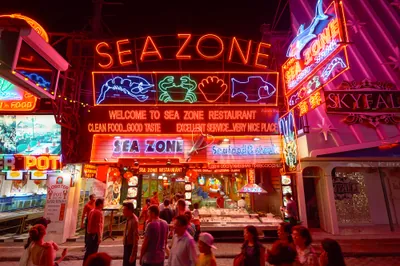
Retail and nightlife
- Convenience stores and supermarkets typically stop alcohol sales for the calendar day
- Many standalone bars and clubs stay closed or serve only non-alcoholic drinks
- Restaurants that usually sell beer may refuse alcohol orders
- Delivery apps often hide alcohol products for the day
Hotels and airports
Ask. Many international hotels continue in-house service where exemptions apply; apartment rentals and small guesthouses may not. Passenger terminals at international airports are on the exemption list, which is why airport bars and shops can keep selling.
Temples and public mood
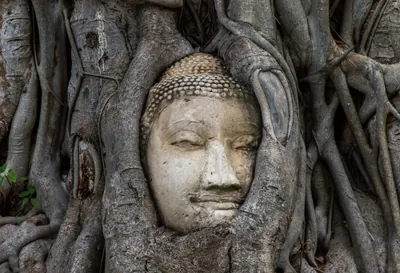
Holy days are for merit-making, precepts, and evening wien thien / wian thian candle circumambulations at many wats. Dress modestly (what to wear), keep voices low (etiquette), and expect fuller temples than on ordinary weekdays. See temples in Thailand.
Transport and offices
These days are often public holidays: banks and government offices closed, some attractions on holiday hours, heavier domestic travel. Build slack into transfers.
Holy day by holy day (trip lens only)
Makha Bucha
Marks a major gathering of the Buddha’s disciples in Buddhist tradition. Visitors notice candlelit evening processions and the sales pause. Full ritual context and the current date: Makha Bucha.
Visakha Bucha
Often described as the most sacred day in the Thai Buddhist calendar, associated with the Buddha’s birth, enlightenment, and passing. Crowds at major temples can be large; nightlife is a poor plan. Details: Visakha Bucha.
Asalha / Asanha Bucha
Commemorates the first sermon and the founding of the monastic community. Frequently falls the day before Khao Phansa, so visitors can see two consecutive restricted-sale days. Details: Asanha Bucha.
Khao Phansa (start of Buddhist Lent)
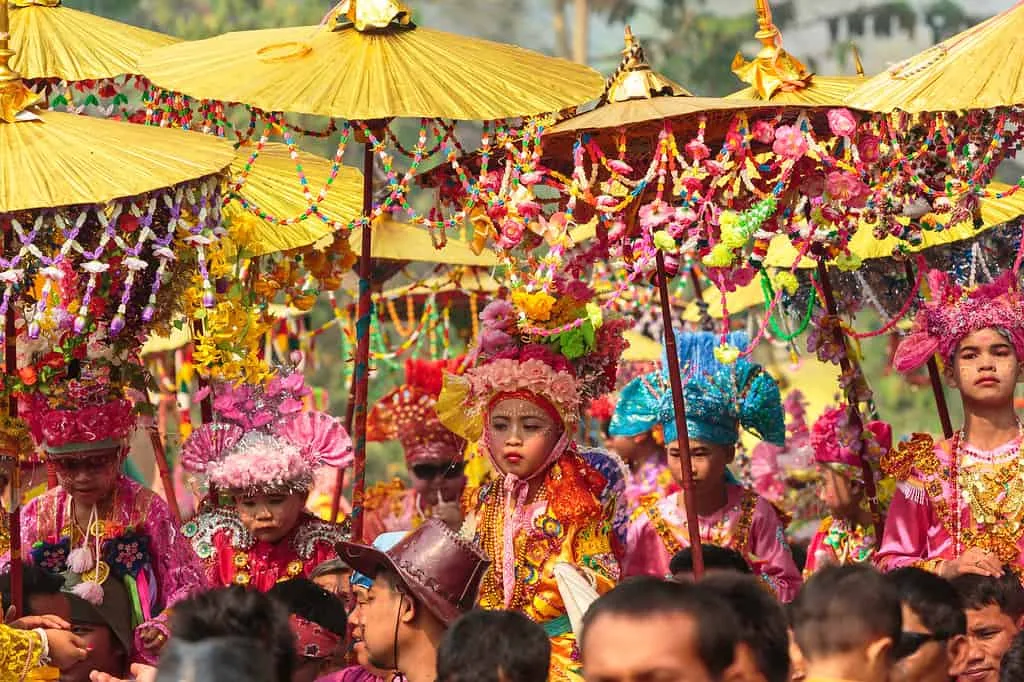
Monks enter the rains retreat. Ubon Ratchathani’s candle parade is the famous visitor-facing spectacle tied to this period, covered on Ubon Ratchathani Candle Festival. Elsewhere, expect quieter nightlife and active temples rather than a single nationwide parade.
Ok Phansa (end of Lent)
Ok Phansa is one of the five holy days named in the standing sales restriction. Illuminated boat traditions and related travel notes: Ok Phansa.
Planning checklist for travellers
- Check dates early on the event pages above. Lunar calendar dates shift each year.
- Shop the evening before if you want sealed drinks for a private villa (consumption rules and local norms still matter; public drunkenness is always unwise).
- Ask your hotel about bar service and restaurant alcohol on the holy day.
- Book temple visits for atmosphere, not parties. Bring modest clothing.
- Do not argue with cashiers when the till blocks alcohol SKUs; they are following the day’s rules.
- Have a non-alcohol nightlife plan: night markets, dessert cafés, late museums where open, rooftop views without drinks.
Sample 48-hour visitor plan around Asalha Bucha + Khao Phansa
When Asalha Bucha and Khao Phansa fall on consecutive days, nightlife-heavy itineraries break twice. A calmer pattern:
- Evening before: Confirm hotel dining, buy any supermarket snacks you want, charge cameras for temple processions.
- Holy day 1: Morning coffee, air-conditioned museum or mall (non-alcohol), late-afternoon temple visit, evening wien thien if the wat is welcoming to visitors.
- Holy day 2: Regional cultural event if you are in Ubon for candles, or a quiet beach day elsewhere without bar expectations.
- Day after: Resume normal restaurant drinks where lawful and open.
Couples and families often prefer this rhythm anyway; only pub-crawl itineraries need a full rewrite. Island visitors should remember that “tourist area” energy does not automatically override a national sale pause at convenience stores.
What this page is not
- Not a complete festival calendar. See festivals in Thailand and individual event pages
- Not a guide to circumventing the law
- Not a doctrinal Buddhism textbook
- Not a substitute for official announcements when you need legal certainty
Cultural context without overlap
Holy days intersect other culture topics:
- Merit-making and monks: monk ordination and merit-making
- Temple manners: Thailand etiquette
- Dress: what to wear in Thailand
- Gesture care in crowded sacred spaces: Thai gestures and body language
Alcohol restrictions are a civic and religious-calendar overlay on top of ordinary hospitality. Treating them as a scheduling constraint, like a public holiday, prevents frustration.
Follow the venue’s decision
Licence conditions and later amendments can affect service. When a cashier or server refuses a sale, do not pressure them to make an exception. Check official notices or ask the hotel about a qualifying alternative before the holy day.