



Thailand’s dress code is situational: relaxed on beaches and in markets, stricter at temples and formal events, and always shaped by heat and humidity. This guide covers what visitors should wear for temples, Thai weddings, and everyday travel, without duplicating the deeper Chut Thai or etiquette guides.
Quick answer
Pack light, modest layers. For temples, cover shoulders and knees and carry a wrap. For everyday city and island life, breathable casual clothes are fine if swimwear stays at the beach. For weddings, follow the invitation and ask before wearing white or full traditional dress. Rent Chut Thai for photos or invitations, not as a temple entry requirement.
| Setting | Wear this | Leave this | Notes |
|---|---|---|---|
| Temples / Grand Palace | Covered shoulders & knees; closed or removable shoes | Short shorts, crop tops, sheer fabrics | Site rules can refuse entry |
| Everyday city / markets | Light shirt, shorts or trousers, sandals | Formal suits, heavy jeans all day | Keep one temple-ready outfit handy |
| Beach / pool | Swimwear at the water | Swimwear in malls, temples, longboat temples | Cover up when you leave the sand |
| Thai wedding guest | Invitation colours; neat smart-casual or formal | Dirty travel clothes; costume-like outfits | Ask hosts about white and Chut Thai |
| Cool AC / evening | Light long sleeves or shawl | Only tank tops with no layer | Buses and malls run cold |
How we picked these clothing rules
We prioritised places visitors actually go: major Bangkok temples, Chiang Mai wats, island towns, hotel pools, and wedding invitations. Venue rules vary, so treat this as a practical baseline and follow posted signs. For packing lists beyond clothing, see the Thailand packing list.
Temple and sacred-site dress
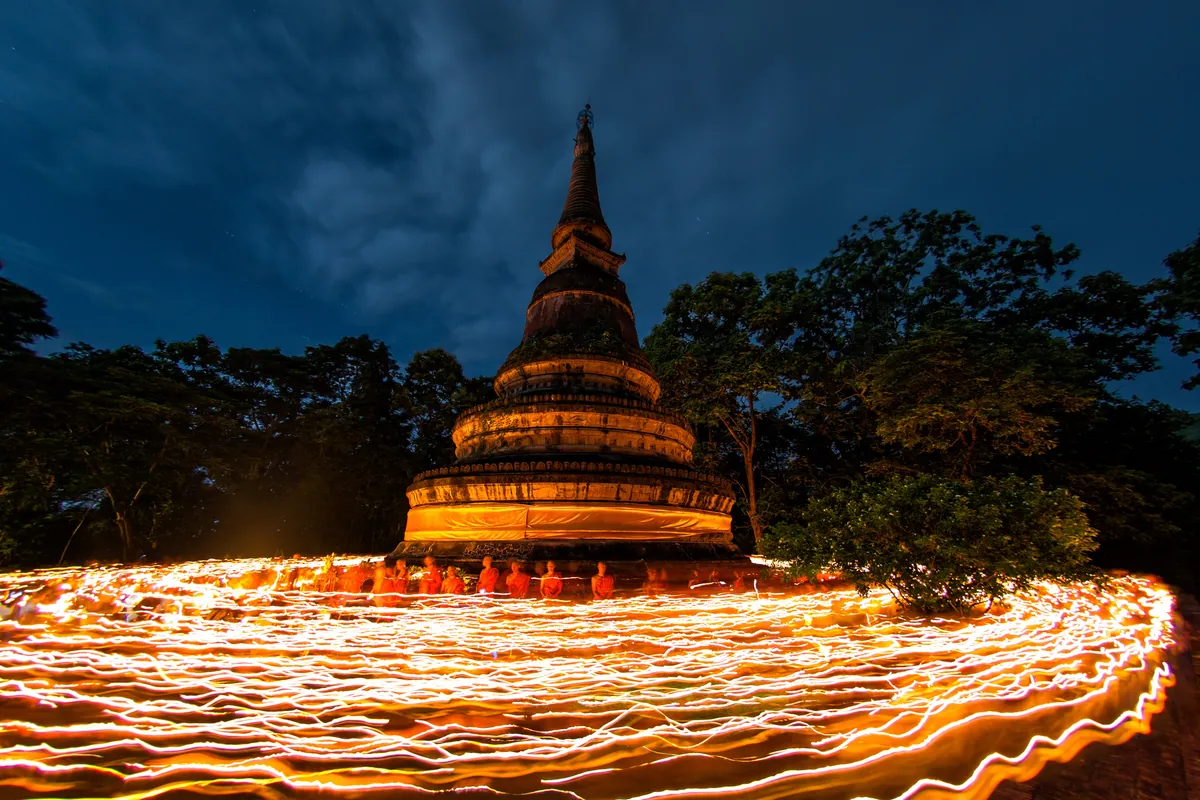
Thai temples are active religious spaces, not outdoor museums. Both men and women should:
- Cover shoulders and knees
- Avoid tight, torn, or see-through clothing
- Remove hats before entering sacred interiors
- Remove shoes before chapels and other marked buildings
Major sites such as the Grand Palace and Wat Pho in Bangkok can refuse entry if clothing does not meet the standard. A thin sarong, scarf, or lightweight trousers in your day bag solves most problems. Some popular sites rent wraps at the gate; availability and fit vary, so bringing your own is safer.
Footwear tip: wear shoes you can slip off quickly. Socks are optional outdoors but useful on hot stone floors. Inside sacred halls, keep feet tucked so soles do not point at Buddha images, a body-language point covered in Thai gestures and body language.
For which temples to prioritise, see temples in Thailand. For how temple manners fit wider customs, use Thailand etiquette.
Everyday clothing for heat and humidity
Day-to-day Thailand is informal. In markets, cafés, and most neighbourhood streets:
- Light cotton or linen shirts work better than thick synthetics
- Shorts are common for visitors and many locals in casual settings
- Sandals and breathable sneakers both work; pack one pair you can walk in for hours
- A hat and sunscreen matter as much as fabric choice
Keep swimwear at the beach, pool, or boat. Walking through convenience stores or temple-adjacent streets in only a bikini or bare chest looks out of place outside resort zones.
Climate layers that actually help
- Hot season: pale colours, loose cuts, quick-dry fabrics
- Rainy season: compact umbrella; a light shell that packs small
- Cooler north / mountains: one warmer layer for evenings in Chiang Mai or higher elevations
- Air-conditioning: buses, malls, and cinemas can feel cold. A long-sleeve shirt or scarf earns its suitcase space
You do not need a formal wardrobe for a typical holiday. You do need one temple-ready outfit available every day you might visit a wat.
What to wear to a Thai wedding
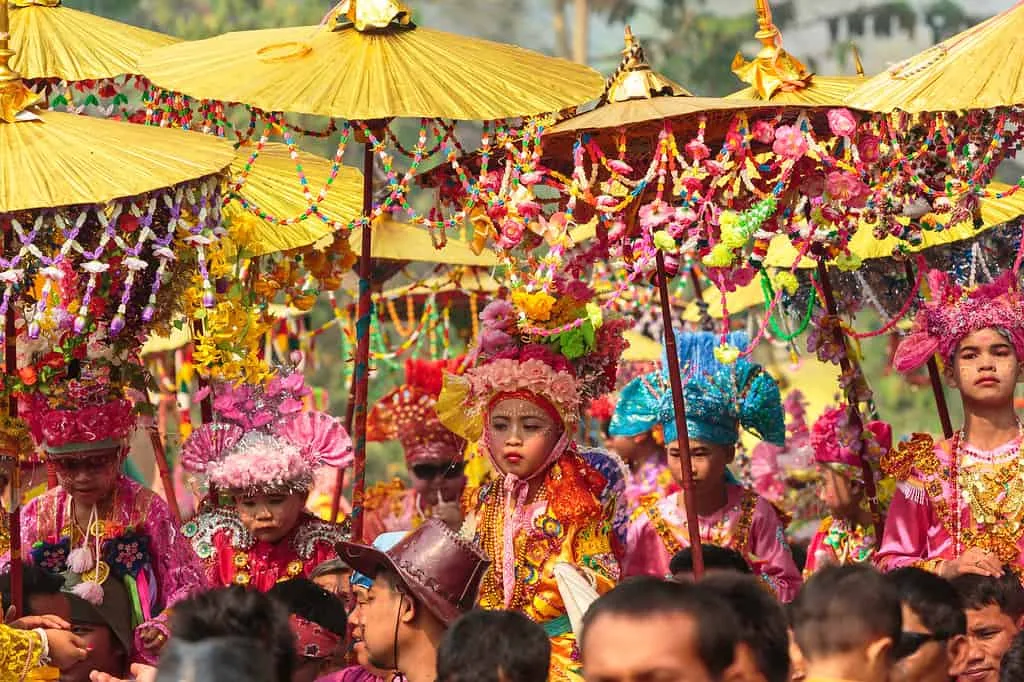
Thai weddings range from intimate temple ceremonies to hotel banquets. Guest clothing should follow the invitation and the hosts’ guidance rather than a single universal rule.
Practical baseline:
- Daytime merit-making or temple segments: modest, neat, covered shoulders
- Evening receptions: smarter outfits, often colourful
- Ask before wearing all white. In some celebrations white is associated with the couple’s choices or with mourning contexts elsewhere, and hosts may have a colour theme
- Avoid anything that looks like a costume parody of Thai dress
If the couple invites guests to wear traditional Thai clothing, that is the moment Chut Thai becomes relevant. Otherwise, polished modern clothing is usually the safer guest choice.
Wedding guest checklist
- Read the invitation for dress code and colour notes.
- Confirm venue: temple, hotel ballroom, beach, or garden.
- Pack closed-toe options if the evening looks formal.
- Ask a Thai friend or the couple’s family about white, black, and traditional dress.
- Prioritise comfort in heat. Elegant fabrics that breathe beat stiff suits that wilt.
Traditional Thai dress without duplicating Chut Thai
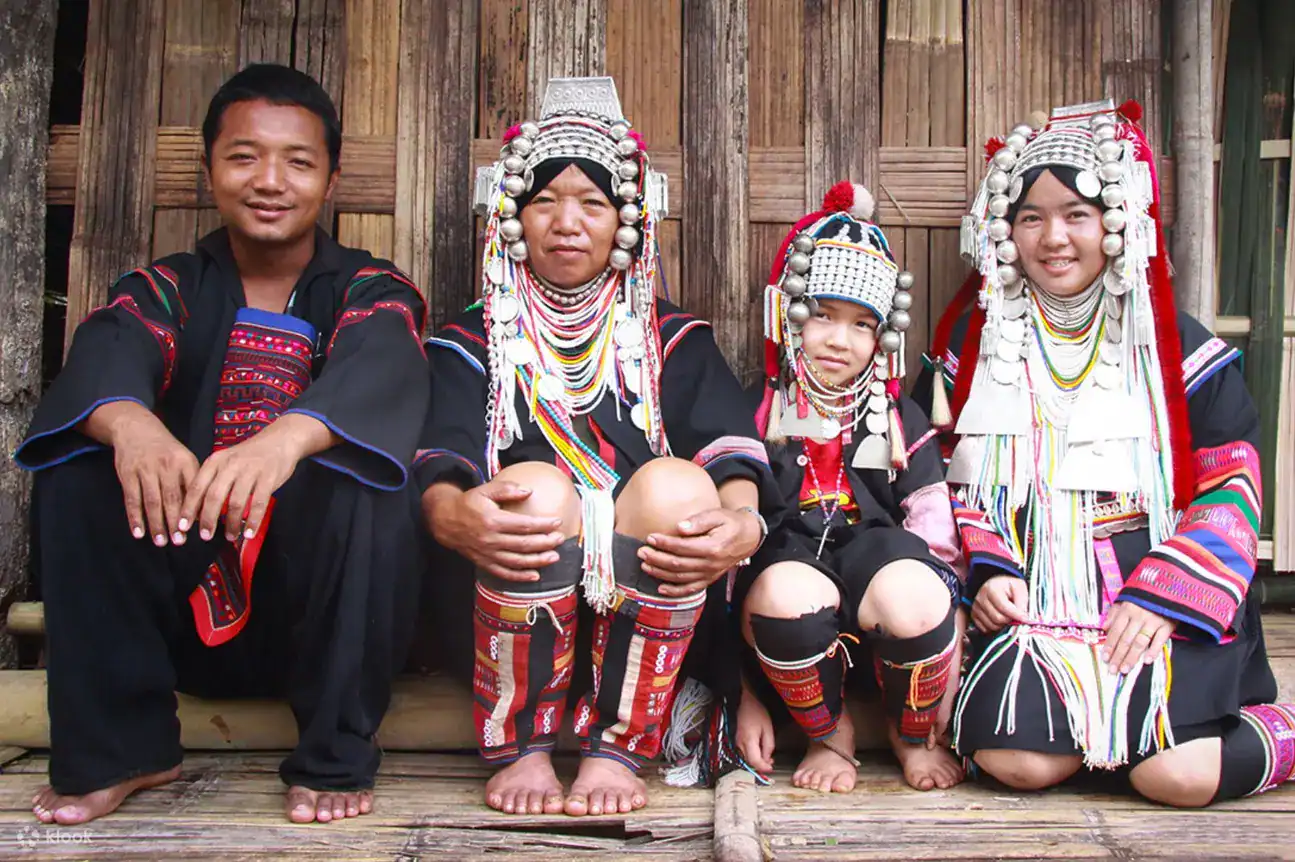
Chut Thai is Thailand’s formal traditional dress family, with styles that differ for women and men and for ceremony versus photoshoot use. Visitors often rent it near major temples for portraits. That topic has its own guide (including style names, rental tips, and cultural context) at Thai traditional dress (Chut Thai).
What this page adds instead:
- Chut Thai is optional for tourists and not a temple entry requirement
- Wearing rented traditional dress respectfully means treating temples as sacred sites, not just backdrops
- Pair any photoshoot with the manners in Thailand etiquette: calm behaviour, careful feet, and no clowning around Buddha images
- For monarchy-related sensitivity around imagery and public behaviour, see Thai monarchy for visitors
Situations where standards differ
Airports and long-distance travel
Comfort wins, but keep a light cover-up if you will go straight to a temple after landing. Immigration halls are air-conditioned; a layer helps.
Mosques and minority religious sites
In southern provinces and other Muslim communities, mosque dress rules can be stricter about covering arms and hair. Follow posted guidance and ask staff.
Upscale restaurants and rooftop bars
Smart casual is common in major cities: neat shirt, longer shorts or trousers, tidy shoes. Beach flip-flops may be turned away at some doors.
National parks and hiking
Quick-dry trousers, closed shoes, and sun protection matter more than fashion. Temple stops inside park itineraries still need modest coverage.
Government and visa-related offices
Err toward neat long trousers and covered shoulders. It signals seriousness and avoids avoidable friction.
Packing a small, flexible clothing kit
A compact kit covers almost every visitor situation:
- 2–3 light tops with sleeves
- 1 pair of longer trousers or a midi skirt / wrap
- 1–2 casual short options for heat
- 1 swim outfit kept for water only
- Scarf or sarong for temples and aggressive AC
- Slip-off shoes + walking shoes
- Optional nicer shirt for dinners or weddings
This overlaps with the Thailand packing list but focuses on cultural fit rather than toiletries and electronics.
Respectful behaviour that pairs with clothing
Clothes open the door; behaviour keeps you welcome:
- Speak quietly in temple halls
- Follow shoe racks and signs
- Ask before photographing people at worship
- Keep gestures calm. See Thai gestures and body language
- Learn a few polite phrases from basic Thai phrases
On major Buddhist holy days, temples are busier and dress expectations feel more formal; alcohol-sale rules also change for visitors planning nightlife, details in Buddhist holidays and Thailand’s alcohol ban.
Related guides
- Thai traditional dress (Chut Thai)
- Thailand etiquette
- Temples in Thailand
- Thailand packing list
- Thai gestures and body language
Bottom line
Wear light clothes for the climate, keep one modest outfit ready for temples, follow wedding invitations rather than guesswork, and treat Chut Thai as an optional cultural experience with its own guide. If you can cover shoulders and knees, slip shoes off cleanly, and stay calm in sacred spaces, your wardrobe will support a smoother trip across Bangkok, the north, and the islands.