


Mae Sot
แม่สอด
Tak province's Thai-Myanmar border town (Karen and Burmese markets, a working gem trade and garment factories), facing Myawaddy across the Moei River.
- Best time
- November to February (cool, dry, clearest air)
- From Bangkok
- ~1 hr flight to Mae Sot (MAQ), or ~8 hrs by overnight VIP bus
- Known for
- Thai-Myanmar border trade, Karen and Burmese communities, gem dealers, garment factories
- Border crossing
- The Friendship Bridge reopened on a trial basis on 28 May 2026 after a ~10-month closure
- Getting around
- Songthaews and motorbike taxis in town; own transport or a driver for the outlying caves and hot springs
Updated October 2026
Plan your trip
Recommended by us

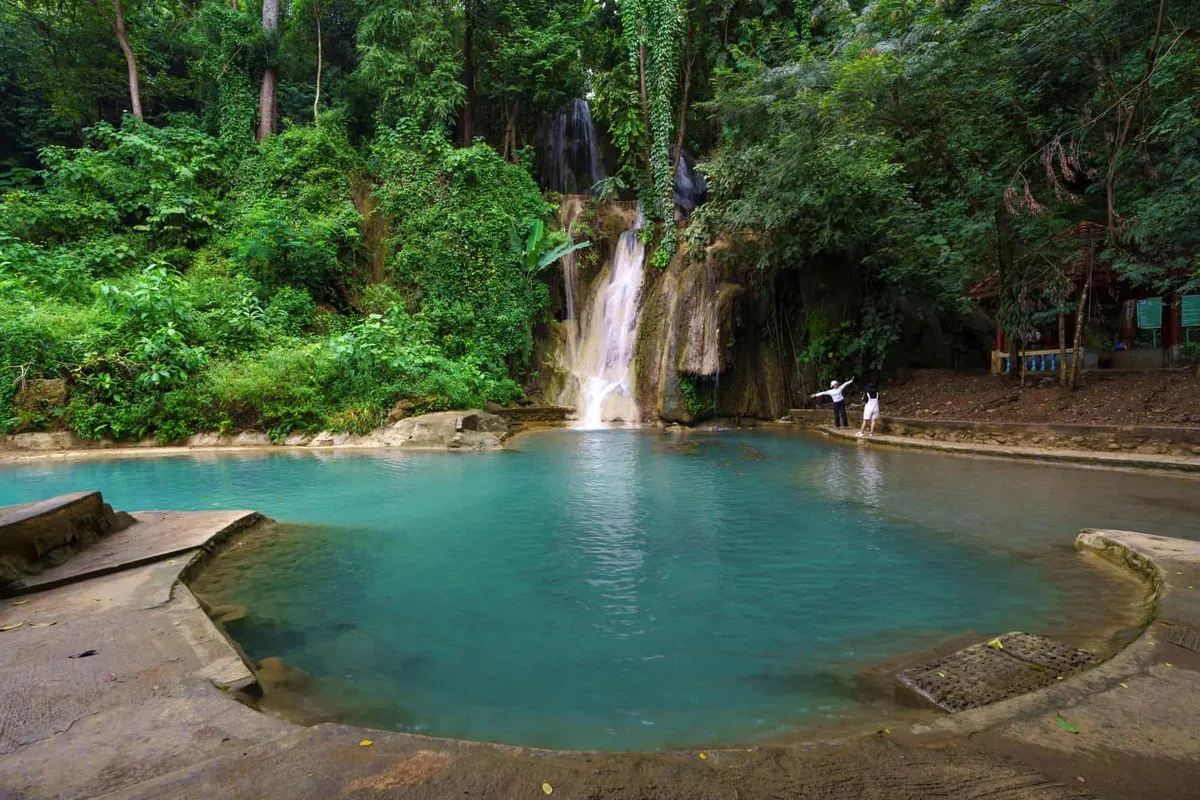
Mae Kasa Hot Springs
Popular soak west of town. Go off-peak if you want quieter pools.

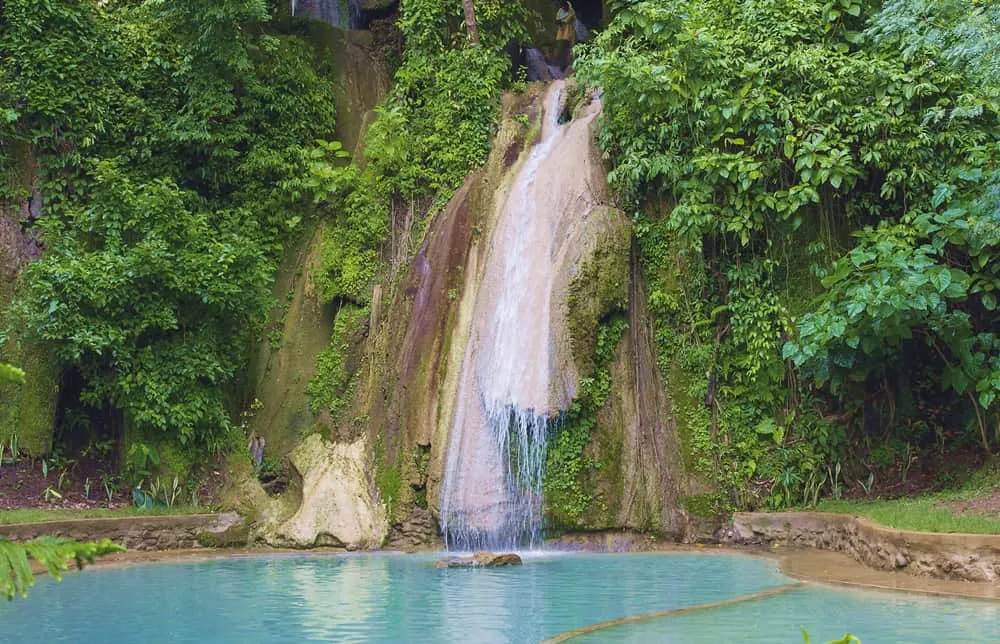
Mae Kasa Waterfall
Pair with the hot springs on the same outing.

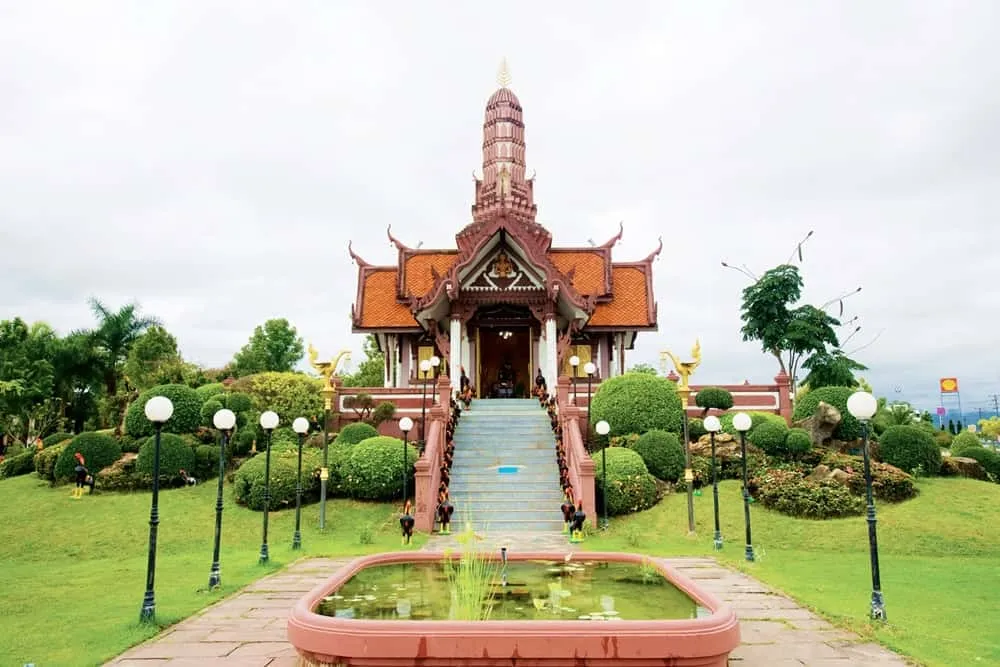
King Naresuan the Great Shrine, Mae Sot
Local landmark stop in/near town.

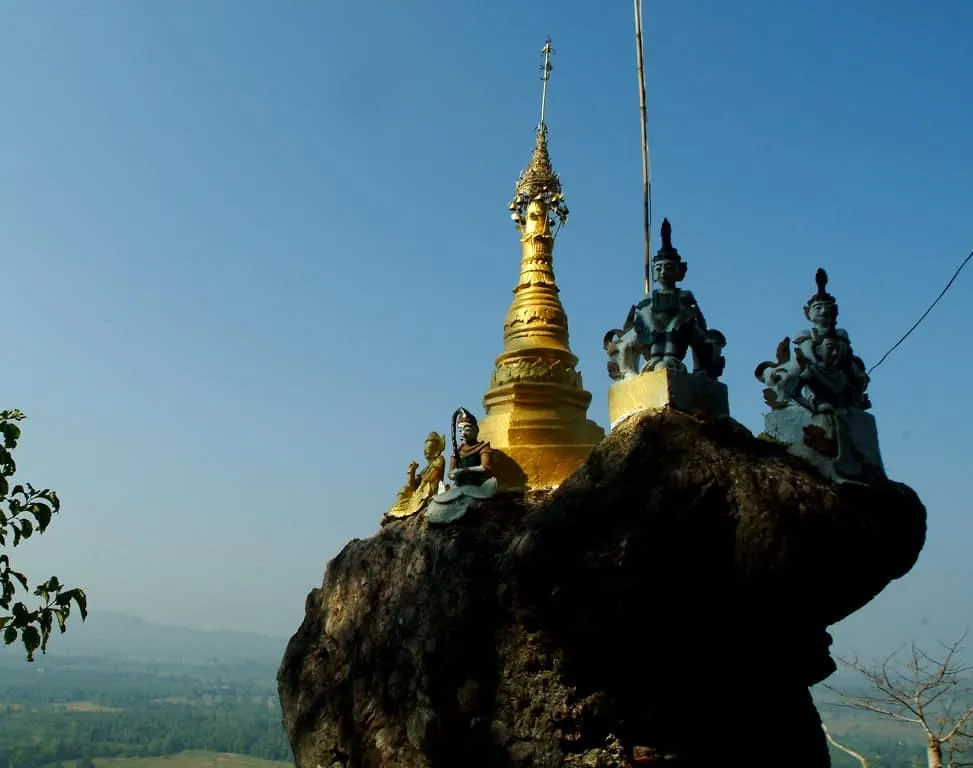
Phra That Hin Kio at Don Din Chi
Hilltop chedi with borderland views.
Get to Mae Sot
Northwest border town: fly Bangkok→Mae Sot, or bus via Tak. Myanmar border market energy with nearby hot springs.

eSIM for Thailand
Land with data already working and skip the airport SIM queue. We tested six plans. Code THAIHOLIDAY saves 10%.

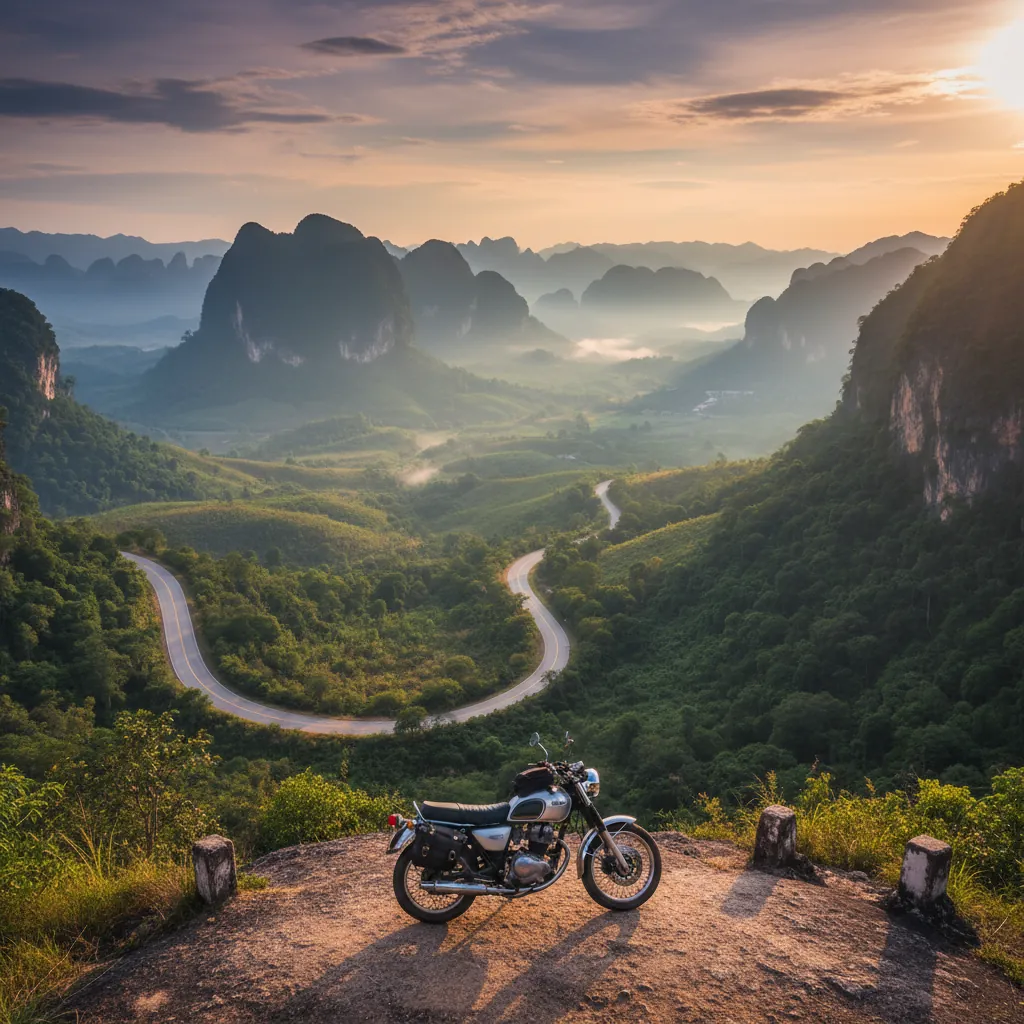
Travel insurance
Scooters and day trips are common here. Sort cover before you go and check the motorbike clause.
Top sights & experiences
Things to do in Mae Sot

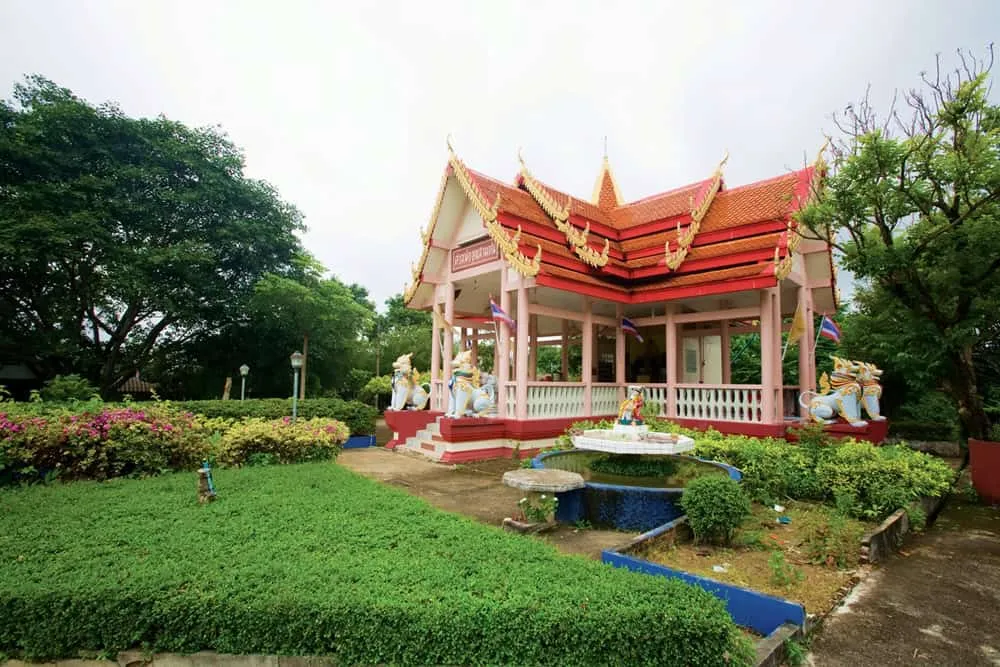
Jao Poh Khun Sam Chon Shrine
ศาลเจ้าพ่อขุนสามชน

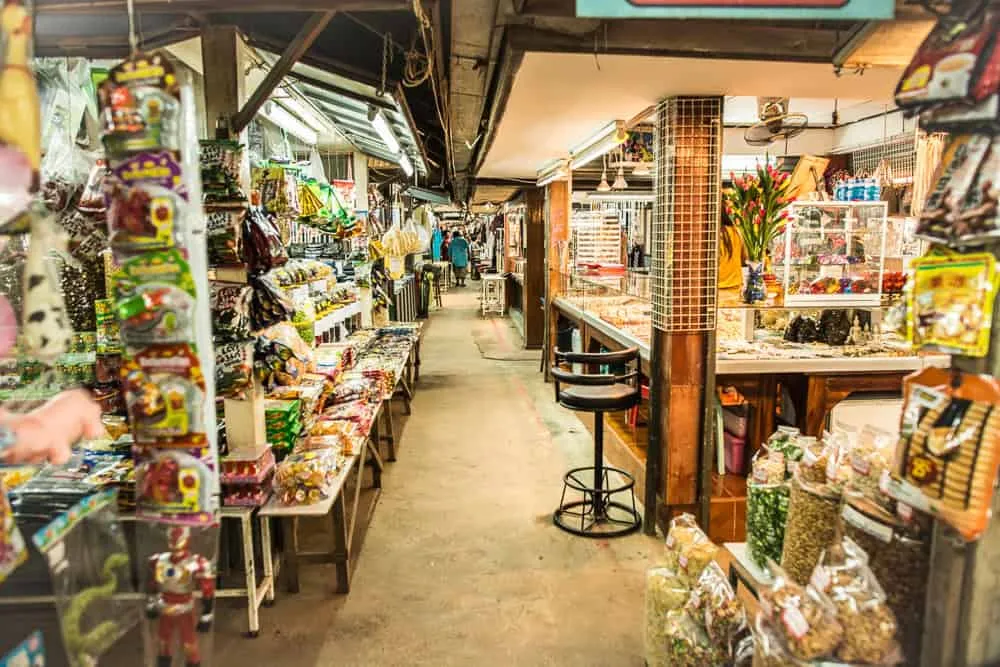
Rim Moei Market
ตลาดริมเมย

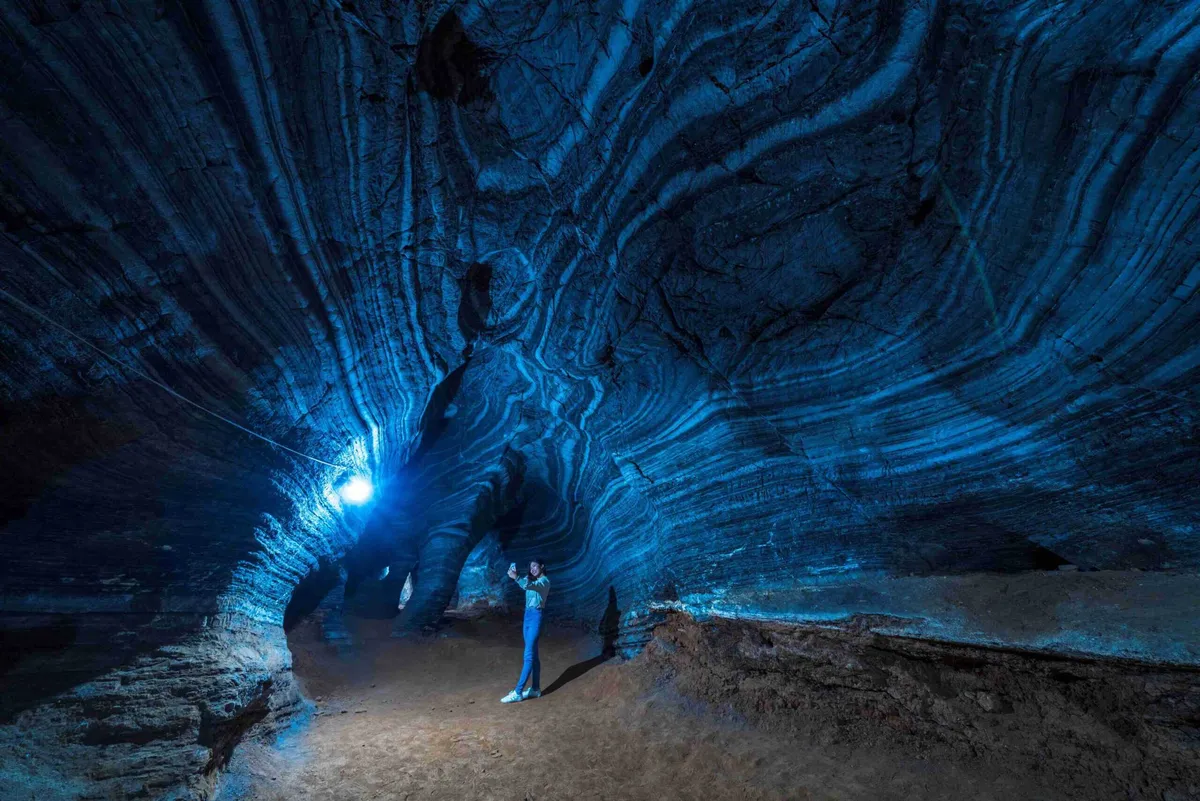
Si Fa Cave
ถ้ำสีฟ้า

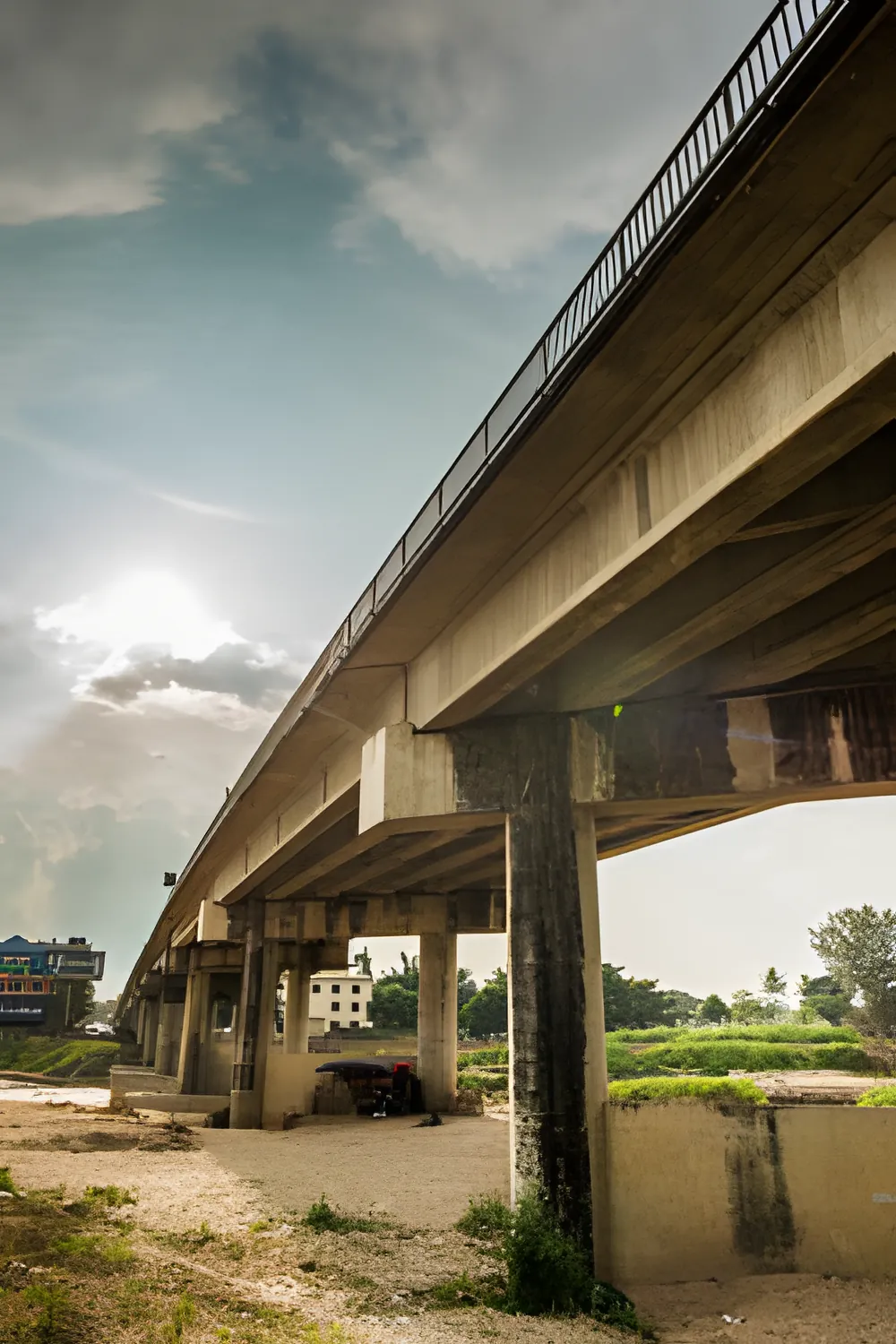
Thai-Myanmar Friendship Bridge
สะพานมิตรภาพไทย-พม่า

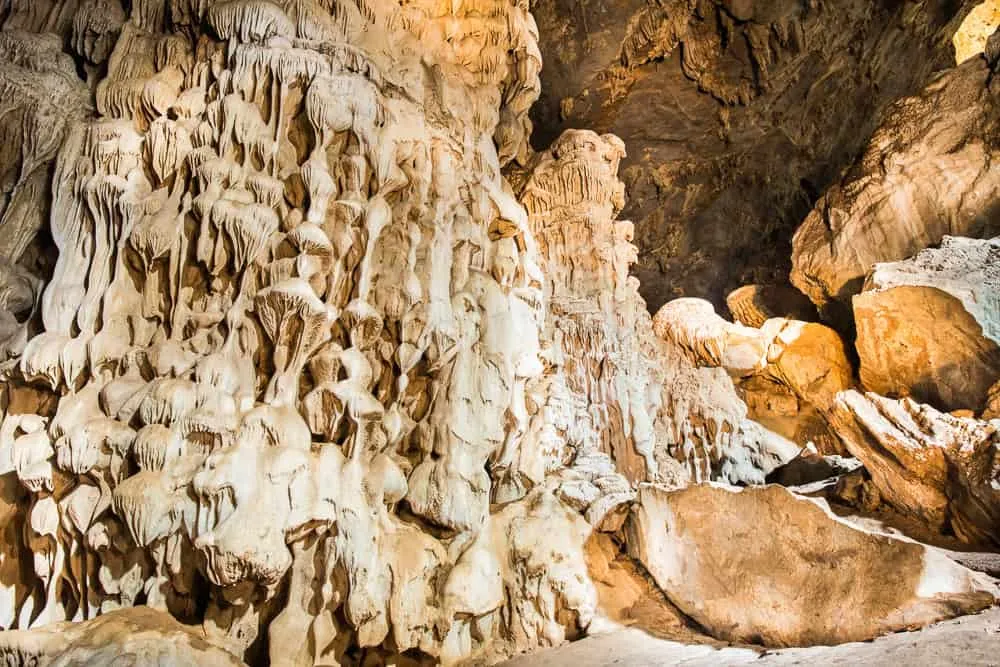
Tham Mae Usu (Mae Usu Cave)
ถ้ำแม่อุษา

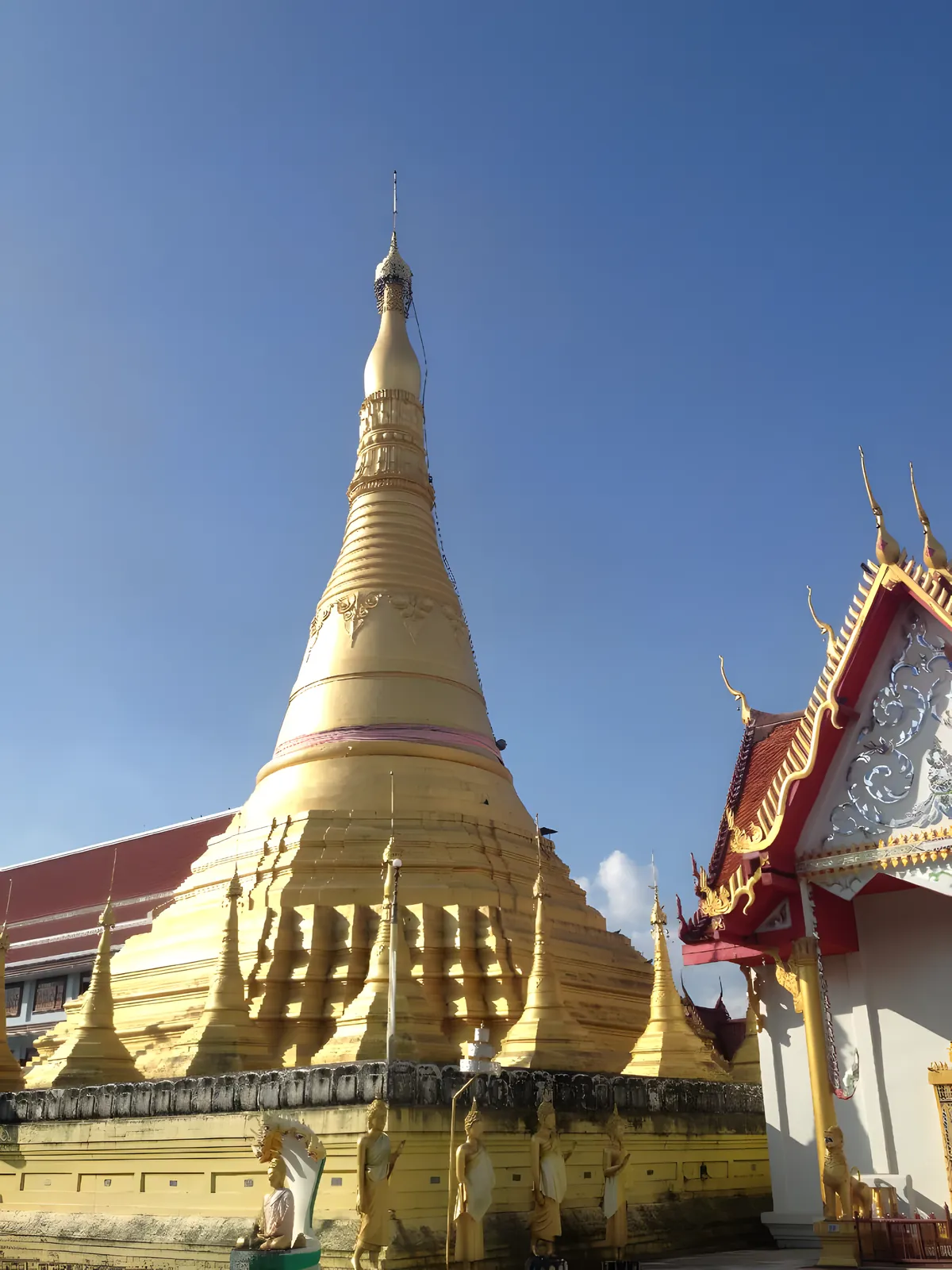
Wat Chumphon Khiri
วัดชุมพลคีรี

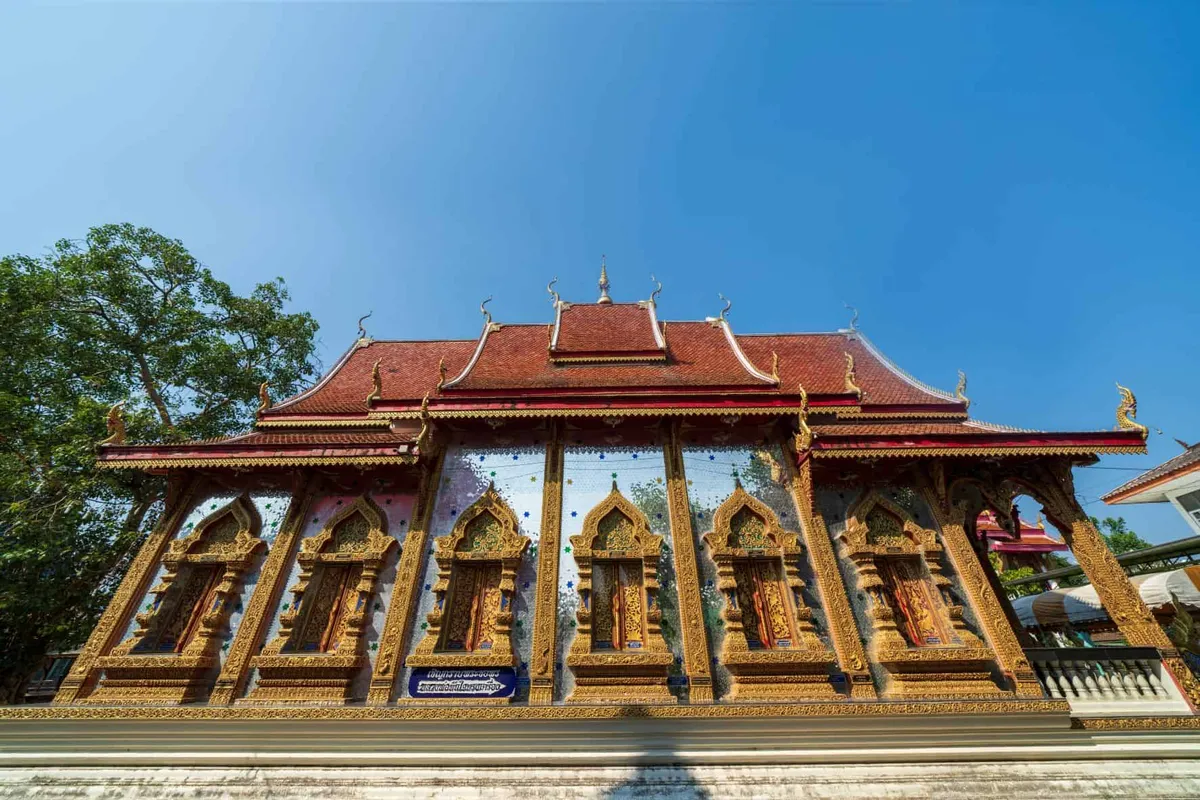
Wat Mani Phraison
วัดมณีไพรสณฑ์

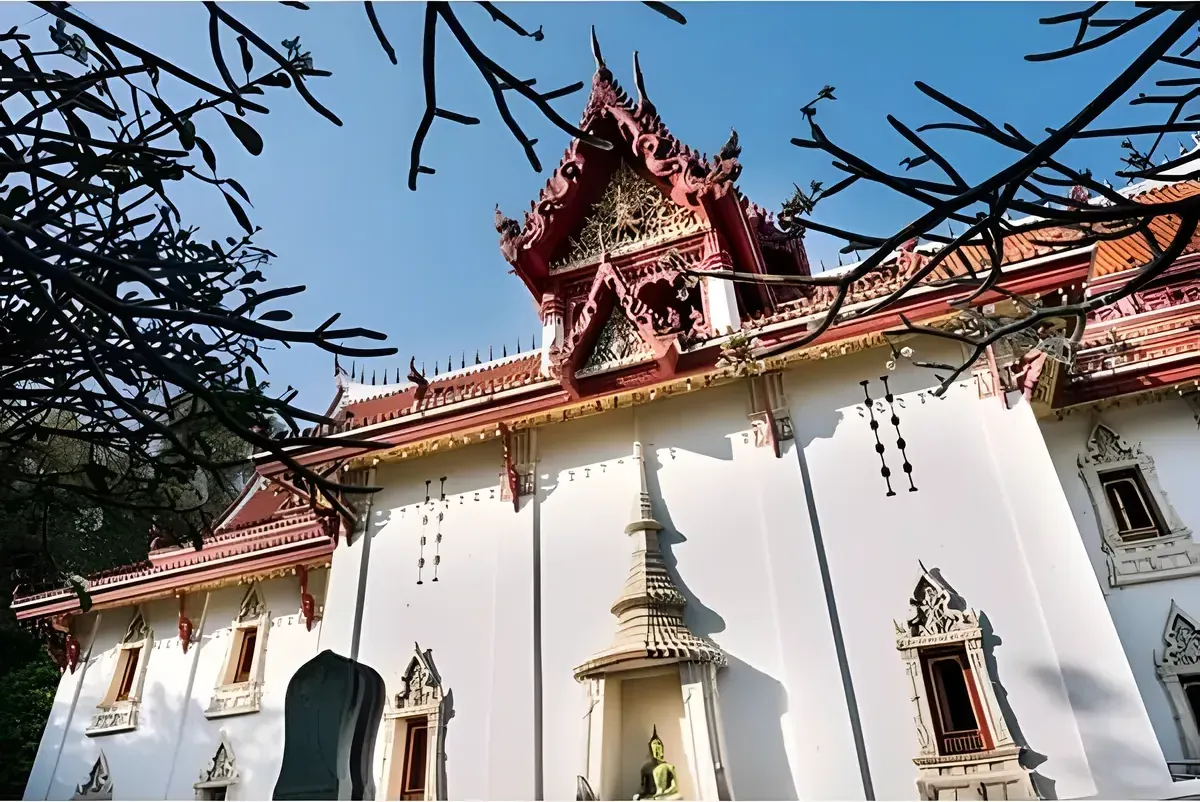
Wat Pho Thi Khun (Wat Huai Toei)
วัดโพธิคุณ (วัดห้วยเตย)
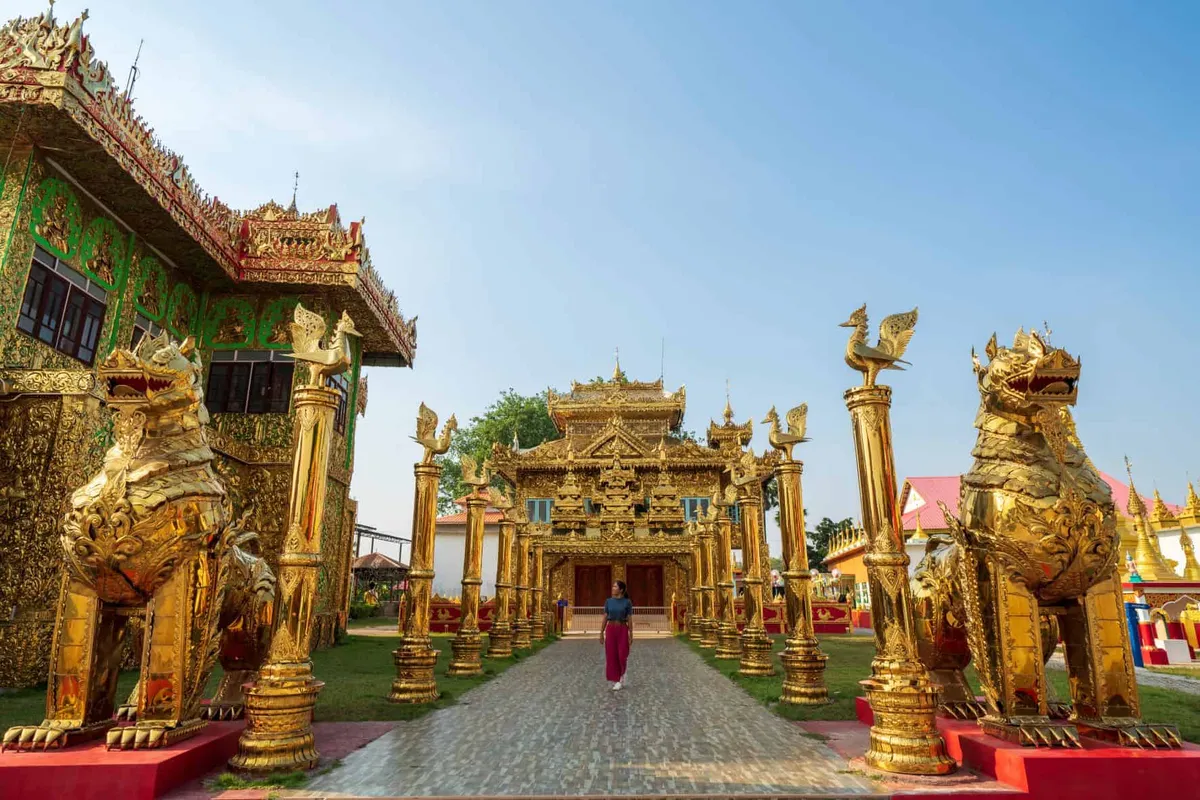
Wat Thai Watthanaram (Wat Mae Tao Ngiao or Wat Thai Yai)
วัดไทยวัฒนาราม (วัดแม่ตาวเงี้ยว หรือวัดไทยใหญ่)
Things to do on the map
Tap a pin for details. 13 places in Mae Sot plotted.
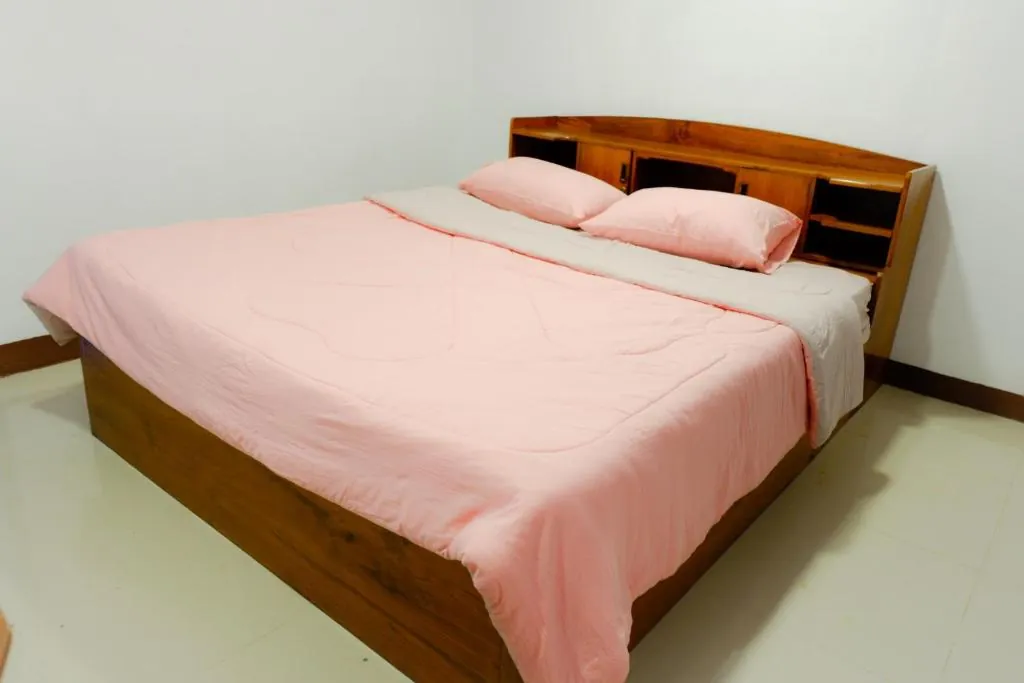
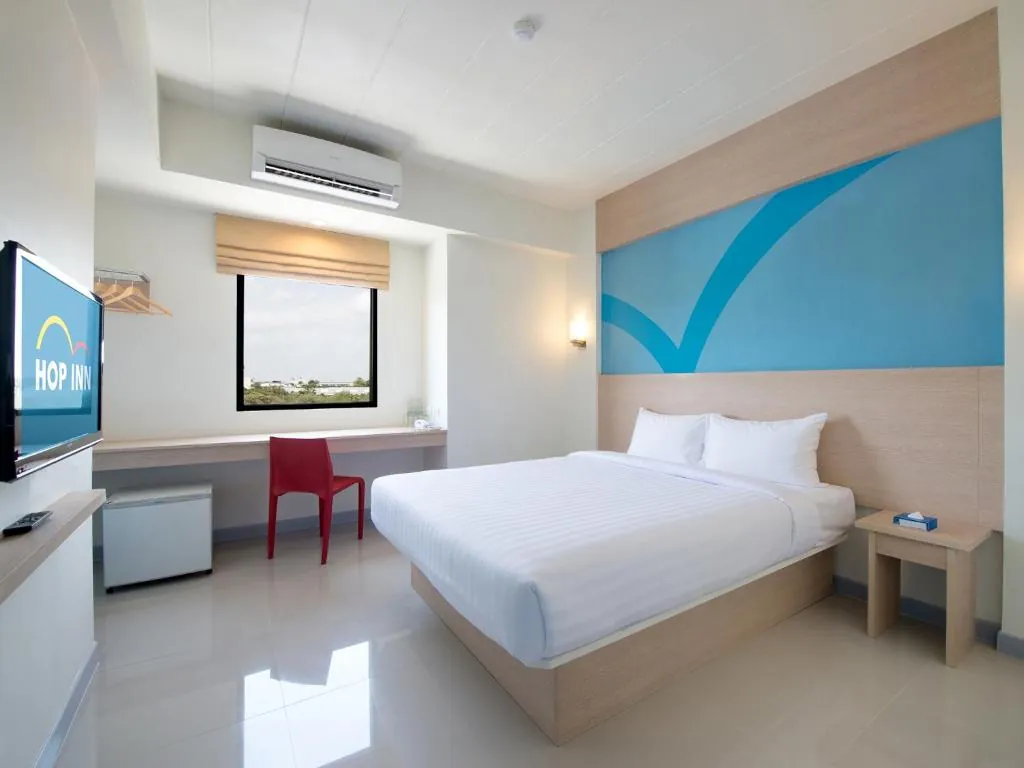
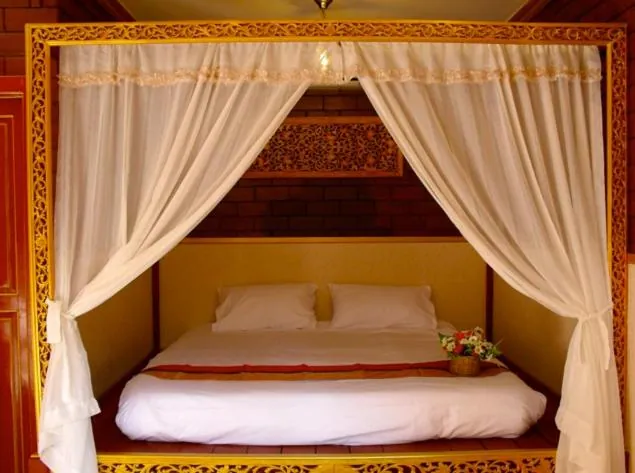
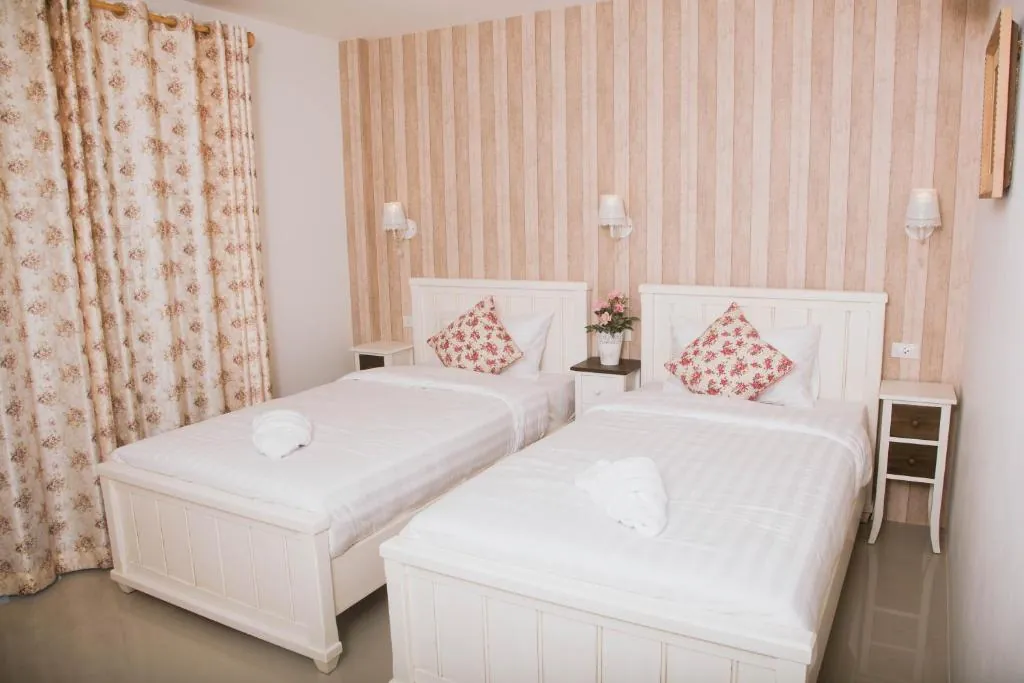
Where to stay in Mae Sot











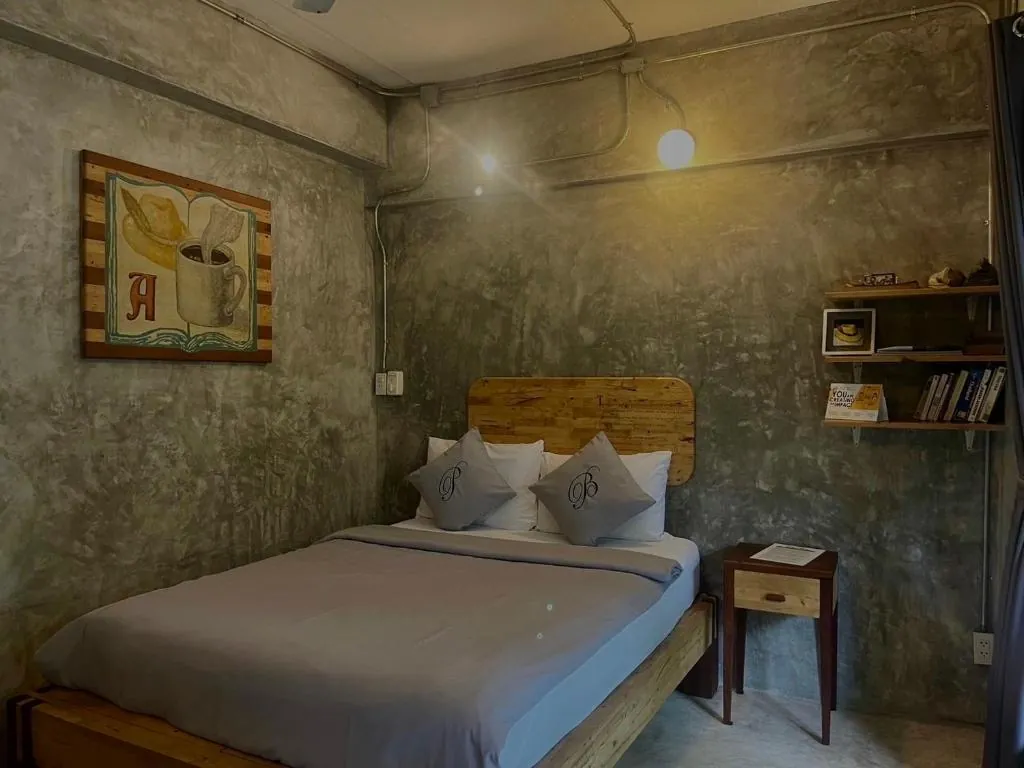

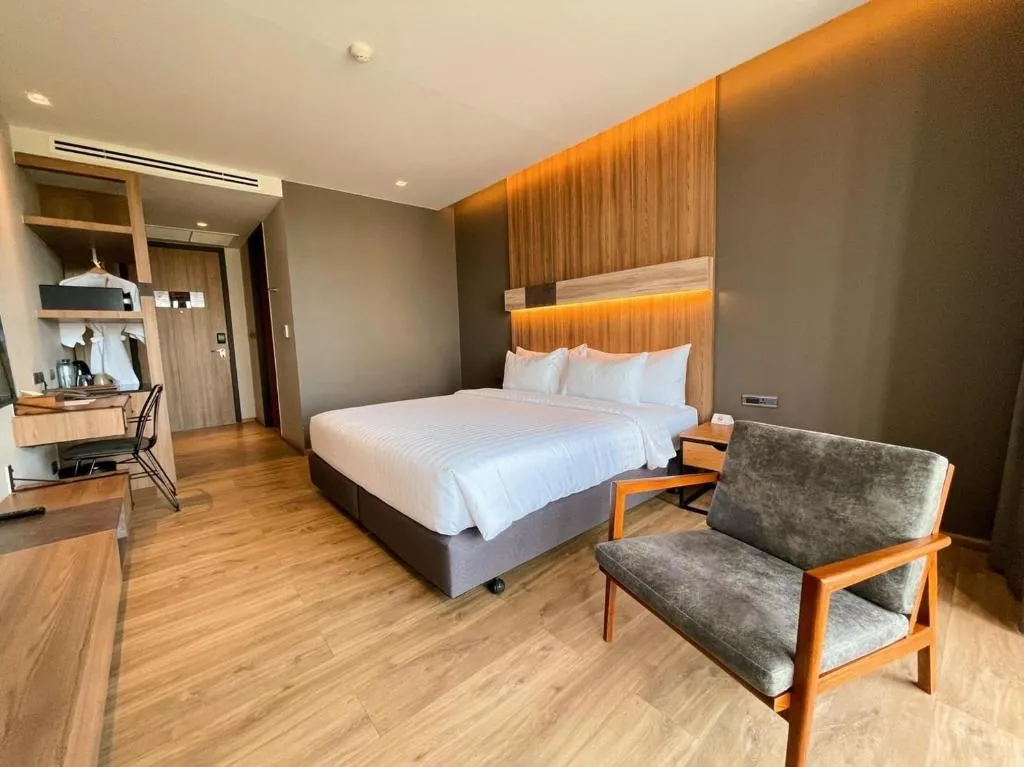
When to go
Nov-Feb Cool, dry and clear - the best months for the temples, the market streets and the day trips out to the caves and hot springs. Mornings can be genuinely cold by Thai standards.
Mar-Apr Agricultural burning across the hills on both sides of the border fills the valley with haze, and air quality can turn genuinely unhealthy for days at a time. Skip this window if you have respiratory issues; expect the mountain views to disappear.
May The smoke clears and the first rains arrive, cooling the valley before the wet season sets in properly. Short, unpredictable showers rather than daily rain.
Jun-Oct The Moei rises and the waterfalls around Mae Kasa run fullest, but the unsealed roads out to the caves and hot springs turn rough after heavy rain. Check conditions before a half-day trip.
About Mae Sot
Last updated October 2026
Overview
Mae Sot sits on the Moei River in western Tak province, facing Myawaddy in Myanmar on the opposite bank, close enough that the two towns have long worked as a single trading zone rather than two places separated by a border. It is Thailand’s main overland gateway for jade, ruby and other gems coming out of Myanmar, with a dedicated street of dealers in the town centre, and a major production base for the Thai garment industry, running largely on migrant labour from across the river. Karen and Shan communities live here alongside Thai and Burmese residents, and that mix is the town’s real character, audible in the markets, visible in the temple architecture, and obvious the moment you eat.
None of that is incidental to visiting. Myawaddy has, since around 2022, become one of the centres of Southeast Asia’s cyber-fraud compound industry: large fenced sites, some purpose-built, staffed in part by trafficked workers. Thailand has run repeated crackdowns since early 2025, cutting power, fuel and internet to known clusters and repatriating thousands of people, and Myanmar’s authorities announced their own demolitions in mid-2026. Reporting through that period describes the industry adapting and relocating rather than disappearing. Fighting between the Myanmar military and ethnic armed groups around Myawaddy has also pushed refugees into Tak at times, and closed the Friendship Bridge crossing for roughly ten months before it reopened on a trial basis on 28 May 2026.
None of this plays out inside Mae Sot town. Markets open on schedule, temples function normally, and the town itself has not seen the violence associated with the conflict over the river. The honest framing: come for the town, its markets and its temples with ordinary caution, treat the river and the crossing as genuinely volatile and worth checking on the day, and do not plan a Myanmar side-trip as a certainty.
Top Things to Do
The border is the starting point. The Thai-Myanmar Friendship Bridge, opened in 1997, carries Highway 105 over the Moei to Myawaddy. You can walk the Thai-side approach and look across without a passport. The bridge reopened on a trial basis on 28 May 2026 after about ten months closed, with trade traffic first; whether foreign tourists can cross is not confirmed, so ask Mae Sot immigration before planning to. The guarantor rule introduced in 2026 applies to Myawaddy residents applying for border passes. At the checkpoint, Rim Moei Market has traded gemstones, dried fish, shiitake and satin across the river for decades. Trade has thinned badly since the 2025 disruption, with local reporting putting revenue down sharply, so treat it as a stop rather than a destination in its own right. In town, Intharakhiri Road and its side streets hold the gem-dealer strip and the Saturday night market, which is the more reliable draw for food and crowds if border trade is quiet the day you visit.
The temples read like a short course in who lives here. Wat Thai Watthanaram, also called Wat Mae Tao Ngiao or Wat Thai Yai, was founded in 1857 by Shan settlers and holds a roughly 60-metre reclining Buddha beside a scaled Shwedagon replica. Wat Mani Phraison pairs a 1785 ordination hall with a Burmese-style chedi ringed by mirror-mosaic mini-stupas. Wat Chumphon Khiri sits on a hilltop with views over the border hills. Two smaller sites carry local history rather than architecture: the King Naresuan Shrine, marking where the king is said to have passed on his way to declaring independence, with rows of votive fighting-cock statues out front; and the Jao Poh Khun Sam Chon Shrine on the Tak highway, honouring a 13th-century ruler of Mueang Chot, widely held to be the root of the name Mae Sot itself. For quieter ground, Wat Pho Thi Khun is a forest monastery on the edge of a wildlife conservation zone outside town.
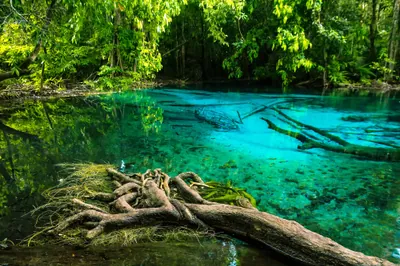
Outside town the landscape does more of the work. Phra That Hin Kio sets a golden chedi among weathered sandstone pillars with shrine paths threaded between the rock. Two caves make a contrasting pair: Tham Mae Usu, roughly 26 km out, is a steep climb to a series of chambers with a large bat colony, best guided and best skipped when the steps are wet; Si Fa Cave, about 30 km out inside a working monastery, is a shorter blue-limestone walk-through with a Burmese-style reclining Buddha. The Mae Kasa area north-east of town clusters hot springs and a waterfall within a few kilometres: Mae Kasa Hot Springs, where the pools run hot enough to cook an egg, and Mae Kasa Waterfall, a two-tier limestone cascade with a weir pool for swimming.
Where to Stay
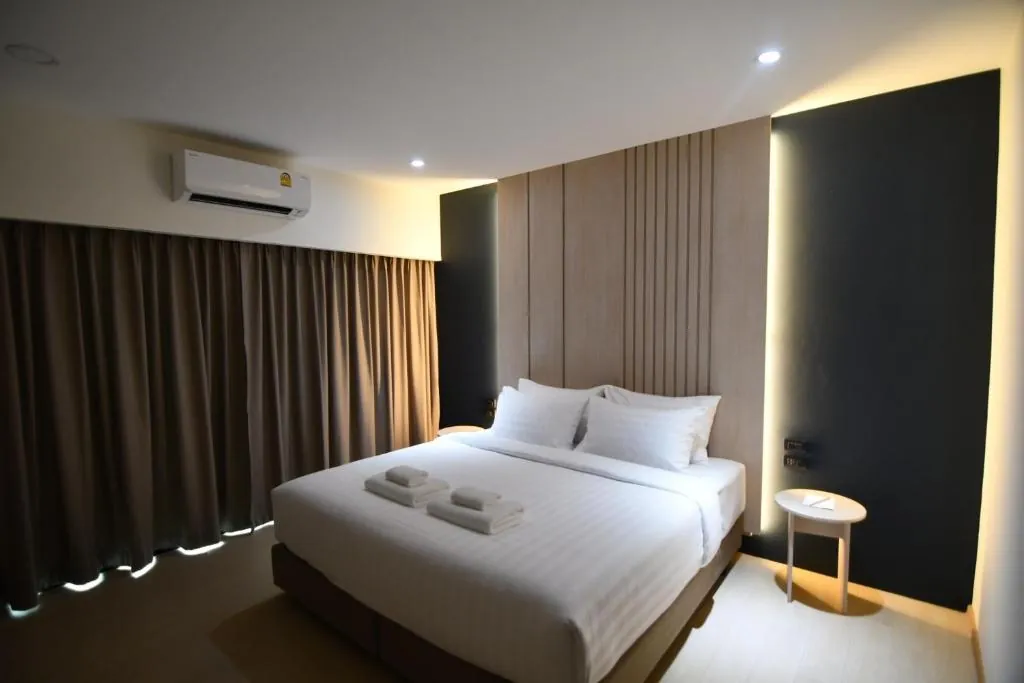
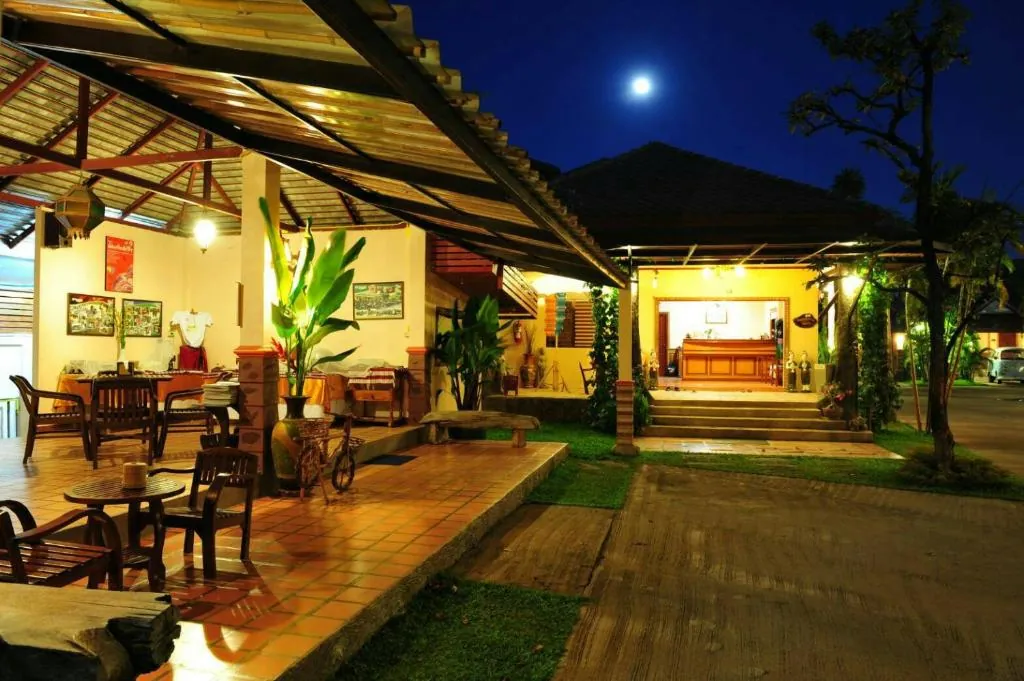
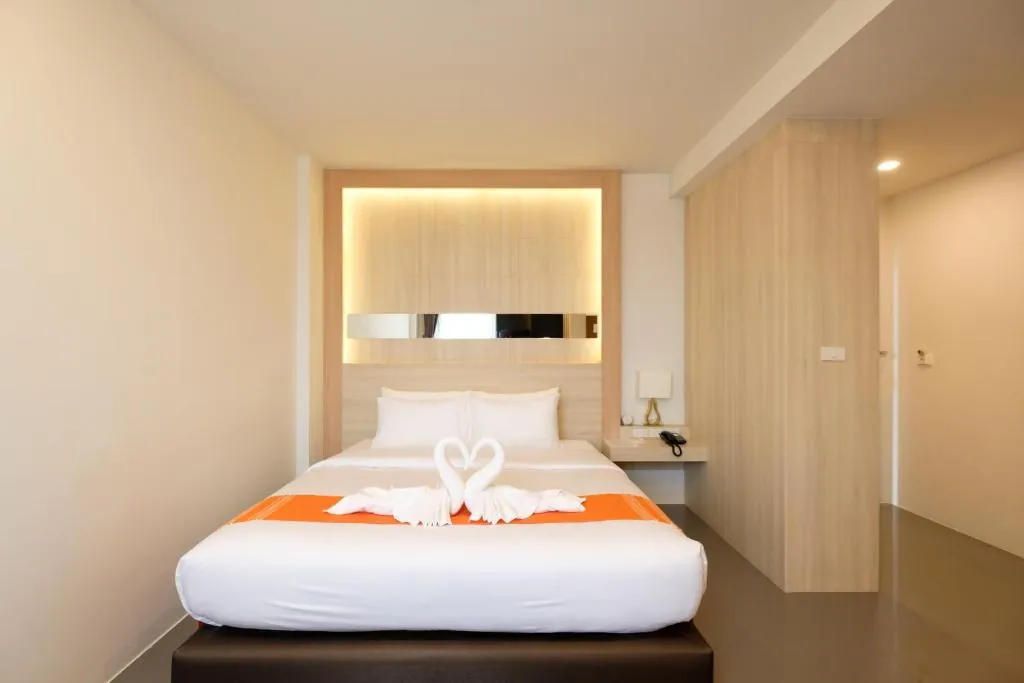
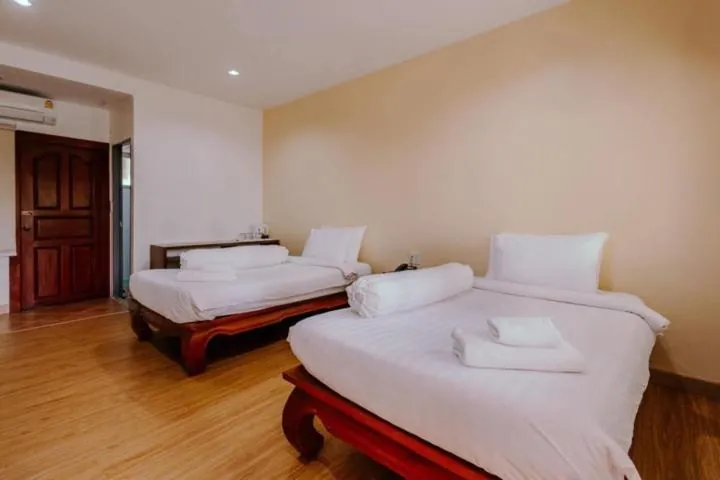
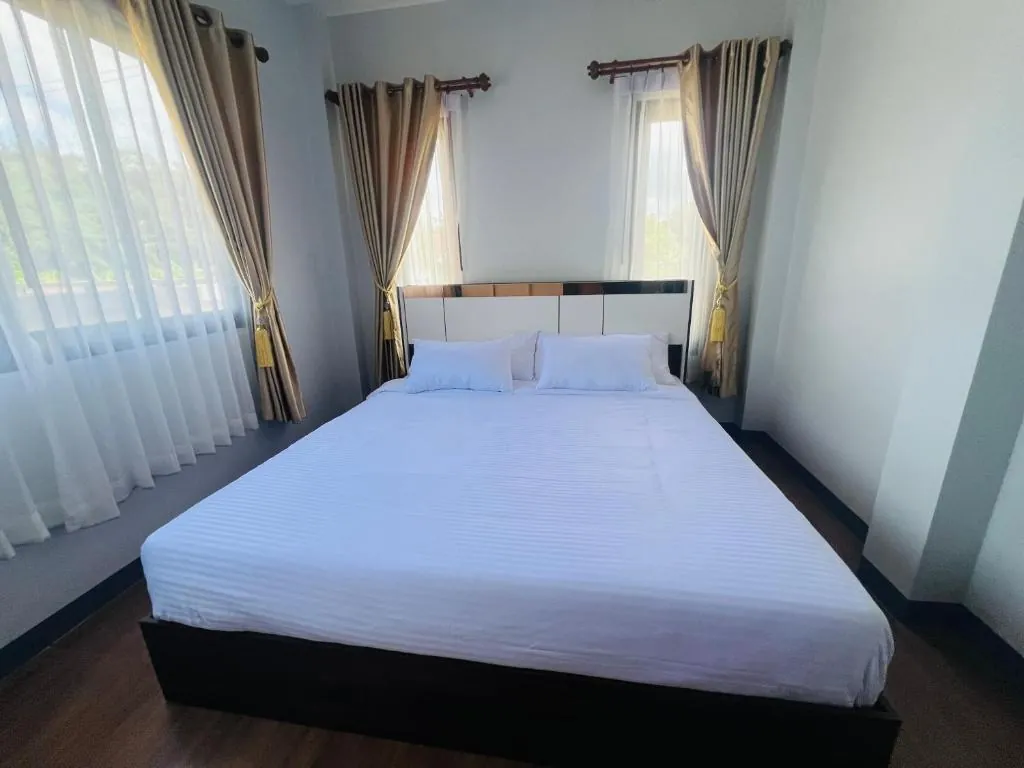
Central Mae Sot, around Intharakhiri Road and the grid running off it, is the default base, walking distance to the day market, the Saturday night market, the gem-dealer strip and several temples. Guesthouse rates here are among the cheapest in northern Thailand, and the range runs from simple fan rooms to air-conditioned mid-range hotels. For something closer to a resort stay, with a pool and grounds, there is an option about ten minutes outside the centre.
Book ahead in the cool season, November to February. Mae Sot’s hotel stock fills faster than the town’s size suggests, because NGO staff, aid workers and cross-border business travellers take rooms year-round on top of the seasonal tourist trade.
Getting There
Mae Sot Airport (MAQ) is about 2 km west of the centre, with flights from Bangkok taking about an hour, the fastest way in and the practical choice if time is short. The overnight VIP bus from Bangkok’s Mo Chit Northern Bus Terminal takes around 8 hours.
From Tak town, roughly 90 km east, shared minivans run the mountain road in about 1.5-2 hours, leaving when full rather than on a timetable. Within Mae Sot, songthaews and motorbike taxis cover the centre cheaply, but the caves and hot springs outside town are far easier with a rented vehicle or a hired driver. Public transport that way is minimal. See the Tak province guide for the wider region, including Umphang and the road south.
Best Time to Visit
Mae Sot follows the northern and western Thai pattern, with one addition specific to this part of the country: burning season.
November through February is the clear favourite: cool, dry, and the best stretch for the temples, the markets and the trips out to Mae Kasa. March and April bring agricultural burning across the hills on both sides of the border, filling the valley with haze that can reach genuinely unhealthy levels; skip this window if you have respiratory problems, and expect the mountain views to vanish. May is a short transitional month as the smoke clears and the first rains arrive. June through October is the wet season proper: the Moei rises and Mae Kasa’s waterfall runs fullest, but unsealed roads out to the caves and some hot springs turn rough, so check conditions before committing to a half-day trip.