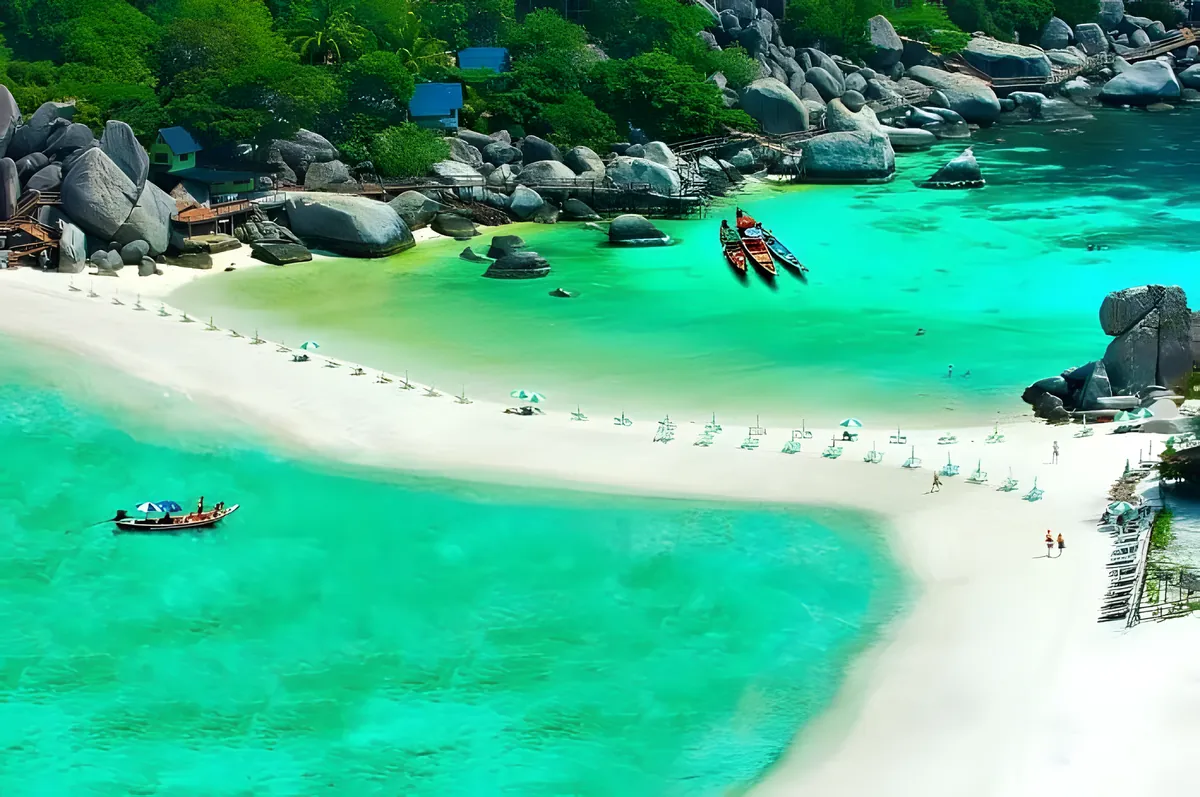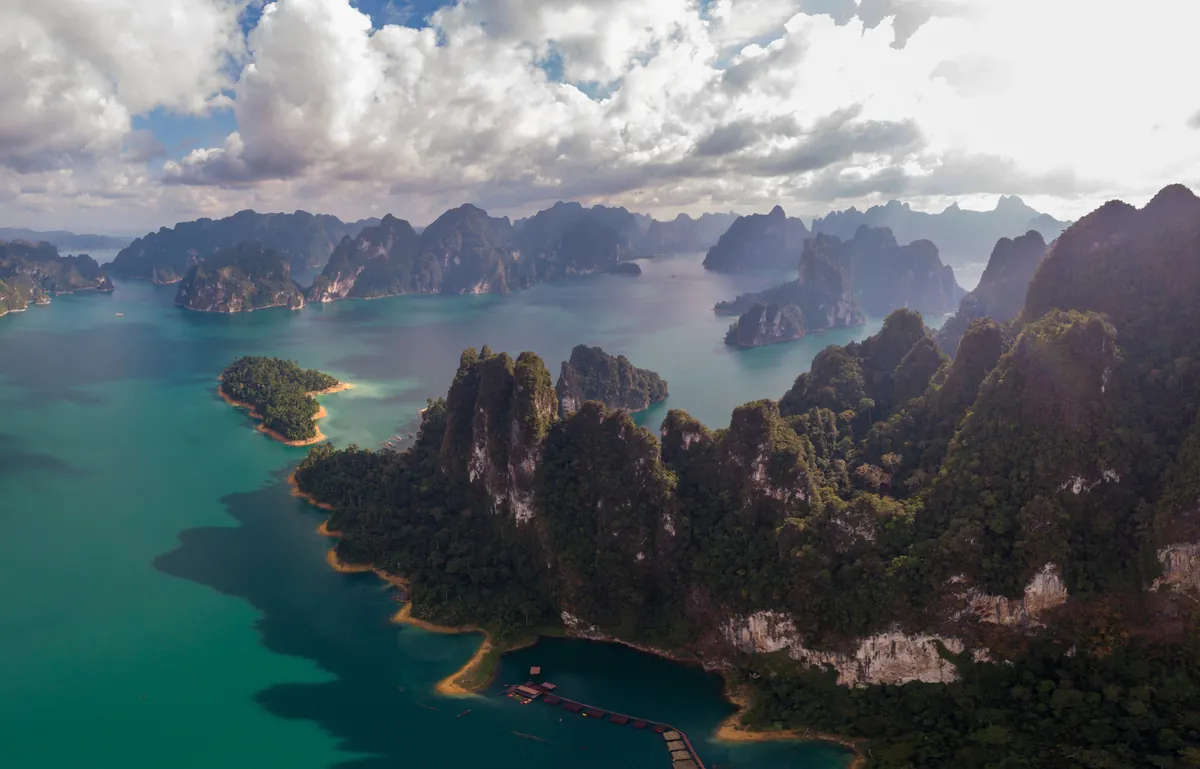
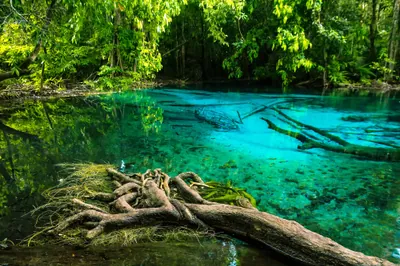

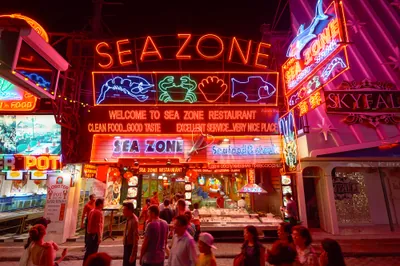

Koh Chang is what the famous islands were before the airports came. Thailand’s second-largest island (an hour off the Trat coast, near the Cambodian border) keeps its interior as jungle-covered national park, lines its west coast with beaches that still have room, and hides a mangrove-laced fishing culture on its east side that most visitors never see. No airport, one road looping most of the island, and that’s precisely the appeal of Koh Chang.
The best things to do in Koh Chang are the west-coast beach run from White Sand Beach to Lonely Beach, the Khlong Phlu and Than Mayom waterfalls, a Bang Bao boat day to Koh Wai’s reefs, and kayaking the Salak Khok mangroves.
- White Sand Beach (Hat Sai Khao): the classic strip
- Klong Prao Beach: 3.3 km of quieter sand
- Kai Bae’s beach, viewpoint and boat piers
- Lonely Beach after dark
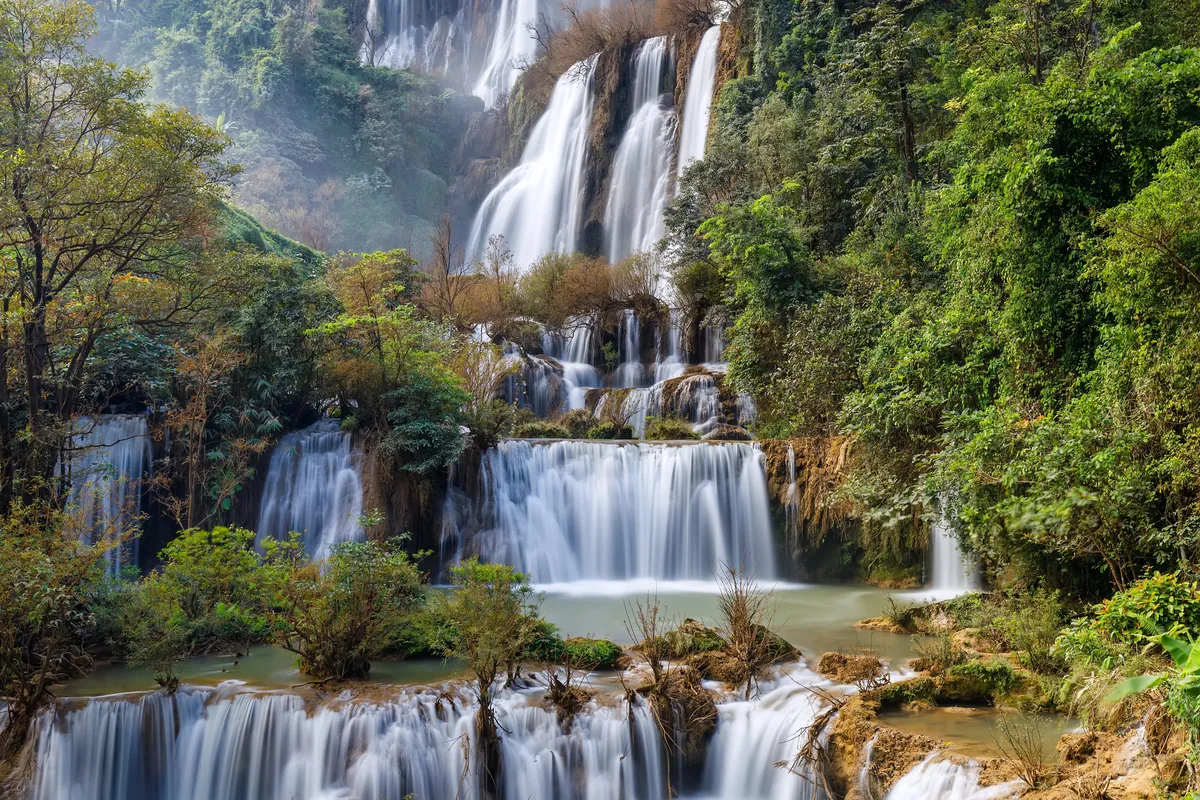
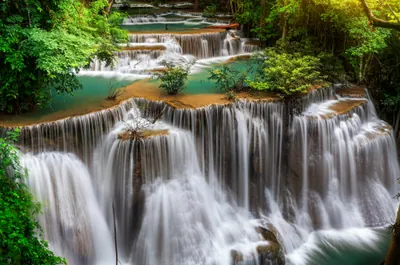
- Khlong Phlu waterfall inside Mu Ko Chang National Park
- Than Mayom waterfall and its royal carvings
- Boat day from Bang Bao to Koh Wai
- Kayaking the mangroves at Salak Khok
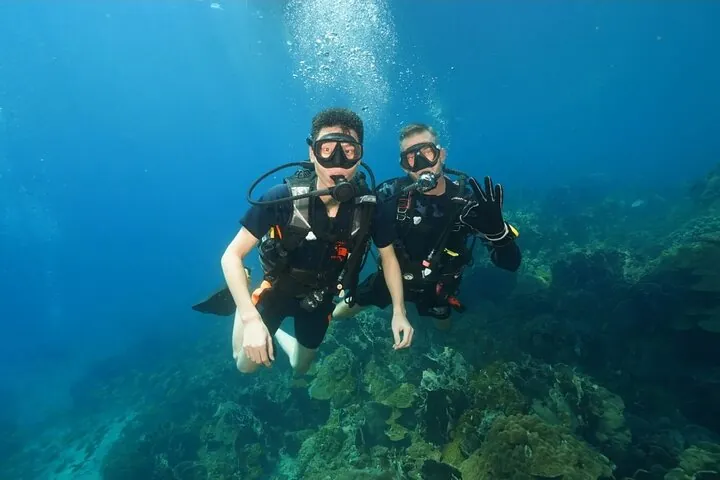
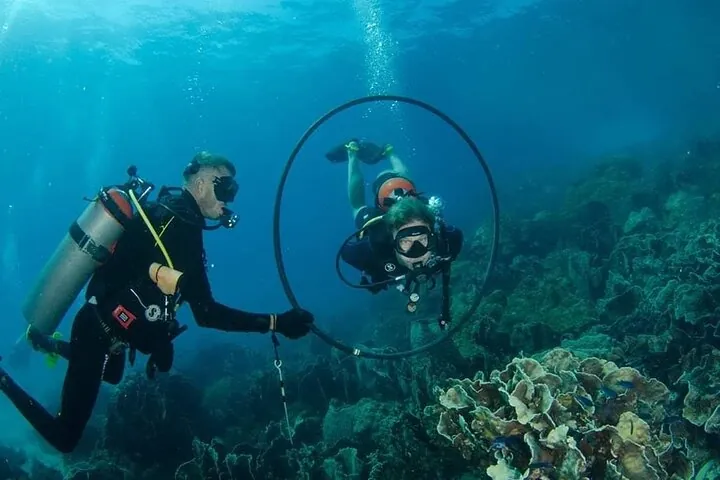
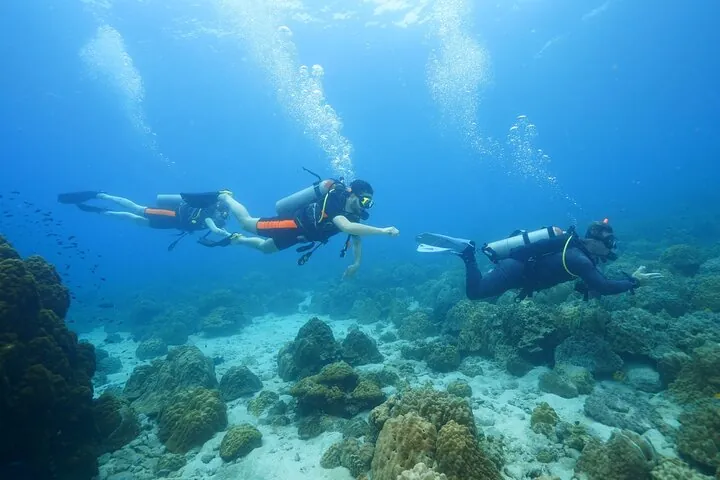
- Learning to dive on the Gulf’s quieter reefs
- Neighbour islands: Koh Mak and Koh Kood
- Park fee: 200 THB foreigners (40 THB Thai), collected only at the two waterfalls
- Best time: November-April for calm seas; waterfalls peak May-October
- Getting there: Bus/minivan from Bangkok to Laem Ngop (5-6 hrs) + vehicle ferry
- Getting around: Songthaews along the west-coast road; scooters for confident riders only: the hills between beaches are steep
- Island-hopping base: Bang Bao pier, on the southwest tip
- Typical stay: 3-4 nights
The west-coast beach run
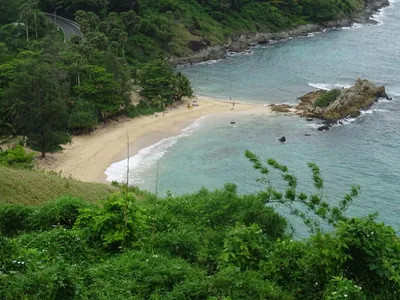
Every Koh Chang trip organises itself around the west-coast road. White Sand Beach (Hat Sai Khao) at the north end is the island’s main event: free, gently shelving for swimmers (with a steeper drop-off further out), and backed by the biggest choice of restaurants and bars. Songthaews run here from the Ao Sapparot ferry pier, so it’s also the easiest landing spot for a first night.
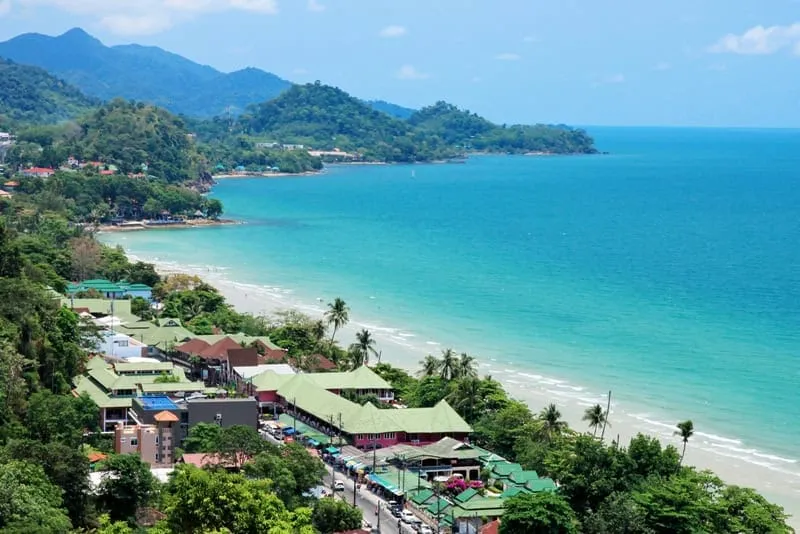
South of the headland, Klong Prao stretches about 3.3 km, the island’s longest beach, split by a tidal estuary you can kayak, with sunset views from the Laem Chaiyachet cape at its north end and noticeably fewer people per metre of sand. Kai Bae, next along, splits the difference and adds a viewpoint over the offshore islets; Lonely Beach, furthest south, keeps Koh Chang’s backpacker era alive after dark.
Insider Tip: The hills between beaches are the steepest sealed road most visitors will ever ride a scooter on. If you’re not a confident rider, use songthaews between beaches. They shuttle the west coast all day and prices are per hop.
Waterfalls: Khlong Phlu and Than Mayom
The island’s jungle interior belongs to Mu Ko Chang National Park: 52 islands in the archipelago, with the 200 THB foreigner fee (40 THB Thai) collected only at its two headline waterfalls. Khlong Phlu, behind Klong Prao beach, is the big one: a short jungle walk to a plunge pool that earns an hour of anyone’s afternoon.
Than Mayom, on the east coast, trades scale for history: four tiers, and boulders carved with the monograms of visiting kings. Rama V came nine times, and Rama VII added his beside Queen Rambhai Barni’s. Open daily 08:00-16:30, with entry at 200 THB for foreign adults and 100 THB for children.
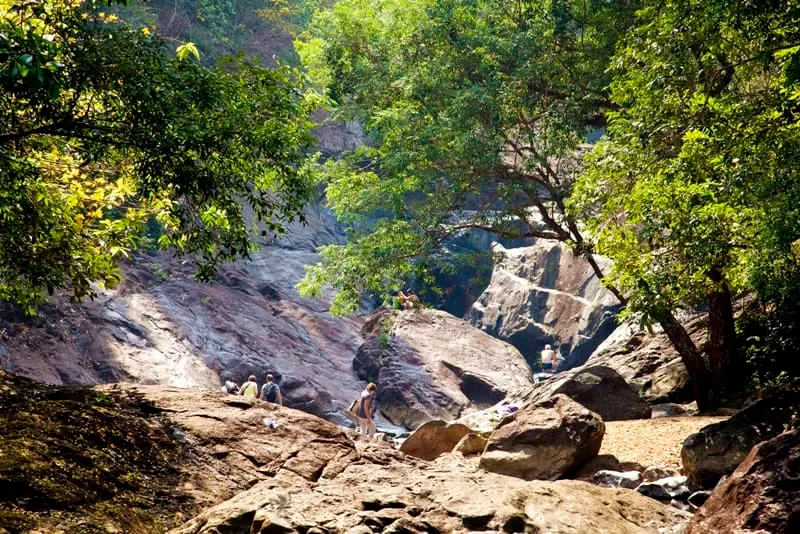
Come in or just after the rains if the falls are your priority. May to October is when they thunder; by late dry season they’re a trickle.
Bang Bao and the boat day to Koh Wai
Bang Bao, the stilted fishing village on the southwest tip, is where Koh Chang’s boat trips leave from. Its pier walk of seafood restaurants and dive shops is worth the trip even if you never board anything. But do board something: Koh Wai, 45 minutes by wooden boat (about 20 by speedboat), is the archipelago at its simplest: a reef starting roughly 40 metres off the north beach, three basic bungalow operations from around 400 THB a night, and no landing fee.
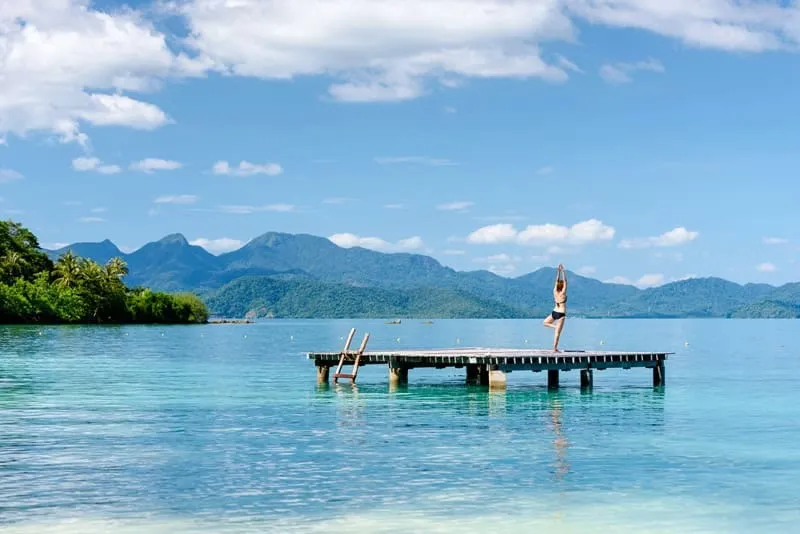
Staying longer in the archipelago? Koh Mak is flat, quiet and cyclable; Koh Kood has the region’s dream beaches. Both close down substantially in the June-October rains, when outer-island boats can stop running. Check schedules before committing.
Watch out: Outer-island resorts on Koh Wai mostly close or run limited hours from May to October. In that window, treat any online booking for the small islands with suspicion and confirm directly that it’s actually open.
The east coast: mangroves, fishing villages and no crowds
Cross to the east side and tourism thins to almost nothing. At Ban Salak Khok, a fishing community rings a mangrove bay. Kayak hire through the village’s own kayak station runs around 100 THB an hour, and late afternoon, when the boats come home, is the time to paddle out. It’s free to visit, and the village’s homestay-and-seafood economy means your lunch money lands where it should.
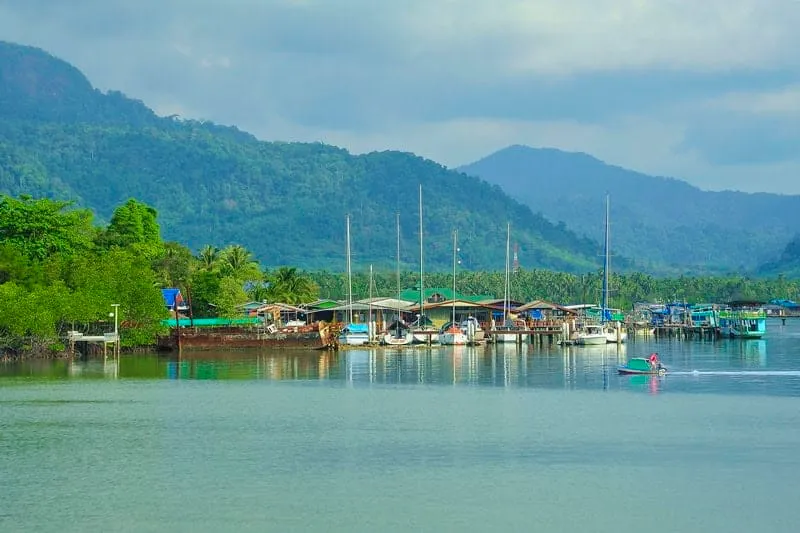
History detour on the way back: the Koh Chang Naval Battle Memorial marks the 1941 engagement fought in these waters, one of the few naval battles in Thai history, remembered every January.
Diving the quiet side of the Gulf
Koh Chang’s dive scene is smaller and calmer than Koh Tao’s, which is exactly its selling point: fewer boats on each site and courses without the production line. A 3-day PADI Open Water course runs from the island, two-dive day trips suit certified divers, and a beginner try-dive tests the water without committing to a course. Snorkellers get their own boat day around the southern islets.
Getting there and around
From Bangkok it’s a 5-6 hour bus or minivan to the Laem Ngop piers near Trat, then a short vehicle ferry across. Book combined Bangkok to Koh Chang bus and ferry tickets as one booking rather than gambling on pier connections. Ferries land at Ao Sapparot on the island’s north tip; songthaews meet them and run the west-coast road.
November to April is the reliable window: calm seas, dry days, everything open. The green season has its own case: full waterfalls, empty beaches, real rain some afternoons. Our quiet Thai islands guide puts Koh Chang’s archipelago against the country’s other slow-travel options if that’s the trip you’re building.
How to plan your days
Day one: land, settle on White Sand or Klong Prao, sunset on the sand. Day two: Khlong Phlu waterfall in the morning, Kai Bae viewpoint and Lonely Beach in the evening. Day three: the Bang Bao boat day, Koh Wai’s reef, seafood back on the pier. A fourth day belongs to the east coast: Salak Khok’s mangrove kayak, Than Mayom’s carved boulders, and the naval memorial on the loop home. For where to stay along the west coast, start with our Koh Chang guide.