

Ubon Ratchathani
อุบลราชธานี
A major province in North-Eastern Thailand, Isaan
- Best time
- November to February
- From Bangkok
- About 1h 10m by air; overnight trains also available
- Getting around
- Hire a motorbike for outlying sites
- How long
- 3–5 days
Updated June 2026
Plan your trip
Recommended by us

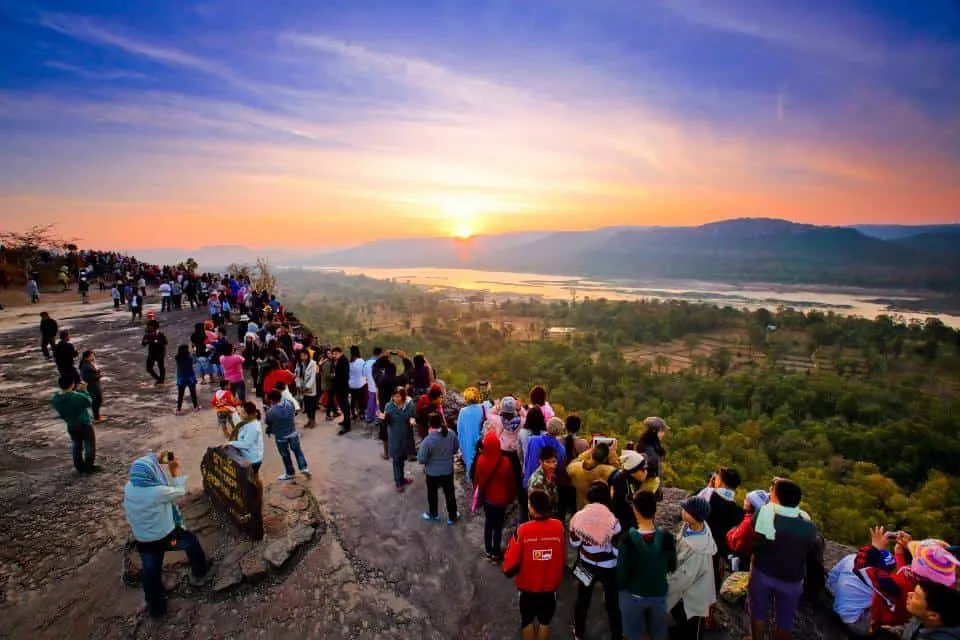
Pha Taem National Park
Clifftop park on the Mekong border with prehistoric rock paintings and the easternmost sunrise point in Thailand. The overlook at first light, with Laos across the river, is the reason most people make the trip.

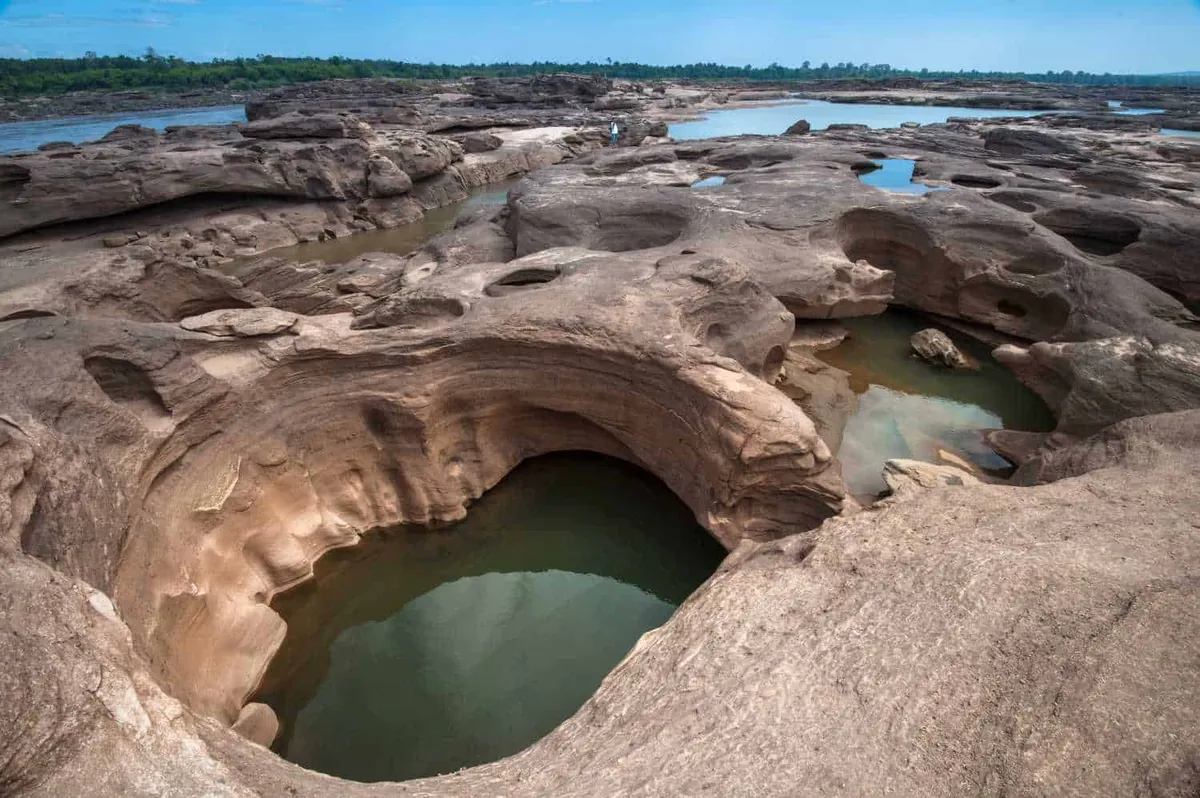
Kaeng Sam Phan Bok
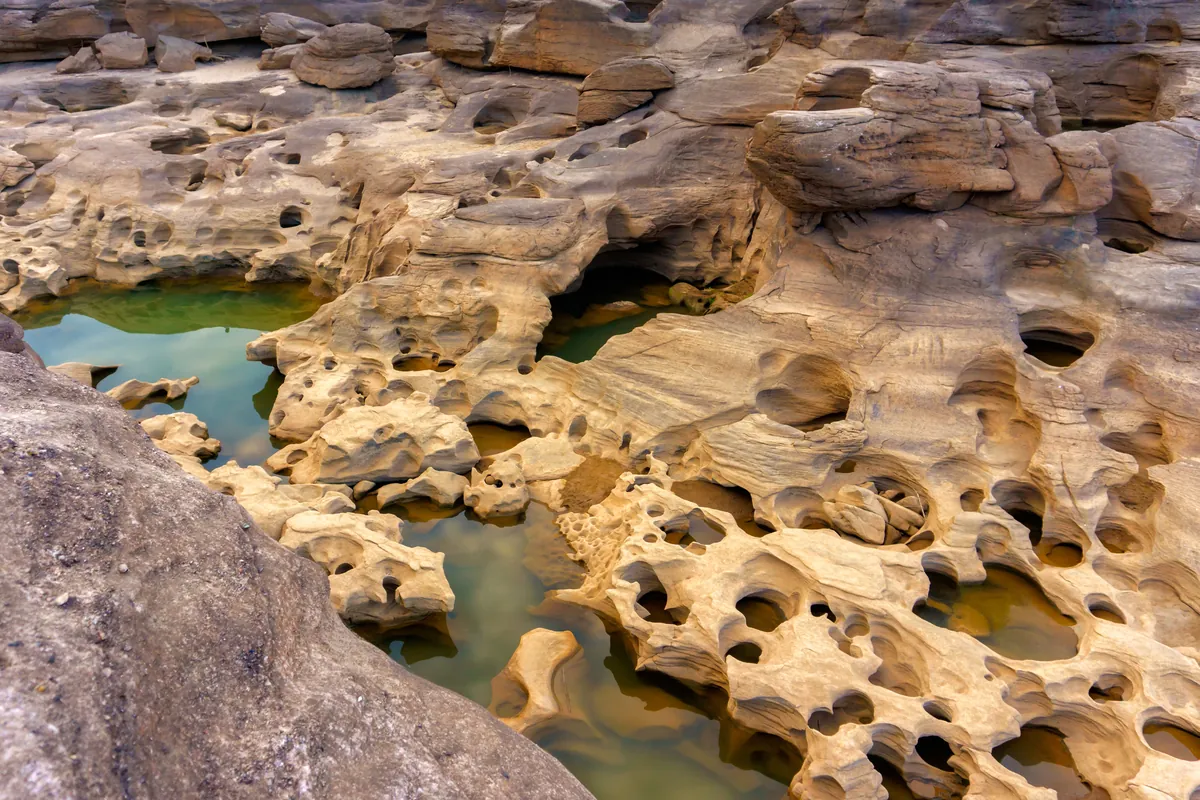
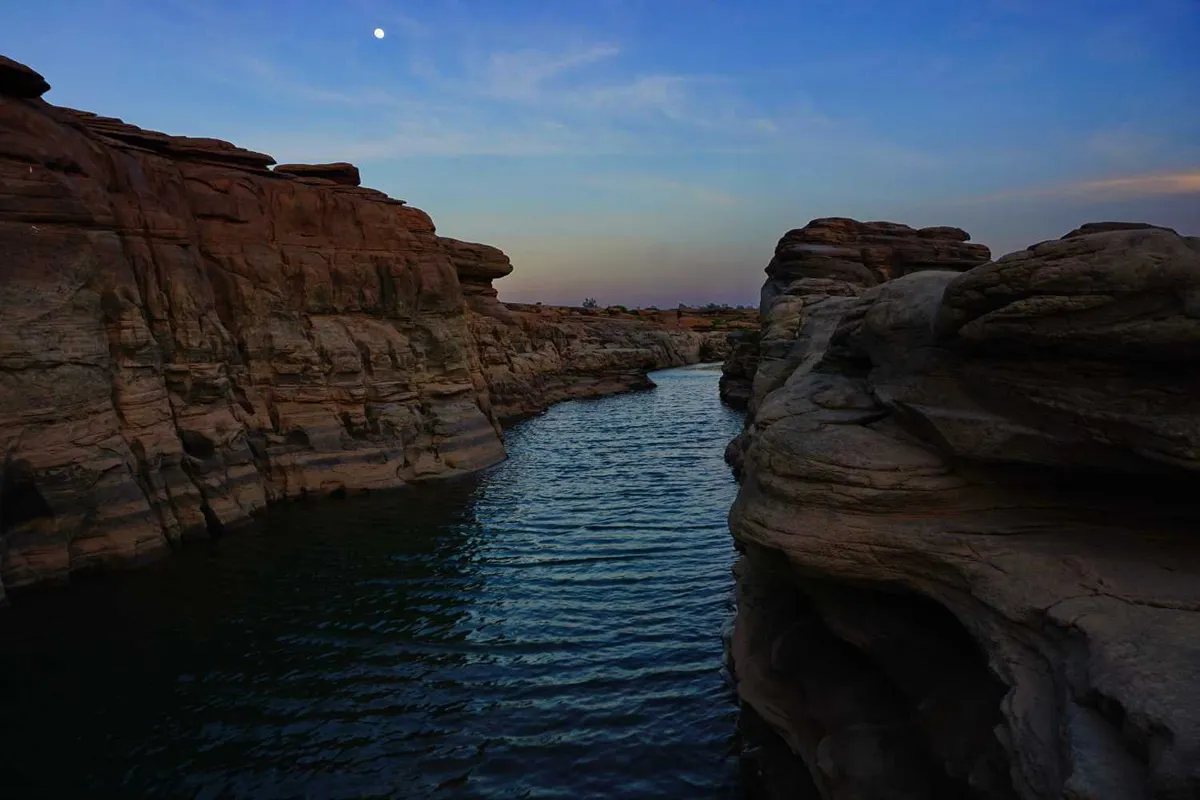
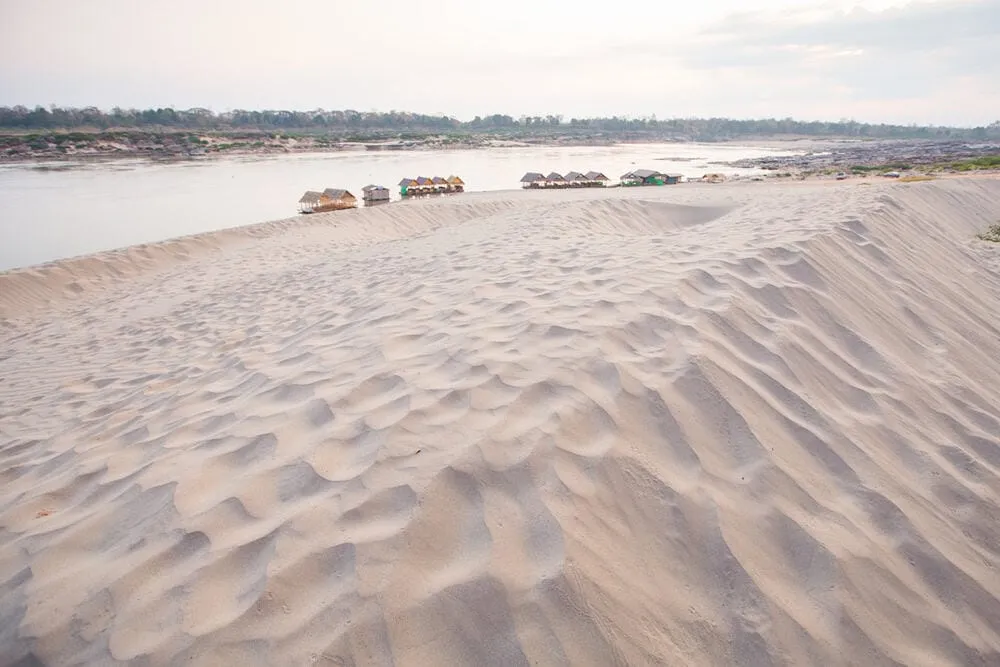
The 'Grand Canyon of Thailand': thousands of potholes carved by the Mekong into an exposed sandstone shelf. Visit from December to May, when low water reveals the formations.

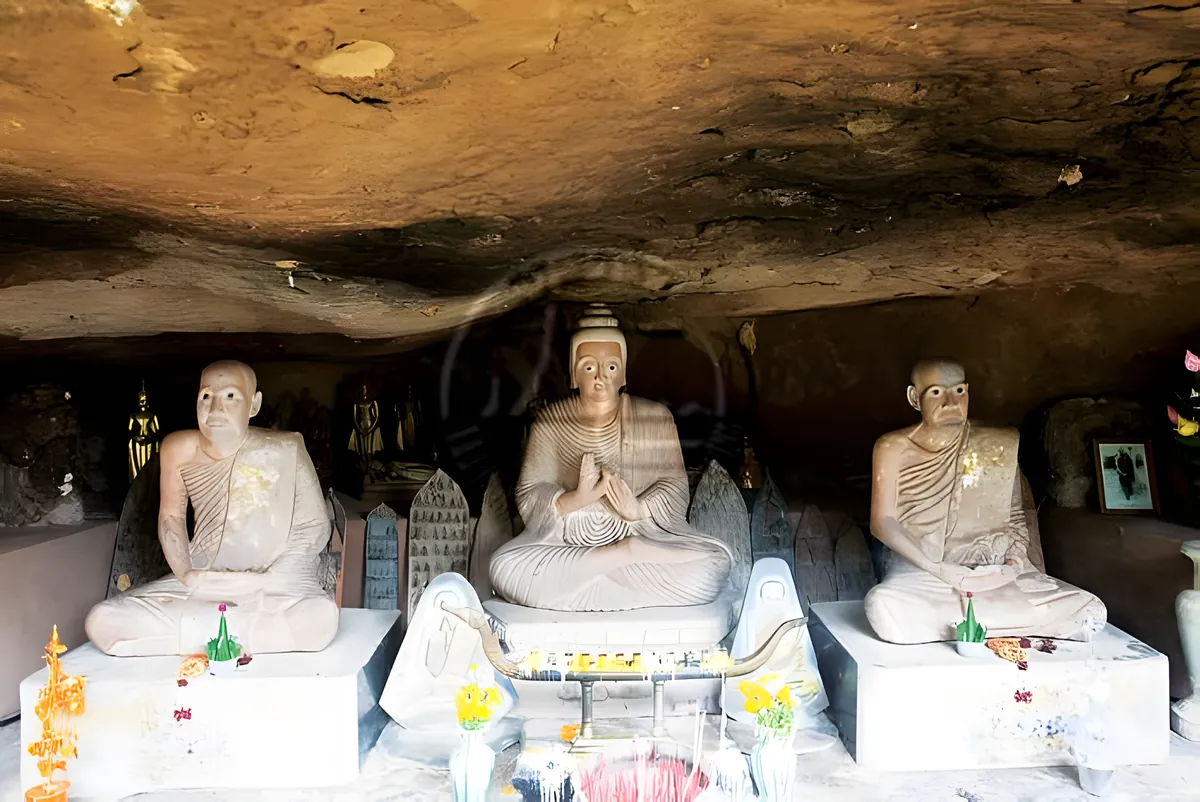
Wat Phu Lon
A hilltop temple above the Mekong with views across to Laos. Arrive at dawn for the mist over the river. The monks here are from a meditation forest tradition.

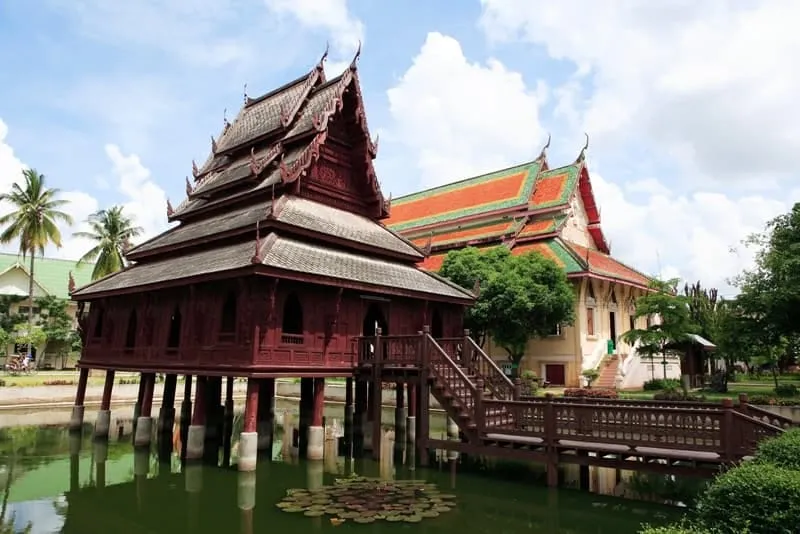
Wat Thung Si Mueang
The town's most photographed temple, notable for its lacquered scripture library raised on stilts over a pond to protect it from insects. A 10-minute walk from the city centre.

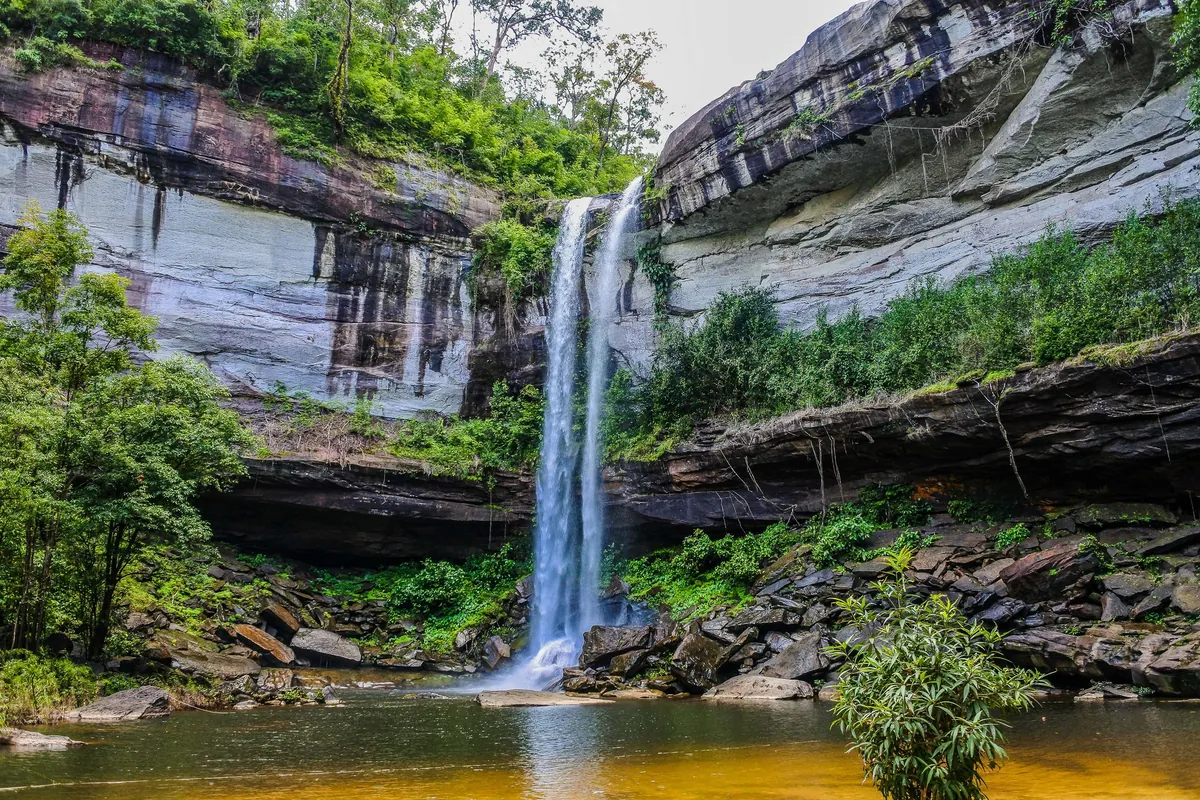
Phu Chong Na Yoi National Park
A remote highland park on the Cambodian and Laos borders: waterfalls, gibbons, and some of the most intact forest in the lower Mekong region. Guides are strongly advised.
Get to Ubon Ratchathani
The overnight train from Bangkok takes around 10 hours and arrives in the morning, a practical way in that skips a hotel night. Flights from Suvarnabhumi take just over an hour.

eSIM for Thailand
Land with data already working and skip the airport SIM queue. We compared six providers. Code THAIHOLIDAY saves 10%.

Travel insurance
Hiking in remote national parks near the Cambodian and Laos borders: sort cover before you go and confirm trekking activities are included.
Wats & shrines
Temples in Ubon Ratchathani

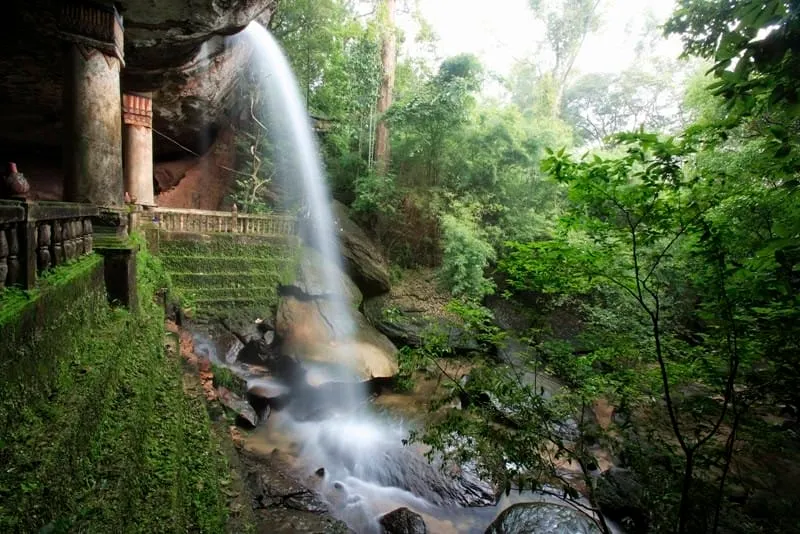
Tham Heo Sinchai
ถ้ำเหวสินธุ์ชัย

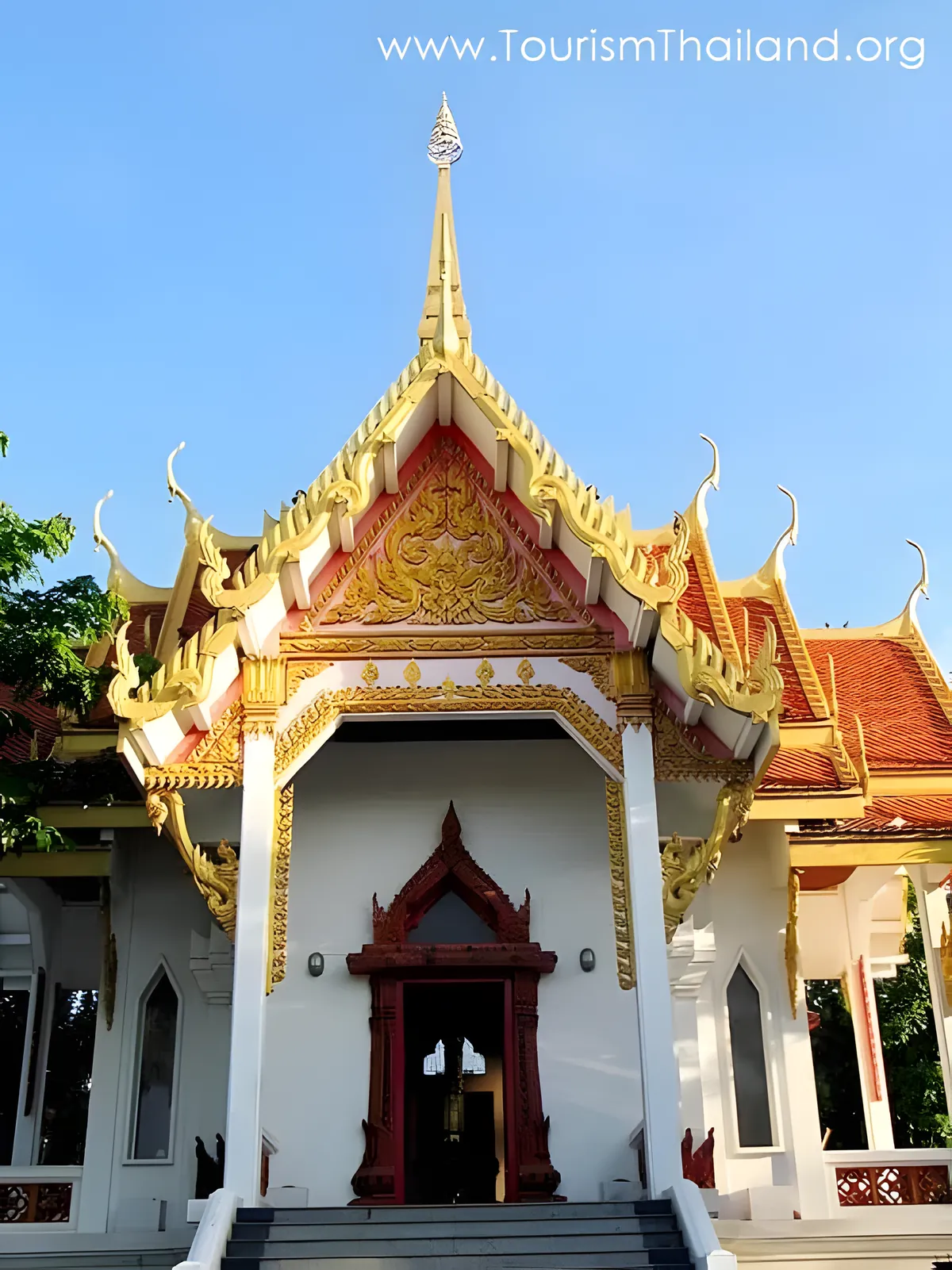
Wat Burapharam
วัดบูรพาราม

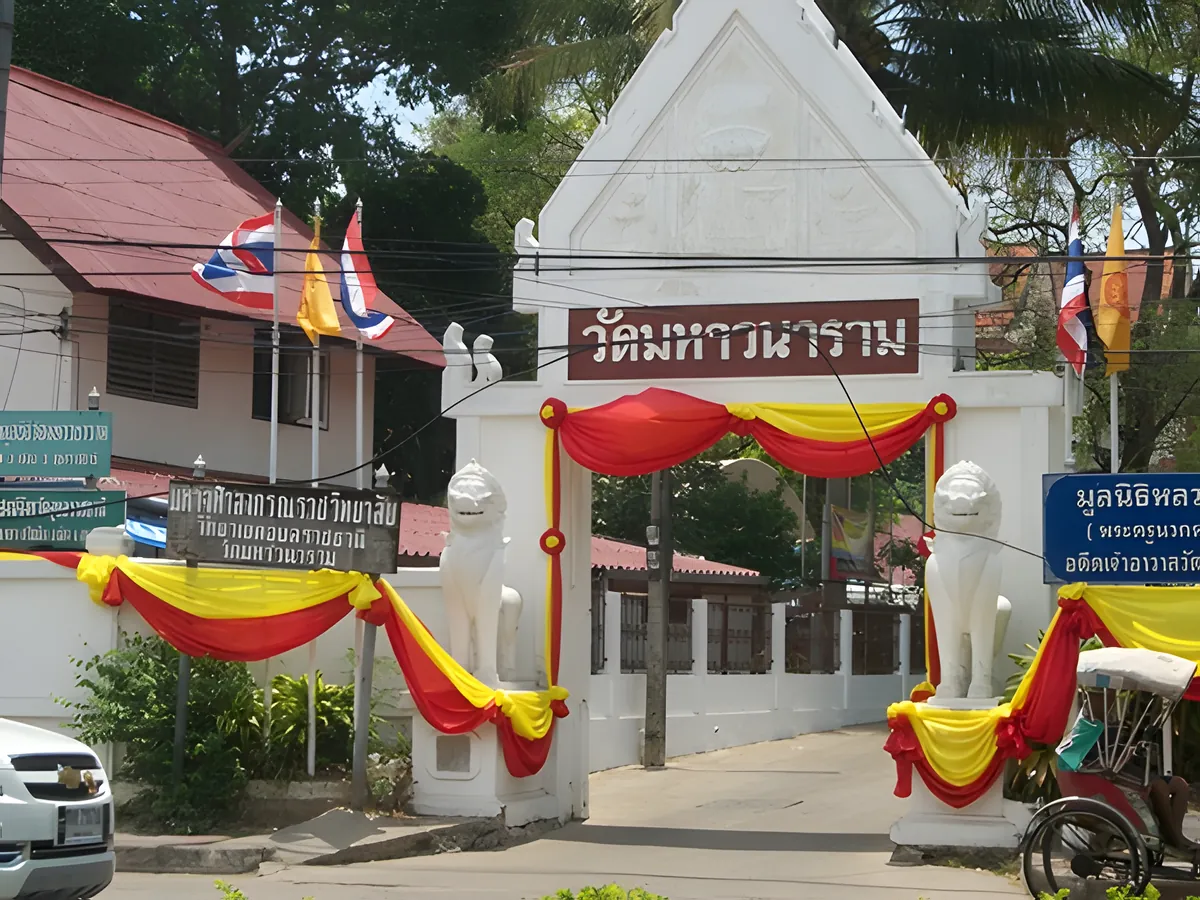
Wat Maha Wanaram
วัดมหาวนาราม

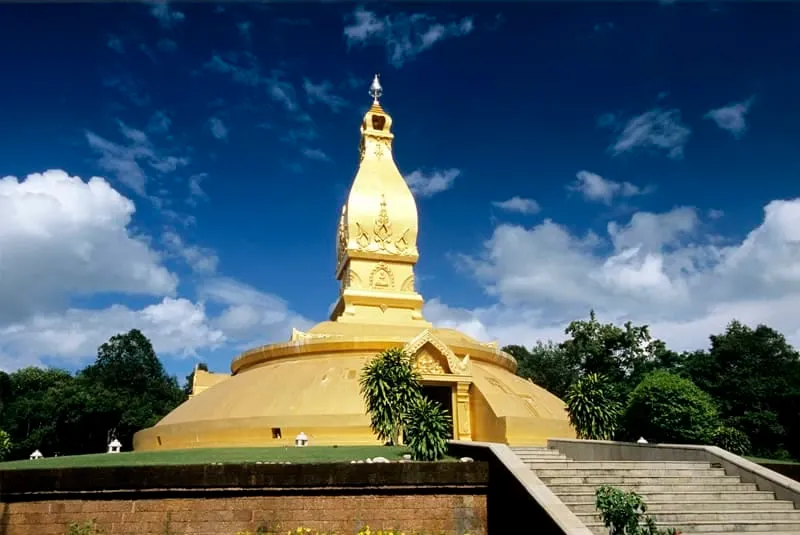
Wat Nong Pa Phong
วัดหนองป่าพง

Wat Pa Nanachat (The International Forest Monastery)
วัดป่านานาชาติ

Wat Phra That Nong Bua
วัดพระธาตุหนองบัว

Wat Phukhao Kaeo
วัดภูเขาแก้ว

Wat Sa Prasan Suk (Wat Ban Na Mueang)
วัดสระประสานสุข (วัดบ้านนาเมือง)

Wat Si Ubon Rattanaram (Wat Si Thong)
วัดศรีอุบลรัตนาราม (วัดศรีทอง)

Wat Sirindhorn Wararam Phu Phrao
วัดสิรินธรวรารามภูพร้าว

Wat Supattanaram Worawihan
วัดสุปัฏนารามวรวิหาร

Wat Tham Khuha Sawan
วัดถ้ำคูหาสวรรค์
Sand & snorkelling
Beaches & islands in Ubon Ratchathani





Waterfalls & peaks
Nature & outdoors around Ubon Ratchathani

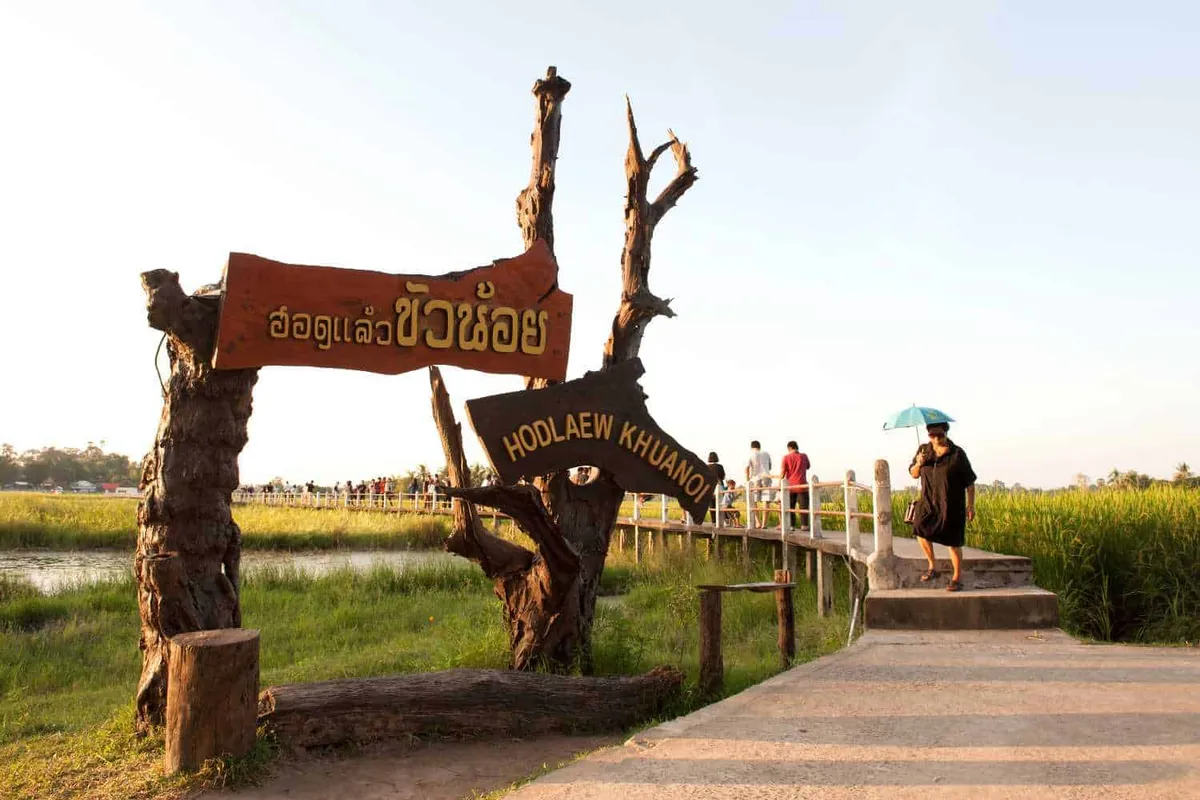
Ban Chi Thuan Rice Fields Walking Bridge (Khua Noi)
สะพานข้ามทุ่งบ้านชีทวน (ขัวน้อย)

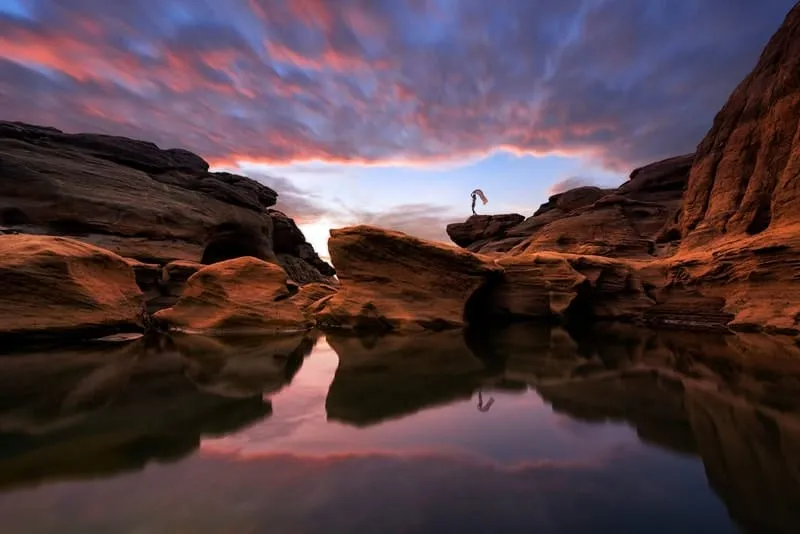
Ban Song Khon, Sam Phan Bok
แก่งสองคอน สามพันโบก

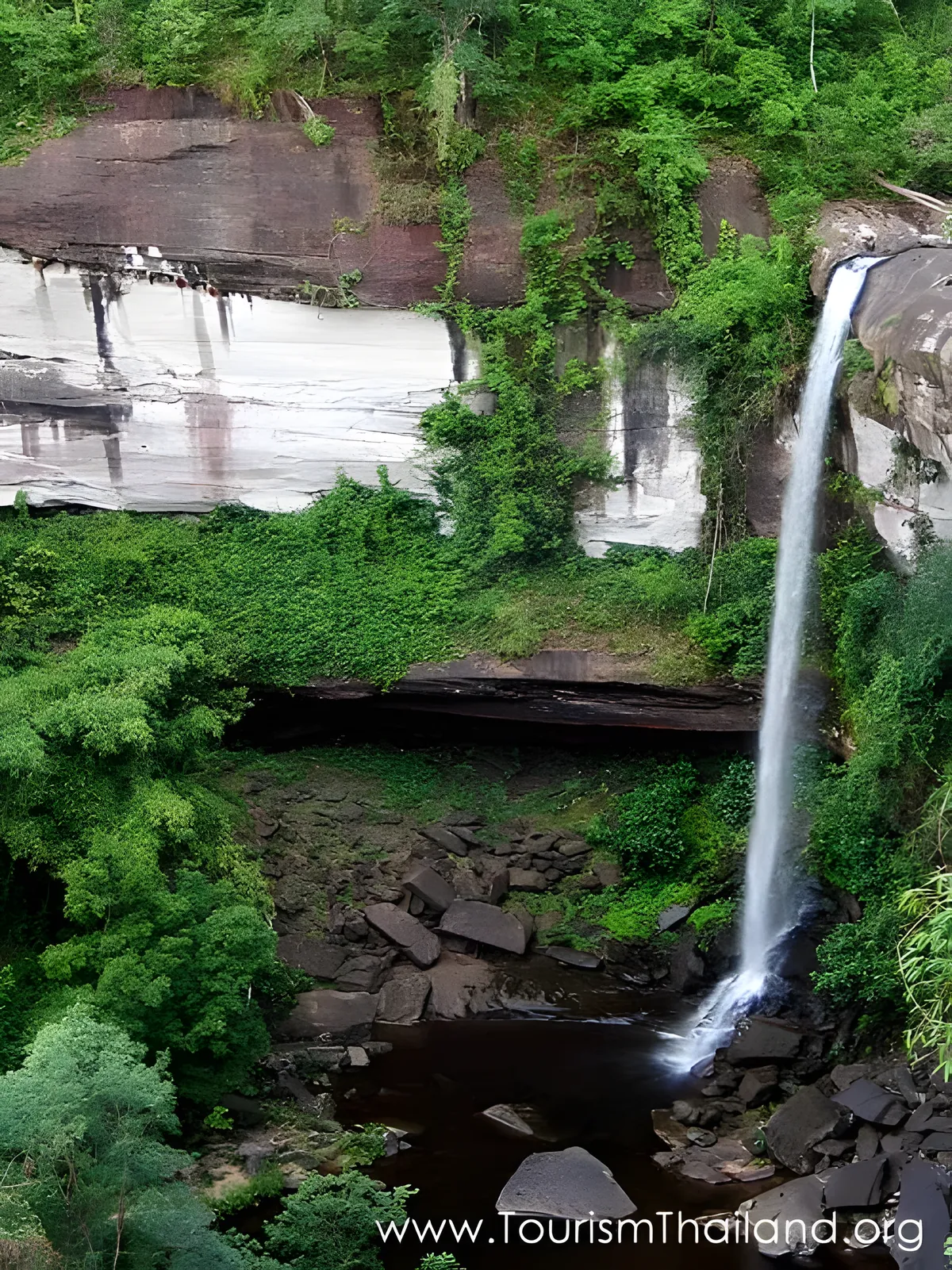
Kaeng Lamduan
แก่งลำดวน

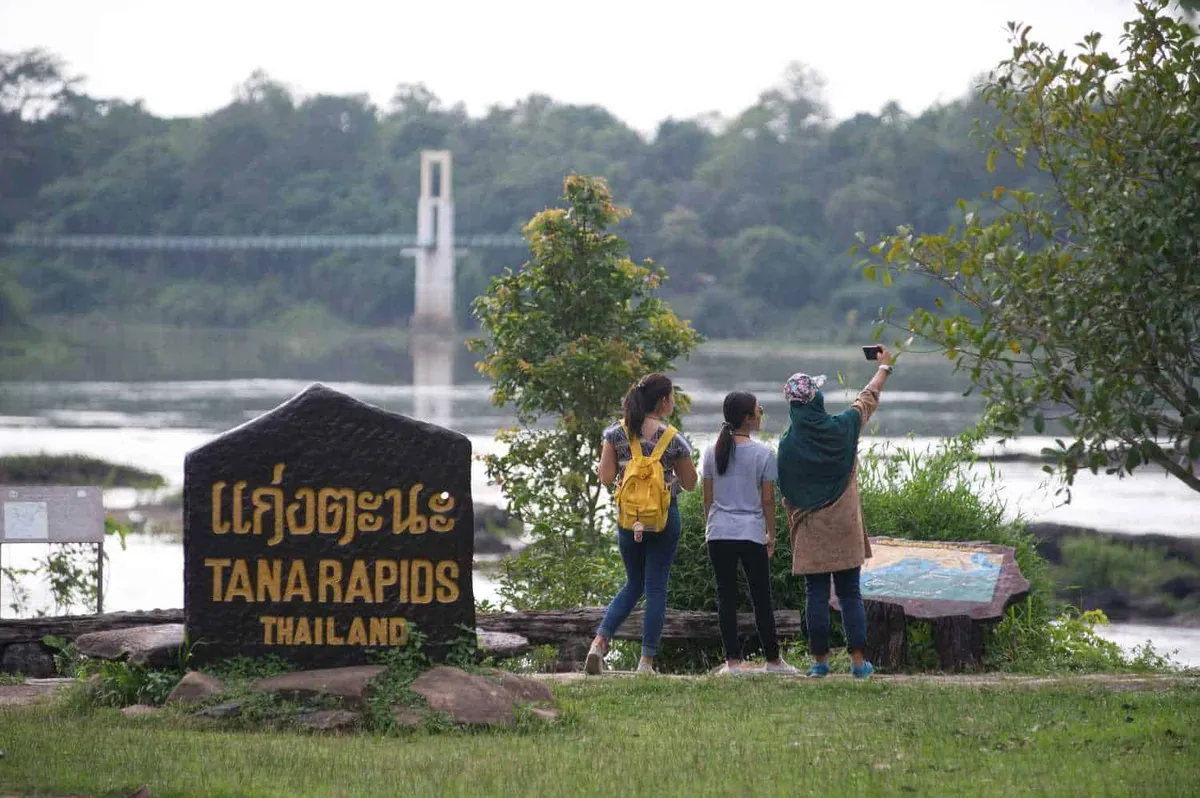
Kaeng Tana National Park
อุทยานแห่งชาติแก่งตะนะ

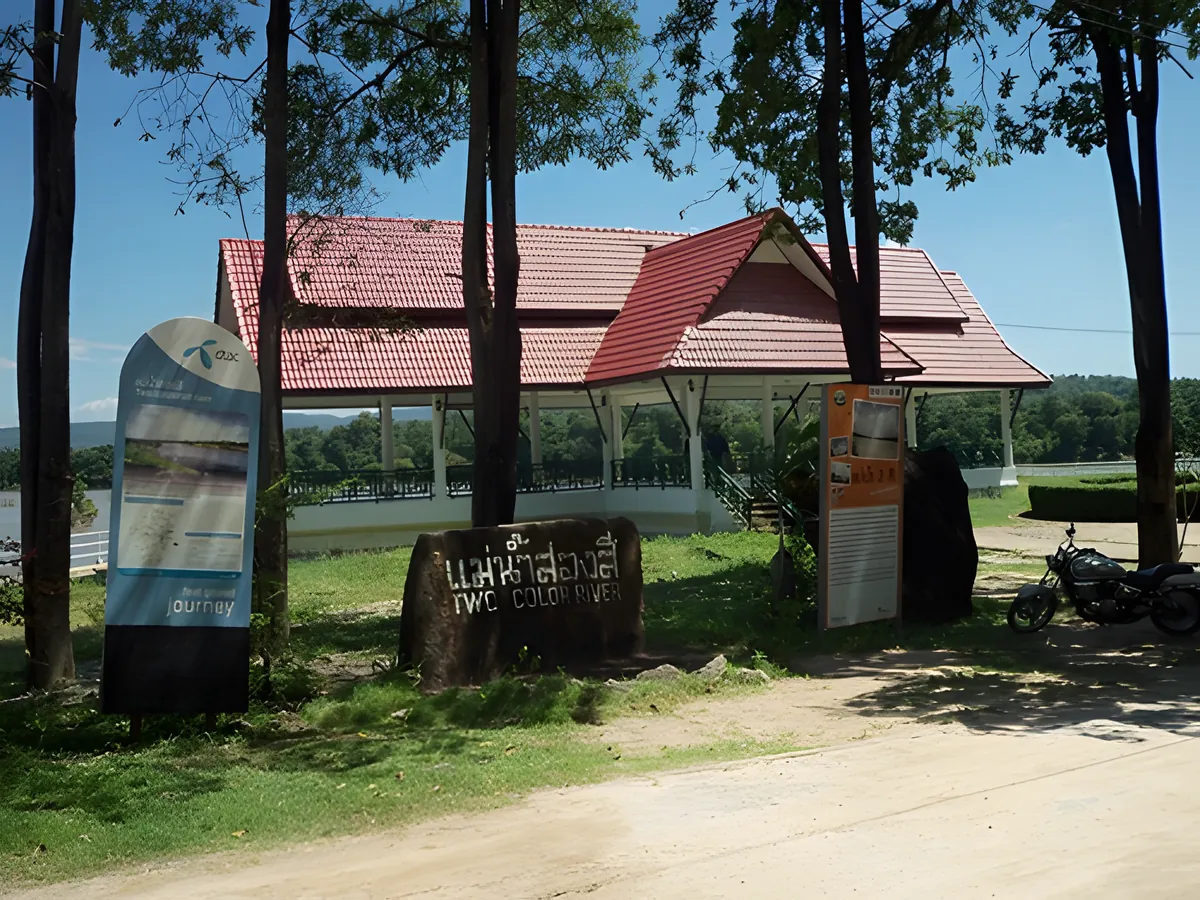
Maenam Song Si Viewpoint
จุดชมวิวแม่น้ำสองสี

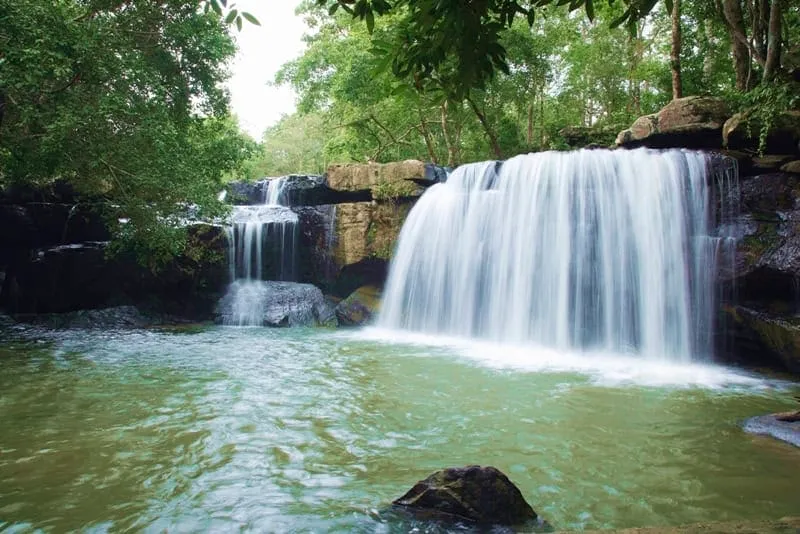
Namtok Huai Sai Yai
น้ำตกห้วยทรายใหญ่

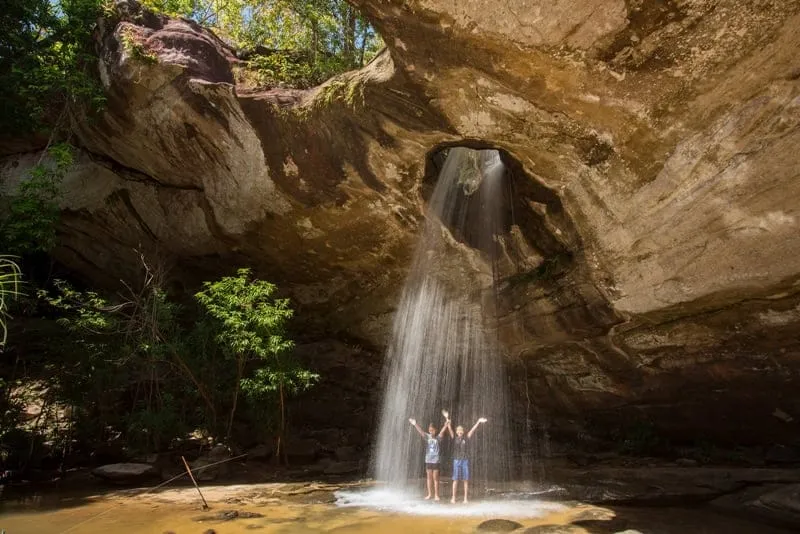
Namtok Saeng Chan (Long Ru)
น้ำตกแสงจันทร์ (น้ำตกลงรู)

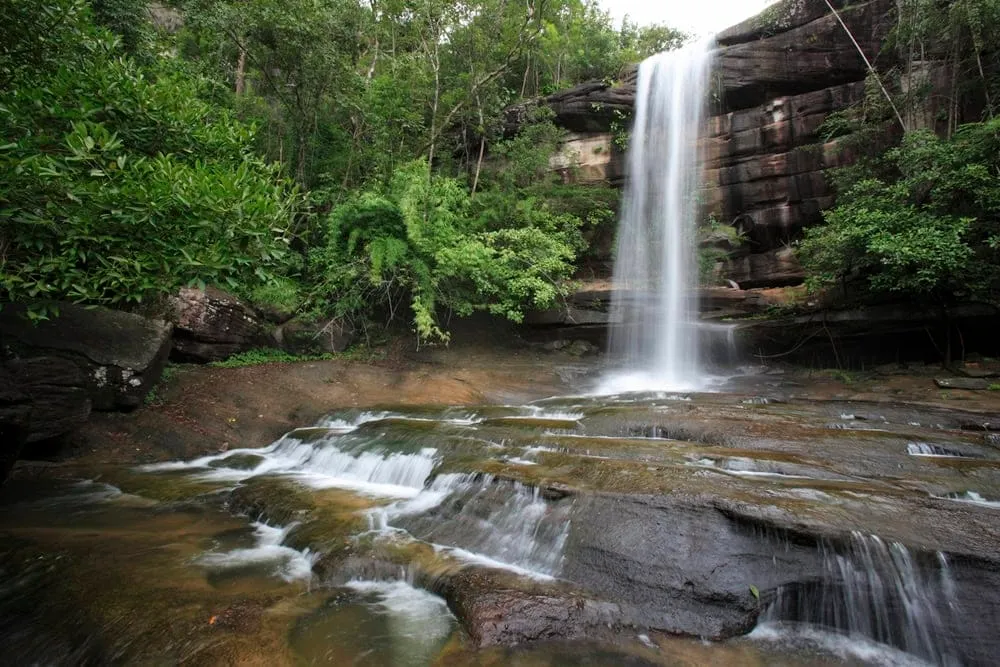
Namtok Soi Sawan
น้ำตกสร้อยสวรรค์

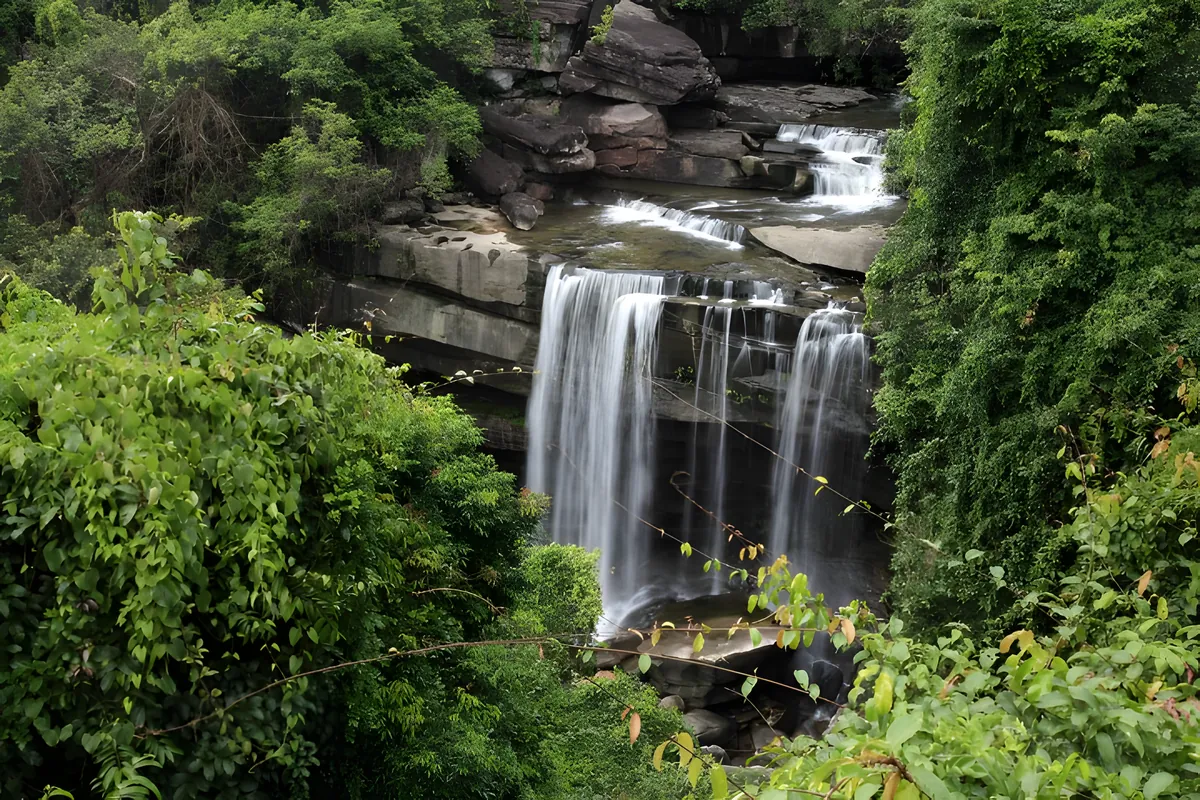
Namtok Thung Na Mueang
น้ำตกทุ่งนาเมือง

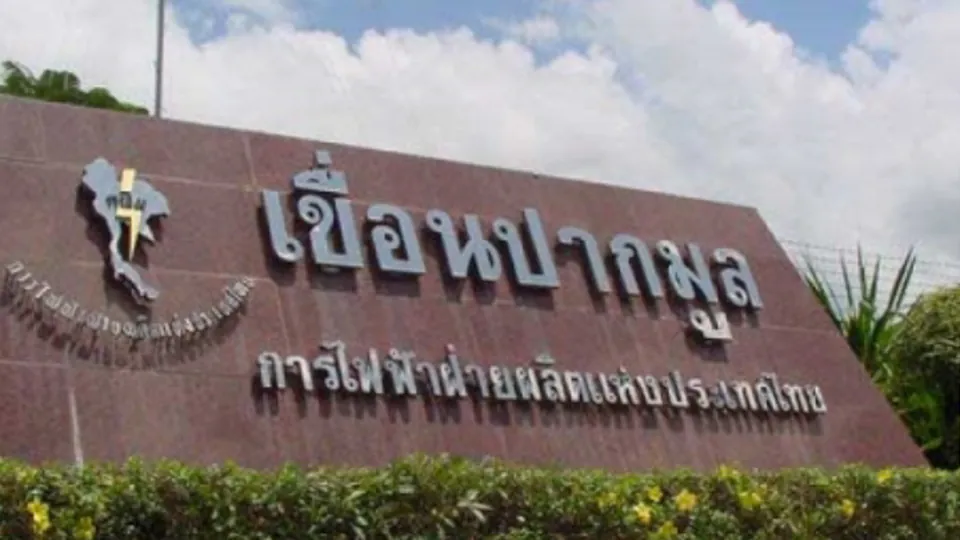
Pakmun Dam
เขื่อนปากมูล

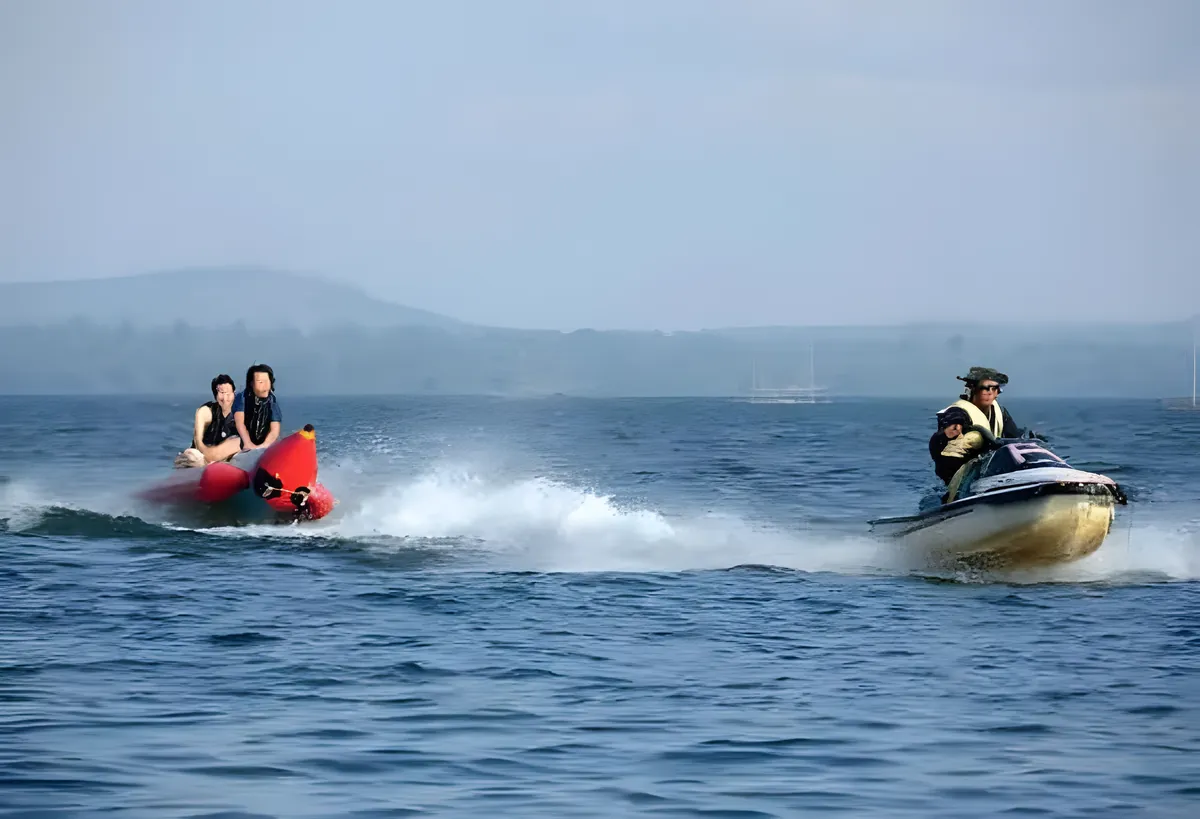
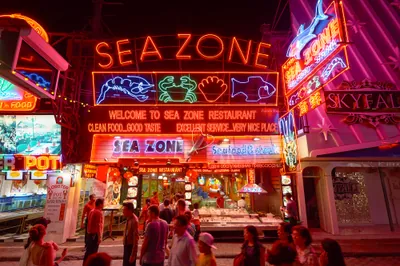
Pattaya Noi at Ubon Ratchathani
พัทยาน้อย

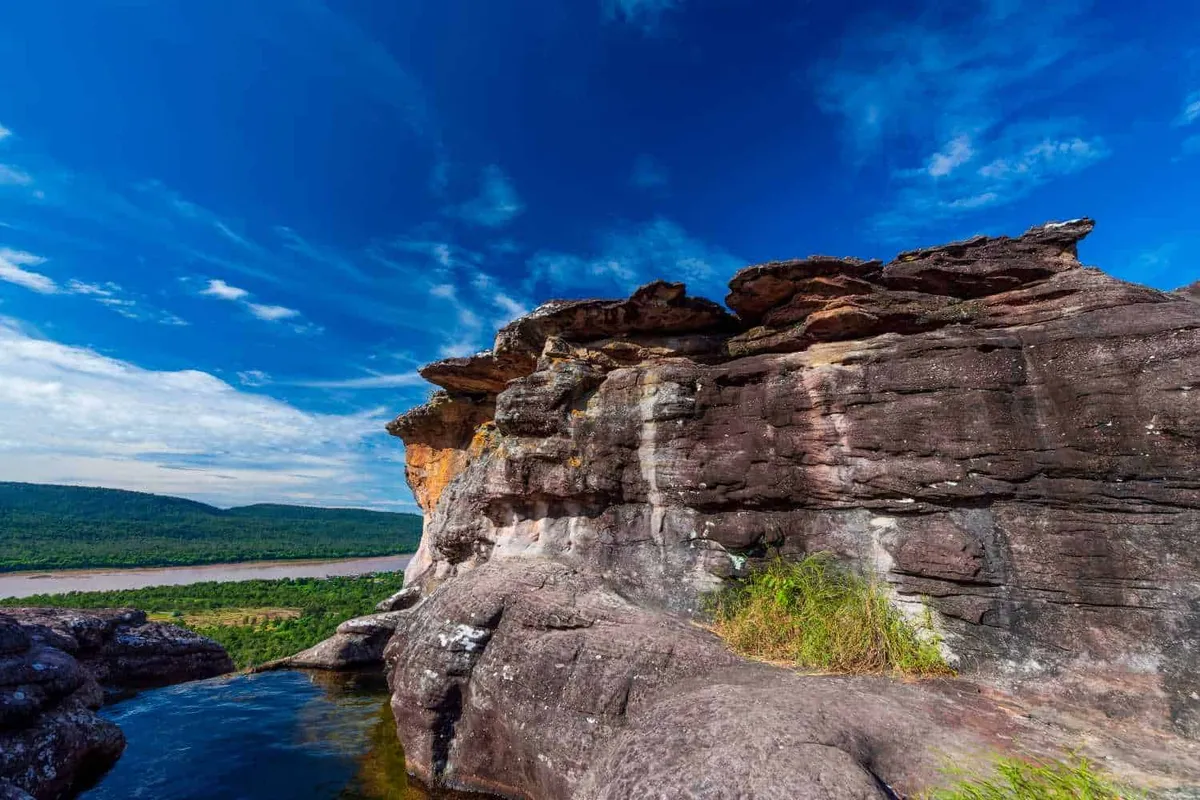
Pha Sok
ผาโสก
Things to do on the map
Where to stay in Ubon Ratchathani

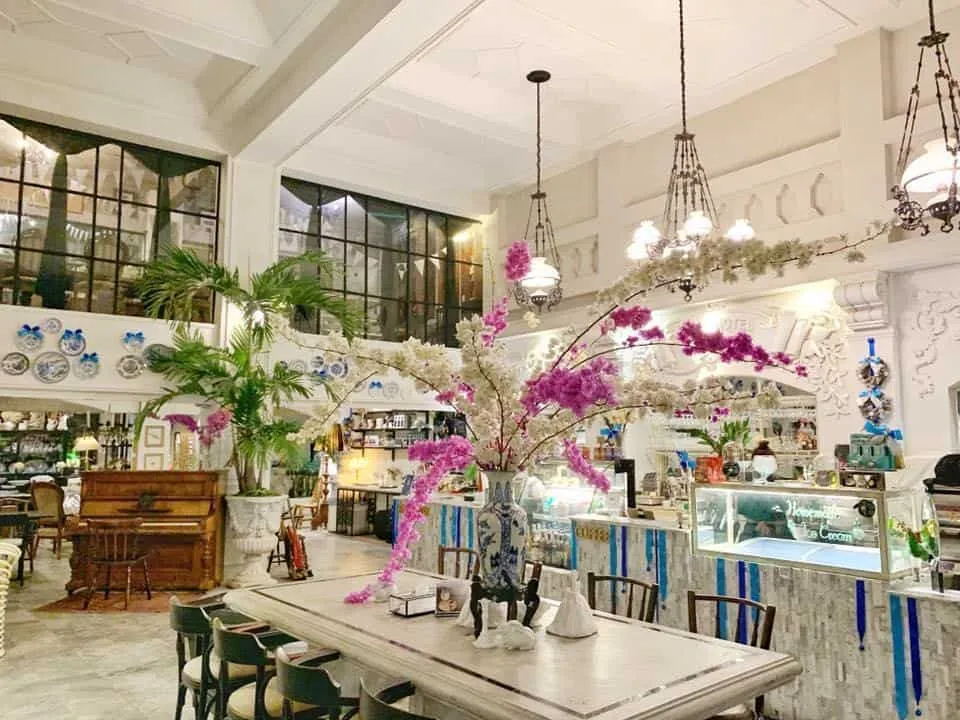
Yuu Hotel Ubonratchatani
- Sleeps 1–7

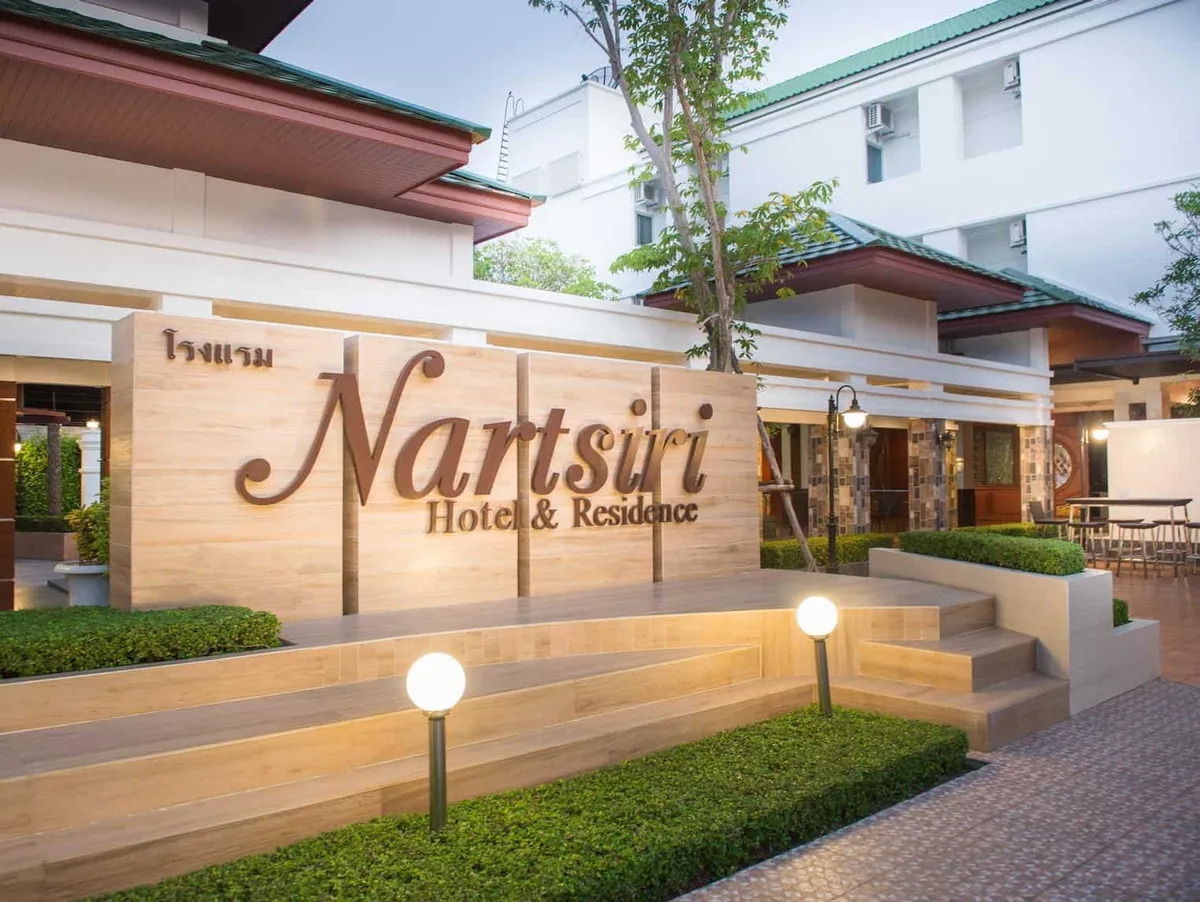
Nartsiri Hotel
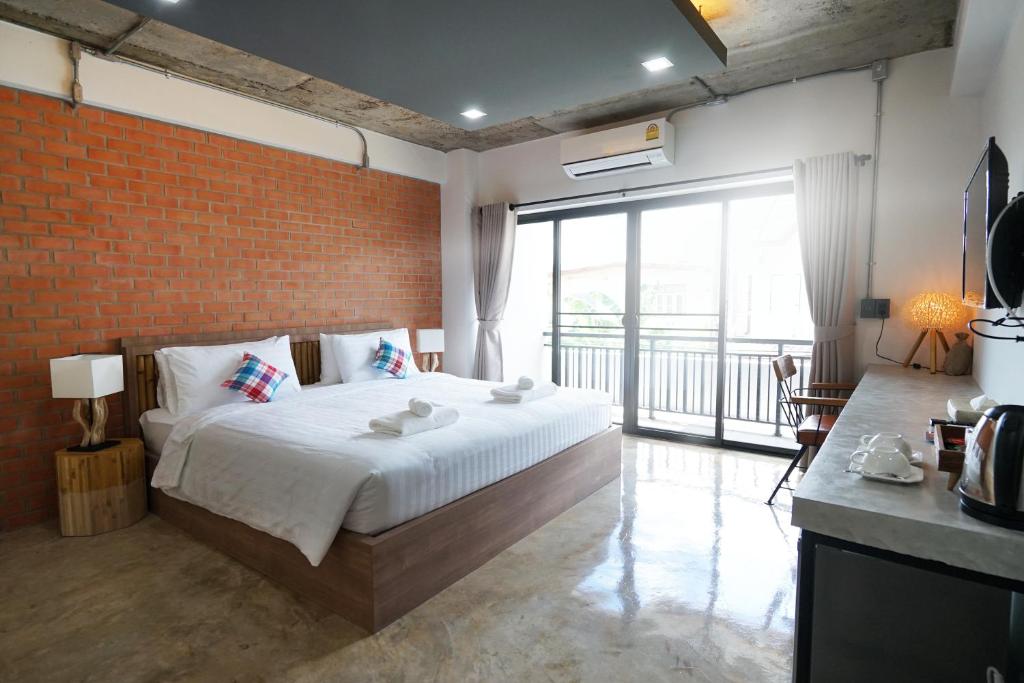
Luck Esan Loft
- Sleeps 1–4

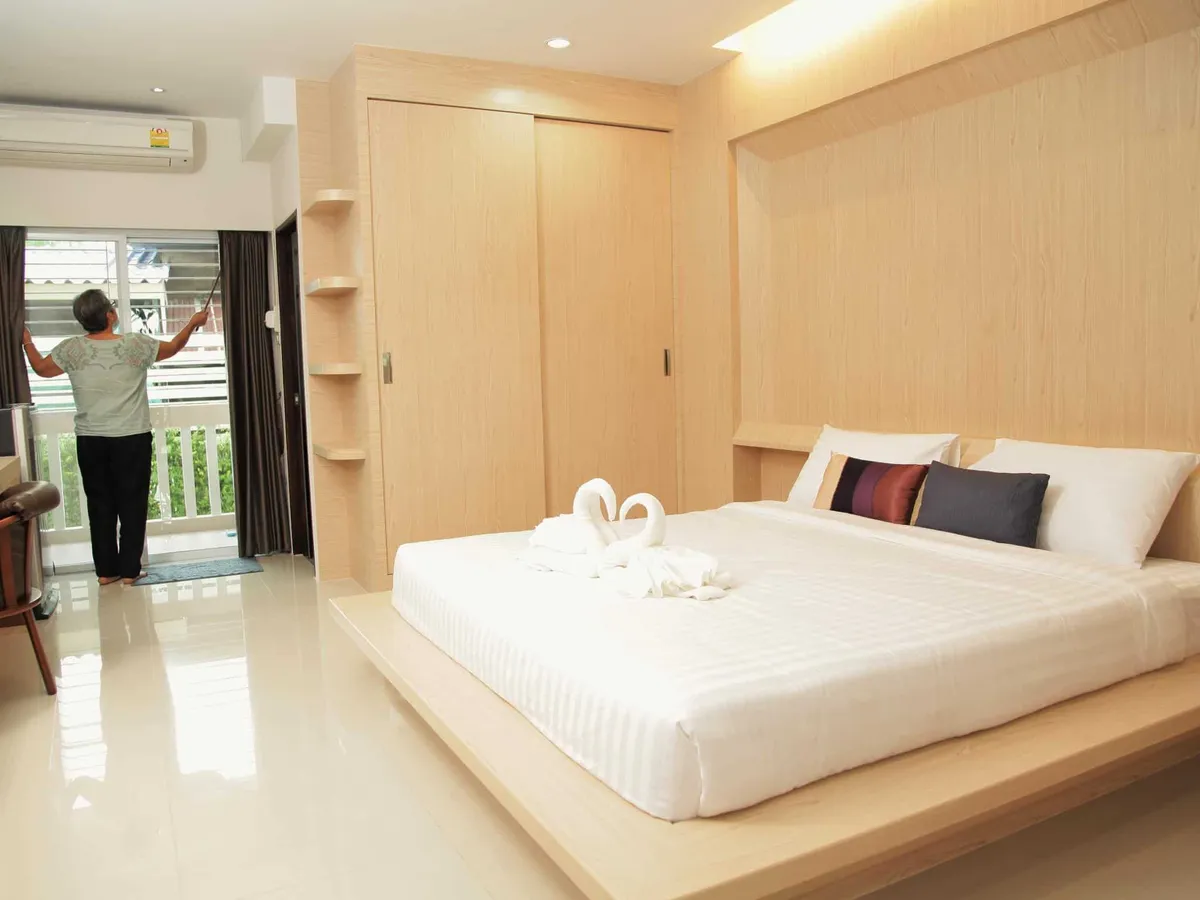
U Duay Gan Garden Home
- Sleeps 2

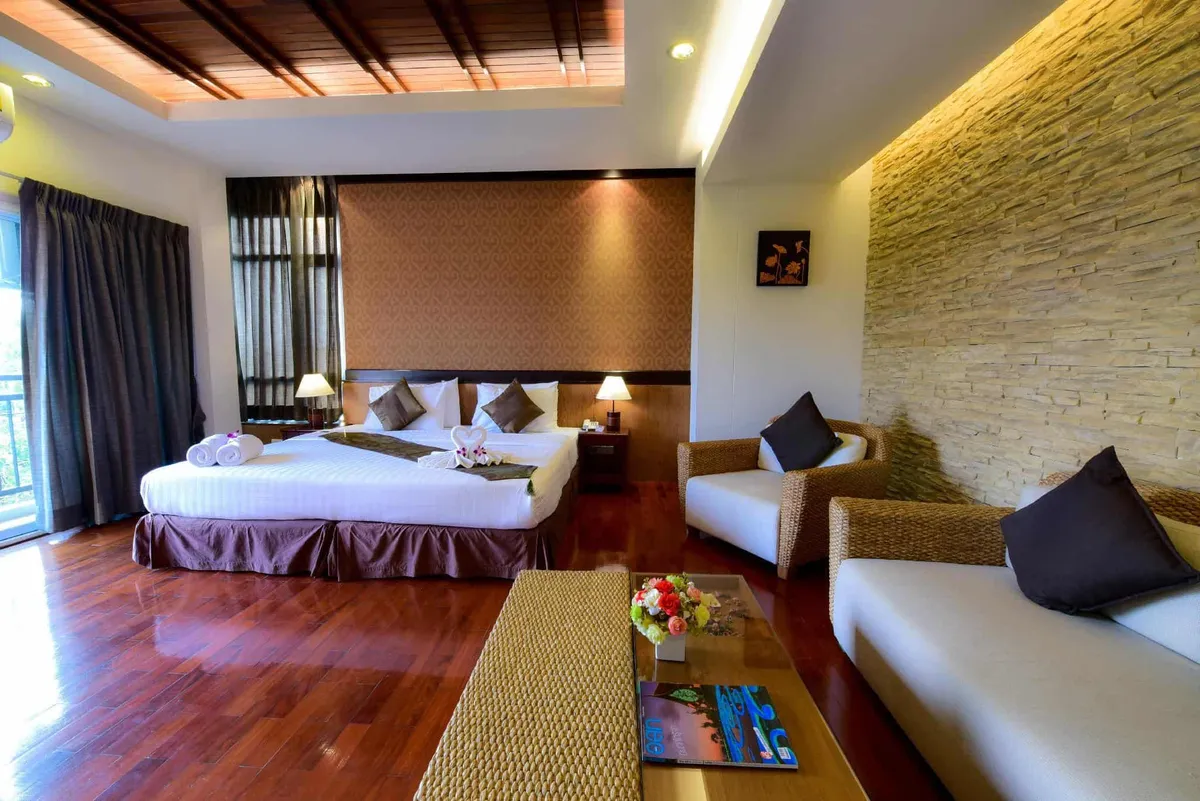
Rapeepan Ville Hotel
- Sleeps 2

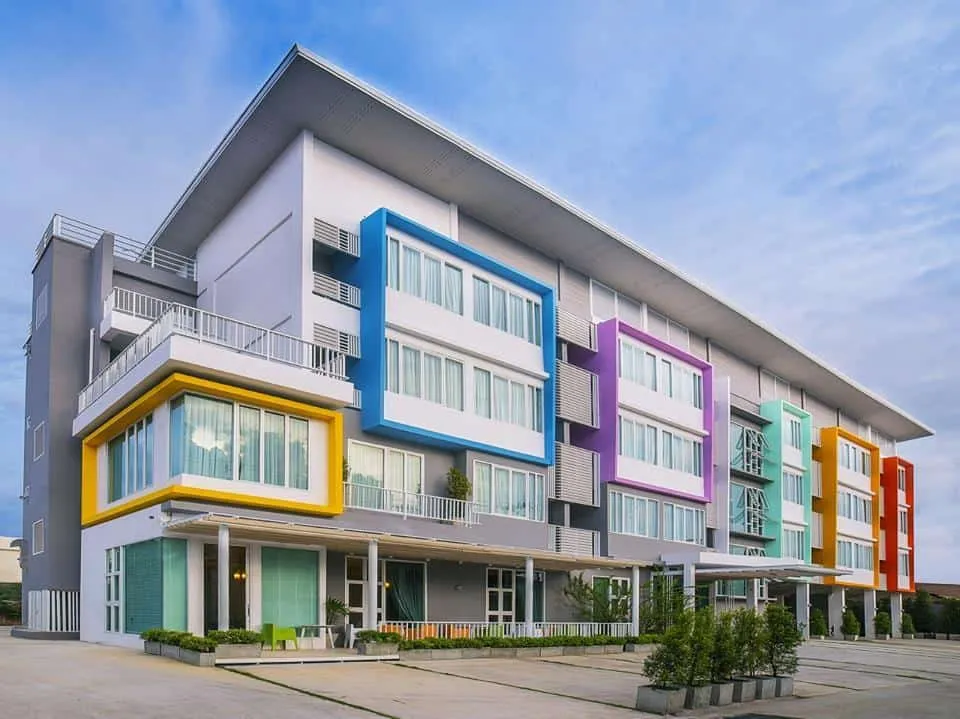
The Bliss Ubon
- Sleeps 2

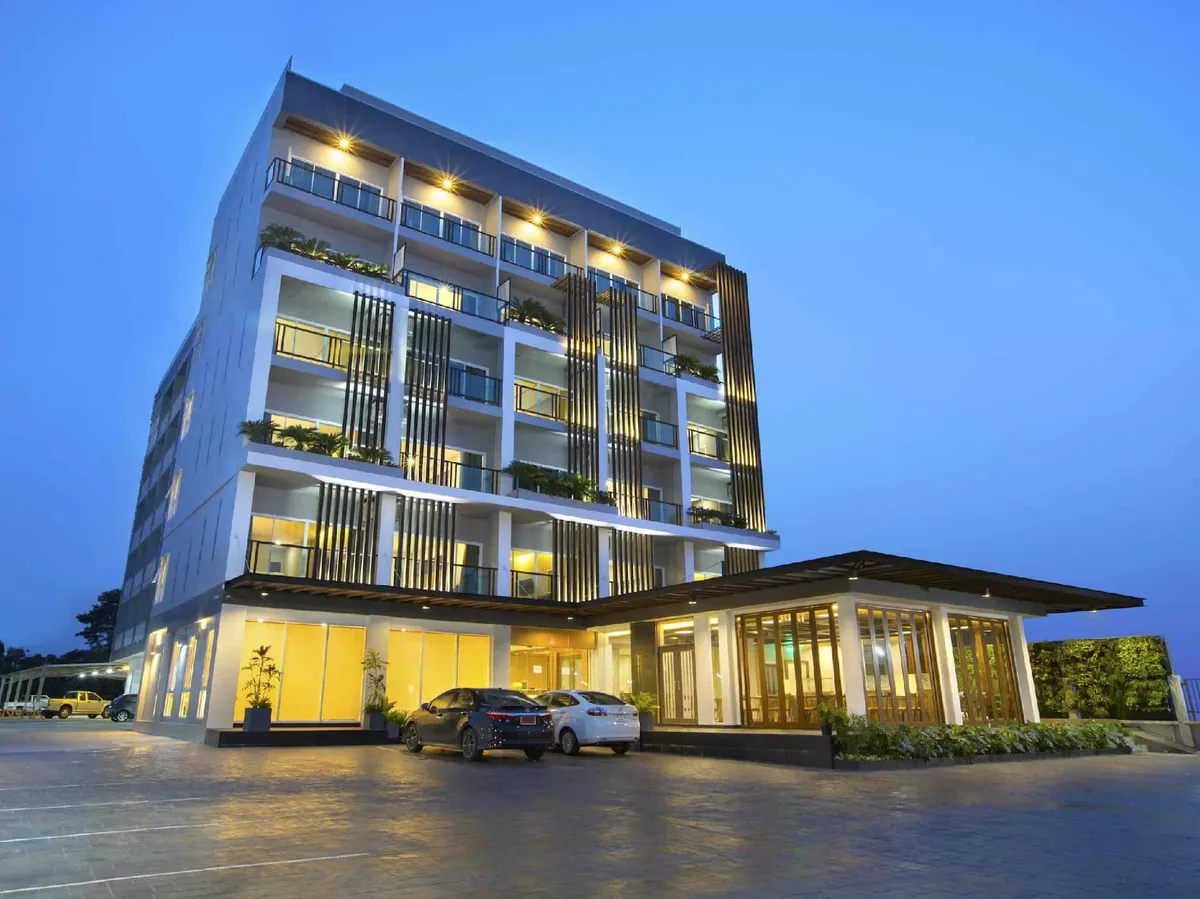
V Hotel Ubon Ratchathani
- Sleeps 2–3

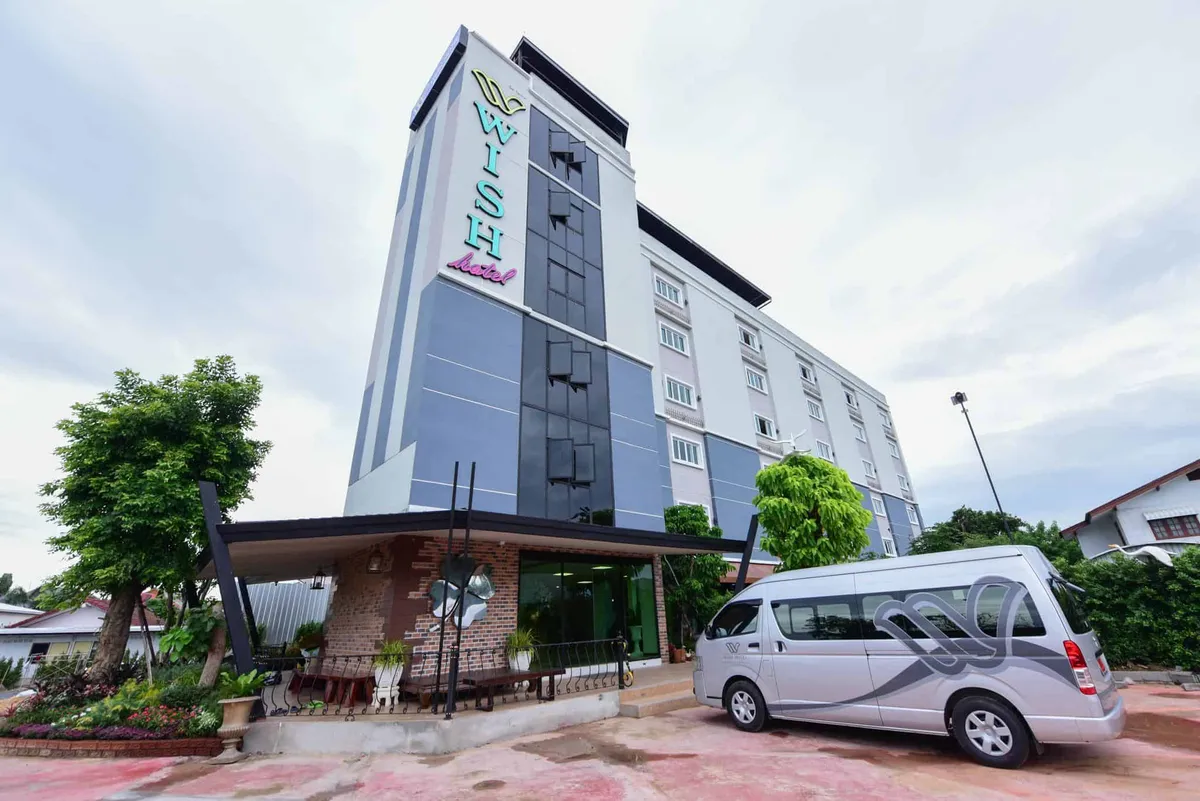
Wish Hotel Ubon

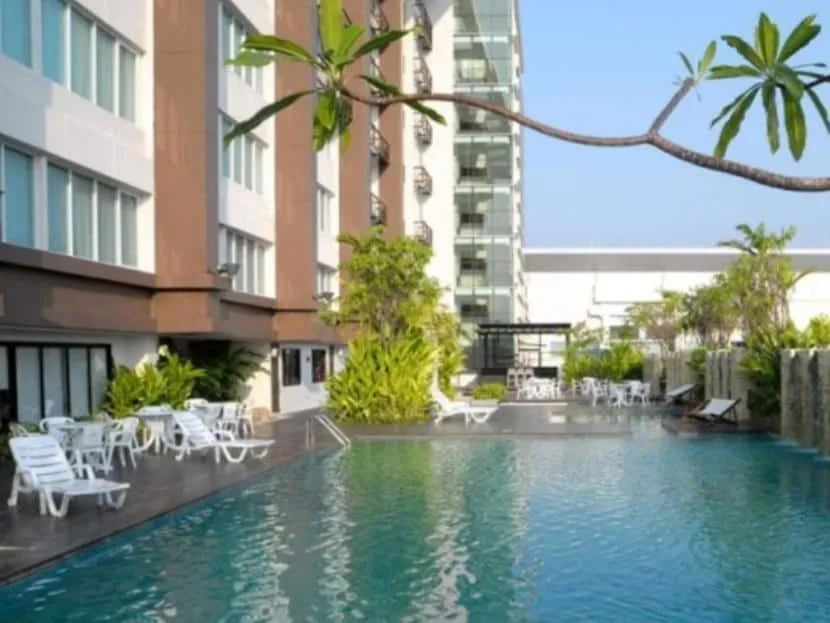
Sunee Grand Hotel&Convention Center

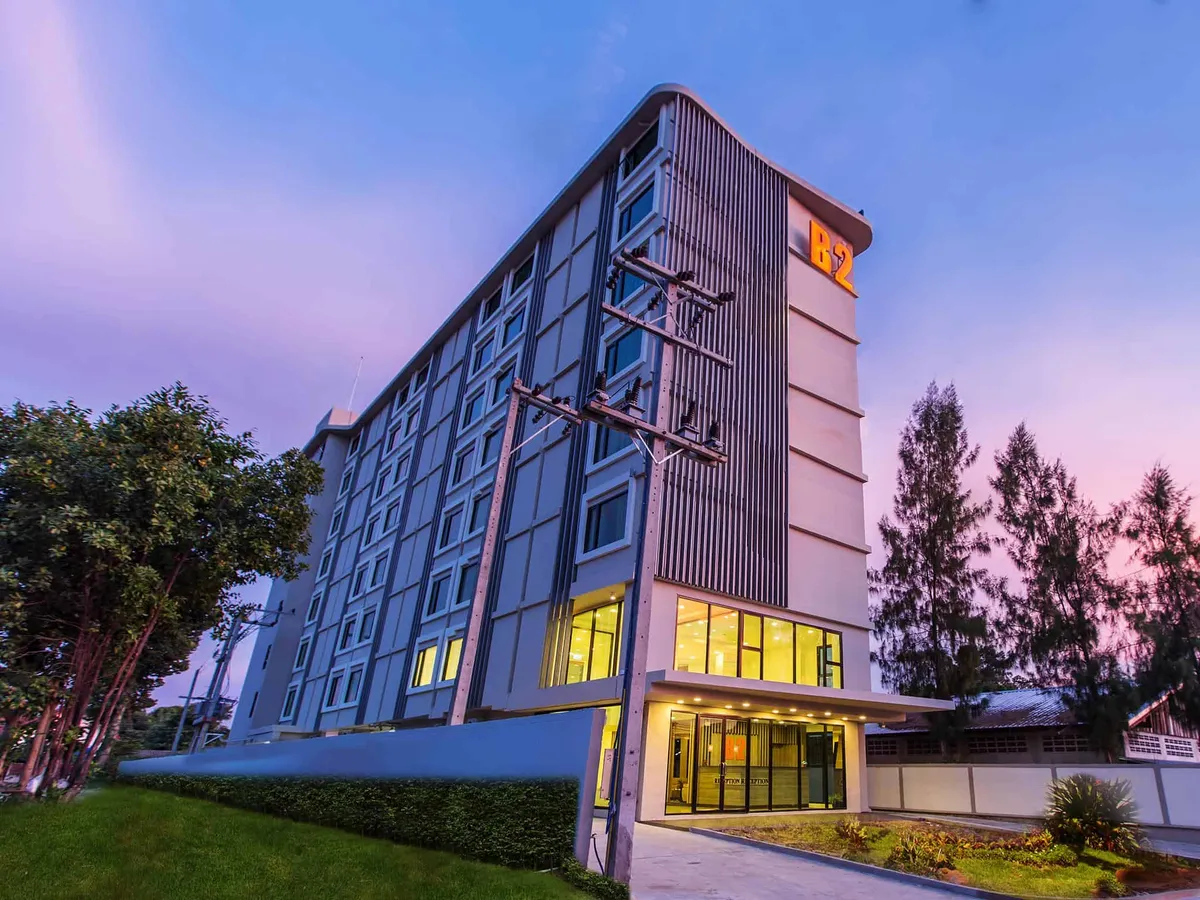
B2 Ubon Premier Hotel
- Sleeps 2

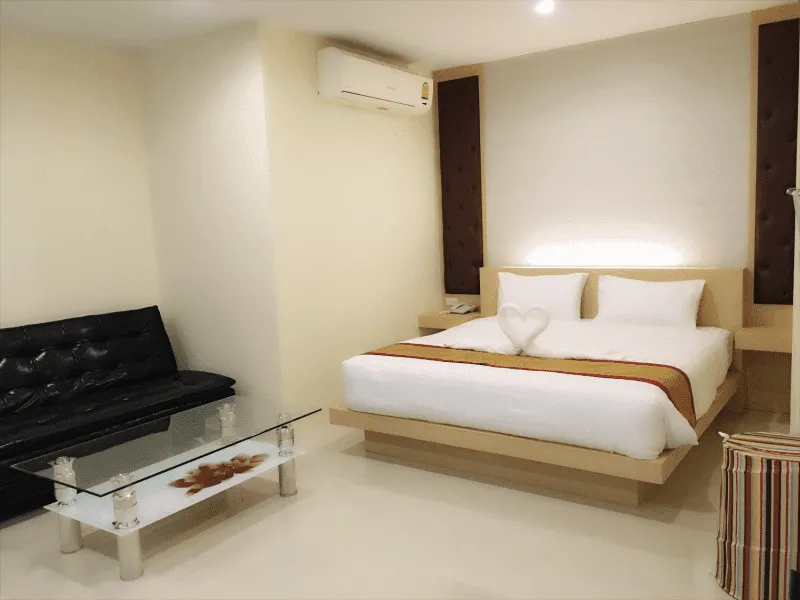
Chansuda Lake View Hotel

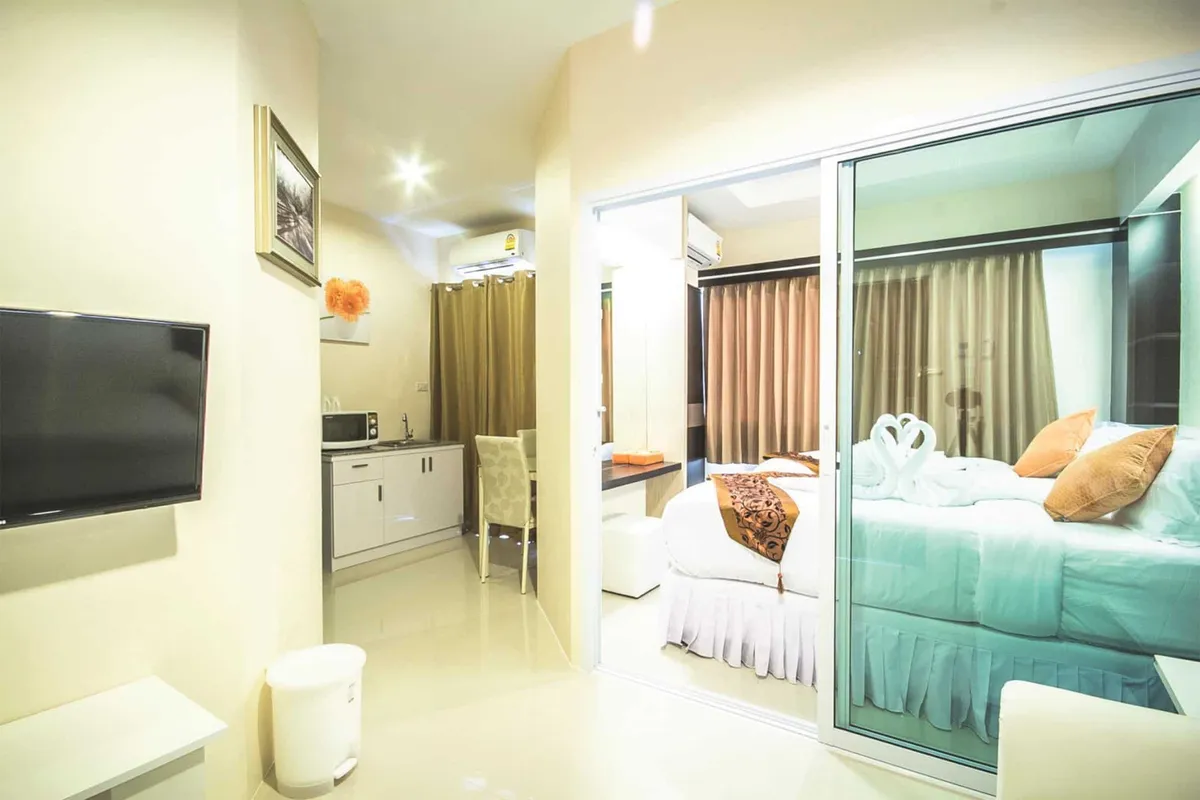
Excella Hotel
When to go
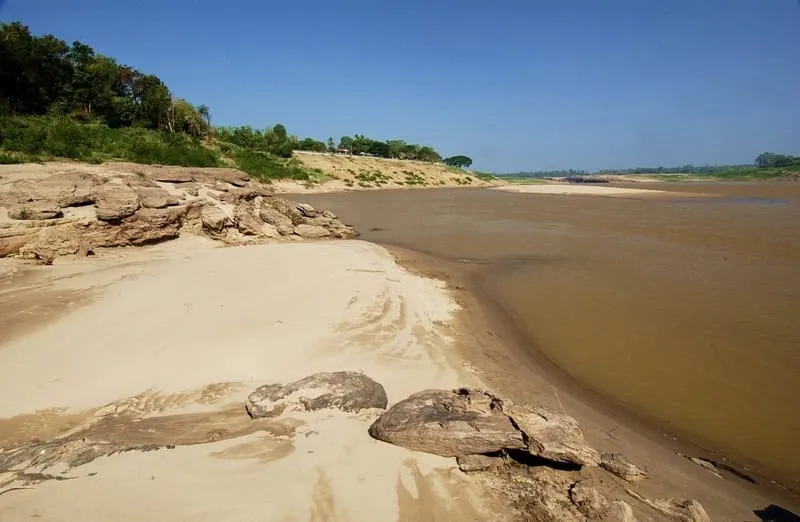
Nov–Feb Cool, dry, and clear, the best months for national parks and river scenery. Sam Phan Bok's sandstone potholes are exposed from January to May when the Mekong drops.
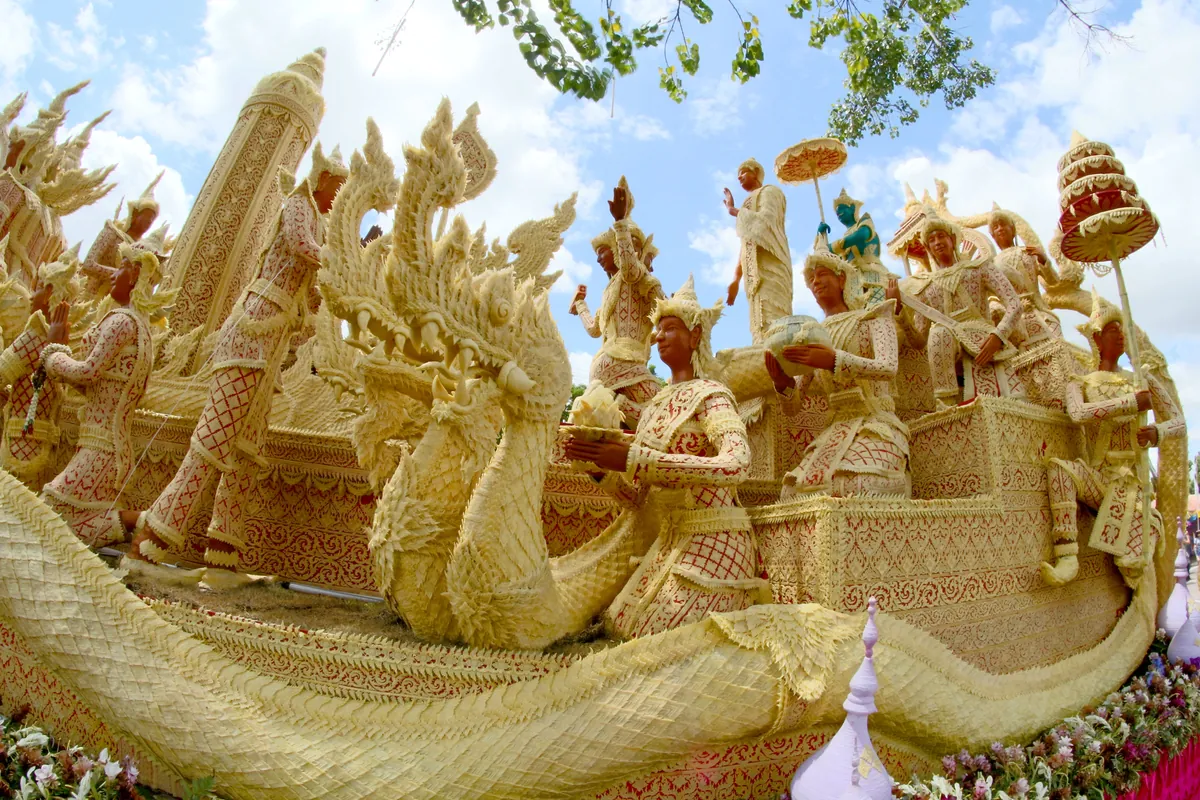
Jul The Candle Festival (Khao Phansa) brings enormous wax-sculpture floats through the city, Ubon's biggest annual event and worth planning around despite the rain.
Sep–Oct Heaviest rains. Some roads to Pha Taem and river access points flood; check conditions before heading east.
Events & Festivals
All events →
About Ubon Ratchathani
Last updated June 2026
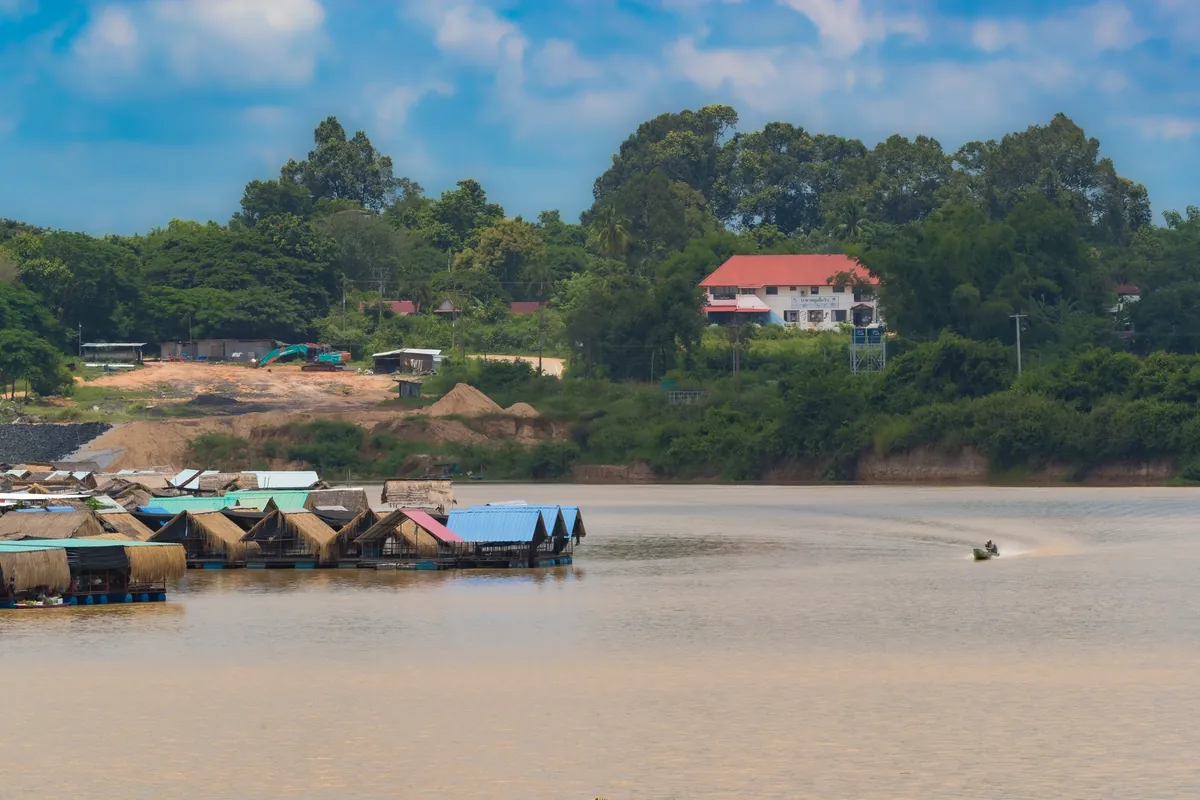
Ubon Ratchathani is Isan’s easternmost major province, tucked into the corner where the Mekong meets Laos and Cambodia. It’s one of the least-touristed areas in Thailand despite its many temples, several national parks and some of the most dramatic river scenery in the northeast. If you want to see Thailand without the tourist infrastructure, this is it.
What to See & Do
Pha Taem National Park is the province’s flagship: cliff-edge trails above the Mekong with 3,000-year-old rock paintings and views into Laos. Come at sunrise for the first light in Thailand (Ubon claims the earliest sunrise in the country). Downstream, Kaeng Sam Phan Bok earns its “Grand Canyon of Thailand” nickname: thousands of water-carved potholes in exposed sandstone, best seen between January and May when river levels drop.
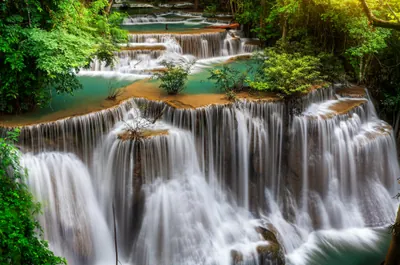
Phu Chong Na Yoi National Park is wilder and less visited, with waterfalls deep in the forest. Closer to town, Namtok Huai Sai Yai is one of the most scenic waterfalls in northeastern Thailand, a wide cascade over tiered sandstone.
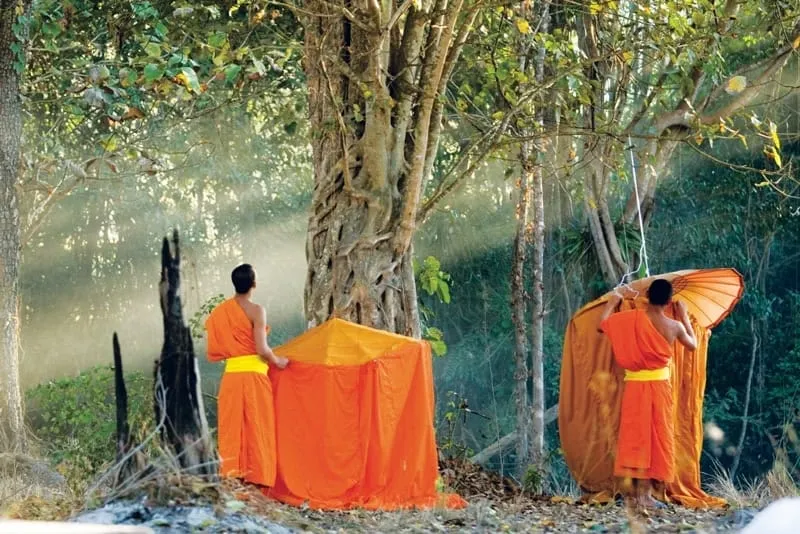
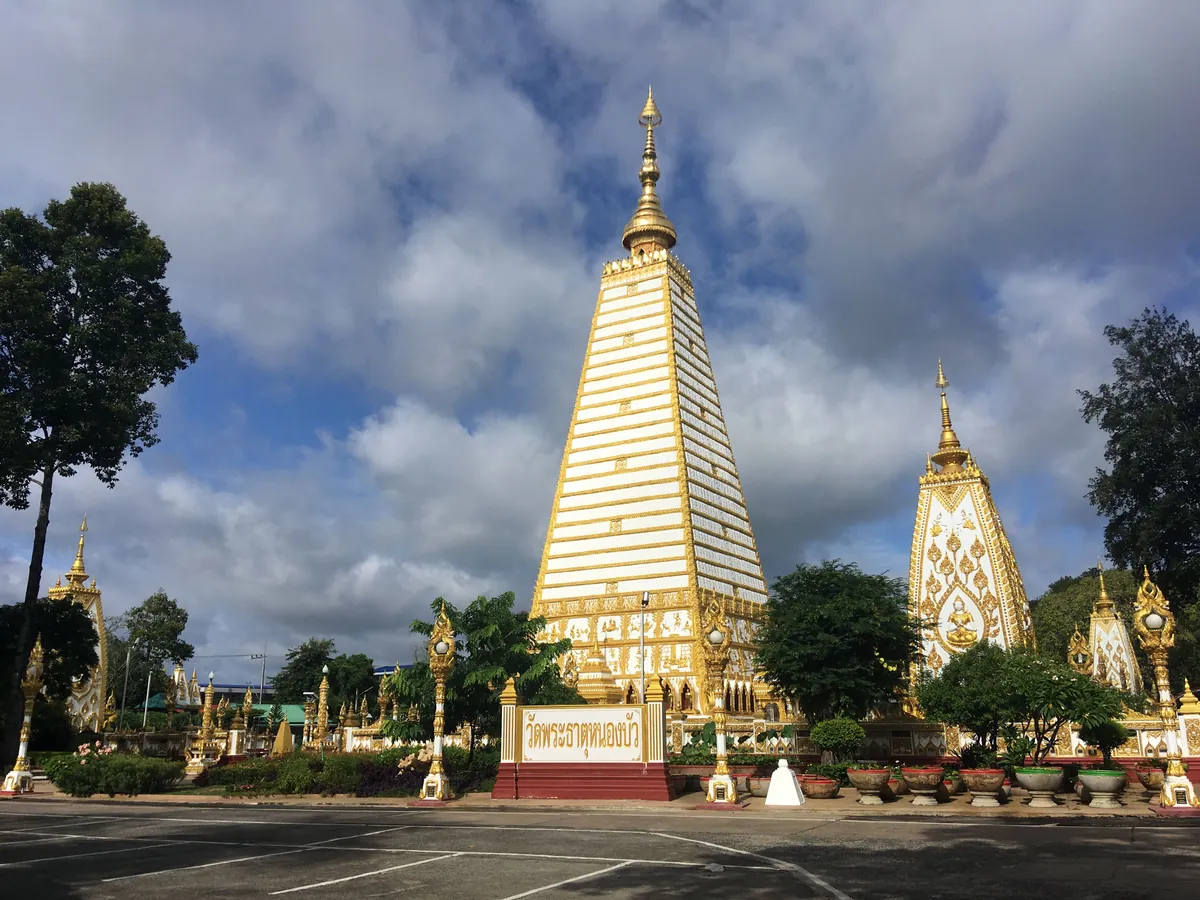
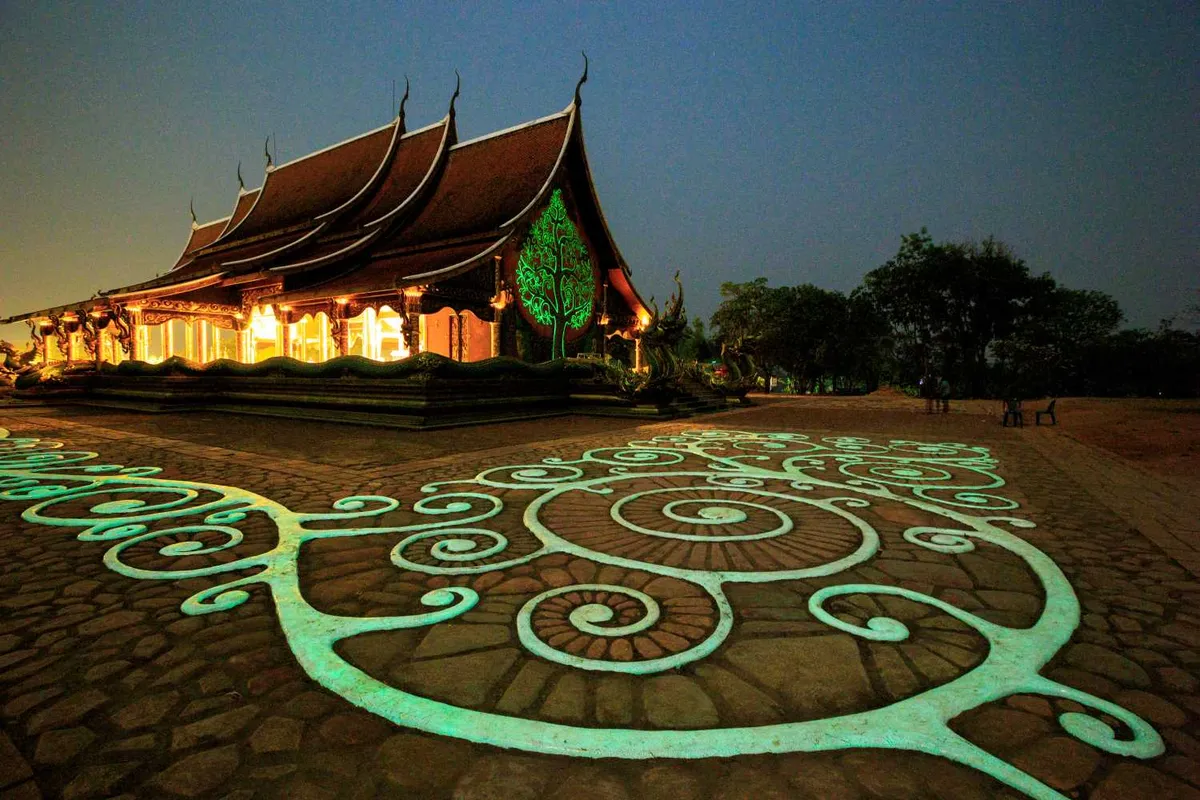
Temple-wise, Wat Sirindhorn Wararam Phu Phrao glows green in the dark: its walls are painted with phosphorescent murals that light up after sunset, making it one of the most photographed temples in Isan. Wat Tham Khuha Sawan occupies a cave above the Mekong, and Wat Phra That Nong Bua is modelled after India’s Mahabodhi Temple. For meditation, Wat Nong Pah Pong is the forest monastery founded by Ajahn Chah. It still accepts visiting practitioners.
The province’s biggest event is the Candle Festival during Khao Phansa (Buddhist Lent, typically July). Enormous wax sculptures are paraded through the city on floats. It’s Ubon’s equivalent of Chiang Mai’s Yi Peng but with carved candles instead of lanterns.
Where to Stay
Options include YUU Hotel and Nartsiri Hotel. Compare room types, locations and current rates for your dates.
Getting There
Ubon Ratchathani Airport receives multiple daily flights from Bangkok (1h 10m). Overnight trains from Krung Thep Aphiwat serve Ubon Ratchathani station in Warin Chamrap, across the river from the city centre. Check the current timetable before booking. Buses run from Bangkok’s Mo Chit terminal (8-10 hours). Ubon’s airport is also a common fly-in point for Mukdahan, the Mekong border town further north, with the last leg by bus.
Best Time to Visit
November to February is cool and dry, perfect for national parks and river scenery. Sam Phan Bok’s rock formations are only visible January to May when the Mekong is low. The Candle Festival falls in July. Avoid September-October when heavy rains flood some roads and river access points.
Insider Tip: Rent a motorbike from the city (200-300 baht/day) to reach Pha Taem and Sam Phan Bok. These sites are 80-100km out and public transport is unreliable. The roads are good and traffic is minimal.