

Wat Si Ubon Rattanaram (Wat Si Thong)
วัดศรีอุบลรัตนาราม (วัดศรีทอง)
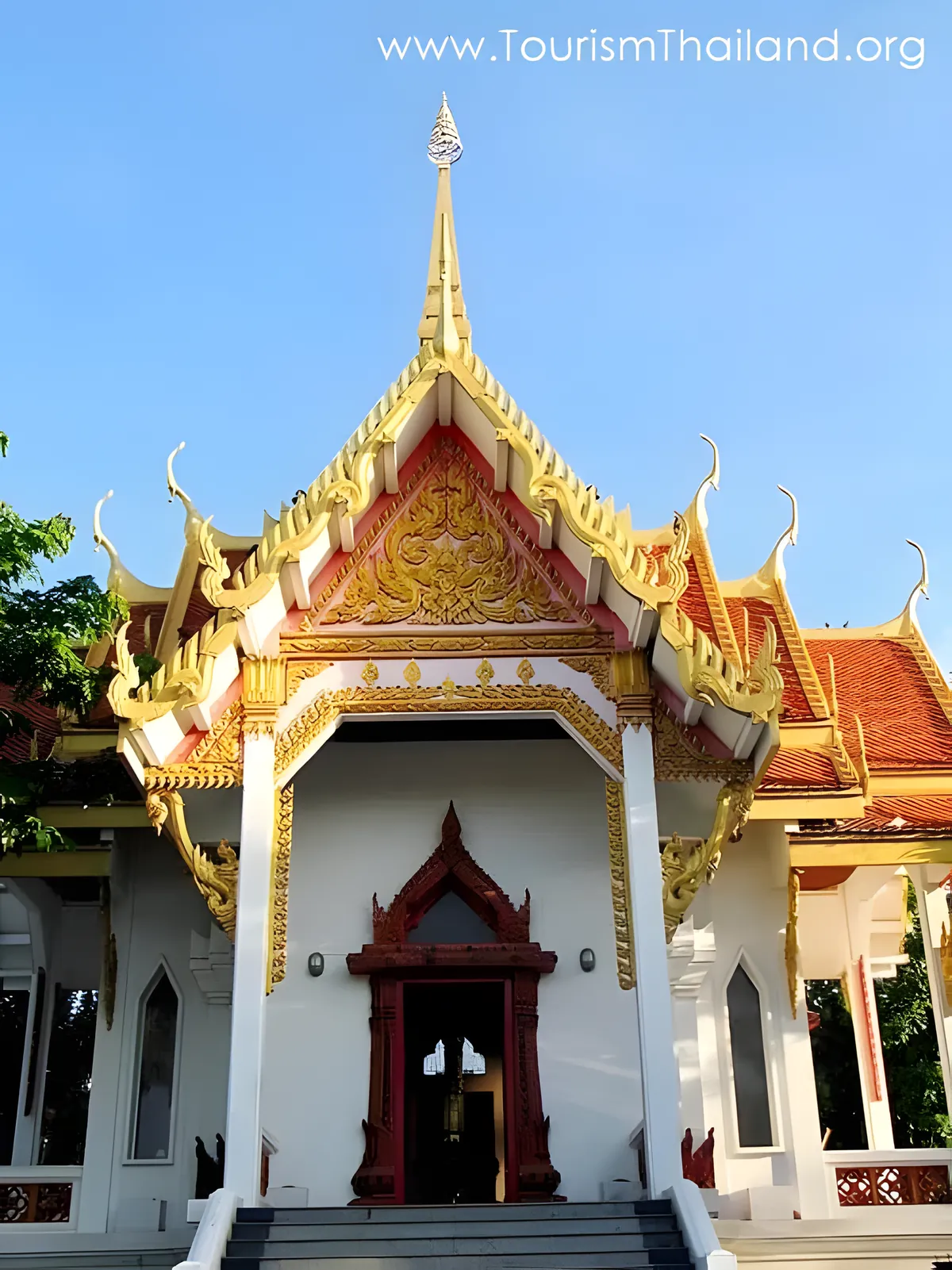
Wat Si Ubon Rattanaram, still commonly called by its older name Wat Si Thong, is a royal temple on Uparat Road in Ubon Ratchathani, just south of the provincial hall. It’s free to enter, and its main draw is Phra Kaeo Butsarakham, a Buddha image carved from a topaz-coloured gemstone, kept inside a glass cabinet in the ordination hall and regarded as one of the province’s most sacred Buddhist objects.
The temple was founded in 1855 under King Mongkut (Rama IV), and its ordination hall was built to echo the design of Wat Benchamabophit in Bangkok (the “Marble Temple”), giving it a more formal, royal-capital look than most temples in this part of Isan. Belonging to the Thammayut order (the stricter of Thailand’s two main monastic lineages), it carries the classification of a third-class royal temple, a status the monarchy grants for sites of particular historical or religious weight. Morning and evening chanting still happens daily, and the grounds carry the quiet, unhurried pace of a temple that functions primarily for the local community rather than for tour groups.
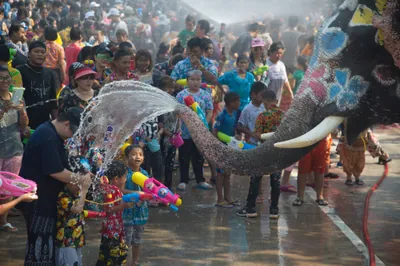
Insider Tip: If your trip lines up with Songkran (13-15 April), come specifically for the Phra Kaeo Butsarakham water-pouring ceremony: the temple brings the image out of its cabinet for the public to bathe it, which doesn’t happen the rest of the year.
- Entry: Free, daily
- Known for: Phra Kaeo Butsarakham, a topaz-coloured Buddha image
- Founded: 1855, under King Mongkut (Rama IV)
- Status: Third-class royal temple, Thammayut order
- Location: Uparat Road, south of Ubon Ratchathani’s provincial hall
Dress modestly (shoulders and knees covered) and remove your shoes before entering the ordination hall. The temple sits within easy walking or tuk-tuk distance of central Ubon Ratchathani, so it pairs well with a stop at the Ubon Ratchathani National Museum a short ride away. Outside of Songkran, plan on 20-30 minutes here; most of the interest is concentrated in the ordination hall itself rather than sprawling grounds.
Location & Directions
Mueang Ubon Ratchathani, Ubon Ratchathani
Ubon Ratchathani, Thailand
Show your taxi or Grab driver
วัดศรีอุบลรัตนาราม (วัดศรีทอง)
Frequently Asked Questions
Is Wat Si Ubon Rattanaram free to visit?
What is the temple famous for?
Can visitors see the Phra Kaeo Butsarakham image up close?
Why is it called both Wat Si Ubon Rattanaram and Wat Si Thong?
What does "royal temple" mean here?
Spotted something out of date or incorrect? Let us know
Stay Near Wat Si Ubon Rattanaram (Wat Si Thong)
Live prices for places closest to Wat Si Ubon Rattanaram (Wat Si Thong): tap a pin to compare.