

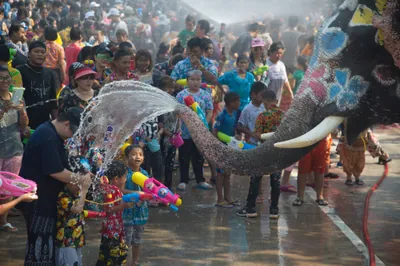







Kalasin
กาฬสินธุ์
Thailand's dinosaur heartland — a province of sauropod fossil beds, Dvaravati sema stones, Phu Thai silk, and the wooden xylophone music that defines Isan.
Recommended by us
Sirindhorn Museum
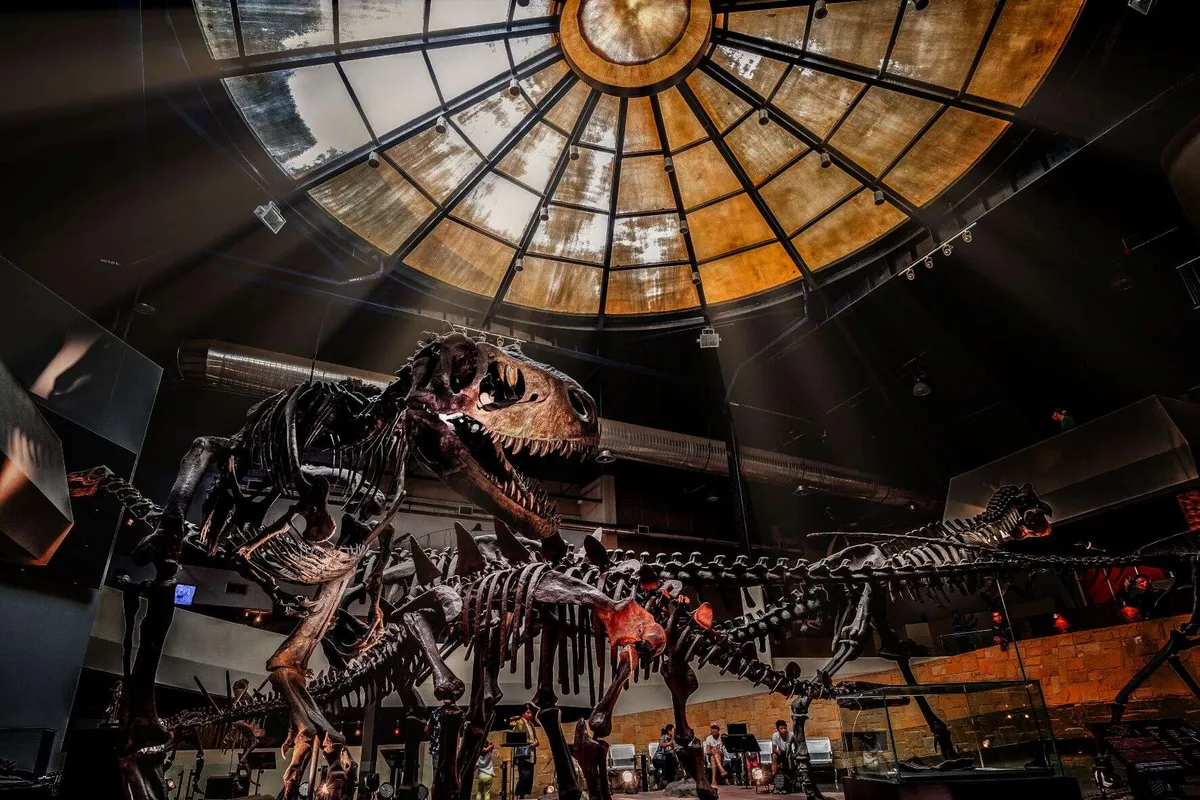
A purpose-built dinosaur museum over the actual excavation site — sauropod bones are visible in situ through a glass floor. The main reason most visitors come to Kalasin at all.

Mueang Fa Daet Song Yang
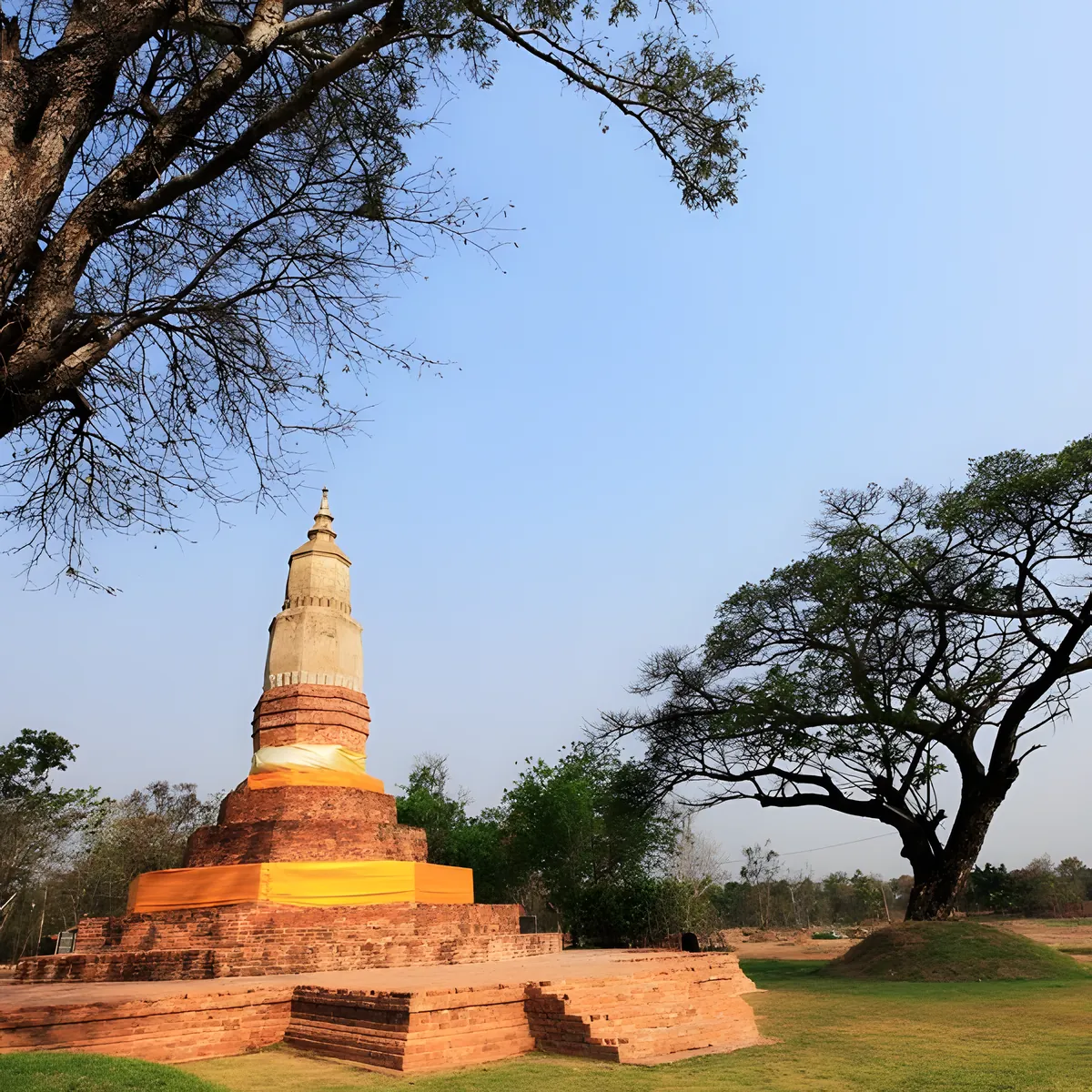
The ruins of a Dvaravati-era walled city with boundary sema stones that predate the Khmer period. Quiet on weekdays; most visitors have the site to themselves.

Phu Faek Dinosaur Footprints
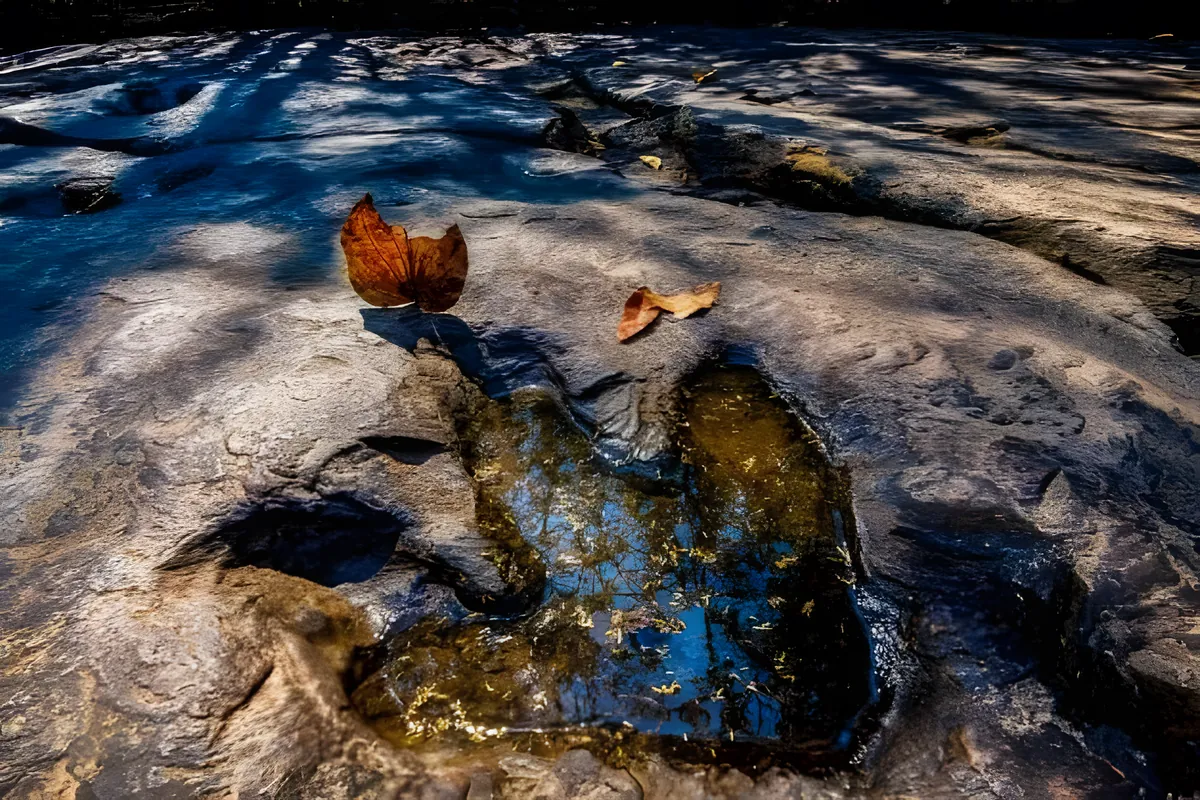
A forest park where actual Jurassic-era sauropod tracks are set in exposed sandstone. A short walk from the carpark — combine with the Sirindhorn Museum for a full dinosaur day.

Phu Phra Forest Park
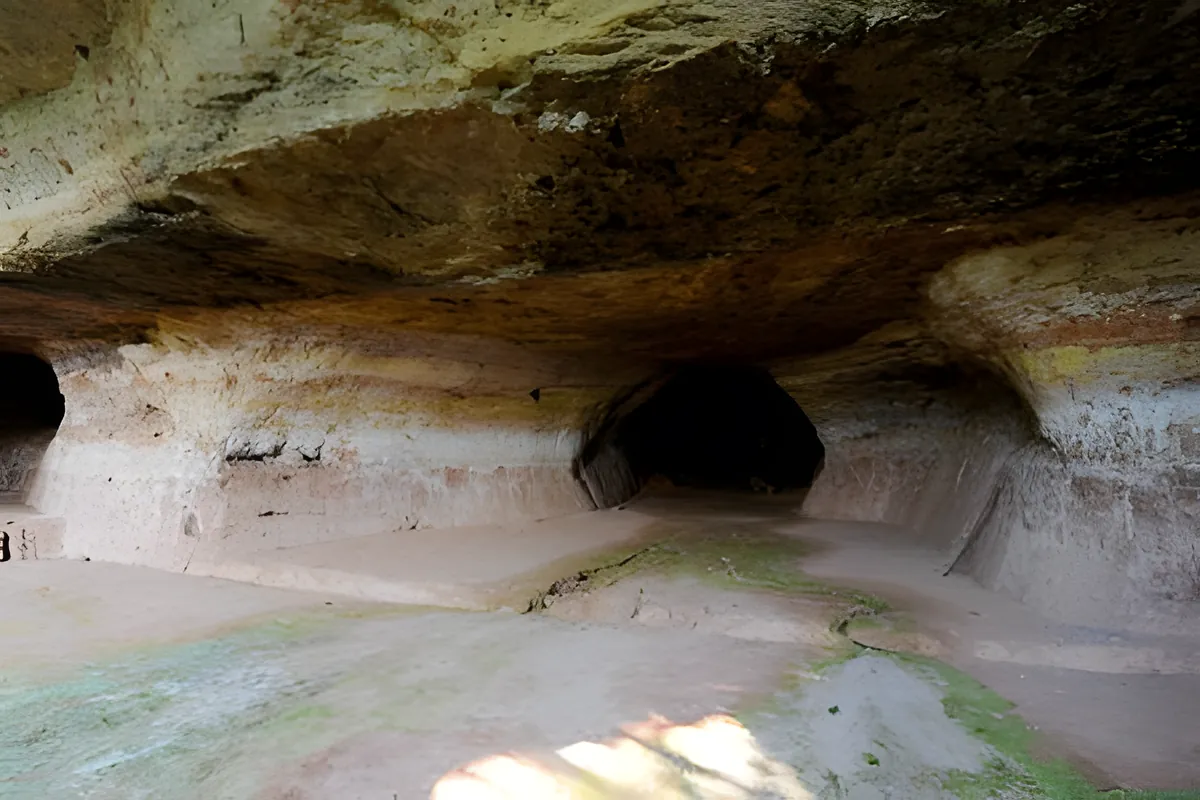
The province's main protected wilderness — forested hills, small waterfalls, and a handful of trails. Quieter than the tourist-facing Phu Faek site and good for a half-day if you have transport.
Get to Kalasin
Overnight bus from Bangkok's Mo Chit terminal is the standard route — around 8–9 hours. Renting a car gives you better access to the rural fossil sites.

eSIM for Thailand
Land with data already working and skip the airport SIM queue. We tested six plans — code THAIHOLIDAY saves 10%.

Travel insurance
Remote Isan forest parks and rural roads — sort cover before you travel. Standard medical and trip cancellation cover is the priority here.
Top sights & experiences
Things to do in Kalasin













Things to do on the map
Tap a pin for details — 19 places in Kalasin plotted.
When to go
Nov–Feb The cool dry season is the best time for Kalasin — comfortable touring weather, the Makha Bucha festival at Phrathat Yakhu in February, and the Lam Pao reservoir at its most atmospheric in the morning mist.
Mar–Apr Burning season across Isan — farmers clear fields before the rains and air quality degrades in March and April. The heat peaks at around 37°C in April. Outdoor sites are still accessible but plan for early-morning visits.
May–Oct The southwest monsoon brings most of the province's ~1,400mm annual rainfall between May and September. September is typically the wettest month. The Lam Pao reservoir is full and its forested shores are lush; some unpaved tracks in the outlying forest parks become difficult.
About Kalasin
Last updated September 2026
Overview
Kalasin sits in upper Isan, Thailand’s northeastern plateau, about 500 kilometres from Bangkok and an hour’s drive east of Khon Kaen. It is not on the standard tourist circuit, and the infrastructure reflects that — but what the province offers in return is a concentrated set of genuinely unusual things: the most significant dinosaur fossil beds in Thailand, one of the most important Dvaravati archaeological sites in the northeast, a centuries-old silk-weaving tradition among the Phu Thai ethnic minority, and the home territory of the pong lang, the wooden xylophone that is the sound of Isan folk music.
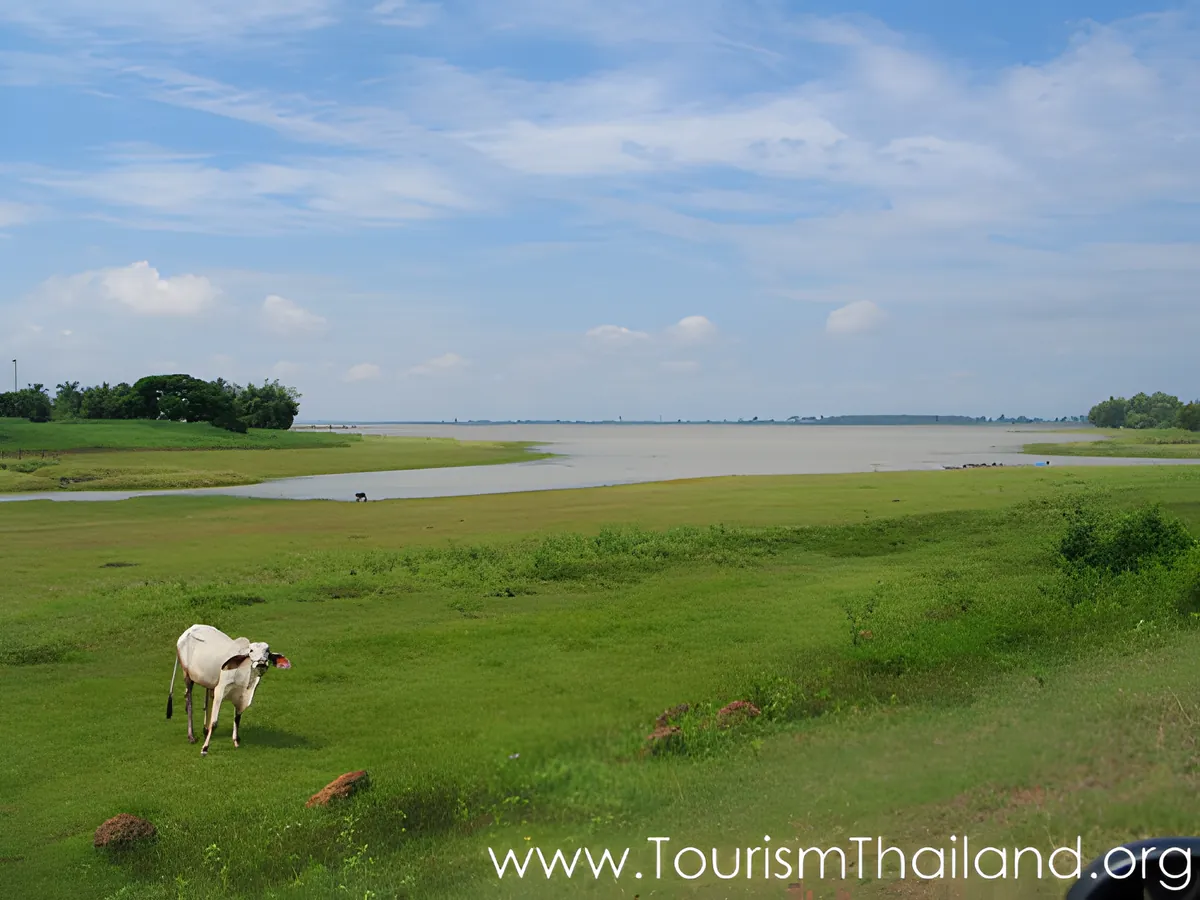
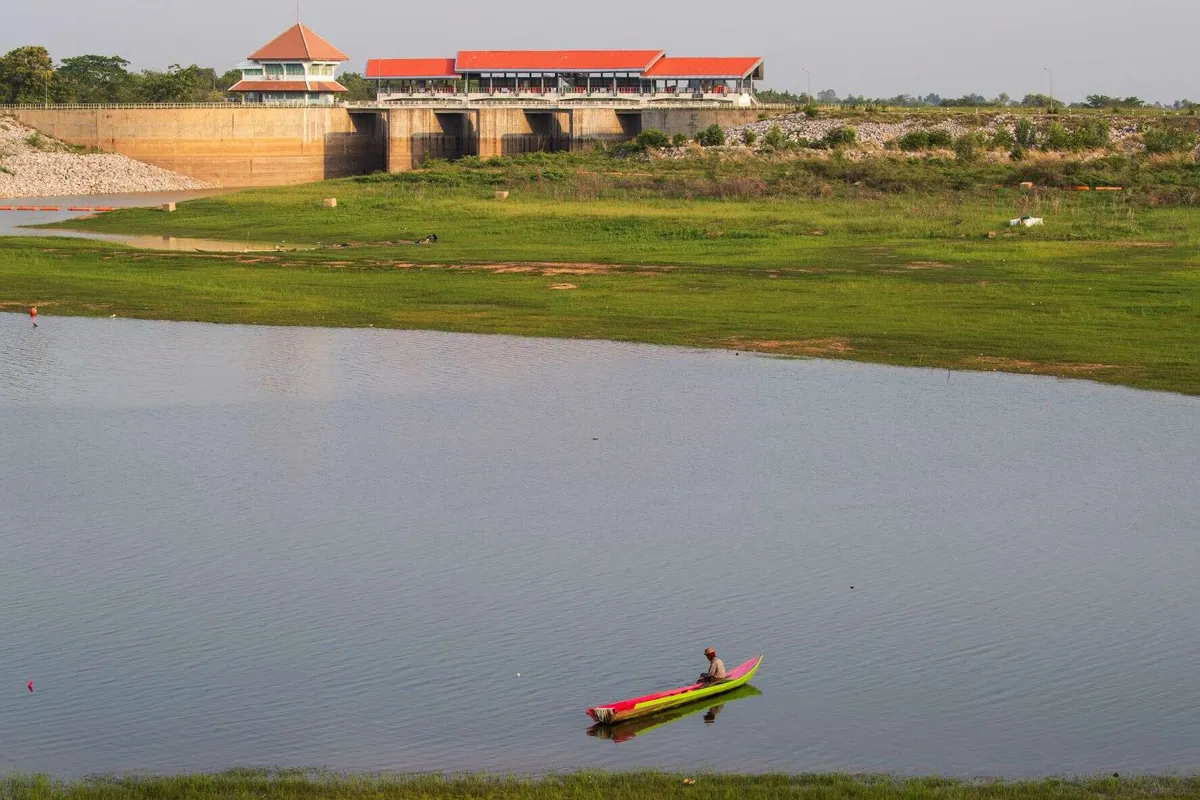
The province covers 6,936 square kilometres of flat-to-gently-rolling Khorat Plateau. The Lam Pao reservoir — built between 1963 and 1968 across the Pao and Huai Yang rivers — effectively cuts the northern part of the province in two, storing 1,430 million cubic metres of water for agriculture and flood control. Along its shores there is a wildlife conservation station with red gaur and birds, and the reservoir is a pleasant place to be at sunrise when low mist sits on the water.
The provincial capital, Kalasin town, is a functional mid-sized Isan city. It has the essentials but little else. The reason to come is what lies outside of it.
Top Things to Do
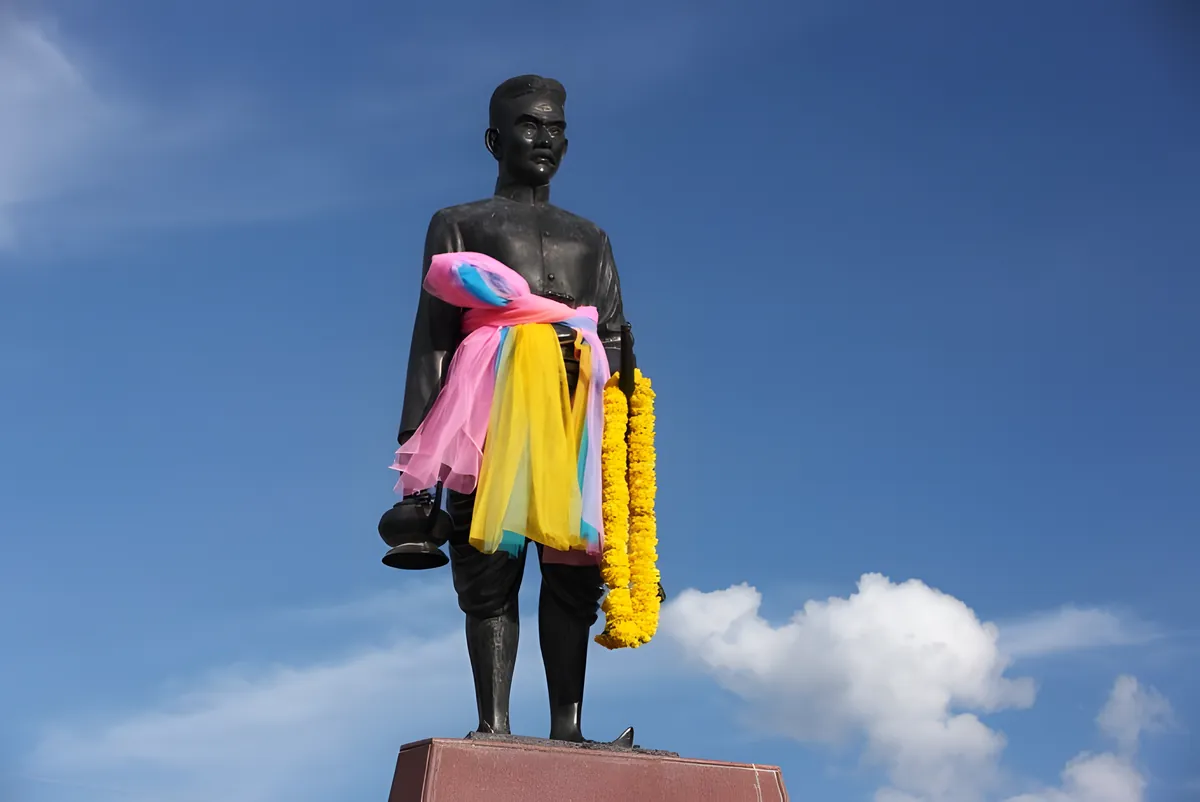
Sirindhorn Museum (Phu Kum Khao Fossil Site) is the headline draw and deservedly so. In 1994, a monk at Wat Sakkawan in Sahatsakhan district noticed fossil bones embedded in the surrounding terrain. What followed was one of the most significant palaeontological finds in Southeast Asia — more than 700 bones from at least seven types of herbivorous dinosaurs, estimated at 120 million years old. The site is now formally the Phu Kum Khao dinosaur excavation zone, and the Sirindhorn Museum stands above it. Eight exhibition zones walk visitors through deep geological time, the Mesozoic and Cretaceous eras, and the excavation and identification process. A working laboratory is open to view, so you can watch technicians preparing fossils. Among the highlights is Phuwiangosaurus sirindhornae — a sauropod species described in 1994 from fossils at Phu Wiang in neighbouring Khon Kaen province and named in Princess Maha Chakri Sirindhorn’s honour. The museum opened to the public in 2007, with the princess presiding at the official ceremony in 2008.
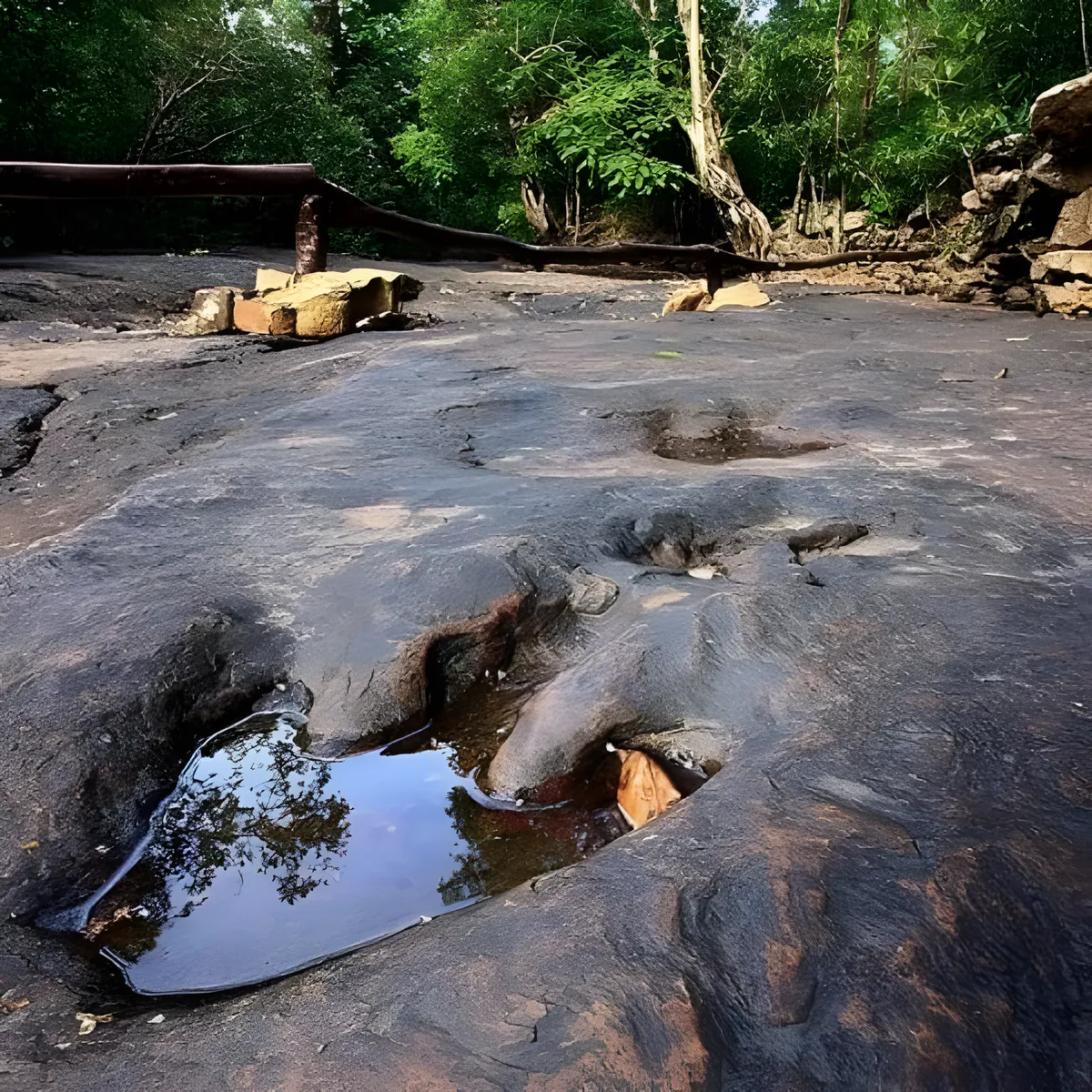
Phu Faek Forest Park adds a second chapter to Kalasin’s dinosaur story. In 1996, two children discovered fossilised footprints in a rock terrace inside what is now a forest park in the northwest of the province. Geologists confirmed seven prints from carnivorous dinosaurs — believed to have been around two metres tall and five metres long — dating to approximately 140 million years ago. The forest park itself is pleasant: sandstone formations, woodland trails, and a small stream, with the footprint terrace the obvious focal point.
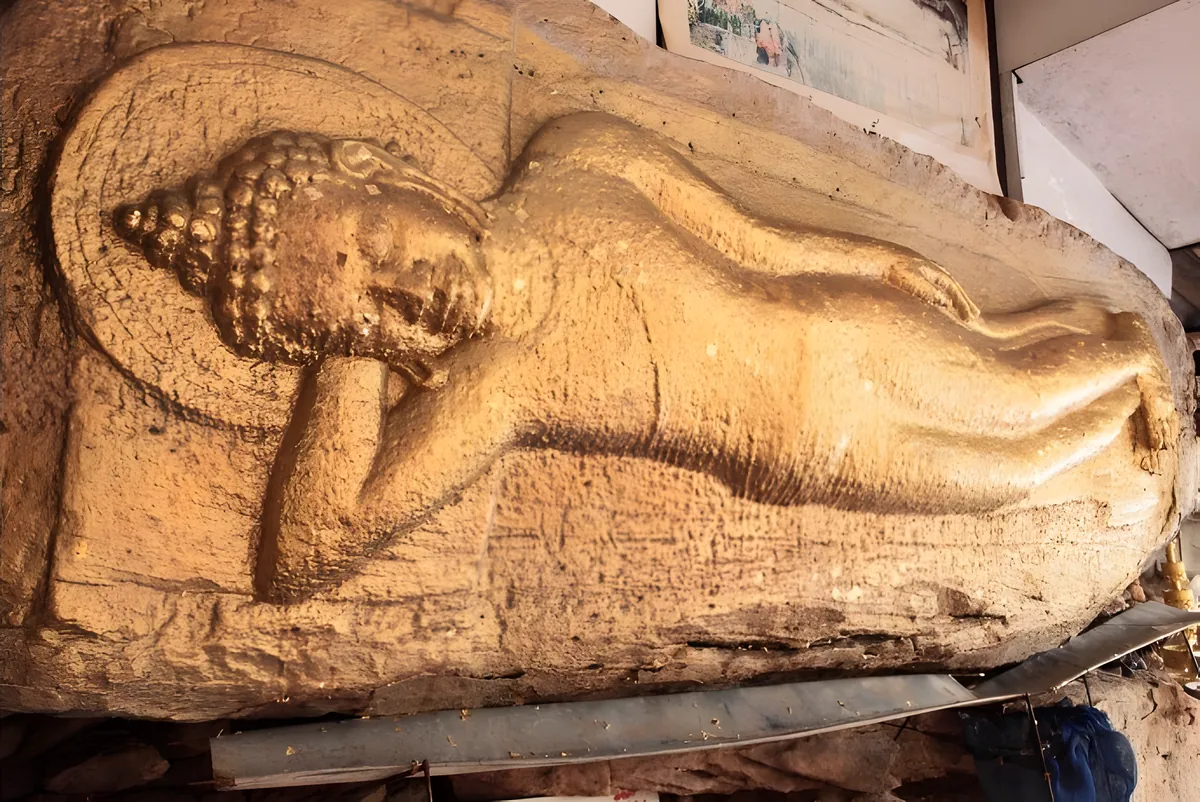
Mueang Fa Daet Song Yang is the province’s great historical site, and one of the most important Dvaravati-period settlements in Isan. The ancient town along the Pao River in Kamalasai district flourished from around the 8th to 11th centuries CE as a Buddhist artistic centre. It produced the greatest concentration of bai sema — carved stone boundary markers for ordination halls — anywhere in Isan or Laos. The sema stones here are distinguished by their pictorial quality; some carry narrative Buddhist scenes of unusual skill, suggesting an active stonemason’s workshop. The site was excavated from 1968 and again in 1991. Most stones are now in the on-site and national museums, but the earthen moats and mounds of the old city are still traceable across a roughly five-kilometre span.
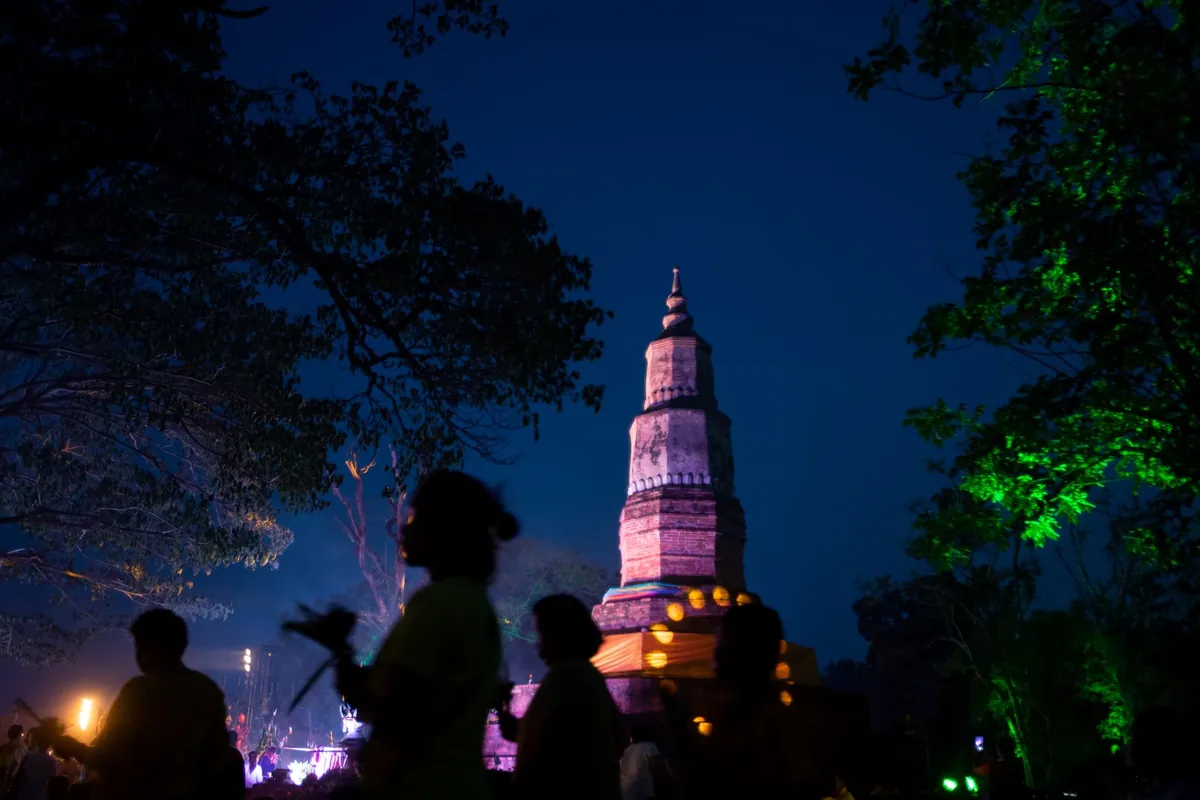
Phrathat Yakhu, the large octagonal chedi within the Fa Daet Song Yang complex, is the most visually accessible part of the archaeological zone. Its earliest construction dates to the 8th or 9th century, with later Ayutthaya-era renovation. It is a living religious site, not a ruin, and it hosts one of the most distinctive Makha Bucha Day celebrations in Isan each February — a parade of over 1,000 traditional flags, traditional dance, and candlelit circumambulation of the chedi. Timing your visit around the festival is well worth planning for.
Ban Phon silk village in Kham Muang district is where Phrae Wa silk is woven. Phrae Wa is a shoulder cloth of elaborately patterned brocade silk, typically two metres long with a deep-red ground and intricate supplementary-weft patterns. The Phu Thai ethnic community — originally from across the Mekong — settled in this area during the reign of Rama III and continued weaving a tradition they had brought from Laos. In 1977, Queen Sirikit (then Queen Consort) was so taken by the cloth when Phu Thai women greeted her in Kalasin that she immediately commissioned weavers for the palace. That royal patronage turned Phrae Wa into what is now called the “Queen of Thai Silk.” You can visit the weaving houses in Ban Phon, watch the process, and buy directly — the complexity of the supplementary-weft patterning makes it immediately clear why the cloth commands the prices it does.
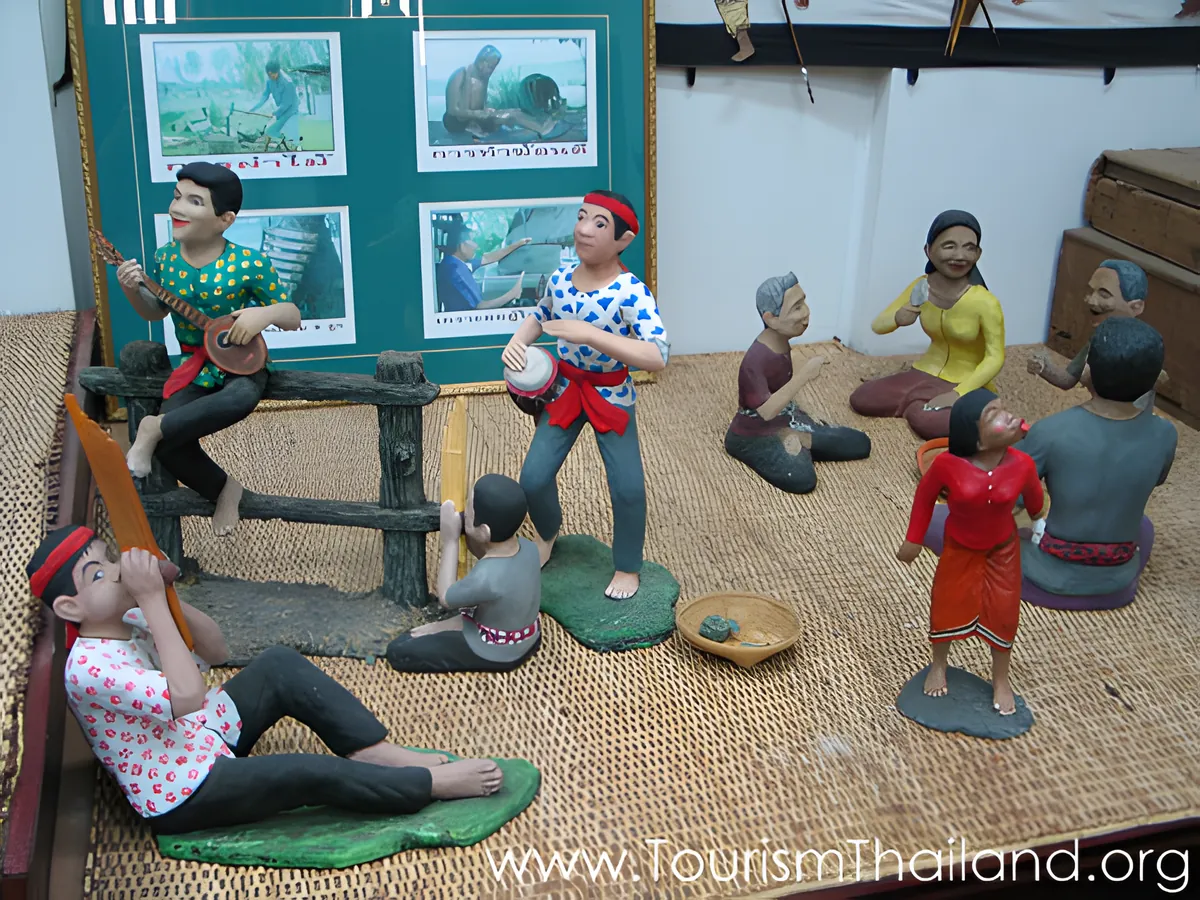
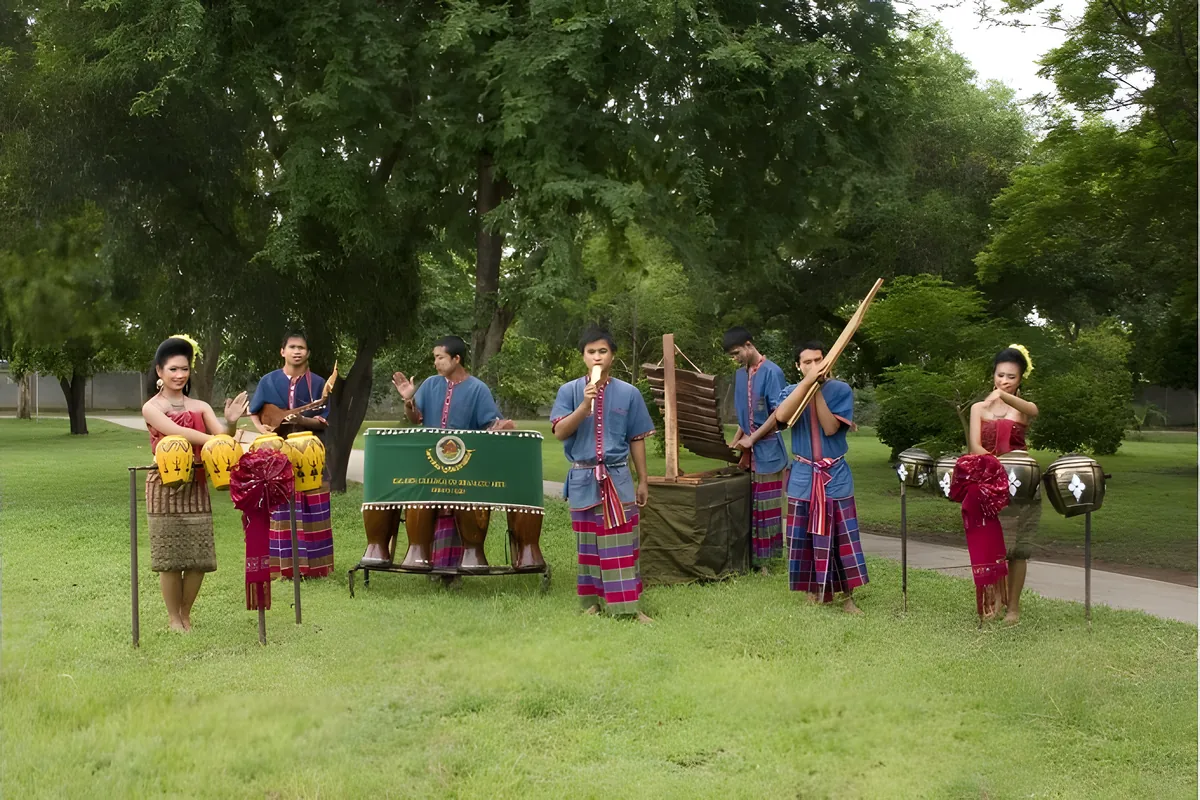
Pong Lang Circle and the pong lang tradition — Kalasin is the acknowledged heartland of the pong lang, a wooden xylophone made from short lengths of areca wood tied with vines. It originated in the farming villages of this region, where pieces of wood were suspended over the fields and struck to scare birds away from the rice. From that agricultural tool, musicians developed a two-player instrument: one performer plays melody, the other a drone, with the high end of the suspended keys looped over one player’s toe. Kalasin’s Pong Lang Circle in the town centre is a symbolic landmark, and the province hosts the annual Pong Lang festival that draws ensembles from across Isan. If you are in town around February or March, look out for festival dates.
Lam Pao Dam and reservoir is best visited in the early morning. The dam itself, on the Pao River in Yang Talat district, is an earth-fill structure 7.8 kilometres long and 33 metres high — the reservoir behind it is large enough to feel like an inland sea in the rains. Along its eastern shore, the Lam Pao Wildlife Conservation Station keeps a small open-zoo population of red gaur (the wild cattle of southeast Asia), deer, and birds in a forested enclosure. It is a low-key and unhurried place.
Where to Stay
Accommodation in Kalasin is modest and locally-run — guesthouses and small hotels in the provincial capital, with a handful of newer options rated highly for cleanliness and service. There are no international chains. Budget rooms start from around ฿400–500 per night; mid-range options with air conditioning and en-suite facilities run ฿600–1,200. If you are visiting for the Sirindhorn Museum and Fa Daet Song Yang, staying in Kalasin town gives you a central base for both. Day trips from Khon Kaen are feasible for the dinosaur museum but make for a rushed day if you want to add the archaeological sites.
Getting There
The most direct option from Bangkok is the overnight bus from Mo Chit Northern Bus Terminal, which takes around seven to eight hours and arrives early morning — an efficient way to not lose a travel day. Several operators run this route daily.
Flying to Khon Kaen is faster if time matters: Bangkok to Khon Kaen takes about an hour on any domestic carrier, then it is roughly 70 kilometres and about one hour by road to Kalasin town. Songthaews and minivans connect Khon Kaen’s bus terminal with Kalasin on a regular basis. There is no airport in Kalasin.
Within the province, your own transport or a hired driver is essential. The Sirindhorn Museum (Sahatsakhan district), Ban Phon village (Kham Muang district), and the Fa Daet Song Yang site (Kamalasai district) are all in different directions from the capital.
Best Time to Visit
Kalasin follows the standard upper Isan pattern. The wet season runs from May through October, with the heaviest rainfall typically in August and September — about 1,400mm annually in total. November through February is dry and cool, with December and January the most comfortable months (daytime highs around 28–30°C). April is the peak of the hot season at around 37°C before the rains arrive.
March and April also bring the burning season across Isan, when farmers clear and burn crop residue ahead of planting. Air quality degrades during this window — not as severely as in the far north around Chiang Rai, but enough to notice on still days. Outdoor sites like Phu Faek Forest Park are best visited early in the morning during this period.
The Makha Bucha festival at Phrathat Yakhu in February, and the Pong Lang festival in February or March, are the best reasons to time your trip to the cool-dry window rather than later in the year.
Frequently Asked Questions about Kalasin
How do I get to Kalasin from Bangkok?
What is the best time to visit Kalasin?
How long do you need in Kalasin?
How do I get around Kalasin province?
What is the Sirindhorn Museum and why is it significant?
Spotted something out of date or incorrect? Let us know
Plan your
Kalasin trip