








Surin
สุรินทร์
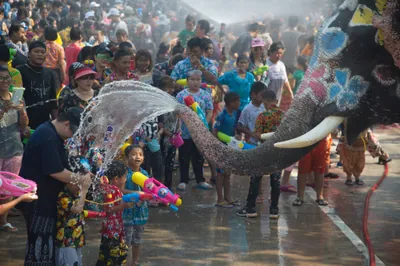
Khmer temple clusters, royal silk brocade, and the Kui mahout tradition that puts 200–300 elephants on parade each November.
Recommended by us

Prasat Ta Muen Thom Archaeological Site
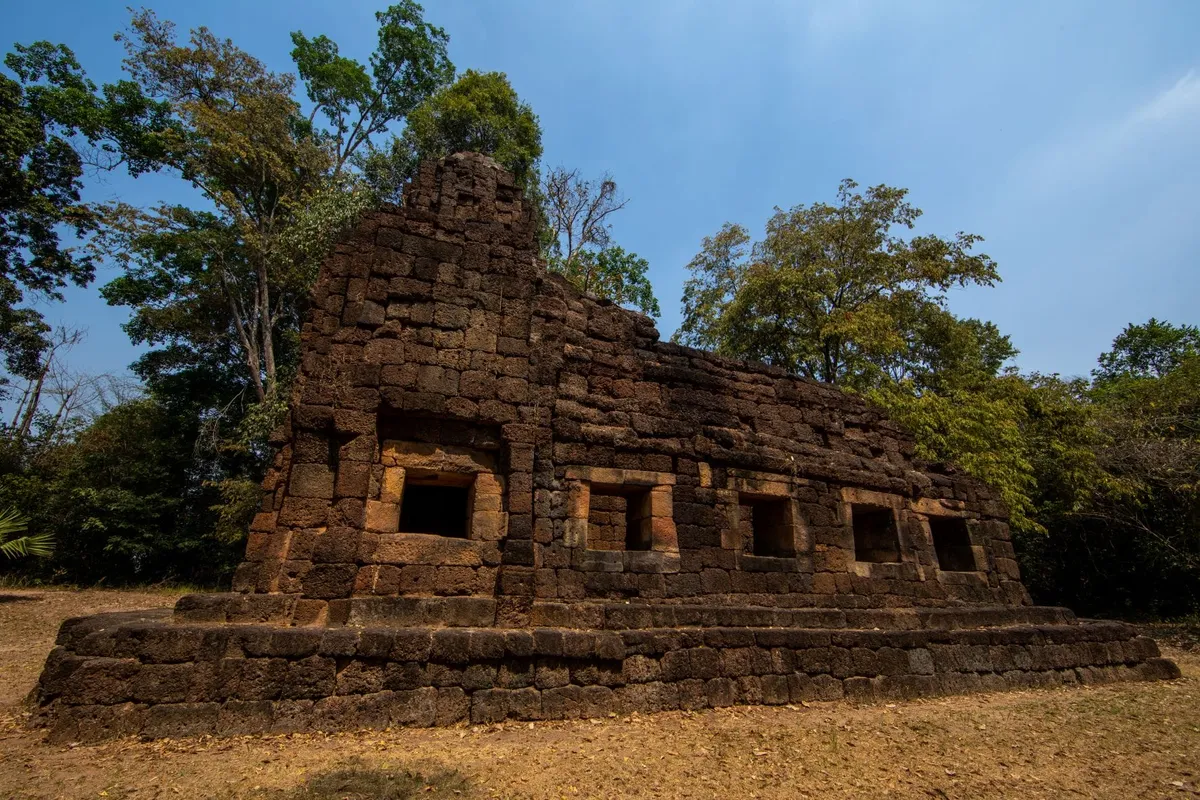
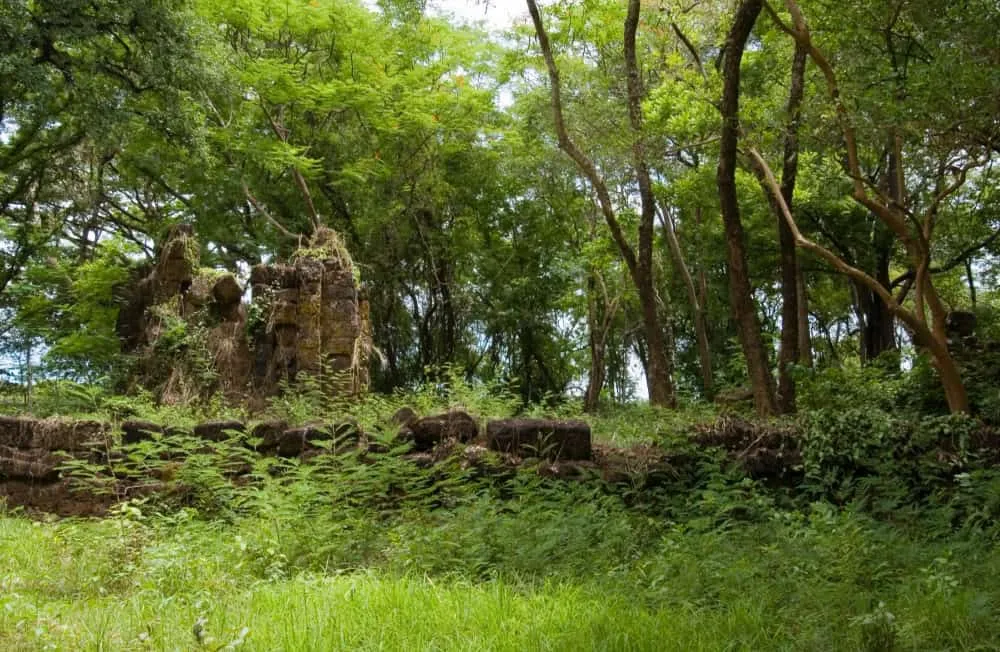
A major Khmer sanctuary on the Cambodian border — three laterite towers still standing in the jungle. Rarely crowded and genuinely remote. Bring water and a guide.

Surin National Museum
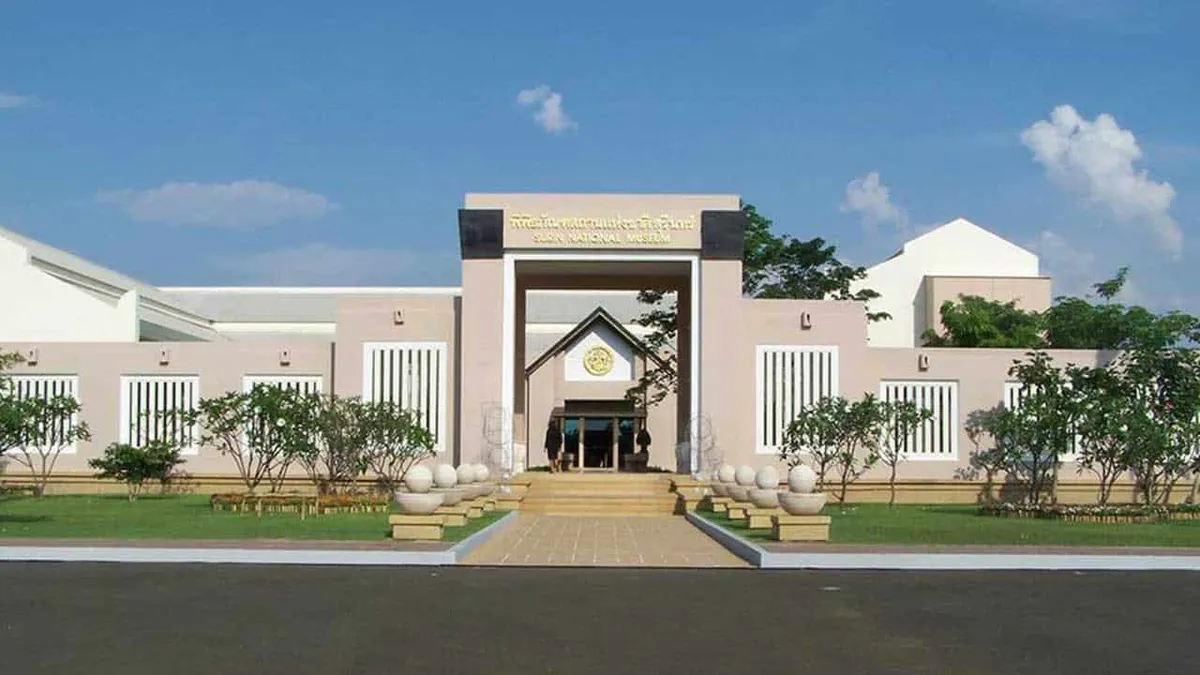
The best introduction to the province — silk weaving, Khmer artefacts, and the Kui mahout culture that defines Surin. Visit before heading out to the villages.

Ban Tha Sawang silk village
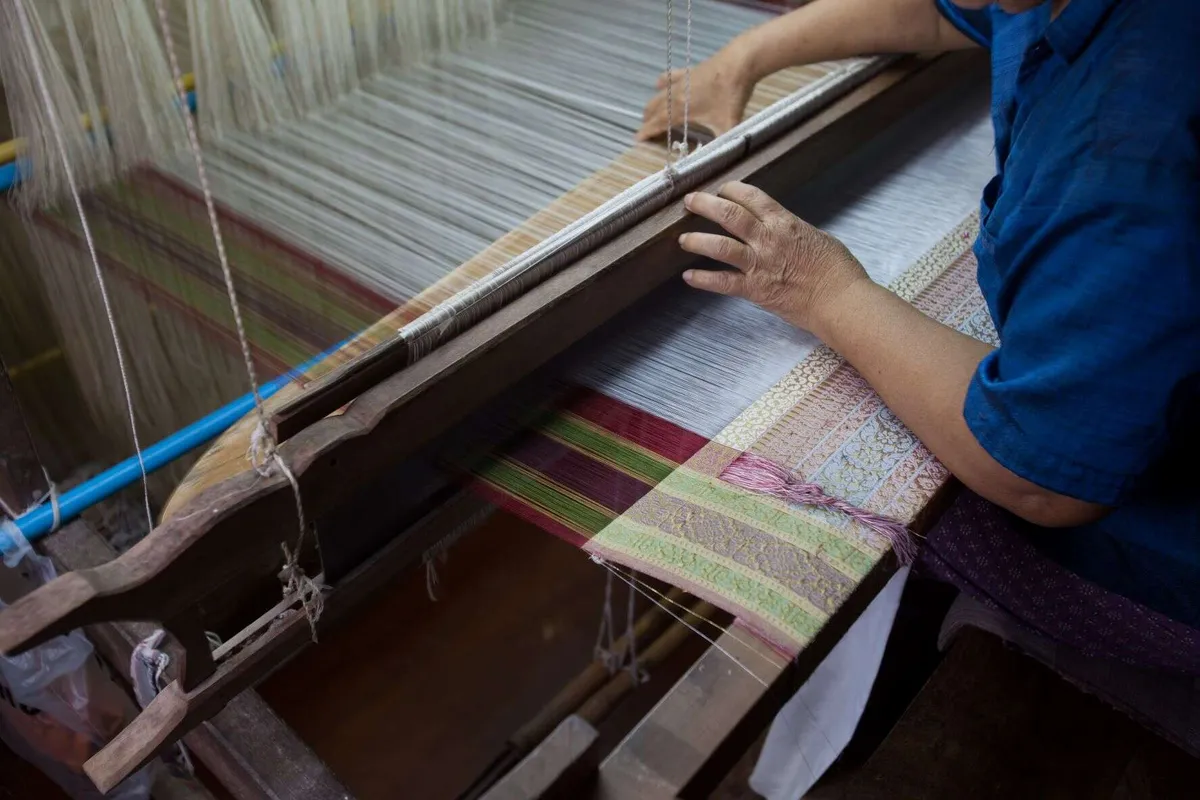
Royal Surin silk is woven on hand looms in this village — watch the process, buy direct from the weavers, and compare it to the factory stuff sold in town.

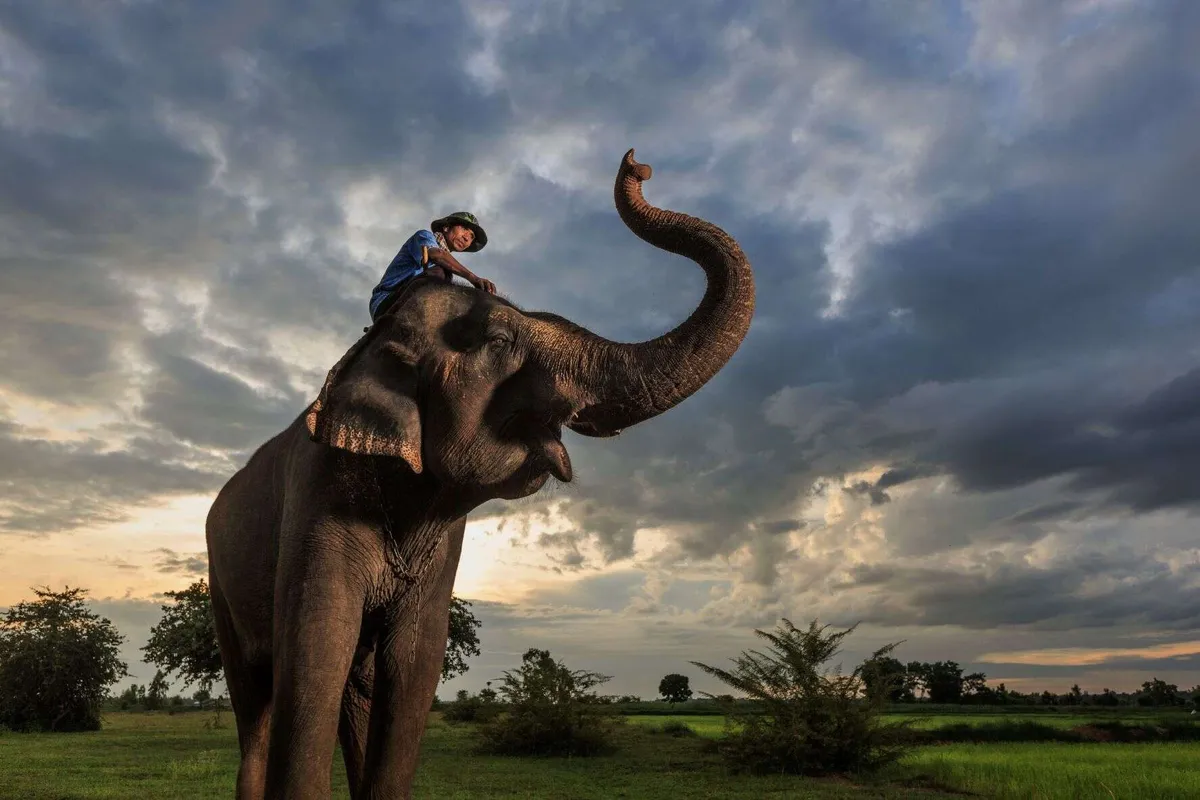
Surin Elephant Village
Ban Tha Klang is where Kui mahouts and their elephants live year-round, not just during the November Elephant Roundup. A more honest experience than the festival crowds.
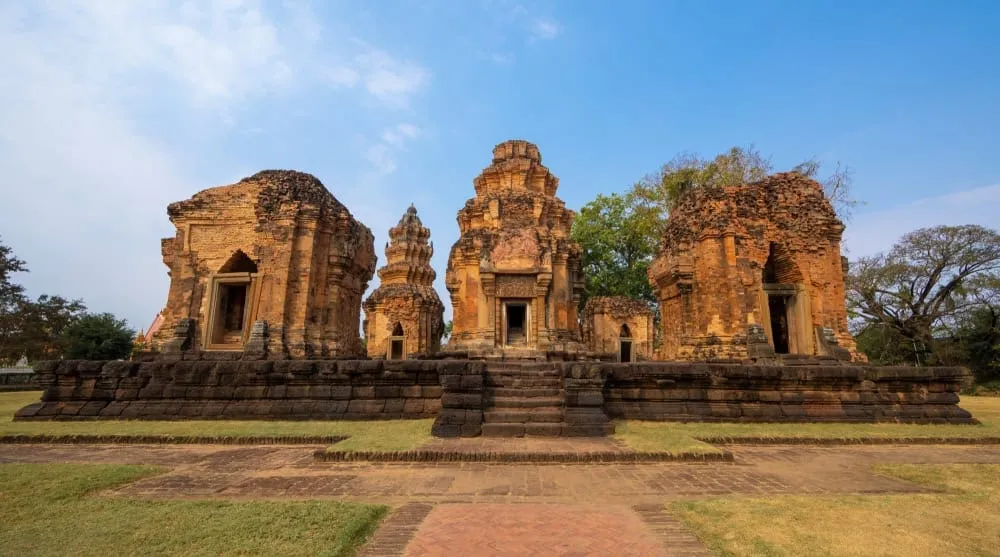
Sikornpoom Castle
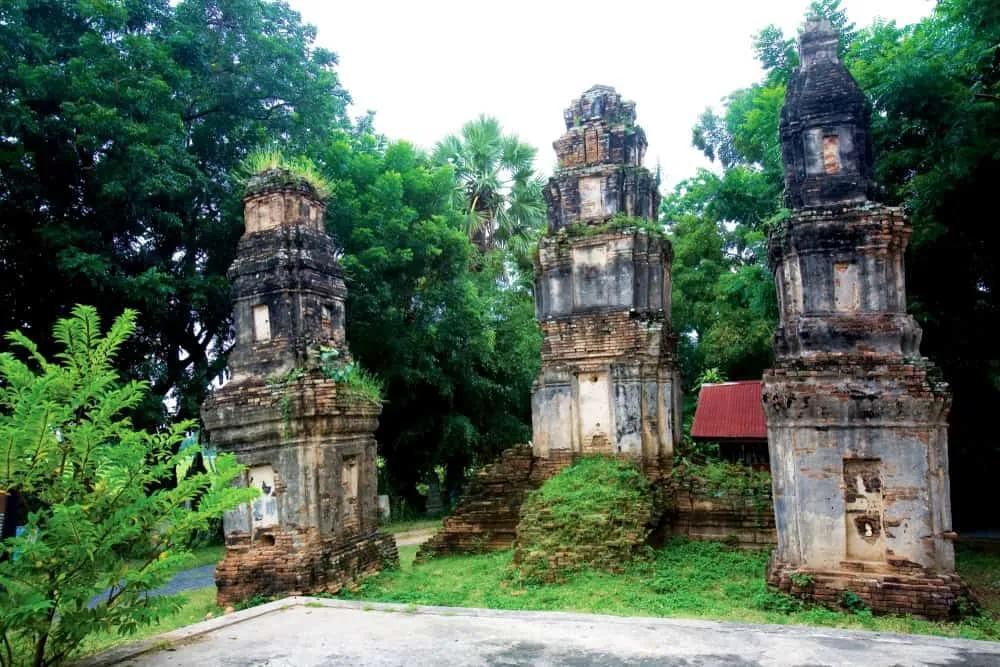
A Khmer laterite tower in the rice fields south of Surin town — one of dozens scattered across the province, but among the best-preserved. No entrance fee.
Get to Surin
The overnight train from Bangkok's Hua Lamphong takes about eight hours and arrives in the centre of Surin — the most practical option for the Khmer temple circuit.

eSIM for Thailand
Land with data already working and skip the airport SIM queue. We tested six plans — code THAIHOLIDAY saves 10%.

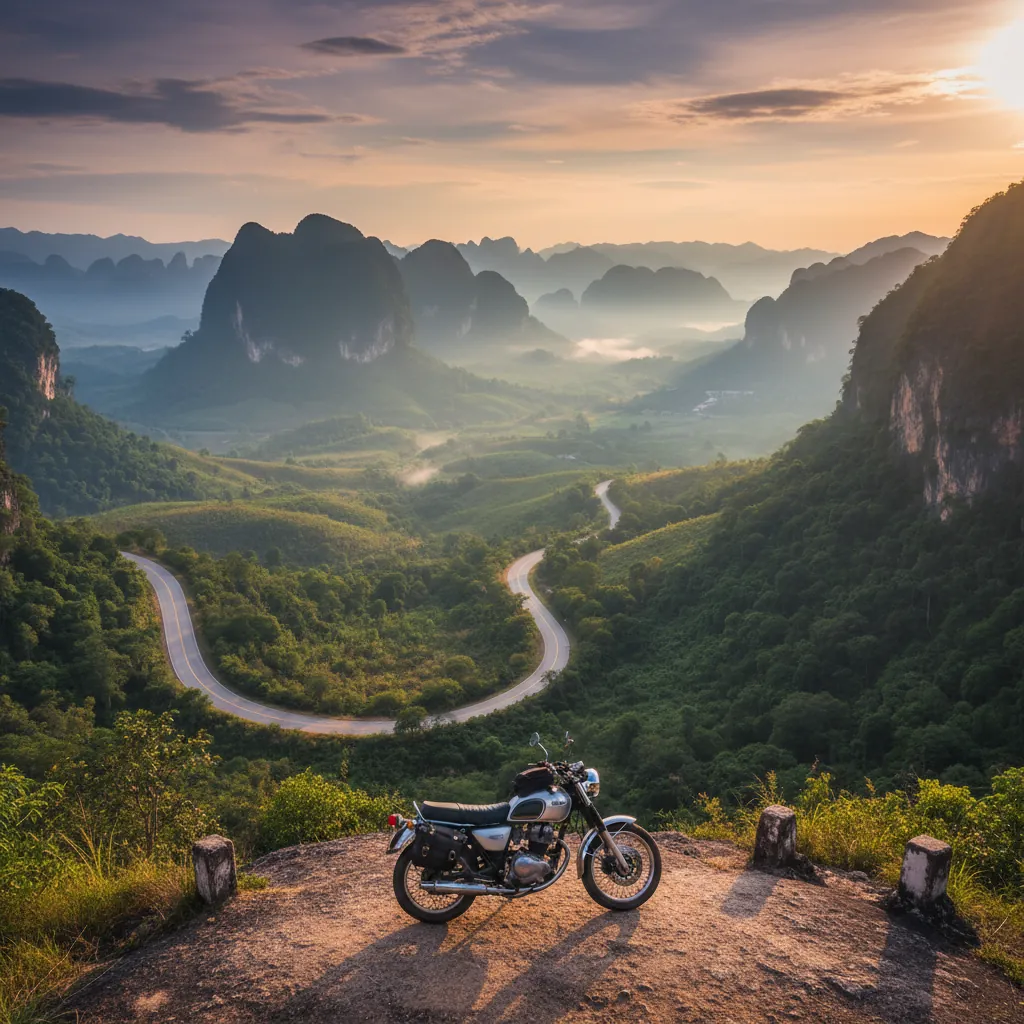
Travel insurance
Motorbike is the only practical way to reach border-area Khmer ruins — sort cover before you go and check the motorbike clause.
Wats, shrines & spiritual sites
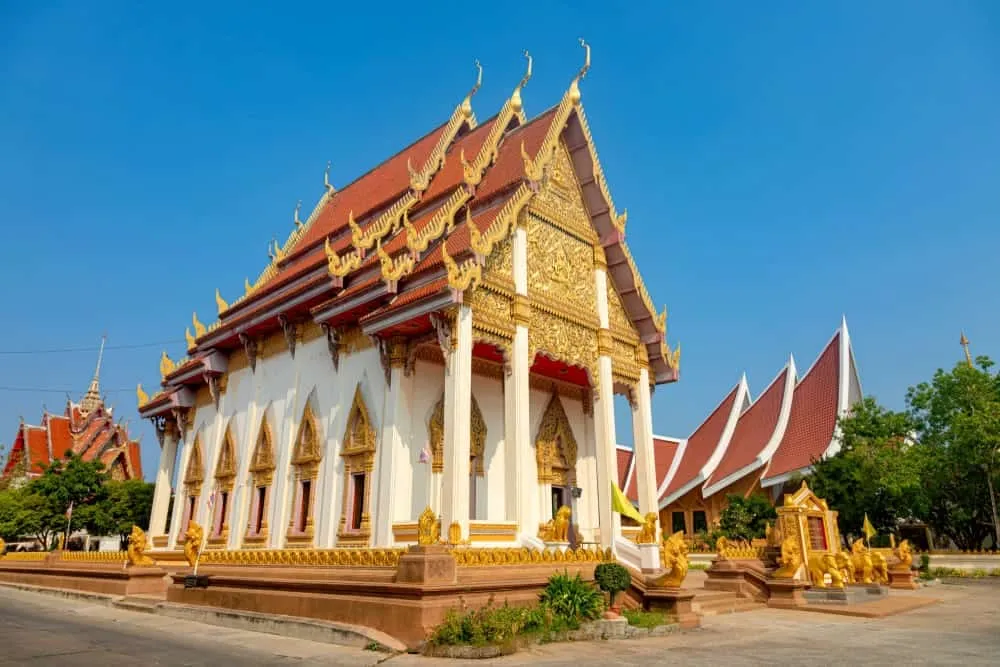
Temples in Surin





Museums, history & heritage
Museums & culture in Surin

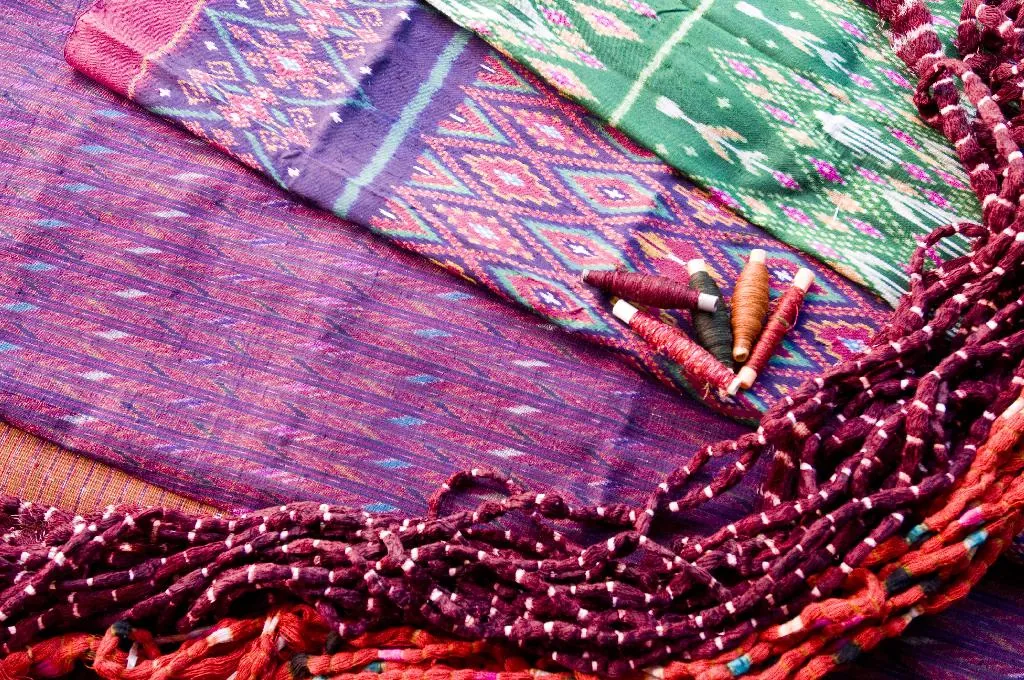
Ban Chan Rom Weaving Village

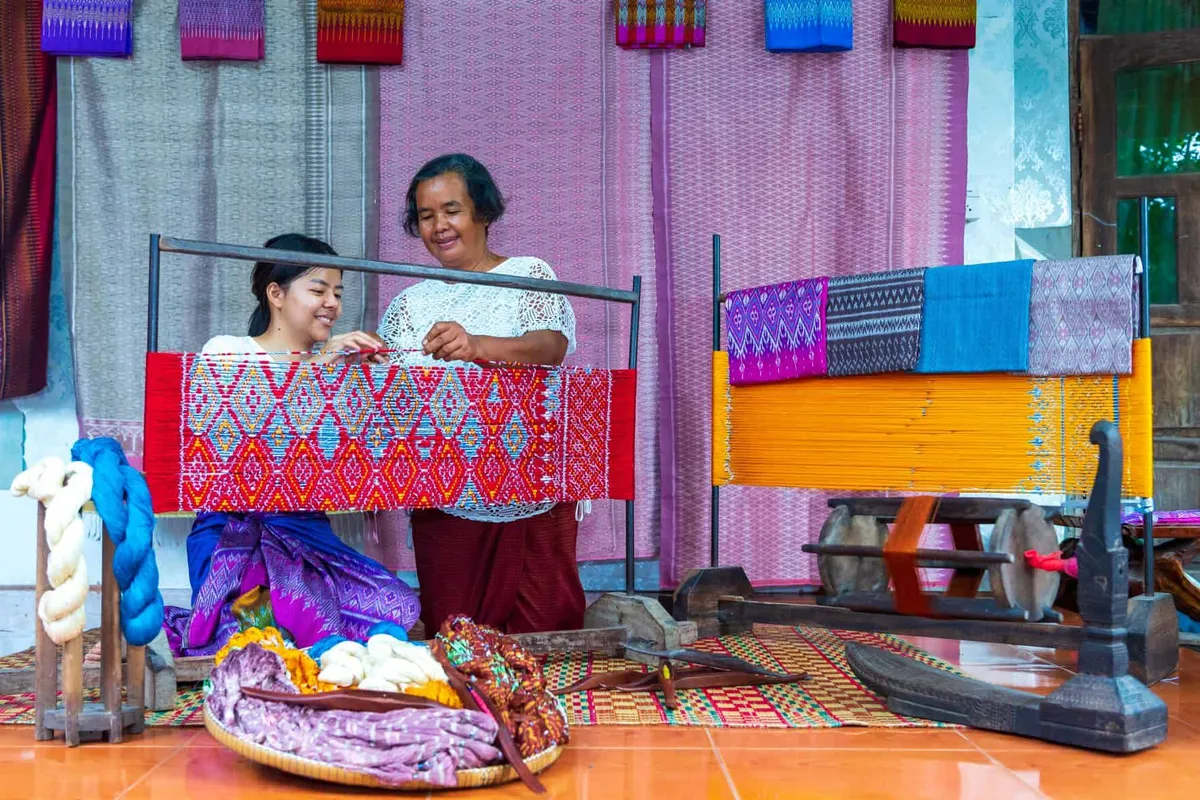
Ban Sawai Community

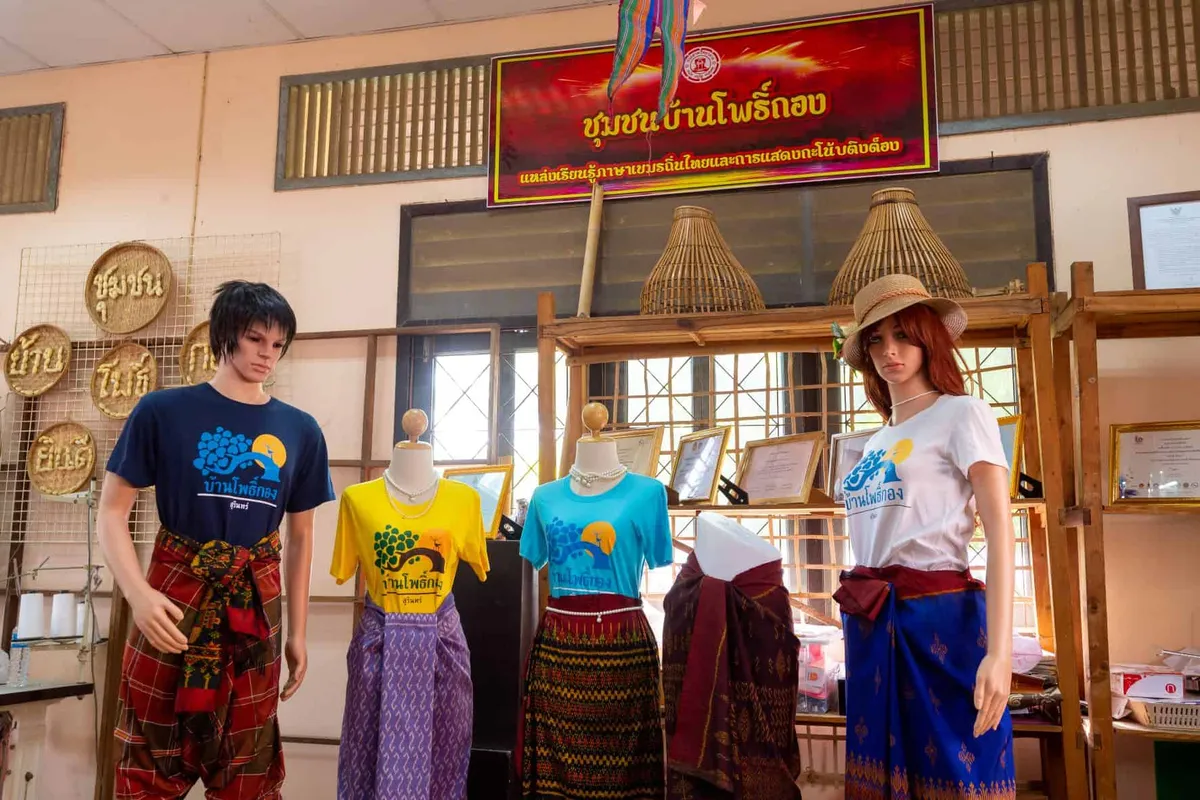
Ban Pho Kong Tourism Community

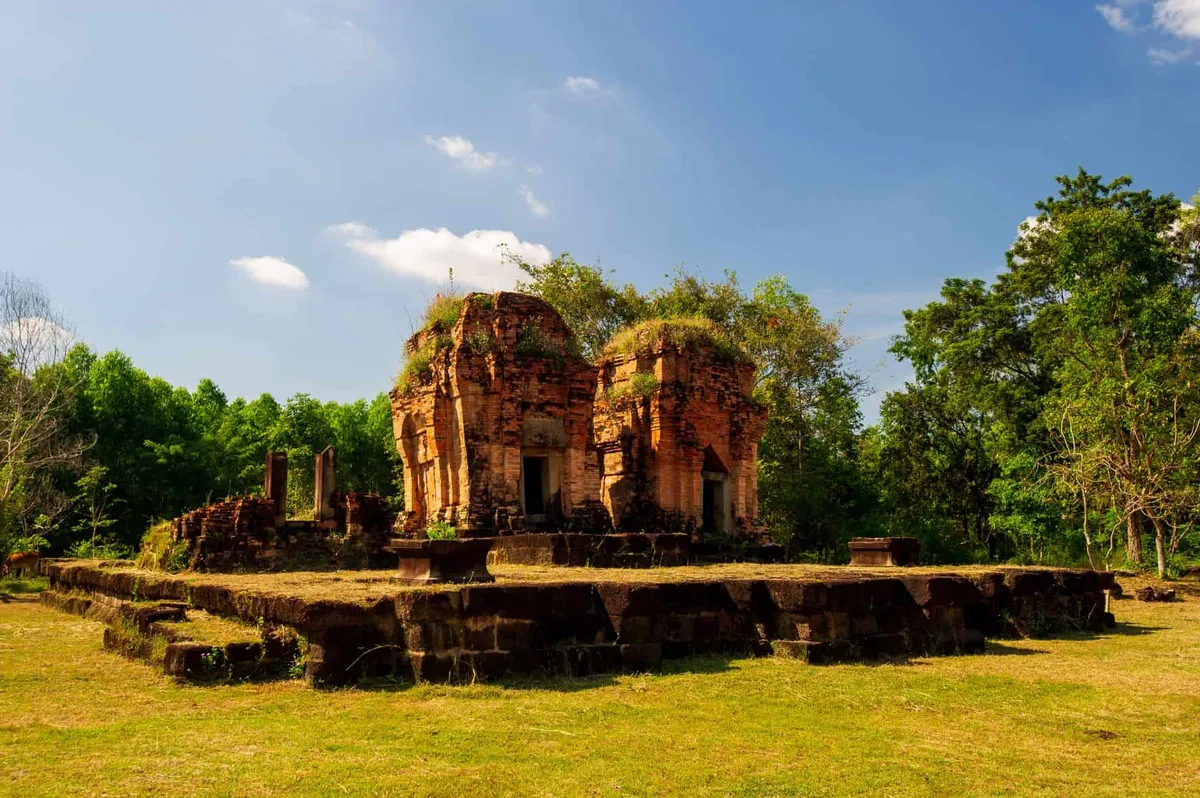
Ban Plai Castle

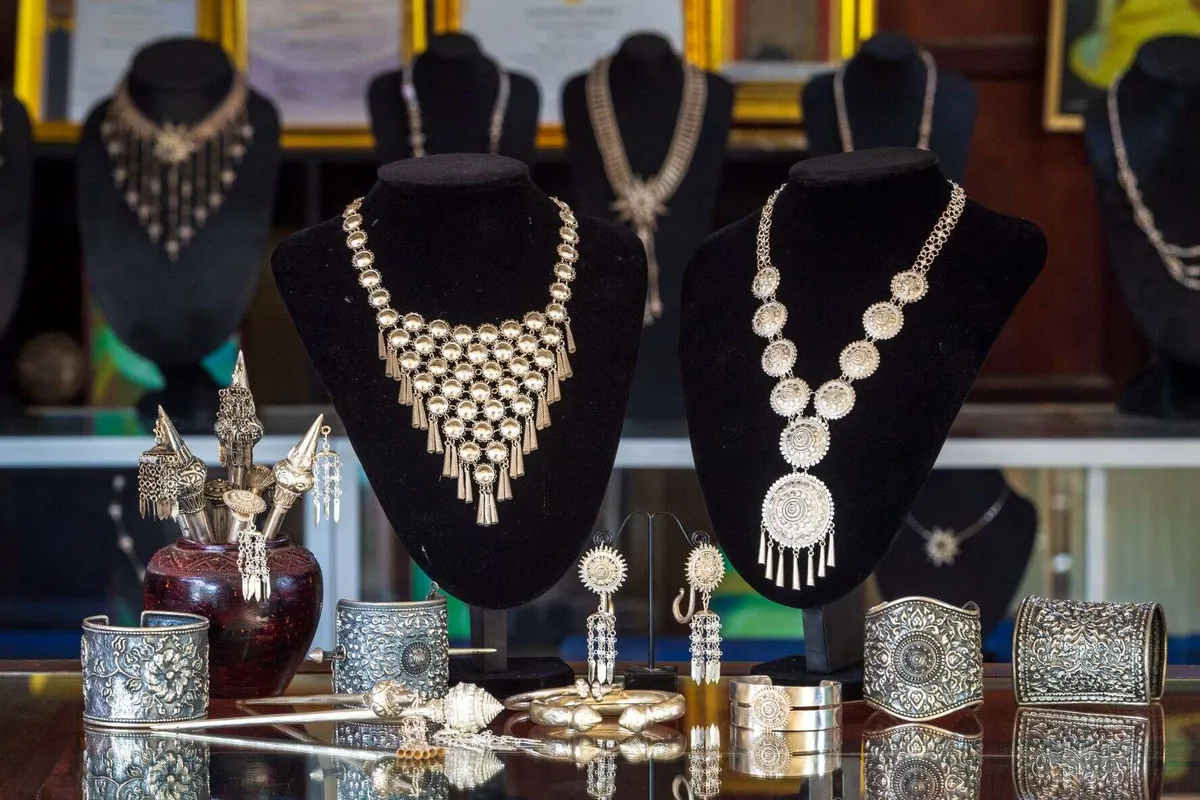
Khwao Sinarin Silver Handicraft Village

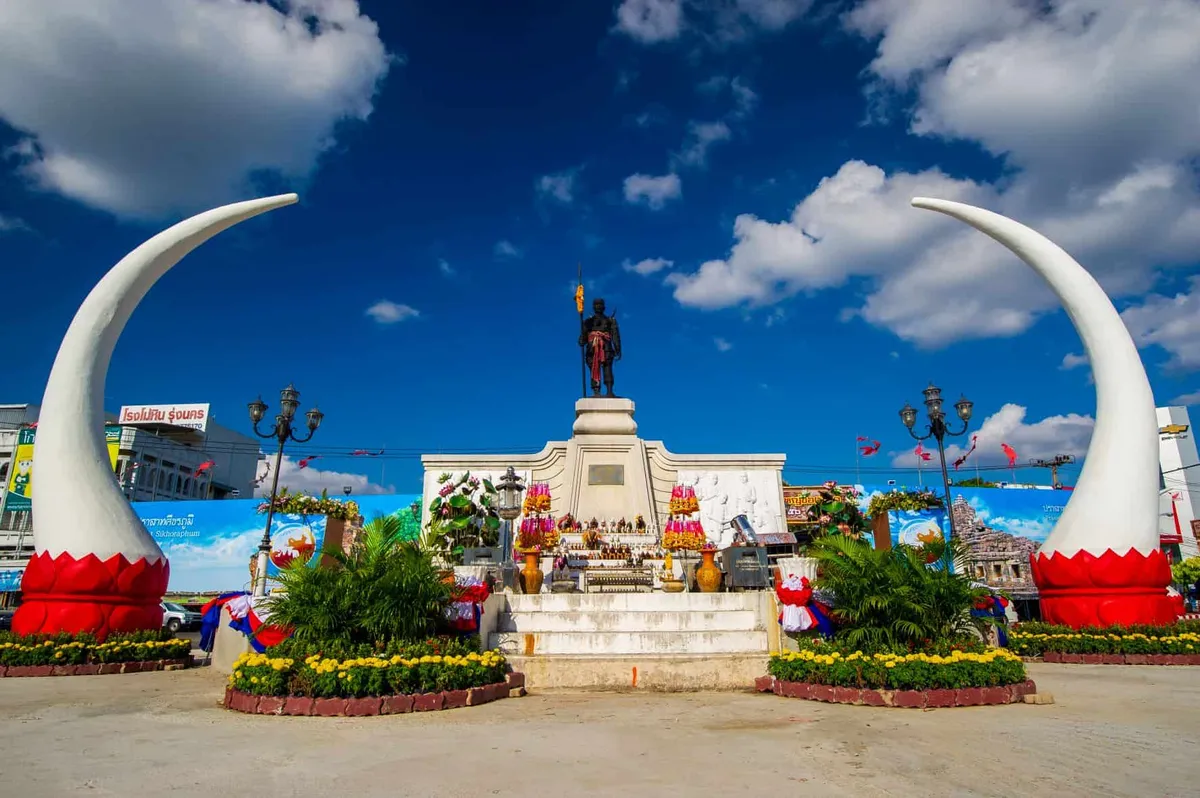
Phraya Surin Phakdi Si Narong Changwang (Pum) Monument

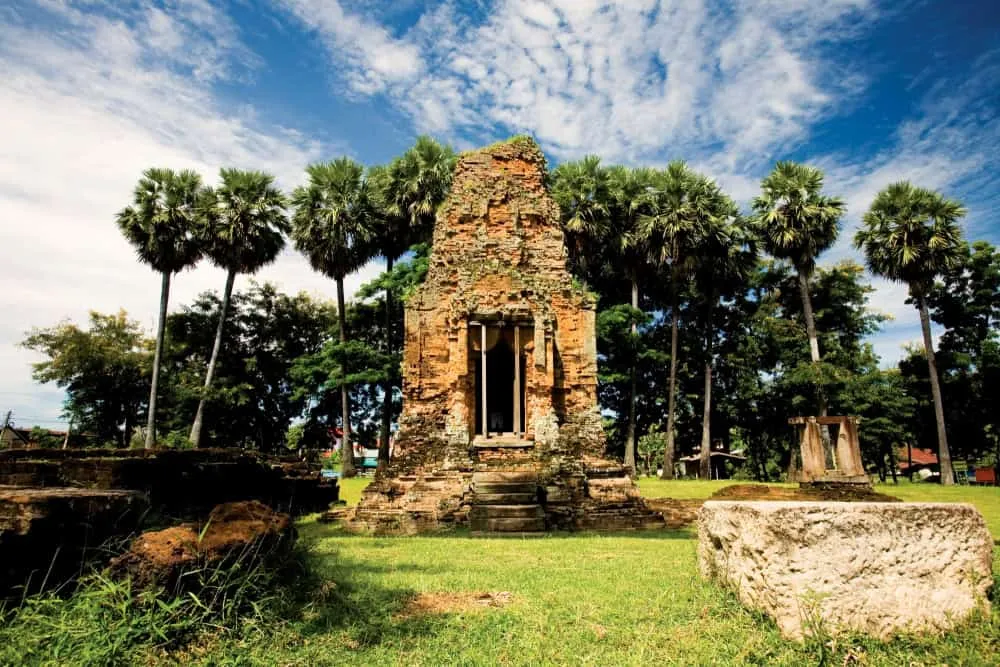
Phumpon Castle

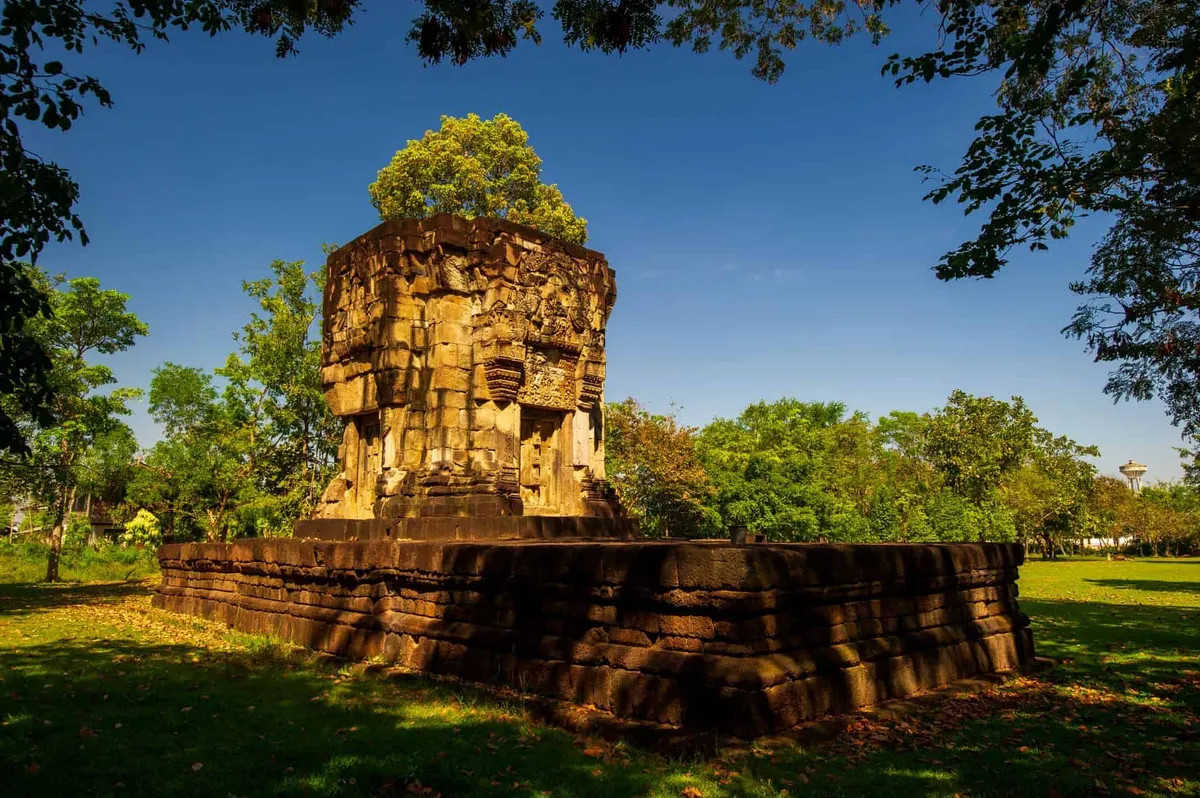
Prasat Hin Ban Phluang

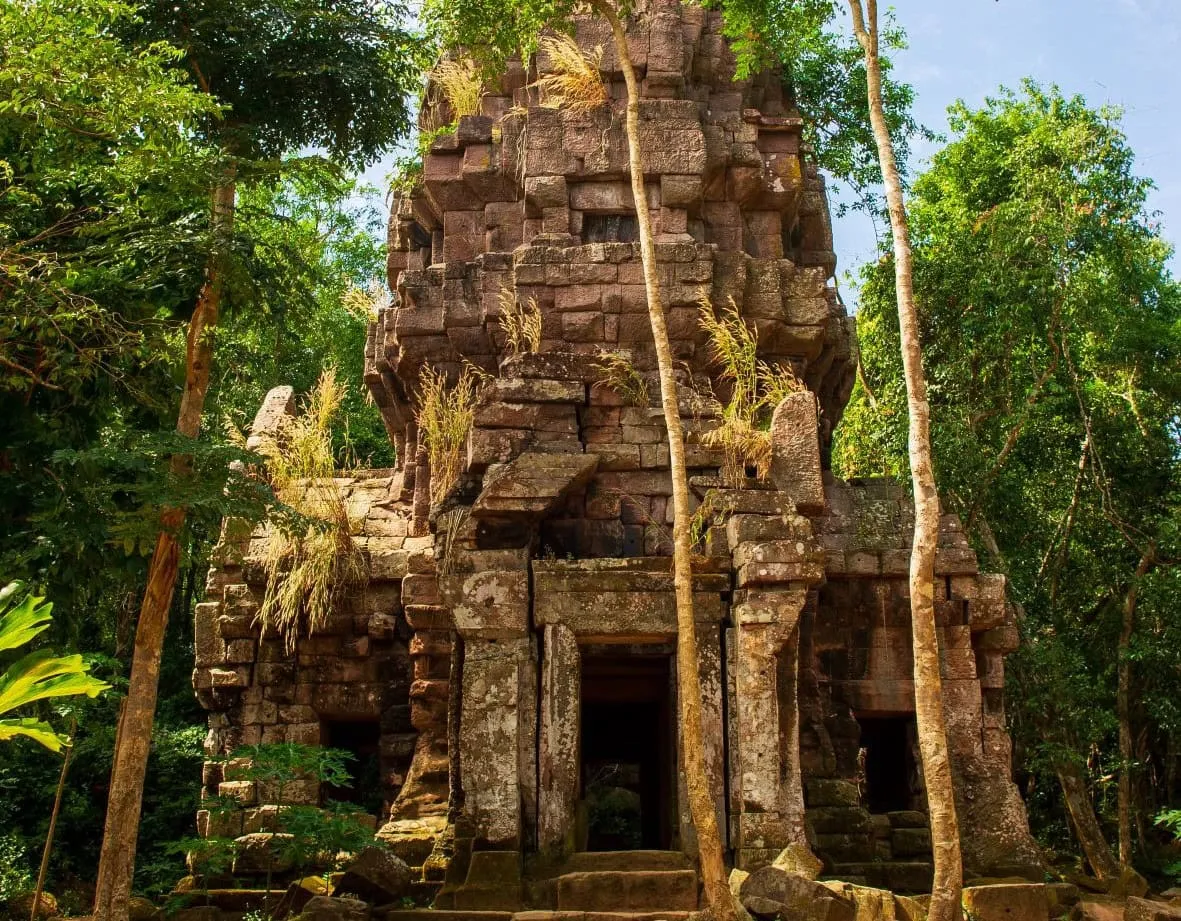
Prasat Ta Khwai

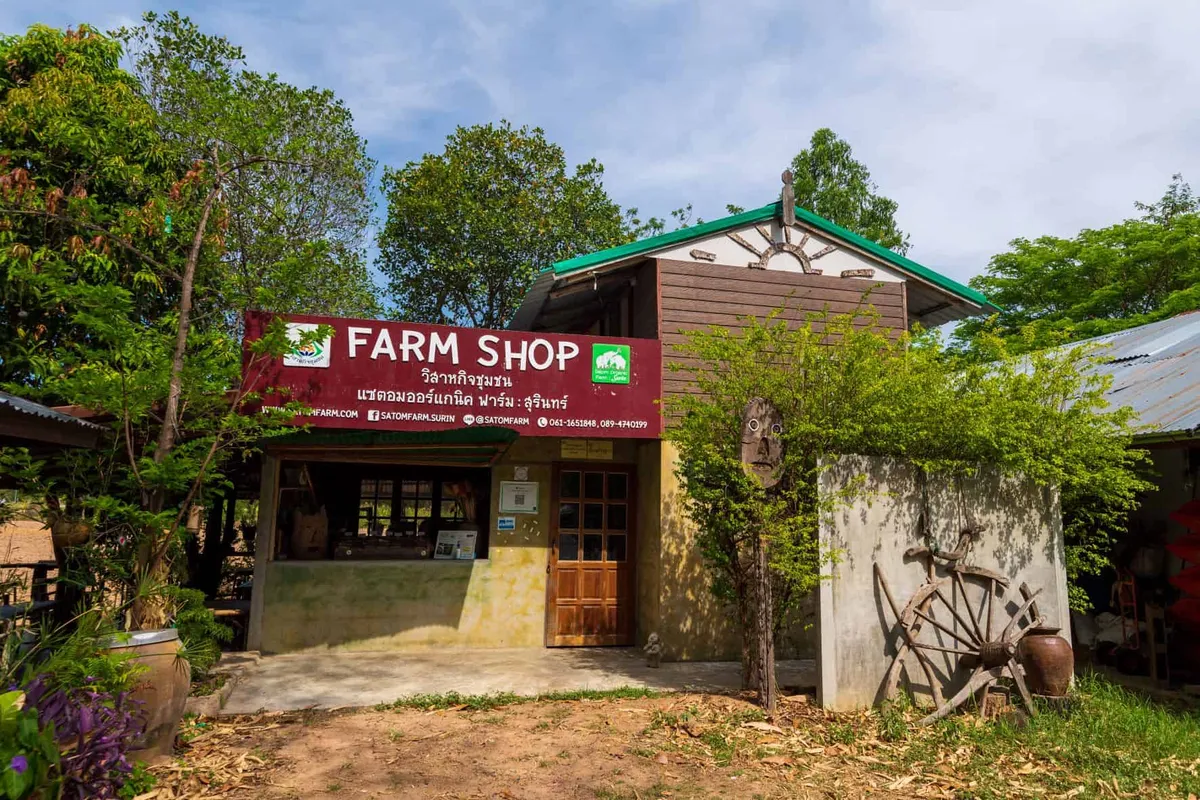
Satom Organic Farm

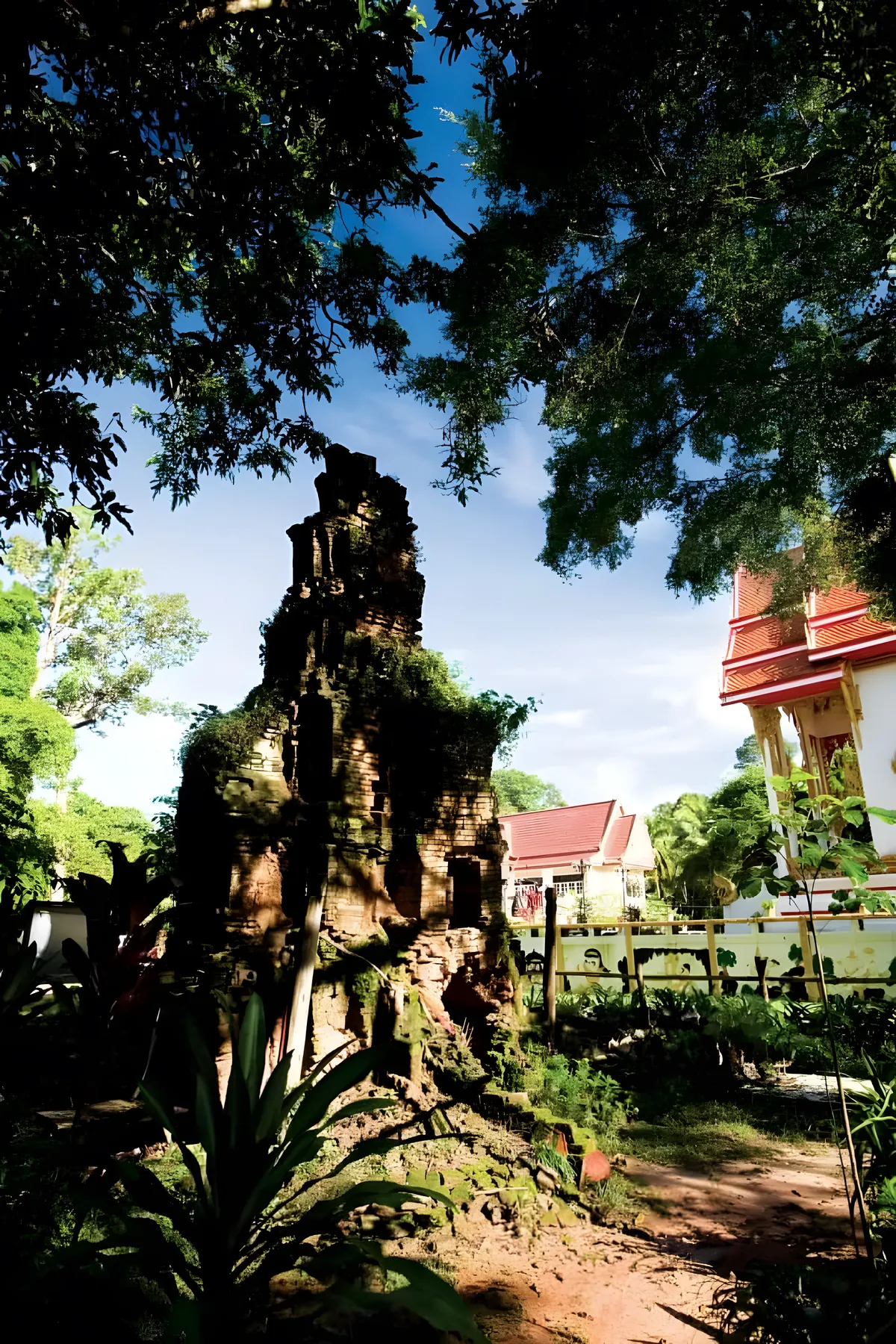
Tra Pieng Tia (Ta Pieng Tia Castle)

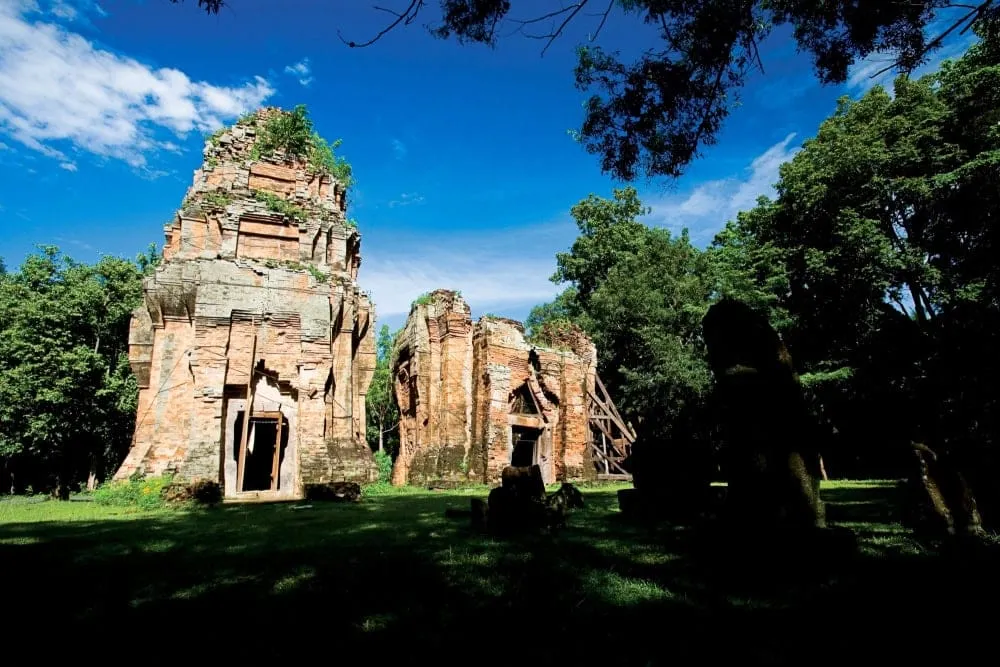
Prasat Yai Ngao
Things to do on the map
Tap a pin for details — 26 places in Surin plotted.
When to go
Nov–Feb The dry cool season is the best window — comfortable temperatures for temple-hopping, and the Elephant Round-up falls on the third weekend of November, drawing large crowds to Surin city.
Mar–May Hot before the rains. Khmer temple sites are accessible but exposed — go early. April's heat peaks above 38°C in some years.
May–Oct Isan wet season. Rain typically comes in afternoon or evening bursts rather than all-day downpours. The Dangrek border temples remain accessible but road conditions on minor routes can deteriorate in August–September.
About Surin
Last updated September 2026
Overview
Surin is a lower-Isan province about 430 kilometres east-northeast of Bangkok, sharing its southern edge with Cambodia along the Dangrek Mountains. The province is best known outside Thailand for two things: the Kui people’s centuries-old tradition of elephant keeping, made visible each November at the Surin Elephant Round-up, and a concentration of Khmer temple ruins that rivals Buriram’s Phimai circuit in quality if not in visitor numbers.
The landscape is flat rice-farming country, punctuated by laterite mounds hiding sandstone prangs. Surin city itself is a manageable provincial capital — a good base without being a destination in its own right. What makes the trip worthwhile is the spread of sights within a day’s drive: the five-prang Prasat Sikhoraphum with its extraordinary carved lintel, the royal silk weavers of Ban Tha Sawang, the silverwork village at Khwao Sinarin, and the elephant village at Ban Ta Klang.
Surin also gives access to a string of Khmer sanctuaries running along the Thai-Cambodian border, including Prasat Ta Muen Thom — built as a waystation on the ancient royal road from Angkor to Phimai. The border crossing at Chong Chom connects to O Smach in Cambodia for those with onward plans.
The province’s name derives from Sanskrit: sura (god) plus indra — essentially “Lord Indra.” Its population is ethnically mixed, with significant Kui, Khmer, and Lao communities alongside Thai speakers, which accounts for the strong craft traditions and the persistence of elephant culture that elsewhere in Thailand has largely disappeared.
Top Things to Do
Prasat Sikhoraphum is the headline Khmer sight in Surin and one of the finest temple complexes in the northeast. Five prangs stand on a laterite platform in the middle of a pond, dating to the 11th or 12th century. The central prang’s lintel is exceptional: a ten-armed dancing Shiva supported by sacred geese above the head of Kala, flanked by Durga, Vishnu, Brahma, and Ganesha. Below it are the only two Khmer apsara (celestial dancer) carvings still in situ in Thailand. Entry is free and crowds are thin — you can usually have the place to yourself outside Thai holidays.
Ban Ta Klang and Elephant World sits about 58 kilometres north of Surin city and is home to the Kui community whose elephant-keeping tradition stretches back several centuries. The Elephant World centre, established in 2020, runs the site as a conservation and education project where mahouts receive a salary in exchange for improved welfare standards for their animals. The village has around 300 elephants at any one time — a concentration unlike anywhere else in Thailand. The welfare debate around elephant tourism in Surin is real: some elephants are still kept chained for long periods and trained using methods that advocacy groups have criticised. Visiting Elephant World rather than performance-oriented venues is the more responsible option if elephant welfare matters to you.
Surin Elephant Round-up takes place on the third weekend of November each year — TAT confirms exact dates closer to the time — and is one of the world’s largest elephant gatherings, with 200–300 animals parading through Surin city in a spectacle that draws tens of thousands of visitors. The festival celebrates the historic relationship between the Kui mahouts and their elephants and includes cultural shows alongside the parade. Book accommodation well in advance; the city fills entirely in the days around the event.
Ancient Yok Thong Silk Weaving Village, Ban Tha Sawang produces pha yok thong — a royal-grade brocade woven from pure silk threads interlaced with gold and silver. The Queen Sirikit Foundation has supported preservation of the technique here, and pieces from Ban Tha Sawang have been presented as royal gifts at state occasions including the 2003 APEC summit. A single length of fabric takes months to complete — four weavers working simultaneously on a loom with up to 1,416 heddles. The village is about 10 kilometres from Surin city and welcomes visitors to watch the weaving and buy direct.
Khwao Sinarin Silver Handicraft Village specialises in the Surin style of silverwork known as luk pakueam — round or oval beads created from silver sheet, enamelled, and engraved with traditional motifs such as lai khai maengda (horseshoe crab-egg pattern). The work is sold as bracelets, belts, necklaces, and earrings and is genuinely distinctive from the silver jewellery you find elsewhere in Thailand. The village is in Khwao Sinarin district, off Highway 214.
Prasat Hin Ban Phluang is a quieter Khmer site than Sikhoraphum but rewarding for those interested in the archaeology. Built in the Baphuon style during the 11th century under King Udayadityavarman II, the sandstone tower sits on a laterite base facing east. Its lintel shows Indra riding the three-headed elephant Airavata. The tower was never completed — no stones other than those in situ were found during the 1973–75 restoration — and the missing top remains unexplained. Over 4,000 pottery fragments were recovered from just outside the entrance, the largest single-site pottery find at any Khmer temple in Thailand.
The Dangrek border temples require a longer day trip with your own transport. Prasat Ta Muen Thom, just inside Thai territory on the Dangrek escarpment, was a major waystation on the ancient Angkor-to-Phimai royal road. The site includes three temple structures, one of which dates to the 7th–8th century CE based on Shaivite inscriptions in Pallava script — among the earliest evidence of religious activity in the region. The access road and border situation have been periodically disrupted by Thai-Cambodian border tensions; check current conditions before making the trip.
Surin National Museum in the city centre covers Kui culture, Khmer art history, and the elephant tradition in one well-curated building. It is a useful half-hour introduction before heading out to the sites.
Baan Chan Rom Weaving Village and Ban Sawai Community are additional craft villages in the province, producing different styles of local textile and ceramic work respectively — worthwhile stops if you are spending a full day on the craft circuit.
Where to Stay
Surin city has a functional spread of hotels — enough mid-range options to stay comfortably without the resort pricing of busier tourist centres. Slive Hotel, Surin Majestic Hotel, and Hop Inn Surin are consistently well-reviewed. There are no international luxury chains, but the mid-range properties are perfectly adequate as a base for exploring the province.
During the Elephant Round-up weekend in November, every room in the city sells out weeks in advance. If you haven’t booked by early October for that weekend, expect to look in neighbouring Buriram (an hour west by road, with better hotel stock due to the Buriram United football and motorsport infrastructure nearby).
Getting There
The most practical route from Bangkok is the train on the Ubon Ratchathani line from Krung Thep Aphiwat Central Terminal. The Special Express No. 21 (departs 06:10) reaches Surin at around 12:09 — roughly six hours. Overnight trains also run, arriving early morning. Buses from Bangkok’s Northern/Northeastern Bus Terminal (Mo Chit) take approximately seven hours. Domestic flights to Surin are not currently available — the nearest airports are Buriram (70 km west) and Ubon Ratchathani (140 km east), both with Bangkok connections.
Within the province, a hired driver is the most practical option for a multi-site day. Songthaews cover some routes from the city market, but schedules are irregular and they do not reach the border temple sites or Ban Ta Klang directly.
The Chong Chom border crossing in Kap Choeng district connects to O Smach, Cambodia — one of the main northeastern crossings between the two countries. The Cambodian side has casino and resort facilities. Overland travel deeper into Cambodia from this point requires onward planning, as O Smach is not on the main tourist corridor.
Best Time to Visit
Surin follows the standard lower-Isan climate: wet season May through October, dry cool season November through February, hot season March through May. The November dry-season opener coincides with the Elephant Round-up, making it the single most popular time to visit — be aware that the city is under significant pressure that weekend.
For temple visits without crowds or festival chaos, December through February is the sweet spot — the Khmer sites are comfortable at any time of day, the rice harvest has finished, and the province is at its greenest from the late monsoon runoff. March and April are entirely viable for sightseeing but require early starts to beat the heat at exposed temple platforms. The wet months from June through September are workable in the city and at roofed temple sites, but unpaved roads to rural craft villages and border temples can become difficult after heavy rain.
Frequently Asked Questions about Surin
How do I get to Surin from Bangkok?
When is the best time to visit Surin?
How long do you need in Surin?
How do I get around Surin province?
What is the Elephant Round-up and is it ethical to attend?
Spotted something out of date or incorrect? Let us know
Plan your
Surin trip