

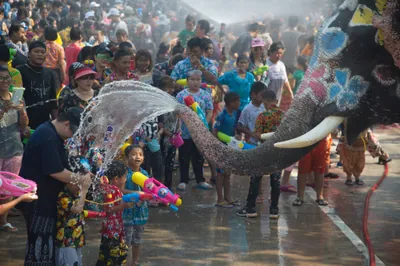







Yasothon
ยโสธร
Isan province best known for Thailand's most spectacular rocket festival, Lao-heritage temples, and the famous triangle pillows of Ban Si Than.
Recommended by us

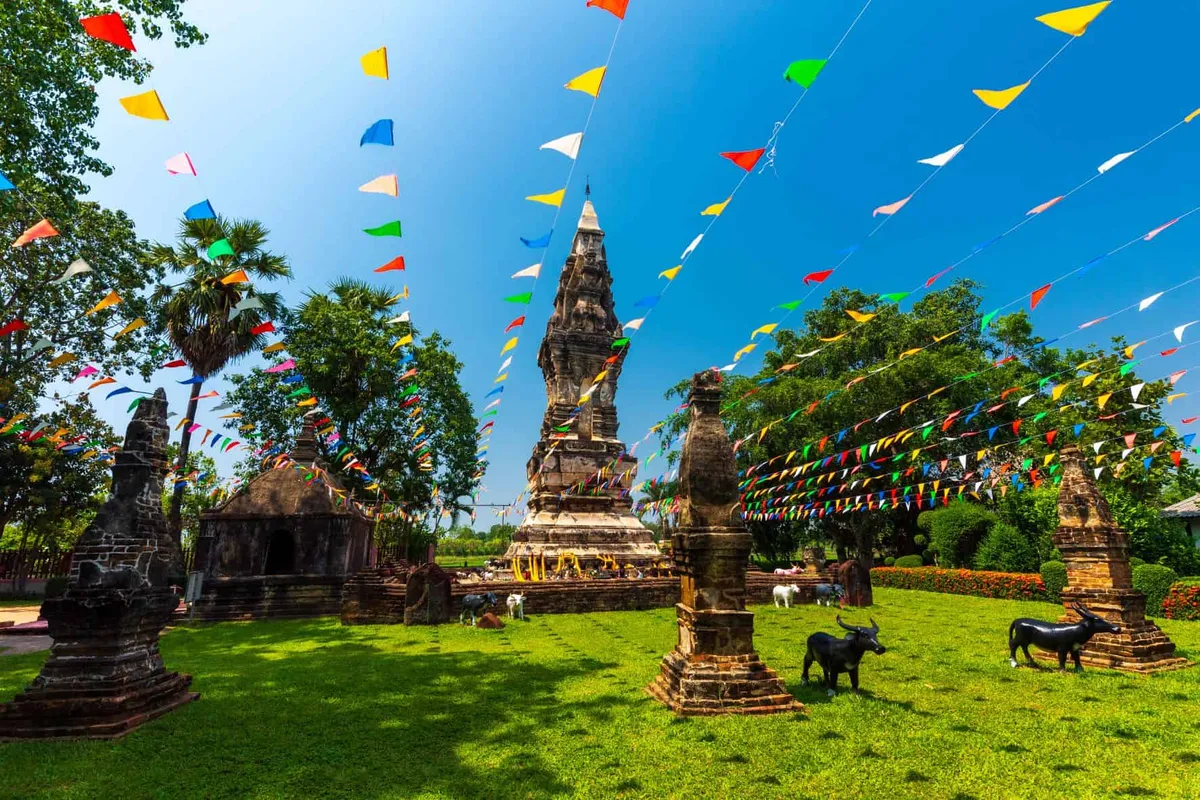
Phra That Kong Khao Noi
An old Lao-style chedi on a low hill outside town — the kind of quiet, genuinely ancient site that rarely appears on itineraries. Worth the short drive for the calm alone.

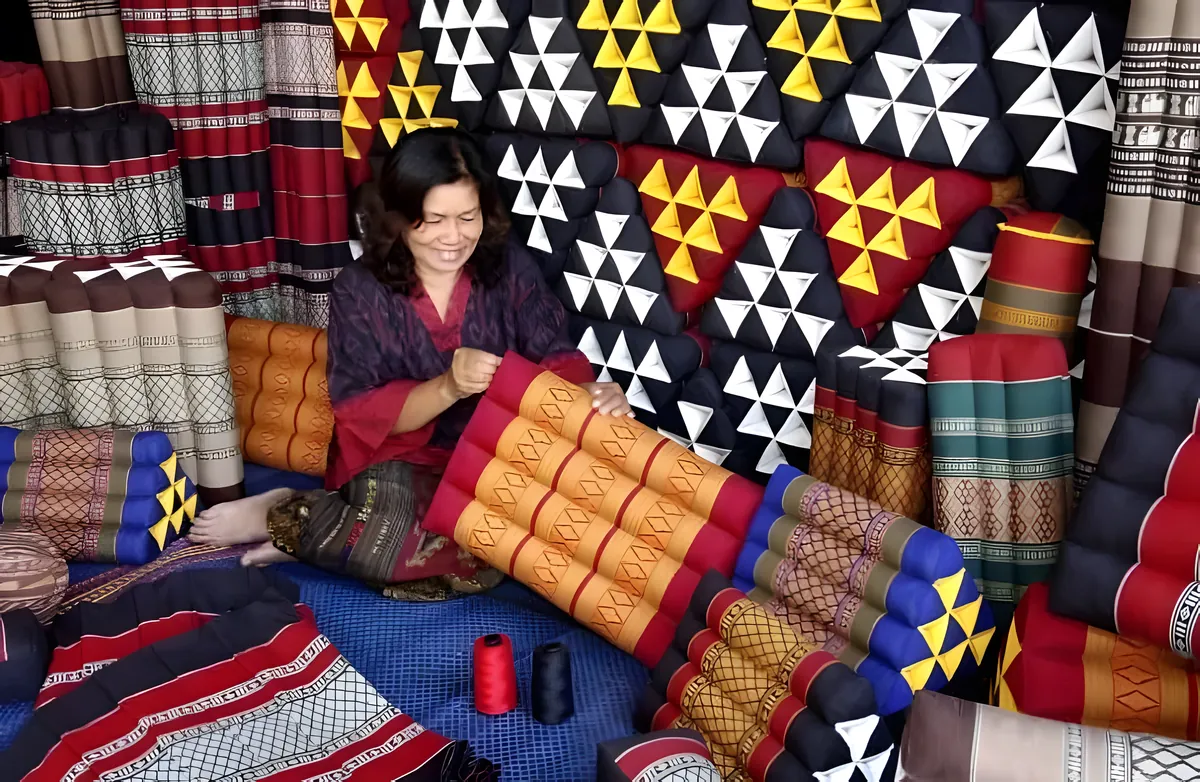
Ban Sri Than pillows
The village that makes Thailand's famous triangular Isan pillows — woven by hand from local cotton in the same patterns for generations. You can buy direct from the weavers; prices are far lower than in Bangkok shops.

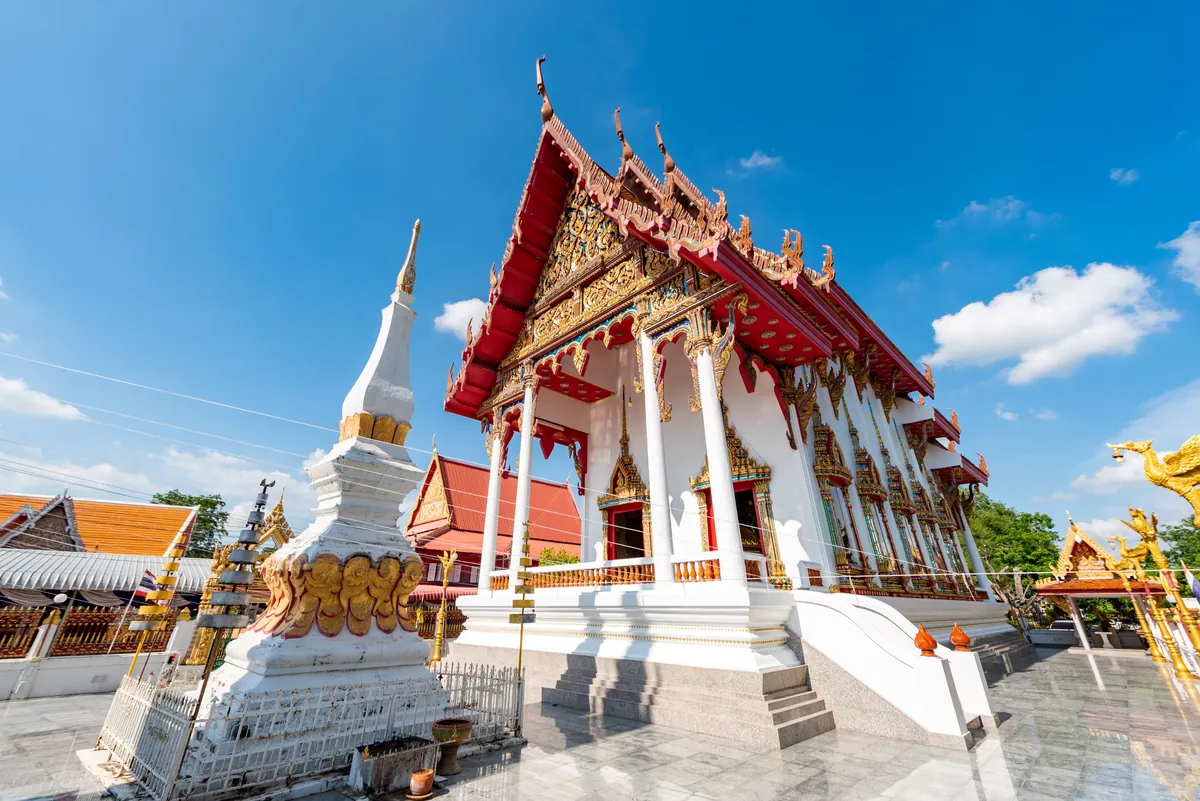
Wat Maha That
The main temple in Yasothon town, anchored by a tall Lao-style prang. The rocket festival parade starts here each May — outside festival season it's calm enough to have to yourself.

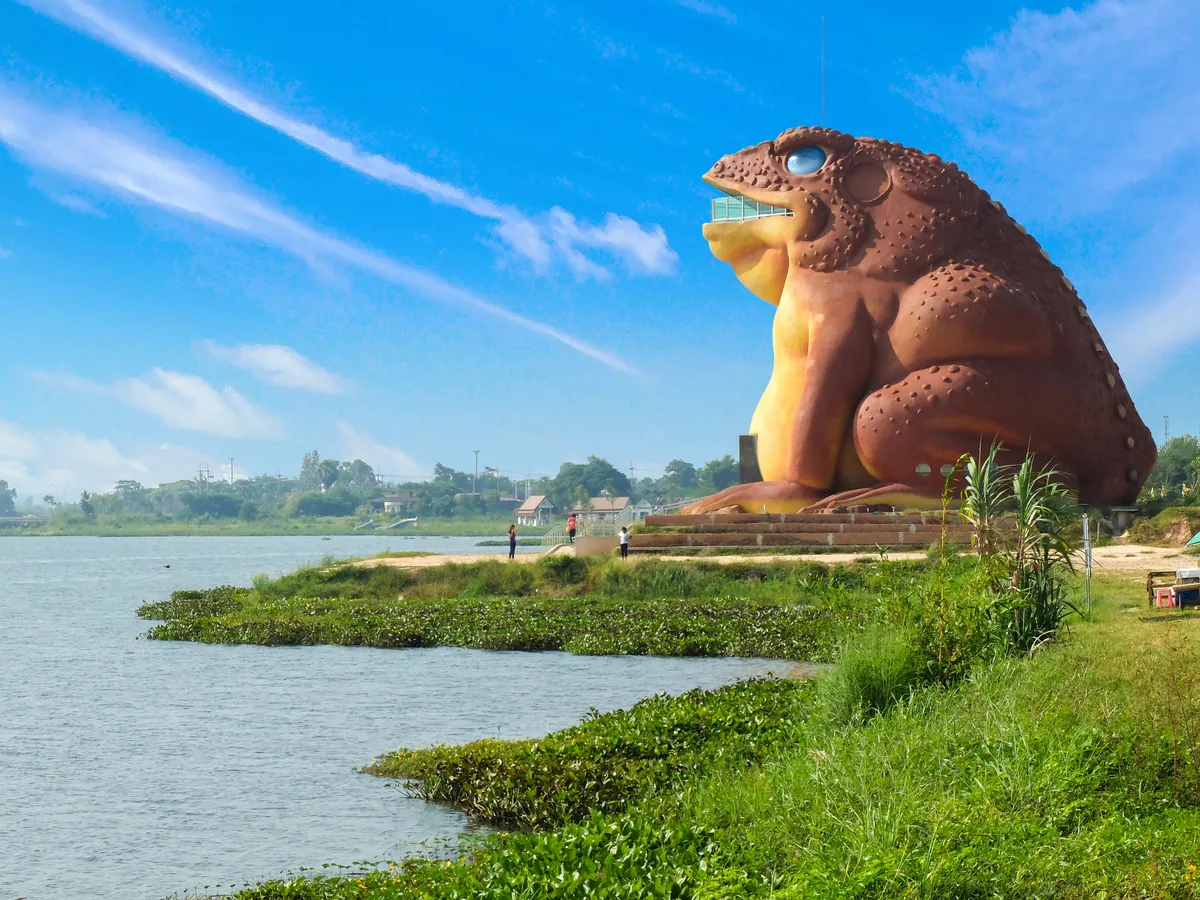
Phaya Thaen Public Park
The riverside park that hosts the Bun Bang Fai rocket festival each May — rockets taller than houses launched into the sky to beg for rain. Visit during the festival if your dates allow; it's one of the most theatrical events in Isan.

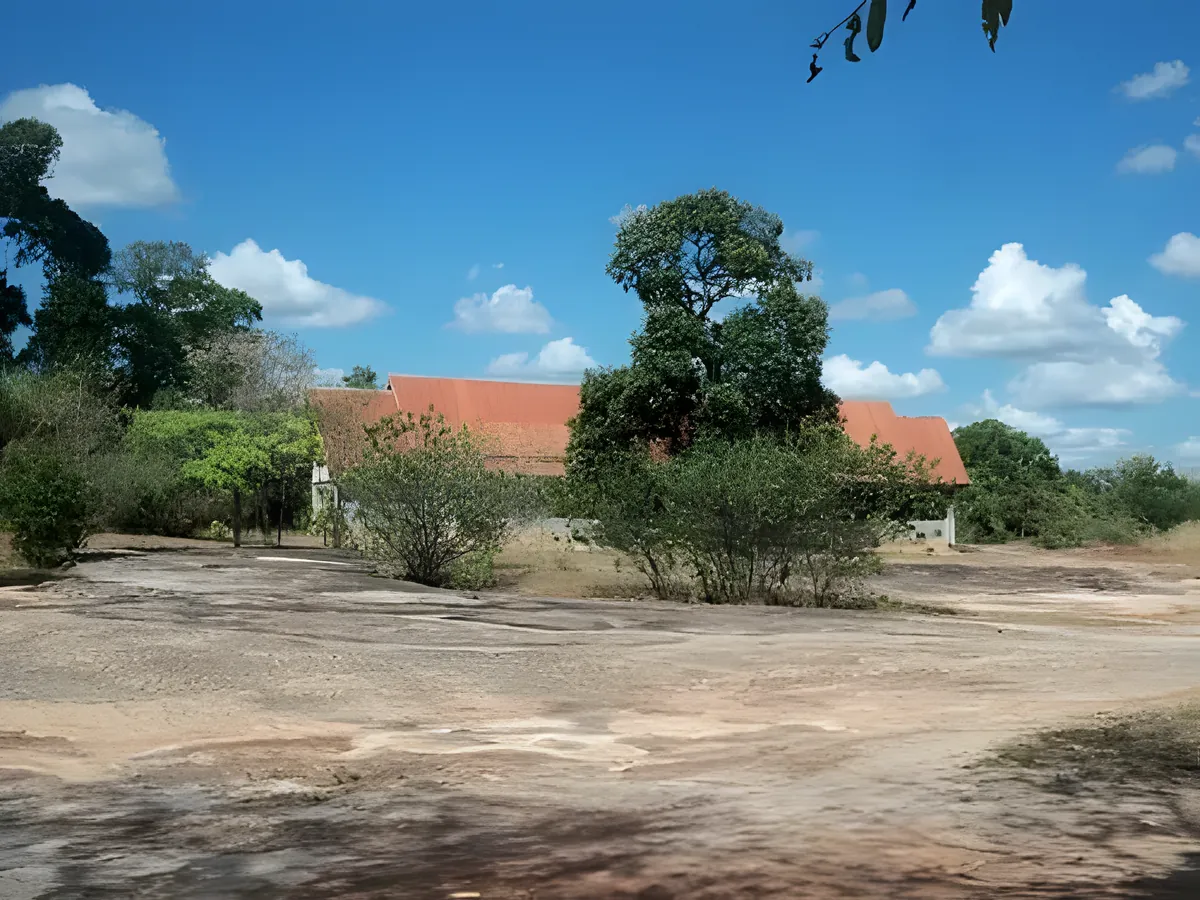
Wat Phu Tham Phra Wanaram
A hilltop temple with a cave shrine and views over the surrounding plains. The climb is short and the combination of rock, forest, and gilt chedis makes it more interesting than the town temples.

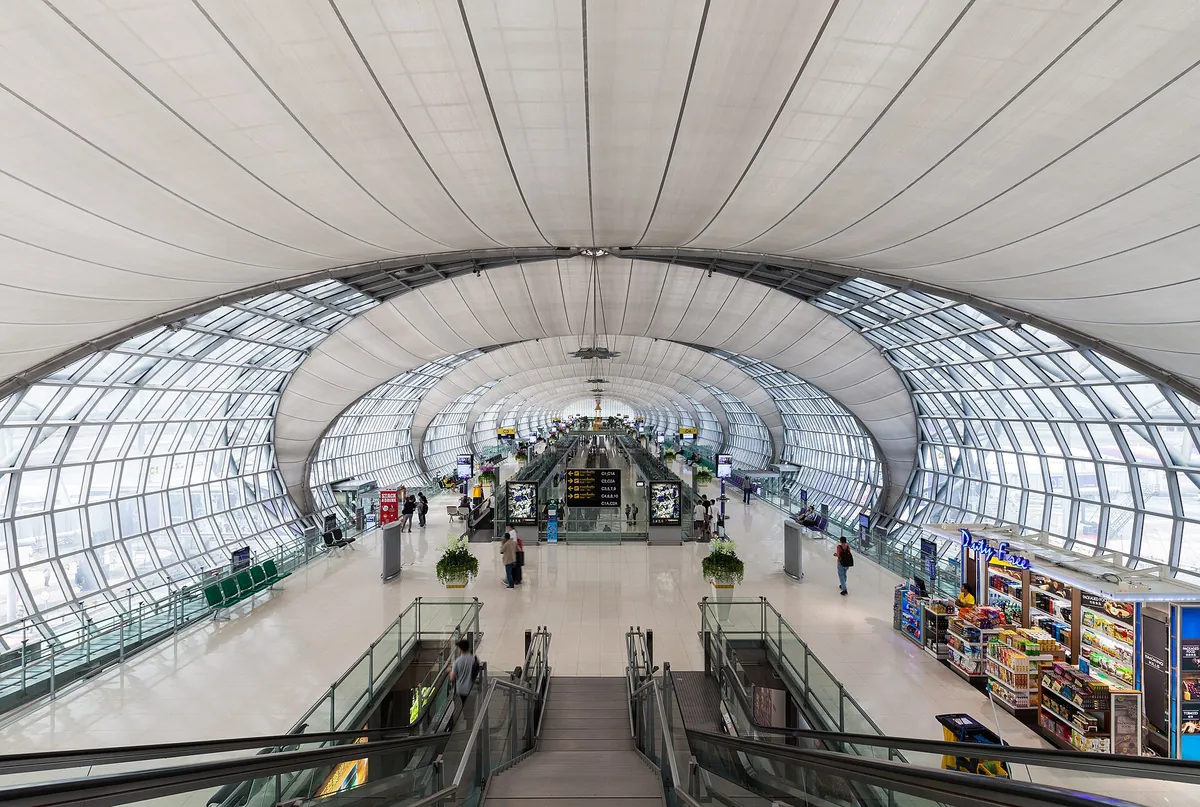
Get to Yasothon
Bus from Bangkok's Northern Terminal (Mo Chit) is the standard option — about 7–8 hours; there's no direct train to Yasothon itself.

eSIM for Thailand
Land with data already working and skip the airport SIM queue. We tested six plans — code THAIHOLIDAY saves 10%.

Travel insurance
Rural Isan roads and motorbike hire are the main risks — sort cover before you go and check the motorbike clause in your policy.
Top sights & experiences
Things to do in Yasothon








Things to do on the map
Tap a pin for details — 13 places in Yasothon plotted.
When to go
Nov–Feb Cool dry season with temperatures dropping to a comfortable 20–25°C. Ideal for temple touring and exploring the old town on foot without heavy heat.
Mar–May Hot before the rains, pushing past 35°C in April. The Bun Bang Fai Rocket Festival falls on the second weekend of May — plan around it and book accommodation well ahead. Songkran brings local celebrations in mid-April.
Jun–Oct The Chi River basin receives most of its annual 1,300–1,500 mm of rain between June and September. Temples remain accessible; rural roads and low-lying areas can flood in peak months.
About Yasothon
Last updated September 2026
Overview
Yasothon is a small Isan province on the Chi River, carved out of Ubon Ratchathani in 1972 and sitting about 530 kilometres northeast of Bangkok. It is one of the quieter stops on the Isan circuit, with no major resort infrastructure and few foreign visitors outside one explosive exception: the Bun Bang Fai Rocket Festival, held every second weekend of May, draws crowds from across Thailand and is the most famous rocket festival in the country.
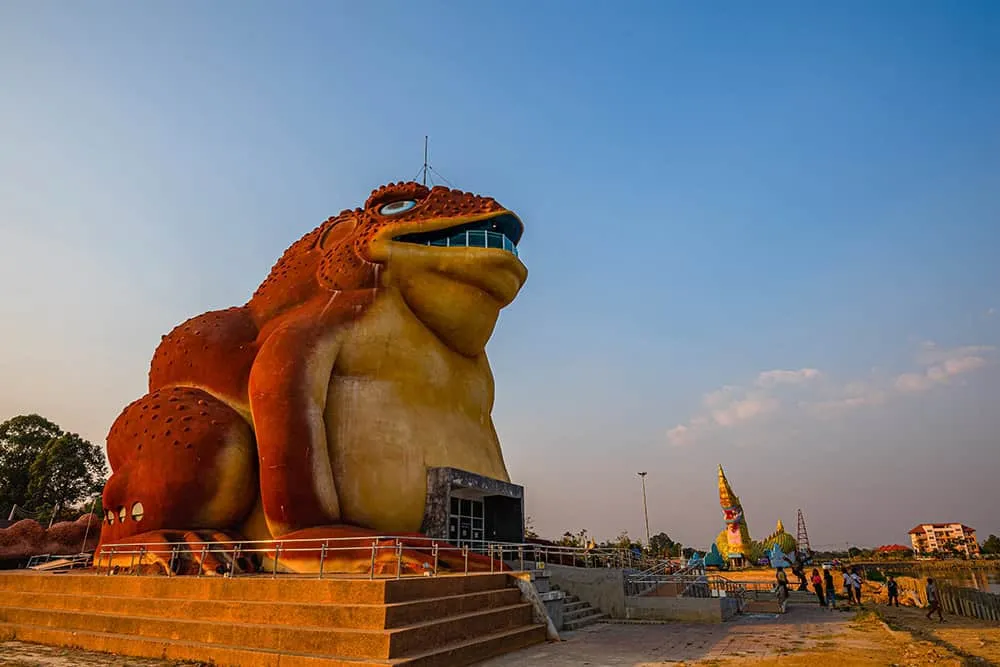
The province has deep Lao roots — the local dialect, temple architecture, and food traditions all reflect the Vientiane-era Lao heritage that shaped this stretch of the Mekong basin. Yasothon town itself is pleasant and unhurried, with a compact old neighbourhood of French Indochinese shophouses along the river, a Lao-style chedi at Wat Mahathat that predates the current provincial borders, and a public park whose centrepiece is a giant toad sculpture overlooking the Chi River.
Away from town, Ban Si Than is a village that produces the mon khit triangle pillow — the triangular floor cushion found in Thai households and beach bars nationwide. Yasothon makes most of them.
Top Things to Do
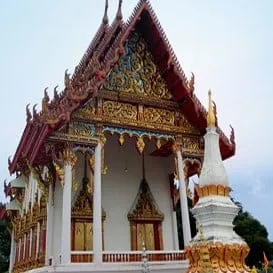
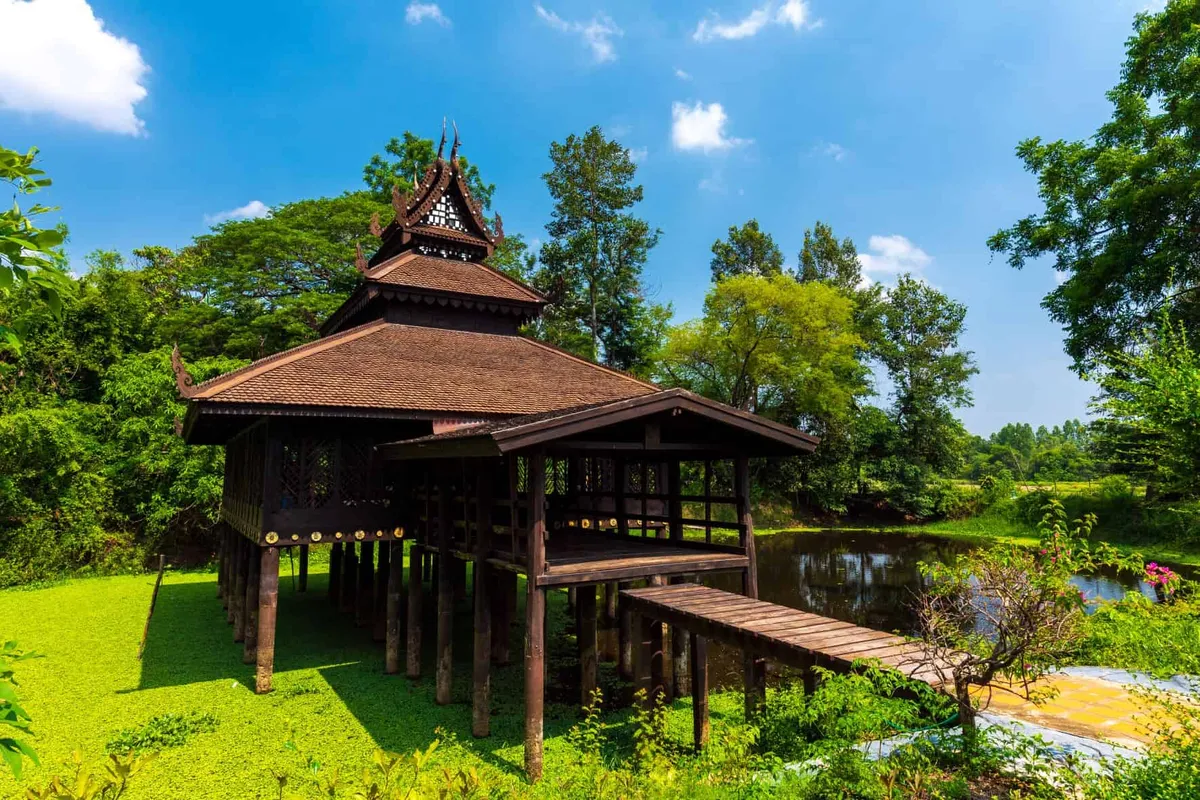
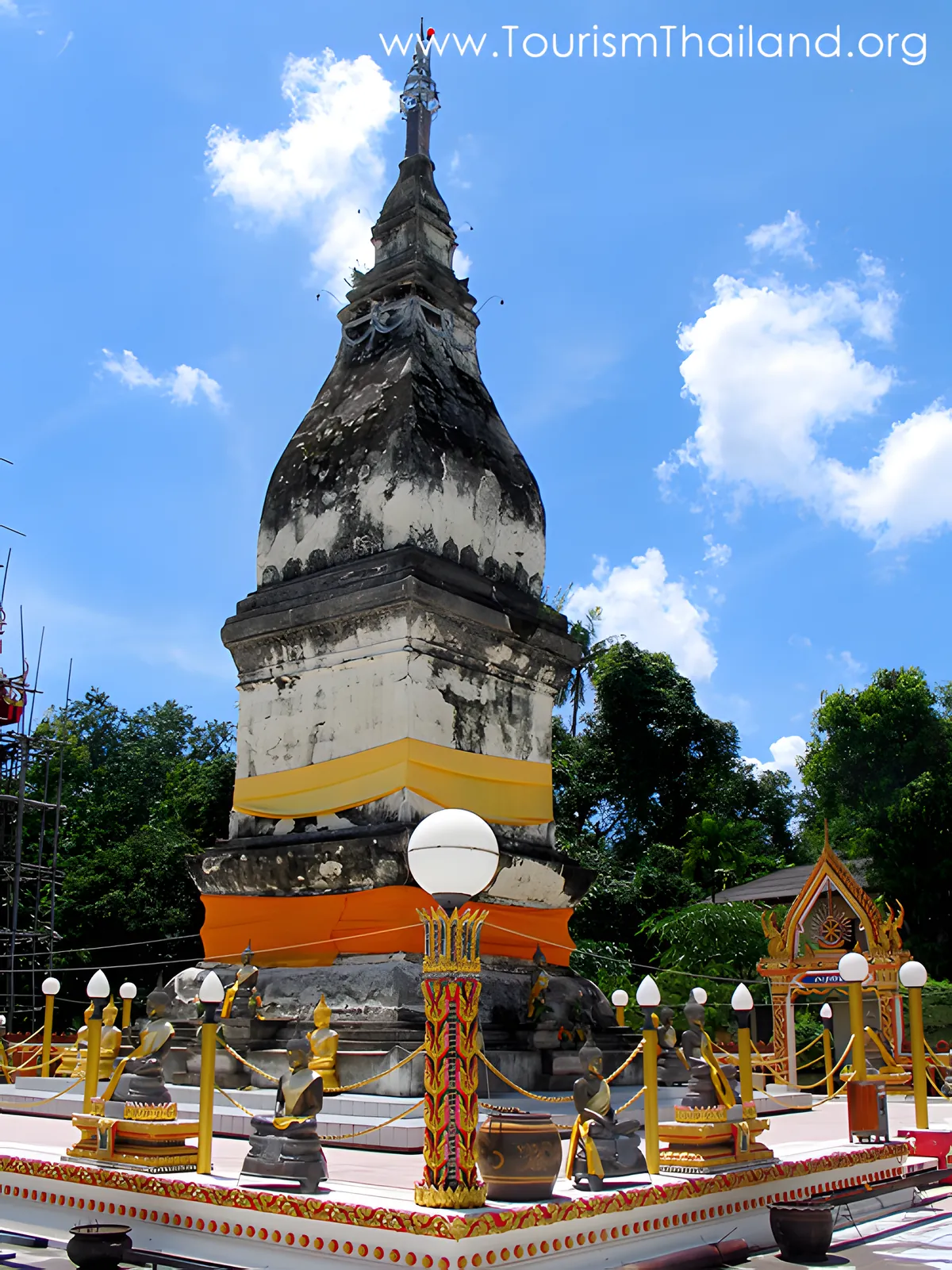
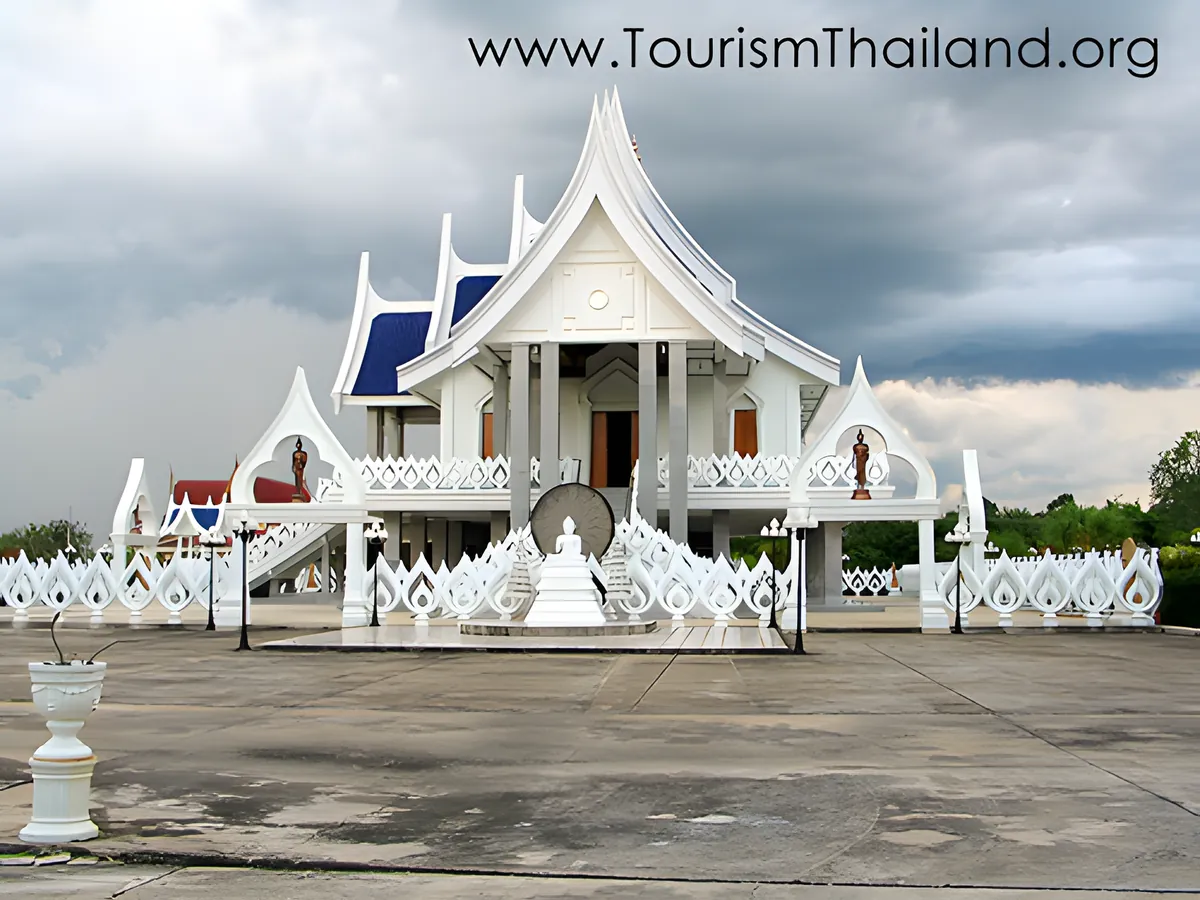
Wat Mahathat and Phra That Anon is the town’s most significant religious site. The white-and-gold chedi, known as Phra That Anon or Phra That Yasothon, was built in the 18th century in Lao style and enshrines relics of Phra Ananda, the personal attendant of the Buddha. In the temple grounds, the Hor Trai Wat Sra Trinurak is a restored scripture hall dating from the early 19th century, raised on stilts above a pond — the traditional method for protecting palm-leaf manuscripts from termites and flooding. Both structures are in good condition and the temple is active.
Phaya Khan Khak Museum and Phaya Thaen Public Park together make up the riverside attraction that explains why Yasothon hosts the rocket festival. The museum is housed inside a building shaped like an enormous orange toad — Phaya Khan Khak, the toad king of Isan legend — and covers both the folklore and the festival’s history. Step up to the viewing platform in the toad’s mouth for a look across the Chi River. The surrounding park hosts the actual Bun Bang Fai launch competition each May and is pleasant for an evening walk year-round.
Bun Bang Fai Rocket Festival (second weekend of May) is the reason many people make the detour to Yasothon. Teams from villages across the region compete by firing bamboo and PVC rockets — up to 9 metres long and weighing over 100 kilograms — skyward to petition Phaya Thaen, the rain god, for a good monsoon. The competition is scored on flight time and altitude. Failed launches earn the responsible crew an enthusiastic mud bath from spectators. The Friday night parade with folk singing and costumed processions is as much a draw as the Sunday launch.
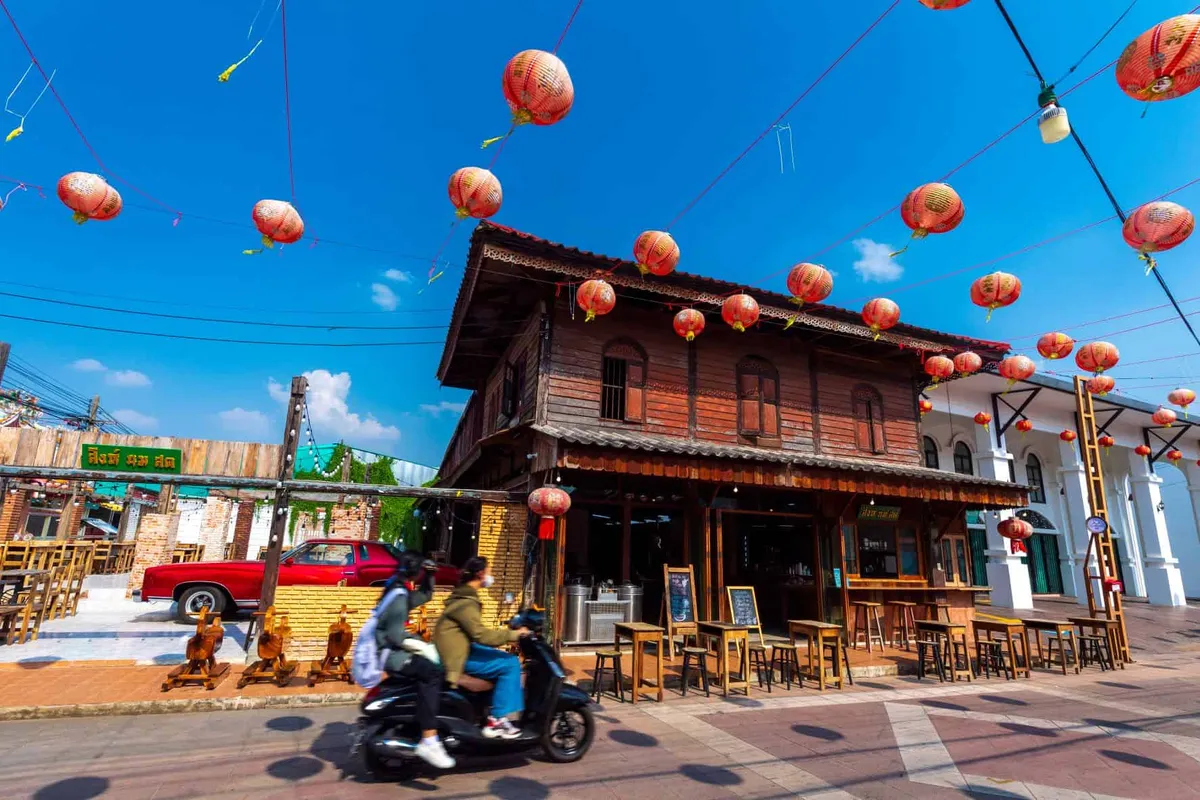
Ban Singha Tha is Yasothon’s old riverside trading quarter, developed when Chinese merchants from Khorat docked here and wealthy residents hired Vietnamese craftsmen to build their houses. The result is a short stretch of French Indochinese shophouses — painted timber facades, shuttered verandahs, decorative flourishes — that sit along Sri Sunthon Road and a few adjoining streets. Some are in good condition; others are empty. It is a quiet fifteen-minute walk with no entrance fee and almost no other tourists.
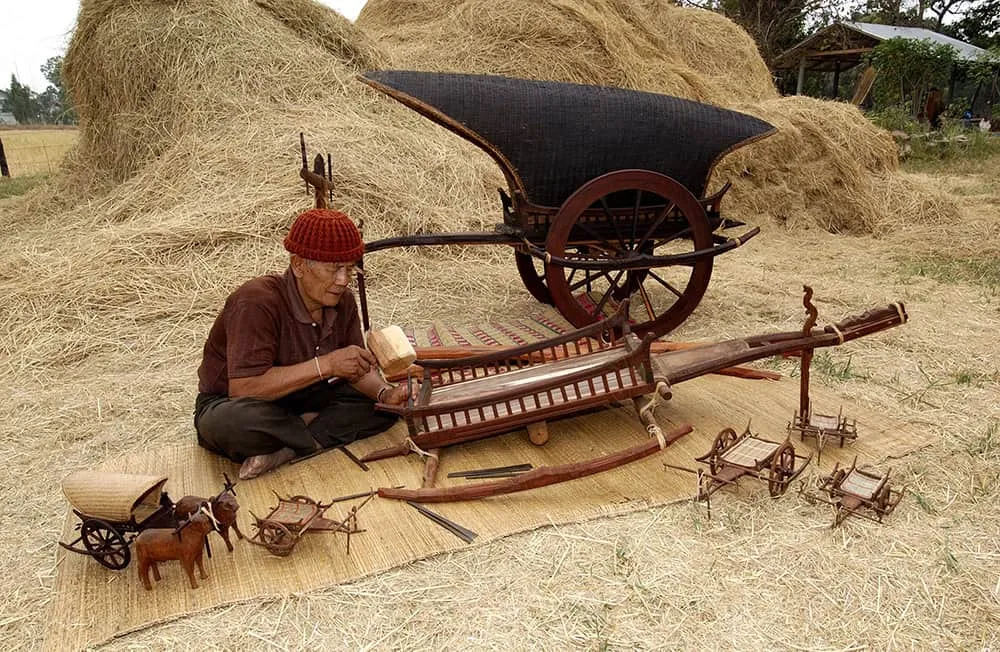
Ban Si Than is the village, about 20 kilometres southeast of the capital, where most of Thailand’s mon khit triangle pillows are made. After the rice harvest each year, villagers switch to weaving the distinctive diamond-grid khit fabric and stuffing the stiff triangular cushions that function as floor armrests. You can watch work in progress, buy direct from workshops at prices far below Bangkok shops, and browse the range of shapes and sizes. The craft is OTOP-certified and genuinely still a cottage industry rather than a factory operation.
Phra That Kong Khao Noi is an ancient stupa about 6 kilometres from town with a pronounced lean — Thai visitors call it “the Leaning Tower of Yasothon.” The structure dates to the late Ayutthaya period and is associated with a local legend about filial piety and repentance. Offerings of small animal figurines surround the base. Entry is free and the site is popular with Thai pilgrims but sees almost no foreign visitors.
Phu Tham Phra is a forested cave site set within mixed deciduous woodland. The cave contains Buddha images and devotional objects used by monks for meditation over many generations. It is cool, shaded, and quiet — a workable half-day if you want to be out of town and among trees.
Where to Stay
Yasothon has a small selection of locally-run hotels in the ฿400–1,200 per night range. The Thezen Hotel and Easarn Inn are the two most frequently mentioned options with consistent reviews. There are no international chains and no resorts. For the Rocket Festival weekend, rooms fill months in advance across Yasothon and in nearby Roi Et — book early or consider basing yourself in Ubon Ratchathani and travelling in for the day, though that is a two-hour round trip.
Outside festival season, the town is quiet enough that walk-in availability is usually fine.
Getting There
The fastest practical option from Bangkok is an overnight bus from Mo Chit Northern Bus Terminal, timed to arrive in the morning after an eight-hour journey. VIP and first-class services cost ฿450–570 and run through the day and night. There is no train to Yasothon.
For those flying, Roi Et Airport is 64 kilometres away and has daily Bangkok Suvarnabhumi connections. Ubon Ratchathani Airport (105 km) has more frequent flights and better onward connections; buses between Ubon and Yasothon run several times a day and take about two hours.
Within the province, a hired driver or your own vehicle is the practical option for reaching Ban Si Than, Phra That Kong Khao Noi, and Phu Tham Phra.
Best Time to Visit
Yasothon follows the standard Isan three-season pattern: a cool dry season November through February, a hot dry season March through May, and a wet season June through October when the Chi River basin receives most of its 1,300–1,500 mm annual rainfall.
The most comfortable time for general sightseeing is November to February. The Rocket Festival in the second week of May falls at the tail end of the hot season, just before the rains — temperatures are in the mid-30s but the festival atmosphere makes up for it. Travelling in June through September means occasional flooding on rural roads, though the town sights and temples are unaffected. Yasothon does not experience the agricultural burning haze that affects some other Isan provinces in February and March to any significant degree.
Frequently Asked Questions about Yasothon
How do I get to Yasothon from Bangkok?
When is the best time to visit Yasothon?
How long do you need in Yasothon?
How do I get around Yasothon?
What is the Phaya Khan Khak legend connected to the Rocket Festival?
Spotted something out of date or incorrect? Let us know
Plan your
Yasothon trip