






Chaiyaphum
ชัยภูมิ
Isan province famous for vast Siam tulip fields, sandstone monoliths called Thailand's Stonehenge, four national parks, and fine mud mee silk woven in village homes.
Recommended by us

Sai Thong National Park
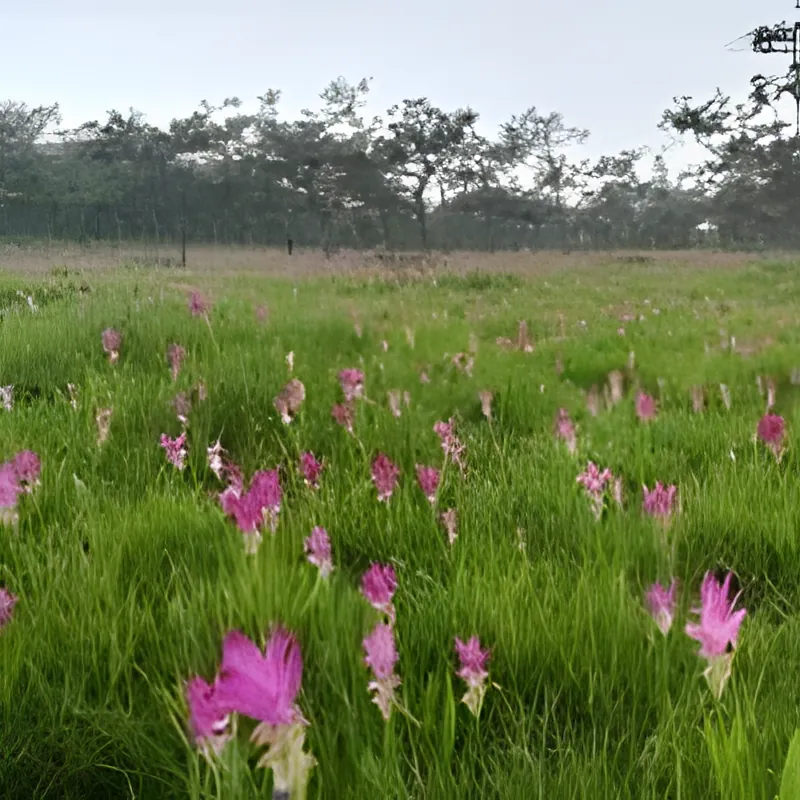
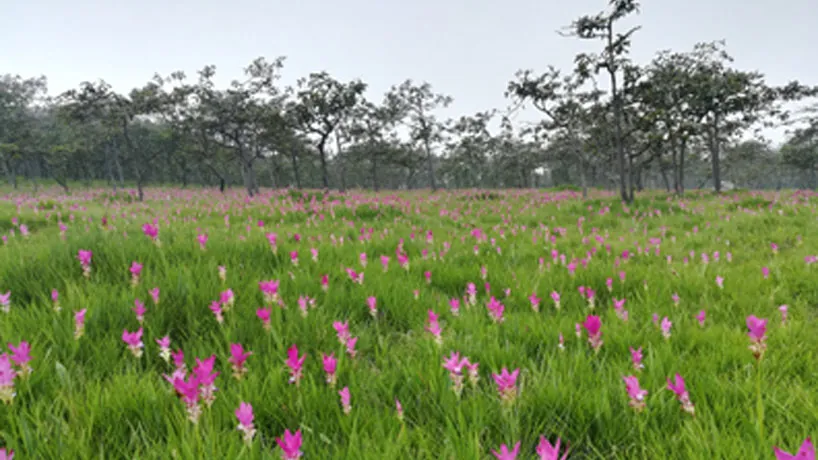
The park most people come to Chaiyaphum for — Siam tulips carpet the meadows in March, drawing day-trippers from across Isan. Outside tulip season it's a quiet forested plateau worth the drive.

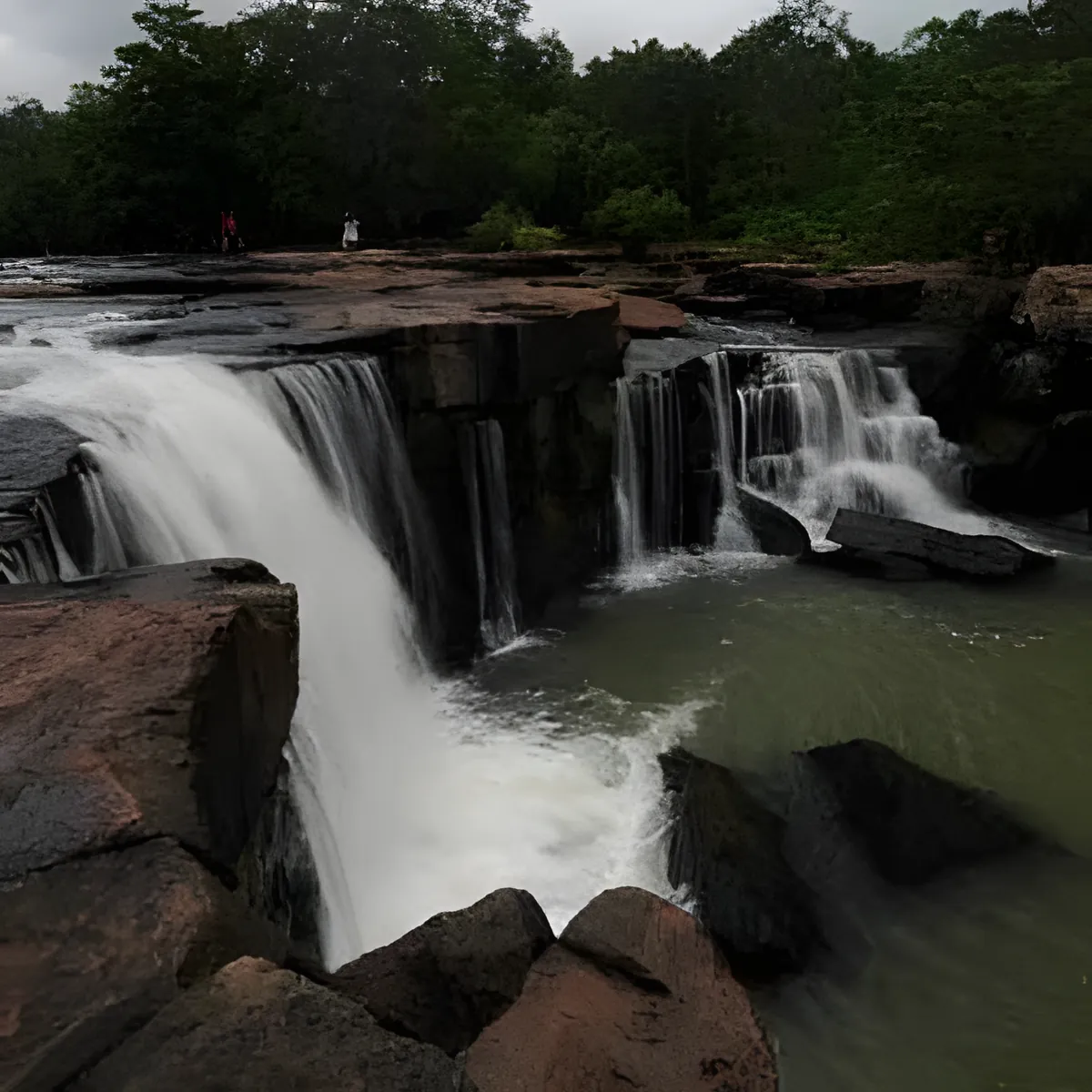
Tat Ton National Park
A wooded park built around a waterfall on the Lam Phraplerng river. Quieter than Sai Thong and far less visited — worth combining into the same day trip.

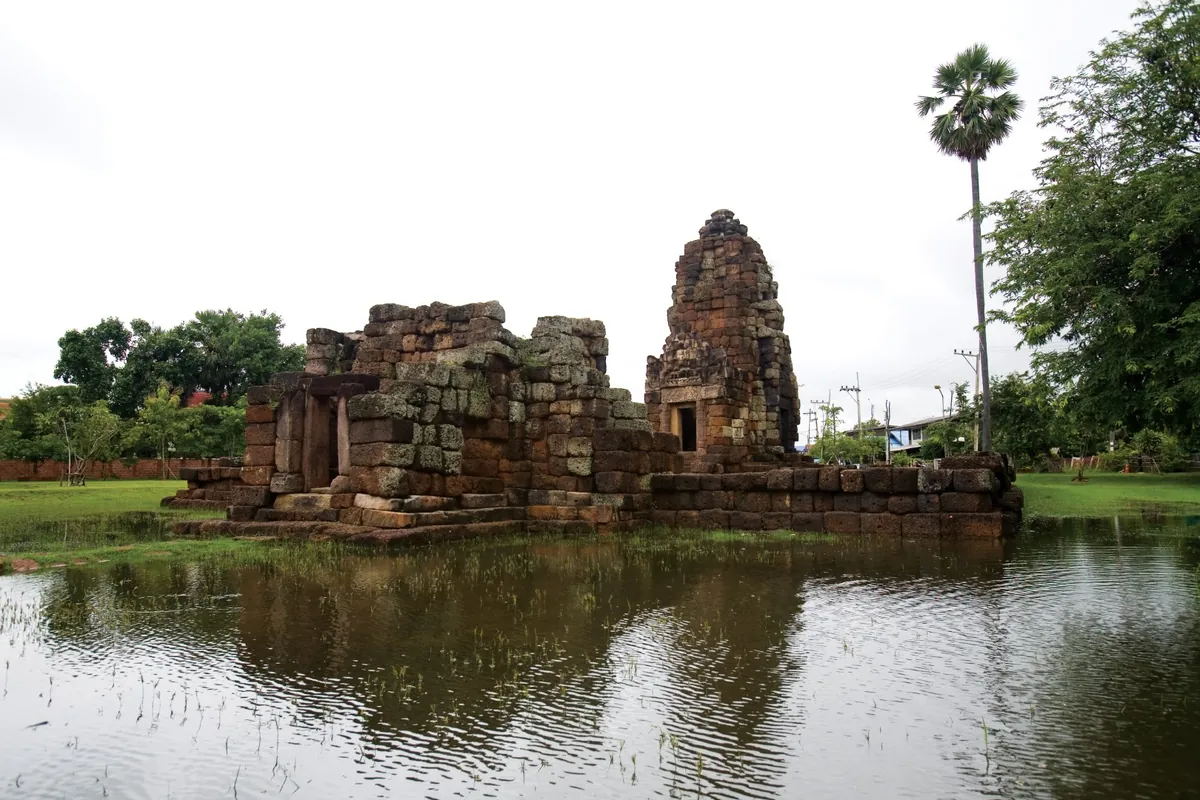
Prang Ku
A Khmer laterite shrine from the 12th century — one of the few surviving ancient monuments in the province. A short stop but a genuinely old one.

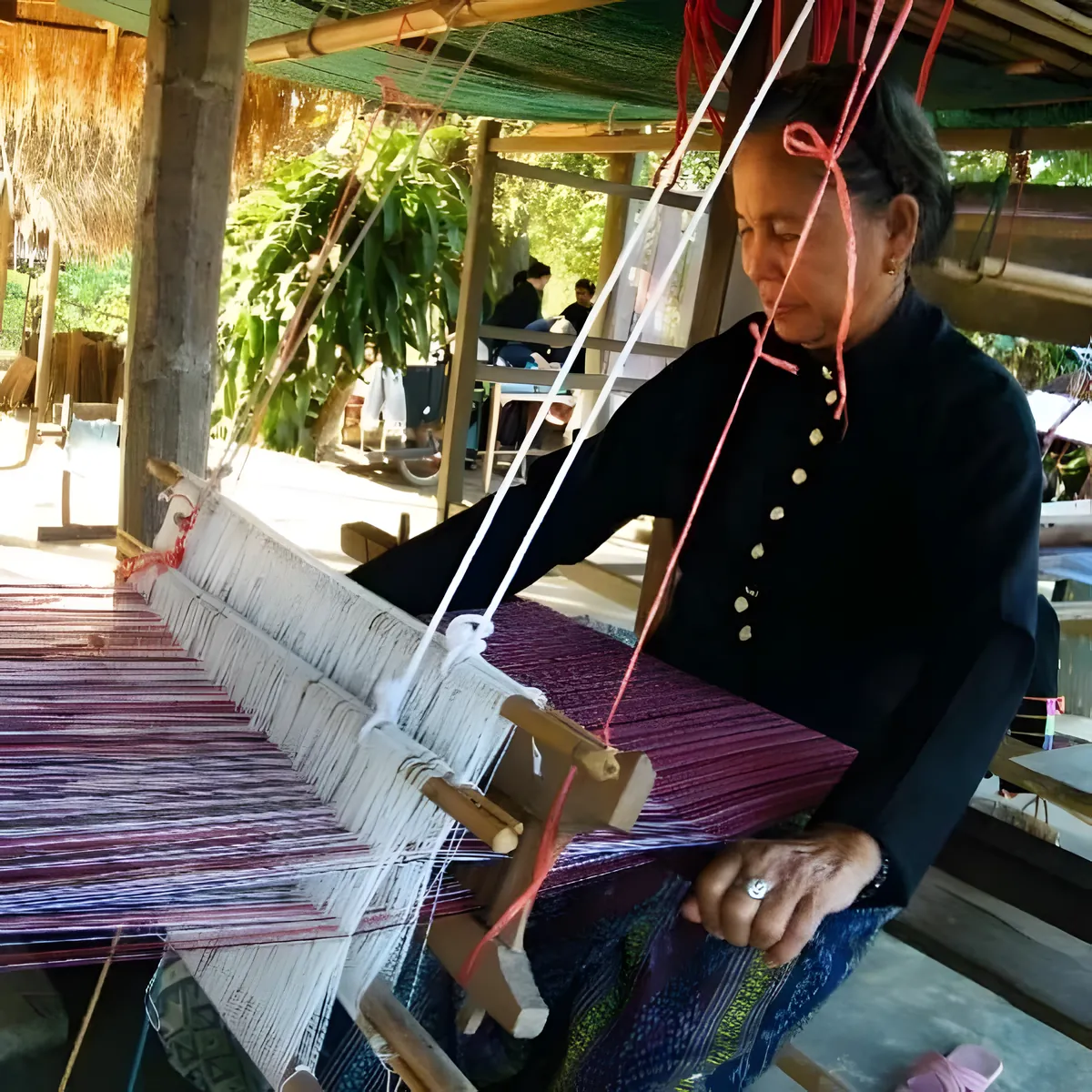
Ban Non Salao Silk Weaving Village
Mud mee silk — the resist-dyed ikat fabric woven across Isan — is made here in family homes. Dress lengths cost a fraction of Bangkok prices and you can watch the looms at work.

Get to Chaiyaphum
Buses from Bangkok's Mo Chit terminal reach Chaiyaphum in around 4 hours — the most practical way in from the capital.


eSIM for Thailand
Land with data already working and skip the airport SIM queue. We tested six plans — code THAIHOLIDAY saves 10%.

Travel insurance
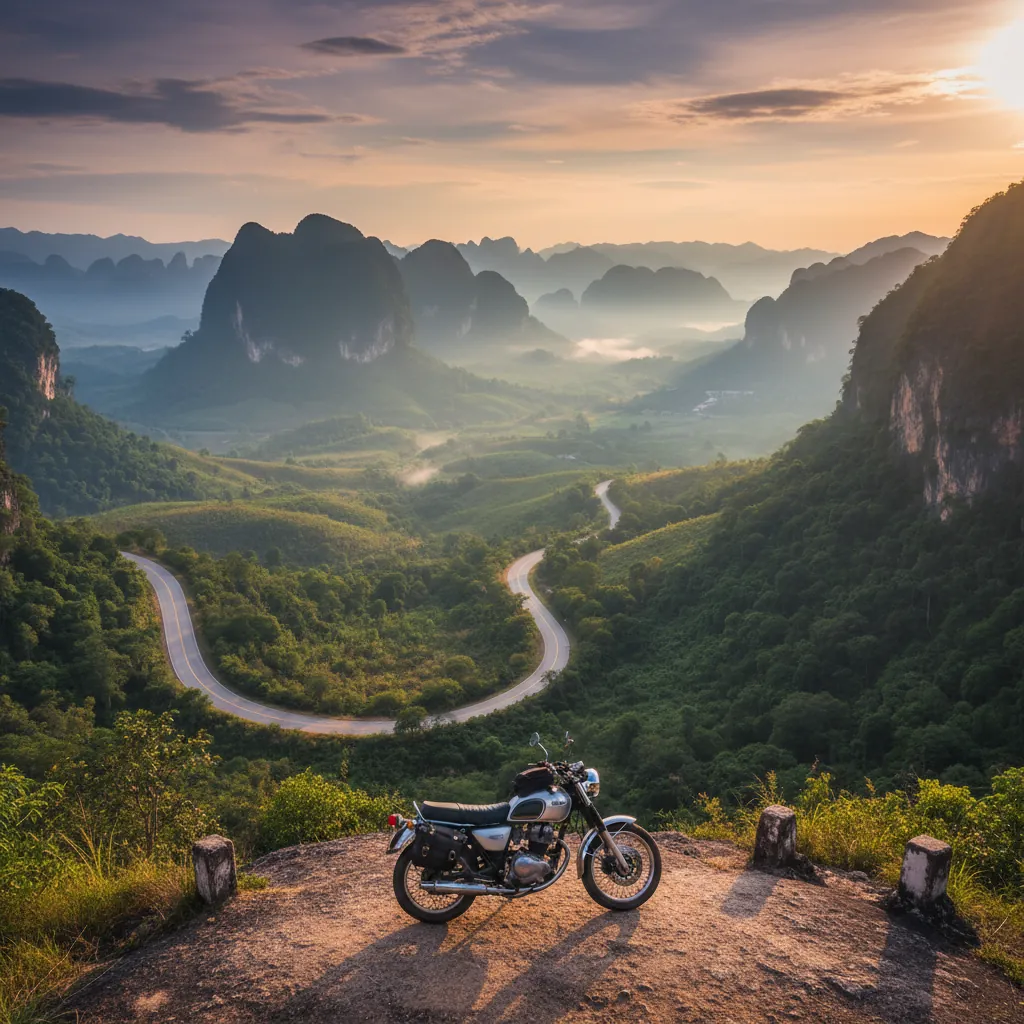
Hiking national park trails and riding through rural Isan — sort cover before you go. The motorbike clause matters on local roads.
Wats, shrines & spiritual sites
Temples in Chaiyaphum




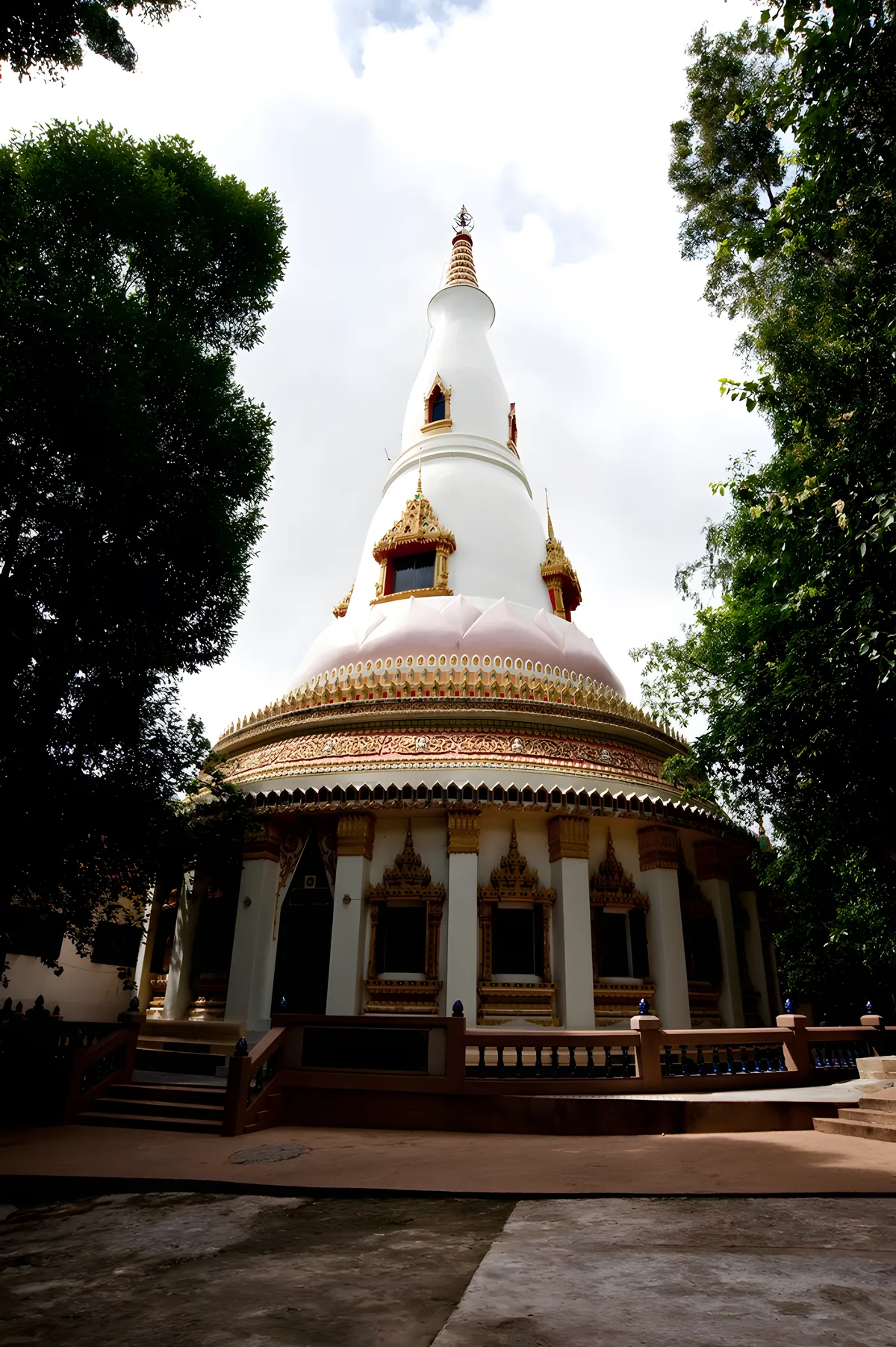

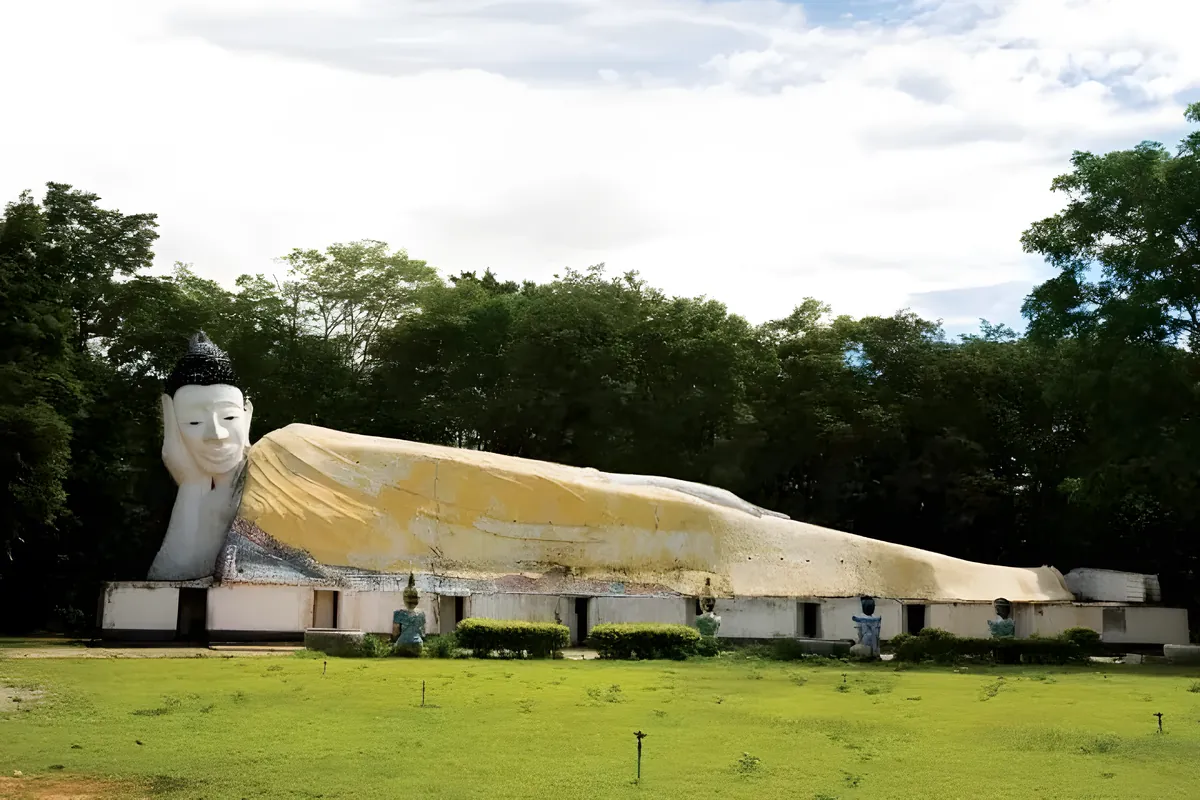

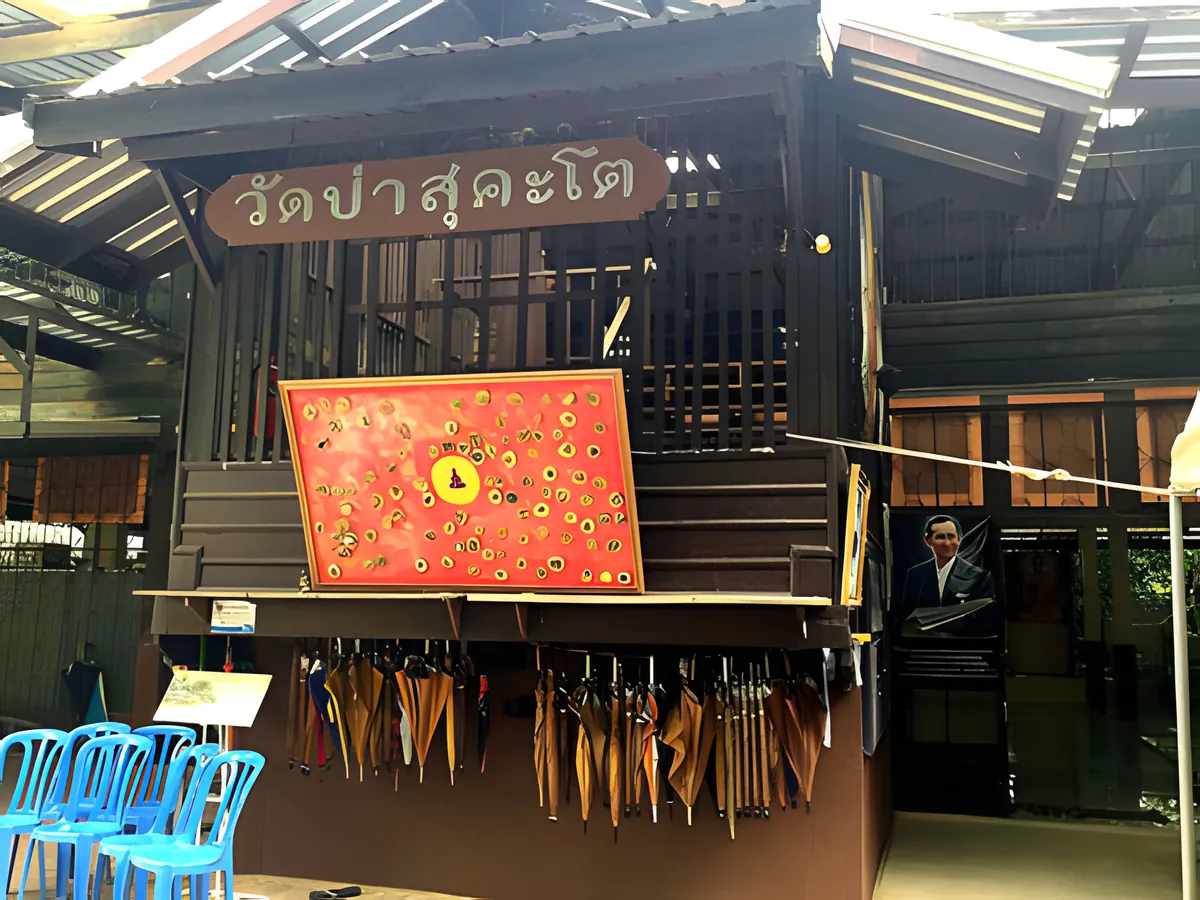

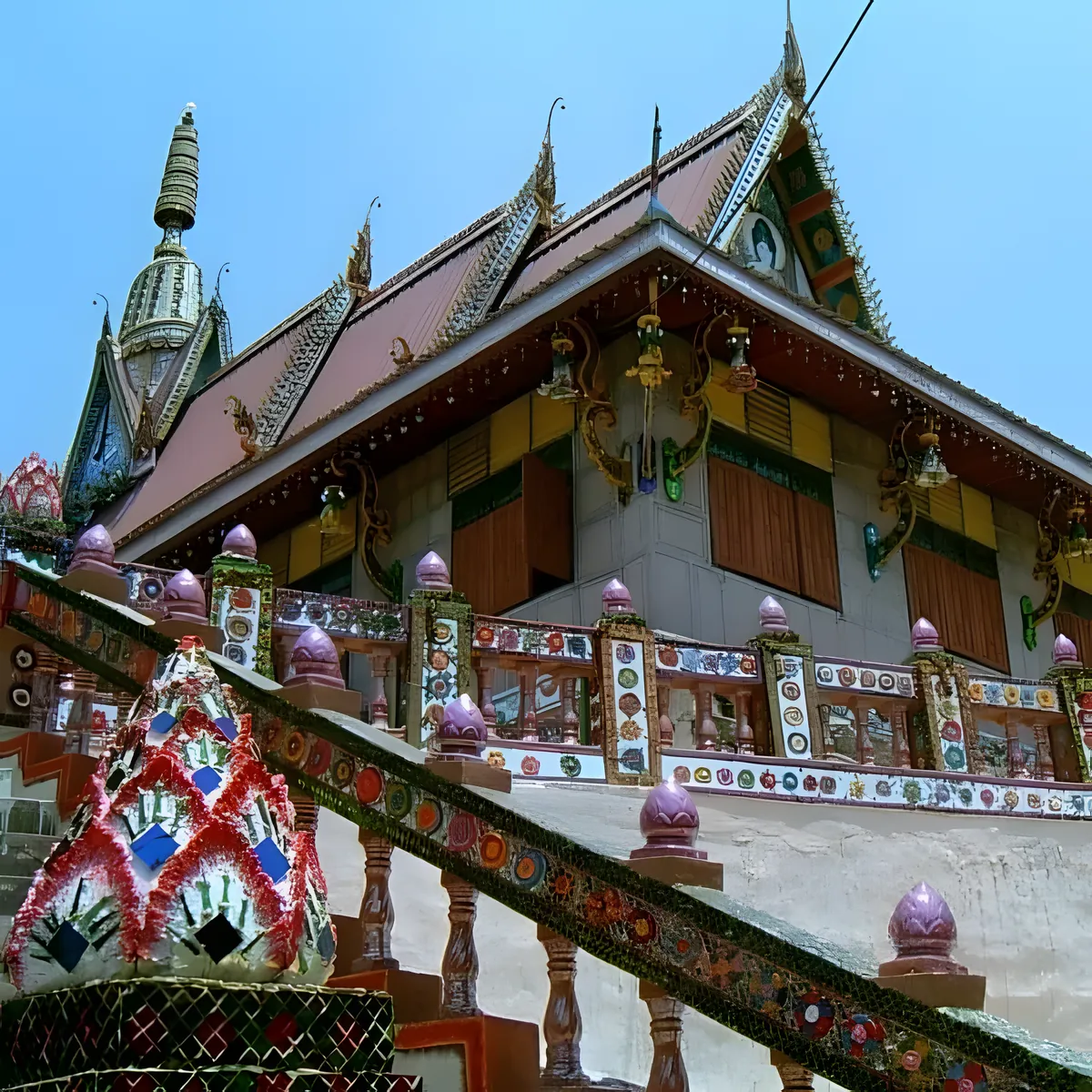


Waterfalls, peaks, caves & parks
Nature & outdoors around Chaiyaphum












Museums, history & heritage
Museums & culture in Chaiyaphum





Things to do on the map
Tap a pin for details — 34 places in Chaiyaphum plotted.
When to go
Nov–Feb Cool and dry — the most comfortable window for the national parks and waterfalls. Tat Ton waterfall flows steadily through the dry season, and wildlife activity is high in Phu Khiao Sanctuary.
Mar–Apr Heat builds quickly, peaking above 35 °C in April. Agricultural burning across Isan means haze can reduce visibility, particularly in March and April. An early start helps at viewpoints and rock formations.
Jun–Aug The signature season — rain triggers the mass flowering of dok krachiao (Siam tulips) across Sai Thong and Pa Hin Ngam national parks. Fields peak in July. Rain usually falls in afternoon bursts, leaving mornings clear for visits.
Sep–Oct Heaviest rainfall of the year. Waterfalls are at full force and the forests are dense and green, but dirt tracks inside the parks can become impassable. Check conditions before driving to more remote trailheads.
About Chaiyaphum
Last updated September 2026
Overview
Chaiyaphum sits on the fringe of the Khorat Plateau in northeastern Thailand, sharing borders with Khon Kaen, Nakhon Ratchasima, Lopburi, and Phetchabun. The name translates from Sanskrit as “land of victory” — a reference to the provincial founding myth centred on Nai Lae, a Lao official who settled here in 1817 under the authority of the Siamese crown. That history left a mark: Prang Ku, a compact Khmer laterite temple built during the reign of Jayavarman VII (r. 1182–1219) as one of his 102 roadside hospitals, still stands near the town centre.
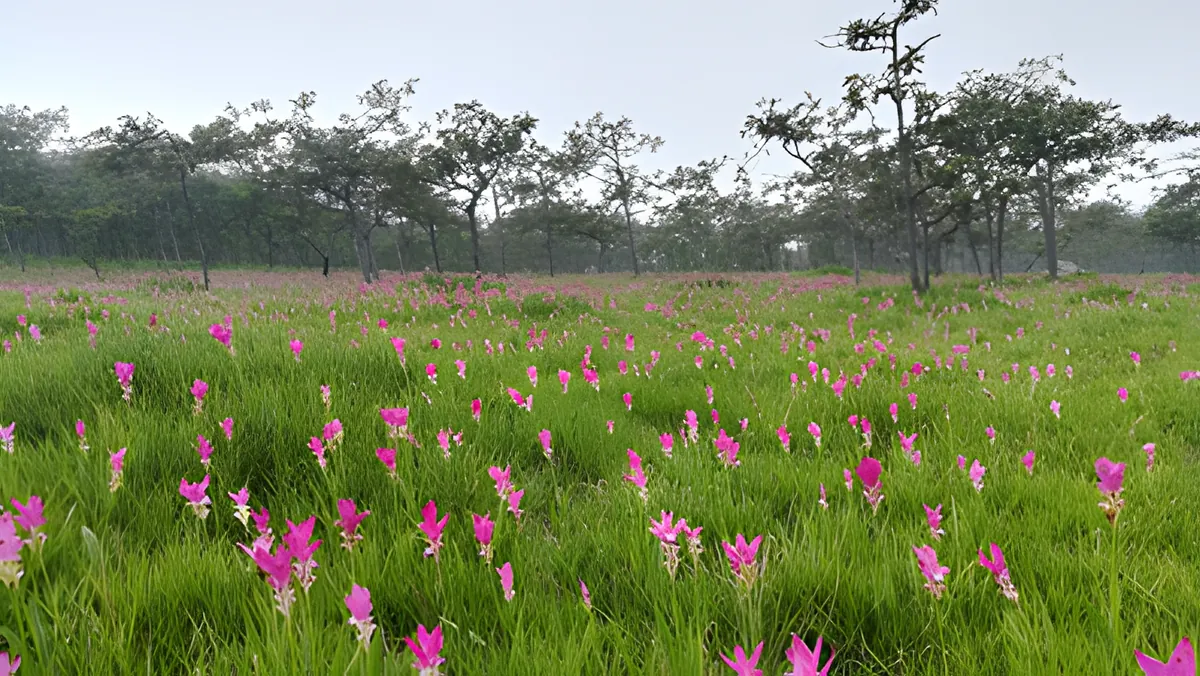
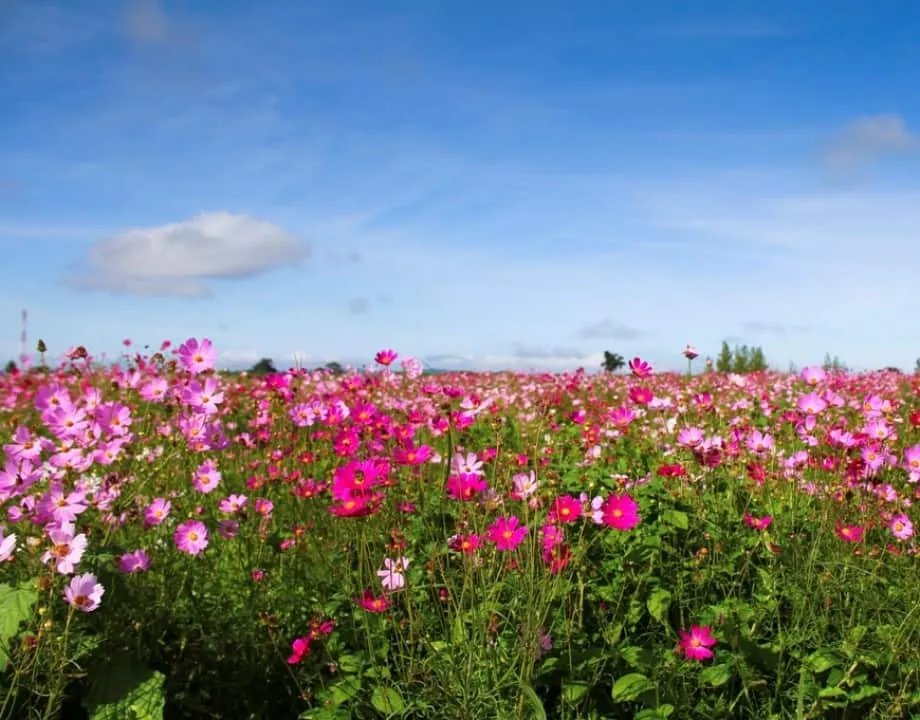
Most visitors come for one reason that no other province can match: the annual mass flowering of dok krachiao, the Siam tulip. Despite the common name, it is not a tulip but a member of the ginger family (Curcuma), and when it blooms across the grassland meadows of Sai Thong and Pa Hin Ngam national parks in June to August, the effect is a carpet of pale pink to deep magenta flowers stretching across open hillsides. The sight draws large domestic crowds; foreign visitors are still rare.
Chaiyaphum is a quiet, rural province. Its infrastructure is functional rather than polished — there are no beach resorts, no international hotel chains, and no English-language menus at the market noodle shops. What it offers instead is access to four national parks within a two-hour drive of each other, a well-preserved silk-weaving tradition, and an unhurried pace that few provinces this close to Bangkok have retained.
Top Things to Do
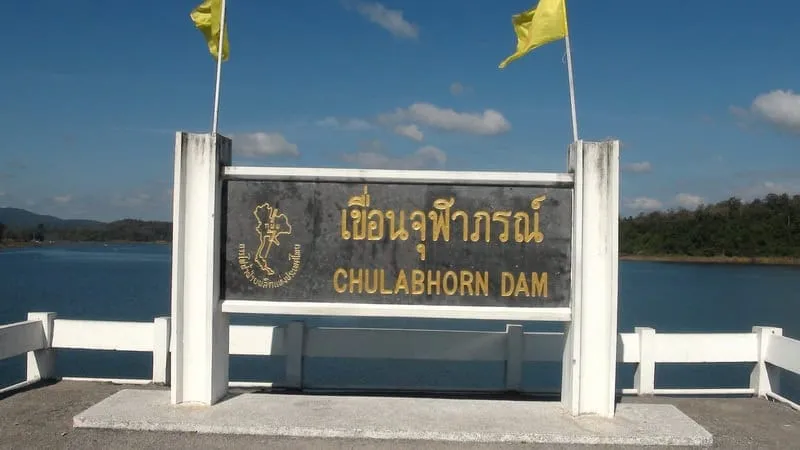
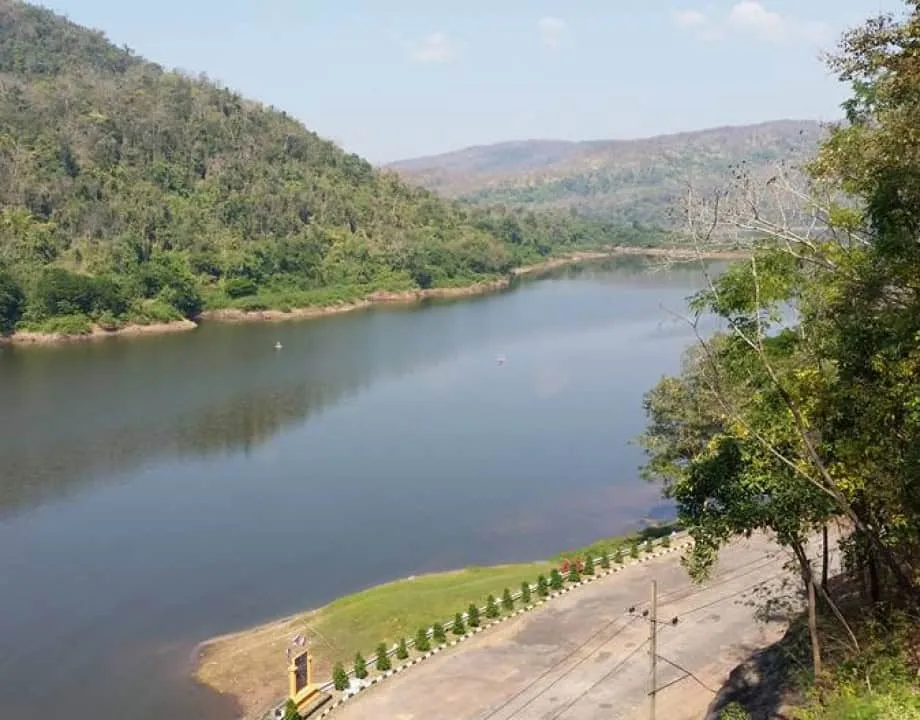
Sai Thong National Park is the most-visited of the province’s parks, principally because of its Bua Sawan Meadow — a 107-rai (17 hectare) field of dok krachiao that is one of the largest concentrations of the flower in Thailand. Both pink and white flower forms grow here, and the bloom typically reaches its peak in July. Outside flower season, the park offers forest walks, a reservoir, and the large Chulabhorn Dam (Nam Phrom Dam) on its eastern edge.
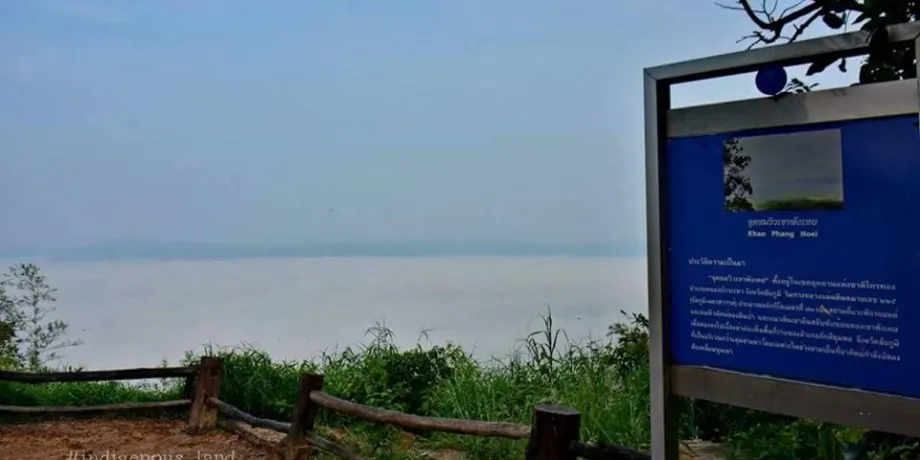
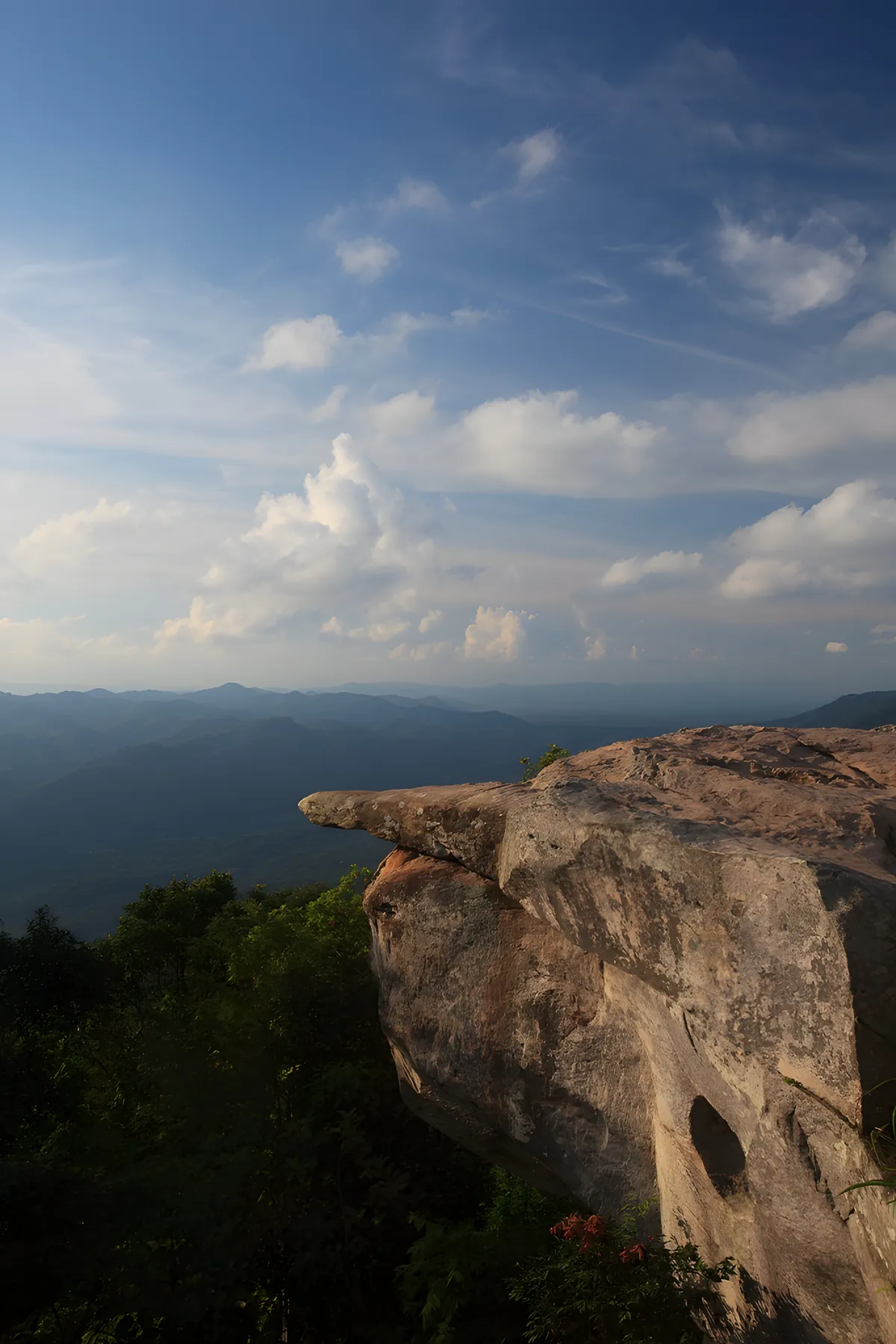
Pa Hin Ngam National Park pairs the tulip bloom (pink flowers only, peaking slightly earlier than Sai Thong) with two other attractions: a set of bizarrely eroded rock formations atop a plateau at around 800 metres, and the Pha Sut Phaen Din viewpoint at 846 metres — one of the highest viewpoints in the Phang Hoei range — with a cliff-edge view across forested valley. The park provides shuttle trucks for 30 baht to move between the highlights.
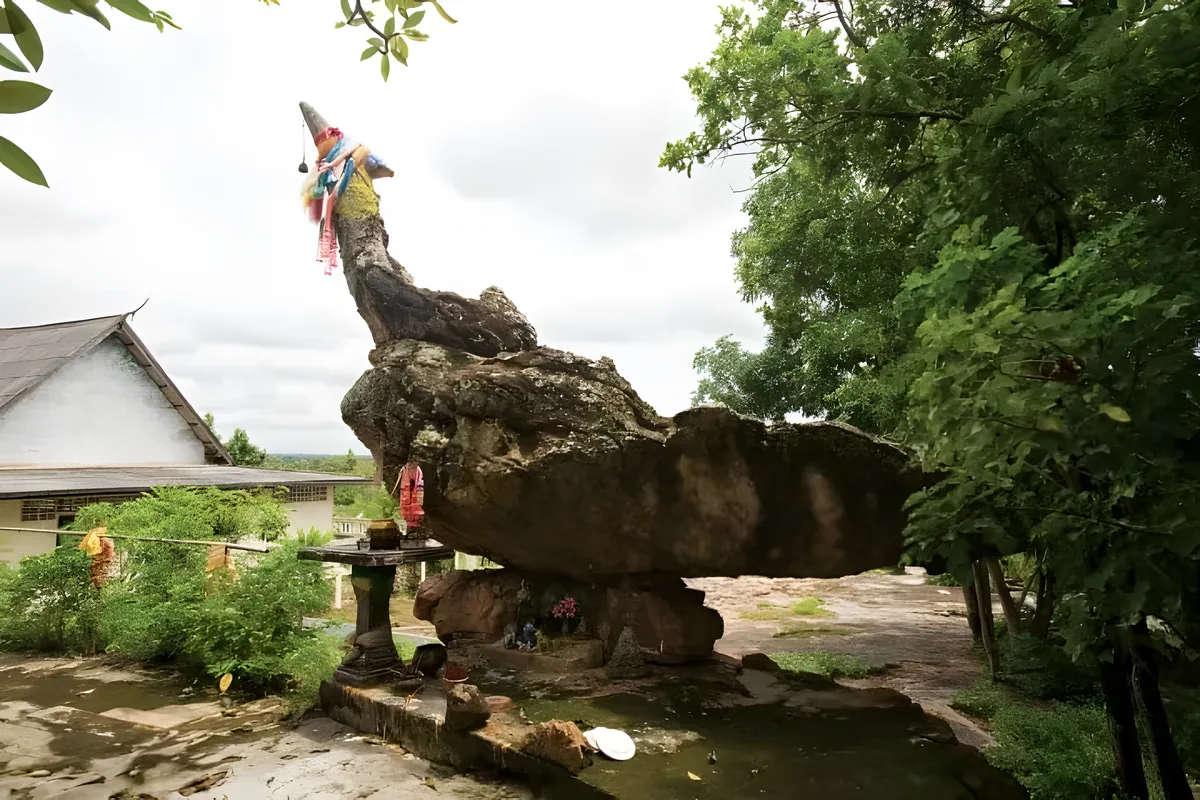
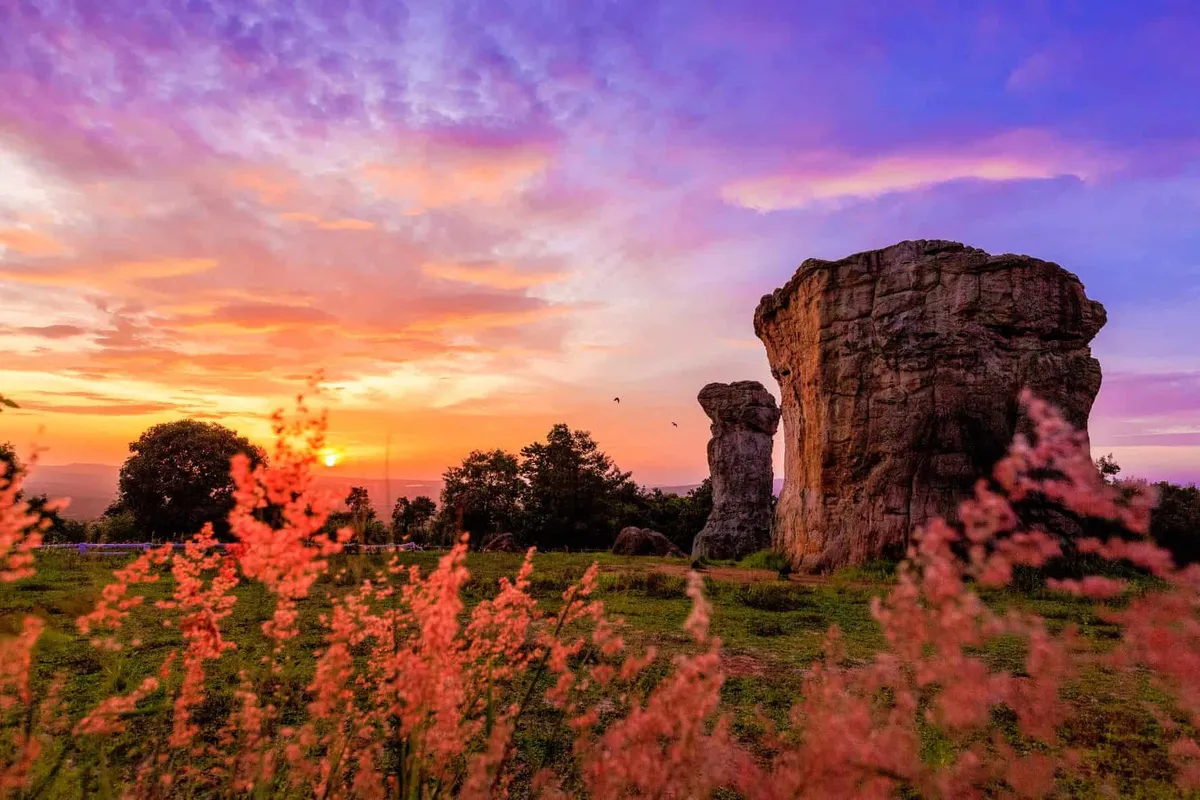
Mo Hin Khao (“Hill of White Rocks”) inside Phu Laen Kha National Park is the formation nicknamed Thailand’s Stonehenge. Five sandstone monoliths rise up to 12 metres from a plateau about 40 km from Chaiyaphum town. The rocks are natural — sedimentary formations from the Jurassic-Cretaceous period shaped by millions of years of erosion — but the scale and grouping genuinely justify the Stonehenge comparison. Nearby, smaller outcrops take on the shapes of mushrooms, turtle shells, and chedis. The plateau is best visited in the morning before haze settles.
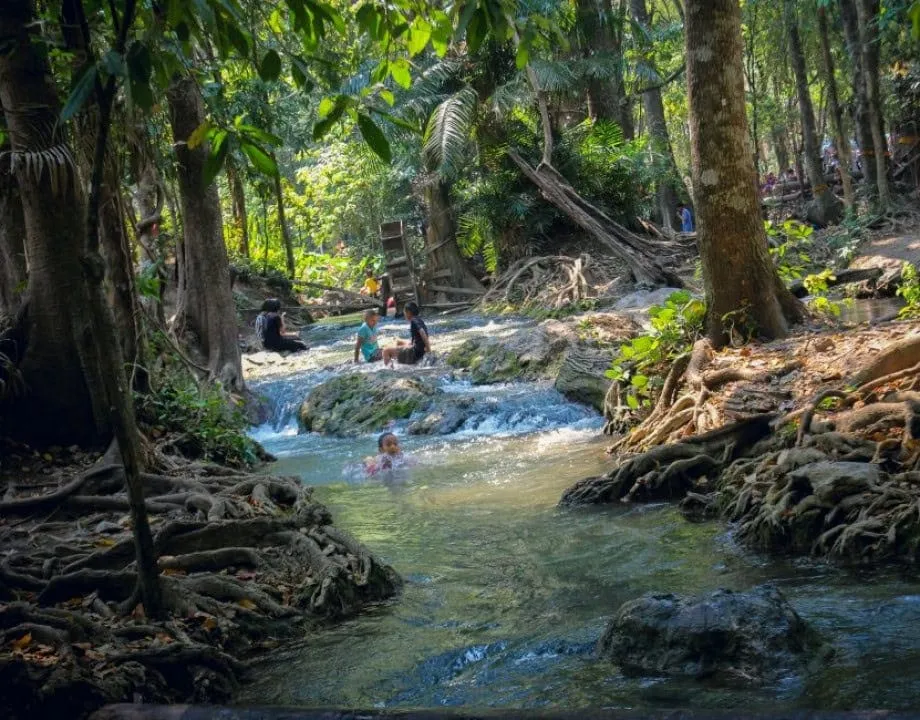
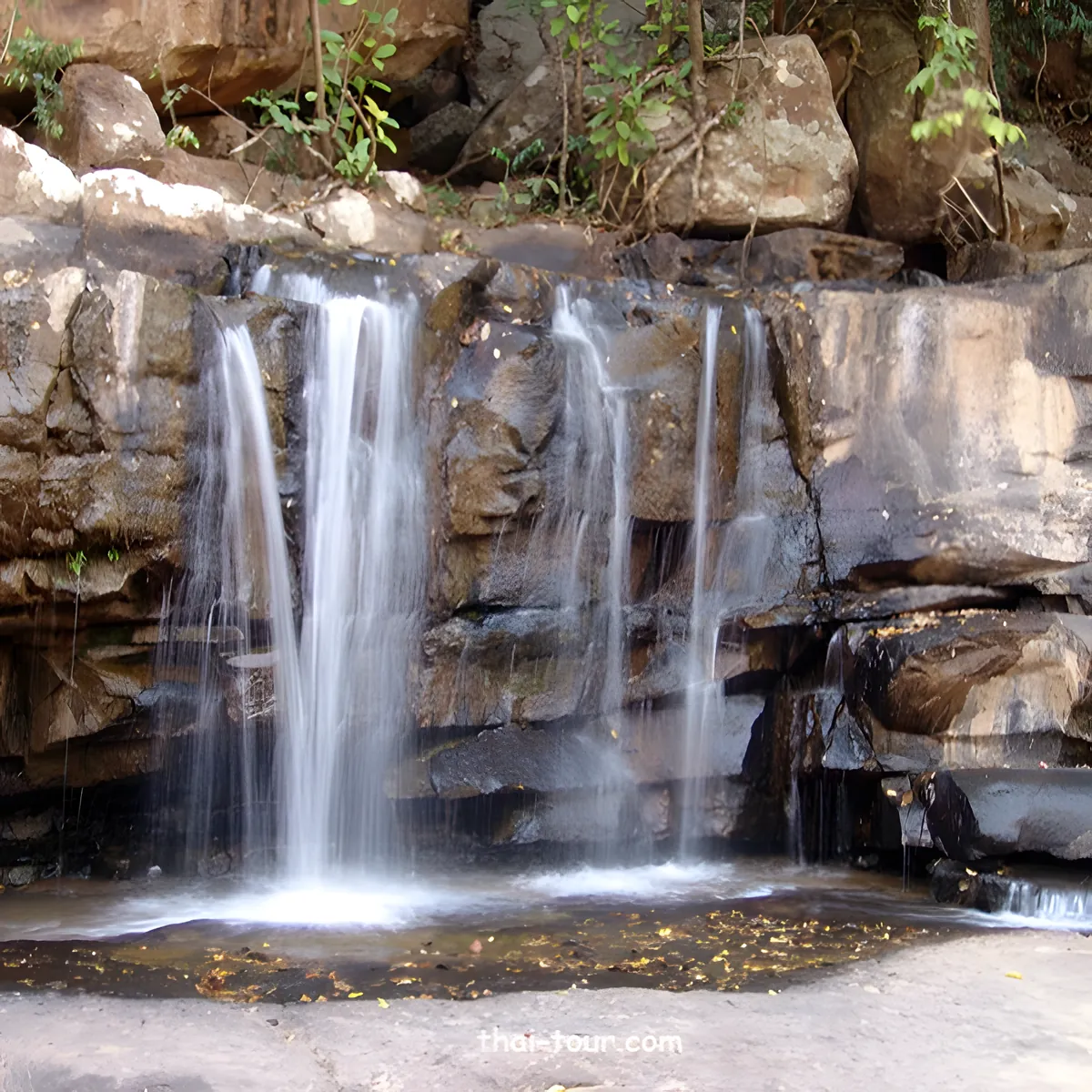
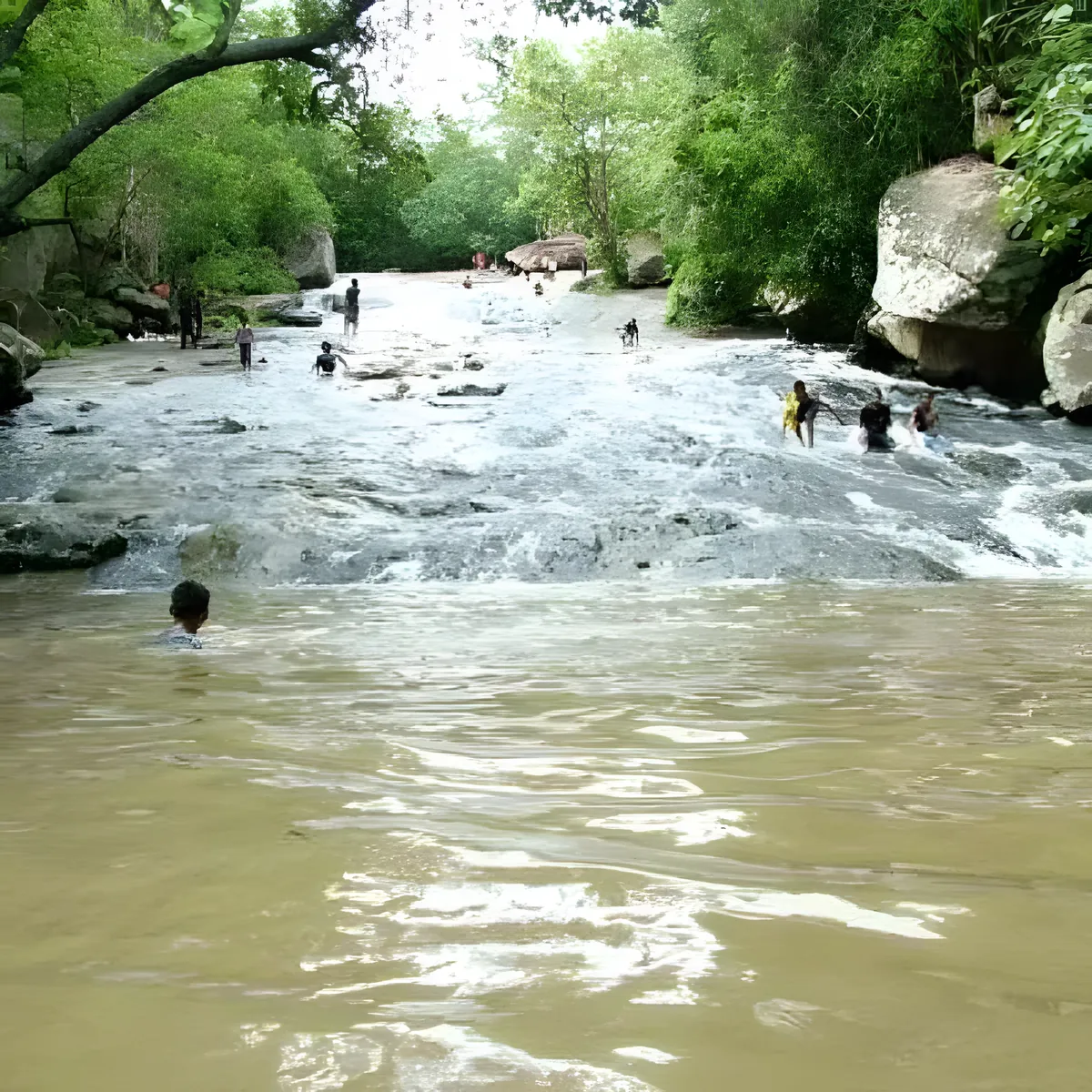
Tat Ton National Park centres on Tat Ton waterfall, which is wide rather than tall — the cascade spreads to around 50 metres across during the wet season, flowing over a polished limestone shelf. Above the falls the river flattens into a broad, shallow stretch where Thai families wade and swim. The park retains good water flow even in the dry season, making it practical outside the tulip window.
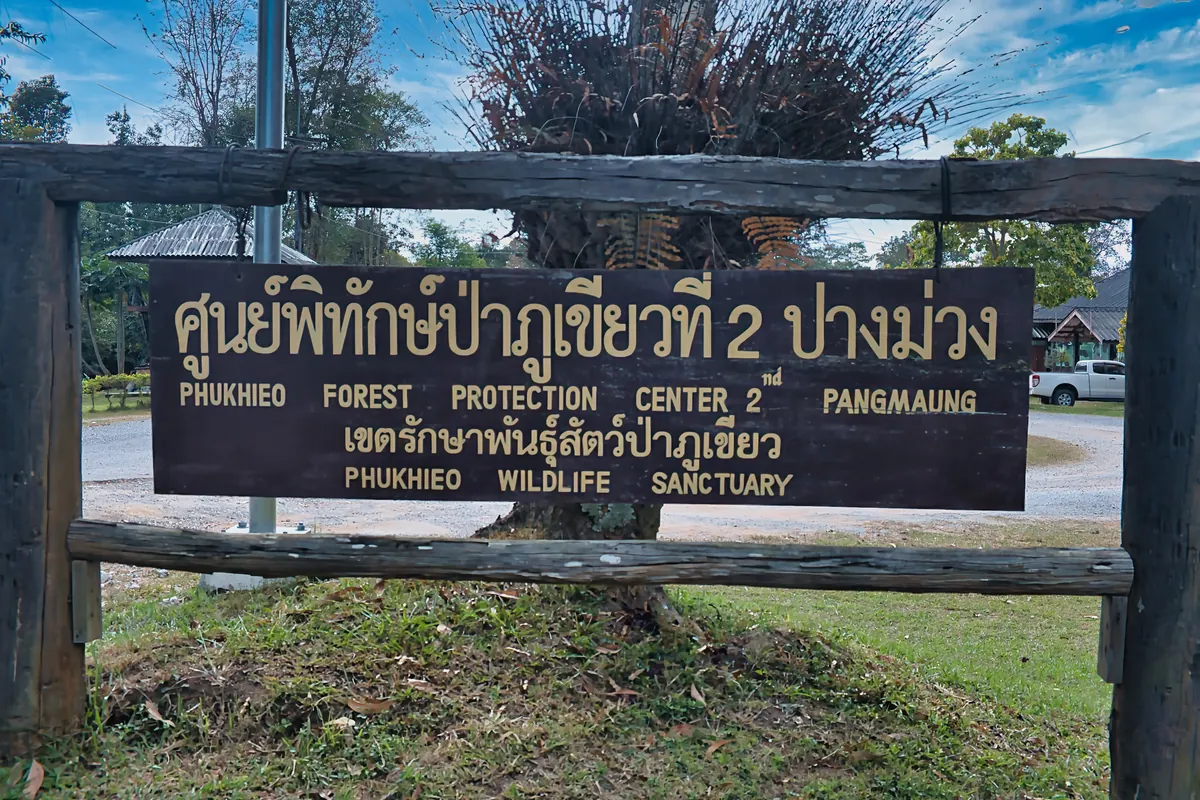
Phu Khiao Wildlife Sanctuary is one of the most significant wildlife areas in Isan, covering 1,560 km² of mixed deciduous and hill evergreen forest. It records over 111 mammal species and 419 bird species, and has a wild tiger population alongside gaur, banteng, and elephant. Access is more restricted than a standard national park — permits are required — but for wildlife-focused visitors it is the most important destination in the province.
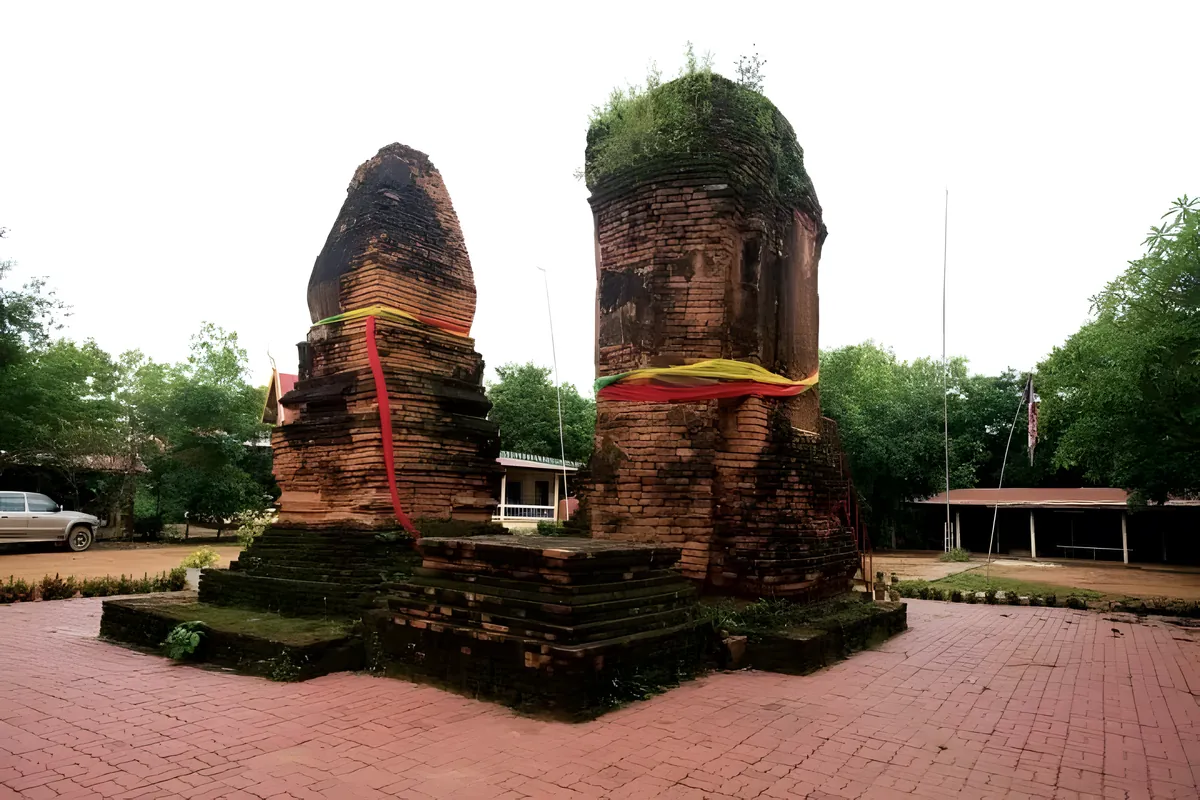
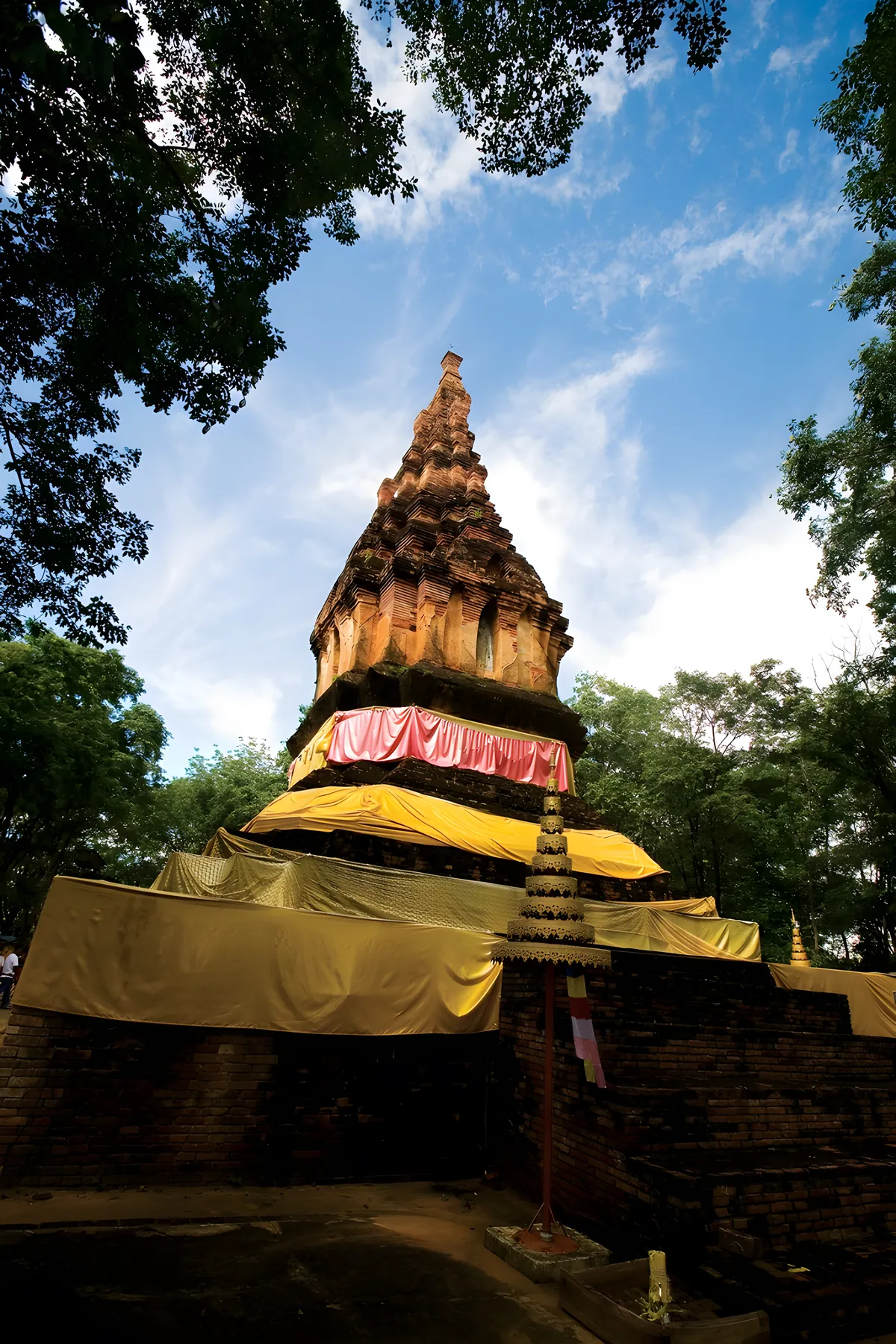
Prang Ku in Chaiyaphum town is a compact but well-preserved Khmer laterite sanctuary from the late 12th century, built as a roadside rest-hospital under Jayavarman VII. It has a complete prang tower with its lotus-bud crown intact, carvings of Avalokiteshvara on the pediment, and an ancient Dvaravati Buddha installed inside. It decorates the town’s street signs and is the province’s most prominent historical monument.
Ban Khwao silk village, 13 km south of the town centre, is where Chaiyaphum’s signature mud mee silk is woven. The “Kno Na Lee” pattern — an intricate geometric ikat design — is specific to this province. Weaving still takes place on handlooms in household workshops, and you can buy directly from the weavers at prices well below Bangkok boutique rates.
Where to Stay
Chaiyaphum town has a small range of mid-range hotels and guesthouses, enough for a comfortable base. Chains do not operate here; the better-rated properties tend to be local business hotels like HOP INN Chaiyaphum (rated 8.6 on Booking.com) and Na Care Hotel. Rates are low by Thai standards. There is no accommodation inside the national parks, though Sai Thong has camping facilities for those who want to be on site for dawn visits at peak bloom.
Getting There
Buses from Bangkok’s Northern Bus Terminal (Mo Chit) run regularly to Chaiyaphum throughout the day. The journey takes around five to five and a half hours over roughly 320 km. There is no train line or airport serving the province. Once in town, you need a hire car, motorcycle taxi, or songthaew for the national parks — public transport does not reach any of the park gates.
From Khon Kaen (around 100 km north) or Nakhon Ratchasima / Korat (around 110 km southeast), Chaiyaphum is an easy drive and works well as a stop on a northeast Thailand road trip.
Best Time to Visit
Chaiyaphum divides neatly into two distinct travel seasons. The cool dry season (November to February) is the most comfortable for outdoor activity — temperatures are pleasant, the national park trails are clear, and the wildlife sanctuary is at its most accessible. Tat Ton waterfall still flows at a decent level, and the rock formations at Mo Hin Khao are clear of haze.
The dok krachiao season (June to August) draws the largest crowds, and for good reason. The tulip bloom is the province’s signature event, and seeing either of the two main fields in full flower — particularly at dawn with low mist over the meadows — is memorable in a way that travel writing struggles to convey accurately. July is the safest bet for peak bloom at both parks.
March and April are hot and can be hazy from agricultural burning across Isan. If you visit during this window, arrive at viewpoints and the rock formation plateau before 9am for the clearest conditions. May and early June see the first rains and the beginning of the tulip cycle; September and October bring the heaviest downpours, with some interior park tracks becoming impassable.
Frequently Asked Questions about Chaiyaphum
How do I get to Chaiyaphum from Bangkok?
When is the best time to see the Siam tulip fields?
How long should I spend in Chaiyaphum?
Do I need a hire car to get around Chaiyaphum?
Is Chaiyaphum suitable for visitors with little Thai-language ability?
Spotted something out of date or incorrect? Let us know
Plan your
Chaiyaphum trip