





Bophut Beach
บ่อผุด
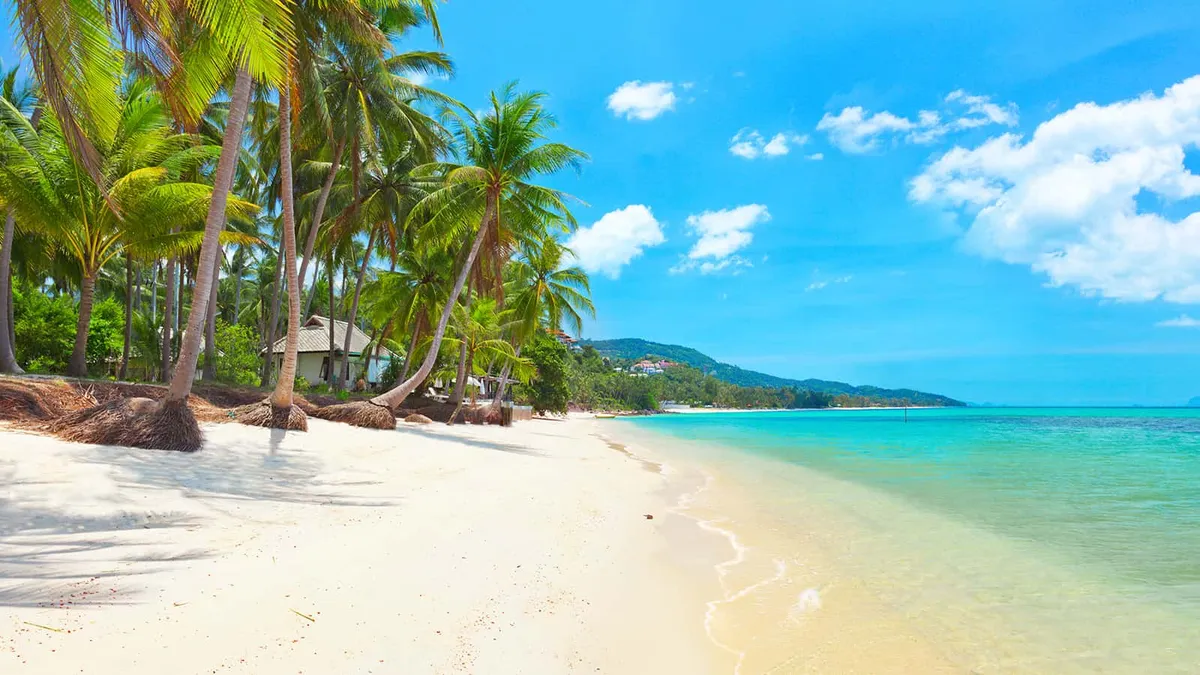
Charming Fisherman's Village with boutique hotels, beachfront dining, and Friday Walking Street market.
- Best time
- Jan–Sep (driest)
- From Bangkok
- 1h flight to Samui + 15-min taxi
- How long
- 3–4 days
- Getting around
- Songthaew or scooter hire along the north coast
Updated June 2026
Plan your trip
Recommended by us

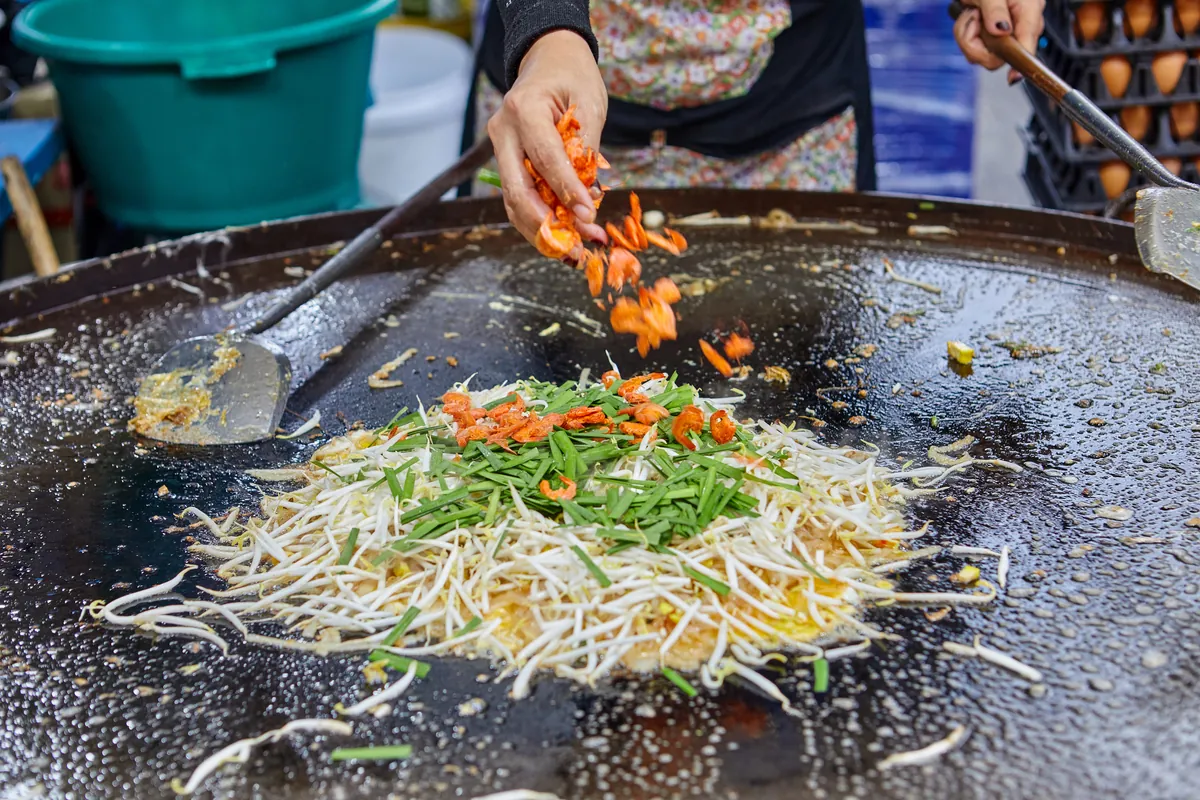
Fisherman's Village Walking Street
Bophut's own Friday night market runs along the old wooden shophouses at the water's edge. Food, crafts, and cold beers with the best atmosphere on the north coast. Arrive early for a beachfront table.

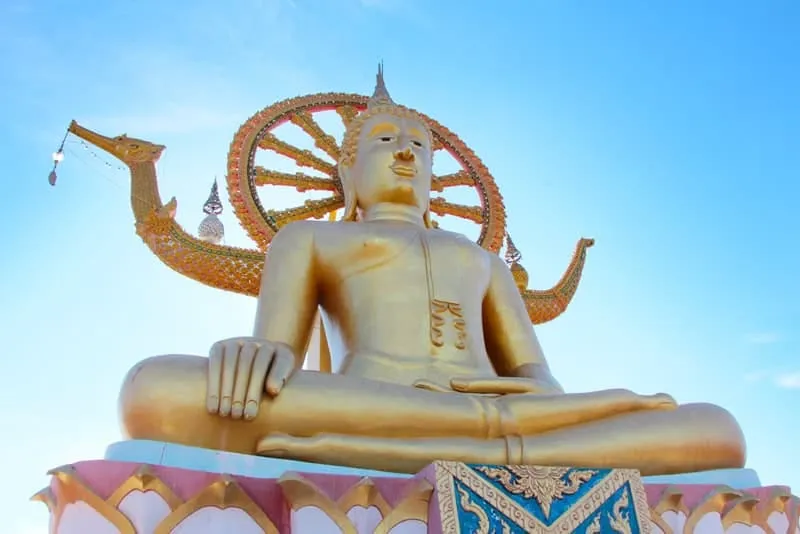
Big Buddha
The golden Big Buddha on its islet at Bang Rak pier, a five-minute drive east. Walk the causeway, shoes off at the top, views across the bay back to Bophut.

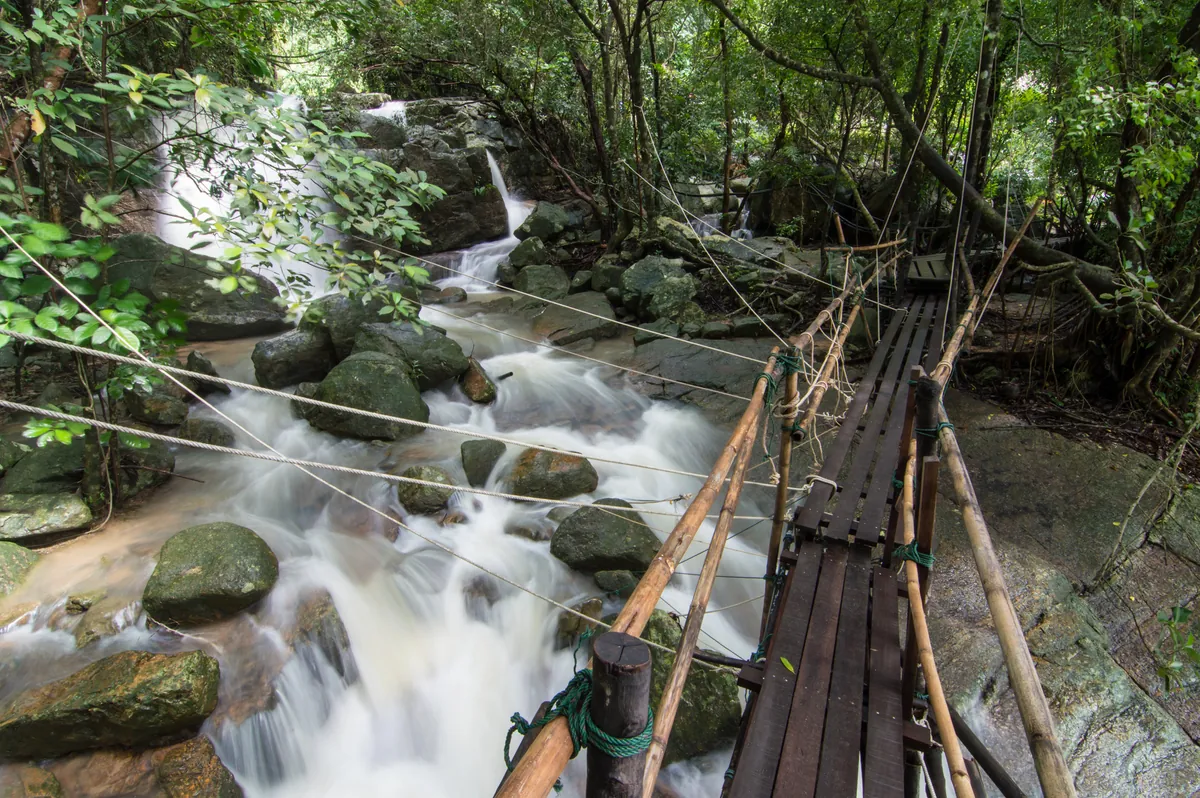
Na Muang Waterfall
The island's most accessible waterfall, in the central hills: a short jungle walk leads to the lower falls, which are swimable in the wet season. Combine with a scooter loop of the interior.

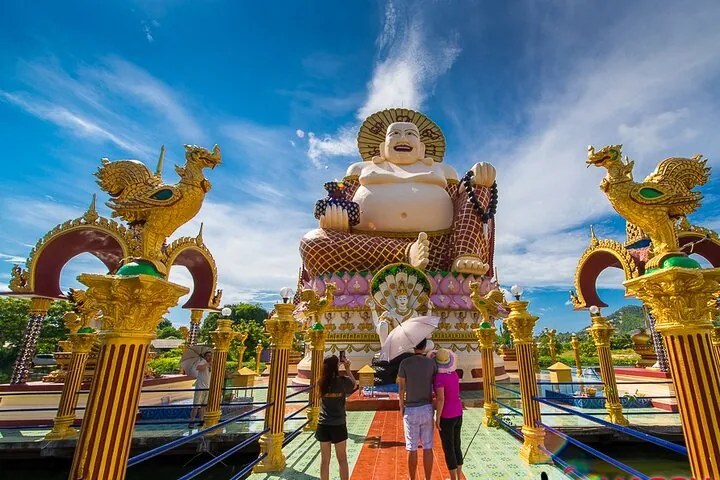
Half-Day Koh Samui Highlights
A 4.9 from 1,457 guests: hits Big Buddha, Na Muang Waterfall, and the viewpoints in a single morning. Good value if you're only staying a few nights.


Ang Thong Islands day trip
A 4.9 from 322 guests. The 42-island marine park north of Samui is the big day-trip from Bophut pier: kayak the emerald lagoon, snorkel the reefs, back for sunset.

Get to Bophut Beach
Fly Bangkok to Koh Samui (1h), then a songthaew or taxi along the north ring road drops you at Bophut in about 15 minutes from the airport.

eSIM for Thailand
Land with data already working and skip the airport SIM queue. We tested six plans. Code THAIHOLIDAY saves 10%.

Travel insurance
Scooters, speedboats, and island-hopping ferries: sort cover before you go and check the motorbike clause is included.
Getting to Bophut Beach
Compare buses, trains, ferries, and flights to Koh Samui.
Where to stay in Bophut Beach
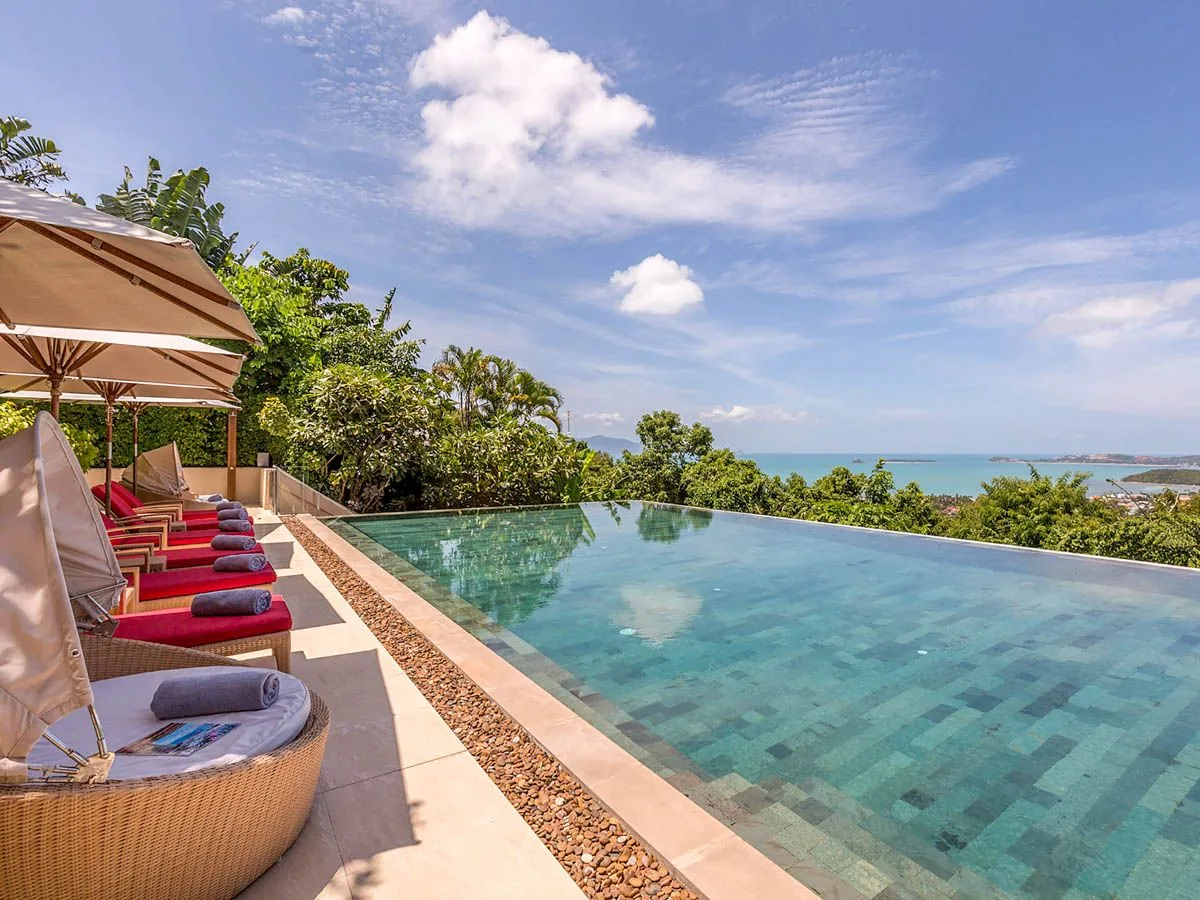
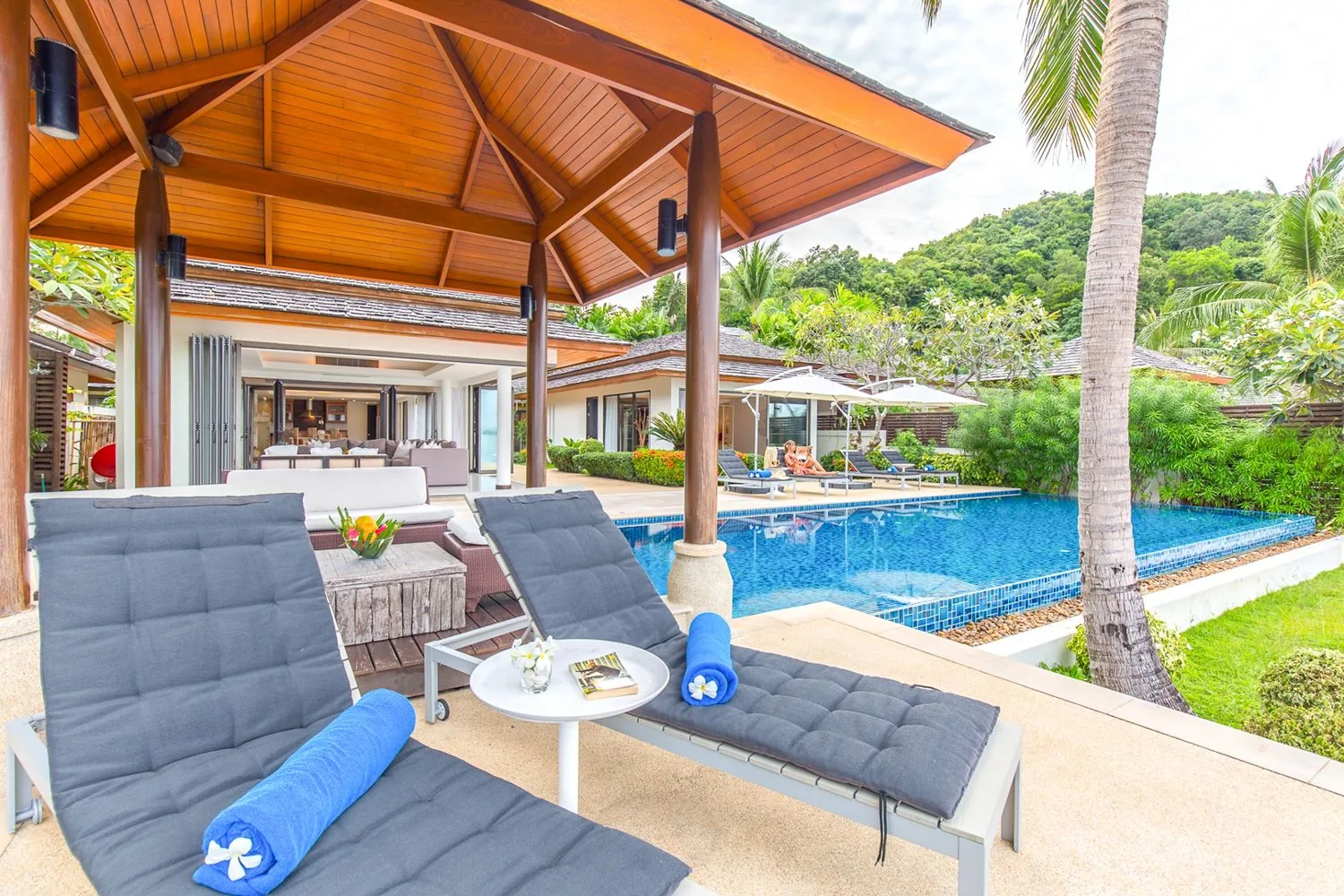
Avasara Residence
- 5 bedrooms
- Sleeps 10
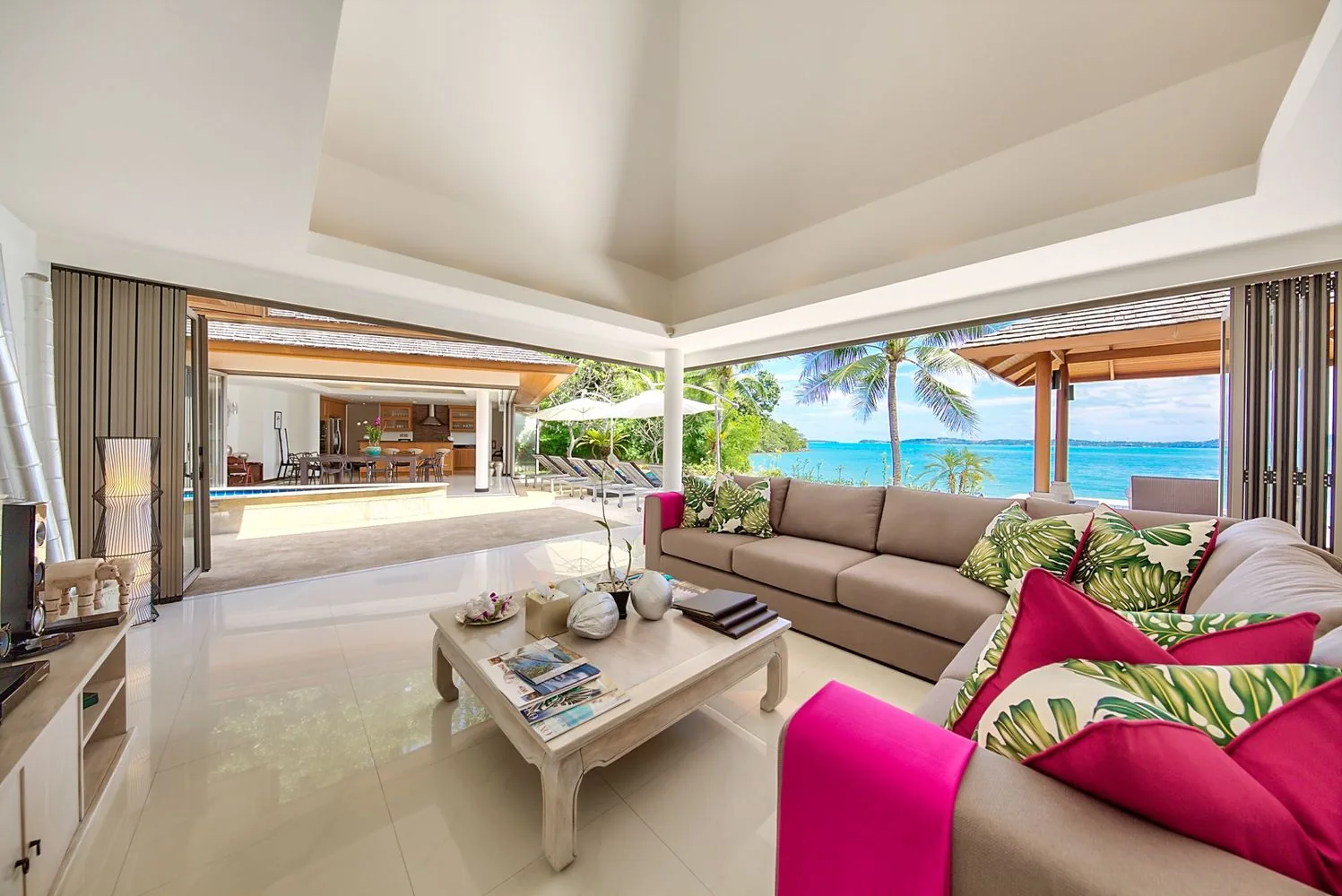
Baan Ban Buri
- 4 bedrooms
- Sleeps 8
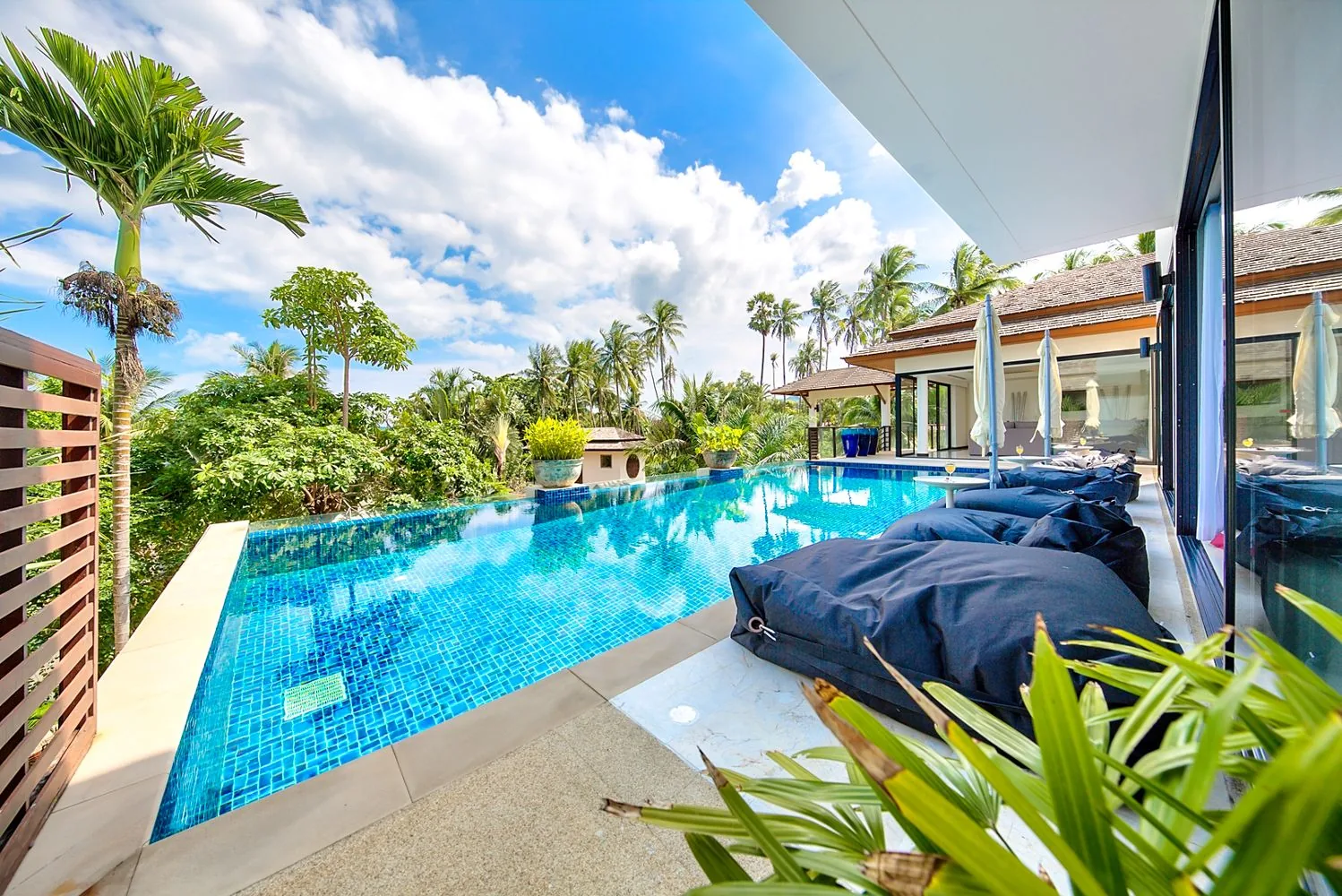
Baan Benjamart
- 4 bedrooms
- Sleeps 8
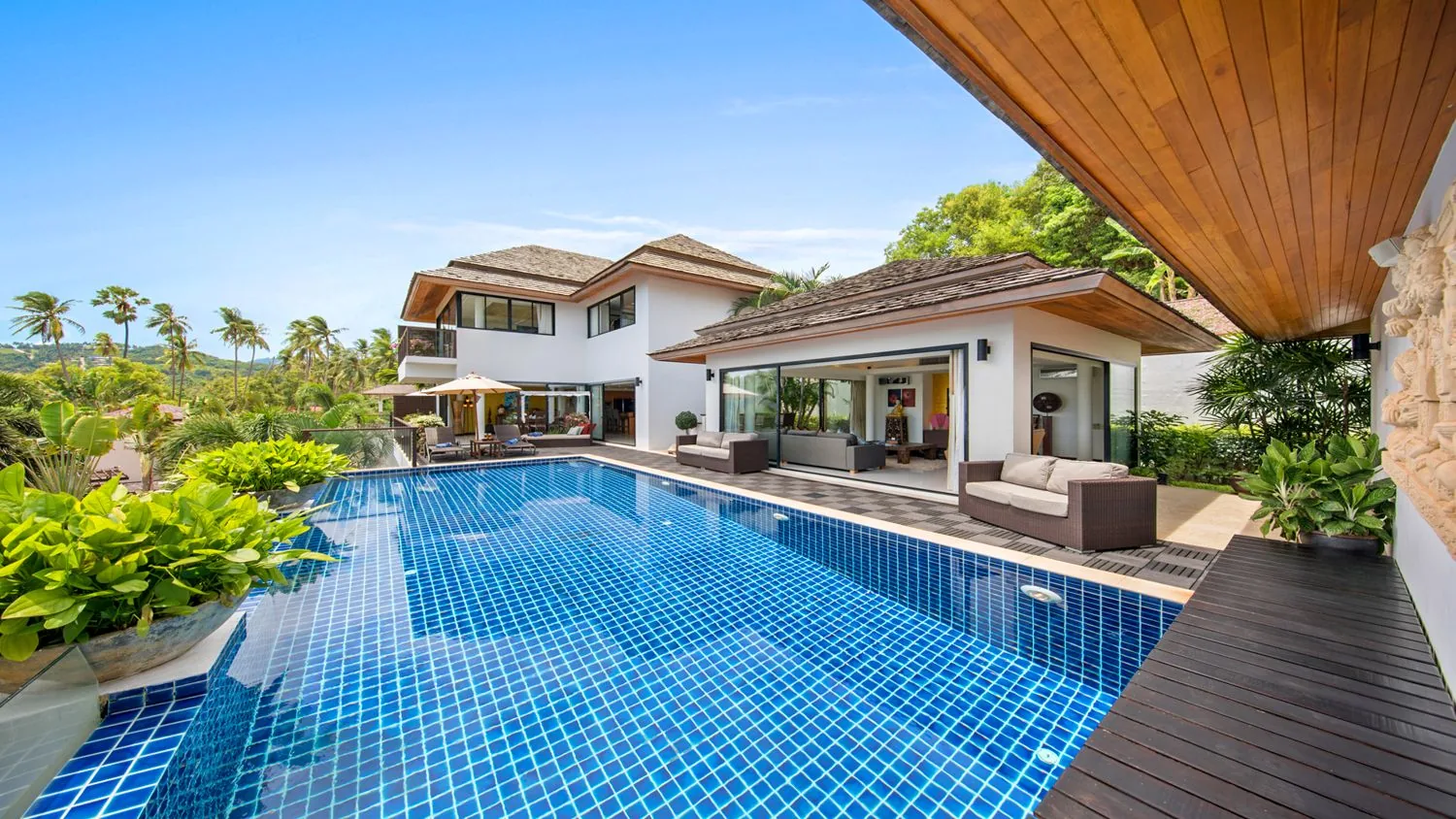
Baan Maliwan
- 3 bedrooms
- Sleeps 8
Baan Ratree Samui
- 4 bedrooms
- Sleeps 10
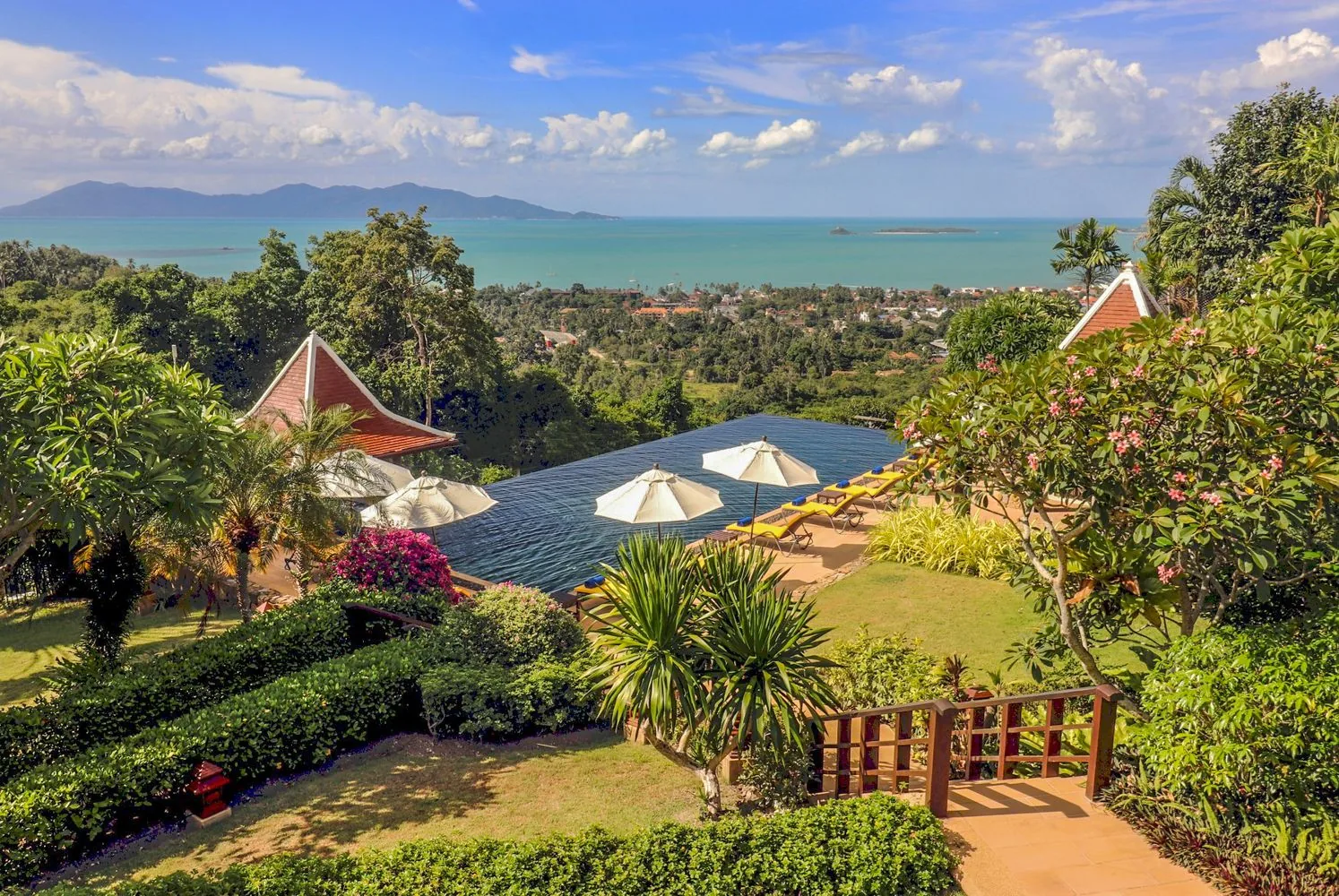
Ban Kinaree
- 5 bedrooms
- Sleeps 10
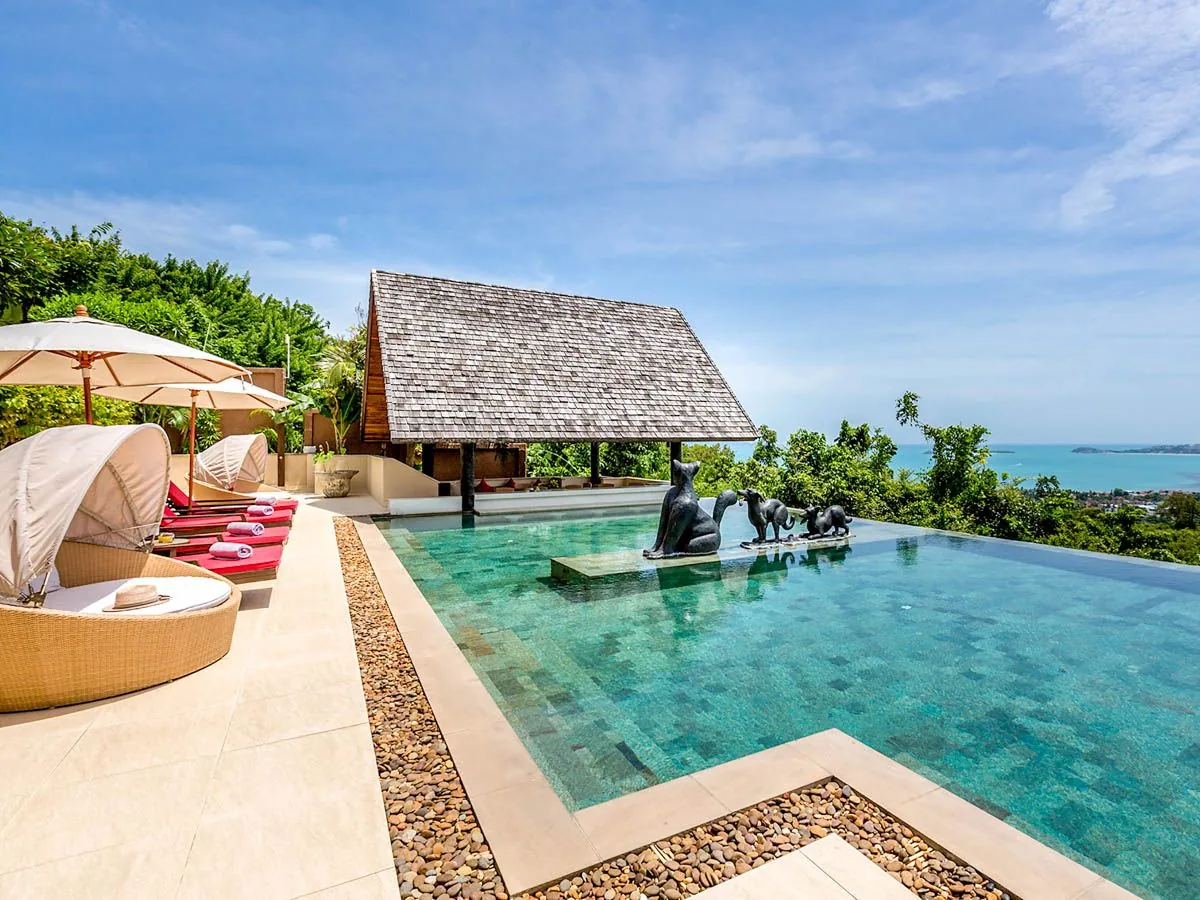
Kalya Residence
- 4 bedrooms
- Sleeps 8
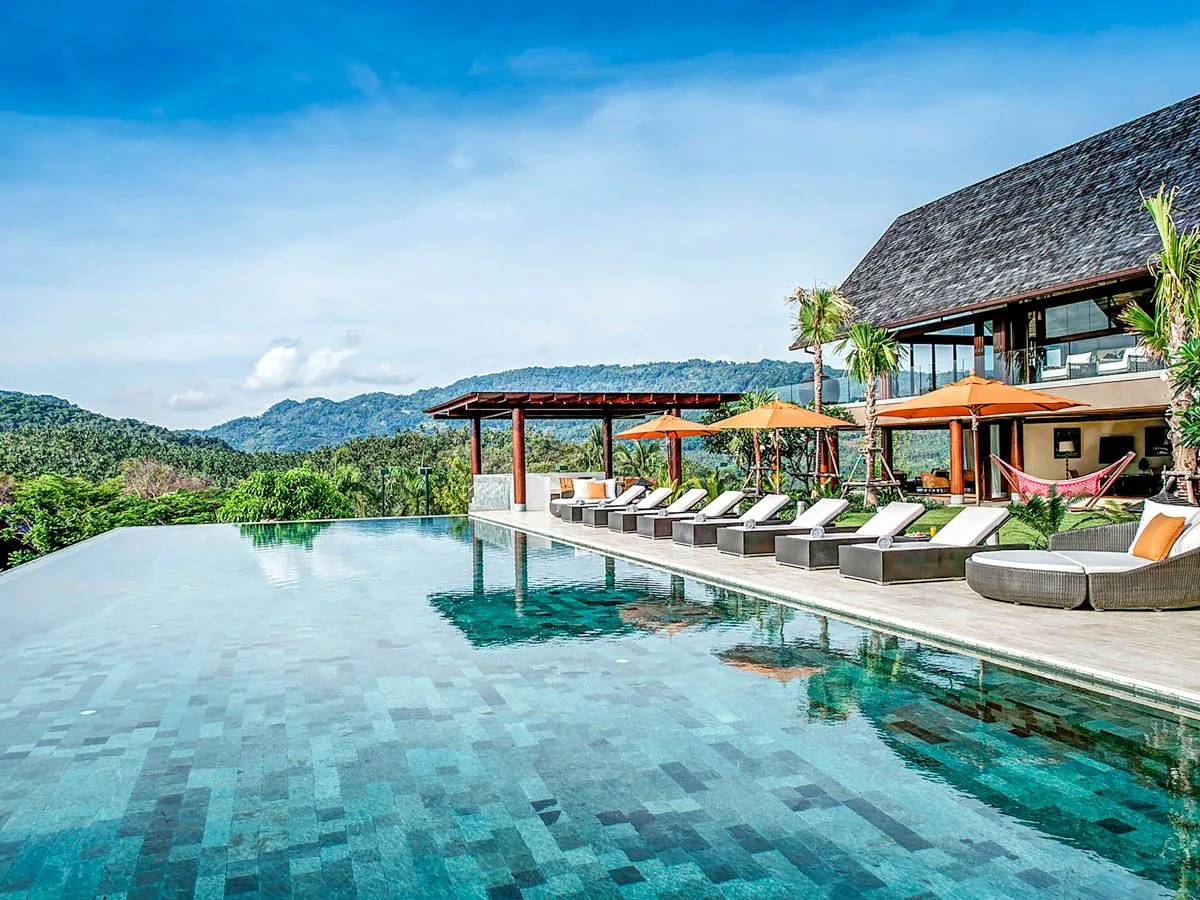
Praana Residence
- 6 bedrooms
- Sleeps 12
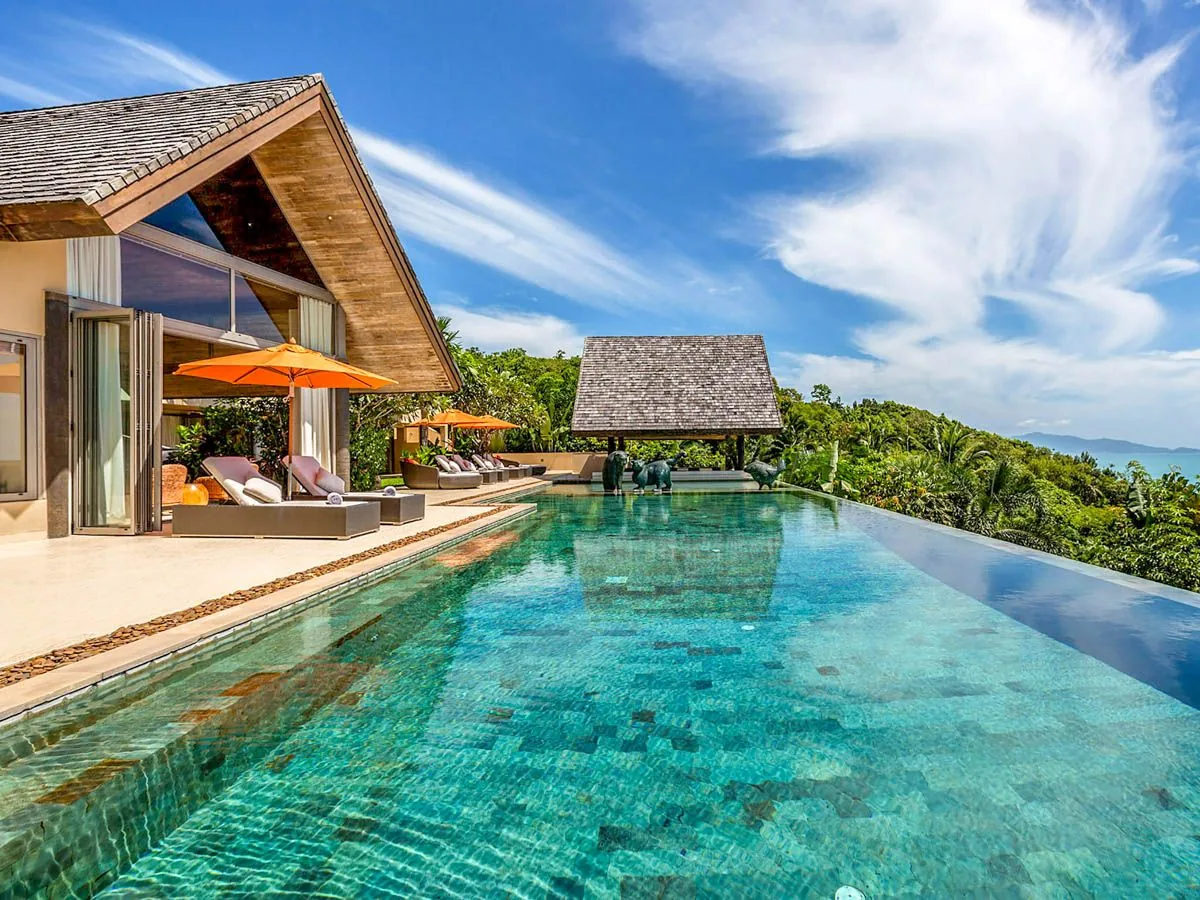
Purana Residence
- 4 bedrooms
- Sleeps 8

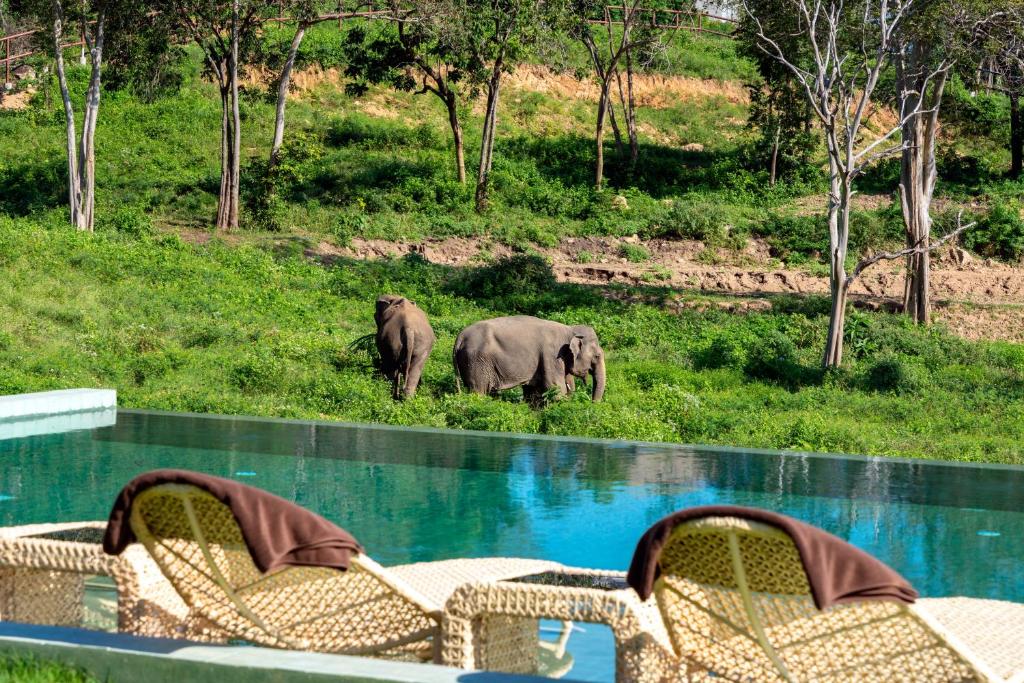
Wild Cottages Elephant Sanctuary Resort
- Sleeps 2–4
Also nearby
Attractions in Koh Samui
Phra Yai (Phra Phuttha Kho Dom)
พระใหญ่ เกาะสมุย (วัดพระยาย)


Easykart Go-Karting
อีซี่คาร์ท สมุย

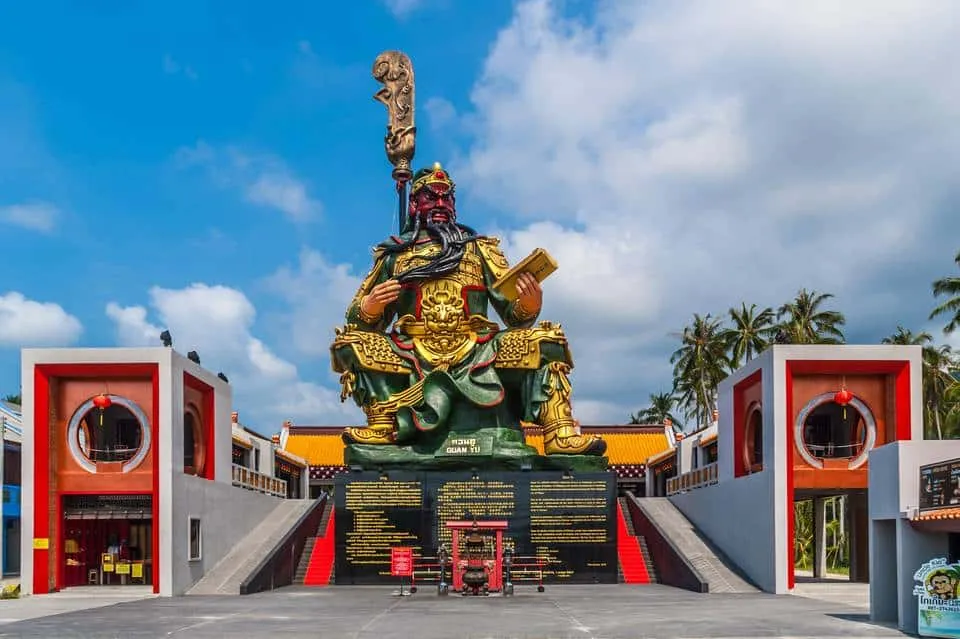
Guan Yu Shrine
ศาลเจ้ากวนอู

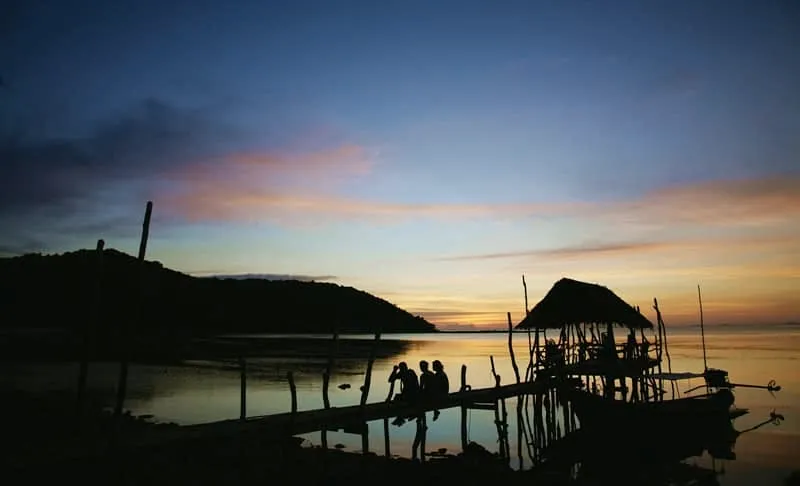
Koh Taen
เกาะแตน

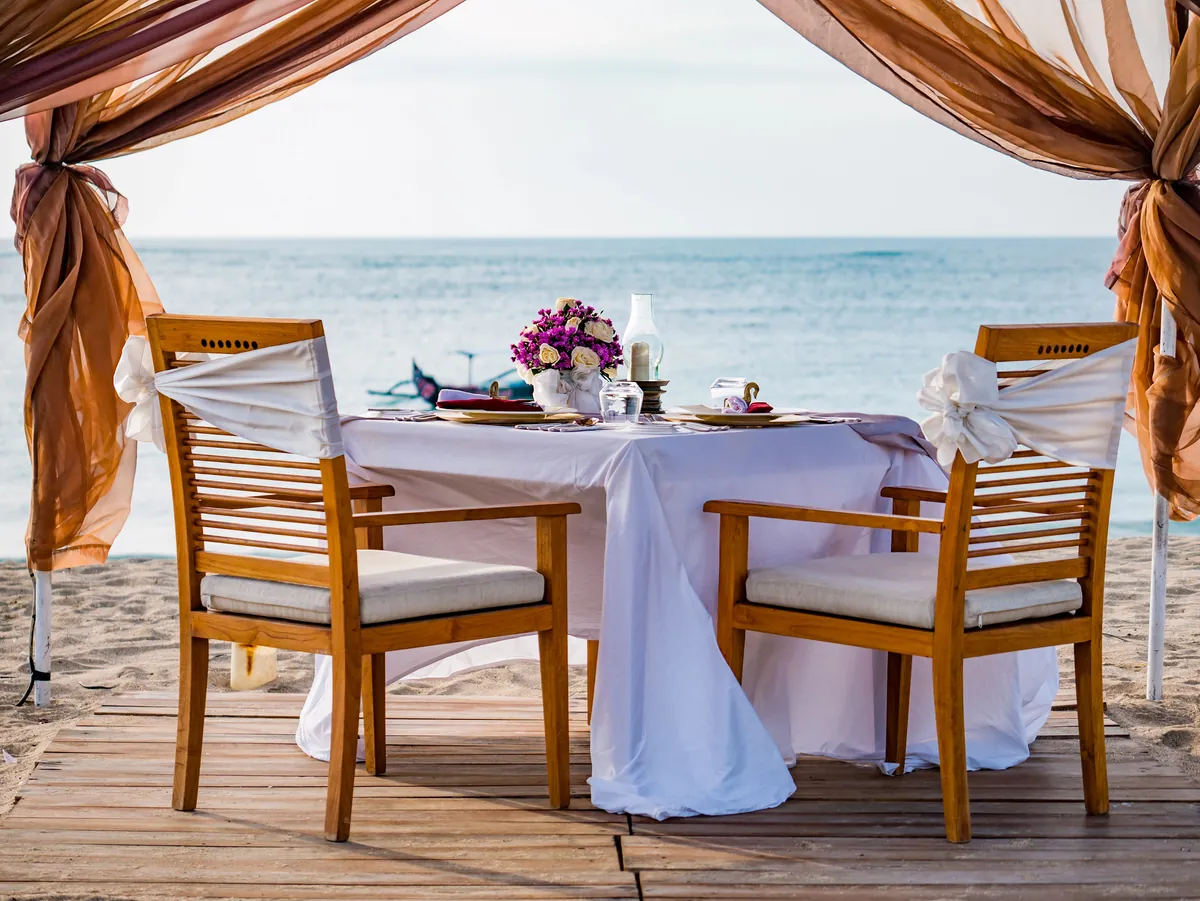
Krua Bophut (Koh Samui)
ครัวบ่อผุด

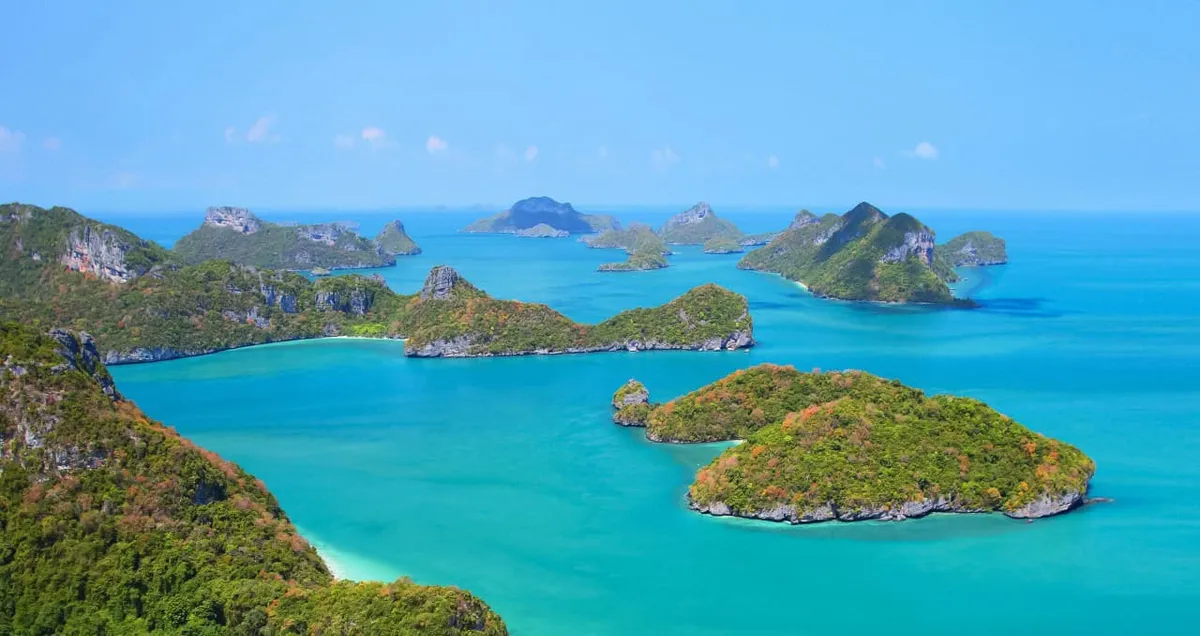
Muko Ang Thong Marine National Park
อุทยานแห่งชาติหมู่เกาะอ่างทอง
Na Muang Waterfall
น้ำตกหน้าเมือง


Phetchbuncha Muay Thai Stadium
สนามมวยเพชรบัญชา

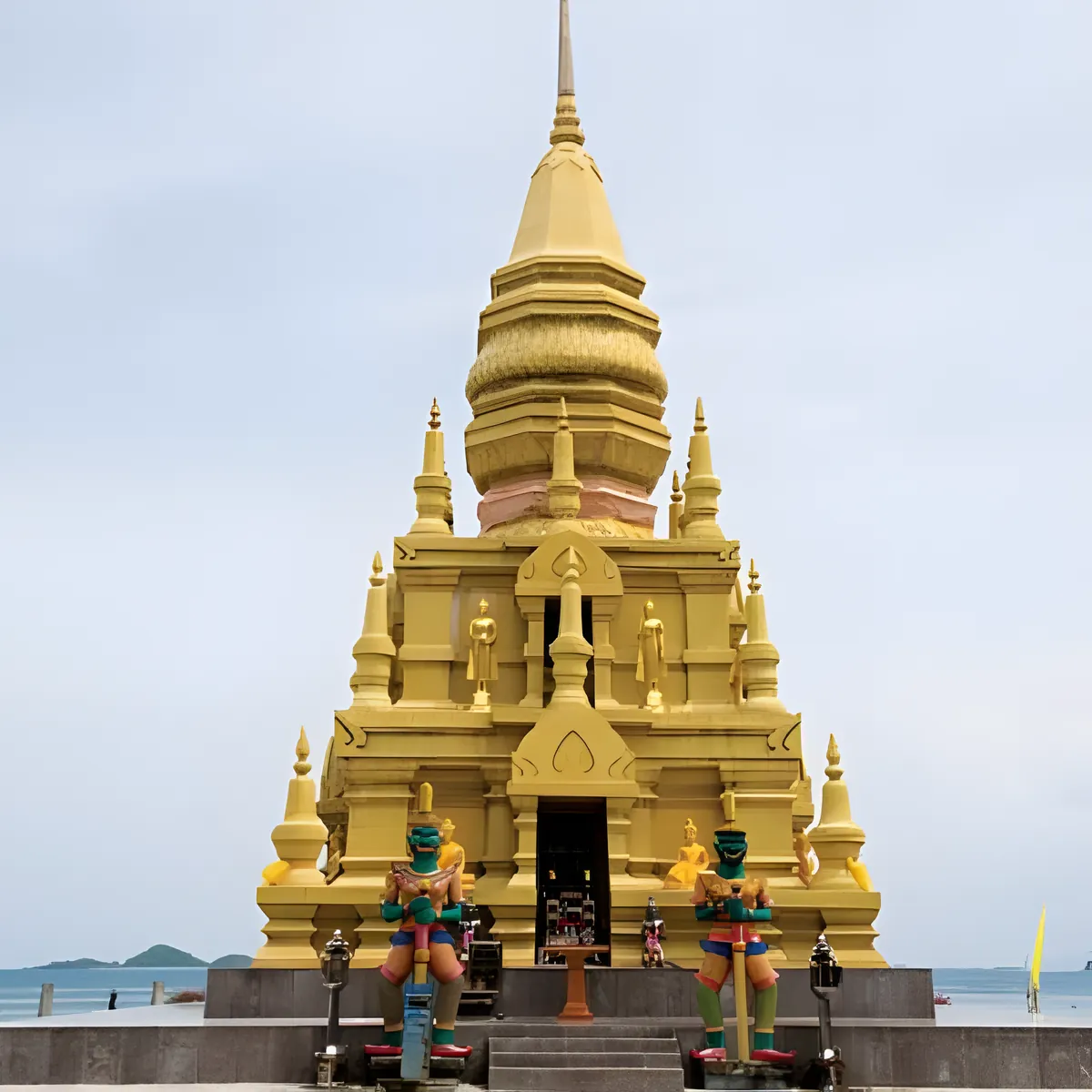
Phuttha Chedi Laem So
พุทธเจดีย์แหลมสอ


Samui Airport (USM)
ท่าอากาศยานสมุย


Samui Football Golf
สมุยฟุตบอลกอล์ฟ


Samui Quad
Also nearby
Tours in Koh Samui

Ang Thong National Marine Park VIP Small Group Tour


Koh Samui Coconut Soap Making Class

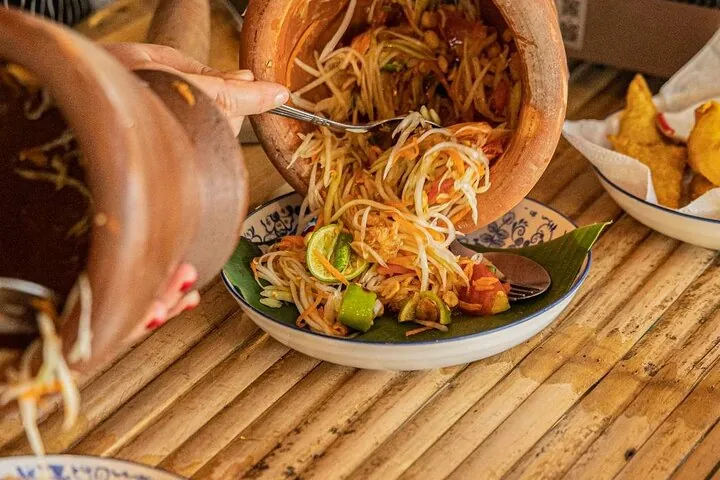
Cooking Class by Samui Native Instructor Geng and O Family


Koh Samui Footgolf & Botanical Gardens

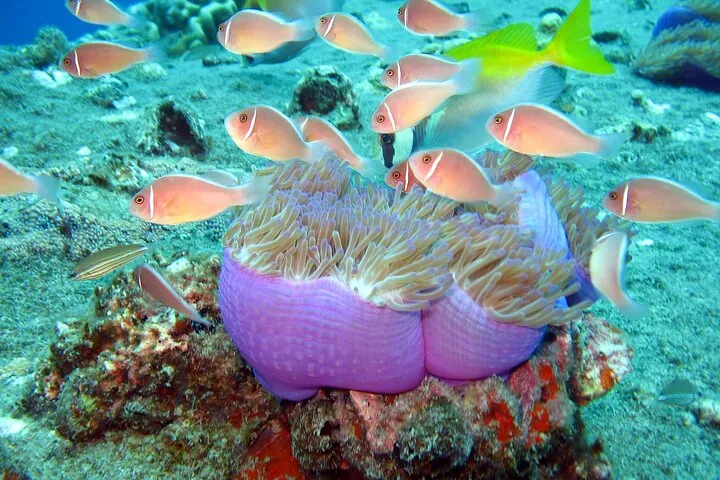
Koh Tao VIP Snorkelling Tour

Private Red Dragon Yacht to Ang Thong Marine Park


Sunset Stand Up Paddleboard (SUP) Tour in Koh Samui

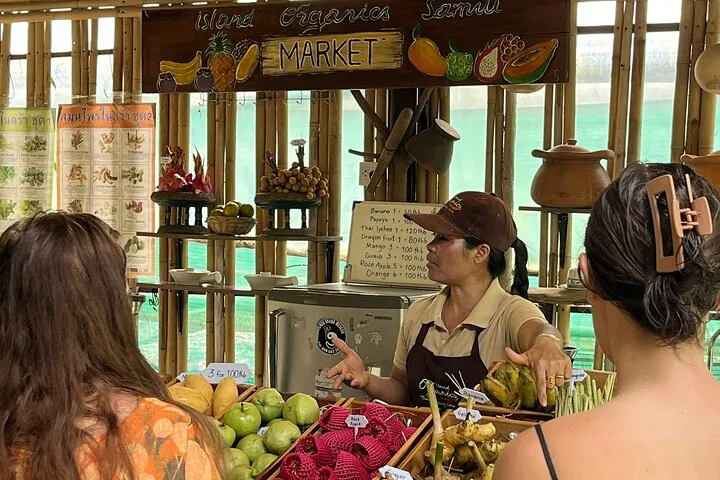
Thai Cooking Class | Since 2012 | Farm to Table


6 Hours Elephant Care and Jungle Tour by 4WD in Koh Samui


Cooking Class in Koh Samui for Small Group

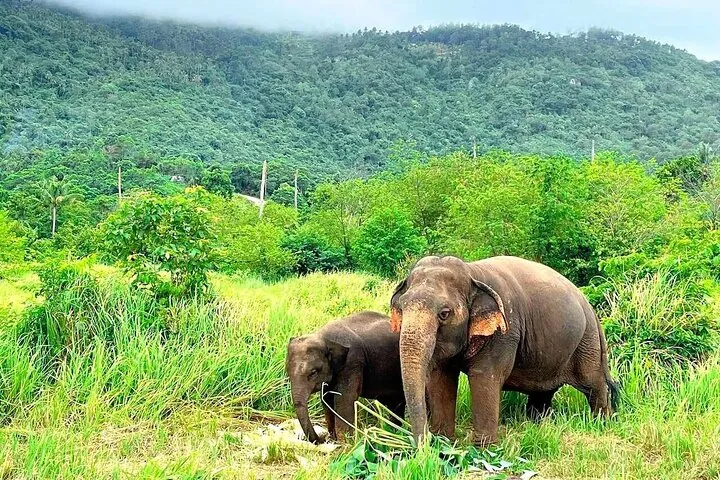
Koh Samui Elephant Nature Care Sanctuary Visit


Full-Day Angthong Discovery Cruise from Koh Samui
When to go
Bophut Beach
Andaman coast · Phuket, Krabi, Khao Lak
In November and December, Bophut Beach is in its rainy season while the Andaman coast has its best months. Compare the two coasts
Jan–Feb Ideal conditions, low humidity, clear evenings for the Friday Walking Street market, and calm seas. January is busy; February offers the same weather with slightly fewer crowds and better room rates.
Mar–May Hot and dry, with strong sunshine most days. Bophut's beachfront restaurants and boutique hotels are quieter than Chaweng, making the heat more manageable. Book ahead for Songkran in April.
Jun–Sep Good-value months for Fisherman's Village. Boutique hotel rates drop and the Friday Night Market is less crowded. The occasional shower is short-lived and evenings stay pleasant for dining out.
Oct–Dec The NE monsoon hits Bophut's north-facing coast with short heavy bursts, peaking in November. Outdoor walking-street events may be cancelled in bad weeks. December often sees partial clearing.
More to explore around Koh Samui





About Bophut Beach
Last updated June 2026
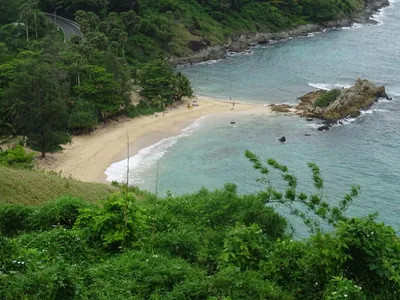
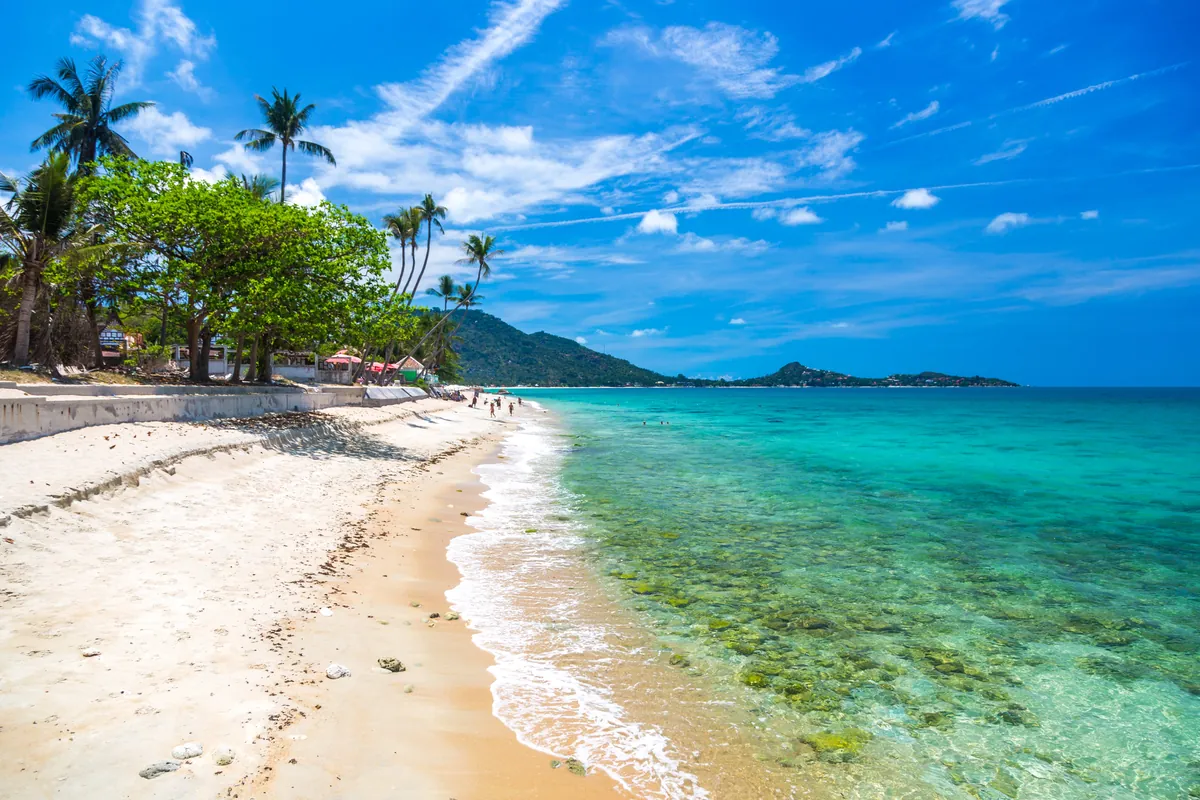
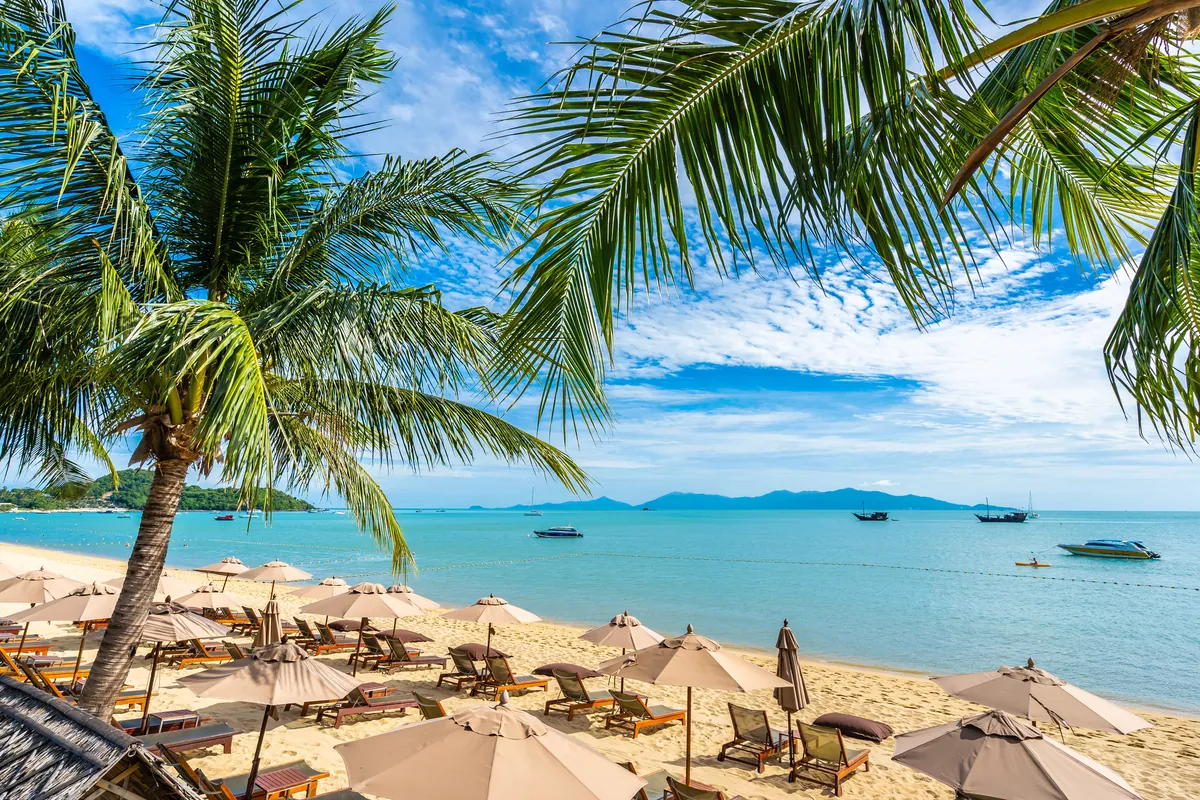
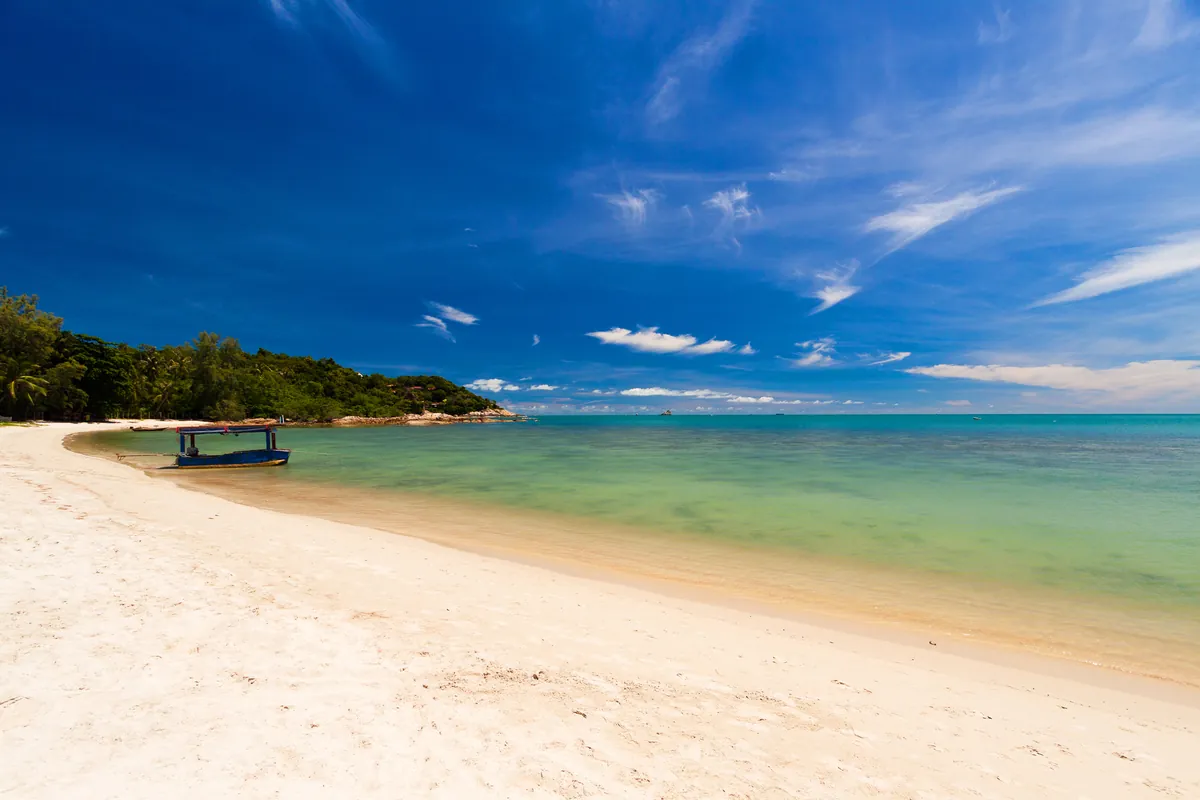
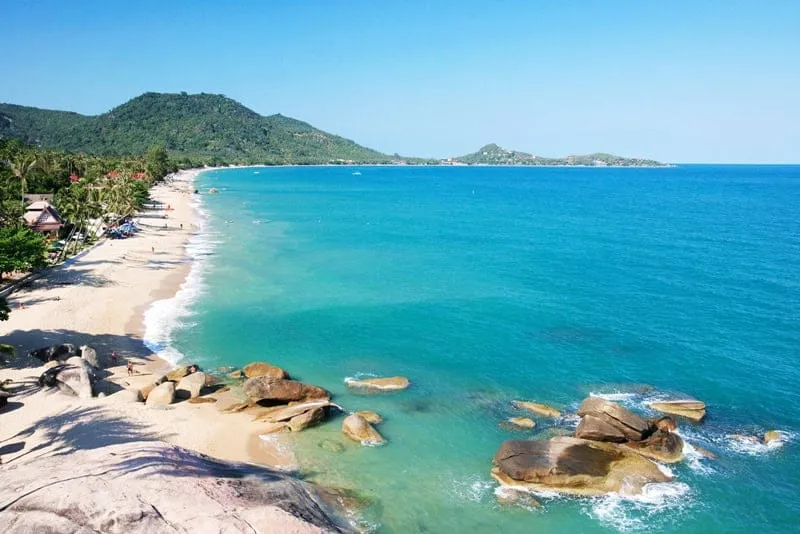
Bophut Beach stands out as Koh Samui’s most charming coastal stretch, where traditional fishing village life blends seamlessly with boutique hospitality. The historic Fisherman’s Village forms the heart of this destination, offering travelers a more authentic and intimate Samui experience compared to the island’s busier resort areas. This northern shore location attracts visitors who appreciate character-filled accommodations, waterfront dining, and cultural experiences alongside their beach time. Within Koh Samui’s diverse landscape, Bophut provides the perfect middle ground between the party atmosphere of Chaweng and the tranquil isolation of the island’s quieter bays.
Top Things To Do
The Friday Walking Street market draws local vendors selling handicrafts, street food, and souvenirs along the historic waterfront of Fisherman’s Village. Throughout the week, the village’s century-old Chinese shophouses house art galleries, cafes, and boutique stores worth exploring on foot. The beach itself offers calm Gulf waters ideal for swimming and kayaking, with several operators offering boat trips to nearby islands. Beachfront dining represents a major draw, with restaurants serving everything from traditional Thai seafood to international cuisine, many occupying restored wooden buildings with sea views. The compact size of Fisherman’s Village makes it perfect for leisurely strolls, especially during sunset hours when the old architecture glows in golden light.
Where To Stay
Boutique hotels dominate Bophut’s accommodation scene, with many properties occupying restored traditional buildings or featuring contemporary design inspired by local architecture. These intimate properties typically offer personalized service and unique character that larger resorts can’t match. Beachfront options provide direct access to the sand and water, while village-center hotels put you within walking distance of restaurants and shops. The area attracts travelers who prioritize charm and atmosphere over extensive resort facilities, making it ideal for couples and culture-focused visitors rather than families seeking kids’ clubs and water parks. If you want a full 5-star resort rather than a boutique conversion, see luxury hotels on Koh Samui for the beachfront options a short drive along the north coast.
Getting There
Koh Samui Airport serves as the main gateway, located about 15 minutes from Bophut Beach by taxi or hotel transfer. Direct flights connect Bangkok, Phuket, and other major Thai cities to the island. Alternatively, budget travelers can fly into Surat Thani on the mainland, then take a bus-ferry combination to reach Samui - this journey takes about 3 hours total but costs significantly less than flying direct. From other Samui beaches, local taxis or motorbike rentals make it easy to reach Bophut, with the entire island being quite compact and easily navigable.
Best Time To Visit
The Gulf of Thailand’s weather pattern makes October through December Bophut’s wettest months, when heavy rains and rough seas can disrupt beach activities and boat trips. January through September offers the most reliable weather, with March to May being hottest and driest. The cool season from December to February provides the most comfortable temperatures, though this coincides with peak tourist season and higher prices. September often delivers excellent conditions with fewer crowds as the wet season begins elsewhere in Thailand.
Practical Tips
ATMs and currency exchange services are readily available throughout Fisherman’s Village, with most boutique hotels and restaurants accepting credit cards. The compact village layout makes walking the preferred transport method, though motorbike taxis connect to other parts of Samui. English is widely spoken in tourist-facing businesses, and the relaxed beach dress code applies throughout the area. The village’s historic character means some accommodations occupy older buildings with unique layouts - check room details when booking if you need specific amenities.
Insider Tip: Time your visit to the Friday Walking Street market for around 5 PM when vendors are setting up but crowds haven’t arrived yet - you’ll get better photos and first pick of the best street food before popular stalls sell out.